
Créé par Romane, le 4 oct. 2026
Votre guide Ryo
Reykjavik, Iceland
The Smoky Bay
Parcours audioguidé pour visiter Reykjavik en 1 jour
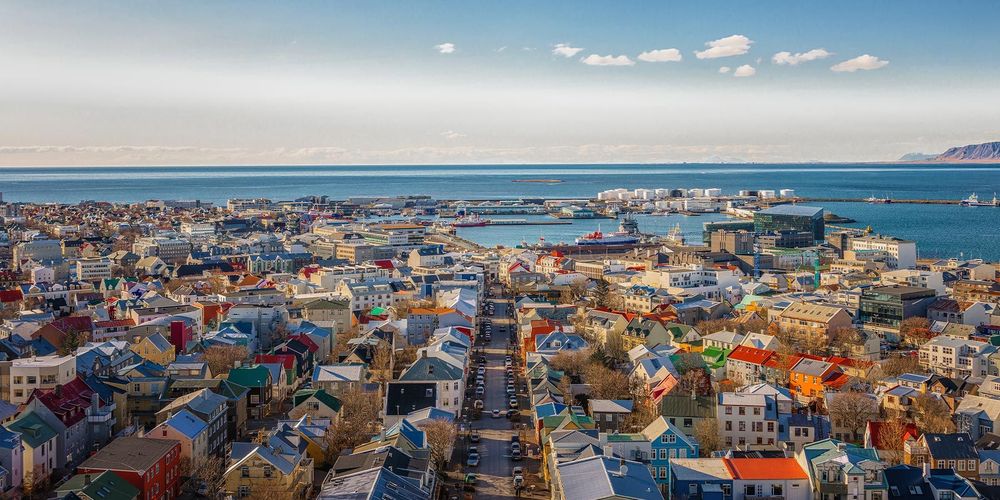
On the edge of the Arctic, Reykjavik surprises with an atmosphere that is both peaceful and vibrant. With its colorful houses, dynamic culture, and ever-present nature, the capital offers a unique Nordic experience.
Quand partir à Reykjavik ?
Jan.
0°
13
Feb.
1°
12
March
2°
13
April
5°
12
May
8°
11
June
11°
10
July
13°
10
Aug.
13°
11
Sept.
10°
12
Oct.
7°
13
Nov.
3°
14
Dec.
1°
13
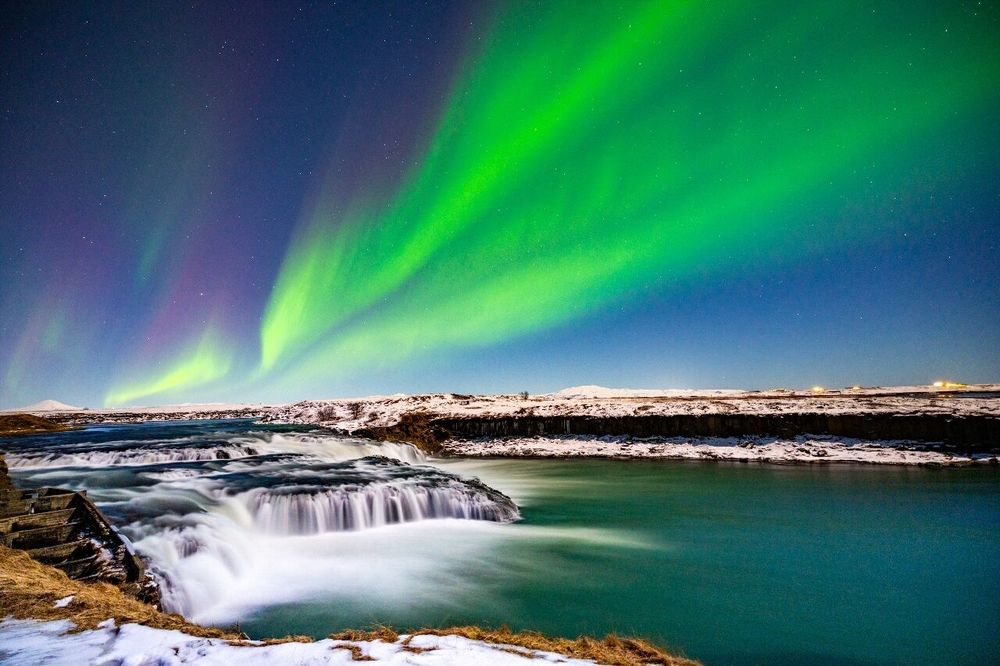
During the whole year, average temperature generally stays around 4°C/39°F due to its subpolar oceanic climate. After all, you must not forget that Reykjavik is actually the most northern capital in the world, so it's obviously going to be cold! From January to February, minimal temperatures drop to 0°C/32°F. From June to September, the hottest temperatures elevate at 12°C/53°F. Months with the most rain are from January to March, but also September and October. I know, planning a voyage to Iceland is complicated given its difficult weather. However, if I were still to advise you a period, come during the summer. If you're planning to come to Reykjavik during winter, know that there won't be much sun -- daylight only stays for a few hours! Therefore, I advise you to organise your time when visiting to enjoy the few hours you have while there's still daylight. Other than that, coming in winter is the perfect time to see boreal lights. The ideal place to spot them, without having to go too far away, is Álftanes, which is about 15 minutes away from Reykjavik. Additionally to an amazing sight, you'll also get to take a photo of this unforgettable scenery. Sounds great, huh?
Départ conseillé
No need to worry about where to begin! Our tours are designed as a loop, so you can jump in wherever you are. The navigation system and audioguide will automatically adjust to your location. However, if you happen to be nearby, we do have a preferred starting point: on Austurvöllur square.
Parking à proximité
Ráðhús parking : 12 Tjarnargata.
À savoir
Just like any other major tourist destination, you can purchase Reykjavik's City Card, which offers plenty of advantages and discounts on public transport and activities. A great alternative for those who want to discover the city at your own pace.
The currency in Iceland is the Icelandic Krona (ISK).
Découvrez 21 lieux d'intérêt pour visiter Reykjavik











Le plein d'inspirations
Explorez le monde en totale liberté, à pied au cœur des villes ou au fil des routes. Nos guides audios transforment chaque destination en une découverte culturelle immersive et unique.

FAQ for visiting Reykjavik
When is the best time to visit Reykjavik?
The summer period, from June to September, remains the most pleasant time to discover Reykjavik. You will enjoy milder temperatures, generally around 12°C, and above all the long, bright days that are perfect for exploring the city. Winter offers a radically different experience with very short days and temperatures close to 0°C, but it is also the ideal season to watch the northern lights. If possible, avoid the months of January to March as well as September and October, which are rainier. Each season has its charm: summer for its mildness and light, winter for its authentic Nordic magic.
How many days do you need to visit Reykjavik?
Two to three days are generally enough to discover the essentials of Reykjavik. This gives you time to explore the city centre with its colourful houses at a relaxed pace, visit the main museums and monuments, and soak up the unique atmosphere of the Icelandic capital. If you also want to take a few excursions to the nearby surroundings or take the time to live at the local pace, plan on four to five days instead. Reykjavik's advantage is its human scale, which lets you see a lot in a short time while keeping a pleasant sightseeing rhythm.
How do you get around Reykjavik?
Reykjavik's city centre is perfectly suited to walking and most of the tourist attractions are reachable on foot. For longer distances, the local bus network is efficient and serves the different neighbourhoods well. Many visitors also opt for bike rental, which is especially pleasant in summer. Taxis are available but generally more expensive. If you plan excursions outside the city, renting a car becomes worthwhile. In winter, be prepared to walk on sometimes slippery pavements and dress warmly to make the most of getting around on foot.
What are the absolute must-sees in Reykjavik?
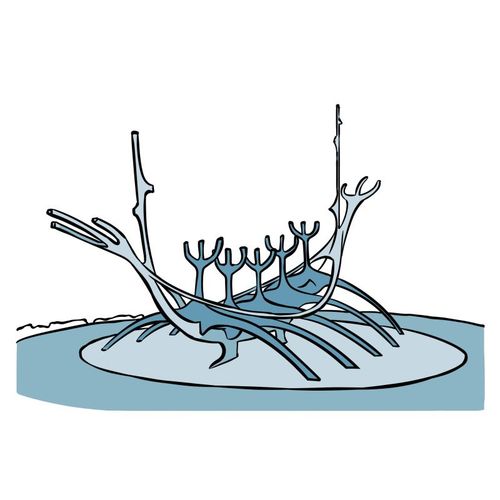
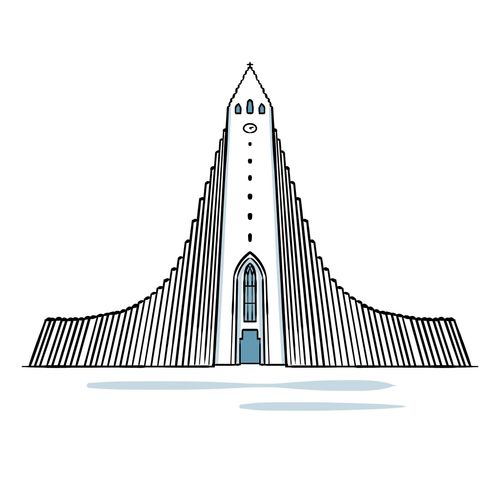
Reykjavik is full of fascinating sites to discover. The iconic Hallgrímskirkja church dominates the city with its unique silhouette, while the seafront with the Sun Voyager sculpture offers spectacular views. The colourful old harbour, the national museums and the Laugavegur shopping street all deserve your attention. Don't miss the Tjörnin lake and its peaceful surroundings either. For an optimal discovery of these must-sees, the Ryo audioguide offers a narrated route that guides you through the emblematic neighbourhoods while sharing the history and anecdotes of each place. This walk lets you explore the capital at your own pace while missing none of the major sites.
What can you do in Reykjavik in bad weather?
On rainy or bitterly cold days, Reykjavik offers many indoor activities. The museums are excellent, notably the National Museum of Iceland and the Reykjavik Art Museum. The public thermal pools, true local institutions, let you relax in warm water even in freezing weather. The city's cosy cafés are perfect for enjoying a hot chocolate while watching local life go by. You can also explore the art galleries, go shopping in the malls or discover the dynamic cultural scene with concerts and shows. Bad weather is part of the Icelandic experience and the locals know exactly how to make the best of it.
Can you see the northern lights from Reykjavik?
Yes, it is possible to observe the northern lights from Reykjavik, mainly between September and April on clear nights. However, the city's light pollution can limit their visibility. For a better experience, head to less lit areas such as the Grótta lighthouse, or make your way to Álftanes, located just fifteen minutes from the centre. The ideal conditions combine a clear sky, sufficient solar activity and the absence of a full moon. Many mobile apps help you forecast the auroras. Patience and warm clothing are essential for this magical hunt for the dancing lights of the north.
Where should you stay in Reykjavik?
The city centre remains the preferred choice for staying in Reykjavik, letting you easily reach the main attractions on foot. The area around Laugavegur offers a lively atmosphere with numerous restaurants and shops. For more peace and quiet, the residential areas near Tjörnin lake are ideal. Accommodation options range from friendly hostels to Nordic design hotels, as well as apartment rentals. Prices are generally high, particularly in summer, so book in advance. Choose central accommodation to save on transport and make the most of the unique atmosphere of the Icelandic capital.
Can you go whale watching from Reykjavik's old harbour?
Boat trips leave from the old harbour, a few minutes' walk from the centre, and usually last half a day out in Faxaflói bay. Depending on the time of year, you may spot minke whales, porpoises, white-beaked dolphins and, with some luck, a humpback; the most favourable season runs from spring to late summer, when the sea is calmer and the light generous.
The same quays also offer, in early summer, crossings to the islets where puffins nest. Wrap up more warmly than you think you need to, as the wind out at sea bites far harder than on land. Finally, keep in mind that no sighting is guaranteed: these are wild animals, free to go where they please.
What is there to do in the evening in Reykjavik?
Nightlife is concentrated in a few streets in the centre, around Laugavegur and the nearby squares, where bars, music cafés and small venues follow one another in timber houses. Locals go out late, especially at the weekend, moving from one place to the next as the night goes on: this walking round even has a local name, and the atmosphere stays more relaxed than in many capitals.
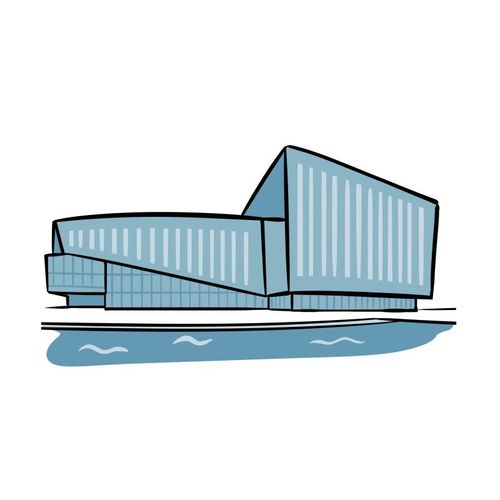
For a quieter evening, the large concert hall by the harbour, recognisable by its glass façade inspired by basalt columns, programmes classical music and contemporary work. In summer, the light that lingers through much of the night invites you to stretch out a walk along the water instead; in winter, warm cafés take over from the terraces.
Where are the best viewpoints over Reykjavik?
The tower of Hallgrímskirkja church, visible from almost anywhere, can be reached by lift and reveals a full panorama over the coloured rooftops, the bay and, on a clear day, Mount Esja closing the horizon to the north. It is the best landmark for grasping the city's geography before exploring it on foot.
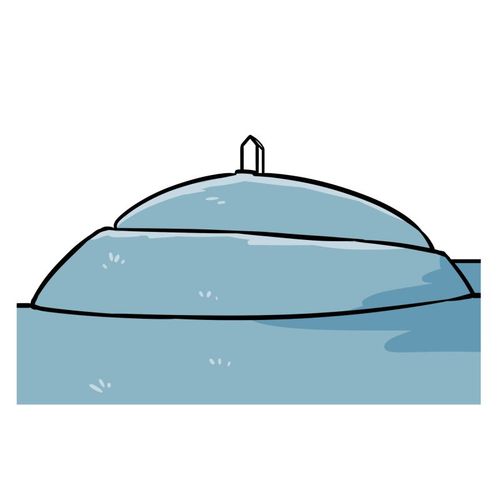
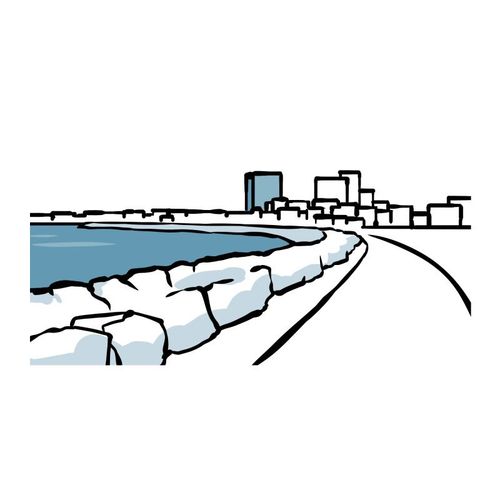
On a nearby hill, the building crowned with a glass dome, recognisable by its large hot-water tanks, offers a circular terrace facing the ocean and the mountains. Down by the water, the coastal path leading to the Grótta lighthouse opens long perspectives over the sea, especially prized by locals at the end of the day, when the light skims the shore.
Vos commentaires, idées et suggestions
Aucun avis pour le moment