© Shutterstock
 Votre guide Ryo
Visiting Reykjavik for the First Time: Complete Guide 2026
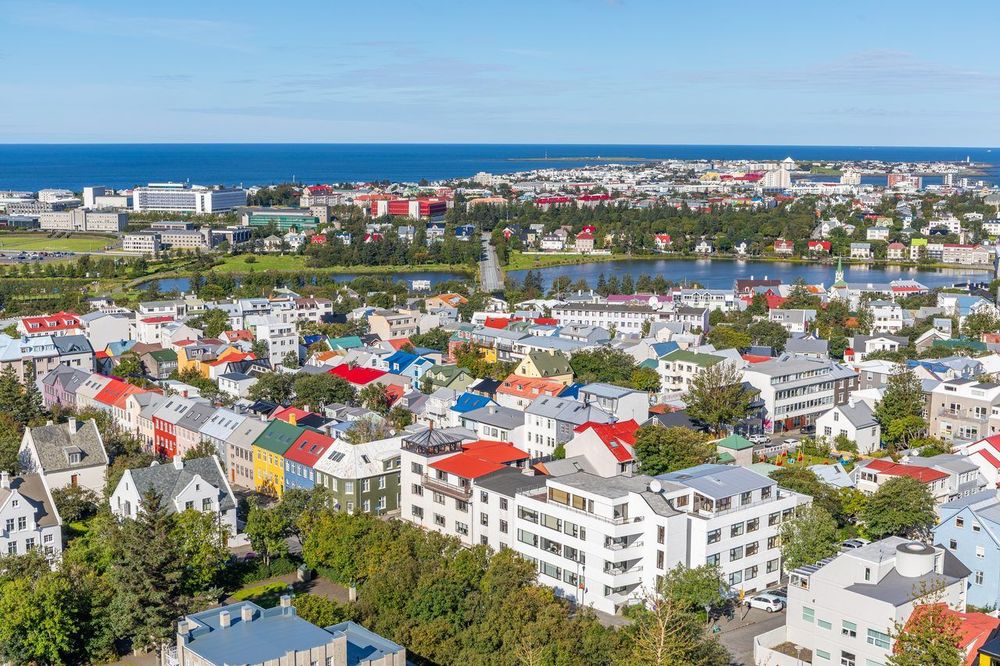
Barely out of Keflavík airport, the light already changes: low, grazing, almost always slightly pink even in the middle of a summer day. Visiting Reykjavik for the first time often begins with this sensation, long before you have glimpsed a single colorful church or the first geyser. The Icelandic capital, set on the edge of a bay that the first settlers called "the bay of smokes" because of the plumes of geothermal steam, fits in the palm of your hand: you can walk around it in a good half-day. The Ryo audio-guided tour of Reykjavik, The Bay of Smokes follows precisely this historic route, from the harbor to the church hill, with headphones on and no map to unfold.
In the pages that follow: a lake in the middle of the city where wild swans swim in winter, a concert hall whose facade changes color depending on the angle of the sun, a museum entirely devoted to the most unusual phenomena of local anatomy, pools of 38°C water open all year round under the snow, and day trips to geysers that spout every ten minutes. Enough to build a first trip without leaving anything to chance, from Hallgrímskirkja church to the real chances of spotting a northern light.
Reykjavik's Historic Center: Church, Colorful Streets and Lake Tjörnin
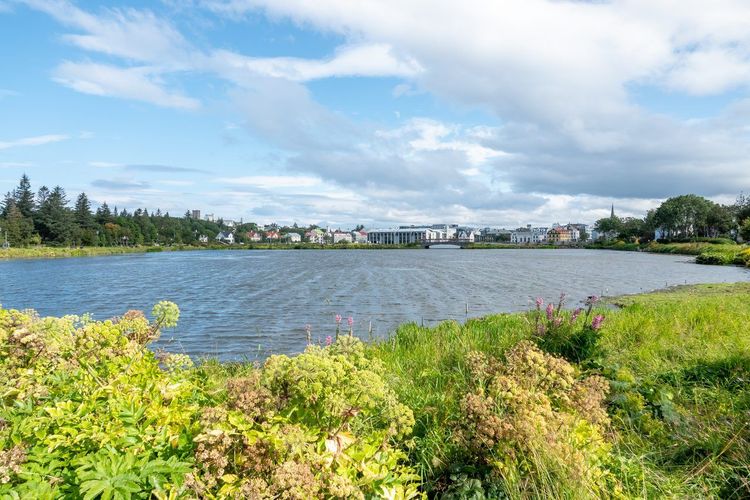
Reykjavik's historic center fits entirely within an area that you can easily cover on foot in half a day, between the church hill and the edge of the lake. Three atmospheres follow one another: the rigor of the religious monument, the colorful bustle of Laugavegur, then the almost provincial calm around Tjörnin (Tjörnin, 101 Reykjavik, rated 4.7/5 on Google from 134 reviews).
Hallgrímskirkja and Its View over the City
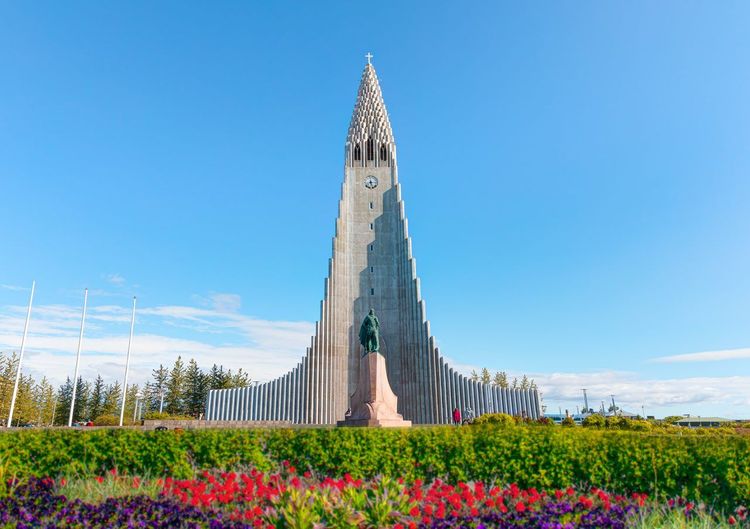
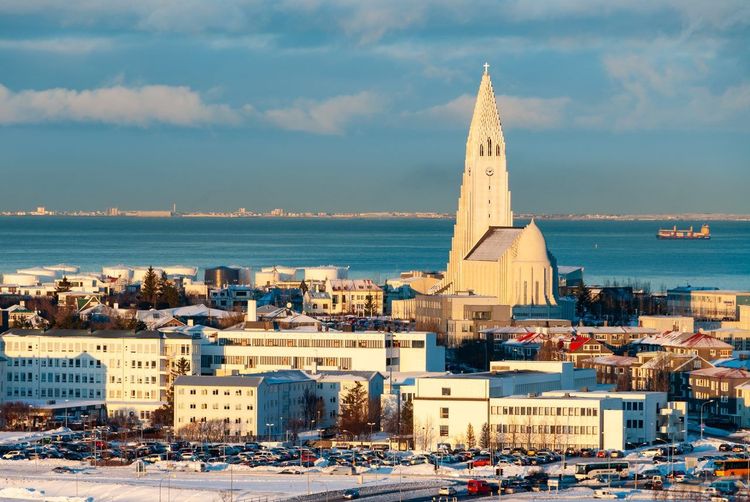
You can't miss Hallgrímskirkja when arriving in the center: its 74.5 meters of ridged concrete dominate the whole city, visible from almost any street. The architect Guðjón Samúelsson drew inspiration from the basalt columns that line the Icelandic coasts to design this facade, a project launched in 1945 and completed only in 1986.
The almost bare interior contrasts with the spectacular facade: no gilding, just light falling from the tall windows onto the pale stone. You can stop in for an organ concert (regular in summer), but the real reason to come up here remains the bell tower elevator (1500 ISK for an adult in 2026, tickets sold only at the church shop, nave entrance free): the entire city unfolds below, colorful rooftops, the bay, and on a clear day the mountains on the other side of Faxaflói.
In front of the church, the statue of Leif Erikson (a gift from the United States in 1930 for the 1000th anniversary of the Icelandic parliament) looks toward the Atlantic, as if to remind us that Icelanders reached America well before Christopher Columbus. It is also the natural starting point for a stroll toward the center, since the street opposite is none other than Skólavörðustígur. Go up early in the morning or just before closing: the line can exceed 30 minutes in high season (June-August).
Laugavegur Street and Rainbow Street (Skólavörðustígur)
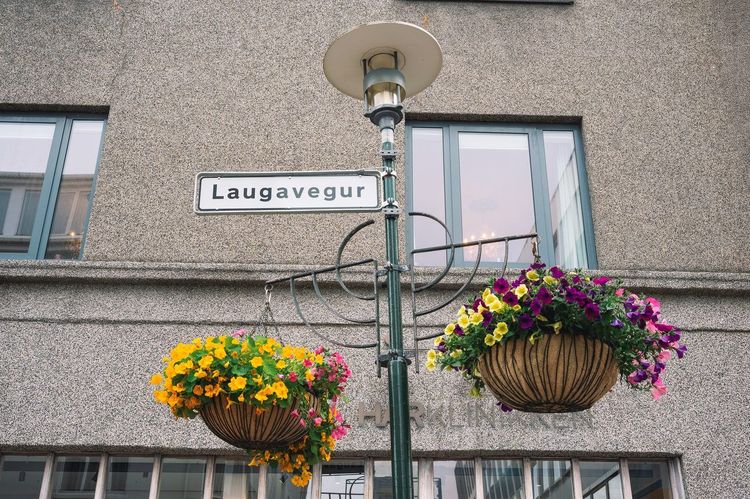
Coming down from the hill, you quickly reach Laugavegur, the main shopping street of the center, whose name (literally "the hot springs road") comes from the path that Reykjavik women once took to wash their laundry in the hot springs of Laugardalur. Today, it is mostly Icelandic wool shops (lopapeysa), bookstores and cafés that line the street for nearly a kilometer.
Halfway along, a perpendicular street climbs straight toward Hallgrímskirkja: this is Skólavörðustígur, renamed Rainbow Street since a rainbow was painted on the ground in 2015 for Pride, then made permanent in 2019 in support of the LGBTQ+ community. The street has become one of the most photographed spots in the city, with its corrugated metal facades repainted in yellow, blue or brick red, a style characteristic of early 20th-century Reykjavik architecture, when imported wood was too expensive and metal sheeting protected better against the Atlantic wind.
The neighborhood is also full of street art: large-format murals on blind gable walls, more discreet stencils in the side alleys. Several date from the Wall Poetry project, organized in 2015 and 2016 with the Iceland Airwaves festival, which paired each mural with an Icelandic musician. You can easily lose an hour wandering up these small streets without a precise itinerary, as most of the center fits in a rectangle less than a kilometer on each side.
If you prefer to keep your hands free and let a voice tell you about each facade, the Ryo audio-guided tour of Reykjavik, The Bay of Smokes follows precisely this Hallgrímskirkja-Laugavegur-Rainbow Street triangle, with commentary dedicated to the history of each color of metal sheeting.
Lake Tjörnin and City Hall
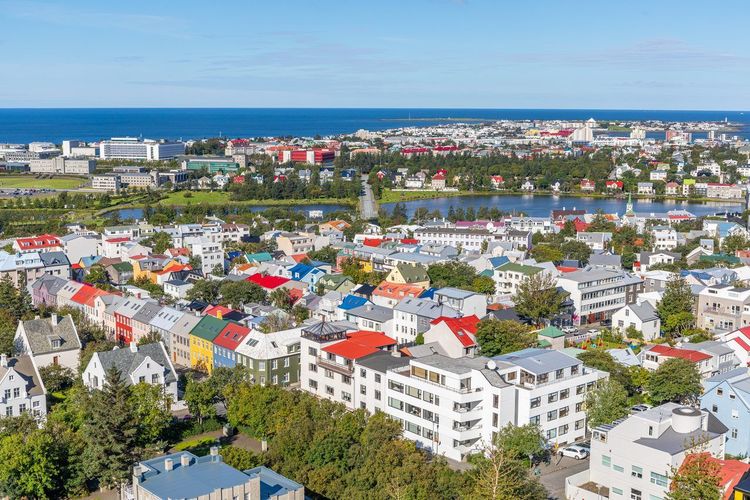
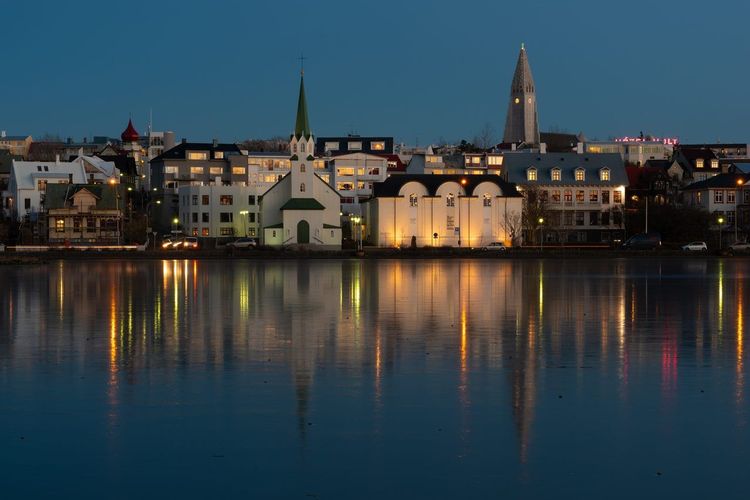
Continuing south, the neighborhood grows calmer around Lake Tjörnin, a body of water in the middle of the city where about fifteen bird species nest each spring, swans and eiders included. Locals come to feed the ducks in summer and winter alike, as the lake only partially freezes thanks to geothermal waters that flow into it in places.
On its north shore stands City Hall (Ráðhús), a glass and basalt building constructed in 1992 directly on stilts above the water. Its hall houses a relief model of all of Iceland, useful for visualizing at a glance the regions you plan to explore next, between fjords and highlands.
Around the lake, several institutional buildings (the Parliament, the Lutheran cathedral Dómkirkjan) complete this small historic center, all grouped within a few hundred meters, which lets you see everything without ever taking a bus.
The Seafront: Harpa, Sólfar and the Old Harbor
Reykjavik's second essential axis runs along the sea, from the concert hall to the historic harbor. Allow a good hour of leisurely walking, with the wind at your back if you start from the center heading east, or in your face in the other direction, which is no small detail on a coast where the Atlantic breeze blows almost continuously.
Harpa, the Concert Hall with Glass Facades
Set at the edge of the harbor, Harpa is a concert hall and conference center whose glass facade seems to change color every hour depending on the light. The Danish-Icelandic artist Olafur Eliasson designed this lattice of hexagonal panels drawing inspiration from basalt columns, a motif that decidedly comes up often in local architecture.
The project, launched just before the 2008 financial crisis that almost halted it for good, ended up becoming a symbol of Icelandic resilience: completed in 2011 thanks to public funding that was controversial at the time, Harpa now houses the Iceland Symphony Orchestra and hosts most of the city's major festivals, including Iceland Airwaves in November.
Even without a concert ticket, the interior can be visited freely during the day: go up to the top floor of the main hall, where the view of the harbor and the mountains is as good as outside, and it's free. A café and a small Icelandic design shop occupy the ground floor, handy for a break out of the wind between two visits to the seafront.
Sólfar, the Sun Voyager
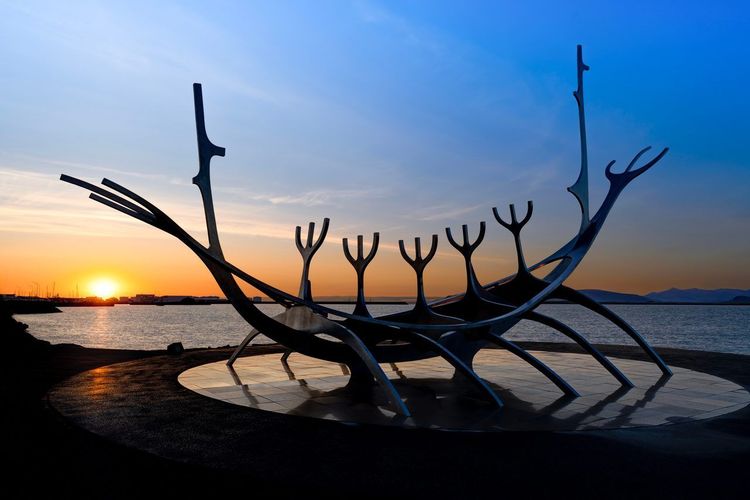
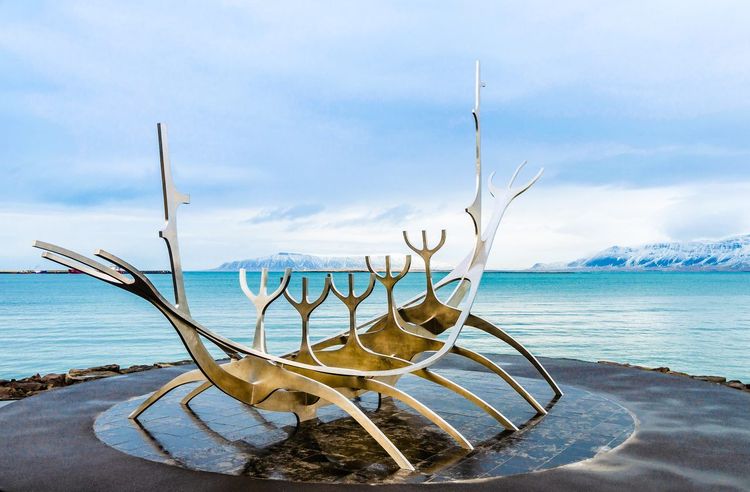
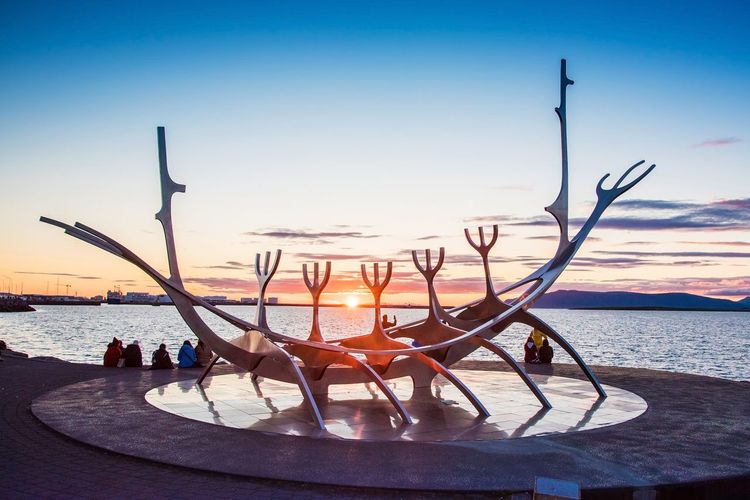
Ten minutes' walk along the waterfront stands Sólfar, the Sun Voyager, a steel sculpture by Jón Gunnar Árnason depicting the skeleton of a stylized Viking ship. The artist, who died a year before its unveiling in 1990, conceived it as a tribute to light and to the promise of an unexplored territory rather than as a direct historical reference to longships.
It is probably the most photogenic viewpoint in Reykjavik at sunset, the structure standing out in black against the bay and, on a clear day, against the snow-capped peaks of Mount Esja across the water. In summer, the sun never really sinks low enough to disappear completely, which prolongs the scene for hours. Locals come to run or cycle along the coastal path that runs past the sculpture for several kilometers, a good way to see the city step out of its postcard format.
The Old Harbor and Its Whaling Boats
At the end of this same coastal path, the Old Harbor (Gamla höfnin) still keeps a few traces of its past as a whaling and fishing port, even if most of the boats leaving from it today carry tourists rather than cod.
The quays are home to several whale- and puffin-watching companies, a fish market on Saturdays, and the Saga Museum (Grandagarður 2, 101 Reykjavik, rated 4.3/5 on Google from 1,966 reviews), which recreates with life-size wax figures the great episodes of Icelandic history, from the Viking sagas to the Black Death.
It is also from this district, renamed Grandi, that most boat excursions depart, and where several local brewers' workshops and the Icelandic design museum have settled in recent years, a sign that the port has shifted as much toward tourism as toward the cultural life of the city.
If you are short on time, the short version of the Ryo audio-guided tour focuses on this seafront and tells you, right in front of the facade, the behind-the-scenes story of the Harpa construction project.
Perlan, the Settlement Museum and Other Cultural Must-Sees
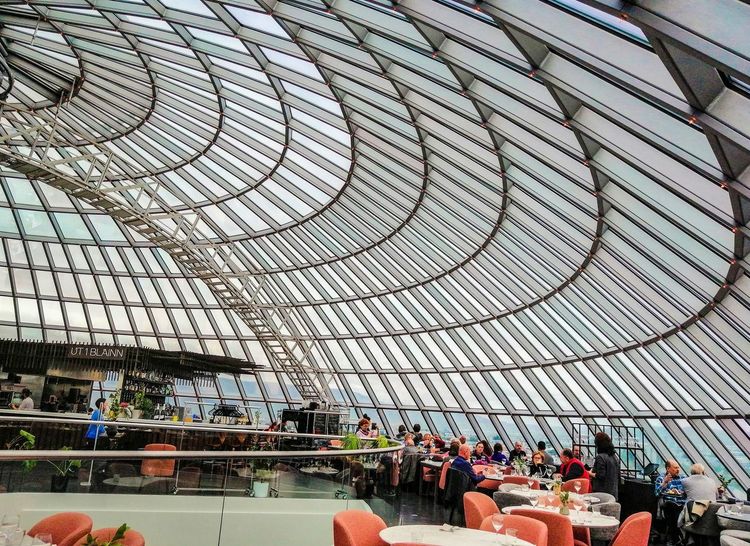
South of the center, on one of the hills overlooking the city, a silver dome completes the tour of Reykjavik's emblematic monuments. The surroundings also bring together most of the museums worth an hour or two if the frequent rain makes its way into your plans.
The Perlan Dome and Its 360° Panorama
Perlan occupies former geothermal hot water tanks, converted in 1991 into a glass dome set on six cylindrical tanks that still store the water heating part of the city.
The roof of the dome serves as a 360° observation platform, accessible by elevator, with a view that reaches on a clear day as far as the Snæfellsjökull glacier more than 100 km away. Inside, the Wonders of Iceland exhibition houses an artificial ice cave of more than 100 meters, shaped in snow and kept at below-freezing temperatures, a good preview of what awaits you if you venture out to a glacier during your stay.
Allow a good hour and a half on site, a little more if you attend one of the short planetarium shows devoted to the northern lights, useful for understanding the phenomenon before hoping to see it for real that same evening.
Reykjavik 871±2: The Settlement Exhibition
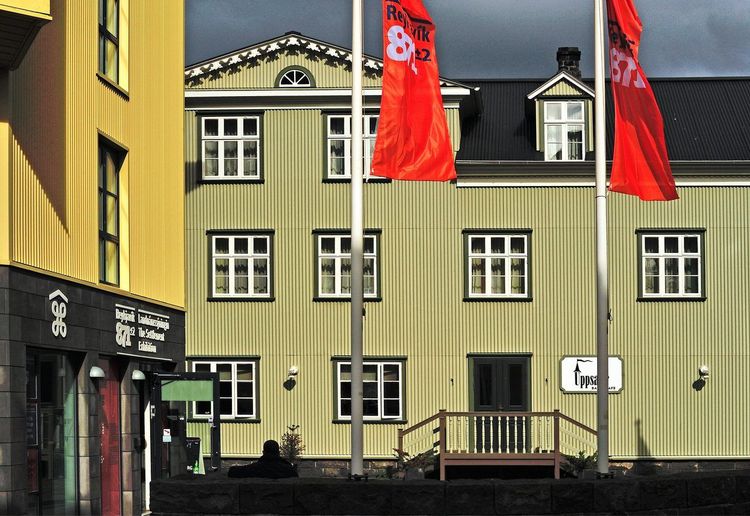
Closer to the center, beneath Aðalstræti square, hides one of the densest exhibitions in the city: Reykjavík 871±2, built directly around the remains of a Viking longhouse dated by volcanic ash to the year 871, give or take two years.
Touchscreens and sound reconstructions tell of the daily life of the very first Icelandic settlers, who arrived from Norway with their livestock, in a compact format that can be visited in barely 45 minutes. For anyone who wants to understand where the very name of Reykjavik comes from ("the bay of smokes," after the columns of geothermal steam spotted from the boats), it is the logical starting point for everything else.
Museums and Unusual Experiences (Saga Museum, National Museum, FlyOver Iceland, Phallological Museum)
Rainy days in Reykjavik are easily solved by museums, which are plentiful within a very small area. The National Museum of Iceland traces a thousand years of history through its collections of Viking and religious objects, while the Reykjavik Art Museum (Hafnarhús) displays the monumental works of Erró, the best-known Icelandic artist internationally.
More unusual, the Phallological Museum (more than 200 specimens of marine and land mammals) and the Reykjavik Punk Museum, set in former underground public toilets on Bankastræti, cultivate a very Icelandic humor that locals readily embrace.
For a more immersive experience, FlyOver Iceland (Fiskislóð 43, 101 Reykjavik, rated 4.7/5 on Google from 5,874 reviews) lets you virtually fly over the entire island in suspended seats with wind and spray effects, while the Icelandic Lava Show recreates a flow of molten lava at over 1000°C live, in a hall in the Grandi harbor.
The Ryo audio-guided tour of Reykjavik includes a stop at Perlan, with commentary on the history of the site and what you can see from the roof on a clear day, so you know where to look even before taking the elevator.
Hot Springs and Geothermal Pools Near Reykjavik
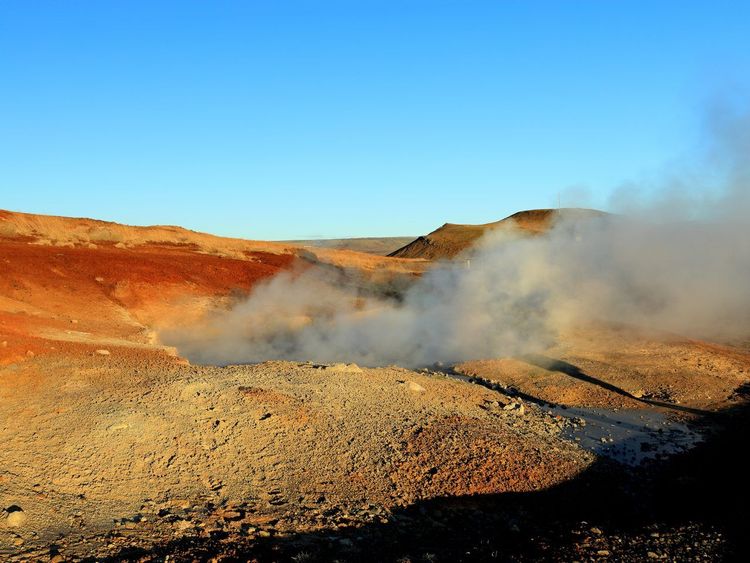
Bathing outdoors in 38°C water while the outside air hovers near 0°C is one of the obligatory rituals of a stay in Iceland, and Reykjavik is no exception, whether you aim for the country's best-known spa or simply your neighborhood pool.
The Blue Lagoon, the Best-Known Hot Spring
The Blue Lagoon, 45 minutes by road from the center between the airport and the city, remains the most photographed hot spring in the country: a milky water, rich in silica and blue algae, whose turquoise color comes from a geothermal process linked to the neighboring Svartsengi power plant rather than from a purely natural phenomenon.
Reservations are mandatory, often several weeks in advance in high season, and you should budget accordingly: expect at least 65 to 70 euros for entry with the basic package. The repeated eruptions on the Reykjanes peninsula (the latest, on the Sundhnúkur crater row, ended in August 2025) have closed the site several times; it operates normally in 2026, but check the status of the site the day before your visit.
The Sky Lagoon, the Alternative Closer to the Center
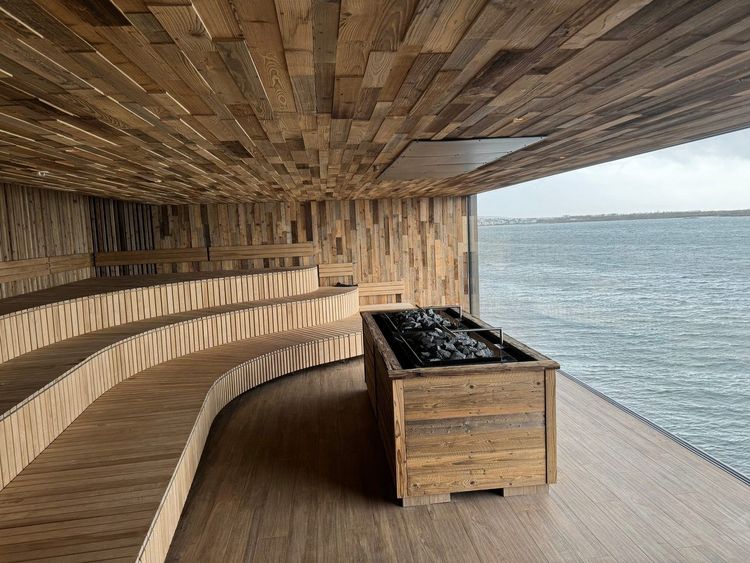
The Sky Lagoon, just 15 minutes from downtown on the Kársnes peninsula, plays the card of proximity and a wilder setting: an infinity pool that feels like it spills straight into the ocean, with a seven-step wellness ritual (scrub, sauna, cold plunge) included in the admission price.
Less known to the general public than the Blue Lagoon, it generally requires less advance planning to book a spot, an argument that matters for an improvised first trip.
Municipal Geothermal Pools, Part of Everyday Icelandic Life
Icelanders themselves almost never go to these two tourist lagoons: they have their municipal geothermal pools, open all year round at bargain prices (around 6 to 8 euros for entry), such as Sundhöllin (Barónsstígur 45a, 101 Reykjavik, rated 4.6/5 on Google from 1,260 reviews) right in the center or Vesturbæjarlaug, further out but popular with regulars.
People come to swim, chat in the hot tubs about local politics, or simply clear their heads on a Sunday morning, a habit so ingrained that it is part of the capital's social rituals just like the morning coffee.
Excursions from Reykjavik: Golden Circle and South Coast
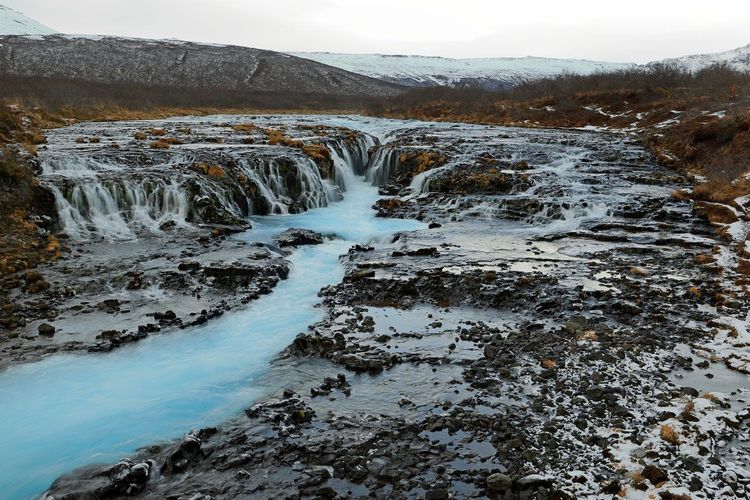
Reykjavik serves above all as a base camp: most of the sites that made Iceland famous can be visited on day trips, by rental car or organized minibus, returning to sleep in the city that same evening. The following three itineraries account for most of the tours sold by local agencies.
The Golden Circle: Geysir, Þingvellir and Gullfoss
The Golden Circle remains the most popular excursion from Reykjavik, doable in a day with an early morning start. First stop, the geothermal site of Geysir, whose name gave the generic word "geyser" in all the languages of the world: the historic Geysir is now dormant, but its neighbor Strokkur erupts every 5 to 10 minutes, shooting a column of water up to 20 meters high.
Just about ten kilometers away, the Gullfoss falls pour in two tiers into a basalt gorge, with enough flow to produce a permanent rainbow on sunny days.
Last stop, Þingvellir National Park is not just a spectacular backdrop of tectonic fault between the North American and Eurasian plates: it is also where the Alþingi, one of the oldest parliaments in the world, met outdoors starting in the year 930. The site has been a UNESCO World Heritage Site since 2004.
Allow a full day door to door, with enough leeway to walk to the bottom of the fault at Þingvellir, which easily takes 40 minutes round trip.
The South Coast: Waterfalls and Black Sand Beaches
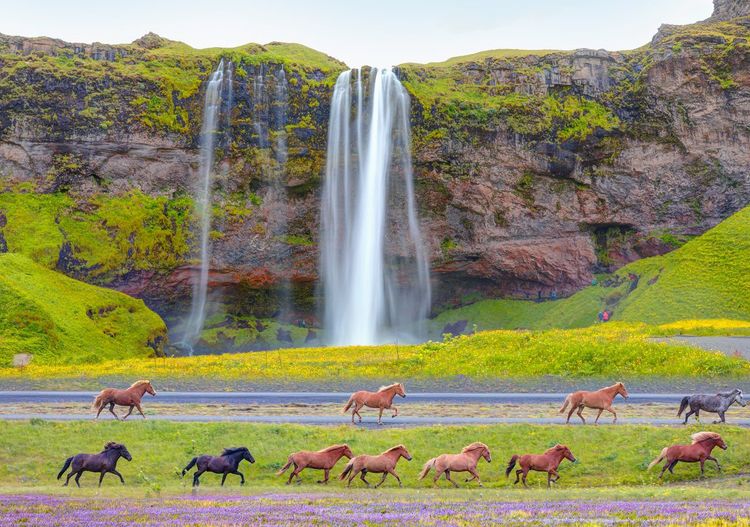
The south coast, which leads to the village of Vík, lines up the most photographed waterfalls in the country: Seljalandsfoss, which you can walk behind (bring waterproof clothing, as the fall literally showers the path), then Skógafoss, wider and more massive, visible from the road well before you reach the parking lot.
Further on, the black sand beach of Reynisfjara (Reynisfjara, 871 Vík í Mýrdal, rated 4.8/5 on Google from 2,591 reviews) deserves its reputation as much as its warnings: the sneaker waves that crash in without warning have caused several fatal accidents in recent years, hence the signs recommending that you never turn your back on the ocean.
This excursion is also a full day (allow 5 to 6 hours of round-trip driving alone), which leaves little room to stop everywhere: it is better to pick 3 to 4 stops rather than aim for exhaustiveness.
The Reykjanes and Snæfellsnes Peninsulas
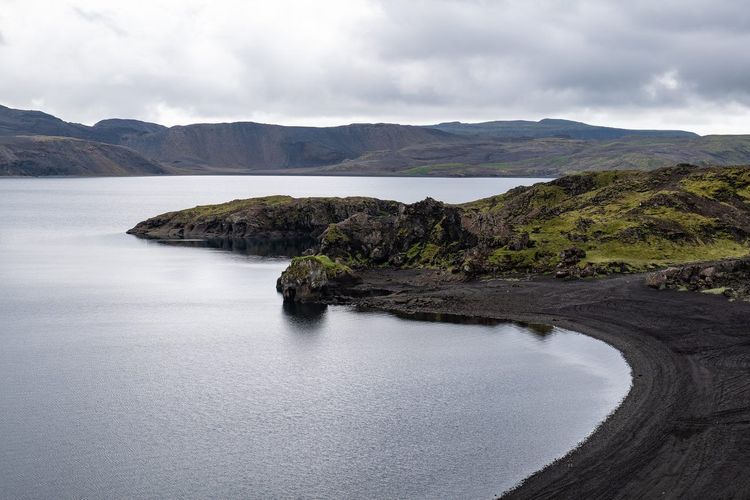
Two peninsulas complete the list for longer stays. The Reykjanes peninsula, the closest since it includes Keflavík airport, features a raw volcanic landscape: recent lava fields, the craters of Fagradalsfjall and the Geldingadalur valley that erupted between 2021 and 2023, then those of Sundhnúkur near Grindavík through 2025, visible on a hike of a few hours when activity allows.
The Snæfellsnes peninsula, nicknamed "Iceland in miniature" for the variety of its landscapes (glacier, beaches, fishing villages, bird cliffs) condensed over 90 km, requires a full day just for the round trip from Reykjavik, or even a night on site to enjoy it without rushing.
Two other, more ambitious options suit stays of a week or more: the hike to Glymur, one of the tallest waterfalls in the country (198 meters), reached by a 3 to 4 hour round-trip trail that crosses a river by ford, and the Landmannalaugar Highlands, accessible only in summer via an unpaved track (4x4 recommended), known for their rhyolite mountains of changing colors.
To complement the urban tour, remember to download your Ryo audio guide before heading out on an excursion: the short version of the Ryo audio-guided tour of Reykjavik remains available offline, handy once you are out of network coverage on the Golden Circle road.
Watching Whales and the Northern Lights from Reykjavik
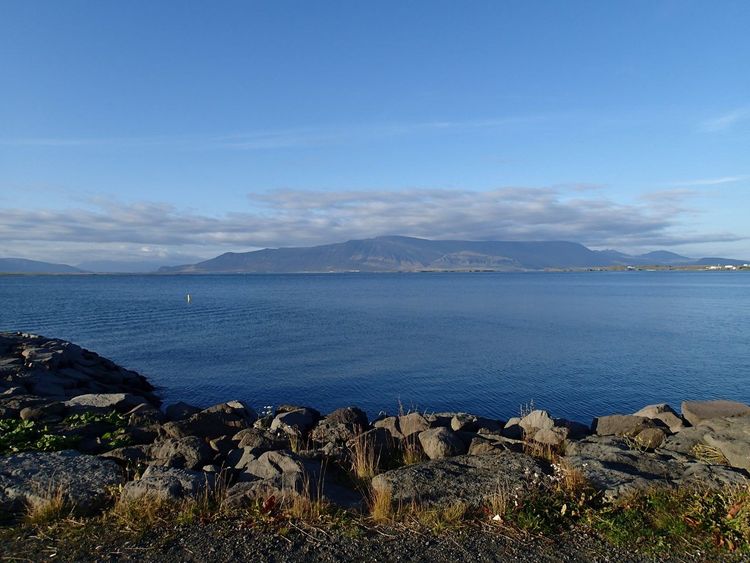
Reykjavik is one of the few capitals in the world where you can go whale watching on the open sea after barely 20 minutes by boat from the harbor. Faxaflói Bay is home to minke whales all year round, and to fin whales or white-beaked dolphins depending on the season, with a success rate advertised at around 95% between April and October by local companies. If the sea is too rough, the Whales of Iceland museum, in Grandi, displays life-size replicas of 23 species of cetaceans.
Puffins, for their part, nest on the cliffs of the islands of Akurey or Lundey, just offshore, visible from April to August before they head back out to sea for the winter. Most whale excursions also offer a detour past these islets in high season, two sightings for the price of one trip. Departures run throughout the day from the Old Harbor, every hour in summer: allow 2.5 to 3 hours for the trip and dress considerably warmer than in town, as the wind from the open sea makes the felt temperature drop by several degrees.
As for the sky, the northern lights remain the number one question from travelers preparing their first trip. The short answer: yes, it is possible to see them from Reykjavik, provided you move away a little from the light pollution of the center (the Grótta peninsula or the heights around Perlan are already enough), and only between late August and mid-April, when the nights are long and dark enough. In midsummer, the midnight sun simply makes the phenomenon invisible, even though it is indeed present in the sky.
An aurora activity index, issued every evening by the Icelandic Met Office, helps you adjust your expectations: above 3 on the Kp scale, the chances become serious even from the city's outskirts. If the northern lights are your priority, our Ryo article on the northern lights in Iceland details the best spots around the city and the forecast apps to follow before heading out.
Where to Stay in Reykjavik: Neighborhoods and Tips by Budget
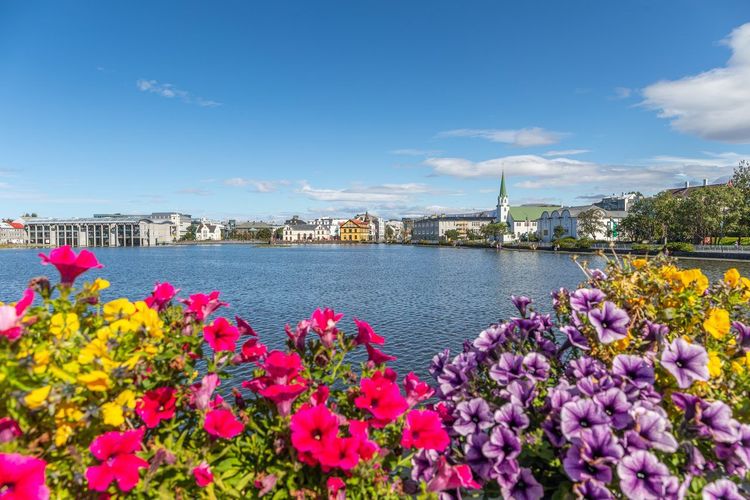
Finding accommodation in Reykjavik is no headache: the city is small, the tourist neighborhoods boil down to a handful of names, and the real trade-off is mostly between budget and walking distance from the center, as Icelandic prices remain among the highest in Northern Europe whatever option you choose.
Downtown (101 Reykjavik), Convenient for Doing Everything on Foot
The postal code 101 Reykjavik, which designates the historic center between Hallgrímskirkja and the harbor, concentrates most of the hotels, guesthouses and apartments rented to tourists. The advantage is obvious: everything is done on foot, bars, restaurants and main museums included, without ever depending on a bus or a car. The drawback, just as obvious, is the price: expect easily 150 to 250 euros a night for a decent hotel in high season, more for addresses with a bay view.
Family-run guesthouses, with a bathroom that is sometimes shared, can cut the bill by 30 to 40% while staying in the same area, an option often better suited to a short first stay than a standard hotel. Booking early remains the most repeated advice from local travel agents: the months of June to August and the Christmas-New Year period see prices climb 20 to 30% compared with the rest of the year, with room choice shrinking quickly from February for the following summer.
Quieter and More Affordable Neighborhoods
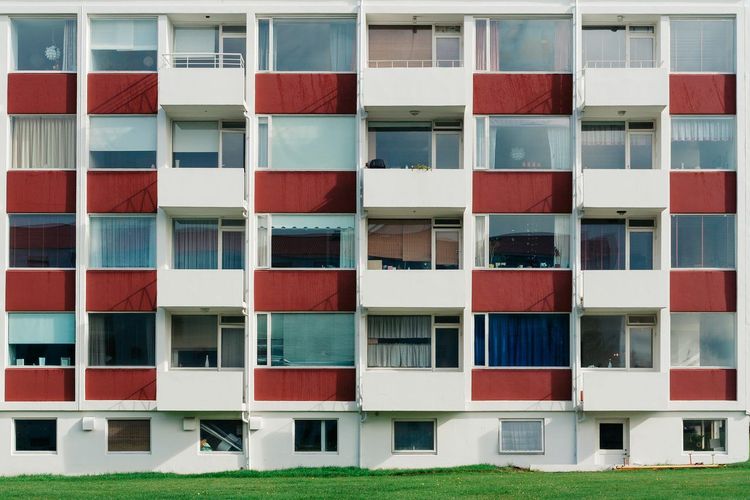
Outside the 101, the neighborhoods of Vesturbær to the west and Hlíðar to the southeast offer privately rented apartments and a few hotels at noticeably lower rates, for a 15 to 25 minute walk to the center, or a short bus ride every 10 to 15 minutes during the day.
For really tight budgets or backpackers, the hostels in the Laugardalur neighborhood, around the big park and the municipal pool of the same name, charge dorm rates from 35-40 euros a night, well below the center's average. One last useful tip: accommodation in Iceland is almost always booked with breakfast included, a practice that partly offsets the high cost of restaurants and lets you start the day without a detour.
Where to Eat in Reykjavik: Specialties and Good Addresses
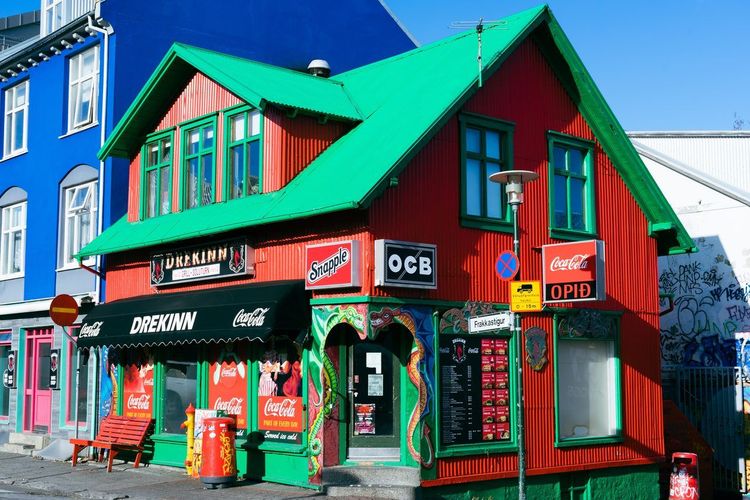
Icelandic cuisine often surprises first-time visitors, caught between a notorious reputation (the famous fermented shark, hákarl) and a food scene that has in fact been very dynamic for about fifteen years.
Fish remains the safe bet in Reykjavik: cod, halibut or langoustine can be found in most restaurants in the center, often caught that very morning in the bay. Skyr, this Icelandic "yogurt" actually closer to fromage blanc, readily accompanies a breakfast or a dessert, and the lobster soup served at the harbor is a classic to try at least once.
For a quick and inexpensive meal, the hot dog stand Bæjarins Beztu Pylsur (Tryggvagata 1, 101 Reykjavik, rated 4.4/5 on Google from 9,505 reviews), set near the harbor since 1937, remains a local institution (Bill Clinton stopped by in 2004): lamb sausage, fried onions and remoulade sauce, all for a few hundred krónur.
Among the addresses that come up most often in local recommendations: a neighborhood bistro specializing in the catch of the day not far from the harbor, a Scandinavian canteen with a minimalist decor on Laugavegur, and a café-bookshop for a quiet brunch on a rainy Sunday. No reservation is really necessary on weekdays, but Friday and Saturday evenings fill up quickly in the Laugavegur-Skólavörðustígur triangle.
Budget-wise, plan generously: a simple restaurant meal easily exceeds 25-30 euros per person, and a beer at a bar can climb above 10 euros, as alcohol is heavily taxed across the country. To lighten the bill, Bónus supermarkets (pink pig logo) make it easy to put together picnics and improvised meals in accommodations equipped with a kitchenette. Before sitting down to eat, take a look at our Ryo article on Reykjavik's culinary specialties, which reviews ten dishes to try, from skyr to smoked lamb.
How to Get to and Around Reykjavik
Reykjavik has no international airport within the city: all long- and medium-haul flights land at Keflavík, nearly an hour's drive from downtown, which shapes a good part of the trip's organization from the moment you leave the plane.
Flight and Transfer from Keflavík Airport
The Keflavík airport (Keflavíkurflugvöllur, 235 Reykjanesbær, rated 3.9/5 on Google from 12,298 reviews) receives direct flights from most major European cities, with Icelandair, Transavia and easyJet providing most of the connections from France (the Icelandic low-cost carrier Play ceased flying in September 2025). Expect about 3.5 hours of flight from Paris.
To reach downtown, there are three main options: shared shuttles (Flybus or Airport Direct), which serve most hotels in the center for around 25-30 euros one way and leave after every flight arrival; the taxi, faster but much more expensive (80 to 100 euros per ride); or renting a car directly at the airport, worthwhile mostly if you plan to head straight on to the Golden Circle or the south coast.
Getting Around Town: On Foot, by Bike or by Bus
Once in town, Reykjavik can be covered almost entirely on foot: the historic center, the seafront and even Perlan are all within 30-40 minutes' walk of one another. The Strætó bus network is a useful complement for more distant trips (Laugardalur, Perlan, some residential neighborhoods), with a single ticket around 4-5 euros or a day pass that pays off from 2-3 trips.
Cycling, via the bike-share stations installed in recent years, works well in summer but quickly becomes complicated from October to April, with strong crosswinds and sometimes icy sidewalks.
Should You Rent a Car?
The question comes up systematically: should you rent a car in Reykjavik? For the city alone, clearly not, walking and the bus are more than enough. The picture changes radically as soon as you plan the Golden Circle, the south coast or one of the peninsulas: public transport doesn't go there, and organized excursions, though comfortable, impose a group pace.
Renting a small city car is enough in summer on the main paved roads; for interior tracks (Landmannalaugar in particular) or an off-season outing with a risk of snow, a 4x4 becomes recommended, even mandatory depending on the rental companies.
Budget, Payment and Best Time to Visit Reykjavik
Two questions come up systematically before a first trip: how much will it cost, and which month to choose. The answers are linked, as prices and weather vary greatly from one season to another.
Daily Budget and Payment Methods
Is visiting Reykjavik expensive? Yes, plainly: Iceland regularly ranks among the most expensive destinations in Europe, mainly because of imports (almost everything, apart from fish and lamb, comes from abroad) and a high VAT. Expect a minimum daily budget of 100 to 150 euros per person excluding accommodation and car rental, if you eat at restaurants and do one paid activity a day; more with the Blue Lagoon or an organized excursion on top.
As for payment, Iceland is one of the most cashless countries in Europe: bank cards (often contactless) are accepted absolutely everywhere, even in public toilets and drink vending machines. Many travelers spend their entire stay without ever withdrawing a single Icelandic króna in cash, which considerably simplifies budget management on site.
To cut the bill, favor supermarket meals every other day, aim for the free attractions of downtown (church, seafront, Lake Tjörnin) and book paid activities (lagoons, excursions) in advance online, often 10 to 15% cheaper than buying on site at the last minute.
Which Season to Choose: Summer, Winter or Shoulder Season
What is the best season to visit Reykjavik depends mostly on what you are looking for. Summer (June to August) offers maximum comfort: endless days thanks to the midnight sun, interior roads open, the mildest weather of the year (though rarely warm, 12-15°C on average), but also the highest prices and crowds.
Winter (November to March) reverses the situation: long nights favorable to the northern lights, lower hotel rates, but sometimes closed roads to the interior and several excursions (Landmannalaugar in particular) simply impossible.
The shoulder season (May or September) is often the best compromise for a first trip: days still long, prices back to normal, and a reasonable chance of catching the first or last auroras of the season late at night. As for events, the Iceland Airwaves festival (music, November) and Reykjavik Culture Night (Menningarnótt, late August) punctuate the local calendar if you are looking for a good reason to schedule your trip around a specific date rather than the weather. To explore this choice further, our Ryo article on the best time to visit Iceland details the pros and cons month by month.



FAQ
How many days do you need to visit Reykjavik for the first time?
Two full days are enough to cover the historic center, the seafront and Perlan without rushing. Add a third day if you plan a Golden Circle excursion, and a fourth for the south coast or one of the peninsulas. With fewer than two days, you will have to choose between the city and its surroundings.
Is one day in Reykjavik enough?
One day lets you see the essentials of downtown (Hallgrímskirkja, Laugavegur, the seafront) at a brisk pace, but leaves almost no room for an excursion or an in-depth museum visit. It is a stopgap option for a layover, not for a first real trip.
What is the best season to visit Reykjavik?
It depends on your priority: summer for mild weather and long days, winter for the northern lights and lower prices, and the shoulder season (May, September) for a compromise between the two.
Is visiting Reykjavik expensive?
Yes, Iceland remains one of the most expensive destinations in Europe. Expect to spend 100 to 150 euros per day per person excluding accommodation, and more with excursions and geothermal lagoons included.
How do you get from Keflavík airport to central Reykjavik?
A shared shuttle (about 25-30 euros, 45 minutes), a taxi (80-100 euros) or a rental car picked up directly at the airport are the three common options, depending on your budget and your plans for the rest of the trip.
Do you need to rent a car in Reykjavik?
Not for the city alone, where walking and the bus are enough. However, as soon as you plan the Golden Circle, the south coast or a peninsula, a rental car becomes much more practical than a guided excursion with an imposed pace.
Can you see the northern lights from Reykjavik?
Yes, between late August and mid-April, by moving away a little from the light pollution of the city center (Grótta, the heights around Perlan). In midsummer, the midnight sun makes the phenomenon invisible despite its actual presence in the sky.
Reykjavik is ultimately experienced as an airlock: a compact condensed dose of Icelandic culture that is walkable in a few days, before or after crisscrossing the rest of the country. The church that dominates the city, the colorful facades of Laugavegur, the dome of Perlan and the seafront up to the Old Harbor form a solid foundation for a first trip, which you can then complement with the Golden Circle, the south coast or an evening hunting for the northern lights from the Grótta peninsula.
To connect all these points without spending ages looking for your way on a map, the Ryo audio-guided tour of Reykjavik, The Bay of Smokes remains the simplest way to turn this list into a real itinerary, headphones on, at the pace that suits you.
À lire également