© Shutterstock
 Votre guide Ryo
Visiting Reykjavík Solo in 2026: Itinerary, Safety and Budget for Solo Female Travelers
It's 9 a.m. in Reykjavík in the middle of January, the sky is still almost black, and yet the cafés on Laugavegur are already full of solo travelers, maps unfolded, ready to set off on foot toward the center. Visiting Reykjavik solo is far from an adventure reserved for seasoned backpackers: it is one of the easiest capitals in Northern Europe to explore alone, at your own pace, without a car or an organized group. The Ryo audio-guided tour of Reykjavík, The Bay of Smokes, designed for solo walking, links the landmarks of the center in a logical order.
In just a few hours of walking, you pass a cathedral visible from almost every neighborhood, a steel sculpture shaped like a ship facing the Atlantic, and an old harbor from which whale-watching boats depart every morning. Year after year, Iceland also tops the Global Peace Index, a strong argument for anyone still hesitating to travel alone this far north. Between visits, the neighborhood geothermal pools are the best way to mingle with locals. What remains is to decide when to go, between winter nights ideal for the northern lights and long summer days, how to get around without resorting to a rental car, and what budget to plan for a successful trip. That is the purpose of this guide.
Why Visit Reykjavík Solo?
Before detailing the itinerary, a word on what really changes when you visit this city alone rather than in a group: the pace, the encounters and a few organizational points to plan ahead.
The Advantages of Traveling Alone in Reykjavík (Freedom, Encounters, Independence)
The first thing most solo female travelers notice is the freedom to decide every hour of the day on their own. You can stay an extra hour in a museum you enjoy, skip a site that does not inspire you, or change your plans because the sky suddenly clears for an aurora. This independence, often cited as the first benefit of solo travel, makes the most sense in a human-scale city (around 140,000 inhabitants) where nothing forces you to follow a group.
As for meeting people, there is no shortage: the Icelandic capital attracts a high proportion of independent travelers, and the hostels in the center are designed for it, with shared kitchens and common lounges. To keep a guiding thread without ever feeling lost in an unfamiliar city, our Ryo audio-guided tour accompanies your walk with commentated stops throughout the historic center, so you can explore alone with peace of mind.
Points to Watch: Language, Organization, Homesickness
As for language, Icelandic is a curiosity rather than an obstacle: English is spoken almost everywhere, from restaurants to tourist offices, and tourist signs are systematically translated. Organization, on the other hand, requires a little more planning when solo than as a couple or a family, since some activities (excursions, spas, popular restaurants) are fully booked several days in advance in high season. Arranging luggage storage if your flight arrives early and your accommodation only opens in the late afternoon also avoids many complications.
Another drawback of solo travel: all fixed costs (private room, taxi, car rental) rest on your shoulders alone, which weighs heavily in such an expensive country. Homesickness, finally, affects solo travelers more than groups, especially during the long winter evenings when night falls as early as 4 p.m. The most effective remedy remains simple: choose accommodation with common areas rather than an isolated studio, and keep regular contact with loved ones through a reliable internet connection, a topic detailed below.
When to Visit Reykjavík Solo?
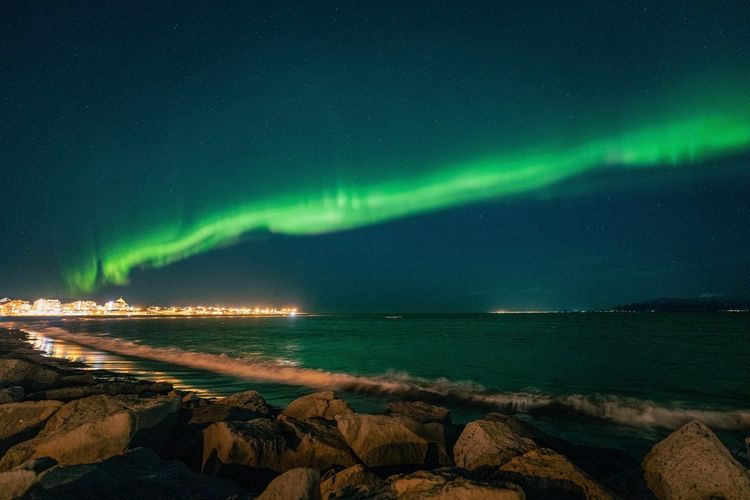
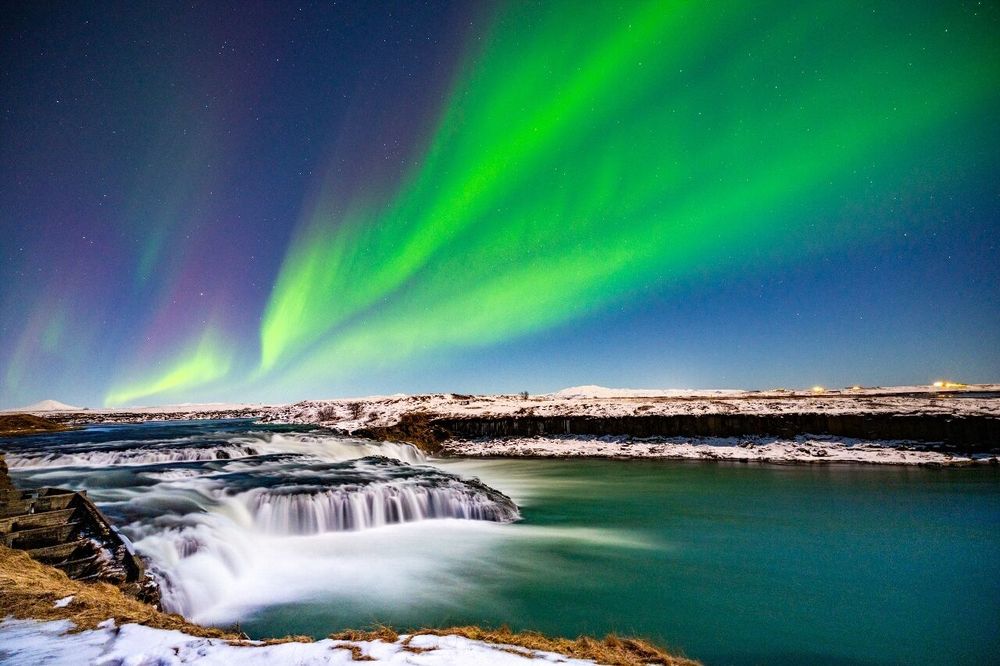
The Icelandic winter, from October to March, attracts solo female travelers for one specific reason: the northern lights, visible as soon as the sky clears away from the city lights. The nights are long, with up to 19 hours of darkness around the December solstice, which narrows the sightseeing window to 4 or 5 hours of gray but photogenic light. The advantage when traveling alone: fewer tourists, gentler accommodation prices, and a city that keeps its local rhythm. To maximize your chances of seeing them, our guide to observing the northern lights in Iceland details the forecasts to follow and the spots accessible from the capital.
Summer, from May to August, completely reverses the situation with a midnight sun that lets you walk through the center at 11 p.m. as if it were mid-afternoon. The endless days are ideal for exploring on foot or by bike, with no time constraints, and the city buzzes with outdoor festivals (National Day on June 17, Menningarnótt in late August) where it is easy to strike up a conversation. The downside: maximum crowds at the iconic sites and accommodation prices that rise noticeably in July and August.
In between, April–May and September offer a compromise appreciated by seasoned solo travelers: still enough light to enjoy excursions, prices back to normal, and sometimes the first or last auroras of the season. To fine-tune your choice according to your priorities (auroras, budget, crowds), our article on the best time to visit Iceland details the trade-offs month by month.
How to Get to Reykjavík and Get Around Solo?
Flight and Transfer from Keflavík Airport
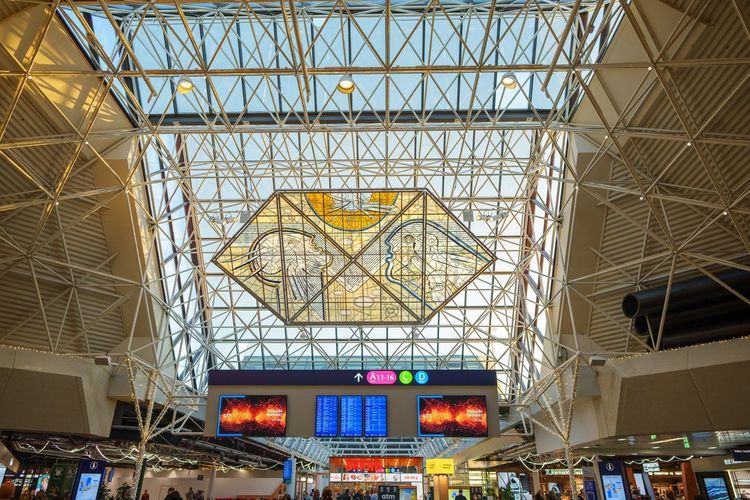
Direct flights from several European capitals, including Paris, London and Brussels, take between 3.5 and 4 hours to reach Keflavík International Airport, located nearly 50 kilometers from Reykjavík. For a solo traveler, it is one of the simplest airport-to-city-center trips in Europe: the Flybus and Airport Direct shuttles serve all arrivals, with drop-off possible in front of the main hotels and hostels in the center, and the journey takes about 45 minutes.
It is best to book this transfer online before departure, especially if your flight lands late in the evening: it avoids a pointless wait and guarantees a seat, luggage included. Taxis exist, but for one person the fare easily exceeds the price of two nights in a dorm.
Getting Around the City: Bus, Bike and Walking
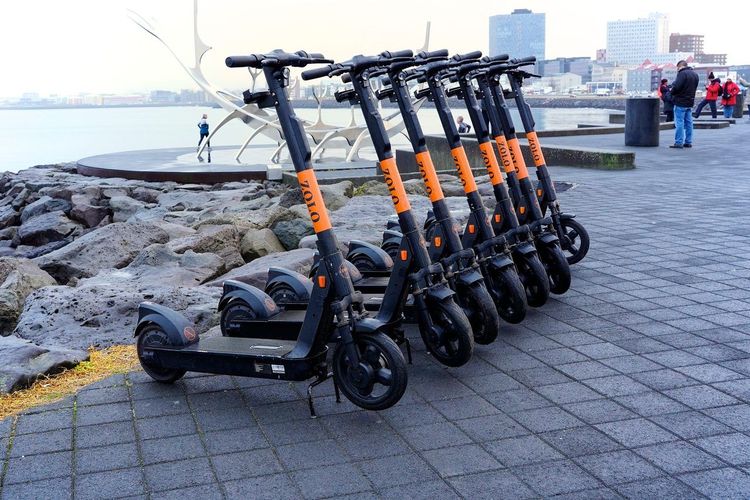
Unlike the rest of Iceland, where a rental car remains almost essential to reach remote natural sites, Reykjavík is very easy to visit without a car. The historic center, often referred to by its postal code 101, can be crossed on foot in 20 to 30 minutes along its length, and most of the must-sees are concentrated within this compact area. The Strætó bus network (tickets via the Klappið app) is a useful complement for outlying neighborhoods or days of pouring rain, and shared scooters and bikes line the waterfront.
Without a car, this compactness really changes the game: no need to deal with parking or driving on icy roads, just comfortable shoes. If time is short before an excursion or a return flight, the short version of the Ryo audio-guided tour lets you cover the essentials of the center in a tighter walk, without sacrificing the stops that matter.
What to See in Reykjavík on a First Solo Visit?
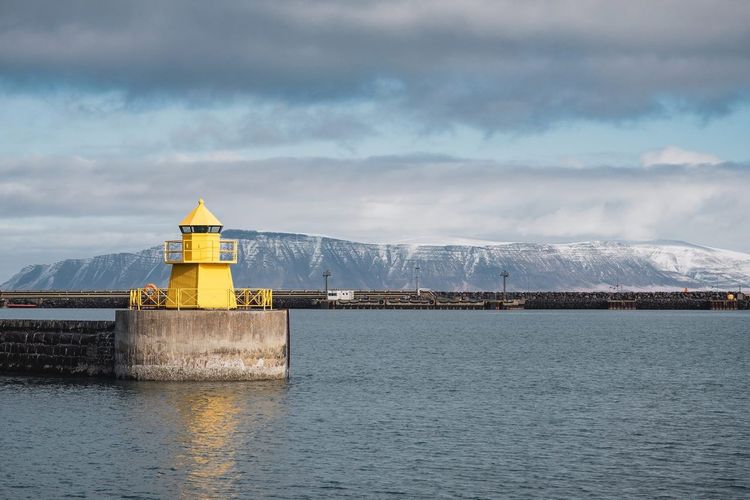
The center of Reykjavík lends itself to a coherent walking loop, from the cathedral hill to the waterfront, then to the old harbor. Here is how to organize it without rushing.
Hallgrímskirkja Cathedral and the Historic City Center
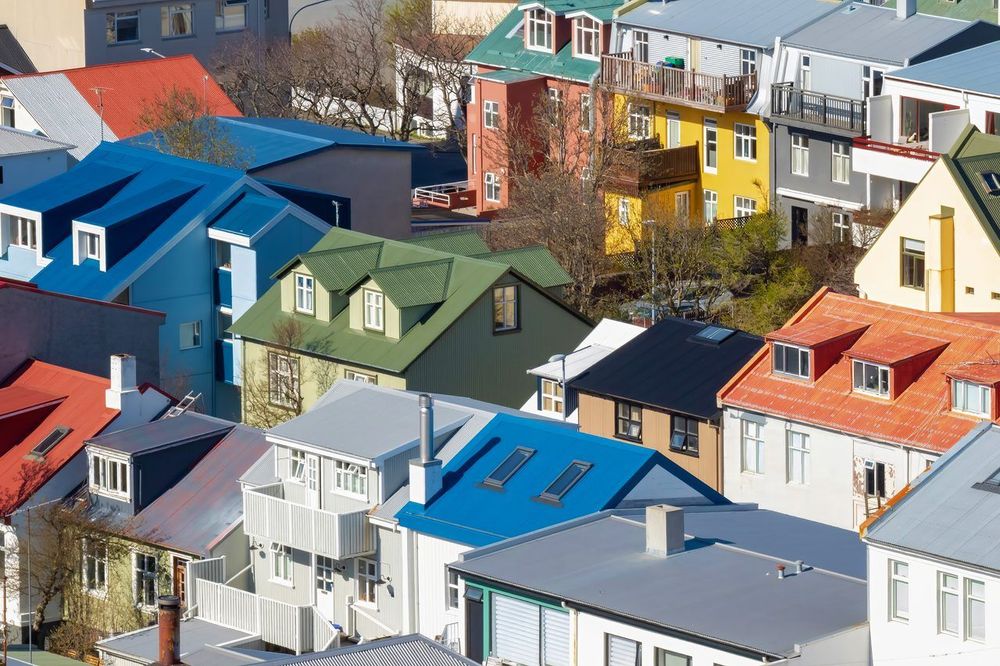
At 74.5 meters tall and with a silhouette inspired by basalt organ columns, Hallgrímskirkja dominates the whole city and serves as an almost permanent landmark during your walk. The elevator ride up the tower (about 1,400 ISK) offers the most complete panoramic view of Reykjavík's colorful rooftops and, on a clear day, of Mount Esja across the bay. In front of the forecourt, the statue of Leifur Eiríksson, a gift from the United States in 1930 for the Althing's millennium, is a reminder that Icelandic Vikings reached America long before Columbus.
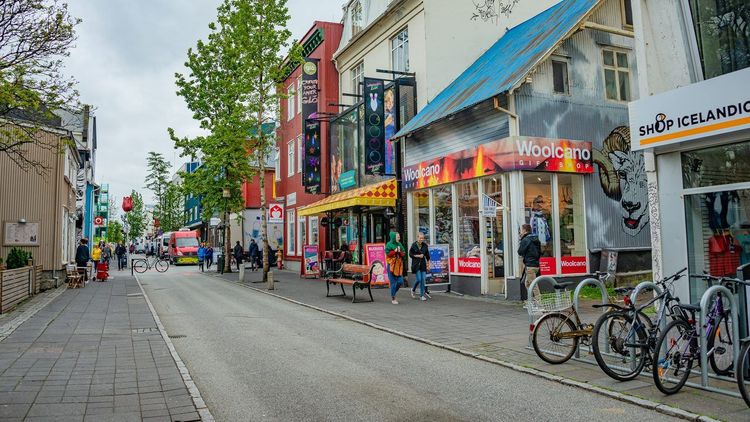
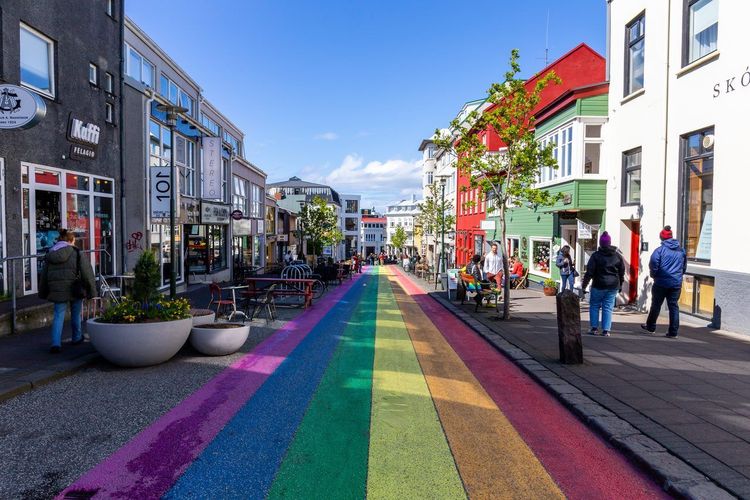
Heading down from the cathedral, the street Skólavörðustígur, painted in rainbow colors, is packed with Icelandic design shops, galleries and cafés where it is easy to linger alone without feeling watched. It leads naturally to Laugavegur, the main shopping street, lively from morning until late at night, and particularly safe for walking solo even after dark.
Your best strategy to avoid the elevator queue: climb the tower as soon as it opens, before the tour buses arrive around 10 a.m.
Harpa, Sólfar and the Waterfront Promenade
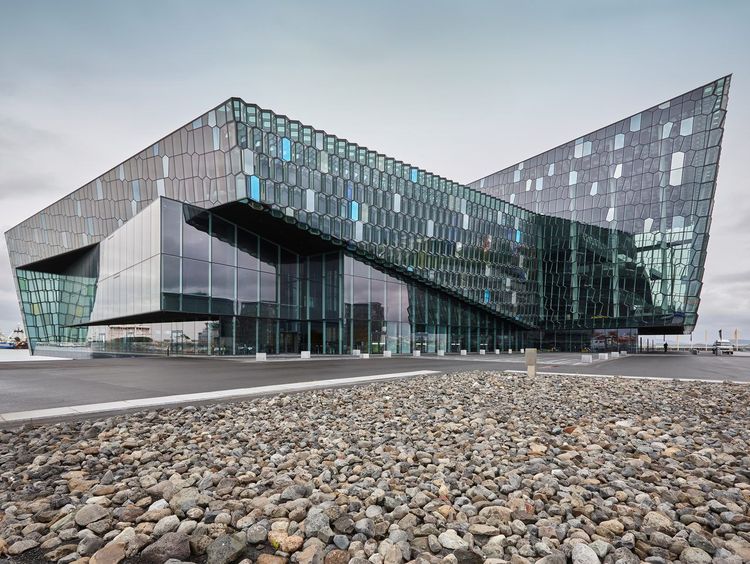
Continuing north, the concert hall Harpa appears with its honeycomb facade of colored glass, inspired by Icelandic basalt columns. Its lobby, open to all, is worth a stop even without a concert ticket, with a café and a shop where you can wait if the sea wind picks up.
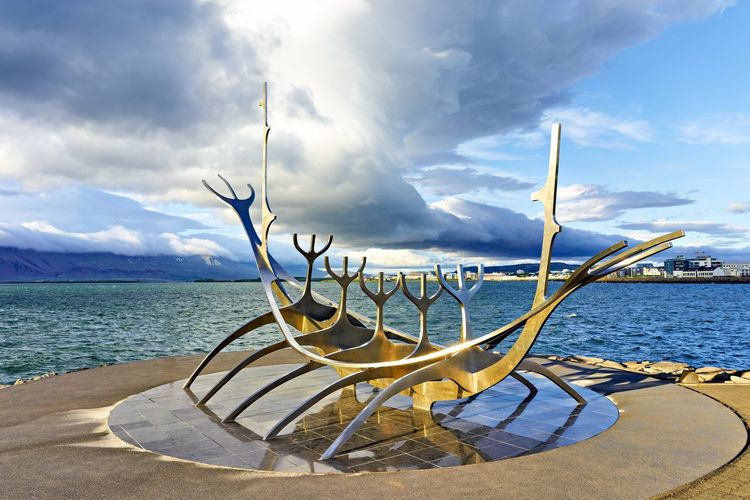
A few minutes' walk further along the waterfront, the sculpture Sólfar (Sæbraut, 101 Reykjavík, rated 4.5/5 on Google from 10,565 reviews) (the Sun Voyager) awaits facing the bay. It is often mistaken for a Viking ship, but its creator, Jón Gunnar Árnason, designed it as a dream boat, an ode to the sun and to the promise of unexplored territories. It offers one of the best viewpoints in the city at sunset, a moment appreciated by solo travelers for its tranquility.
The Old Harbor and Whale-Watching Departures
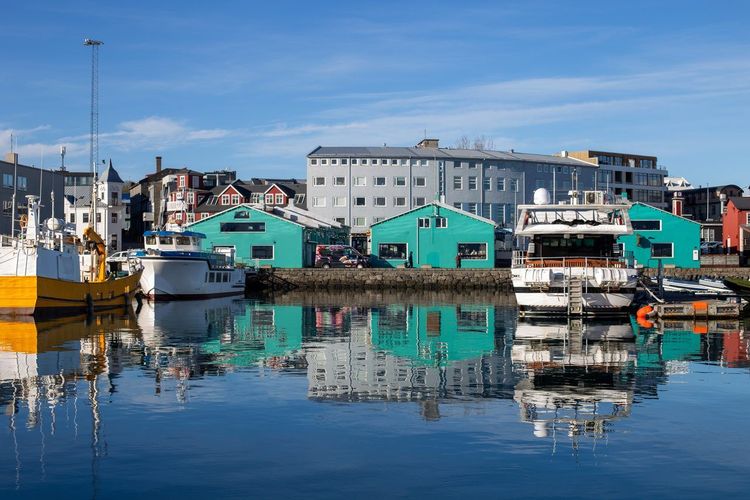
The Old Harbor of Reykjavík, with its former warehouses converted into restaurants and booking counters, is the starting point for most whale-watching trips. No need to be in a group: you book your own seat online, like any other passenger, and the trip generally lasts about 3 hours. Minke whales and white-beaked dolphins are the most frequently spotted in Faxaflói Bay, while humpback whales are seen mostly in summer.
This loop of cathedral, Harpa, Sólfar and old harbor corresponds precisely to the route followed by the Ryo audio-guided tour, designed to flow without detours or backtracking. Before heading off, the food hall Grandi Mathöll, set in a former fish warehouse in the Grandi district, lines up about ten counters where you can eat alone at the bar without the slightest awkwardness.
Museums, Pools and Spas: Enjoying Reykjavík Solo
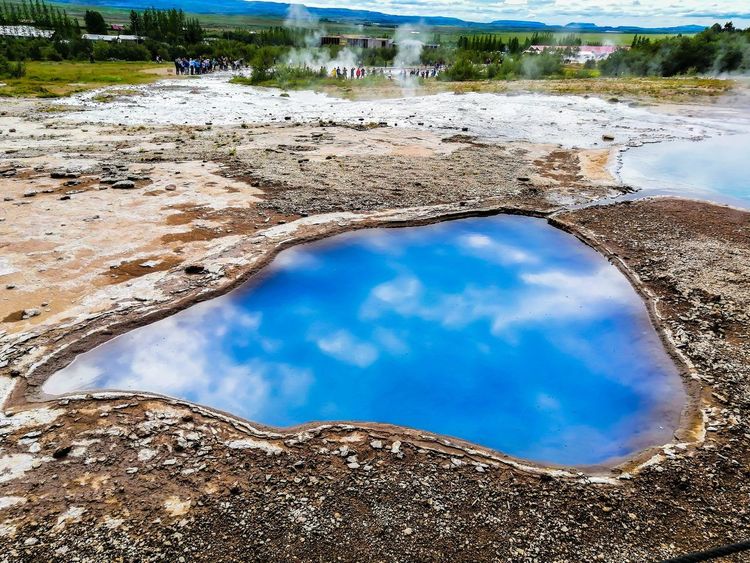
The real Icelandic ritual is not found in a museum but in hot water. And that is excellent news for solo travelers: the neighborhood pool is where locals are most willing to chat with strangers.
Geothermal Pools and Lagoons
Reykjavík has about fifteen public pools heated by geothermal energy, open all year, often until 10 p.m. Sundhöllin, the oldest in the city (1937), is a stone's throw from Hallgrímskirkja and offers outdoor baths on its rooftop terrace. Laugardalslaug, the largest, is reached by bus in a quarter of an hour. Expect to pay from a few hundred to about 1,300 ISK for entry, far from spa prices.
A rule to know before going alone: showering without a swimsuit before bathing is mandatory, in separate men's and women's locker rooms, and staff make sure it is respected. For a more spectacular experience, the Sky Lagoon, opened in 2021 in Kópavogur, about fifteen minutes from the center, offers an infinity pool facing the ocean; it is booked online by time slot, which is handy when you organize your days yourself.
Museums and Viewpoints in Bad Weather
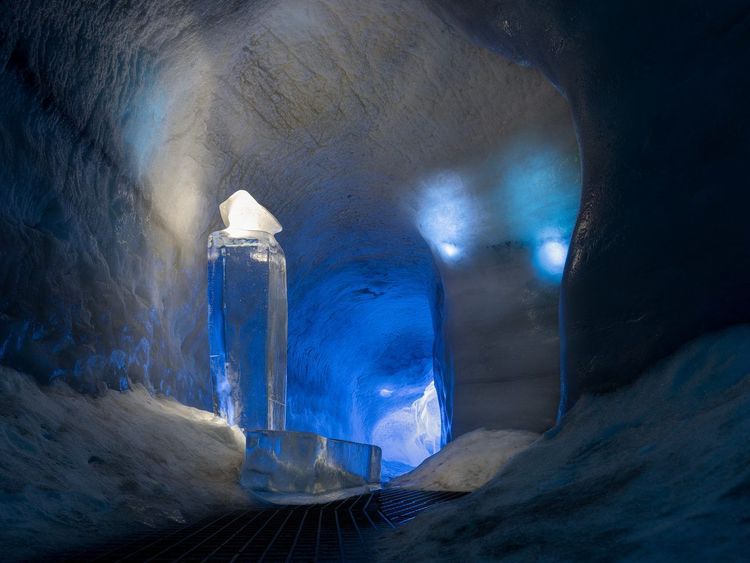
When horizontal rain sets in, the National Museum of Iceland traces eleven centuries of history in a few rooms, from the first Viking settlers to independence in 1944. Right next to the center, the Reykjavík 871±2 exhibition is built around the remains of a longhouse from the settlement era, discovered during construction work. Higher up, Perlan, a glass dome set on former hot water tanks, combines a glacier exhibition, an artificial ice cave and a panoramic terrace.
If you plan to string together several museums and pools, the Reykjavík City Card (24, 48 or 72 hours) includes Strætó buses, most municipal pools and several museums in the city: a calculation that quickly pays off for a solo traveler, who benefits from no family or group rates.
Day Trips from Reykjavík Solo
From Reykjavík, two excursions concentrate most of the landscapes that made Iceland famous, and both work very well solo, on an organized bus tour or by rental car for those who prefer to drive alone.
The Golden Circle: Legendary Geysers and Waterfalls
The Golden Circle route, the most popular in the country, links three sites in a single day. At the Geysir geyser, whose neighbor Strokkur erupts every 5 to 10 minutes, you just need to wait a few minutes to see the jet of boiling water shoot up to about twenty meters.
About ten minutes' drive away, the waterfall Gullfoss tumbles in two tiers into a spectacular canyon, with viewing platforms accessible without a guide. The national park of Þingvellir, a UNESCO World Heritage Site, hosted the Althing from 930, one of the oldest parliamentary assemblies in the world, and reveals the rift where the North American and Eurasian tectonic plates are pulling apart.
Without a car, bus tours cover this loop in 7 to 8 hours, with pickup in front of most hotels and hostels or at a nearby numbered stop, without needing to reach a distant meeting point.
The South Coast: Glaciers and Black Sand Beaches
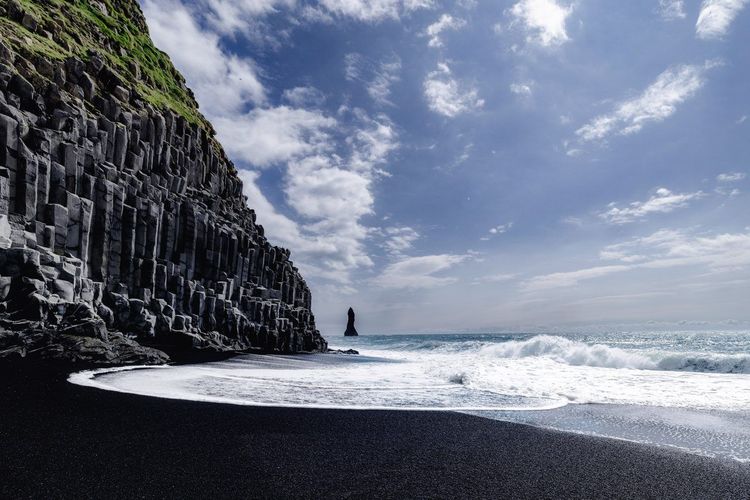
The South Coast, the second must-do excursion, leads to the waterfall Skógafoss, about sixty meters high, whose spray creates a rainbow in sunny weather, then to the black sand beach of Reynisfjara (871 Vík í Mýrdal, rated 4.8/5 on Google from 2,572 reviews), lined with basalt columns. Some tours add a guided walk on the Sólheimajökull glacier tongue.
A safety point to know before going alone: Reynisfjara's sneaker waves can surge far up the sand without warning, and a traffic-light system now indicates the risk level at the beach entrance. Stay well back from the water, no matter how large the crowd is that day.
Before an excursion that starts early, many solo female travelers take advantage of the previous evening for one last stroll through the center, all the more pleasant when guided step by step by a voice in your ears rather than a paper map in the dark. In terms of budget, a day tour costs noticeably less than a multi-day circuit with accommodation included.
Should You Devote a Day to Reykjavík During an Iceland Road Trip?
The temptation is strong, when landing at Keflavík, to head straight for Route 1 and its waterfalls. This is often a mistake: the capital deserves at least one full day, ideally at the start of the trip to recover from the flight, or at the end to avoid rushing for a morning plane from the other end of the country.
The Right Moment in the Itinerary
Placing Reykjavík at the end of the trip has a concrete advantage when traveling alone: you return the rental car the day before departure, which saves a day of rental and paid parking in the city. A morning is enough for the loop of cathedral, Harpa and old harbor; the afternoon can end in a geothermal pool before a final dinner.
What the City Brings to the Rest of the Trip
Reykjavík is also the best place in the country to stock up on provisions at reasonable prices (Bónus and Krónan stores), pick up rented equipment or book a last-minute excursion. If you are planning a longer itinerary around the island, our Iceland road trip guide details the day-by-day stages and distances to expect.
Where to Stay in Reykjavík When Traveling Solo?
The Center (101 Reykjavík) to Do Everything on Foot
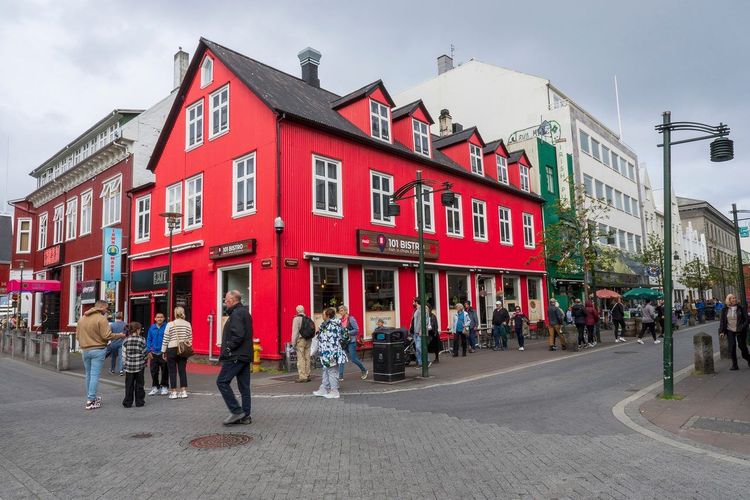
Choosing accommodation in the 101 Reykjavík district eliminates the question of transport at once: all the sites in the center, restaurants and nightlife are within walking distance, along well-lit streets even in midwinter. It is also the area where returning alone late at night raises the fewest concerns, as the density of passersby stays high until a late hour.
Prices are higher than in outlying residential neighborhoods, but the time saved and peace of mind often justify the difference for a short stay. The streets around Laugavegur and Hverfisgata remain the most convenient; however, avoid rooms directly overlooking bar streets if you value your weekend nights.
Affordable and Secure Hostels and Guesthouses
The hostels in the center, such as the Kex Hostel (Skúlagata 28, 101 Reykjavík, rated 4.3/5 on Google from 2,728 reviews) set in a former biscuit factory facing the bay, cultivate exactly the social spirit sought by solo travelers: a large common lounge, a bar frequented by locals and travelers, private or shared rooms.
Several establishments offer women-only dorms with individual lockable lockers, an option to check at the time of booking if it is an important criterion. Guesthouses, often run by families, offer a middle ground: a private room with a shared bathroom, a common kitchen and advice from your hosts. Reading recent reviews rather than just the overall rating helps spot these details before you arrive.
Safety, Budget and Formalities for Traveling Solo in Iceland
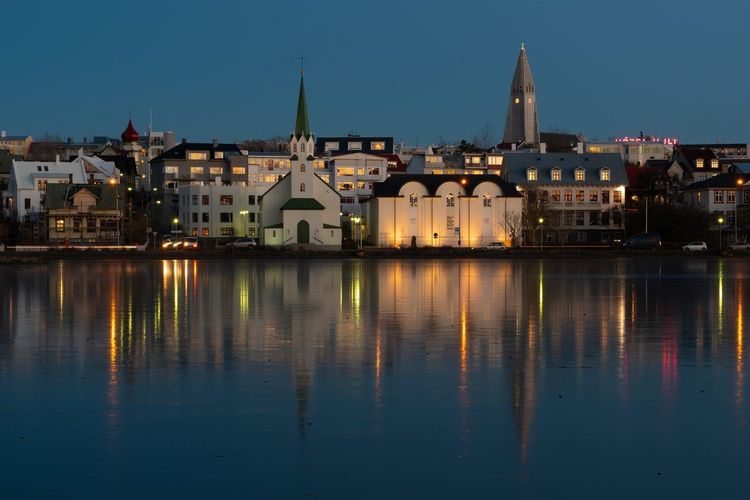
Is Iceland Safe for Solo Female Travelers?
Iceland has held first place in the Global Peace Index since 2008, and violent crime remains exceptional, even in the capital. Solo female travelers commonly move around at night without the apprehension inspired by some large European cities.
This tranquility is also explained by a local culture marked by gender equality, with Iceland topping the World Economic Forum's global ranking on this criterion for more than fifteen years. This does not replace the usual common sense: watch your drink in crowded bars on Saturday nights, keep an eye on your belongings in very touristy places, and prefer a taxi or night bus to get back from an outlying neighborhood.
The real dangers in Iceland are natural rather than human: Reynisfjara's waves, wind capable of ripping off a car door, unstable ground near hot springs, icy trails in winter. Never leave the marked paths at geothermal sites, and give up an outing without regret when the weather turns orange.
Useful Apps and Emergency Contacts
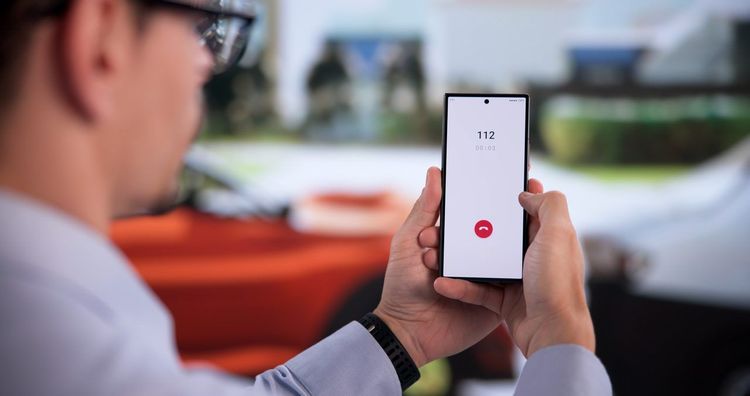
The single emergency number is 112, for police, rescue services and firefighters. The official 112 Iceland app lets you send your exact GPS position in one click in case of trouble, very useful when venturing out alone. The Safetravel.is website also offers a form to leave your itinerary for the day before heading out on a hike or independent excursion, as well as real-time alerts.
The weather site Vedur.is is worth checking every morning: conditions can change within a few hours, and a solo excursion is planned differently depending on the forecast wind. For roads, Umferdin.is shows live conditions and closures.
Budget to Plan and Documents to Carry
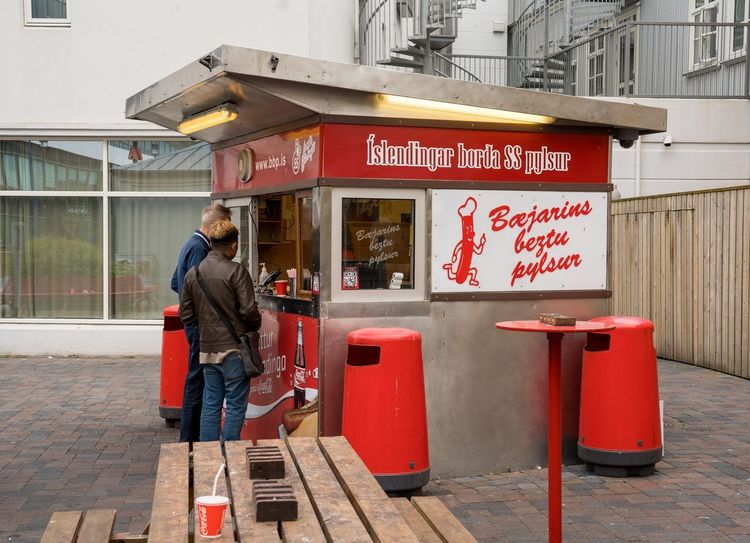
For a solo stay in Reykjavík, expect about €100 to €150 per day including a hostel bed, meals, local transport and one activity. This budget climbs quickly with day excursions (€80 to €150 each), a private room or restaurants, as Iceland remains one of the most expensive countries in Europe. To lighten it, shop at discount supermarkets, fill your water bottle from the tap (the water is excellent) and try the famous hot dog at Bæjarins Beztu Pylsur, one of the cheapest meals in the city. For specialties to try at least once, see our selection of culinary specialties of Reykjavík.
As for formalities, a valid passport or ID card is enough for citizens of the Schengen area, Iceland being part of it despite its geographical remoteness. Bank cards are accepted everywhere, even for a few hundred krónur: no need to withdraw much cash. Travel insurance covering repatriation and adventure activities (glacier hiking, boat trips) is strongly recommended, as is a digital copy of your bookings accessible offline.
Staying Connected and Meeting Other Travelers in Reykjavík
An eSIM activated before departure, or a local SIM card bought on arrival at Keflavík, avoids any disconnection during bus rides to excursions, where mobile coverage can occasionally weaken. For citizens of the European Union, since Iceland applies the roaming rules of the European Economic Area, your usual plan often works at no extra cost: check before leaving. In town, free wifi covers nearly all cafés, hotels and public spaces in the center.
To socialize without giving up independence, hostels with common areas remain the most natural way: shared breakfast, board game evenings, notice boards to join an improvised excursion with travelers met the day before. Free walking tours (tip-based) of the city center serve the same purpose during the day.
Homesickness, mentioned above, often fades by staying active rather than isolated in your room: walking with our Ryo app in your ears, for example, gives the feeling of being accompanied by a voice that tells the story of the city, without depending on a group or a fixed schedule.
What to Pack for Visiting Reykjavík Solo?
The basic principle remains layering: thermal underwear, a fleece, then a waterproof and windproof jacket, as Icelandic weather can go from sun to horizontal rain in less than an hour, even in midsummer.
As for footwear, sturdy waterproof walking sneakers are more than enough to explore Reykjavík itself; keep hiking boots for glacier or South Coast excursions. In winter, add light traction cleats to slip over your soles: icy sidewalks are the most frequent cause of minor injuries among visitors.
A small backpack rather than a handbag makes extended walking easier, as does a power bank for your phone, in use all day for navigation, photos and the audio guide. Icelandic outlets follow the European type F standard, so no adapter is needed from France. Don't forget a swimsuit, essential for the pools, and a sleep mask if you travel in June, when the sun barely sets.
Finally, even in July, keep a hat and light gloves in your bag: the wind coming off the North Atlantic quickly cools the evenings, especially near the waterfront.



FAQ
How many days do you need to visit Reykjavík solo?
Two full days are enough to cover the city center on foot (cathedral, Harpa, Sólfar, old harbor) and enjoy a geothermal pool without rushing. Add a third day for a Golden Circle or South Coast excursion, and a fourth if you want to combine both.
Is Reykjavík a safe city for solo travelers?
Yes, Iceland ranks at the top of the Global Peace Index, and Reykjavík is no exception: violent crime is rare, and it is common to see women walking alone in the center late at night. The main risks are related to weather and nature, not people.
What budget should you plan for visiting Reykjavík solo?
Plan on €100 to €150 per day for a hostel bed, meals and local transport, keeping in mind that Iceland remains one of the most expensive countries in Europe. Day excursions (Golden Circle, South Coast) usually add €80 to €150 each.
Do you need to rent a car to visit Reykjavík solo?
No, not to visit the city itself: the center is entirely doable on foot or by local bus. A rental car becomes mainly worthwhile if you want to explore the South Coast or the Golden Circle at your own pace rather than on an organized tour.
What is the best time to visit Reykjavík solo?
Winter (October to March) suits the northern lights and lower prices, but with very short days. Summer (May to August) offers a midnight sun that is ideal for exploring on foot, at the cost of crowds and higher prices. April–May and September remain good compromises.
Is it easy to meet other travelers in Reykjavík when you are solo?
Yes, hostels with common areas, free walking tours, neighborhood pools and day bus excursions naturally bring other travelers together. It is one of the most appreciated aspects of independent travel in Iceland, where traveling solo never rules out meeting people.
Reykjavík ultimately proves to be one of the most accessible cities for a first solo trip: compact, safe, and rich enough to fill two to three full days before heading out to the Golden Circle or the South Coast. Whether you follow the Ryo audio-guided tour of Reykjavík step by step through the historic center or prefer to improvise as you meet people, the key is to set off with the right bearings: weather checked every morning, a realistic budget, and a few emergency contacts saved in your phone. The rest comes together naturally, one street after another.
À lire également