





RyoCity
La Superba of Italy
Genoa, Italy
RyoCity
La Superba of Italy
Genoa, Italy
4.6 km
Distance
1h50
Durée
22
Audios
Boucle
Parcours
Shutterstock
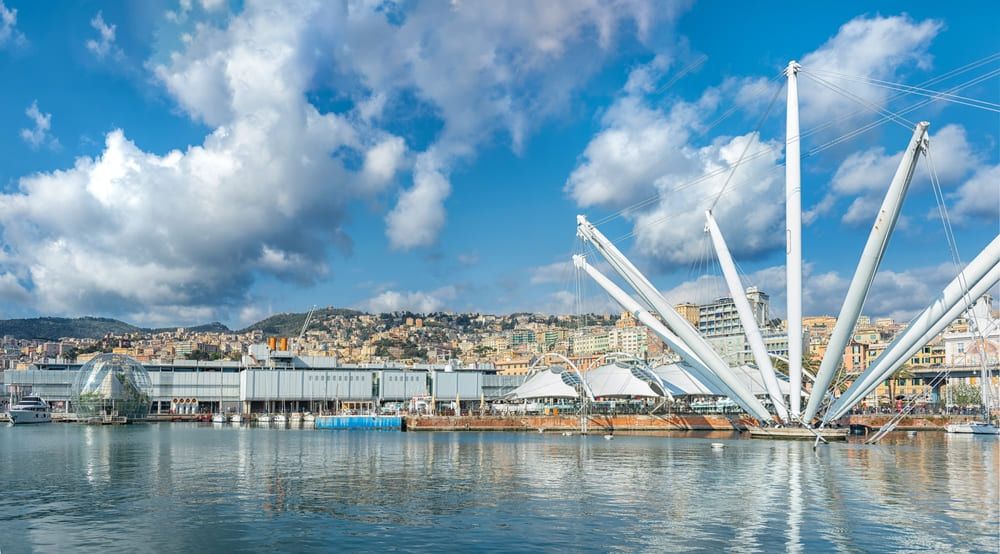
Exploring Genoa without stopping by its port is like skipping the first chapter of a novel. You miss the foundation, the key to truly understanding the story. Tucked between the hillside and the sea, Genoa has always faced outward, towards the Mediterranean. For some, it was a launchpad to adventure and discovery, and for others, a vital hub of maritime trade and diplomacy. In the 16th century, these docks were the beating heart of Genoese life. Ships arrived daily, packed with spices, gold, and precious stones, filling the city with wealth and wonder. But that era is long gone, and business has taken a very different turn. After decades of abandonment, Genoa’s port underwent a major transformation in the 1990s. To mark the 500th anniversary of Columbus’s voyage to the Americas, local architect Renzo Piano brought the port back to life. Warehouses were converted into shops and restaurants, a panoramic lift with long white arms, known as the Bigo, was installed, and the city’s aquarium, with its striking glass-and-steel biosphere, was inaugurated. If you look closely, you’ll spot the massive Neptune Galleon, the ship built for Roman Polanski’s film Pirates. Porto Antico is no longer about trade and conquest. Today, it’s all about tourism and leisure.
