Walk
Step Into the World of the Knights of St. John
Valletta, Malta
Walk
Step Into the World of the Knights of St. John
Valletta, Malta
4.3 km
Distance
1h45
Durée
20
Audios
Loop
Parcours
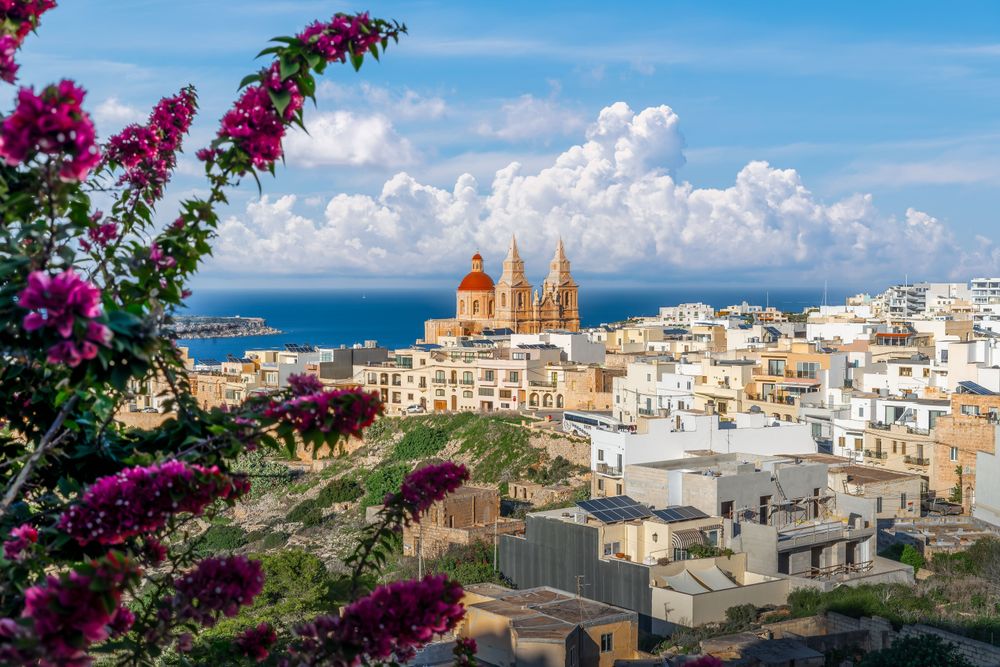
Between golden stones and deep blue waters, Malta reveals itself as a layered tapestry of civilisations where every cobbled alley tells centuries of history. Romans, Arabs, Knights of the Order of Saint John, the British: successive presences that have sculpted a unique identity at the heart of the Mediterranean. Travelling to Malta means moving at your own pace, senses and ears alert, letting stories emerge around the bend of a fortification or a harbour bathed in light. To accompany this exploration, Ryo's audio-guided tours allow you to dive into the soul of the archipelago from your very first steps in its historic cities.
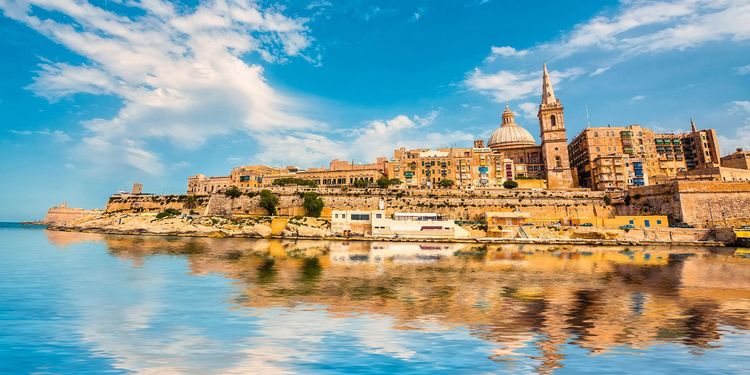
Born under the impetus of the Knights of the Order of Saint John in the 16th century, Valletta stands as one of the most heritage-dense capitals in the entire Mediterranean. Along its ruler-straight streets, the traveller discovers baroque palaces, co-cathedrals with sumptuous interiors and bastions that plunge into the waters of the Grand Harbour. A UNESCO World Heritage Site, the city unveils its layers of history at every crossroads. Ryo's audio-guided tour leads you to the heart of this chivalric legacy, weaving anecdotes and stories to reveal what lies behind the golden facade of its stones.
Beyond Valletta, the Maltese archipelago holds many other discoveries for those who take the time to linger. The Three Cities — Vittoriosa, Senglea and Cospicua — stretch out facing the capital and display their medieval fortifications along the Grand Harbour, offering a striking maritime panorama. The silent city of Mdina, perched on its rocky spur at the centre of the island, invites visitors to wander through a labyrinth of near-deserted alleyways where time seems to stand still. Further north, the island of Gozo captivates with its rural character and rolling landscapes: the citadel of Victoria has dominated the horizon there for centuries. Finally, the prehistoric temples scattered across the archipelago, among the oldest monumental structures in the world, serve as a reminder that Malta has been inhabited for millennia, long before the arrival of the Knights.
Malta's Mediterranean climate makes the archipelago accessible almost year-round. Spring and autumn offer mild temperatures, ideal for exploring cities and historical sites without the intense heat of summer. The summer period attracts those who love swimming and beaches with crystal-clear waters, though the most popular sites are considerably busier at that time. Winter, mild by European standards, is perfectly suited to travellers who prefer to discover the island in a more peaceful and authentic atmosphere.
The Maltese archipelago is modest in size, which makes travelling between the various sites straightforward. Public buses serve most localities on the main island and represent a practical option for getting from Valletta to other towns. Regular ferries connect Malta to Gozo, making it easy to reach the neighbouring island. For those wishing to explore at their own pace, renting a vehicle remains a popular alternative — bearing in mind that traffic drives on the left, a legacy of the British presence.
Spring, between March and May, and autumn, between September and November, are generally considered the best times to visit Malta. Temperatures are pleasant, the light is magnificent and the crowds are smaller than in the height of summer. Winter can also suit travellers who value authenticity and wish to explore the historic cities in a more intimate atmosphere.
A stay of three to four days allows you to cover the must-see highlights of the main island, starting with Valletta and its immediate surroundings. To include Gozo and more remote sites such as the prehistoric temples or Mdina, allowing a week provides a more comfortable pace, conducive to a truly immersive experience of the archipelago's history and culture.
Malta International Airport is located a short distance from the capital. Direct bus routes regularly connect the airport to the centre of Valletta, making it the simplest option for most travellers. Taxis and shuttle services are also available outside the terminal exits.
Among the places not to be missed on a trip to Malta are Valletta and its UNESCO-listed baroque heritage, the Grand Harbour and its spectacular views over the Three Cities, the medieval city of Mdina, the citadel of Victoria on the island of Gozo, and the archipelago's prehistoric temples — testament to one of the oldest civilisations in the world.
Maltese cuisine reflects the cross-cultural influences that have shaped the identity of the archipelago. The fenkata, a traditional dish of rabbit slow-cooked in sauce, is arguably the most iconic speciality, often enjoyed with family or friends in village taverns. The local pastries, artisan cheeses and wines produced on the island are also well worth discovering along the way.