Walk
The Land of the Morning Calm
Seoul, South Korea
Walk
The Land of the Morning Calm
Seoul, South Korea
7.2 km
Distance
3h00
Durée
20
Audios
Loop
Parcours
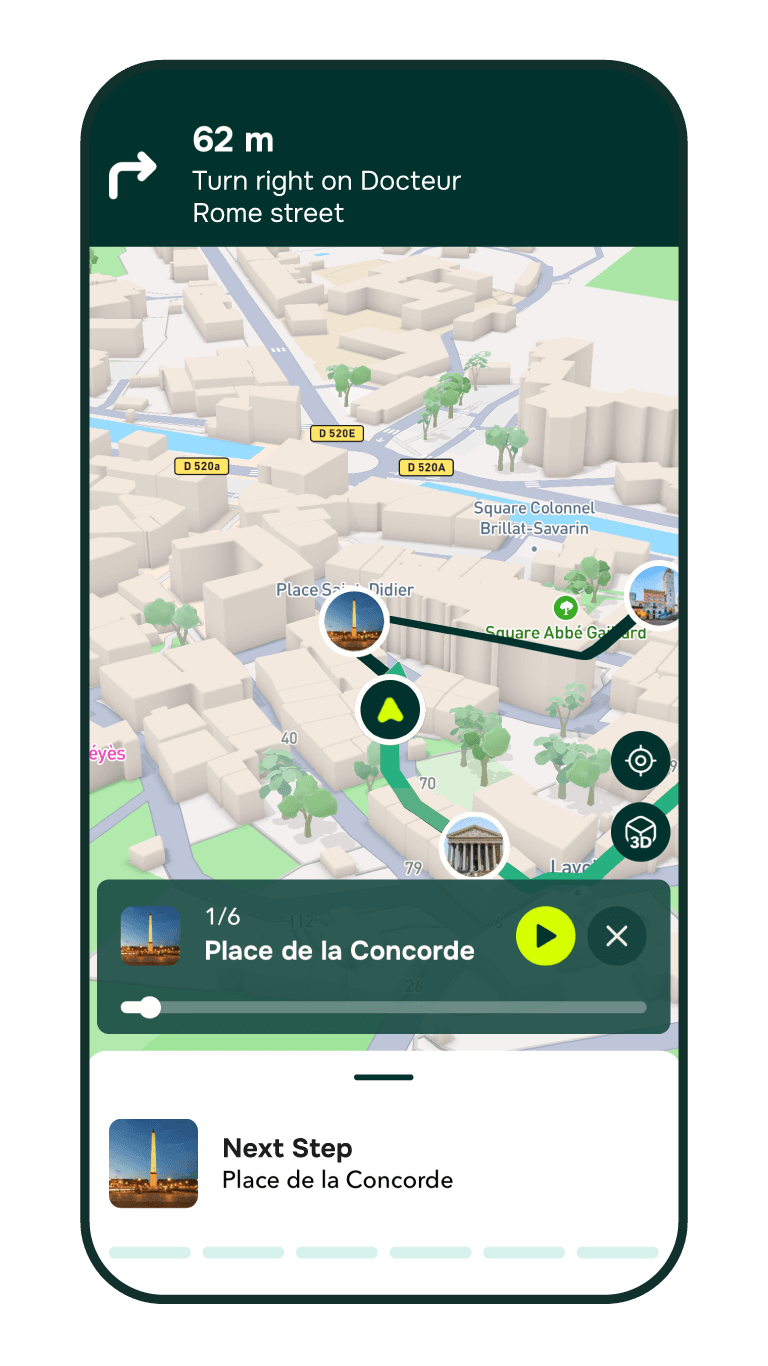
Visiting South Korea means stepping into a country that holds opposites together with rare grace: thousand-year-old palaces converse with futuristic skylines, pine forests wrap around silent temples, and night markets pulse until dawn. Nicknamed the Land of the Morning Calm, South Korea unfolds a gentle and lasting emotion for the traveler — that of a country preserving its soul despite its drive toward modernity. Ryo accompanies you through these contrasts with its immersive audio-guided tours, designed to explore South Korea at your own pace, with wide-open ears and eyes.
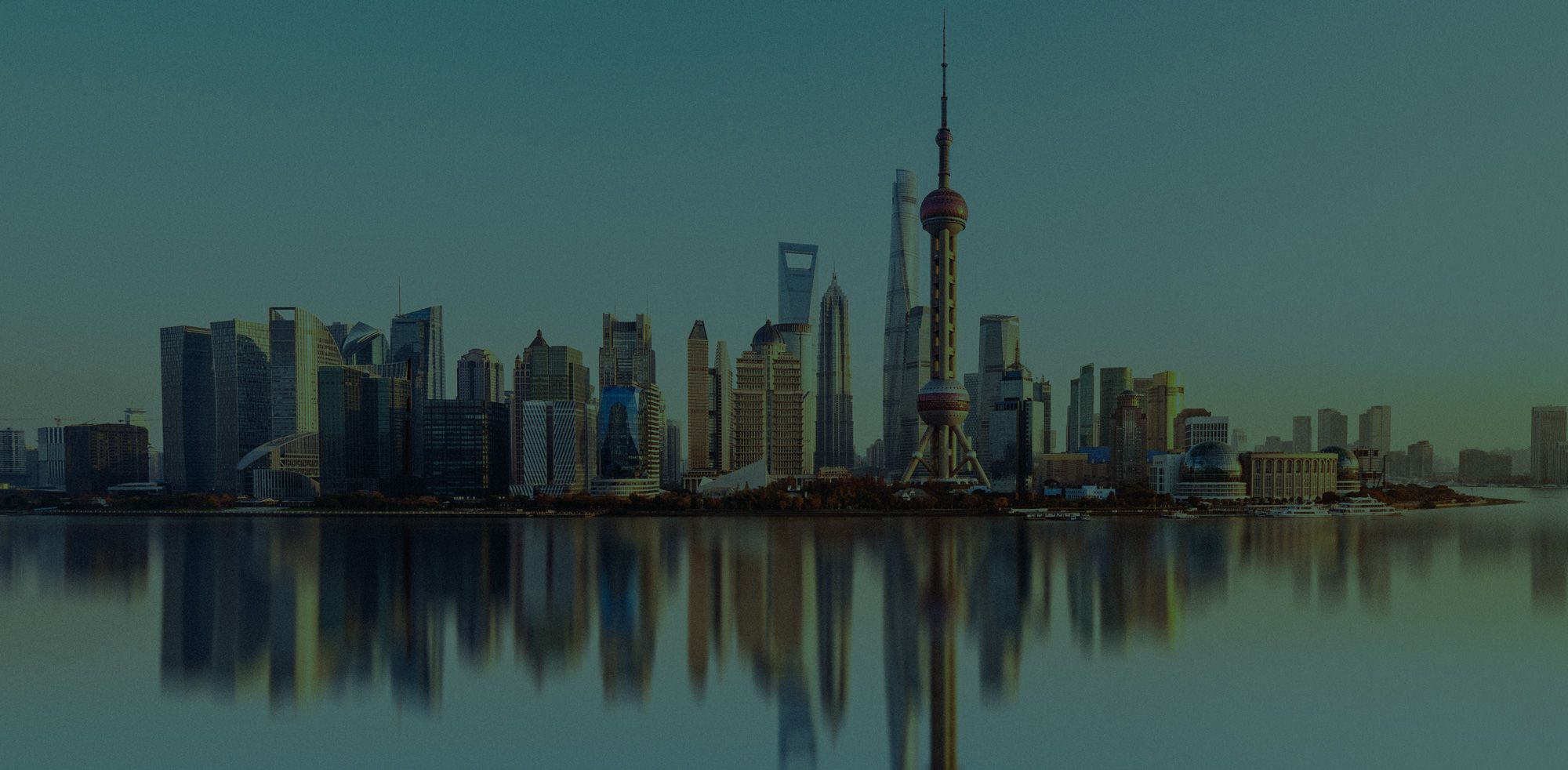
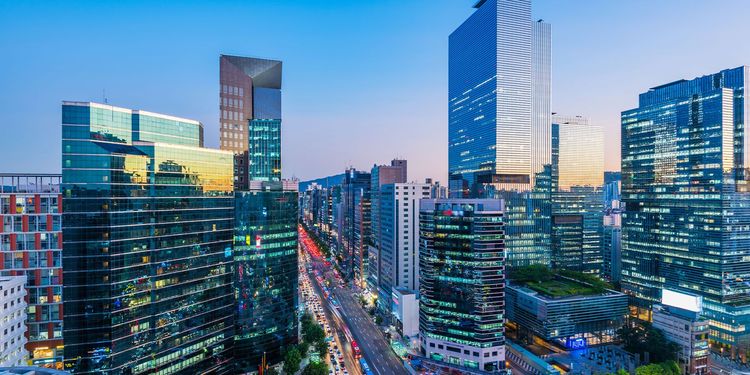
At the heart of the peninsula, Seoul stretches between wooded mountains and luminous boulevards, offering a world-city you never quite finish understanding. Strolling through the grounds of Gyeongbokgung Palace, wandering the alleyways of Bukchon where blue-grey tiled rooftops seem suspended in time, then shifting to the nocturnal energy of Hongdae or the elegant avenues of Gangnam — Seoul plays with eras like no other capital. The Ryo audio-guided tour The Land of the Morning Calm guides you through this labyrinthine city with exactly the right narrative — one that gives meaning to the stones and the silences.
Beyond the capital, South Korea unfolds a remarkably diverse geography. Largely covered by mountain ranges, it offers travelers hiking trails, temples tucked away in woodland, and rugged coastlines that change character with the seasons.
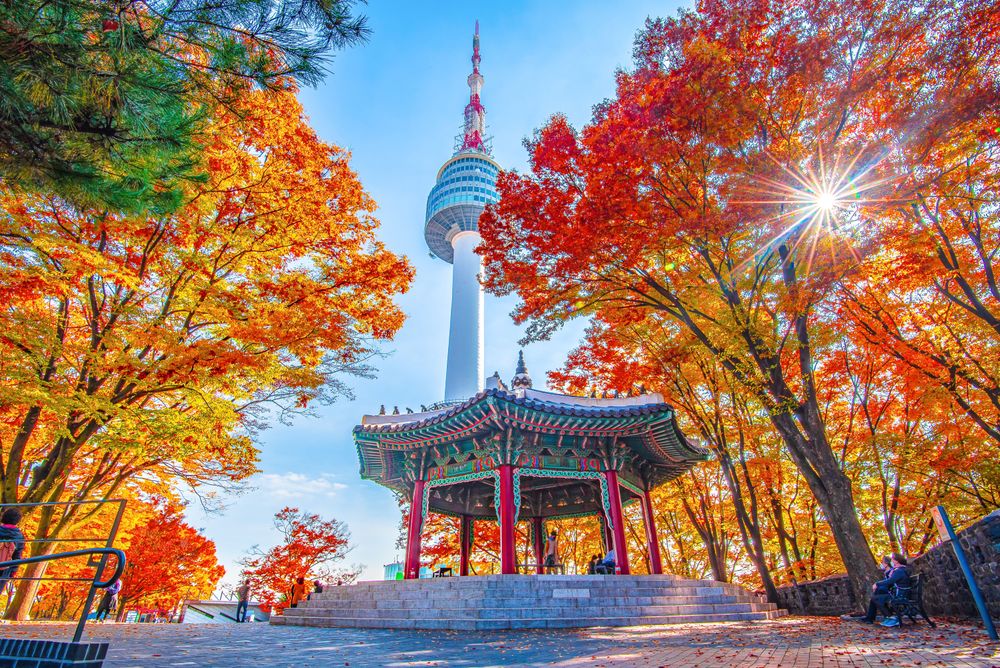
The best time to discover South Korea is in spring, generally between mid-March and late April, when cherry blossoms drape parks and avenues in a veil of pale pink. Autumn offers a second ideal window: temperatures become pleasant and foliage turns to shades of amber and gold, particularly in the national parks. Summer is hot and humid, marked by a rainy season; winter, dry and cold, is better suited to travelers seeking tranquility and mountain ski resorts.
South Korea's rail network is one of the most efficient in Asia: high-speed trains connect the country's major cities quickly and comfortably, making journeys between Seoul and Busan, for example, very accessible. In cities, metro systems are modern, well-signposted, and often available in English. A rechargeable transport card greatly simplifies day-to-day travel. To explore the countryside and mountain regions, renting a vehicle or taking intercity buses remains the most flexible option.
Spring and autumn are generally considered the ideal seasons. Spring, with its cherry blossoms, and autumn, with its warm-colored forests, offer pleasant weather conditions and particularly photogenic landscapes.
One week is enough to cover the highlights, primarily Seoul and Busan. Two weeks allow for a more relaxed pace, with the opportunity to explore Jeju Island, the national parks, and less-visited villages, for a deeper travel experience.
The high-speed train is the most practical way to travel between major cities. Within urban areas, the metro and city buses cover most journeys. A rechargeable transport card, usable across most forms of public transport, greatly simplifies day-to-day logistics.
Seoul and its Joseon dynasty palaces, the Haedong Yonggungsa temple in Busan, the volcanic island of Jeju with its UNESCO-listed natural landscapes, and the Confucian villages of central Korea are among the most iconic destinations to discover.
South Korea is recognized as one of the safest destinations in Asia, with a very low crime rate and a visible police presence in public spaces. Independent travelers, including solo visitors, generally move around with complete peace of mind.
Korean cuisine is an experience in itself: kimchi, the iconic fermented spiced vegetables, accompanies almost every meal. Bibimbap, a bowl of rice with vegetables and egg, Korean barbecue grilled at the table, and the comforting soups found at night markets are among the unmissable flavors to explore across neighborhoods and regions.