





Créé par Romane, le 2 oct. 2026
Votre guide Ryo
Seoul, South Korea
Short version - The Land of the Morning Calm
Parcours audioguidé pour visiter Seoul en 1 jour
This is the short version of the tour, perfect for discovering the city's highlights in no time. If you'd like to explore further, the full tour is also available, allowing you to immerse yourself in the city in much greater depth.
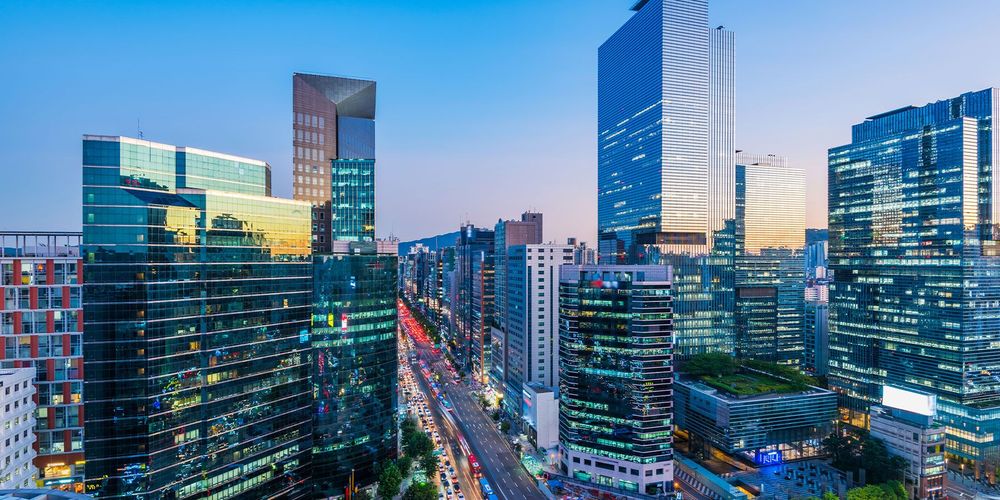
This tour of Seoul’s historic center invites you to dive into the soul of Korea, featuring majestic royal palaces, secret gardens, and traditional hanok villages nestled at the foot of skyscrapers. Throughout the route, discover the heritage of the Joseon dynasty, the vibrant energy of ancient markets, and the landmarks where past rituals meet the creative energy of tomorrow. A simple and immersive way to explore the fascinating heart of Seoul at your own pace.
Quand partir à Seoul ?
Jan.
-2°
5
Feb.
1°
5
March
6°
7
April
13°
8
May
18°
9
June
23°
10
July
25°
16
Aug.
26°
15
Sept.
22°
9
Oct.
15°
6
Nov.
8°
9
Dec.
0°
7
The best months to visit Seoul are April, May, September, and October. April is especially popular, as it’s when you can enjoy the cherry blossoms in full bloom. July and August are the hottest months but also the rainiest, with muggy, uncomfortable heat and sudden torrential downpours during the day. It’s better to opt for June or September, which are much drier and have milder temperatures. In June, average lows are around 20°C and highs reach about 28°C, while in September, average lows are around 19°C and highs about 27°C.
Départ conseillé
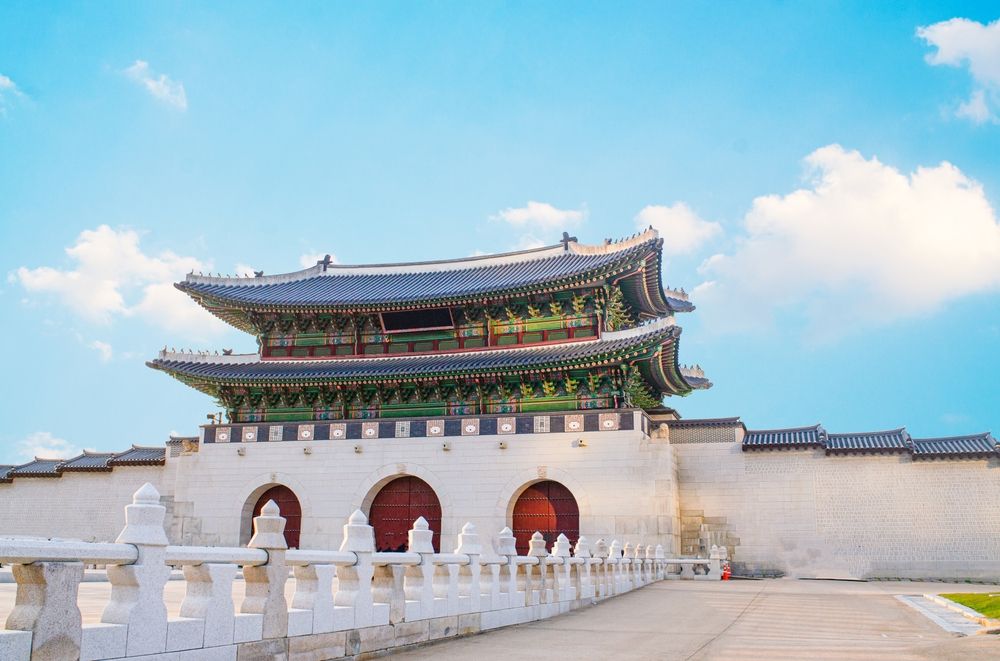
We design our tours in a loop format so you can easily start at the point closest to you, with the guidance adapting automatically. If you’re nearby, we recommend an ideal starting point: in front of Gwanghwamun Gate.
Parking à proximité
Gyeongbokgung Palace Parking: 161 Sajik-ro, Jongno-gu
Driving in Seoul can be quite a challenge: between heavy traffic and alternate-day driving restrictions due to pollution peaks, it’s often wiser to use public transportation to get around the city. Street parking is hard to find, so it’s best to opt for an underground or paid parking lot to leave your car.
À savoir
The tour passes by Gyeongbokgung Palace and Jogyesa Temple. If you wish to enter and visit all these sites, remember to purchase your tickets in advance to avoid waiting times. You can also opt for a City Pass to enjoy discounted rates on several attractions in Seoul.
Découvrez 14 lieux d'intérêt pour visiter Seoul





Le plein d'inspirations
Explorez le monde en totale liberté, à pied au cœur des villes ou au fil des routes. Nos guides audios transforment chaque destination en une découverte culturelle immersive et unique.
FAQ for visiting Seoul
When is the best time to visit Seoul?
The best times to discover Seoul are spring and autumn, particularly the months of April, May, September and October. April is magical with the cherry blossoms that transform the city into a pink and white tableau. Temperatures are mild and pleasant, ideal for exploring on foot. Summer, especially July and August, can be gruelling with muggy heat and sudden torrential rains. Autumn offers splendid landscapes with colourful foliage and a very pleasant dry climate. Winter is cold but dry, perfect if you enjoy the wintry atmosphere and the Korean Christmas markets.
How many days do you need to visit Seoul?
For a first discovery of Seoul, ideally allow four to five days. This lets you explore the royal palaces and the traditional and modern districts, all while keeping a pleasant pace. In three days, you can see the must-sees of the historic centre, but it will be more intense. With a week, you will have time to soak up the city's unique atmosphere, take excursions into the surroundings and truly get a taste of Seoul life. Two days are enough for a quick overview, but you risk being left wanting more in the face of this fascinating metropolis where tradition and modernity blend harmoniously.
How do you get around Seoul?
The metro is your best ally for exploring Seoul efficiently and economically. With its many well-connected lines and its signage in English, it serves all the major sites. Buses complement the network perfectly, even if they are more complex to use for visitors. Taxis are affordable and practical, especially late in the evening. For short distances, walking remains ideal as many districts are best discovered on foot. Get yourself a rechargeable T-money card as soon as you arrive, usable on all forms of transport. Real-time navigation apps will help you enormously in planning your journeys around this huge metropolis.
What can you do for free in Seoul?
Seoul offers many free activities that will let you discover its essence. The royal palaces often offer free time slots or very affordable prices. Wander through the lanes of Bukchon Hanok Village to admire the traditional architecture, explore lively markets such as Namdaemun or Gwangjang for the local atmosphere. Buddhist temples welcome respectful visitors for free. Climb Namsan for a spectacular panoramic view or stroll along the Cheonggyecheon, this redeveloped urban river. The districts of Hongdae and Myeongdong offer free street performances. The Ryo audioguide accompanies you in these discoveries with narrated routes that enrich your experience without weighing on your budget.
Which districts are the must-visits?
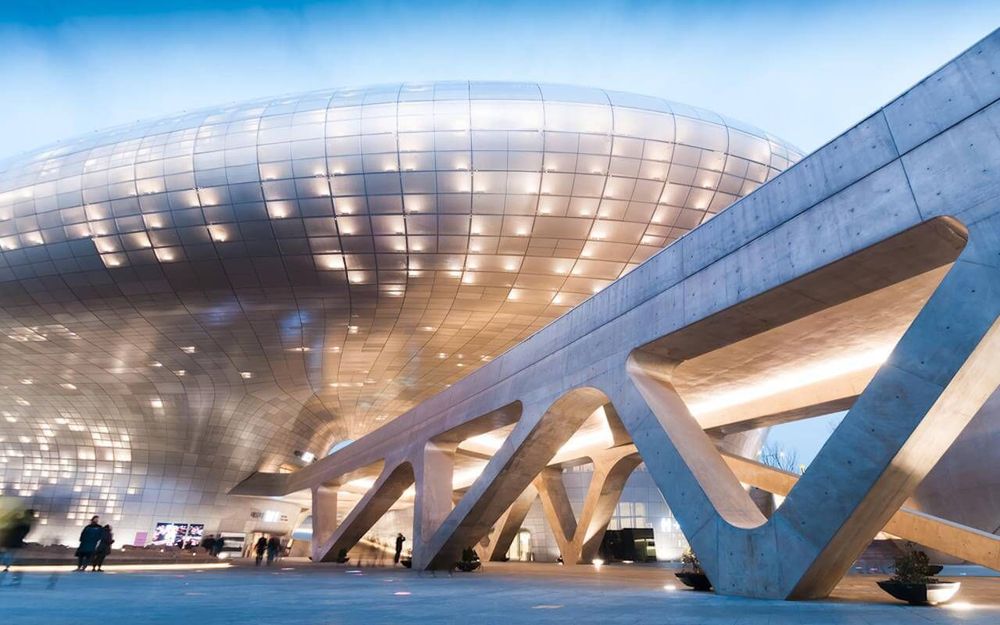
Each district of Seoul has its own unique personality. Start with Jongno, the historic heart with its palaces and Bukchon Hanok Village. Myeongdong plunges you into commercial and culinary excitement. Insadong charms with its art galleries and traditional shops. For a young and creative vibe, head to Hongdae with its artistic cafés and its underground music scene. Gangnam embodies modern, luxurious Seoul, while Itaewon offers a cosmopolitan international atmosphere. Do not miss Dongdaemun for nighttime shopping and futuristic architecture. The Ryo audioguide guides you through these emblematic districts, revealing their hidden stories and little-known treasures for an enriching exploration at your own pace.
How do you get to the city centre from the airport?
From Incheon International Airport, several options are available to you. The AREX express train is the fastest, reaching Seoul station in under an hour. A more economical version with stops also exists. The limousine buses are comfortable and serve the main districts and hotels directly. Taxis remain practical for groups or with a lot of luggage, but beware of traffic jams at peak times. From Gimpo airport, which is closer, the metro easily takes you to the centre. Generally allow one to two hours of travel depending on your final destination and the chosen means of transport. The signs are well translated into English at both airports.
Where should you stay in Seoul for a first trip?
For a first stay, favour central, well-served districts. Myeongdong is ideal for its central location, its many hotels and its proximity to the major tourist sites. Jongno places you in the historic heart, perfect for exploring the palaces on foot. Hongdae appeals to younger travellers with its dynamic atmosphere and its varied accommodation, from hostels to boutique hotels. Insadong offers a good compromise between tradition and modernity. Gangnam suits you if you prefer ultra-modern Seoul. The traditional hanok guesthouses offer an authentic experience. Whatever your choice, check the proximity of a metro station to make getting around this sprawling metropolis easier.
Which palaces should you visit first in Seoul?
Seoul has five major royal palaces, each with its own unique character. Gyeongbokgung, the largest and most majestic, is a must with its changing-of-the-guard ceremony. Changdeokgung appeals with its secret garden Huwon, a UNESCO-listed haven of peace. Deoksugung offers a fascinating contrast with its Western buildings and its urban setting. If you are short on time, focus on these three. Changgyeonggung and Gyeonghuigung are also worth the detour for history enthusiasts. The Ryo audioguide enriches these visits by revealing court intrigues and architectural secrets, turning your walk into a captivating journey through time across the Joseon dynasty.
Where can you enjoy the best views over Seoul?
The best-known viewpoint is still Namsan, the hill at the centre of the city: you can walk up through shaded trails or take the cable car, and the tower crowning it looks out over an ocean of buildings ringed by mountains. To the east, the Lotte World Tower has a glass observatory that takes in the Han River valley and, on a clear day, the hills on the outskirts.
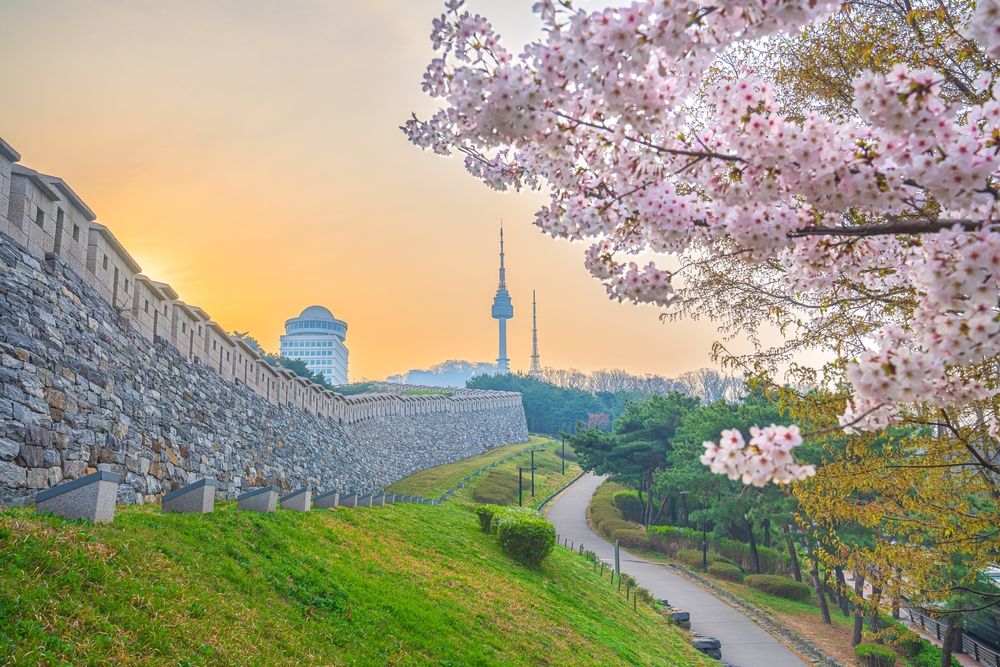
For a more intimate view, follow a stretch of the old Seoul city wall on the hills of Naksan or Inwangsan: the path runs alongside the fortification and reveals the city slice by slice, with very few people around on weekdays. The hikes in Bukhansan national park, reachable by metro, offer the widest panoramas, and plenty of cafés perched in the steeper neighbourhoods let you enjoy the view sitting down at sunset.
How can you experience Korean pop culture in Seoul?
Hongdae, around its arts university, is the best starting point: pedestrian streets covered in murals, record shops, vintage stores and young groups rehearsing their choreography in public as soon as night falls. On the other side of the river, Gangnam concentrates the headquarters of the big entertainment agencies, luxury window displays and shops devoted to the bands of the moment.
Elsewhere, Myeongdong remains the kingdom of cosmetics brands, Dongdaemun Design Plaza hosts fashion shows and exhibitions inside its futuristic architecture, and karaoke rooms and themed cafés are part of everyday local life rather than tourist folklore. Depending on the time of year, concerts, signing sessions or outdoor shoots also liven up these districts, and you need to book nothing at all to soak up the atmosphere.
Vos commentaires, idées et suggestions
Aucun avis pour le moment