





RyoCity
Mountain Slopes, Timeless Soul
La Orotava, Spain
RyoCity
Mountain Slopes, Timeless Soul
La Orotava, Spain
2.5 km
Distance
1h00
Durée
17
Audios
Boucle
Parcours
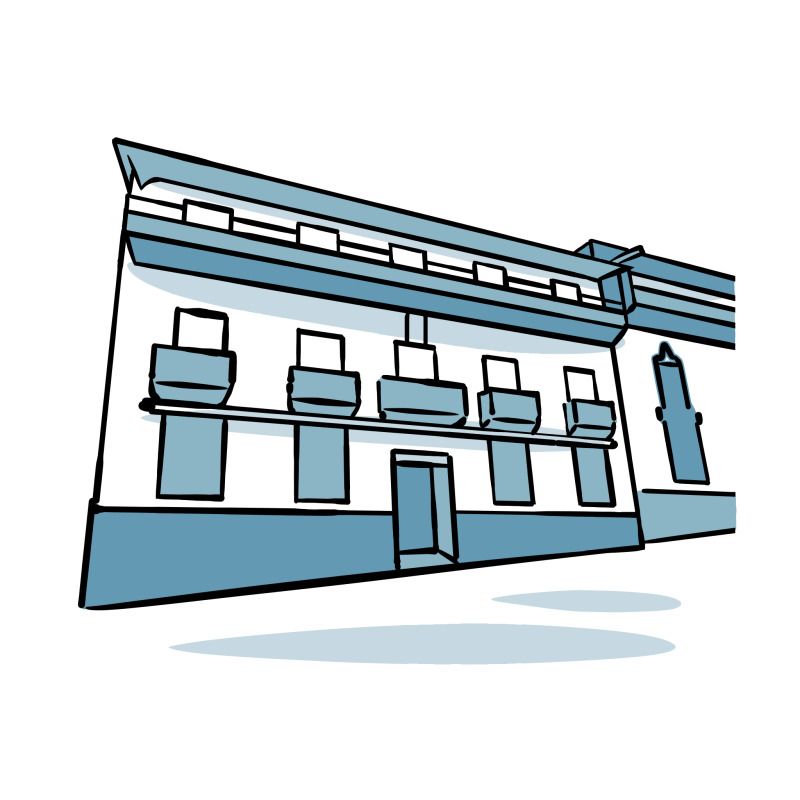
You're now standing in front of the iconic Casa de los Balcones, the House of Balconies, the most famous manor house on the island. Completed in 1632, it’s now the leading centre in the Canary Islands for calado, the traditional embroidery of the archipelago. You’ve probably already come across a few examples since arriving. This delicate lacework, known as openwork embroidery, is made by hand using cotton or linen to create intricate patterns. In the Middle Ages, both men and women practised this art, and it’s believed that men helped spread it to the Americas during the Spanish conquest of the New World. In the Canary Islands, it was mainly women who embroidered household items, and by the end of the 19th century, this local craft was being exported on a large scale — mainly by English companies — and had gained international fame. Calado remains the most internationally recognised Canarian craft. If you get the chance, go inside and visit the house. It’s hard to grasp the full beauty of the balconies, the woodwork, and the lush patio just from the outside. These balconies are iconic symbols of traditional Canarian architecture, blending Andalusian influences with Portuguese craftsmanship. You’ll find them not only on grand homes like this one but also on simpler rural buildings. Inside, you can also discover the embroidery school, where you can see calado being made, a small museum on Canarian traditions, and a faithful reconstruction of a 17th-century home. It’s one of the must-see spots on the island. And just across the street stands the Casa del Turista, or Tourist House, built in 1590 by Francisco de Molina. It features an open-air patio that hosts temporary exhibitions showcasing local crafts.
