Walk
Discovering Stockholm, island by island
Stockholm, Sweden
Walk
Discovering Stockholm, island by island
Stockholm, Sweden
5.5 km
Distance
2h20
Durée
26
Audios
Loop
Parcours
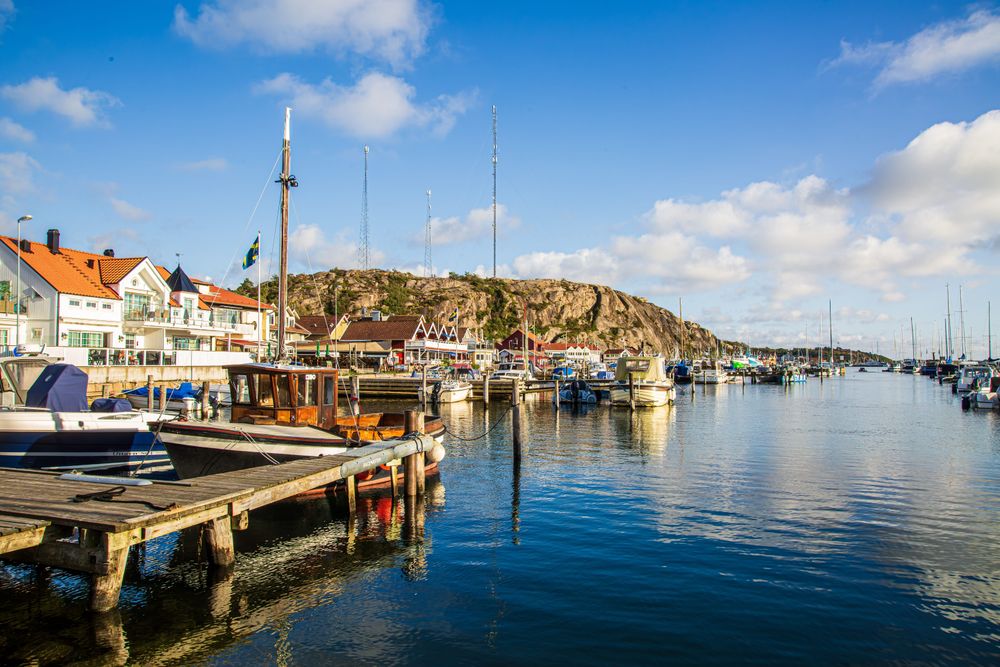
Sweden stretches between endless boreal forests, sculpted archipelagos, and cities resting on the water like poems of stone and light. To visit Sweden is to accept slowing down, to let yourself be guided by the silence of the lakes and the soft warmth of Scandinavian interiors. For those who love travelling at their own pace, Ryo's audio-guided tours open a sensitive doorway into this northern country, starting with its capital. UNESCO lists fifteen World Heritage Sites here, and every region reveals an unexpected facet of a culture that is both ancient and resolutely contemporary.
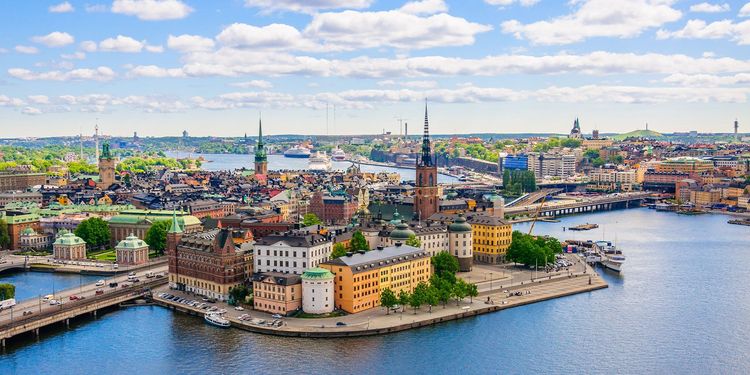
Built across fourteen islands connected by bridges and waterways, Stockholm more than lives up to its nickname as the Venice of the North. Along the canals of Gamla Stan, the medieval quarter at the heart of the city, ochre and crimson façades are reflected in almost still water. Ryo's audio-guided tour invites you to wander from island to island, from the royal Old Town to the bohemian alleyways of Södermalm, letting sounds and stories set the rhythm of your day. Along the way, you'll encounter Viking history, the modernity of Swedish design, and a gastronomic scene that reinvents tradition with every season.
Beyond Stockholm, Sweden unfolds territories of striking diversity. To the north, Swedish Lapland is a world unto itself, where the northern lights illuminate the sky from autumn through early spring, and where reindeer cross snow-covered expanses that civilisation seems to have left untouched. Sarek National Park, with some of the country's highest peaks, draws travellers in search of wilderness and wide-open spaces.
Further south, the shores of Dalarna and the lake-dotted landscapes of central Sweden invite a different kind of slow travel, one made of red wooden villages, birch forests, and swims in lakes of crystalline clarity. At the southernmost tip, Malmö and the legendary Øresund Bridge are a reminder that Sweden also stands at the crossroads of continental Europe.
Sweden offers radically different faces depending on the season. Summer, from June to August, is the most luminous time: the midnight sun in the north provides an almost continuous golden light, and the archipelagos come alive with a gentle, festive energy. Winter, between November and February, is the ideal time to head to Lapland, witness the northern lights, and embrace the joys of snow-covered landscapes. Spring and autumn appeal to travellers who prefer smaller crowds and natural colour palettes, particularly during the spectacular blaze of the Swedish fall.
Sweden has a comfortable rail network connecting its major cities, with Stockholm at the hub. To explore more remote regions, such as Lapland or the western coast, overnight trains or rental cars make it possible to reach less accessible areas. In cities, public transport is generally efficient and well developed; in Stockholm, the metro, trams, and ferries combine seamlessly to move from one island to the next, like a standing invitation to keep exploring.
It all depends on what you're looking for. For long summer days, archipelago life, and open-air festivals, summer (June–August) is ideal. For the northern lights and snow-covered landscapes in Lapland, winter, between November and March, is the season of choice. Spring, for its part, offers a Sweden just waking up, with fewer visitors and generally more accessible prices.
A one-week stay allows you to explore Stockholm in depth and take a short trip to a neighbouring region. To visit both the capital, the country's heartland, and Lapland, it is advisable to allow at least two weeks so you can travel without rushing and let the country reveal itself at its own pace.
Stockholm and its archipelago top every list, with Gamla Stan, its museums, and its vibrant neighbourhoods. Lapland and its northern lights, Sarek National Park, the Bohuslän coastline, and the city of Gothenburg typically round out a well-balanced itinerary between wild nature and urban culture.
The train is the most comfortable way to travel between major cities. For the northern regions or rural areas, renting a car offers invaluable freedom. In cities, public transport networks are well developed; in Stockholm, ferries are an integral part of daily life and are, in themselves, a poetic way to discover the city.
Absolutely. Swedish culture values independence and respect for nature, notably through the universal right of access (allemansrätten), which allows anyone to roam freely in the countryside. Infrastructure is reliable and well signposted, making self-organised travel straightforward, whether it's a city break in Stockholm or a road trip to the far north.
Swedish cuisine is far richer than its clichés suggest. Beyond the meatballs (köttbullar) and gravlax salmon, travellers will discover a hearty local cuisine rooted in wild produce: mushrooms, arctic berries, smoked fish, and dense rye breads. The fika, that coffee break accompanied by a pastry, is a social institution you very quickly adopt as a way of life all its own.