



Créé par Romane, le 4 oct. 2026
Votre guide Ryo
Stockholm, Sweden
Discovering Stockholm, island by island
Parcours audioguidé pour visiter Stockholm en 1 jour
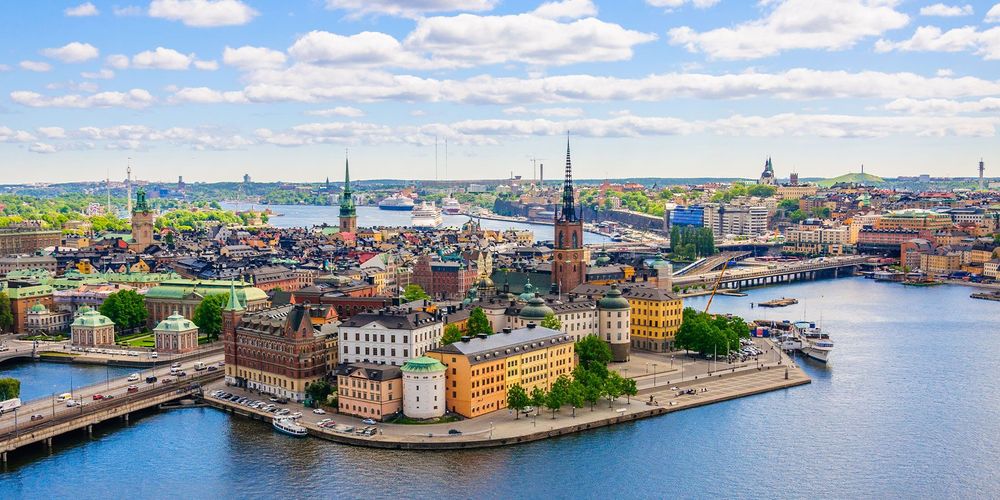
Built across an archipelago, Stockholm is a capital where water and nature shape every moment. The city reveals a quiet elegance, expressed through its diverse neighborhoods and strong commitment to quality of life. As you explore it, you discover a subtle balance between heritage, modernity, and a calming atmosphere.
Quand partir à Stockholm ?
Jan.
-3°
9
Feb.
-3°
7
March
1°
8
April
6°
8
May
12°
9
June
17°
9
July
20°
10
Aug.
19°
10
Sept.
14°
10
Oct.
9°
10
Nov.
4°
10
Dec.
-1°
9
Throughout the year, Stockholm’s average temperature isaround 7°C, thanks to a Baltic or moderately continental climate, with cold winters and mild summers. January and February are the coldest months, with average lows around -2°C. The warmest temperatures are in July and August, when highs reach around 21°C. As for rainfall, June to August and October are the wettest months. To make the most of your visit, the period from June to September is generally the best time to plan your stay—despite the occasional shower.
Départ conseillé
No need to worry about where to begin! Our tours are designed as a loop, so you can jump in wherever you are. The navigation system and audioguide will automatically adjust to your location. However, if you happen to be nearby, we do have a preferred starting point: the Museiparken, in front of the National Museum of Sweden.
Parking à proximité
Albert Ranfts Torg Parking
Adapting to the Swedes’ balanced and simple way of life doesn’t take long, but learning their language is a different story. For everyday communication, English will usually do the trick. But when it comes to parking and road signs, things can get complicated. Here are a few helpful tips to save you from a hefty fine—or worse. – If you see several signs stacked on top of each other, they each indicate separate rules that all need to be followed. If the information is grouped together on a single sign, then it’s all connected. Logical enough, right? – On a sign, white numbers on a blue background—or black numbers on yellow—refer to weekday hours. If you see parentheses around them, they apply to Saturdays or the day before a public holiday. – Red numbers indicate Sundays and public holidays. – If you come across the word “P-biljett” when parking, you don’t have to pay, but you do need to get a ticket from a machine to show you’re parked legally. – On the other hand, if you see “Avgift,” that means payment is required—no exceptions. – In Stockholm, you can only pay for parking by card or via a mobile app. Also check whether time is displayed in a 12-hour or 24-hour format—if you get it wrong, you might underpay and end up with a fine. – Parking within 10 metres of an intersection is strictly prohibited. This is a very serious rule.
À savoir
Just like any top tourist destination, Stockholm offers perks and discounts on transport and attractions through the Stockholm Pass. It’s a great way to explore the city at your own pace—while making the most of what it has to offer.
The official currency of Sweden is the Swedish krona (SEK). Sweden is not part of the Eurozone, so you will need to exchange money or pay in Swedish krona. Exchange rates fluctuate regularly, but it is generally recommended to use credit or debit cards to avoid high fees and get rates close to the official exchange rate. Currency exchange offices are also available in the city, but it’s best to compare rates before exchanging cash.
Découvrez 26 lieux d'intérêt pour visiter Stockholm














Le plein d'inspirations
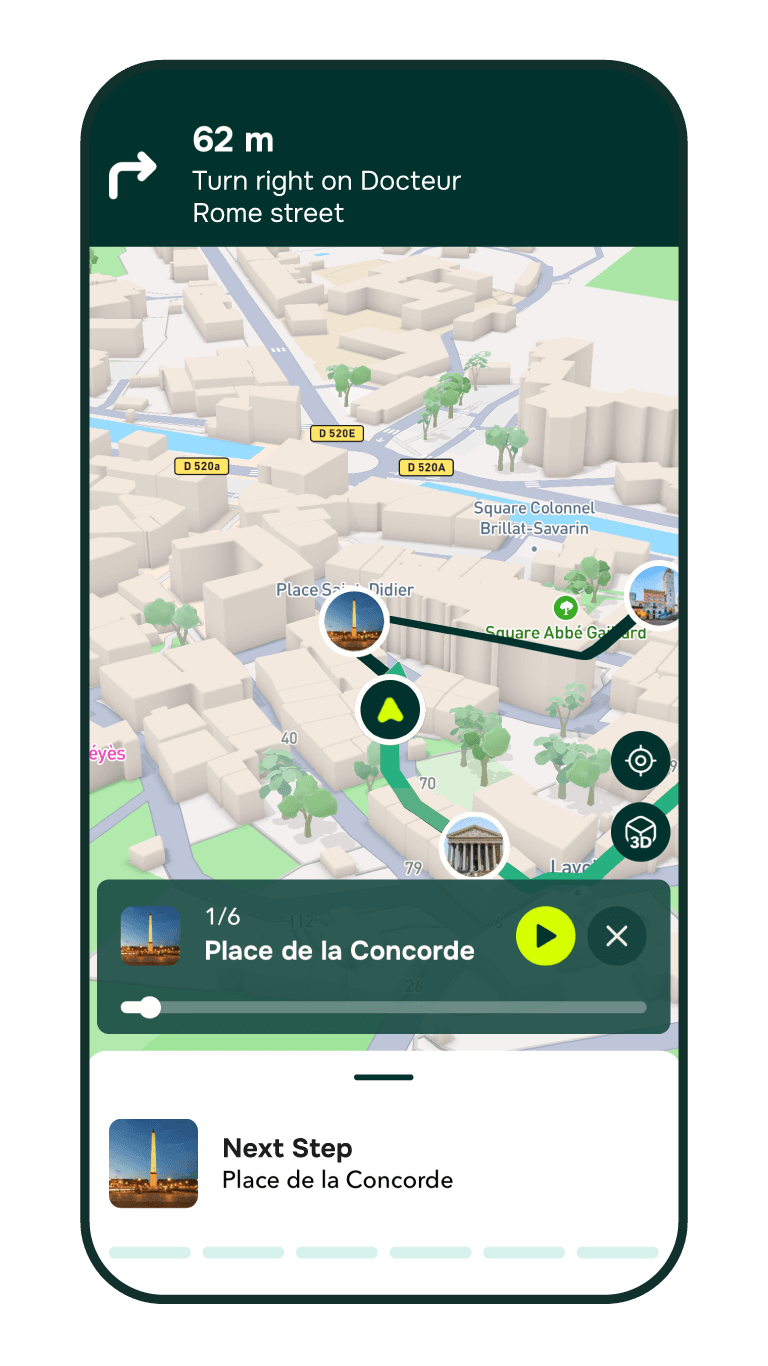
Explorez le monde en totale liberté, à pied au cœur des villes ou au fil des routes. Nos guides audios transforment chaque destination en une découverte culturelle immersive et unique.




FAQ for visiting Stockholm
When is the best time to visit Stockholm?
The ideal time to discover Stockholm runs from June to September, when temperatures are most pleasant and the days are longest. You'll then enjoy mild temperatures around 20°C and the Nordic light that bathes the city until evening. Summer, however, remains the rainiest season, but the showers are generally short. If you prefer to avoid the tourist crowds, May and September offer an excellent compromise with still-mild weather. Winter also has its charm with its Christmas markets and the hushed atmosphere of the city under the snow, but be prepared for sub-zero temperatures and very short days.
How many days do you need to visit Stockholm?
For a first discovery of Stockholm, ideally allow three to four days. This time will let you explore the various iconic districts, wander through the old town of Gamla Stan, visit a few major museums and soak up the unique atmosphere of this city of water. In two days, you can see the essentials but at a rushed pace. With five days or more, you'll have the luxury of taking your time, exploring the islands of the archipelago by boat and venturing into more residential neighbourhoods. Stockholm lends itself particularly well to walks on foot to capture its peaceful atmosphere and discover its many facets along the water.
How do you get around Stockholm easily?
Stockholm has an excellent public transport network combining metro, bus, tram and boats. The metro, nicknamed the world's longest art gallery, efficiently serves all the main districts. Travel cards let you use every mode of transport without limit for a set period, which generally proves more economical than individual tickets. The city centre remains very pleasant to explore on foot, especially between the islands linked by numerous bridges. For a more local experience, self-service bikes are popular during the warm season. Taxis remain a comfortable but generally more expensive option, particularly useful in the evening or for reaching far-off destinations.
Where should you stay in Stockholm to be well located?
The choice of neighbourhood will depend on your priorities and your budget. Gamla Stan, the old town, immerses you in the historic atmosphere but is generally more touristy and expensive. Norrmalm, the modern centre, offers an ideal central location with many accommodation options and easy access to transport. Östermalm charms with its elegance and its fine addresses, while Södermalm attracts a more bohemian crowd with its trendy cafes and creative atmosphere. For a more authentic and often more affordable stay, consider Vasastan or Kungsholmen, well-connected residential districts. Whatever your choice, favour proximity to a metro station to make it easier to get around this city spread across several islands.
What can you do for free in Stockholm?
Stockholm offers many free activities that reveal the essence of the city. Wandering through Gamla Stan and its medieval lanes is a must, as is the walk along the quays to admire the architecture and the reflections on the water. Parks such as Djurgården invite you to relax and offer superb viewpoints. Several museums offer free admission on certain days or time slots, so check before your visit. The covered markets let you soak up the local atmosphere without necessarily buying anything. To structure your discovery, the Ryo audioguide offers commented routes that turn your walks into genuine cultural explorations. In summer, attend the free concerts in the parks or simply enjoy the spectacle of the city living to the rhythm of the long, bright evenings.
How do you get from the centre of Stockholm to the airport?
You have several options for reaching Arlanda airport from the centre of Stockholm. The Arlanda Express high-speed train remains the fastest, linking the central station to the airport in about twenty minutes. Commuter trains are a more economical but slightly slower alternative. The airport coaches offer a good compromise between price and travel time, with regular departures from several points in the city. For Bromma airport, which is closer but mainly serves domestic flights, public buses are generally sufficient. Taxis remain available but are the most expensive option. Always allow a comfortable time margin, especially at rush hour when traffic can considerably slow down your journey.
Is Stockholm suitable for a family trip with children?
Stockholm proves particularly welcoming for families with children. The city offers many interactive museums designed for the youngest, spacious parks with playgrounds and activities suited to all ages. Public transport lets children travel free when accompanied by a paying adult, which makes getting around easier. Restaurants generally have high chairs and offer children's menus. The island of Djurgården brings together several family attractions in a green setting ideal for breaks. Swedes attach great importance to children's well-being, so you'll easily find changing areas and suitable facilities. The city's general safety and the cleanliness of public spaces also contribute to a relaxed family stay.
Which neighbourhoods should you explore in Stockholm?
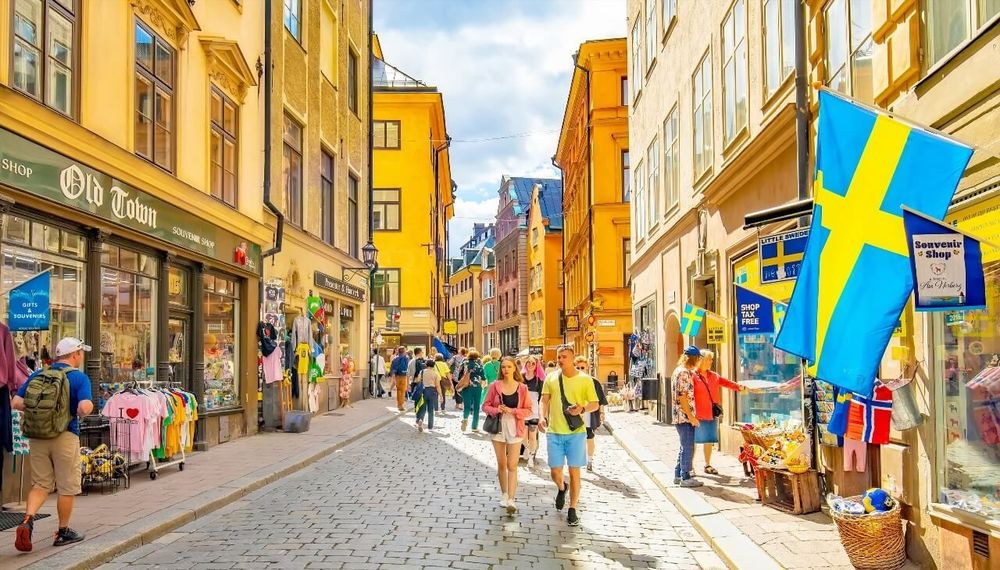
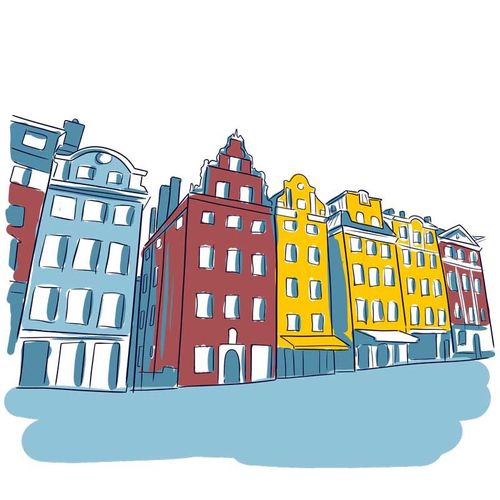
Stockholm spreads over some fifteen islands and every district has its own character. Gamla Stan, the old town, lines up ochre façades and cobbled lanes around the Royal Palace and the cathedral, with Stortorget square as its focal point. Norrmalm, to the north, concentrates the shops and the working city, while Östermalm shows off grand apartment buildings and its food hall.
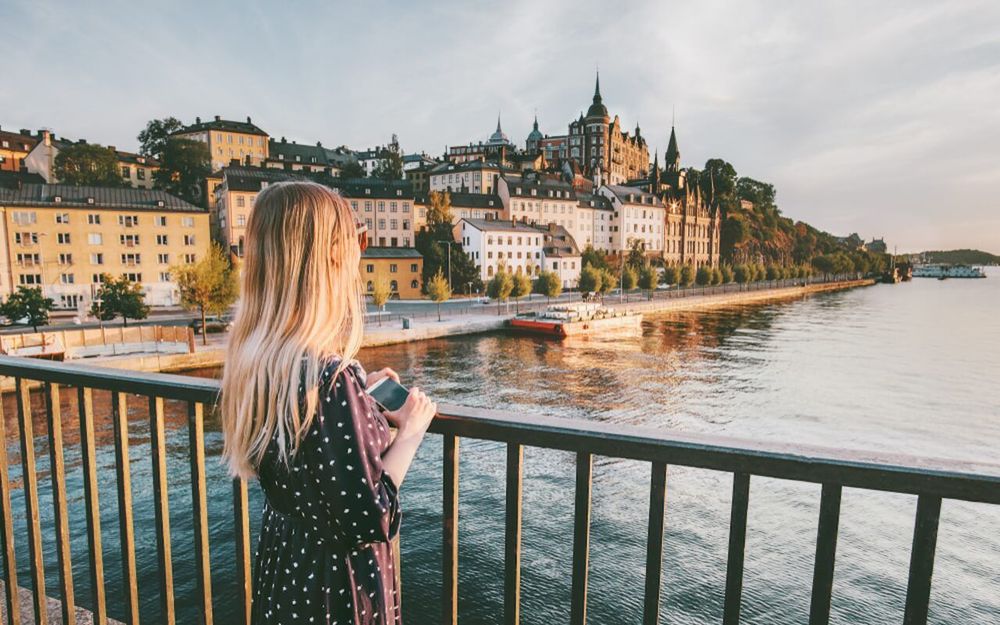
On the southern island, Södermalm is the bohemian district par excellence, with its vintage shops, its cafés and its views over the city from the heights of Monteliusvägen. Djurgården, finally, is the green island of museums and waterside walks. The Ryo audio guide offers a dedicated Stockholm route that links these districts from one shore to the other.
Which museums are worth visiting in Stockholm?
Stockholm is a city of museums, largely gathered on the island of Djurgården. The Vasa is the most spectacular: it houses a seventeenth-century warship that sank on its maiden voyage and was raised almost intact, displayed over several levels in a striking half-light. Right next door, Skansen brings together farms, workshops and wooden houses from all over Sweden in an open-air museum paired with a Nordic wildlife park. The ABBA museum dives into Swedish pop in a very hands-on way, while the Moderna Museet, on the islet of Skeppsholmen, unfolds a fine twentieth-century art collection. The Nobel museum, in the old town, rounds things off on the side of science and ideas.
What is fika, the Swedish coffee ritual?
Fika is far more than a coffee break: it is a Swedish social ritual that means stopping, alone or with others, for a coffee served with something sweet, and genuinely taking the time to talk. It happens in the morning as much as in the afternoon, among colleagues, with family or with friends, and Swedes are deeply attached to it. The star of the counters is the kanelbulle, a rolled bun flavoured with cinnamon and cardamom, surrounded by biscuits, cream cakes or, at the end of winter, the famous semla. In Stockholm, the old tea rooms of Gamla Stan and the cafés of Södermalm lend themselves to it particularly well, and many serve coffee self-service, with a refill included.
Vos commentaires, idées et suggestions
Aucun avis pour le moment