© Shutterstock
 Votre guide Ryo
Visiting Stockholm at Christmas in 2026: Markets, St. Lucia and Julbord
In Stockholm, the sun sets as early as 2:50 pm around the solstice, and that is precisely what makes the city irresistible: the ochre and red facades of Gamla Stan light up with garlands, the black water of the canals reflects the lanterns on the quays, and the smell of hot glögg drifts through the cobbled lanes. Visiting Stockholm at Christmas means accepting this early nightfall to better enjoy what it reveals. The Ryo audio-guided tour of Stockholm follows precisely this thread between the old town and the waterfront, for those who prefer to walk at their own pace rather than follow a group at a brisk march.
Behind the postcard, a few curiosities surprise visitors passing through in December: a zoo in the middle of the city where you can see reindeer and wolves a few bus stops from the historic center, a candlelit procession that moves through the churches on December 13 in near-total silence, a festive buffet where you can return to the table as many times as you like, and boats that keep crisscrossing the archipelago even when the thermometer hovers near zero. Between historic markets, themed museums and Swedish traditions, this guide details what to see, eat and plan for a successful stay in the Scandinavian capital between late November and the new year.
Gamla Stan and the Christmas Markets of the Historic Center
The Stortorget Christmas Market and the Lanes of the Old Town
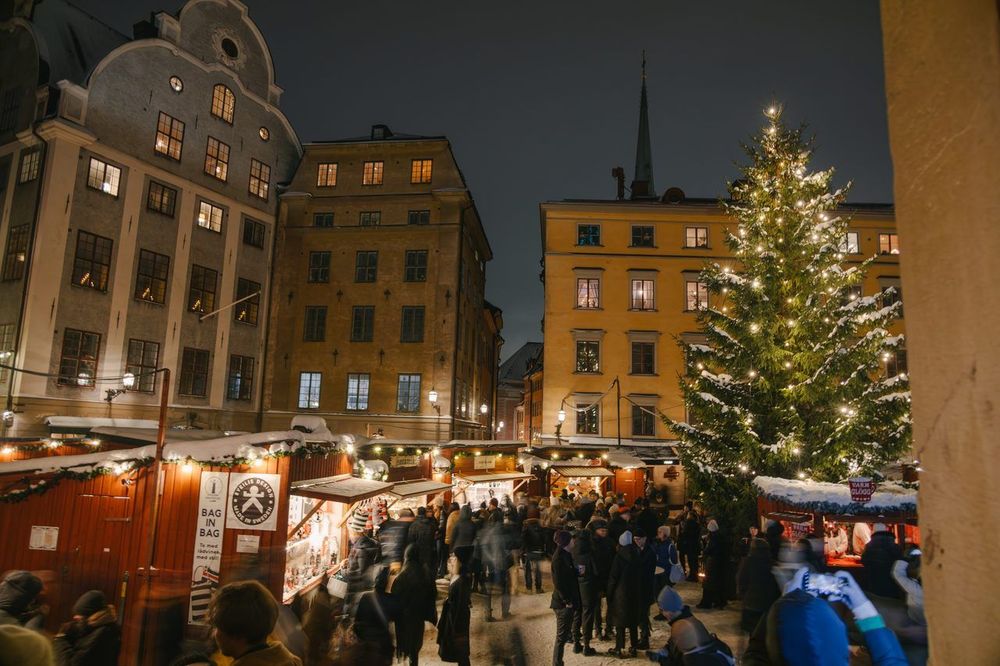
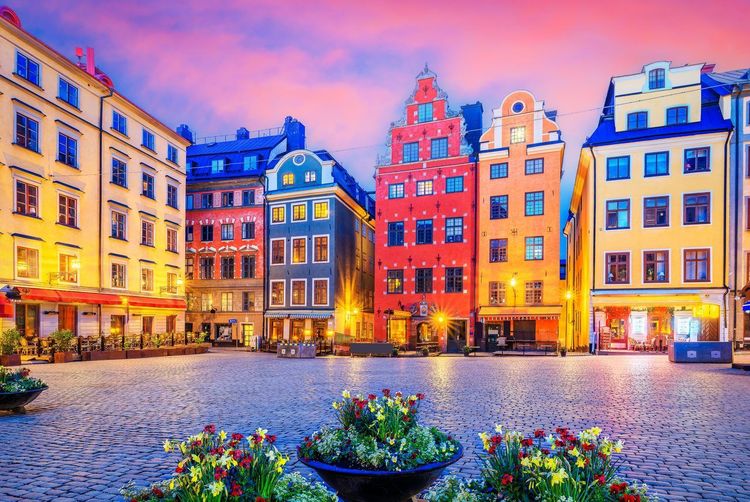
On the square Stortorget (Stortorget, 111 29 Stockholm), in the heart of Gamla Stan, stands the oldest Christmas market in Sweden: it was first held there in 1837 and has returned every winter without major interruption since 1915. About forty red stalls mainly sell crafts and local products: smoked sausages, reindeer and elk charcuterie, mustard, knäck (Christmas toffee), candles, wreaths and small wooden objects. The colorful facades surrounding the square, among the most photographed in Scandinavia, take on another dimension under the garlands strung from one house to the next.
The market generally opens the last weekend of November and closes on December 23, from 11 am to 6 pm on weekdays and until 7 pm on Fridays and Saturdays. Moving away from the square, the lanes of Västerlånggatan and Köpmangatan are packed with craft shops and Christmas windows. Allow a good hour to browse without rushing, especially as the crowds are dense on December weekends. Go on a weekday, in late morning, to avoid the crush that sets in after 2 pm.
To make your way through this district without a fixed itinerary, the Ryo audio guide tells the story of Gamla Stan's cobbled lanes in your ear, step by step, and you move at your own pace without depending on a group or a set schedule. You can access it via the Ryo audio-guided sub-route that links the islands of the center, designed for those who want to understand the city's island geography before deliberately getting lost in it.
The Sergels Torg Tree, Shop Windows and Christmas Shopping
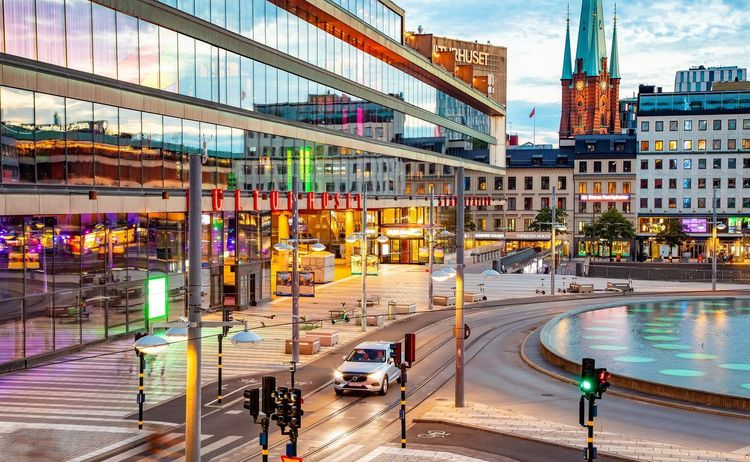
Ten minutes' walk from the old town, the square Sergels Torg (Sergels torg, 111 57 Stockholm, rated 4.1/5 on Google from 15,018 reviews) hosts a large illuminated tree each year, set at the foot of the 37.5-meter glass obelisk that is the signature of the place and lights up from the inside at nightfall. The contrast with Gamla Stan is deliberate: here, 1960s modernist architecture frames a much older tradition. The city also sets up more than 80 trees on its squares from early November.
The department store NK (Nordiska Kompaniet), a stone's throw away, carries on its roof its famous illuminated rotating clock, visible from several streets away. Its Christmas windows compete with animated displays, often on a different theme, and the interior brings together several Swedish brands of design, ceramics and textiles.
If you are looking for a local gift rather than a generic souvenir, the upper floors of NK and the shopping street Drottninggatan, pedestrianized for several hundred meters, remain the best starting point. In slushy weather, fall back on the covered shopping centers of the district: Gallerian, right next to NK, Mood Stockholm for designers, or Åhléns City, the department store facing Sergels Torg, all of which bring out their holiday decorations from mid-November.
Illuminations, Panoramic Views and Ice Rinks in the City in Winter
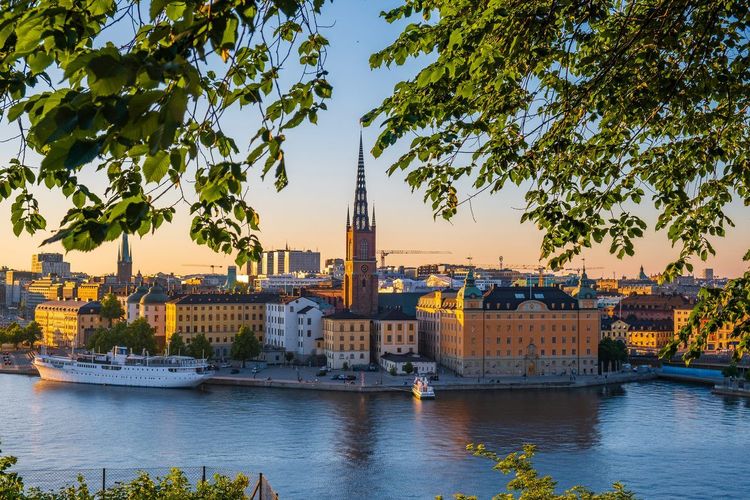
Viewpoints Over the Illuminated City from the Heights
Stockholm is best seen as much from the water as from the heights. The Monteliusvägen promenade, on the island of Södermalm, overlooks Lake Riddarfjärden and offers one of the clearest views of Gamla Stan and the illuminated city hall at nightfall, which comes early in December.
Two other panoramic platforms complete the tour: the rock of Skinnarviksberget, the highest natural point in the center, from which you take in Kungsholmen and Riddarholmen, and the lane of Fjällgatan, on the east side of Södermalm, facing Djurgården, the harbor and the decorations of Skeppsholmen. The path is not lit everywhere: bring a phone flashlight and shoes with good grip, as the surface freezes easily after a shower of sleet.
Ice Skating at Kungsträdgården and Enjoying Outdoor Activities
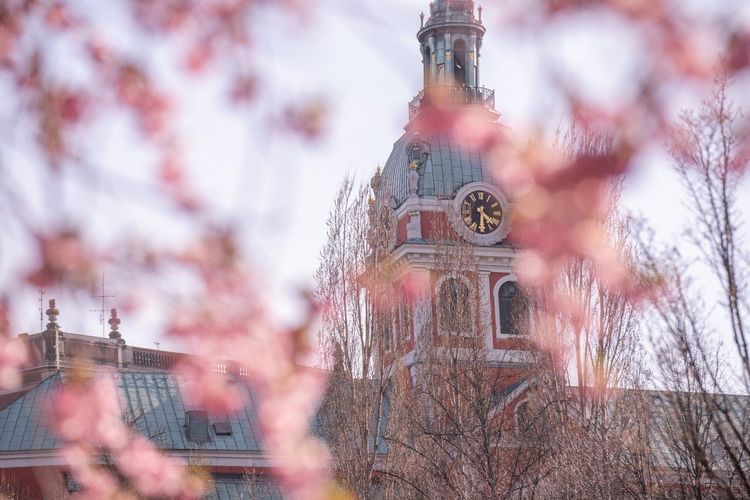
The park Kungsträdgården (Kungsträdgården, 111 47 Stockholm, rated 4.5/5 on Google from 30,345 reviews), in the very center, turns into an open-air ice rink from November to March, as soon as the cold allows ice to form. You can skate for free with your own skates; otherwise, skates and helmets can be rented on site.
Even if you don't skate, the park is worth a stop: hot drink stands, an illuminated tree and an atmosphere that contrasts with the calm of Gamla Stan's lanes a few hundred meters away. The Ryo audio guide to Stockholm includes several stops at viewpoints over the water and the old town, exactly the kind of place where you want to spot the illuminations before resuming your walk.
Skansen and Themed Museums for Family Outings
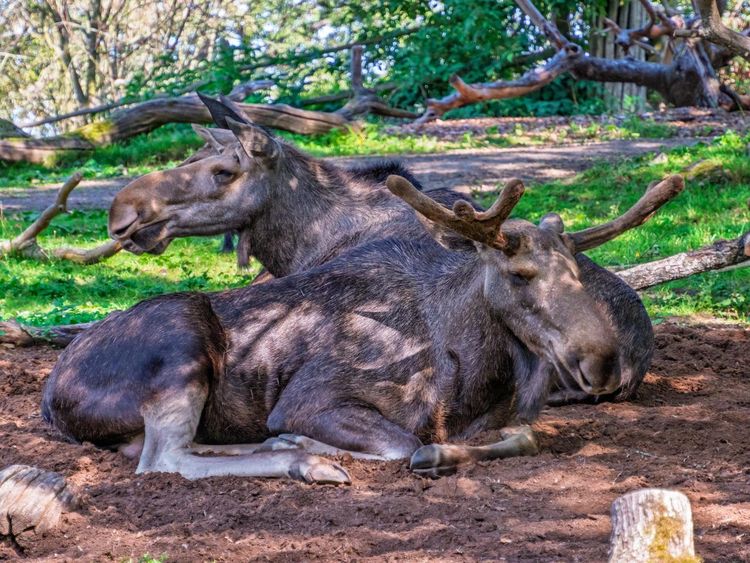
Skansen, the Open-Air Museum with Its Nordic Reindeer and Wolves
On the island of Djurgården, the open-air museum Skansen brings together traditional farms, reconstructed period houses and a wildlife park home to reindeer, wolves, bears and lynx. Its Christmas market, held since 1903 on the Bollnäs square, takes place on Fridays, Saturdays and Sundays from late November until the eve of the holidays: bread, buns, handmade decorations, choirs and dances around the tree. More family-oriented than the one in Gamla Stan, it still draws about 25,000 visitors each weekend.
Allow half a day if you want to see the animals and wander through the historic houses without rushing. Children generally linger for a long time in front of the wolf enclosure. Good to know: Skansen has also celebrated Saint Lucia since 1892, with concerts and dances around the tree on December 13.
On the way back to the center, the Stockholm City Hall), on the island of Kungsholmen, deserves a detour: its 106-meter red brick tower stands out clearly against the low sky of the Swedish winter, and it is in its Blue Hall that the Nobel Prize banquet is held every December 10. The interior can only be visited with a guide, and tours are suspended around that date.
Junibacken and the ABBA Museum, Two Themed Outings for Young and Old
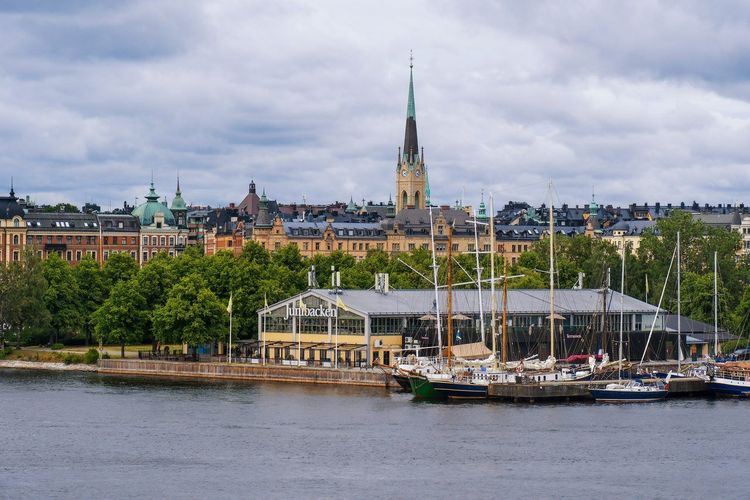
Junibacken (Galärvarvsvägen 8, 115 21 Stockholm, rated 4.4/5 on Google from 7,424 reviews), a museum dedicated to the characters of Astrid Lindgren, delights children in December with its festive events and its Sagotåget, a little train that travels through the settings of the stories of Emil, Karlsson or Madicken. The author's last great work, it is narrated by Astrid Lindgren herself in its Swedish version. You finish in Pippi Longstocking's Villa Villekulla, where the youngest climb all over. It is one of the best outings for children in cold weather, since everything is visited indoors.
A few minutes' walk away, the ABBA museum suits teenagers and nostalgic adults better: a reconstructed studio, stage costumes and a stage where you can sing alongside the group's holograms.
The Ryo sub-route that links the islands of the center passes through Djurgården, where Skansen, Junibacken and the ABBA museum are concentrated: a practical way to string these three outings together without retracing your steps between each stop.
Saint Lucia and Swedish Christmas Traditions

The Saint Lucia Procession on December 13
On December 13, Sweden celebrates Saint Lucia, one of the country's most distinctive Christmas traditions. A young girl dressed in white, with a crown of lit candles on her head, leads a procession of singers through churches, but also schools, offices and nursing homes.
If your stay falls during this period, book a concert: at Storkyrkan (Trångsund 1, 111 29 Stockholm, rated 4.5/5 on Google from 3,070 reviews), the "Möt Lucia i Storkyrkan" series runs from December 6 to 13, with four performances on the day itself, for roughly 110 to 305 Swedish kronor per seat. Even outside December 13, the image of Lucia remains omnipresent on posters and in shop windows throughout the month.
Christmas Concerts and Carols in the City's Churches
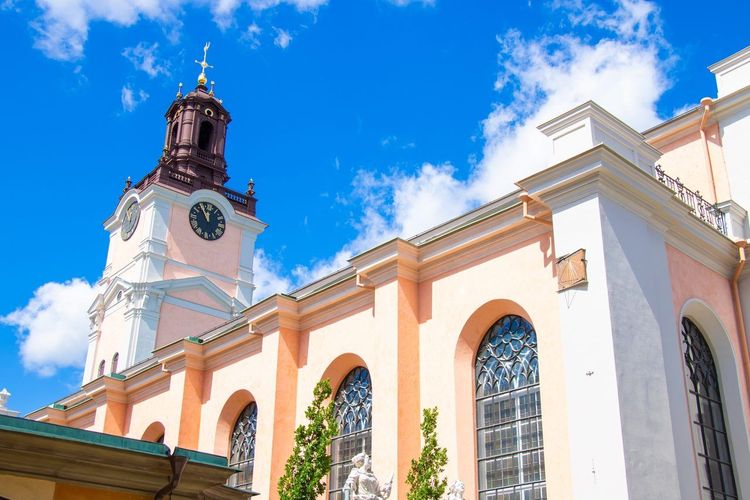
All through December, several churches in the center host concerts of traditional songs, often accompanied by organ. The Stockholm Cathedral, Storkyrkan, offers a particularly dense program between early December and Christmas Eve, as well as Advent and Christmas services open to all, and seats go quickly for the most popular dates.
The German church, Tyska kyrkan, in Gamla Stan, also offers services and concerts under its Baroque vault. The Ryo audio guide slips in an anecdote about the Saint Lucia tradition as you approach the cathedral, without your needing to be there on exactly December 13 to enjoy it.
Tasting Julbord and Swedish Christmas Cuisine
Julbord, the Great Traditional Holiday Buffet
The julbord is the central meal of the Swedish holidays: a buffet made up of herring marinated in several ways, smoked salmon, meatballs, Christmas ham, potato and anchovy gratin (the famous Janssons frestelse) and local cheeses, served in a set order that Swedes follow almost religiously. You start with the fish, continue with the cold cuts, then the hot dishes, and finish with desserts, including rice pudding served cold with a red berry sauce.
Many restaurants offer their julbord from late November, particularly those specializing in traditional cuisine, such as Pelikan (Blekingegatan 40, 116 62 Stockholm, rated 4.3/5 on Google from 5,894 reviews), in Södermalm, known for its classic Swedish dishes all year round.
Book several weeks in advance if you are aiming for a well-regarded restaurant for the holiday evening: the best tables are full from early December. For a more affordable taste, some cafés offer a lighter julbord, served as a platter, at lunchtime.
Lussekatter and Pepparkakor, the Sweet Treats of Christmas
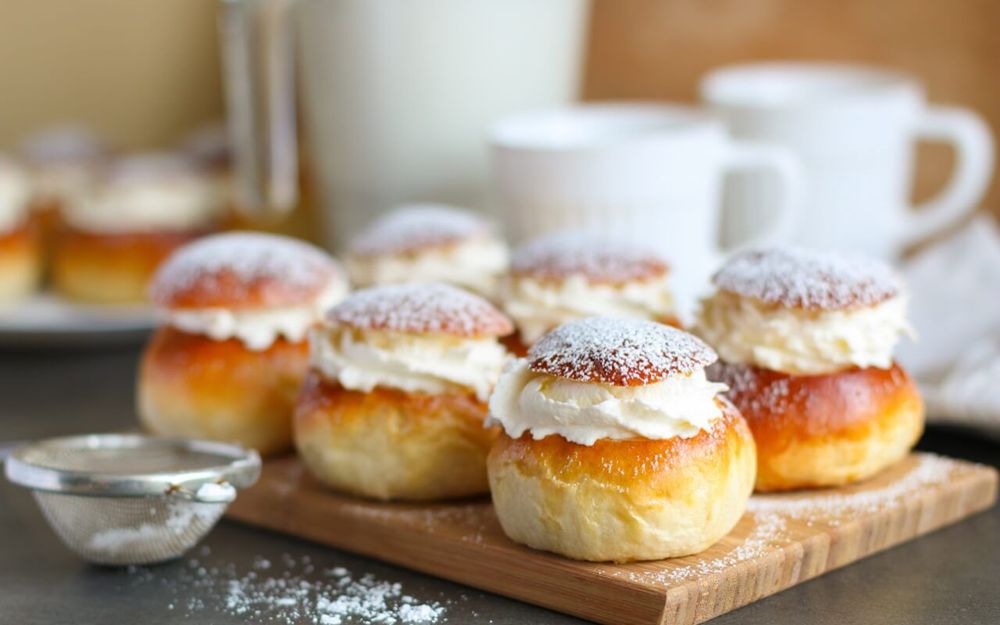
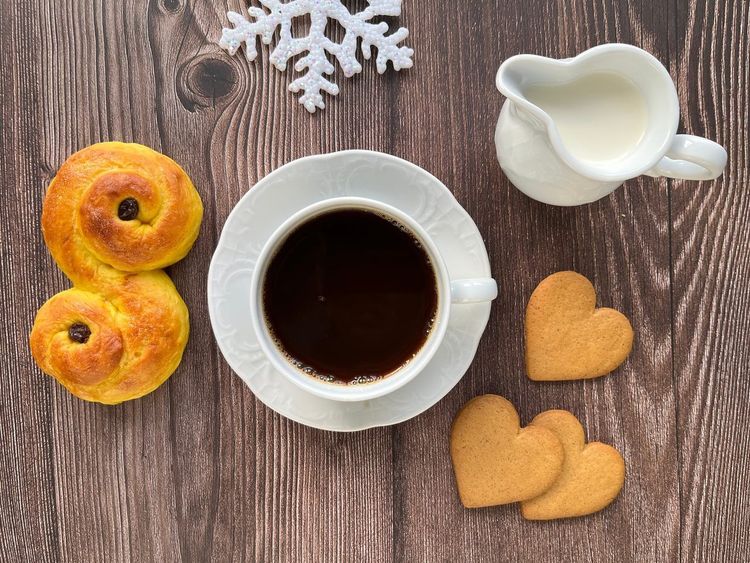
Two treats sum up Swedish Christmas baking: the lussekatter, soft saffron-flavored buns dotted with raisins, traditionally associated with Saint Lucia, and the pepparkakor, thin ginger biscuits cut into the shape of stars or hearts. All of it is accompanied by glögg, a spiced mulled wine served with almonds and raisins at the bottom of the glass.
You find them everywhere in December, from neighborhood bakeries to market stalls, and many Swedish families make them at home. To go deeper into this delicious chapter, our Ryo article on Stockholm's culinary specialties details other typical dishes to try all year round, beyond just holiday sweets.
Taking a Boat Trip on the Archipelago in Winter
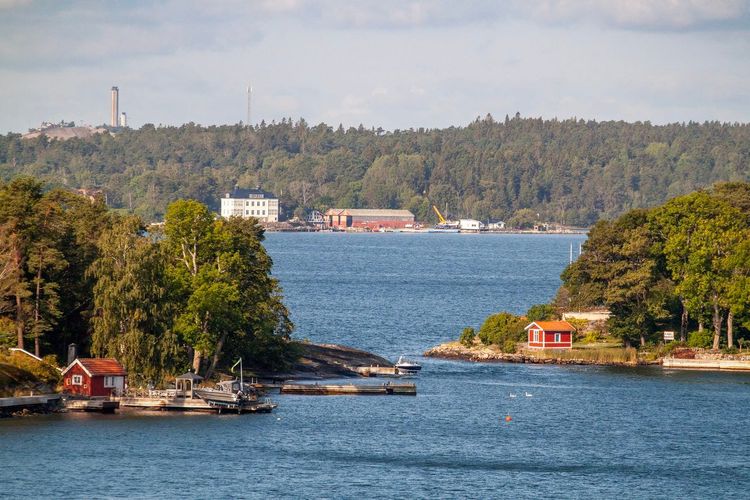
Contrary to a common belief, boats do not stop running in winter. Several companies maintain regular services between the city center and the nearby islands of the archipelago, notably from the quays of Strömkajen (Strömkajen, 103 27 Stockholm, rated 4.6/5 on Google from 111 reviews), near the Grand Hôtel, and some offer cruises with julbord on board in December.
The low winter light gives the water and the wooded islets a particular glow, very different from the usual summer clichés. Dress warmly: the wind on deck easily drops below zero, even when it is mild on land. A short one-hour outing is enough to capture the atmosphere without spending the whole afternoon. For a minimalist version, the Djurgårdsfärjan ferry links Slussen to Djurgården in ten minutes with a simple transport ticket.
When to Go and What the Weather Is Like in Stockholm at Christmas
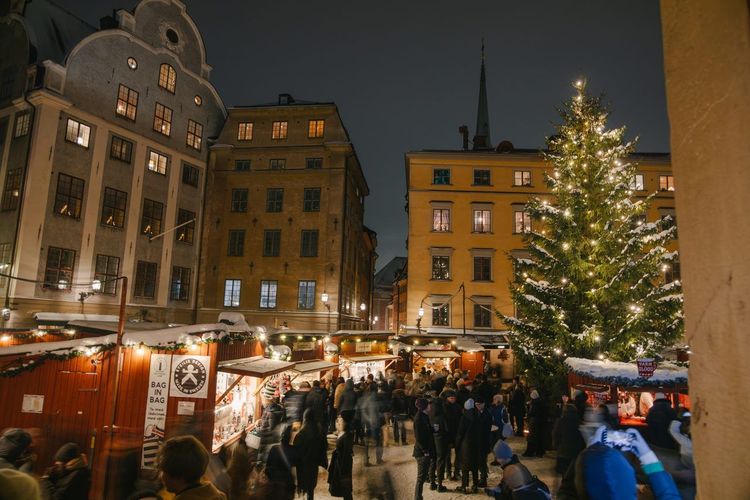
Stockholm's Christmas markets generally open the last weekend of November and close between December 20 and 23 depending on the location, with a peak atmosphere between December 10 and 20. This is the period when the illuminations, concerts and the Lucia procession overlap the most.
As for the weather, December temperatures most often range between -3°C at night and 2°C during the day, with colder spells possible. Snow is not guaranteed every year: some winters remain damp and gray rather than white. The days are very short, with the sun rising around 8:45 am and setting around 2:50 pm around the solstice, barely six hours of daylight, which concentrates tourist activity into a reduced window of light.
Pack layerable technical clothing rather than a single heavy coat: you often alternate between the freezing outdoors and very well-heated interiors, including museums and restaurants.
How to Get to Stockholm and Get Around the City
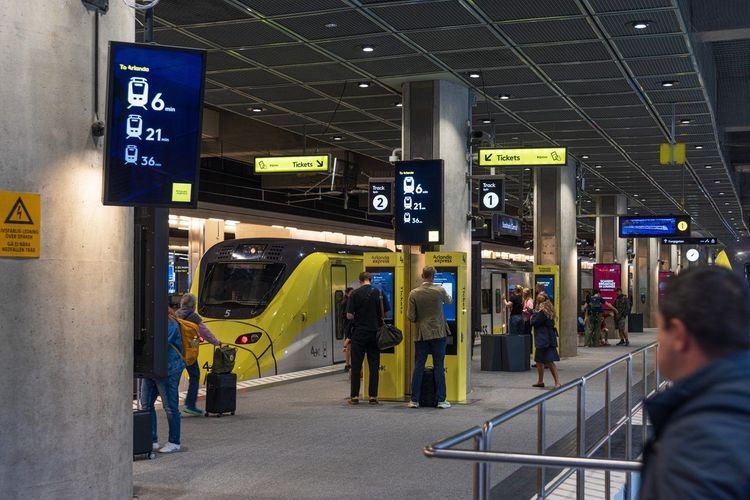
The airport of Arlanda is the main point of entry, served by direct flights from most European capitals. Two connections link the terminal to the city center: the Arlanda Express, a fast train that reaches the central station in about 18 minutes, and bus shuttles that are slower but significantly cheaper.
Once there, the SL network (buses, metro, trams, commuter trains and the Djurgården ferry) covers the entire city well, including the outlying islands. A 24-hour or 72-hour pass quickly pays off if you combine Djurgården, Södermalm and the center in the same day. In winter, it is better to favor public transport over long walks between distant neighborhoods: icy sidewalks slow down walking, even for locals. The historic center and neighboring districts, however, remain very walkable.
Where to Stay in Stockholm During the Holidays
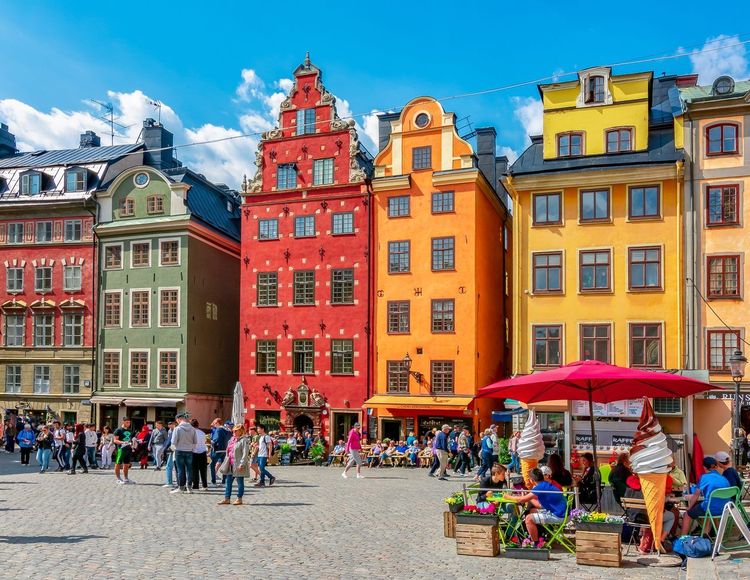
Three neighborhoods stand out for a Christmas stay. Gamla Stan puts you directly in the heart of the festive atmosphere, in hotels often set in historic buildings, but the narrow cobbled streets make getting around with luggage a bit complicated.
Södermalm, further south, offers a more local atmosphere, often cheaper options and quick access to the rest of the city by metro. Norrmalm, around the central station, remains the most practical choice for late arrivals or train connections, with a high density of hotels in all categories.
Book early if your stay falls between December 10 and 20: prices climb noticeably during this window, the busiest of the year for Christmas markets.
Where to Eat and What Budget to Plan for a Christmas Stay
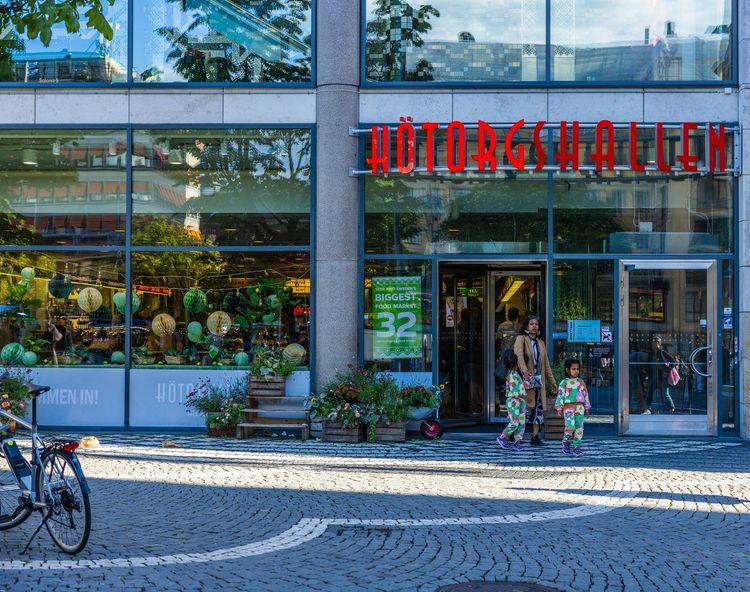
The covered market hall Hötorgshallen (Hötorget, 111 57 Stockholm, rated 4.4/5 on Google from 10,319 reviews), beneath the Hötorget market square, brings together fishmongers, cheesemongers and small counters where you can grab lunch on the go at a reasonable price, far from the tourist prices of the historic center.
Stockholm remains an expensive city compared to the European average. Overall, allow between 80 and 150 euros per day per person for a comfortable stay without excess, accommodation not included, with meals in mid-range restaurants included, and more if you add a julbord at a well-regarded establishment or several paid museums. The coffee and pastry break, the fika, remains one of the cheapest little pleasures of the stay, rarely above 6 or 7 euros. Card payment is accepted almost everywhere, including at market stalls: no need to withdraw a lot of kronor.



FAQ
How many days should you plan to visit Stockholm at Christmas?
Three full days let you cover Gamla Stan, Djurgården and its museums, a Christmas market and at least one outdoor activity such as ice skating or a boat trip. With four days, you can add an excursion to the archipelago or a second day of museums.
What is the best time to visit Stockholm at Christmas?
The period between December 10 and 20 offers the most events: open markets, concerts in churches and a Saint Lucia atmosphere that is still present. Late November is calmer but already lit up, with fewer crowds.
Is it very cold in Stockholm in December?
Temperatures most often hover around -3°C at night and 2°C during the day, with variations from year to year. Damp air and wind sometimes make it feel colder than the number shown, which is why layering your clothing is a good idea.
What is julbord?
Julbord is the big Swedish holiday buffet, made up of herring, salmon, cold cuts, hot dishes and desserts, served in a set order. You can find it in many restaurants from late November, often by reservation.
How do you get to Djurgården and the Skansen museum from the city center?
Tram line 7 and several bus lines connect the center to Djurgården in about fifteen minutes. The Djurgårdsfärjan ferry (line 82) leaves from Slussen all year round and docks in ten minutes at Allmänna Gränd, near Skansen and the ABBA museum, using the same SL tickets as the metro.
Is Stockholm at Christmas a good destination for families?
Yes: Skansen, Junibacken and the ice rinks are well suited to children, and many activities take place indoors or over short distances. Since night falls early, it is best to plan the main outings for early afternoon with young children.
What budget should you plan for a trip to Stockholm at Christmas?
Between 80 and 150 euros per day per person for a comfortable stay, accommodation not included, counting meals, local transport and a few museum entries. A julbord in a well-regarded restaurant or a hotel in the very center during the busiest period raises this range noticeably.
Stockholm at Christmas keeps its promise without overdoing the effect: an old town that lights up early, museums designed for families, a buffet approached in order like a ritual, and boats that keep gliding over the water even in the cold. To connect these places without spending more time than necessary, the Ryo audio guide to Stockholm remains the simplest way to move from neighborhood to neighborhood, headphones on, between two Christmas markets.