© Shutterstock
 Votre guide Ryo
Weekend in Stockholm: Complete Itinerary for 2026
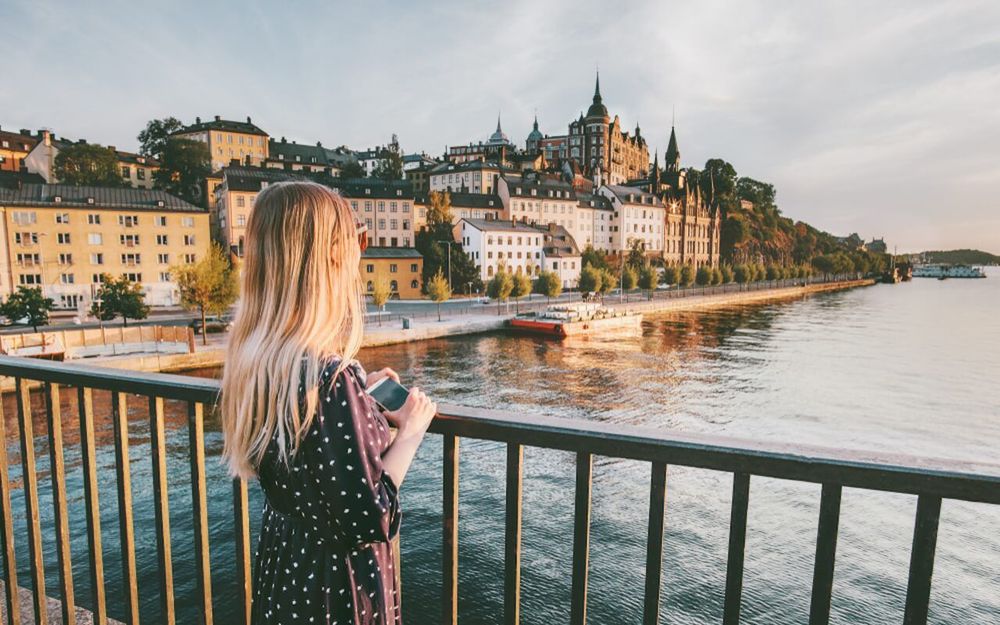
There is something odd about strolling through Stockholm without quite realizing it: the Swedish capital rests on fourteen islands linked by around fifty bridges, so much so that you end up mistaking neighborhoods for miniature archipelagos. A weekend in Stockholm often begins with this happy disorientation, the kind that makes you follow the quays rather than the metro map. To avoid losing half a day looking for your way, the Ryo audio-guided tour of Stockholm traces a logical route between the islands, from the Royal Palace to the cobbled lanes of Gamla Stan.
In two or three days, you will come across a nearly four-century-old warship wreck raised almost intact, a metro that locals themselves nickname the longest art gallery in the world, and quays where people swim in the heart of the city as soon as the first warm days of June arrive. Between the museums of Djurgården island, the terraces of Södermalm and the archipelago islands an hour away by boat, this guide details a day-by-day itinerary, with real budgets and practical details so you can enjoy your stay without any unpleasant surprises.
Stockholm at a Glance: Geography and Neighborhoods
Stockholm is explored a bit like an archipelago brought closer to the mainland: fourteen main islands, set between Lake Mälaren and the Baltic Sea, connected by bridges you cross without always noticing you are changing islands. Understanding this geography before you leave saves many detours once you are there.
Gamla Stan, the old town, occupies a tiny island at the center: this is where Stockholm was born in the 13th century, and it is still the tourist heart, with its cobbled lanes and colorful facades. Just to the south, Södermalm is the capital's most urban and creative neighborhood, with its thrift shops, cafés and viewpoints over the water. North of the center, Östermalm lines up affluent buildings and chic boutiques, while to the east, the green island of Djurgården concentrates most of the city's museums and parks.
Between these areas, the city center (Norrmalm) mainly serves as a rail and commercial hub: not exactly picturesque, but you will pass through several times for connections, notably at the central station T-Centralen, which also serves as the gateway to the most photographed metro in Europe.
With around 980,000 inhabitants within the city proper and nearly 2.4 million in the metropolitan area, Stockholm remains a human-scale capital: you can cross the historic center in twenty minutes on foot, and no major site is more than thirty minutes away by metro. This compactness changes how you plan: it is better to group visits by island than by theme, which is precisely the logic of the day-by-day itinerary that follows.
How Long to Plan: 2, 3 or 4 Days in Stockholm?
Two days are enough to tick off Gamla Stan, the Vasa Museum and a glimpse of Södermalm, provided you accept rushing a little. It is the most common formula for a real weekend in Stockholm, built around an outbound flight on Friday evening and a return on Sunday.
Three days change everything: you add the full museum island, a real fika break without watching the clock, and above all an excursion to the archipelago, which requires a full day to be enjoyed without frustration. A 3-day weekend in Stockholm remains the most balanced setup, the one this guide recommends by default.
Four days in Stockholm in winter make perfect sense: days are short (sometimes less than six hours of daylight in December), so spreading the program over four days rather than three avoids visiting museums with a headlamp. It is also the ideal length for a family version including Skansen, detailed further below in the alternative itinerary.
Day 1: Gamla Stan, the Old Town and the Royal Palace
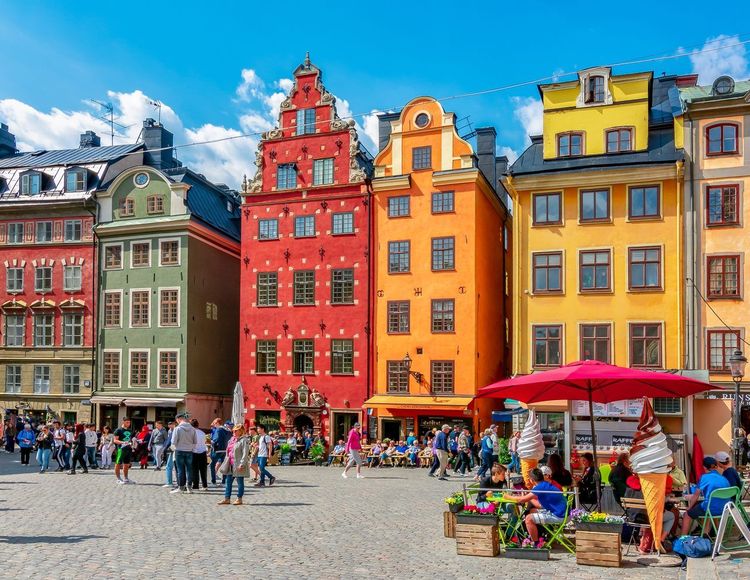
Gamla Stan is explored on foot, slowly, and that is the whole art of a first day in Stockholm: not trying to see everything, but letting the lanes set the pace. Allow a full half-day for this tiny island, which alone concentrates more than seven centuries of Swedish history.
The Royal Palace and Stortorget Square
The Royal Palace (Kungliga Slottet) has more than 600 rooms, making it one of the largest royal palaces still in use in Europe. Unlike Buckingham, the King of Sweden actually works here: the state apartments can be visited, but most of the building remains an official workplace, with the royal family residing at Drottningholm Palace.
The changing of the guard takes place at midday in the outer courtyard, daily in summer and several times a week the rest of the year, free of charge. Arrive twenty minutes early to find a spot along the barriers; it is one of the few free shows in the city center that is truly worth the detour.
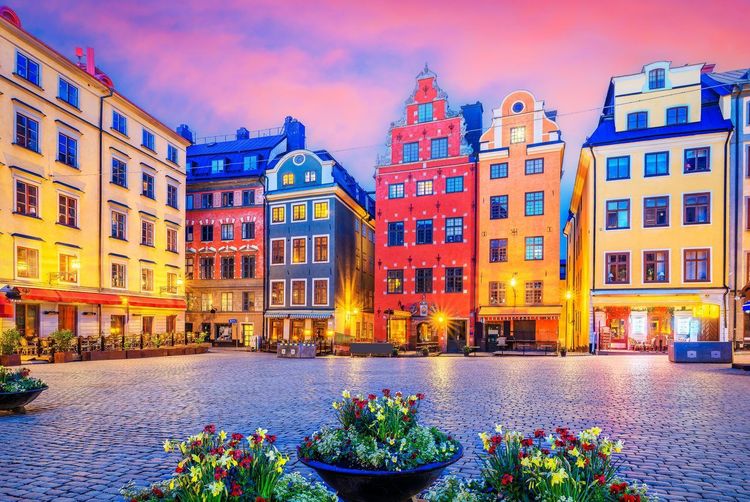
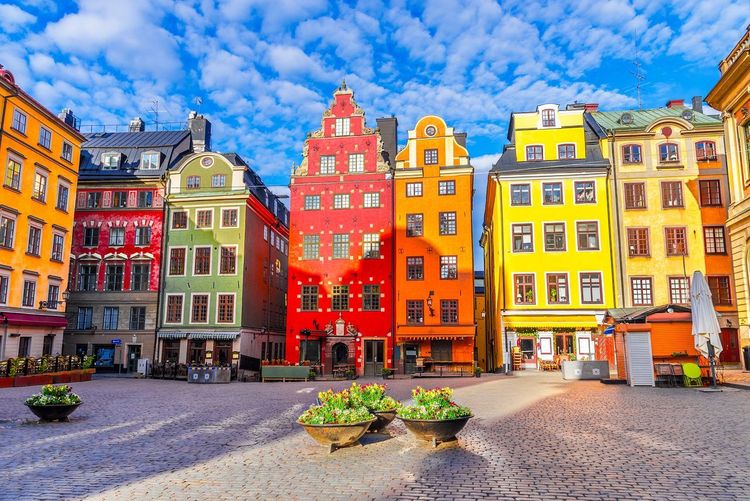
Two minutes away on foot, Stortorget Square displays its ochre and brick-red merchants' houses, which have become the most photographed image of Gamla Stan. The place has a dark past, however: it was here in 1520 that the Stockholm Bloodbath took place, the execution of nearly 80 Swedish nobles and notables on the orders of the Danish king Christian II.
On the north side of the square, the former Stock Exchange building houses the Nobel Museum, which traces the history of the laureates since 1901. Even without going in, take a look at its café: the chairs there are signed by visiting laureates, a tradition guides love to recount.
The Lanes and Churches of Gamla Stan
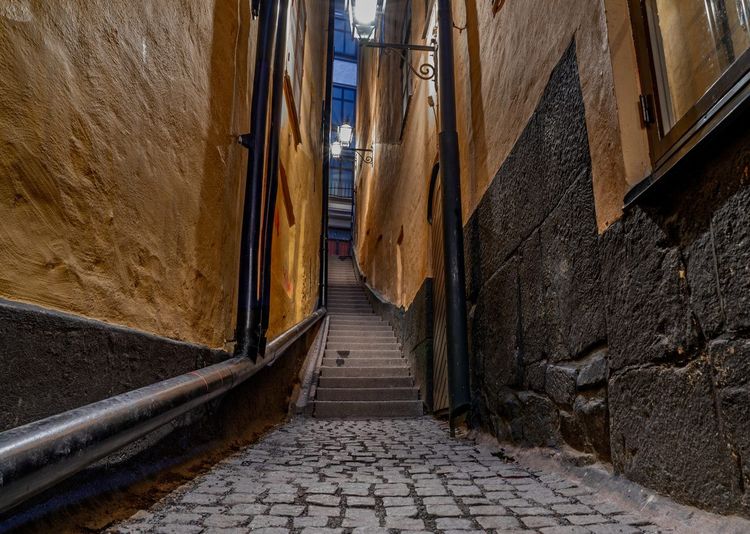
As you venture into the lanes behind the square, look out for the German Church, Tyska Kyrkan, recognizable by its green bell tower and slender spire, a legacy of the German merchant community settled here since the Middle Ages.
Do not miss Mårten Trotzigs gränd, the narrowest alley in the city (90 centimeters at its tightest point), nor the yellow and ochre facades of Västerlånggatan and Österlånggatan, the two parallel streets that follow the old line of the ramparts. You can get lost on purpose for an hour without ever really straying far from your starting point: the entire island can be crossed in ten minutes.
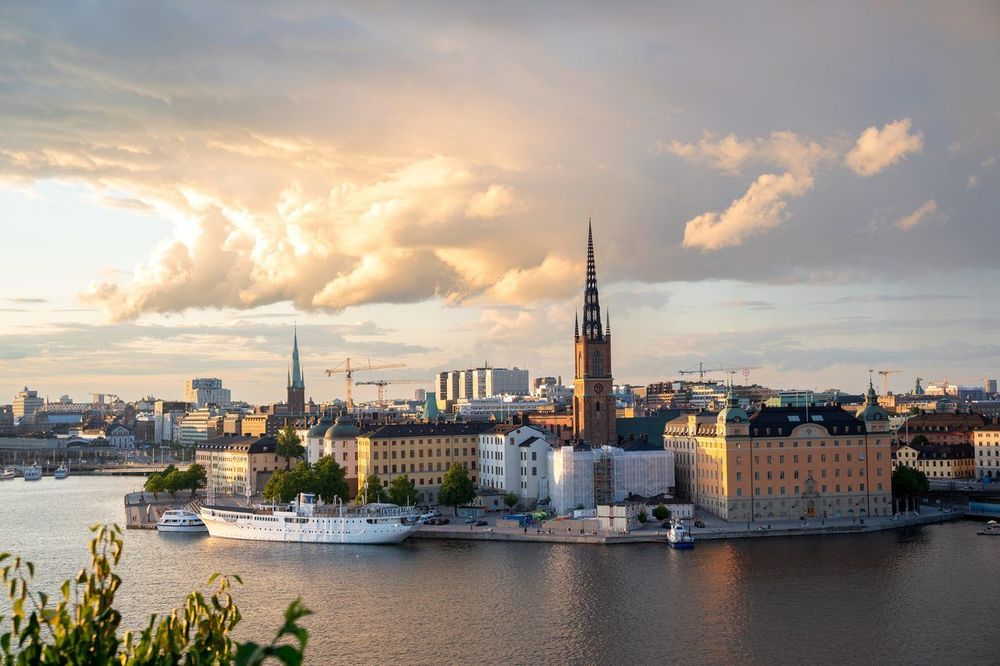
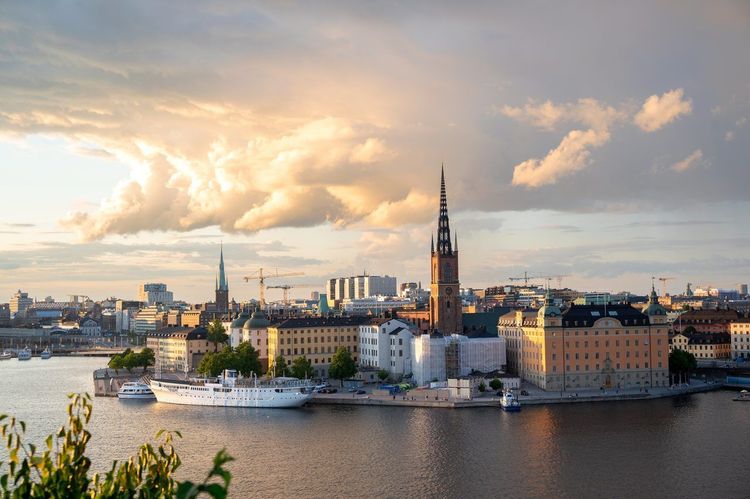
Continuing west, the island of Riddarholmen (Riddarholmen, 111 28 Stockholm, rated 4.7/5 on Google from 293 reviews) offers the finest sunsets over Stockholm, with views of Lake Mälaren and the City Hall in the background. This is also where Riddarholmen Church stands, with its openwork cast-iron spire, where Swedish monarchs have been laid to rest since the late 13th century.
If you want to understand how these places connect without retracing your steps, the Ryo audio-guided tour links the Royal Palace to the lanes of Gamla Stan in a continuous loop, with a commented stop on the Stockholm Bloodbath that few visitors know about when they arrive.
Day 1 (continued): The Museum Island, the Vasa and Östermalm

After Gamla Stan, head to the island of Djurgården: this is where most of the city's museums are concentrated, twenty minutes on foot or a few minutes by heritage tram from the center.
The Vasa Museum and Its Legendary Wreck
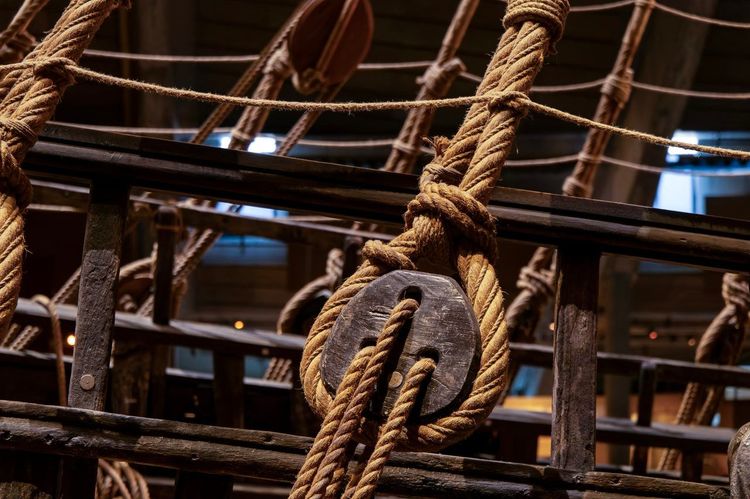
The Vasa Museum houses the wreck of a royal warship that sank in 1628 on its maiden voyage, barely 1,300 meters after leaving the quay, before the eyes of the crowd that had come to cheer it. Raised in 1961 after 333 years on the seabed, the Vasa is today about 98% original, a feat due in particular to the low salinity of the Baltic, which is hostile to the shipworm that devours wood elsewhere.
Allow at least two hours on site: the ship's 69-meter length and its roughly 52 meters in height up to the top of the main mast impress as much as the hundreds of sculptures on the hull, designed to intimidate the enemies of King Gustav II Adolf. In 2026, admission costs 195 kronor off-season and 240 kronor from May to September, free for under-18s. Arrive at opening time in summer: around 11 a.m., groups of cruise passengers saturate the hall.
ABBA Museum, Nordiska Museet, Moderna Museet and Fotografiska
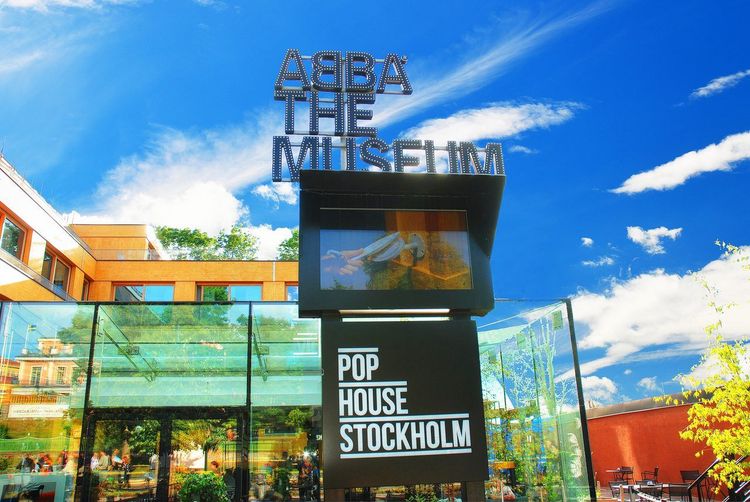
A few hundred meters from the Vasa, several very different museums compete for the rest of your day. The ABBA Museum recreates the group's recording studio and offers an interactive experience where you literally sing on stage alongside avatars of the four members.
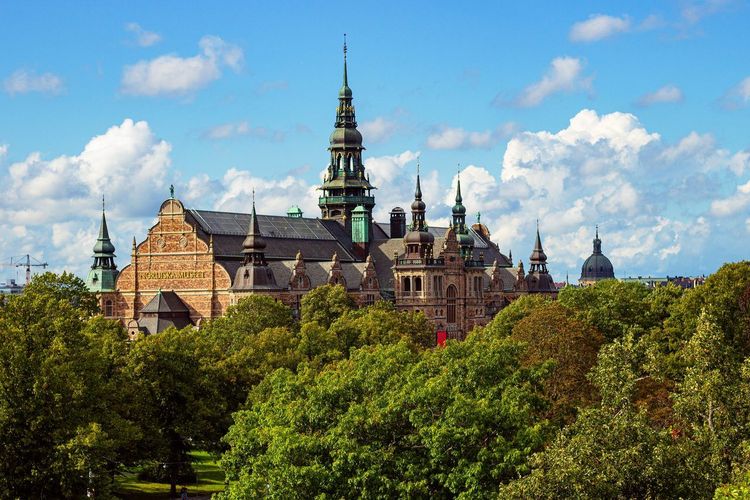
The Nordiska Museet, housed in a building resembling a Renaissance castle, delves into five centuries of everyday Swedish life, from traditional Sami costumes to 19th-century bourgeois interiors.
If 20th-century art appeals to you more, cross the bridge to the islet of Skeppsholmen: the Moderna Museet, Stockholm's museum of modern art, displays works by Picasso, Dalí, Matisse and Niki de Saint Phalle, whose colorful sculptures also dot the garden. The museum's café-restaurant offers a pretty view of the water and the Strandvägen quay.
Finally, Fotografiska is located across the water, on the Stadsgården quay in Södermalm: the Djurgården ferry drops you there in a few minutes. Housed in a former 1906 brick customs building, it alternates international photography exhibitions with a panoramic view from its top-floor restaurant.
Fika Break at Östermalms Saluhall
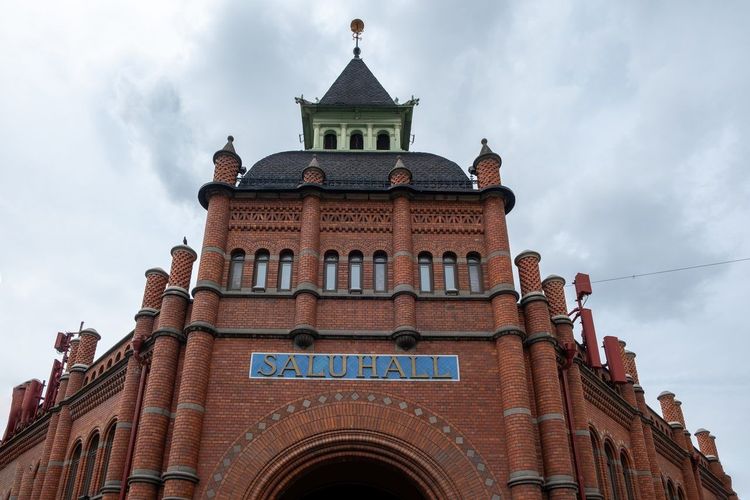
At the end of the day, head back up to Östermalm to practice fika, that institutionalized Swedish break combining strong coffee and pastry, ideally a still-warm kanelbulle. The covered market of Östermalms Saluhall (Östermalmstorg, 114 42 Stockholm, rated 4.4/5 on Google from 7,338 reviews), reopened in 2020 after a long renovation, brings together about twenty stalls of high-end Swedish products, from pickled herring to smoked reindeer meat.
This dense day alone covers half of the city's most-cited sites. The Ryo audio guide devotes several stops to this museum island, with the full story of the Vasa's sinking, right in your headphones.
Day 2: Södermalm, City Hall and the Strömmen
The second day changes pace: fewer museums, more streets and water. Södermalm and the Strömmen are naturally explored on foot, with no entrance ticket to plan.
Södermalm and Its Viewpoints
Södermalm is the neighborhood where Stockholmers themselves live, more than tourists: vintage thrift shops, independent cafés and art galleries share the streets of the SoFo district, south of Folkungagatan. Climb up to Monteliusvägen, a pedestrian path perched at the top of the cliff, for one of the most beautiful free panoramas over Gamla Stan, Riddarholmen and City Hall.
A few minutes away, the Skinnarviksberget rock, the highest natural point in the center, draws locals at sunset with a picnic and a bottle. On the other side of the island, the little street Fjällgatan lines up 18th-century wooden houses facing the Baltic, with a direct view of Djurgården.
The neighborhood is explored without a fixed itinerary: wander around Mariatorget, then toward Hornstull, where street art sits alongside takeaway cafés, and let yourself be surprised by a bookshop or an independent record store. On Sundays, the Hornstull flea market, along the quay in summer, remains an excellent source of vintage tableware and clothing.
Stadshuset and the Strömmen
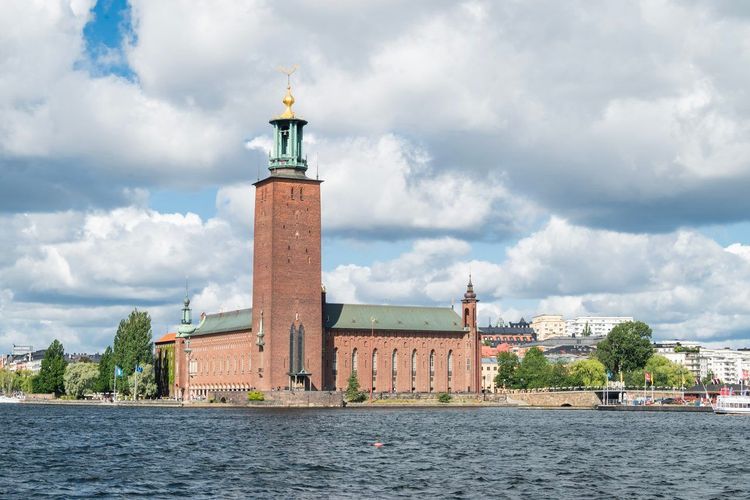
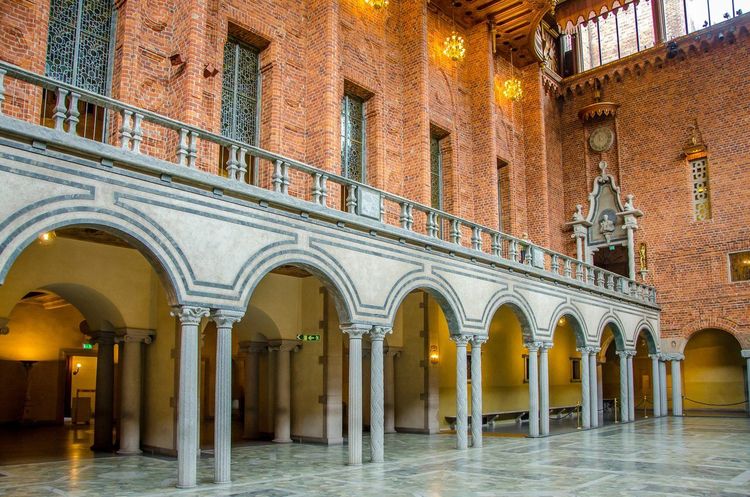
Then cross the bridge to Stockholm City Hall, Stadshuset (Hantverkargatan 1, 111 52 Stockholm, rated 4.7/5 on Google from 5,077 reviews), a red-brick building constructed between 1911 and 1923, famous for hosting the Nobel Prize banquet every year in its Blue Hall. Its 106-meter tower offers one of the finest overall views of the city for those willing to climb the steps; access is limited and booked on site, hence the value of arriving early.
Right in front, the Strömmen, the waterway linking Lake Mälaren to the Baltic, constantly sees ferries, excursion boats and private sailboats pass by. Salmon are even fished here in the middle of the city, a sight locals sometimes stop to watch. If your first day showed Stockholm's history, the second shows how the city lives today: the Ryo audio-guided tour accompanies this very loop between Södermalm and the Strömmen, with commented viewpoints.
Alternative Itinerary: Family Version or 4 Days in Winter
Not everyone has the same pace or the same desires. Two variants deserve to be set alongside the classic itinerary.
With Children: Skansen in the Open Air
For a family version, replace part of the museum program with Skansen (Djurgårdsslätten 49-51, 115 21 Stockholm, rated 4.5/5 on Google from 36,201 reviews), the oldest open-air museum in the world (1891), which recreates historic Swedish farms and neighborhoods with buildings moved from all over the country, Nordic animals (elk, bears, wolves, lynx) and craft workshops run by guides in period costume.
Allow at least half a day: the site is huge, climbs a hill, and children easily have fun spotting the animals before even learning the history that goes with them. This is also where one of the city's most beautiful Christmas markets takes place in December.
Over 4 Days: Extending the Program in Winter
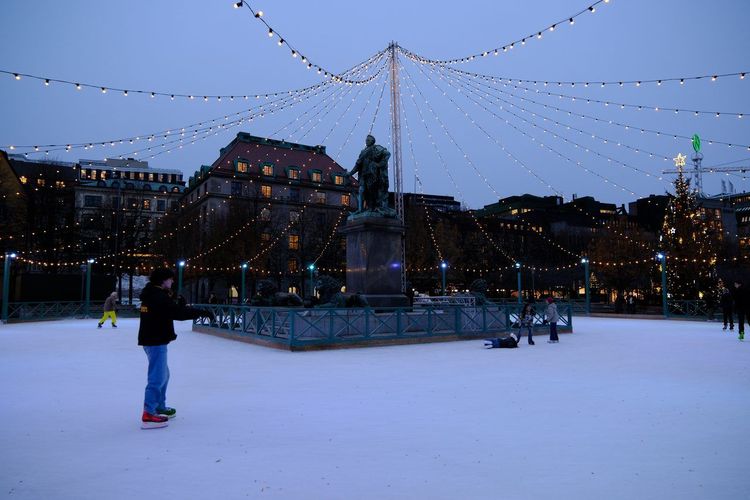
In winter, the scarce light changes the game: days shorten from November, and it becomes more comfortable to spread outdoor visits over four days rather than three. The advantage is the atmosphere: windows lit by candles, an ice rink at Kungsträdgården, and, with a lot of luck, northern lights during episodes of strong solar activity, far from the city lights.
Whether you choose the short version or this four-day variant, the same Ryo audio-guided tour of Stockholm adapts: nothing prevents you from doing it in two stages, with a warm break between stops, rather than all at once.
Breathing Away from the Center: The Archipelago, Vaxholm and Green Spots
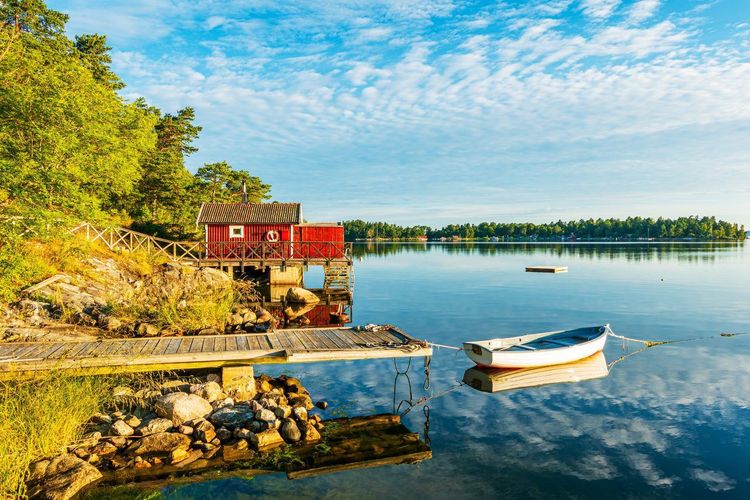
Most visitors leave without ever leaving the historic center, which amounts to ignoring half of what makes Stockholm special: its relationship with water and nature less than an hour away by boat.
Vaxholm and the Stockholm Archipelago
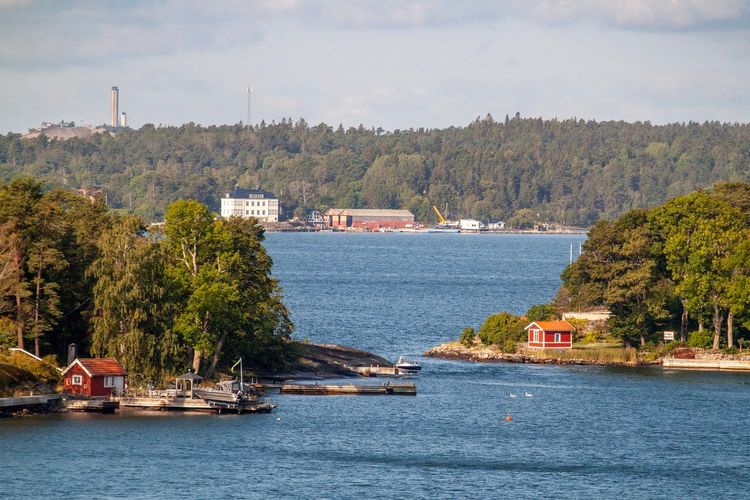
The Stockholm archipelago counts about 30,000 islands and islets, only a handful of which are inhabited year-round. Vaxholm (Vaxholm, Sweden), about an hour by boat or 45 minutes by bus from the center, serves as an ideal gateway: a fortress dating back to the 16th century facing the harbor, colorful wooden houses, and small seafood restaurants with waterfront terraces.
Islands and Green Spots to Slow Down
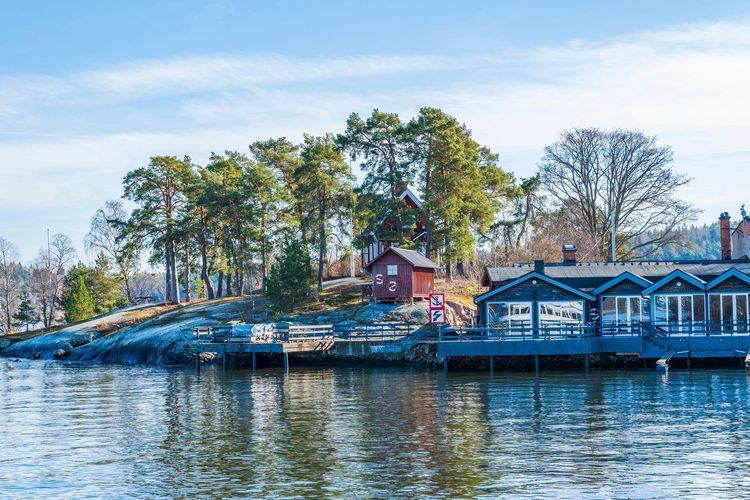
If you only have half a day, the public ferries of the Waxholmsbolaget company serve many nearby islands at a reasonable price, without prior reservation. Fjäderholmarna, only half an hour away by boat, lends itself well to an express round trip. Rosendals Trädgård, an organic garden on Djurgården with its greenhouse café, remains a more modest but equally effective option for catching your breath between two visits.
Swimming in the Middle of the City
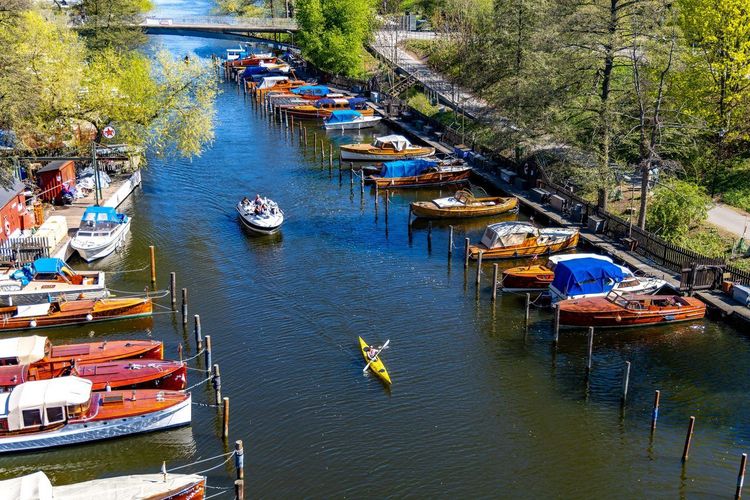
And this is probably the most surprising detail for anyone discovering Stockholm for the first time: you can swim in the middle of the city, in water clean enough for swimming. Långholmen (Långholmen, 117 33 Stockholm, rated 4.5/5 on Google from 218 reviews), a former prison island turned into a park, offers small beaches and swimming rocks a few minutes' walk from Hornstull metro.
If you extend your stay on the Baltic, the Ryo article on Northern Europe cruises details several possible stopovers from Stockholm, to combine the archipelago with other Baltic cities.
The Stockholm Metro, the Longest Art Gallery in the World
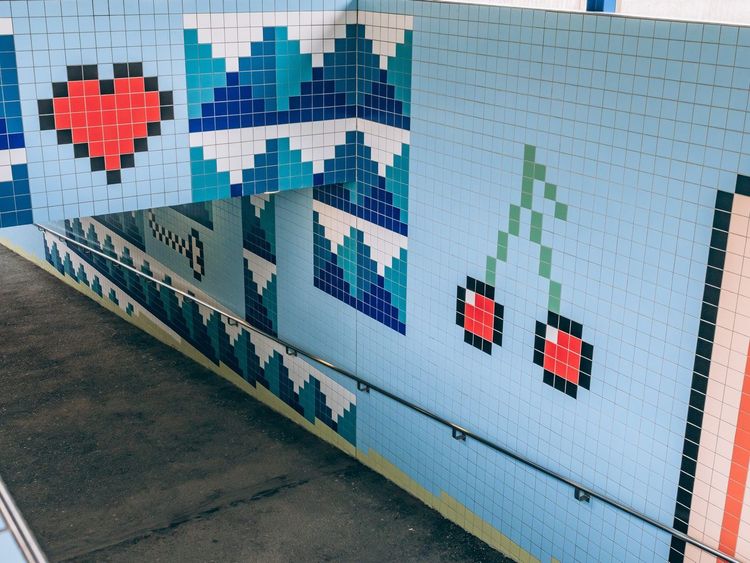
Since the 1950s, more than 90 of the 100 stations of the Stockholm metro have been decorated by some 150 artists, earning it the nickname, claimed by the city itself, of the longest art gallery in the world: 110 kilometers of track.
Stations Not to Miss
T-Centralen, the central station, displays blue and white foliage motifs painted directly on the bare rock of the blue line. Kungsträdgården, close to the center, looks like an excavation site in green, red and white, with statues and remains of the Makalös Palace, which disappeared in the 19th century.
Further out, Solna centrum (Solna centrum, 171 45 Solna, rated 4/5 on Google from 10,335 reviews), painted red and green under a natural rock ceiling, evokes a permanent sunset underground. A simple metro ticket is enough to visit them all: no paid guided tour is needed, you just go down, come back up, and start again.
Where to Eat in Stockholm: Fika, Street Food and Swedish Specialties

Swedish cuisine goes far beyond the meatballs imagined from abroad, even though köttbullar, served with mashed potatoes, lingonberries and cream sauce, remain a must.
Swedish Specialties to Try
Pickled herring (sill), served with new potatoes and sour cream, remains the summer reference. Gravlax, salmon cured in salt, sugar and dill, can be found in all the city's covered markets. On the sweet side, the kanelbulle (cinnamon bun) systematically accompanies fika, the coffee break that punctuates the Swedish working day far more than a simple snack, as does the cardamom-flavored kardemummabulle.
Street Food and Good Addresses by Neighborhood
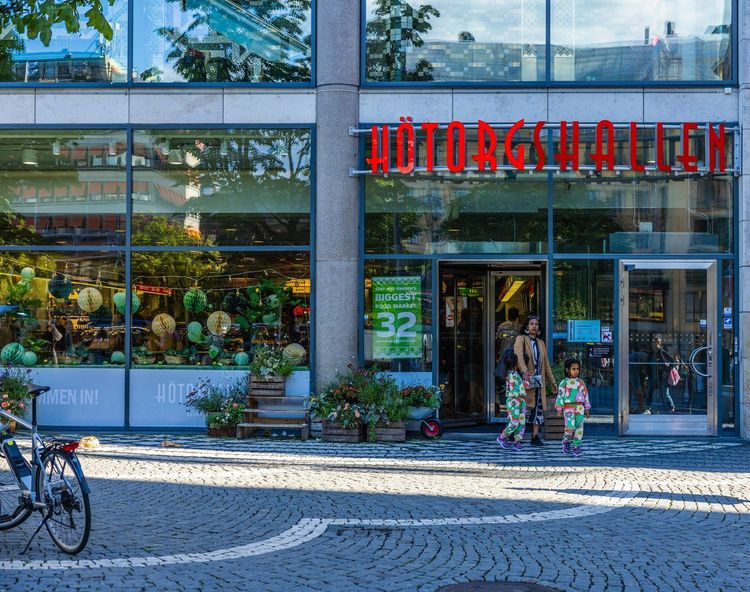
For a quick bite, look for stalls selling fried herring (strömming) served in a flatbread, like the one at Södermalmstorg near Slussen, or the sausage kiosks serving the tunnbrödsrulle, sausage and mashed potatoes rolled in thin bread. The Hötorgshallen market hall, beneath Hötorget square, mixes Swedish stalls and counters from around the world, handy for a quick lunch.
In Gamla Stan, favor the small cafés in the lanes over the terraces of the main square, often more expensive for equivalent quality. In Södermalm, the SoFo district has a high concentration of independent cafés and vegetarian restaurants. For a full meal without breaking the bank, the dishes of the day (dagens lunch) served on weekdays in neighborhood restaurants remain the best value, often with salad, bread and coffee included.
To dig deeper, the Ryo article on Stockholm's culinary specialties details ten dishes to try during your stay.
Where to Stay in Stockholm According to Your Budget
The choice of neighborhood matters as much as the choice of hotel for a short stay.
Hotels by Neighborhood and Budget
For a first stay, Norrmalm (city center, around the central station) remains the most practical choice: everything is accessible on foot or two metro stops away, and you can reach the Arlanda Express without dragging your suitcase for long. Gamla Stan appeals for its atmosphere but has higher prices and often small rooms, a legacy of the historic buildings.
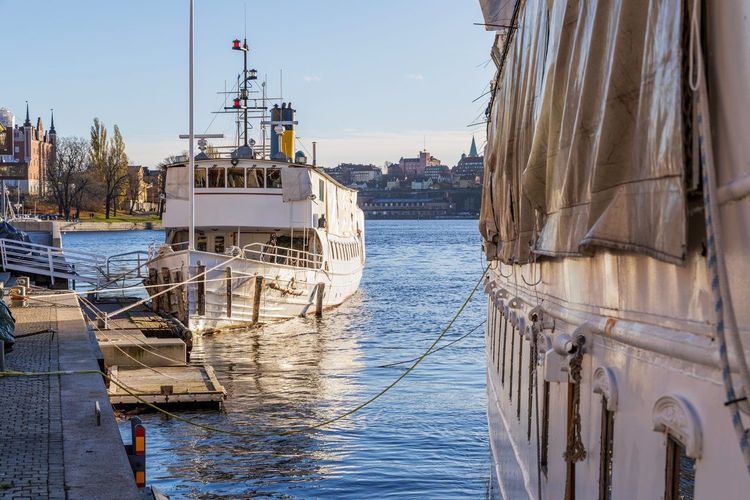
Södermalm attracts travelers who prefer a more local atmosphere and slightly lower prices, with excellent access to the neighborhood's restaurants and cafés. For tighter budgets, the hostels in Kungsholmen and Vasastan, or the famous sailing-ship hostel af Chapman, moored at Skeppsholmen, offer dormitory beds at moderate prices while staying close to the center. Book early if you are aiming for a weekend between May and August: it is the most in-demand period, and prices climb quickly.
Budget: How Much Does a Weekend in Stockholm Cost?
Stockholm has a reputation for being expensive, and this reputation is broadly justified, especially for alcohol and evening dining.
Budget Range by Expense Category
For two to three days, budget about 150 to 250 euros per person excluding flight and hotel: public transport, two or three museums and simple meals. A restaurant meal costs around 20 to 35 euros per person excluding drinks, and a beer easily exceeds 8 euros in a bar in the center. As for museums, the reference remains the Vasa at 195 or 240 kronor depending on the season; most other major museums fall within a similar range.
A typical thrifty day might look like this: fika at 6 or 7 euros in the morning, a dish of the day at noon, a museum in the afternoon, and a picnic on Skinnarviksberget in the evening. By taking advantage of free viewpoints, the metro gallery and the changing of the guard, you reduce the bill without sacrificing anything.
Is the Go City Pass Worth It?
The Go City Pass includes access to more than 50 attractions, tours and activities, including the Vasa Museum, the ABBA Museum, Skansen and archipelago cruises. It becomes worthwhile if you plan to visit at least three or four paid sites per day; below that, paying at the entrance is often cheaper. Do the math with your list of planned museums rather than buying the pass out of habit.
How to Get to and Around Stockholm
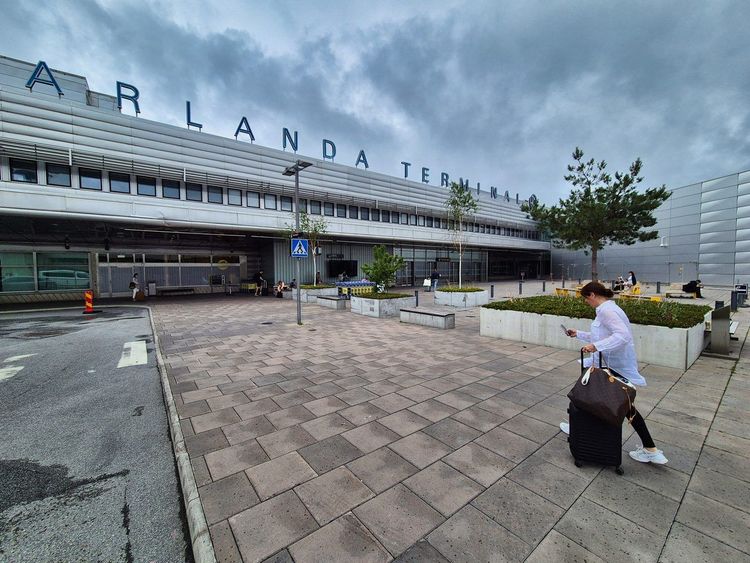
The Swedish capital is served by several airports, but only one handles most of the direct flights from France.
Getting to Stockholm by Plane
Arlanda Airport, about forty kilometers north of the center, receives almost all direct international flights, about 2 hours 40 minutes from Paris. Budget between 80 and 220 euros round trip depending on the season and booking lead time, with the lowest prices generally found two to three months ahead outside school holidays. The Arlanda Express links the airport to the city center in 18 minutes, compared with about 45 minutes by Flygbussarna bus, which is significantly cheaper.
Getting Around the City: Metro, Buses and Boats

Once there, SL tickets cover the metro, buses, trams and some urban ferries, with a 72-hour ticket at 360 kronor in 2026, more than enough for a weekend. You can also pay directly by contactless bank card at the gates for a single journey. Metro stations are rarely more than ten minutes' walk from a point of interest, and the ferry to Djurgården offers a free view of the harbor along the way.
To prepare your days, the Ryo article with the top activities in Stockholm usefully complements this itinerary once you have arrived.
When to Visit Stockholm: Climate and Seasons
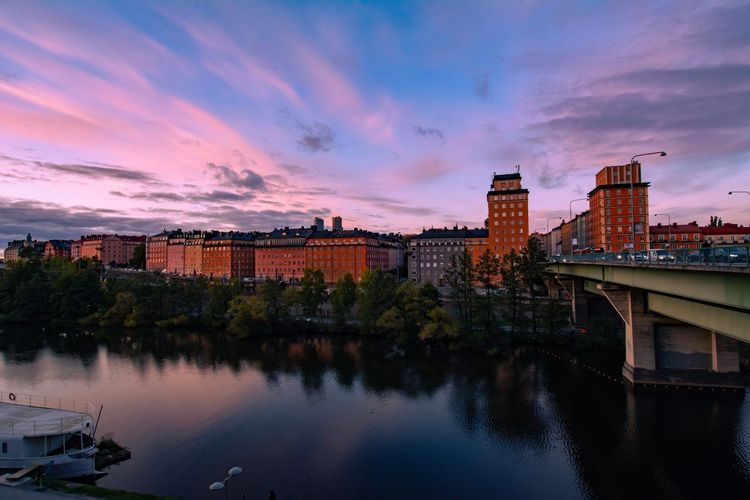
Summer, from June to August, offers up to 18 hours of daylight around the solstice, a special energy that pushes locals to live outdoors until late in the evening. If your dates fall on Midsummer, the Friday between 19 and 25 June, be aware that many Stockholmers leave the city for the countryside; Skansen then organizes dances around the flower-decked maypole. It is the most in-demand season, and logically the most expensive for accommodation.
Spring (April-May) and early autumn (September) often offer the best compromise: still pleasant temperatures, soft light, and more reasonable hotel prices than in high season. The cherry blossoms of Kungsträdgården in late April are worth the trip on their own.
Winter fully embraces its Nordic atmosphere: long nights, frequent snow and temperatures that regularly drop below zero. On 13 December, Saint Lucy's Day lights up churches and schools with candlelit processions, a rare moment to experience if your weekend falls on that date.
Practical Information: Currency, Language and Connectivity
Currency and Payment Methods
Sweden uses the Swedish krona (SEK), not the euro, despite being a member of the European Union. The country is also one of the most advanced in the world in contactless payment: cash is almost useless, and many shops even refuse it. An international bank card is enough for the entire stay. Tipping is not mandatory: rounding up the bill by about 5 to 10% at a restaurant is enough if you enjoyed the service.
Language: Swedish and English
English is spoken almost universally, which makes everyday exchanges much easier. A few words of Swedish are still appreciated: "tack" (thank you), "hej" (hi) and "ursäkta" (excuse me, to get attention) are more than enough for a short visit.
Phone, Internet and Electrical Outlets
Sweden uses the same electrical outlets as France (types C and F, 230 V), so no adapter is needed. With a French plan, roaming within the European Union applies as at home, and free wifi is widely available in cafés, hotels and museums.
Souvenirs and Final Tips to Enjoy the Weekend
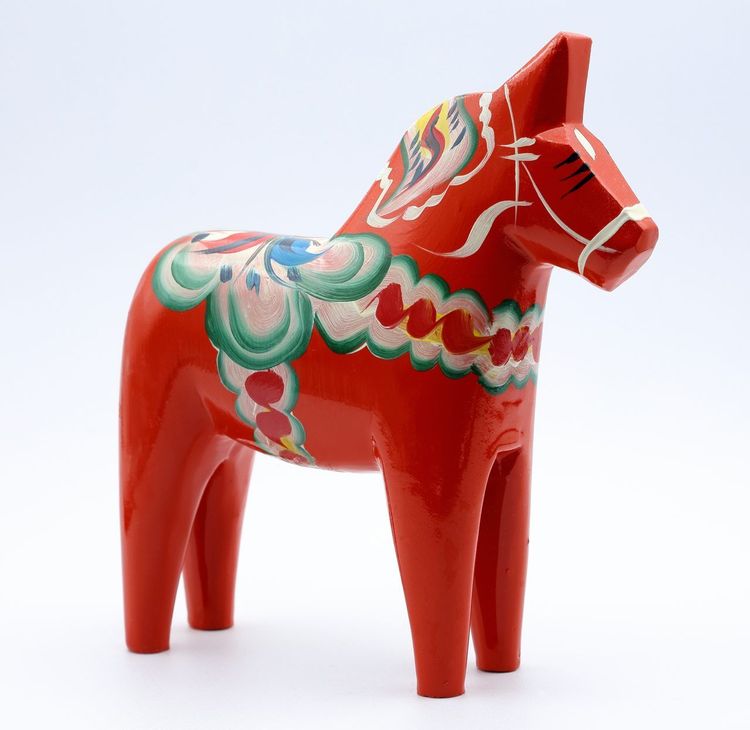
Before leaving, a few typically Swedish souvenirs deserve a place in your suitcase: the little painted wooden horse, the dalahäst, originally from Dalarna but sold everywhere in Stockholm; cardamom or cinnamon cookies, which travel well; a piece of blown glass, a traditional craft from Småland; or a Wettex cloth, a Swedish invention turned design object.
One last practical tip: alcohol above 3.5% is only sold in the state-run Systembolaget stores, which close early on Saturday and stay closed on Sunday. If you want to bring back a bottle of aquavit, plan ahead on Friday.
Stockholm is hard to sum up in a single image: it is at once a historic capital set on the water, a discreetly avant-garde design city, and a gateway to Scandinavian nature accessible in a few minutes by boat. It is this combination, more than any single monument, that makes you want to come back.



FAQ
How long should you plan for a weekend in Stockholm?
Two days cover the essentials (Gamla Stan, the Vasa Museum), but three days allow you to add an archipelago excursion without rushing. Four days are recommended in winter, when daylight is shorter.
When is the best time to visit Stockholm?
Summer (June to August) offers very long days and a festive atmosphere, but it is the most expensive season. Spring and early autumn offer a better price-to-weather ratio.
Is the Go City Pass worth it for a short stay?
Only if you plan to visit three or four paid attractions per day. For a lighter schedule, paying for entry separately is generally cheaper.
Can you get by in English in Stockholm?
Yes, without any difficulty: English is spoken fluently by nearly the whole population, including in shops, public transport and government offices.
How much does a flight to Stockholm cost?
Between 80 and 220 euros round trip from Paris depending on the season, with the lowest fares generally found by booking two to three months ahead outside school holidays.
Is Stockholm an expensive city for a weekend?
Yes, especially for dining out and alcohol. Budget 150 to 250 euros per person excluding flight and hotel for two to three days, including simple meals and public transport.
Gamla Stan in the morning, the Vasa in the afternoon, Södermalm at sunset: your weekend in Stockholm can fit into this triptych, then extend to the archipelago if time allows. To connect all these places without wasting time on logistics, the Ryo audio-guided tour of Stockholm remains the simplest way to follow the itinerary detailed here, at your own pace and without a guide.