





RyoCity
From a Historic Pueblo to Contemporary Art
Los Angeles, United States
RyoCity
From a Historic Pueblo to Contemporary Art
Los Angeles, United States
4.5 km
Distance
2h00
Durée
29
Audios
Boucle
Parcours
©Prayitno CC BY 2.0.
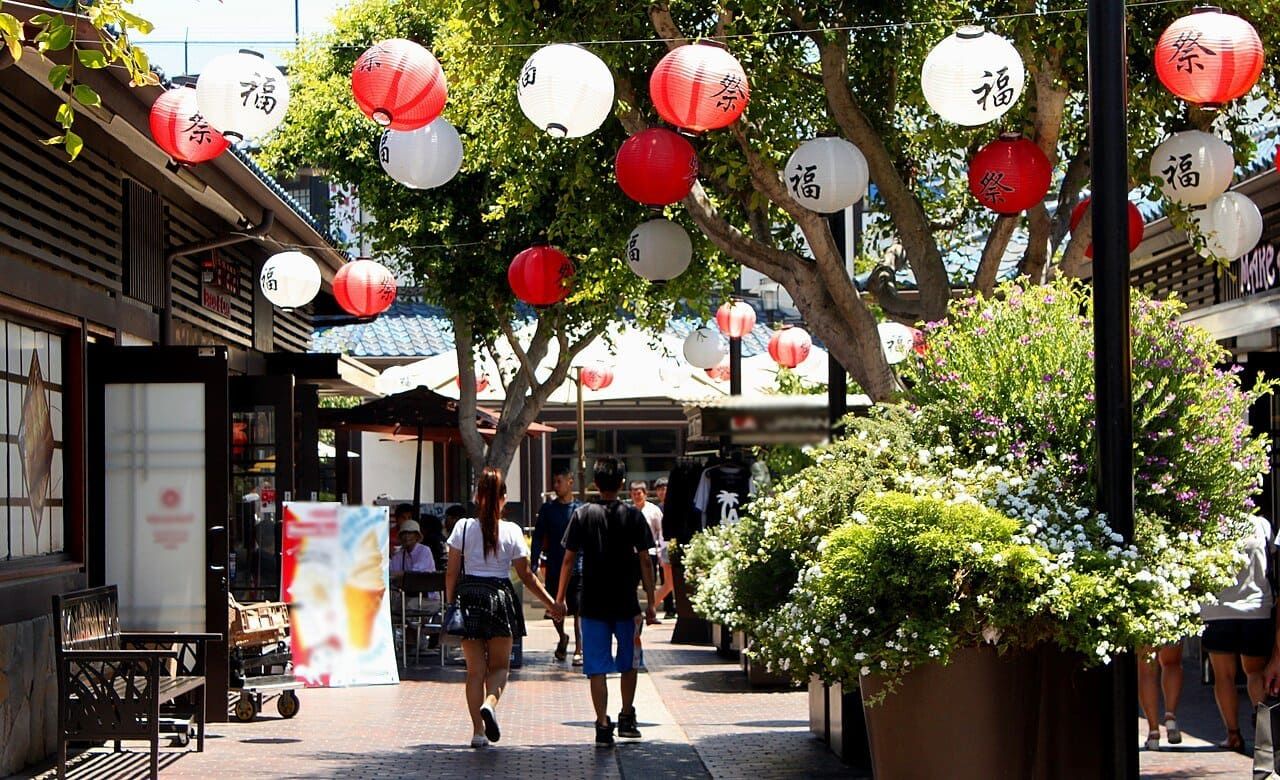
Welcome to Little Tokyo, a little slice of Japan in the heart of Downtown Los Angeles. Today, people come here mainly for the culture, the shops, and the history, even though the resident Japanese population is now relatively small. The story begins in 1885, when a Japanese sailor named Hamanosuke Shigeta opened the Kame Restaurant, attracting other newcomers, boarding houses, small businesses, and early institutions. The neighborhood quickly developed lasting landmarks: the first religious mission was established, and two names became iconic—the Rafu Shimpo newspaper and the Fugetsu-do bakery, which is still operating today. After the San Francisco earthquake in the early twentieth century, many Japanese moved to Los Angeles, and Little Tokyo grew, building its own network of mutual aid associations, schools, temples, and churches. By 1941, the neighborhood reached its peak, home to around 30,000 Japanese Americans. Then came the shock: following Pearl Harbor, Executive Order 9066, issued by President Franklin D. Roosevelt on February 19, 1942, forced the evacuation and incarceration of over 100,000 people of Japanese descent on the West Coast, leaving Little Tokyo suddenly empty. During the war, the area changed again, housing African Americans who had come to work in the defense industry as well as other communities, in a context of segregation and severe housing shortages that created extreme overcrowding. After the war, Japanese Americans gradually returned, but many had lost everything, and the population recovered to only about a third of its prewar numbers. In the 50s, the expansion of the Civic Center further encroached on the neighborhood, particularly with the construction of Parker Center, which reduced commercial space and displaced residents. Twenty years later, Little Tokyo reinvented itself with new shopping centers, hotels, and plazas, sparking debates over preservation. These efforts eventually led to major recognition: listing on the National Register of Historic Places, followed by designation as a National Historic Landmark District.
