Walk
The Sixth Mountain From East to West
Montevideo, Uruguay
Walk
The Sixth Mountain From East to West
Montevideo, Uruguay
7.4 km
Distance
3h00
Durée
20
Audios
Loop
Parcours
Nestled between two South American giants, Uruguay reveals a singular soul to those who take the time to listen. A land of gauchos, golden beaches, and cities where colonial heritage dialogues with an overflowing contemporary creativity, this country invites you to travel differently, at your own pace. This is precisely the spirit Ryo cultivates: exploring Uruguay through audio-guided tours that give voice to the alleyways, squares, and stories that façades cannot tell alone. Let yourself be carried by the sounds, anecdotes, and atmospheres of a discreet yet deeply captivating country.
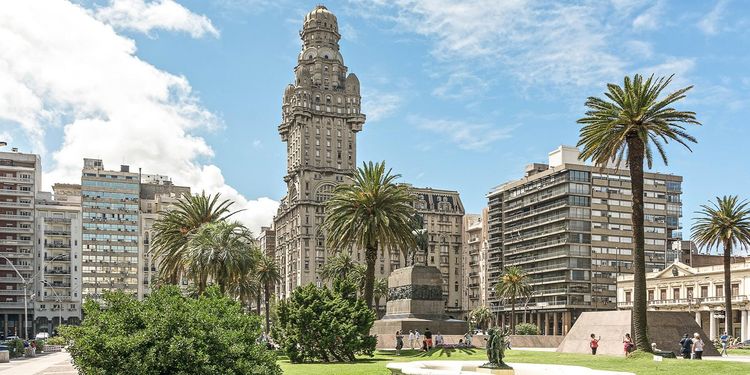
A port capital bathed by the Río de la Plata, Montevideo stands apart from all other Latin American capitals with its easy way of life and the richness of its architectural heritage. At the heart of the Ciudad Vieja, shaded squares, century-old cafés, and art galleries follow one another like pages of a novel you never want to put down. Ryo's audio-guided tour "The 6th Mountain from East to West" guides you through this intimate geography, uncovering the layers of history and anecdotes that make Montevideo a city to be heard as much as seen.
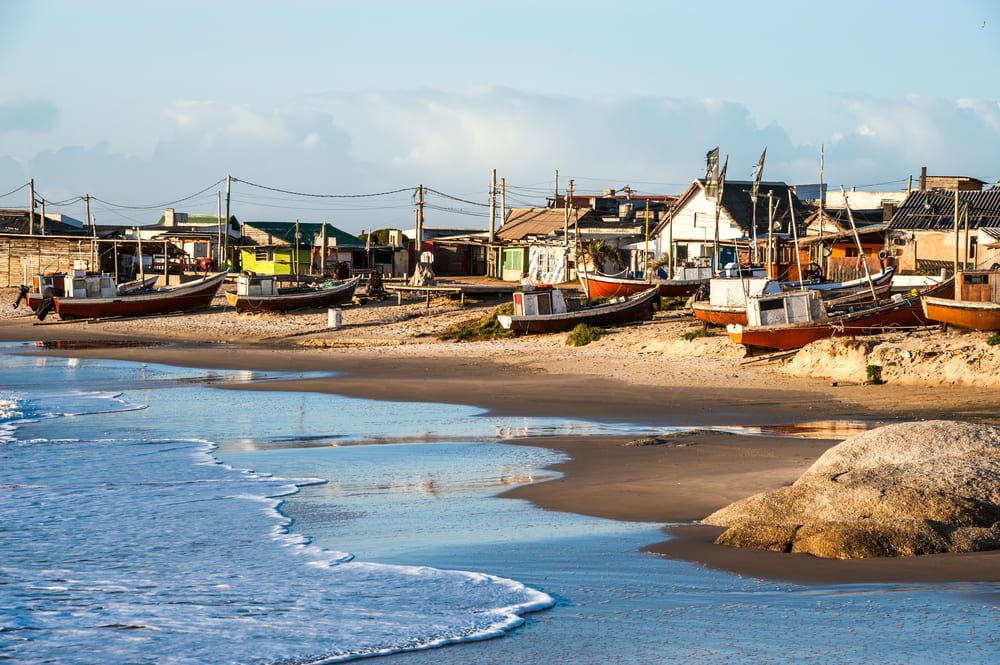
Beyond Montevideo, Uruguay holds horizons as varied as they are unexpected. To the west, Colonia del Sacramento enchants with its cobblestone streets lined with flower-adorned houses inherited from the Portuguese colonial era, facing the distant lights of Buenos Aires. Further east, the Atlantic coast unfolds its beaches, ranging from lively resorts like Punta del Este, a symbol of seaside elegance, to wilder coves where nature reclaims its rights. In the hinterland, the endless plains of the gauchos serve as a reminder that Uruguay is above all a land of cattle farming and ancestral traditions, celebrated each year at festivals such as the Fiesta de la Patria Gaucha in Tacuarembó, a true hymn to the country's equestrian culture. These territories reveal themselves to the curious traveller, ready to stop wherever the road beckons.
Uruguay enjoys a temperate climate throughout the year, making it an accessible destination in every season. The Southern summer, from December to February, draws beach lovers and festival-goers; temperatures are warm and the atmosphere particularly festive along the coast. Autumn and spring offer ideal conditions for exploring Montevideo and inland towns, with soft light and fewer crowds. Winter, generally mild, is perfectly suited to travellers who wish to experience the authentic pulse of the country, away from the summer buzz.
The long-distance bus network is dense and comfortable, connecting most of the country's towns and villages on a regular basis. Car rental remains a popular option for freely exploring the pampas and the eastern coast at your own pace. In Montevideo, walking is often the best way to soak up the atmosphere of the historic neighbourhoods, something Ryo's audio-guided tour fully embraces.
The best time depends on your preferences. To enjoy the beaches and the summer atmosphere, choose the Southern summer, between December and February. For a more peaceful cultural and urban exploration, autumn and spring are ideal, with pleasant weather and fewer visitors. Uruguay's winter, mild by European standards, will appeal to travellers seeking authenticity.
One week is enough to explore Montevideo in depth and venture towards Colonia del Sacramento or the eastern coast. To travel through the interior of the country and immerse yourself in gaucho culture, allow two weeks so you can travel without rushing and leave room for unexpected discoveries.
The must-sees include Montevideo and its Ciudad Vieja, Colonia del Sacramento with its UNESCO-listed historic centre, the beaches and modern architecture of Punta del Este, as well as the estancias of the interior for a taste of gaucho life. The eastern coast, still largely unspoilt, also offers remarkable natural landscapes.
Uruguay has a reliable and well-developed intercity bus network, ideal for connecting the main destinations at low cost. The road remains the most flexible way to explore the countryside and coastal areas. In cities, and particularly in Montevideo, walking and local transport are more than sufficient to navigate the iconic neighbourhoods.
Uruguay is a land of grilled meat: the asado, a traditional barbecue elevated to an art of living, is at the heart of Uruguayan social culture. The chivito, a generous sandwich filled with meat, cheese, and vegetables, is another local institution. To round off a meal, dulce de leche accompanies every dessert and can be enjoyed at any time of day.
Absolutely. Uruguay is often cited as one of the most accessible countries in South America for independent travellers, thanks to its transport infrastructure, relative safety, and the warm welcome of its people. Ryo's audio-guided tours in Montevideo are designed precisely to let you explore the capital without a human guide, following your own rhythm and discovering the city through its sounds and stories.






