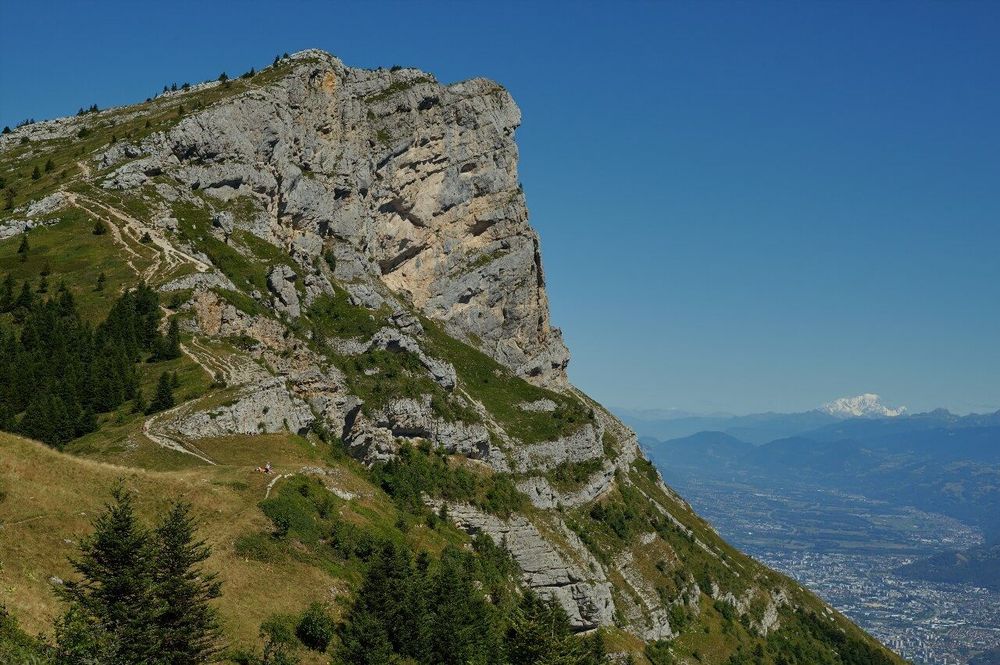
© Shutterstock
 Votre guide Ryo
The Most Beautiful Villages Around Grenoble: 15 Escapes in Isère (2026)
Grenoble is unique in that you can leave the city center by car and find yourself, forty minutes later, in a medieval village where time seems to have stopped in the 12th century. Isère concentrates around its Alpine prefecture a density of remarkable villages that few French regions can match: hilltop towns perched on the limestone cliffs of the Vercors, almost untouched abbey cities, high-altitude hamlets ringed by glaciers. If you're looking for the most beautiful villages around Grenoble, this guide offers fifteen destinations spread across the four massifs that frame the city. A Pont-en-Royans clinging to the rock face, a Crémieu with its still-standing medieval market halls, a Venosc nestled beneath the 4,000-meter peaks of the Oisans, not to mention lesser-known villages like Beaufin or Mizoën whose views over the gorges are just as worthwhile as the must-sees. To explore Grenoble before or after your escapes, the Ryo audio-guided tour of Grenoble offers 19 audios over 5.8 km to discover the capital of the Alps at your own pace.
The Villages of the Vercors: Between Cliffs and Forests
The Vercors massif begins about twenty kilometers west of Grenoble, and the villages it shelters have that particular character of places that geography has protected from tourist uniformity. The Vercors is at once a pastoral plateau, a dense forest and a system of limestone cliffs that drops vertically onto the plains of Isère.
Gresse-en-Vercors nestles at 1,205 meters above sea level, in a cirque surrounded by walls exceeding 1,500 meters. The village has barely 400 year-round residents, but its preserved architecture — dry-stone barns, a central fountain, a 12th-century Romanesque church — gives it a rare authenticity. In winter, a small family ski resort brings the village to life; in summer, trails leading to the Grand Veymont (2,341 m, the highest point of the Vercors) start practically from the last houses. Allow 1h30 from Grenoble via Claix and Monestier-de-Clermont.
Pont-en-Royans (Place du Breuil, 38680 Pont-en-Royans, rated 4.6/5 on Google with 1.2K reviews) is perhaps the most spectacular village in the department. Clinging to the limestone cliff that overlooks the Bourne, it lines up its medieval corbelled houses on several levels, as if suspended over the void. Some of the buildings date back to the 14th century; their colorful facades have become the most photographed image of the Vercors. The village marks the entrance to the Bourne gorges, one of the most impressive canyons in France with its walls reaching up to 400 meters in places. From the belvedere above the village, the panorama over the confluence of the Bourne and the Vernaison is literally breathtaking. At 55 kilometers from Grenoble, Pont-en-Royans is ideally visited in combination with the gorges and the Musée de l'Eau, housed within the ancient suspended houses themselves.
The Vercors often deserves more than a single day. If you'd like to explore the massif further, our selection of the most beautiful villages of the Vercors lists other typical villages not to be missed on this plateau.
The Villages of the Oisans: in the Heart of the High Alps
The Oisans is the land of dizzying altitudes. This is where France's highest peaks are concentrated, and the villages dotting the Romanche valley or its tributaries live at their own pace, between torrents and glaciers. The road linking Grenoble to Bourg-d'Oisans (45 km) runs alongside the Lac de Chambon and passes through landscapes of a raw, mineral brutality found nowhere else within an hour of a city of this size.
Venosc consistently appears on every list of the most beautiful villages in Isère, and for good reason. The medieval village was built on a rocky spur set apart from the main valley, at 920 meters above sea level. Its cobbled lanes, stone fountains and lauze-roofed houses have come through the centuries almost intact. From the bottom of the village, a gondola reaches Les Deux-Alpes in a matter of minutes, making it a convenient starting point for skiing enthusiasts too. But the soul of Venosc is not in the resort: it lies in the lanes of the old village, in the Romanesque chapel and in the gardens cultivated in terraces on the slopes. The Thursday morning market, under the arcades, is one of the best reasons to linger.
Besse-en-Oisans is less well known, and that is precisely what makes it appealing. Perched on a mountainside at 1,550 meters, the village overlooks the Lac du Chambon and offers one of the most striking panoramas in the entire massif: the turquoise reservoir, the grey walls of the Plateau d'Emparis, and the snow-capped silhouette of La Meije in the background. The hamlet consists of a handful of granite houses and a church whose squat bell tower has been resisting winter avalanches since the 15th century. The access road from Mizoën (Village de Mizoën, 38142 Mizoën, rated 4.2/5 on Google with 95 reviews) is narrow and winding — which is partly what has kept the place unspoiled.
Mizoën, for its part, is also well worth the detour. Perched at 1,100 meters on the left bank of the Lac du Chambon, it looks across at Besse from the other side of the lake. An authentic mountain village, it has not undergone the architectural changes that have disfigured some resorts. Residents still practice livestock farming on the high-altitude pastures in summer. The path that descends from the village to the lake takes twenty minutes and leads to a wild pebble beach that remains relatively low-key for a site so accessible from Grenoble.
For lovers of high mountains, the hikes in the Vercors and the Oisans from Grenoble naturally complement a visit to these high-altitude villages.
Medieval Villages of Northern Isère: Crémieu, Vertrieu, Saint-Antoine
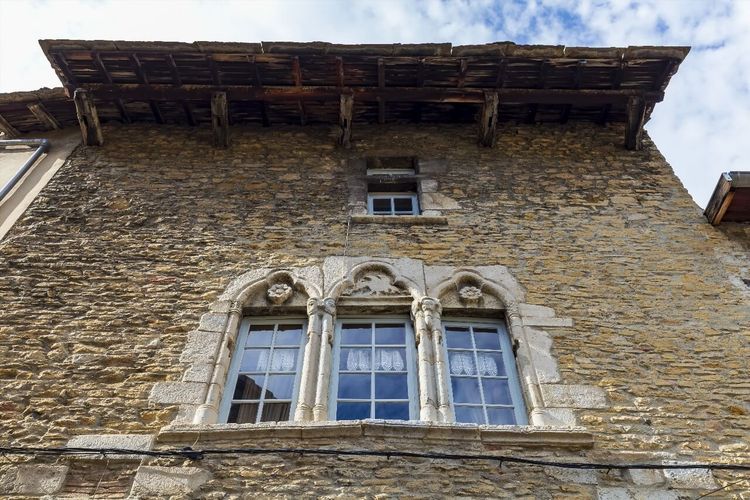
Heading north, Isère changes character. The mountains give way to gentle hills and agricultural plains dotted with medieval towns, some of which have preserved their fortifications and civic buildings from the Middle Ages in an exceptionally fine state. These villages are 45–70 kilometers from Grenoble, making them ideal destinations for a full day trip.
Crémieu is often described as one of the most beautiful medieval villages in France, and the accolade is well deserved. The town boasts one of the finest medieval market halls in France: its massive timber frame, built in the 15th century (around 1435) behind 14th-century fortified gates, still hosts a producers' market every Wednesday. The rest of the urban fabric is equally remarkable: the ramparts still partially encircle the town, the Augustinian convent (14th century) houses notable frescoes, and the Dauphinois castle dominates the whole from its rocky spur. Allow at least two hours to explore the historic center on foot. The town has held the "Petites Cités de Caractère" label for several years.
Saint-Antoine-l'Abbaye is a village that owes its existence to a bone. Or more precisely, to a relic of Saint Anthony the Hermit brought back from Constantinople in the 11th century, which transformed this modest town into one of the greatest pilgrimage centers in the Western world during the Middle Ages. The Gothic abbey that stands at the center of the village is impressive in its proportions — the nave is more than 70 meters long — and in the quality of its sculpture. The village itself, with its half-timbered houses and architecture dating from the 15th to the 18th century, is remarkably well preserved. Classified as one of the "Plus Beaux Villages de France" since 2009 (the only Isère commune to hold this label) and voted "Village préféré des Français" in 2025, it welcomes thousands of visitors every summer, many of whom are unaware that they can climb the abbey bell tower for a panoramic view over the Royans.
Vertrieu is less spectacular than the previous two, but it perfectly illustrates that category of characterful villages that Isère harbors in abundance: a Rhône-side town with two castles visible from the road, quiet streets where time seems to have stood still, and a river view that hikers on the GR® de Pays have been enjoying for decades. The ancient fortified manor (13th century, in ruins on the heights) and the castle built on the banks of the Rhône in the 17th century give Vertrieu its nickname of "village of two castles." The northernmost commune of Isère, on the border with the Ain, the village is 70 kilometers from Grenoble, not far from Crémieu — the two can easily be visited on the same day.
Quirieu (Village de Quirieu, 38390 Bouvesse-Quirieu, rated 4.6/5 on Google with 204 reviews) also deserves a mention: this medieval site, attached to the Isère commune of Bouvesse-Quirieu, overlooks the Rhône by about a hundred meters. A true ghost village reclaimed by vegetation, it retains castle ruins and viewpoints that more than make up for the modesty of its built heritage.
The Trièves: Mens and the Villages at the End of the World
The Trièves is an agricultural plateau framed by the Vercors to the west and the Dévoluy massif to the south, about fifty kilometers from Grenoble. It is little known to tourists, who often drive through it on the way to Gap or Sisteron without stopping. That's a shame: the Trièves has a strong personality — that of a mountain countryside where 19th-century farms stand alongside villages that seem to have been spared every trend of the 20th century.
Mens is the central town of the Trièves, and it is a place that surprises. With its 1,200 inhabitants, it is almost a city for this isolated plateau, and it has a genuine village life: a lively weekly market, local wine cellars, a few restaurants working with produce from the neighboring farm. The Église Saint-Jean-Baptiste (17th century) is worth a stop, but it is above all the general atmosphere that strikes you: open shops, people crossing paths and knowing each other, a shaded central square in summer. Mens was also the town of naturalist Ladoucette and is home to an ecomuseum dedicated to rural life on the plateau.
Beaufin (Village de Beaufin, 38970 Beaufin, rated 4.4/5 on Google with 130 reviews) is the mountain counterpart of Mens: a hamlet of a few dozen inhabitants, perched at 1,200 meters, with a direct view over the Barrage du Sautet and its almost unreal blue waters. The access road from Corps winds through vertiginous hairpin bends, and the village itself is so discreet that you could miss it if you weren't looking for it. But this discretion is its primary quality: in Beaufin, you will find complete calm, little-frequented hiking trails and sunsets over the Lac du Sautet that are worth the journey in themselves.
Mountain Villages: Vaujany and Saint-Christophe-en-Oisans
Some villages in the massif belong to a category of their own: high-altitude hamlets that have not sacrificed their mountain identity to tourist development, or that have managed this transition with finesse.
Vaujany is the textbook example. A high-altitude pastoral village at 1,250 meters, it received in the 1980s the revenues from an EDF hydroelectric power plant built on its territory, and this financial windfall allowed it to invest in modern ski lifts linking directly to l'Alpe d'Huez, while preserving the old buildings and rural character of the place. The result: you can stay in a real mountain village with its wooden and stone houses, a few grocery stores and its church, while having access to one of the largest ski areas in Europe. In summer, the alpine pastures around Vaujany offer some of the finest hikes in the Oisans, with views of the Glacier de Sarenne and the Belledonne ridges.
Saint-Christophe-en-Oisans (La Bérarde, 38520 Saint-Christophe-en-Oisans, rated 4.6/5 on Google with 520 reviews) is of an entirely different nature: one of the most isolated villages in the French Alps, a starting point for ascents of the Oisans 4,000-meter peaks and a refuge for elite mountaineers. The village itself is tiny — around a hundred permanent residents — but its setting is extraordinary: the north faces of La Meije (3,983 m) and Le Râteau (3,809 m) rise directly above the houses. The approach via the road to La Bérarde — a dead-end road at the far end of the Vénéon valley — is an experience in itself. Reserve this village for seasoned hikers and high-mountain enthusiasts.
Morestel and Hauterives: the Villages of Northern Isère
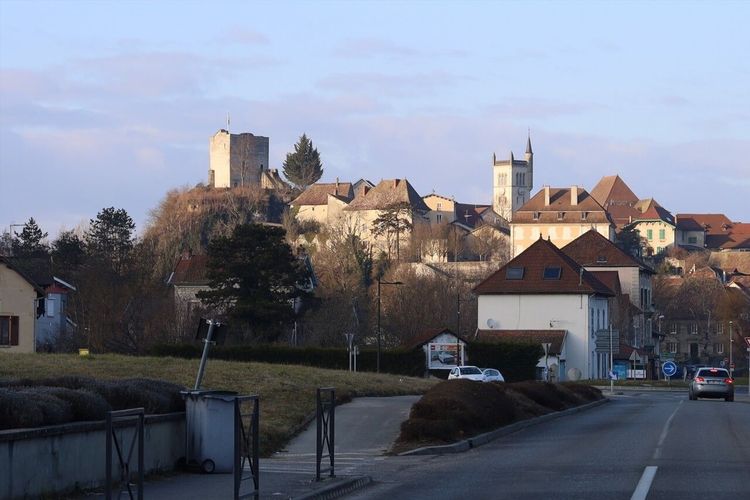
North of Grenoble, between the Rhône plain and the first Alpine foothills, a series of small towns and villages offer cultural escapes of a different kind — gentler, more focused on artistic heritage and architecture.
Morestel (Place Valentin Fel, 38510 Morestel, rated 4.2/5 on Google with 340 reviews) is sometimes nicknamed "the city of painters": in the 19th century, artists from the Barbizon School, including some precursors of Impressionism, came to settle here and painted the landscapes of the region. The town is pleasant with its winding streets, its medieval tower and its bourgeois houses from the 19th century. Today it still has an artistic atmosphere with several galleries and summer exhibitions. It is 70 kilometers from Grenoble by motorway.
Hauterives owes its fame to a 19th-century rural postman named Ferdinand Cheval, who spent 33 years building alone, at night and after his rounds, the Palais Idéal, an extraordinary architectural construction 26 meters long, built entirely by hand from stones gathered along the roads. This masterpiece of naïve art and vernacular architecture is now a listed historic monument and attracts visitors from around the world. The village itself is modest, but the Palais Idéal alone is worth the trip from Grenoble (80 km). Allow one to two hours on site. Back in Grenoble, our audio walking tour of the Alpine capital takes over across 5.8 kilometers.
Practical Tips for Planning Your Escapes
Visiting these Isère villages is done primarily by car: most of the sites mentioned in this guide are poorly or not at all served by public transport, particularly the high-altitude villages of the Oisans or the Trièves. A few points to keep in mind when planning your outings:
The distance from Grenoble ranges from 25 km (Sassenage, Gresse-en-Vercors) to 80 km (Hauterives, Crémieu). Allow extra time for mountain roads: a 40 km distance can easily take 1h15 on hairpin roads. The roads of the Vercors and the Oisans are subject to winter closures (notably the Col de la Croix-de-Fer and certain alpine pasture roads): check conditions with Bison Futé before setting off between November and May.
To explore Grenoble itself before or after your escapes, our Grenoble audio walking tour guides you over 5.8 km with 20 points of interest and 2h30 of audio content — ideal for an evening in the city between two days of village-hopping.
If you're curious about the local specialties to bring back or taste in the villages (génépi, Isère walnuts, mountain cheeses), our guide to Grenoble's culinary specialties will give you the keys to eating and shopping like a local.
When to Go: the Seasons for Visiting the Villages
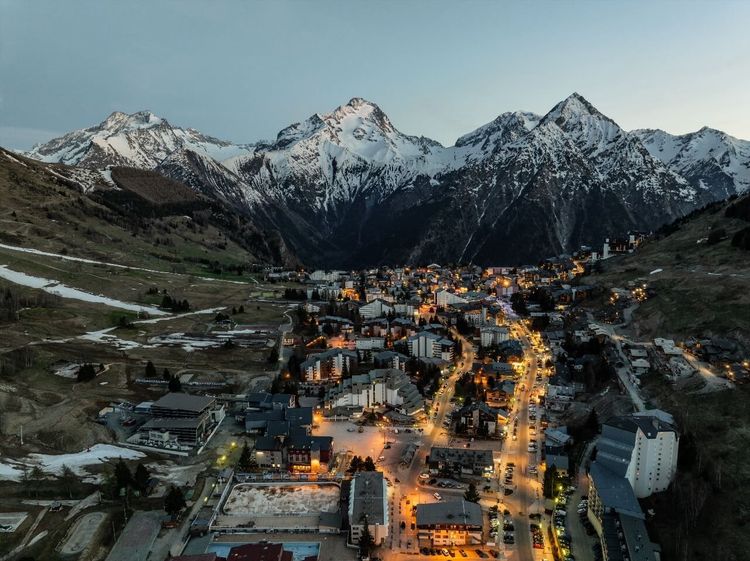
Not all of these villages follow the same seasonal rhythm.
Spring (April–June): the best season for mid-altitude villages. The meadows are in bloom, mountain roads are generally reopened by late May, and visitor numbers remain manageable. Summer (July–August): peak season in all high-altitude villages. Venosc, Vaujany and Saint-Christophe-en-Oisans are very busy in August. The medieval villages of northern Isère (Crémieu, Morestel) are less crowded than the mountain areas. Book your accommodation several weeks in advance.
Autumn (September–October): excellent for mid-altitude villages and medieval towns. The forests of the Vercors turn spectacular colors, and there are fewer tourists than in midsummer. The late-afternoon light on the cliffs of Pont-en-Royans is particularly beautiful.
Winter (December–March): best suited to resort villages like Gresse-en-Vercors and Vaujany. Medieval towns remain accessible and feel more authentic out of season, even if some shops close.
Where to Sleep and Eat in the Villages
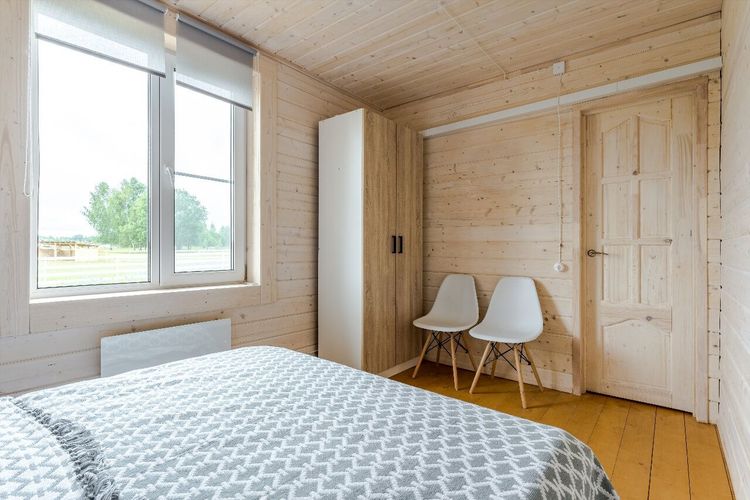
Accommodation in these villages falls into two categories: gîtes and bed-and-breakfasts with local hosts, which make up the bulk of the offering in the smaller villages, and small hotels or charming guest houses in larger towns such as Crémieu or Mens.
Crémieu has several quality establishments within its medieval walls — the most comfortable option for exploring several northern Isère villages in the same day. Mens is a practical base for the Trièves, with a few restaurants working with local producers. For the Oisans, Bourg-d'Oisans remains the most convenient logistical hub, but staying in Venosc or Vaujany offers a far more authentic immersion in mountain village life.
On the culinary side, the villages of Isère are particularly generous: mountain cheeses (tome de Belledonne, persillé des Aravis), IGP Isère walnuts, artisanal génépi and Vercors black pork charcuterie are all worth seeking out at local markets rather than in supermarkets.



FAQ
What are the most beautiful villages to visit around Grenoble?
The villages that consistently top the recommendations are Crémieu (remarkably well-preserved 15th-century medieval market halls), Saint-Antoine-l'Abbaye (officially labeled one of France's Most Beautiful Villages), Pont-en-Royans (houses suspended above the Bourne gorges) and Venosc (a medieval village at the foot of Les Deux-Alpes). For lesser-known gems, head to Mizoën, Beaufin or Quirieu.
Which villages can be visited within 30 km of Grenoble?
Options within this radius are limited but not insignificant: Sassenage and its caves 8 km away, Domène on the first foothills of Belledonne, and villages at the foot of the Vercors such as Lans-en-Vercors (28 km) or Villard-de-Lans (35 km). For truly characterful villages with strong historical character, you generally need to go a little further.
Is it better to visit the villages around Grenoble by car or public transport?
A car is practically essential for the vast majority of villages in this guide. Only a few towns in the Oisans such as Bourg-d'Oisans are accessible by public transport from Grenoble (Transisère bus line). The villages of the Trièves, the Vercors and northern Isère require a vehicle. An electric bike can be an interesting option on certain Vercors routes in summer.
What activities can you do in the villages of the Oisans?
The Oisans offers an exceptional range of activities depending on the season: alpine skiing at Les Deux-Alpes or l'Alpe d'Huez in winter, hiking on GR® trails in summer, rock climbing on the limestone walls of the Romanche valley in spring. In the villages themselves, local markets (Venosc on Thursdays), Romanesque chapels and ethnographic museums tell the story of a mountain way of life that few Alpine regions have preserved so well.
Can you combine a visit to Grenoble with the surrounding villages in one weekend?
Yes, that's the ideal way to organize it. Arrive Friday evening to explore Grenoble on foot Saturday morning — Ryo's audio-guided tour of Grenoble is perfect for this, with 20 guided audios covering the main sites. Reserve Saturday afternoon for a nearby village (Crémieu if you're coming from the north, Gresse-en-Vercors if from the west) and Sunday for a more distant village in the Oisans or the Trièves.
Conclusion
The richness of these Isère villages lies in this diversity of landscapes — the limestone gorges of the Vercors, the high-altitude hamlets of the Oisans, the medieval cities of the northern Isère plain, the tranquil plateaus of the Trièves — that few French cities can offer within such a short radius. You can spend one weekend in a classified medieval village, the next in a mountaineer's hamlet, the third in an 11th-century abbey town, without ever seeing the same landscape twice.
Before setting off to discover the villages surrounding Grenoble, make a stop in the city itself: the Ryo audio guide takes you through the historic neighborhoods, from Vieux-Grenoble to the Bastille, with stories that place the region in its geographical and human context. The Ryo audio guide of Grenoble is available in full self-guided mode, with no physical guide or set schedule required.
À lire également