
Créé par Emilie, le 4 oct. 2026
Votre guide Ryo
Grenoble, France
The Capital of the Alps
Parcours audioguidé pour visiter Grenoble en 1 jour
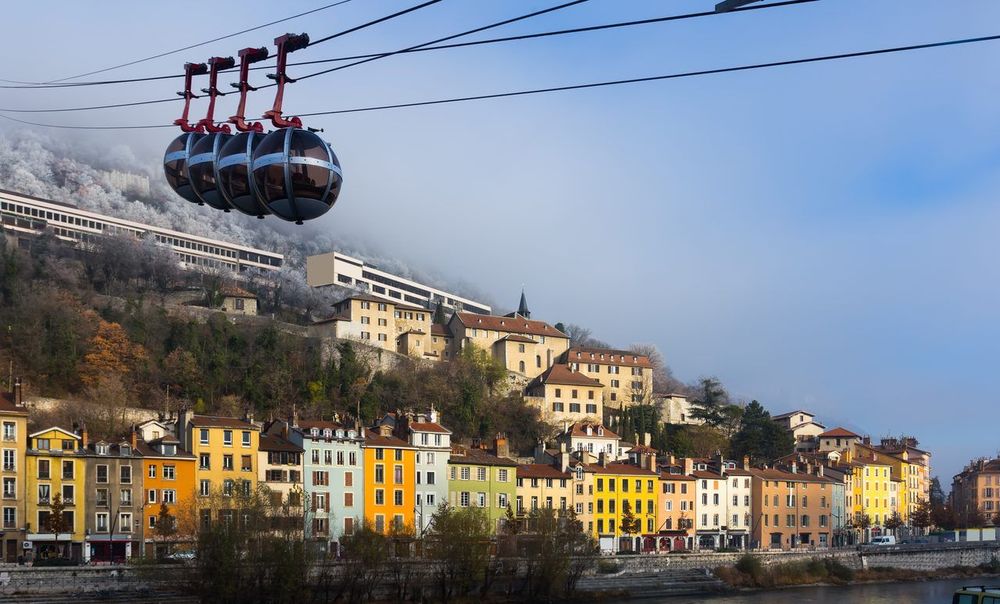
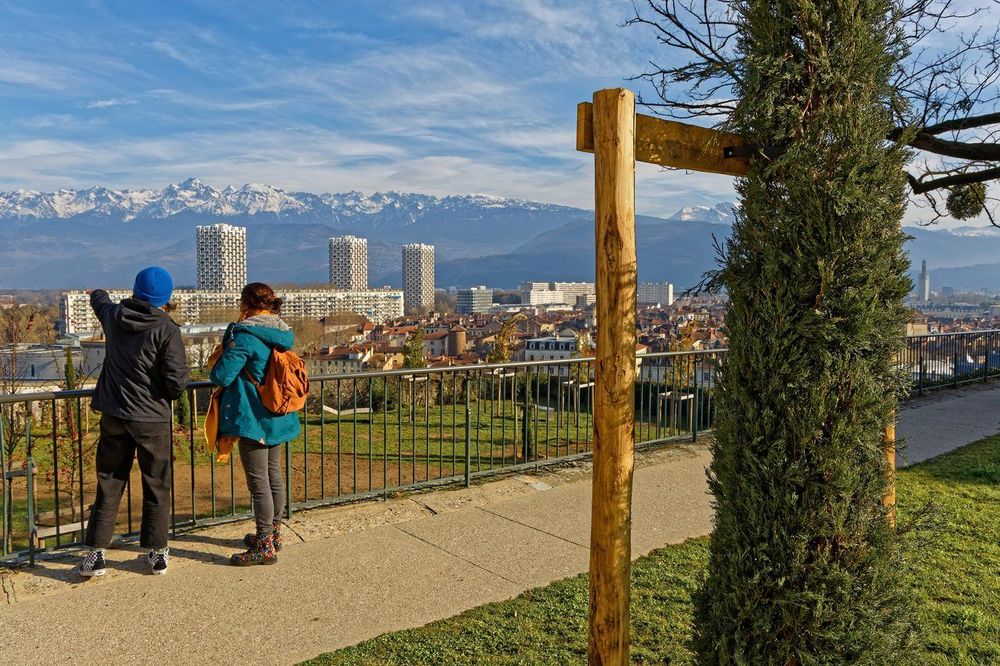
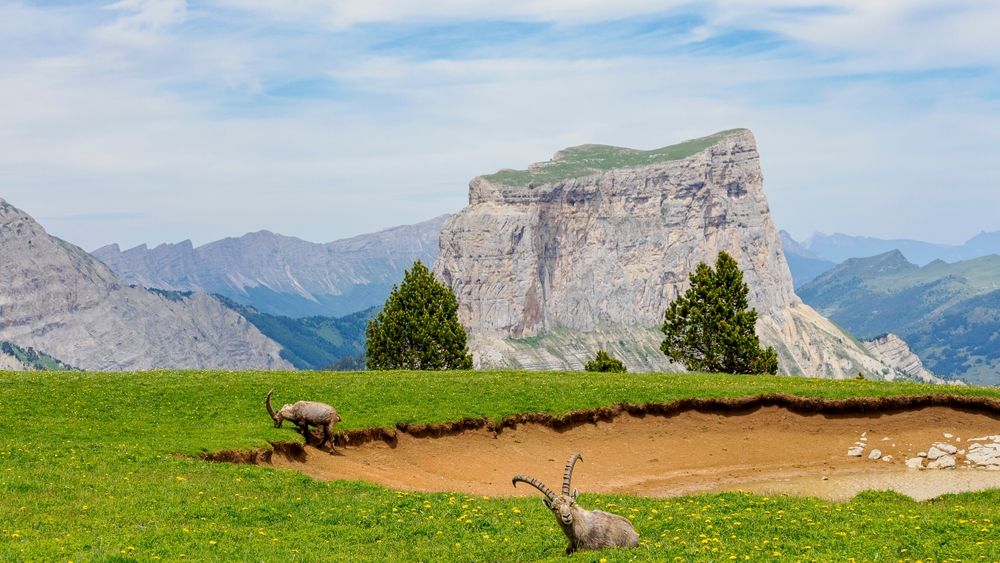
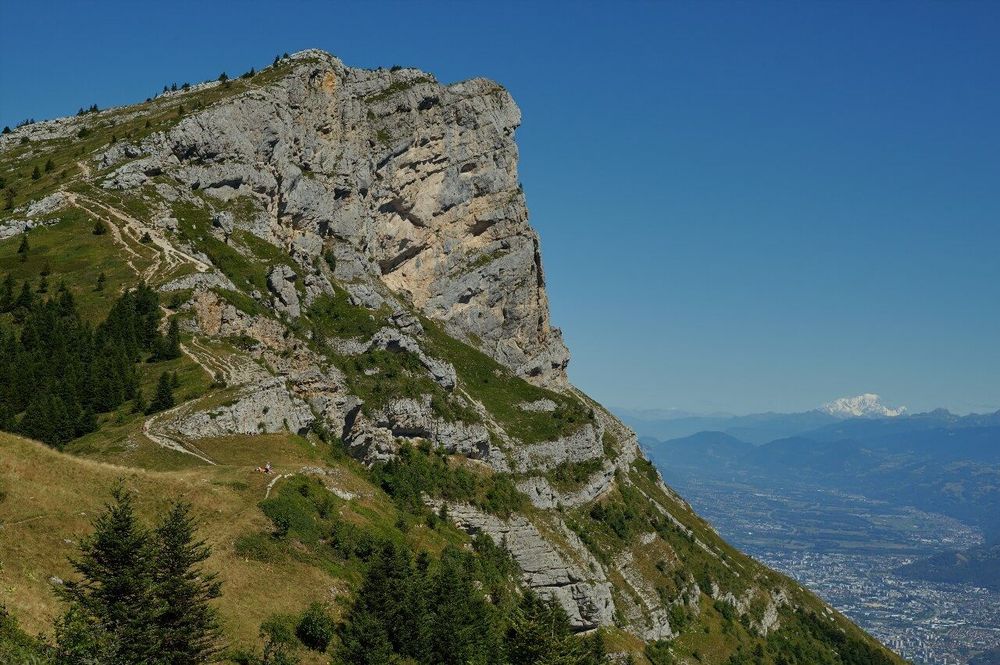
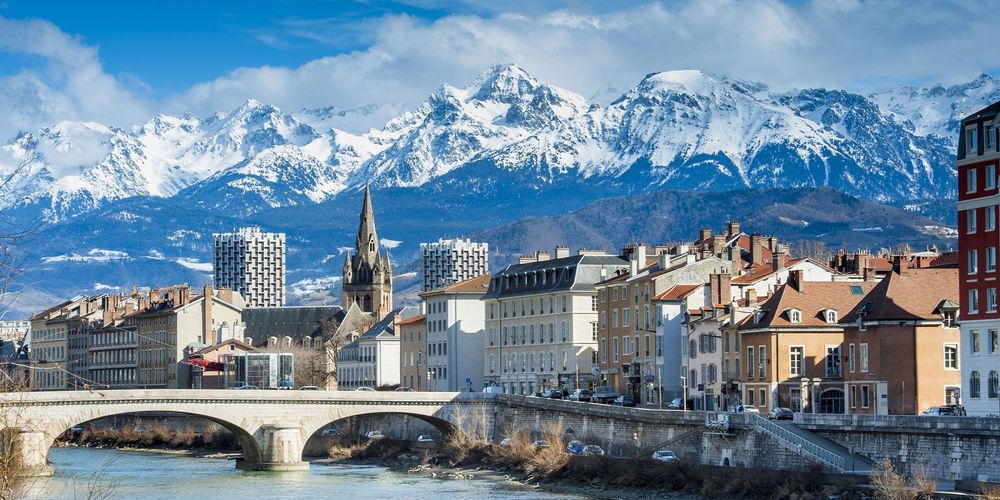
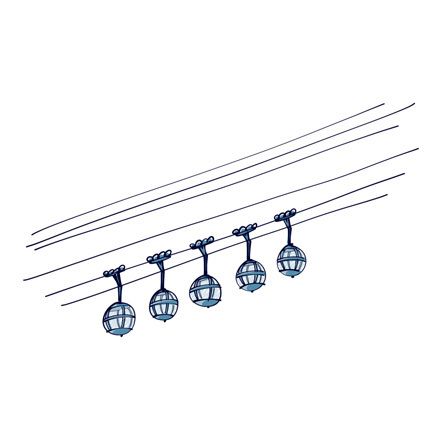
This tour of Grenoble invites you into the heart of a dramatic natural bowl, encircled by the mountain walls of the Vercors, Chartreuse, and Belledonne. Look out for the iconic “Grenoble Cable Car,” those distinctive glass bubbles gliding above the Isère River, before wandering into the old town with its lively squares and colorful façades. Between the bold lines of contemporary architecture and the commanding presence of the Bastille of Grenoble overlooking the city, Grenoble reveals a character that is both energetic and unmistakably alpine. It’s a walk that moves from city gardens to sweeping views of snow-capped peaks, capturing the full spirit of a metropolis set high among the mountains.
Quand partir à Grenoble ?
Jan.
6°
9
Feb.
8°
8
March
13°
9
April
17°
10
May
21°
11
June
25°
9
July
28°
8
Aug.
27°
8
Sept.
23°
8
Oct.
17°
9
Nov.
11°
10
Dec.
7°
10
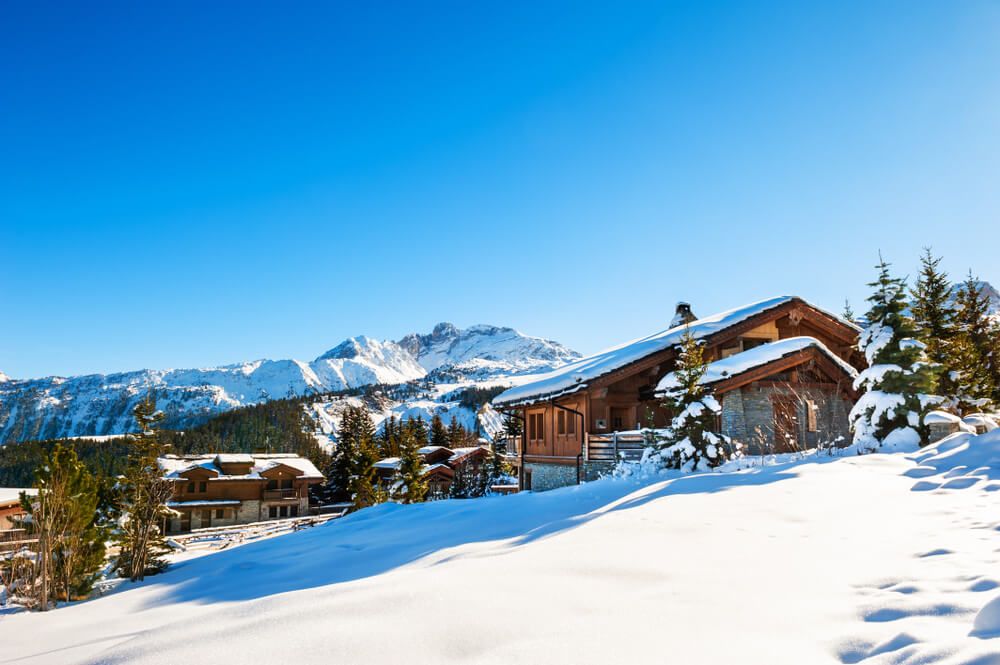
Grenoble enjoys a semi-continental climate with a mountain influence, marked by striking thermal contrasts: summers are often very hot and humid, regularly exceeding 28°C due to its location in a valley basin, while winters are cold and can be snowy, with averages close to 0°C. The ideal periods to discover the "Capital of the Alps" and take the cable car up to the Bastille are spring (May and June) and autumn (September and October), offering mild temperatures and clear skies to admire the Vercors, Chartreuse, and Belledonne massifs. The month of January is the preferred time for winter sports enthusiasts who use the city as a gateway to the ski resorts, while the beginning of summer remains perfect for enjoying the many surrounding lakes before the intense heat of August.
Départ conseillé
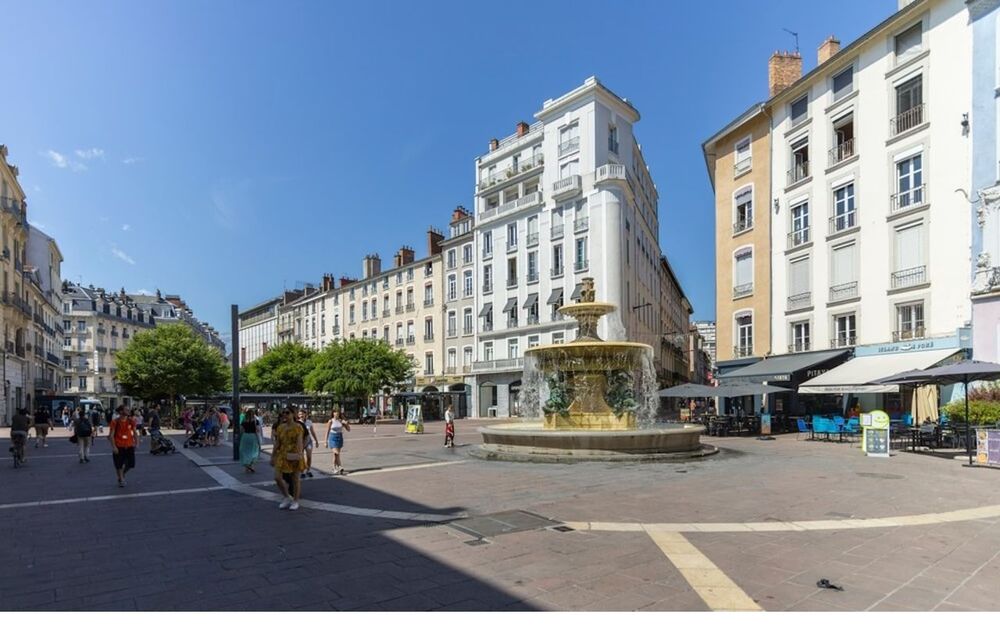
No need to worry about where to begin! Our tours are designed as a loop, so you can jump in wherever you are. The navigation system and audioguide will automatically adjust to your location. However, if you happen to be nearby, we do have a preferred starting point: Place Grenette
Parking à proximité
Parking Philippeville, 5 rue de Belgrade
Grenoble is an eco-friendly city that promotes sustainable transportation modes. If you choose to park on the street, make sure to check which zone you are in. The green zones are for long-term parking and residents. Parking is paid from 9 am to 12 pm and from 2 pm to 7 pm every day except Sundays and bank holidays. The orange and purple zones aim to stimulate downtown trade. You can park there for a maximum of 3 hours. Parking is paid from 9 am to 7 pm (half-price between 12 pm and 2 pm). It's free on Sundays and bank holidays.
Also, note that paid parking lots are slightly cheaper than street parking to avoid overcrowding in the city center.
À savoir
This visit of Grenoble takes you to the summit of the Bastille fort, which is a positive elevation gain of 285 meters. Two options are available to you: You can follow the route and hike up, or you can take the cable car. Infos, Prices and Schedule: https://bastille-grenoble.fr/
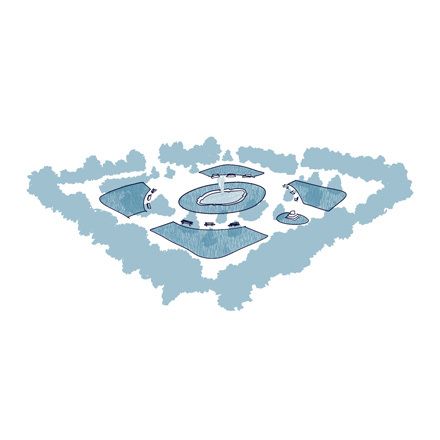
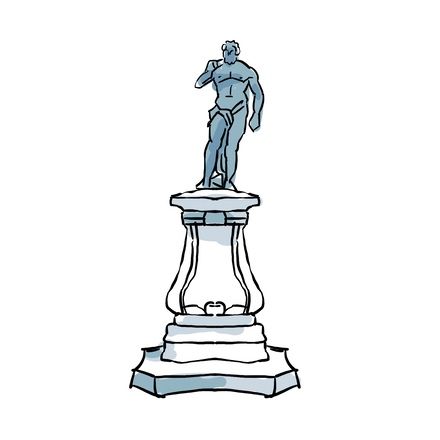
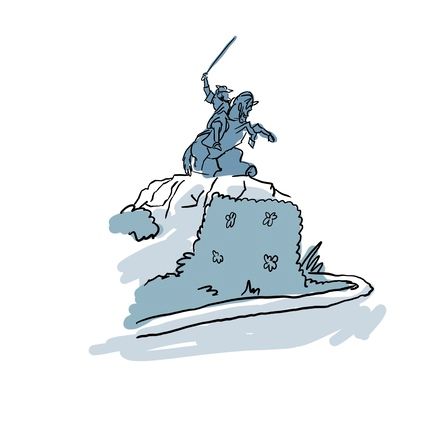
Découvrez 20 lieux d'intérêt pour visiter Grenoble


Le plein d'inspirations
Explorez le monde en totale liberté, à pied au cœur des villes ou au fil des routes. Nos guides audios transforment chaque destination en une découverte culturelle immersive et unique.
FAQ for visiting Grenoble
When is the best time to visit Grenoble?
The ideal time to visit Grenoble is in spring, particularly in May and June, as well as in autumn, in September and October. During these months, you enjoy mild temperatures and a generally clear sky that lets you admire the surrounding massifs perfectly. Summers can be very hot and muggy, often exceeding 28°C because of the town's bowl-shaped setting. If you are a winter sports enthusiast, January is perfect for enjoying Grenoble as a gateway to the surrounding ski resorts. Early summer is also pleasant for discovering the nearby lakes before the intense heat of August.
How many days do you need to visit Grenoble?
Two to three days make an ideal length of time to discover Grenoble and its main attractions. Over a weekend, you will have time to explore the historic centre with its lively squares and colourful façades, to ride up to the Bastille by cable car to enjoy the exceptional panorama, and to soak up the unique atmosphere of this capital of the Alps. If you have an extra day, you can deepen your visit to the museums or venture onto the first hiking trails accessible from the town. This length of time also lets you enjoy the terraces at a leisurely pace and taste the local specialities without rushing.
How do you get around Grenoble easily?
Grenoble has an excellent public transport network with its modern trams that efficiently serve the main neighbourhoods and tourist sites. The historic town centre is relatively compact and is pleasant to explore on foot, letting you stroll between the picturesque squares and lanes. For longer trips or those towards the outskirts, the tram lines are convenient and frequent. The town also encourages cycling with numerous bike lanes and a self-service rental system. If you wish to explore the mountainous surroundings, renting a car can prove useful, but it is not essential for discovering the heart of the city.
What are the must-see sites not to be missed?
Grenoble is full of fascinating sites that deserve your attention. The ride up to the Bastille by cable car, those famous "Bulles" that fly over the Isère, offers a spectacular view of the town and the surrounding massifs. The historic centre with Place Grenette and Place Saint-André immerses you in the authentic atmosphere of the city. Don't miss the Saint-Laurent quarter and its archaeological remains, as well as the Museum of Grenoble for art lovers. The Ryo audioguide accompanies you on this discovery with a narrated route that links these must-sees while revealing the history and anecdotes that give the capital of the Alps its charm.
How do you get up to the Bastille Fort?
The cable car remains the most iconic and spectacular way to reach the Bastille. These transparent spherical cabins, nicknamed the "Bulles", carry you in a few minutes above the Isère to the summit, offering breathtaking views during the ascent. For the more sporty, several footpaths also allow you to climb up on foot, notably from the Jardin des Dauphins or via the stairs of Guy-Pape park. The climb on foot takes about an hour depending on your pace and physical condition. Once at the top, you discover not only the historic fortifications but also an exceptional panorama of the town and the three massifs that surround it.
Is there a tourist pass to save money?
Grenoble generally offers attractive tourist packages that let you make substantial savings on your visits. These passes often include access to the main museums, sometimes the Bastille cable car, and may include public transport. The duration and content of these offers vary according to the season and your needs, with packages generally ranging from one to several days. It is recommended to check with the tourist office as soon as you arrive to learn about the available options and work out whether the investment is worthwhile according to your sightseeing programme. These passes are often a practical and economical solution for discovering the town with complete peace of mind.
What local culinary specialities should you try?
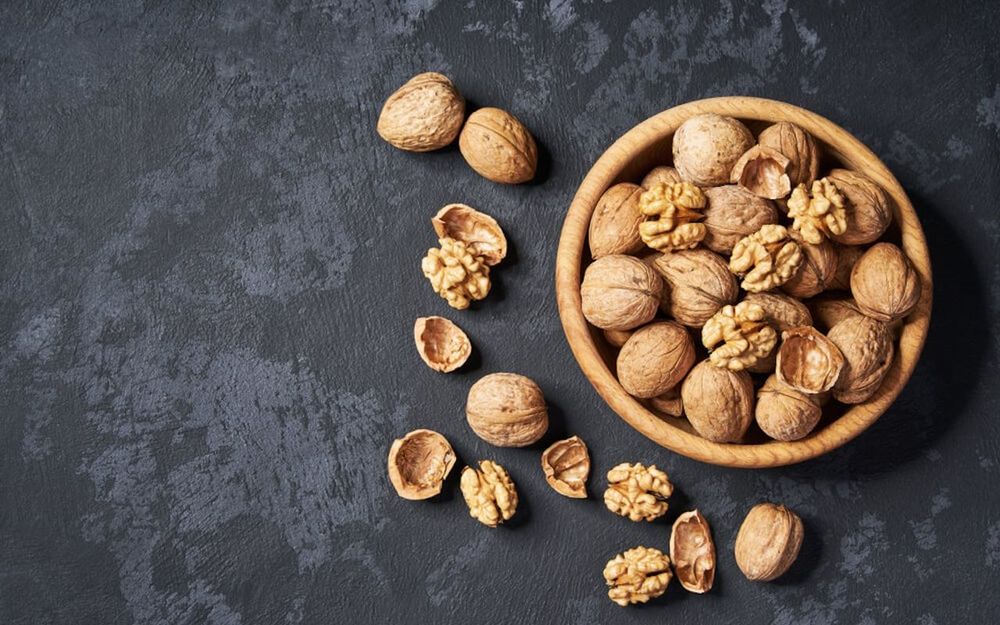
Grenoble's cuisine perfectly reflects its mountain character with generous and flavourful dishes. Gratin dauphinois remains the undisputed star, that creamy preparation of potatoes with cream that wonderfully accompanies meats. Grenoble walnuts, which enjoy a protected designation, come in oil, in cake or plain. Don't miss tasting the ravioles du Dauphiné, those small squares of pasta filled with cheese, as well as the local cheeses such as Saint-Marcellin or Bleu du Vercors-Sassenage. For dessert, let yourself be tempted by the walnut tart or Bonnat chocolates, a local institution for several generations.
Can you go hiking directly from the town centre?
Grenoble offers the unique advantage of being able to set off hiking directly from the urban centre. Several trails start at the edge of the town, notably towards the Chartreuse massif accessible from the Bastille, or towards the foothills of the Vercors via Saint-Martin-le-Vinoux. The routes vary in difficulty, from family walks along the Isère to more strenuous climbs towards the surrounding summits. The Chartreuse regional natural park offers waymarked itineraries accessible by public transport. This exceptional proximity between town and mountain makes Grenoble an ideal base camp for nature lovers, allowing you to combine urban discovery in the morning with a mountain escape in the afternoon.
Where can you see street art in Grenoble?
Grenoble has become one of France's street art capitals, thanks to a festival that hands whole façades over to artists from all over the world each year. The monumental murals number in the hundreds and cluster around the Berriat and Saint-Bruno districts, Rue Championnet and the banks of the Isère, though you will also find them on tower blocks in the outer estates and on isolated gable walls.
It all works beautifully on foot or by bike, as long as you look up: courtyard walls, electrical cabinets and shop shutters hold as many surprises as the large façades. The tourist office publishes maps and themed trails so you do not miss the major pieces, some of which disappear as building work goes on. The Ryo audio guide also offers a dedicated Grenoble route linking the historic centre to the surrounding districts.
Which museums are worth visiting in Grenoble?
The Musée de Grenoble is the city's great benchmark: its holdings of old master painting and, above all, of modern art, with a remarkable group of twentieth-century avant-garde works, make it one of the richest museums in France outside Paris. It sits beside the Jardin de Ville and combines easily with a stroll along the Isère.
The Musée Dauphinois, housed in a former convent clinging to the slopes below the Bastille, tells the story of Alpine life, the history of skiing and the people of the mountains, with a superb view over the city from its terraces. To these you can add the Musée de l'Ancien Évêché with the ancient baptistery uncovered beneath the square, the thoroughly documented Museum of the Resistance and Deportation, and Le Magasin, a contemporary art centre set in an industrial hall. Several of them, run by the department, are free to enter.
Vos commentaires, idées et suggestions
Aucun avis pour le moment