© Shutterstock
 Votre guide Ryo
Free Activities in Grenoble in 2026: Museums, Bastille, and Nature Tips
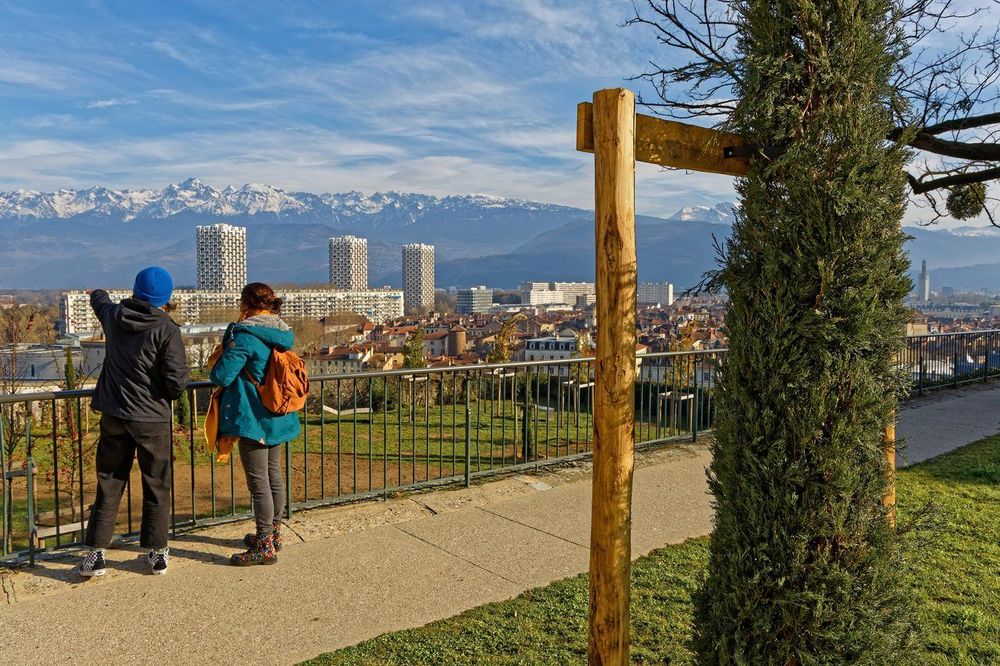
Looking for free activities in Grenoble is no consolation prize: here, your wallet can stay in your pocket for almost the entire day. Between the mountain ranges framing the city and four departmental museums that require no ticket at the door, the capital of the Alps offers visit after visit without ever feeling like a budget afterthought. To get your bearings before heading off to explore the lanes of the Vieux Grenoble, the Ryo audio-guided tour of Grenoble draws a first thread between the must-sees and the corners that few visitors ever notice.
Here, a departmental museum whose collections trace twenty centuries of history doesn't even have a ticket office, a fort perched at 476 metres can be climbed on foot rather than by cable car, and an augmented-reality app narrates eight centuries of urban development directly on your phone. Add to that a century-old covered market to wander through, a woodland where you can swim in summer without an entry ticket, and a G-PASS that lightens the bill at paid attractions, and Grenoble establishes itself as one of the most generous French cities for travellers on a budget — enough to fill several full days, from museum to the peaks of the Vercors.
1. Grenoble's Essential Free Museums
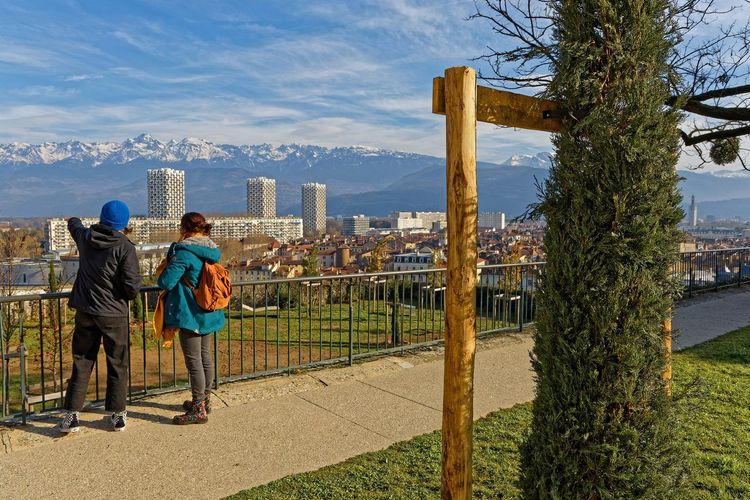
The Isère Department runs eleven free-entry museums, four of them located in Grenoble itself. In other words, looking for a free museum in Grenoble does not mean settling for second-rate collections: these are heritage holdings comparable to those of much larger cities. Only the Musée de Grenoble, a municipal museum, charges admission, with notable exceptions detailed just below.
The Musée de Grenoble and the Musée de l'Ancien Évêché, Historic Heart
The Musée de Grenoble holds one of the very first modern painting collections assembled in France, with canvases by Matisse, Rubens, and Chagall. It is the only major museum in the city that charges admission, but two routes exist to visit for free: under-26s enter at no cost all year round, and on the first Sunday of each month the collections open to everyone without passing through the cashier. Open every day except Tuesday, it occupies a glass building inaugurated in 1994 that has itself earned the city several architectural awards.
Nearby, the Musée de l'Ancien Évêché traces twenty centuries of urban history directly beneath the foundations of the former cathedral. Its early Christian baptistery, uncovered during excavations under the place Notre-Dame in the late 1980s, can be visited in situ, under glass, just a few metres below street level. As a departmental museum, it has no ticket office: the visit proceeds at your own pace, without an imposed guide, and generally takes just over an hour.
Musée Dauphinois and Musée de la Résistance et de la Déportation, Memory and Traditions
Perched on the slopes of the Bastille, the Musée Dauphinois occupies a 17th-century former convent and presents the mountain traditions of the Isère through regularly renewed exhibitions, from skiing to textile crafts. The walk up from the Saint-Laurent neighbourhood takes around ten minutes on foot and is already worth the trip for the view it offers over the city.
The Musée de la Résistance et de la Déportation de l'Isère (14 Rue Hébert, 38000 Grenoble, rated 4.6/5 on Google from 1,041 reviews) documents one of the most active resistance networks in France during the Second World War, through audiovisual testimonies and period objects. It adds a whole new dimension to a simple stroll through the streets of the historic centre. Add the Musée Archéologique Saint-Laurent on the other bank of the Isère, and the Musée Hébert in La Tronche, and you have a departmental network that allows you to string together two or three visits in a single day without ever reaching for your bank card, as long as you plan opening hours carefully.
2. The Fort de la Bastille: Trails, Panorama, and Views of the Alps
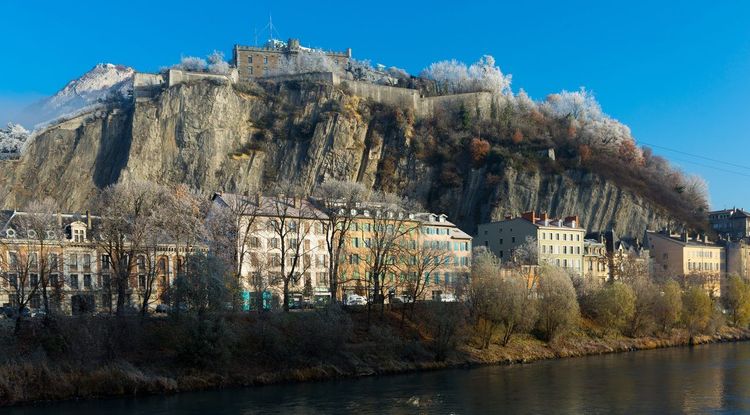
The silhouette of the Fort de la Bastille towers over Grenoble from 476 metres above sea level, and there is nothing to stop you reaching it on foot rather than by cable car.
The Walking Trails up from Saint-Laurent
Several paths climb from the Saint-Laurent neighbourhood to the summit, the most popular being the one that starts at the montée de Chalemont. Allow between 30 and 45 minutes of walking depending on your pace, over an elevation gain of around 260 metres. The switchback steps pass through former fortifications and offer intermediate viewpoints over the rooftops of the Vieux Grenoble, well before reaching the top.
A practical tip: set off early in the morning in summer. The first half of the climb is fully exposed to the sun and shade is scarce before noon.
The Fort, Its Gardens, and Its Panorama over the Alps
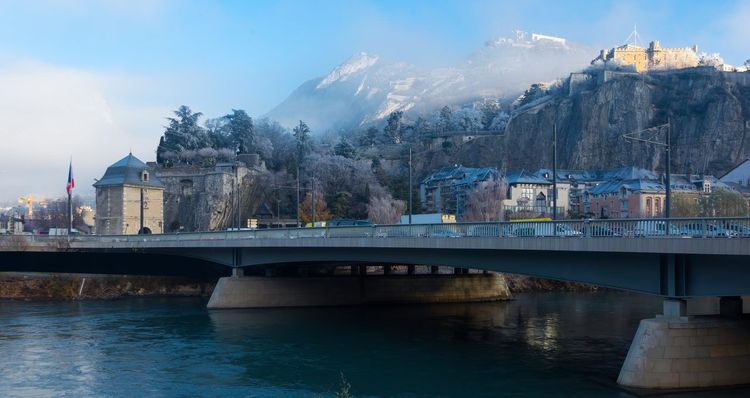
Once at the top, you can roam freely within the enclosure of the Fort de la Bastille and through its gardens with no entry fee or set schedule. The panorama sweeps across the Belledonne range, the Vercors massif, and on a clear day the foothills of the Chartreuse massif.
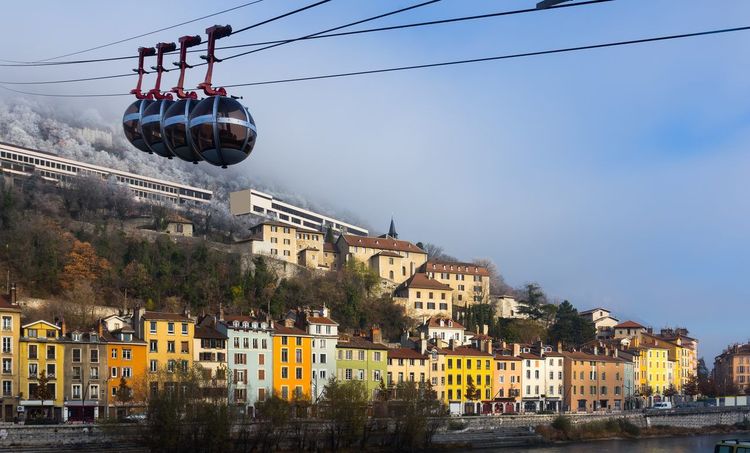
The Grenoble-Bastille Cable Car (Quai Stéphane Jay, 38000 Grenoble, rated 4.7/5 on Google from 1,640 reviews) remains the quickest option for coming back down, or for those who prefer to skip the effort, but it is a paid alternative: budget a few euros per person for a one-way ticket. There is nothing to stop you walking up and riding the bubble down, or the reverse, to combine effort and comfort according to how you feel on the day.
To extend the visit, the Ryocity Grenoble dedicates several of its 19 audio tracks to the Vieux Grenoble and the climb to the Bastille, with anecdotes you won't find on any tourist panel.
3. The Saint-Laurent Neighbourhood and Its Historic Lanes
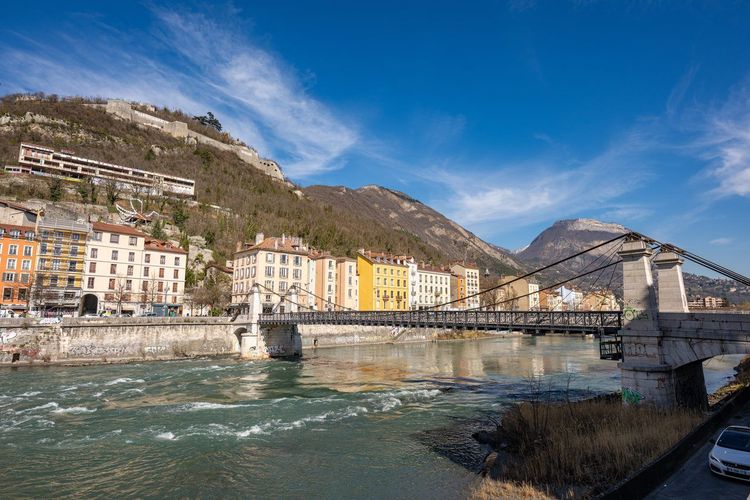
On the right bank, facing the historic centre, this neighbourhood of Italian origin packs a millennium-old church, a departmental museum, and the best viewpoint over the Bastille into just a few hundred metres.
The Lanes and the Église Saint-Laurent
On the right bank of the Isère, the Saint-Laurent neighbourhood retains a network of narrow lanes that long housed the city's craftsmen and tanners, before becoming one of the most popular areas for an evening stroll. The église Saint-Laurent now houses the Musée Archéologique Saint-Laurent, another free-entry departmental museum of the Isère. Beneath the nave, the Crypte Saint-Oyand, dated to the 6th century, ranks among the oldest Christian remains still visible in France: it can be seen from a metal walkway suspended above the excavations.
The Pont Saint-Laurent and the Right Bank of the Isère
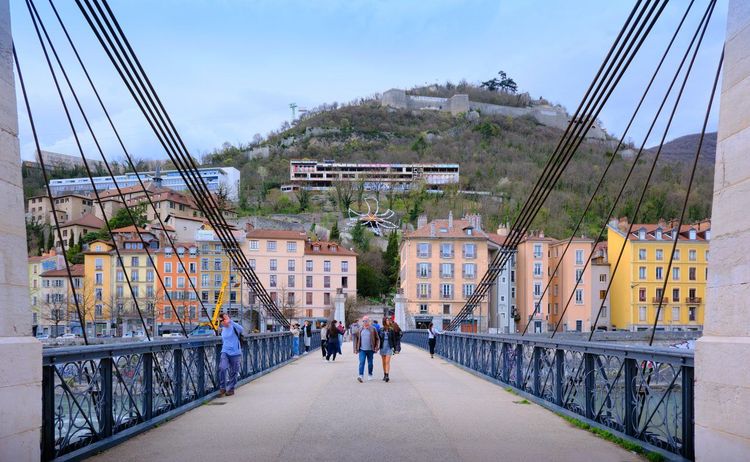
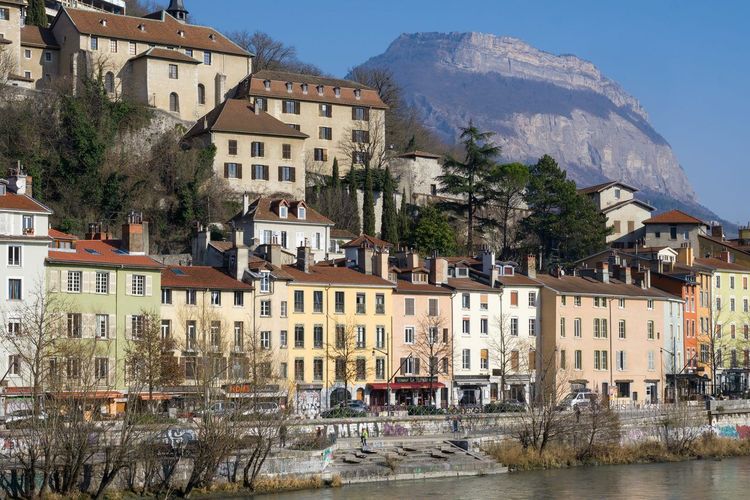
The pont Saint-Laurent, which connects this neighbourhood to the city centre, offers one of the best viewpoints over the Bastille and the colourful façades lining the quay. It is also the natural starting point for tackling the walk up to the fort described above: allow five minutes on foot between the bridge and the first switchbacks, making it an excellent landmark for organising your day without a complicated plan.
4. Open-Air Street Art: Murals and Contemporary Art
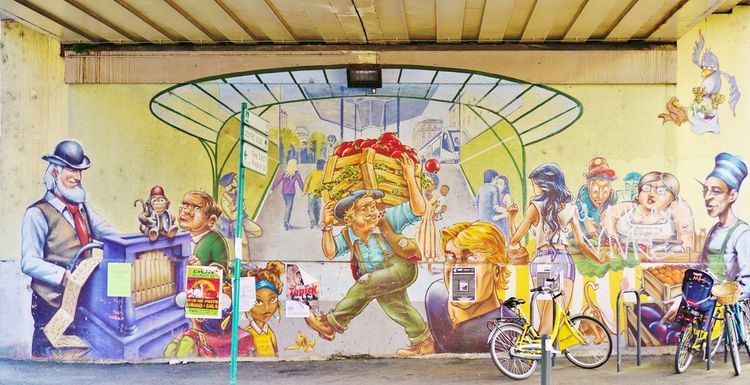
The Murals of the City Centre and the Berriat Neighbourhood
Grenoble has hosted the Grenoble Street Art Fest for around ten years, a festival that has transformed dozens of blank gable walls into monumental works. The Berriat neighbourhood has the highest density of murals, with pieces that sometimes cover entire façades across several storeys. A simple walk along rue Ampère, rue Nicolas Chorier, or cours Berriat is enough to take in around ten works without any prepared itinerary, as creations reveal themselves around every corner.
The Permanent Works Inherited from the Street Art Fest
Some murals, created by international artists such as Seth or Pantonio, are now considered permanent works and are maintained by the city. You will find them in the historic centre as well as in more outlying neighbourhoods such as Île Verte or Championnet. For the best photographic light, aim for late afternoon, when the sun grazes the west-facing façades — particularly numerous in this part of the city.
5. Parc Paul Mistral and the Jardin des Plantes, Green Lungs and Centuries-Old Trees
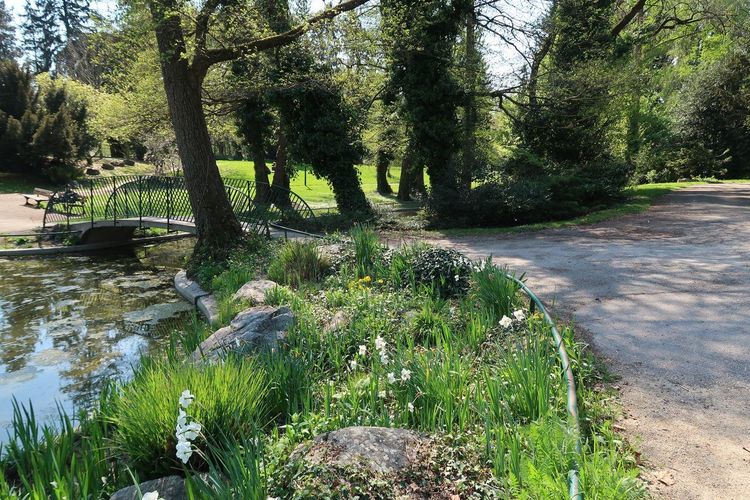
Parc Paul Mistral and Its Centuries-Old Trees
The Parc Paul Mistral stretches across twelve hectares and is home to several remarkable trees planted more than a century ago, including a giant sequoia visible from a distance. Originally laid out for the International Exhibition of White Coal in 1925, the park preserves a few vestiges of that era, such as the Tour Perret, built in reinforced concrete for the occasion and for a long time the tallest in France.
The Jardin des Plantes and the Jardin de Ville
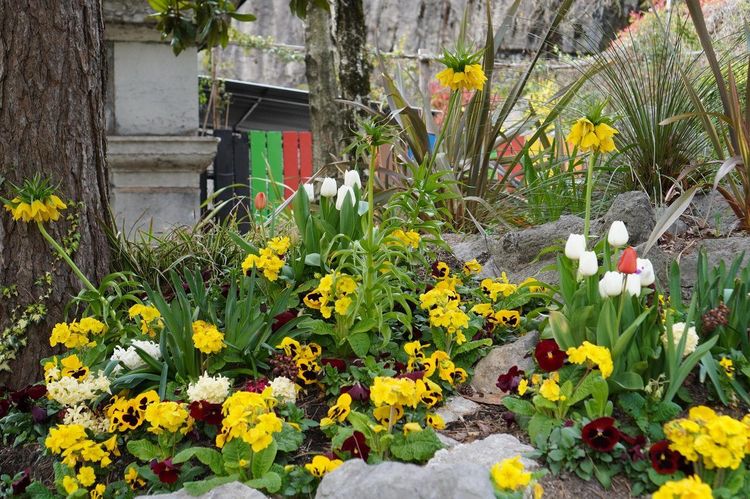
The Jardin des Plantes, attached to the Muséum de Grenoble, brings together more than 2,000 plant species across just over a hectare and is open year-round with no ticket office. Not far away, right in the city centre, the Jardin de Ville occupies the former grounds of the Palais du Parlement du Dauphiné and now serves as a quiet passage between the place Grenette and the Saint-Laurent neighbourhood, with benches shaded by centuries-old plane trees. The two gardens complement each other well: one for botany, the other for a peaceful break between visits.
6. The Halles Sainte-Claire, a Historic Covered Market
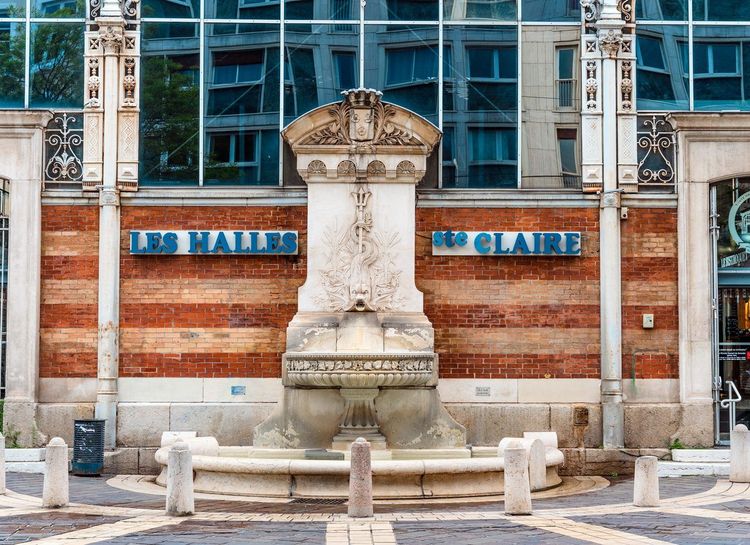
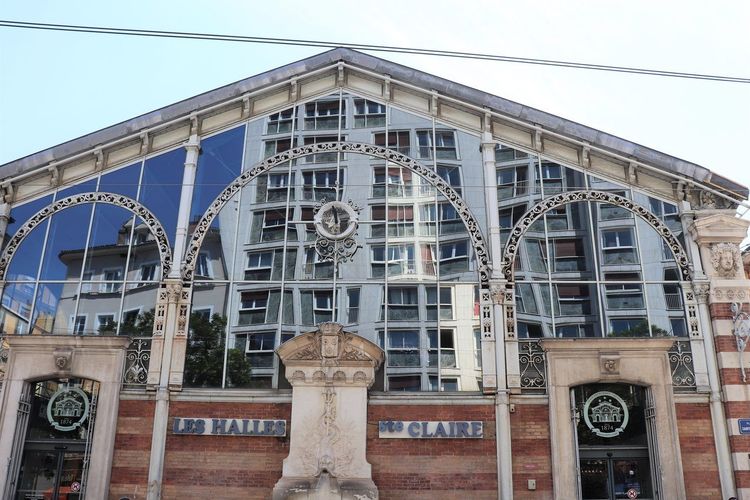
The Halles Sainte-Claire occupy a Baltard-style metal structure built in 1874, one of the last of its kind still in operation in France. The doors open from Tuesday to Sunday morning, and there is no need to buy anything to enjoy the atmosphere: the stalls of cheeses, charcuterie, and Alpine products are enough to fill a good half-hour of wandering, between the aromas and the conversations of the vendors.
Arrive before 9:30 a.m. if you want to avoid the Saturday morning crowds — the busiest period of the week — and enjoy the aisles without jostling for space.
7. Archistoire, an Augmented-Reality Walk through the Vieux Grenoble
How the Archistoire App Works
Archistoire is an augmented-reality app developed by the City of Grenoble, available to download for free on smartphones. It overlays 3D reconstructions onto sites in the Vieux Grenoble that have since disappeared or been transformed, such as former fortifications or buildings demolished in the 19th century. Simply point your phone at the marked locations to trigger the animation — no permanent internet connection required once the content has been downloaded.
The Route through the Vieux Grenoble
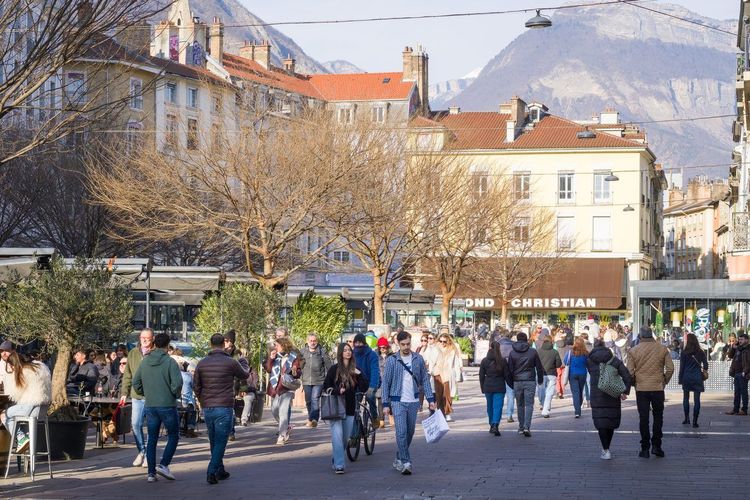
The suggested route allows you to dedicate an entire morning to eight centuries of urban history, complementing a stroll through the lanes of the Saint-Laurent neighbourhood or around the place Notre-Dame. It is a great way to prepare a discovery day in Grenoble before moving on to the museums or the climb to the Bastille, adding depth to façades that would otherwise go unnoticed. If you are staying longer, this Ryo guide to visiting Grenoble in 2 days follows the same neighbourhoods across a full weekend.
8. The Metropolitan Natural Spaces a Stone's Throw from the Centre
The Six Natural Spaces of the Grenoble Metropolitan Area
Grenoble Alpes Métropole manages six sensitive natural areas accessible free of charge around the urban area, ranging from wetlands to dry hillsides, designed to preserve biodiversity that urbanisation has pushed back elsewhere. Marked trails and educational panels allow you to explore them independently, without booking or entry fees, from spring through to autumn.
The Domaine de Chamechaude and Its Trails
The Domaine de Chamechaude, on the heights of the Chartreuse massif, opens its hiking trails in both summer and winter, with occasional guided activities organised by the metropolitan authority, such as snowshoe outings or wildlife discovery workshops. It makes a good base for a half-day nature outing, less than thirty minutes by car from the city centre. You will find everyone from families on a Sunday walk to runners training on the steeper slopes of the massif.
9. The Bois Français and Free Leisure Areas around Grenoble
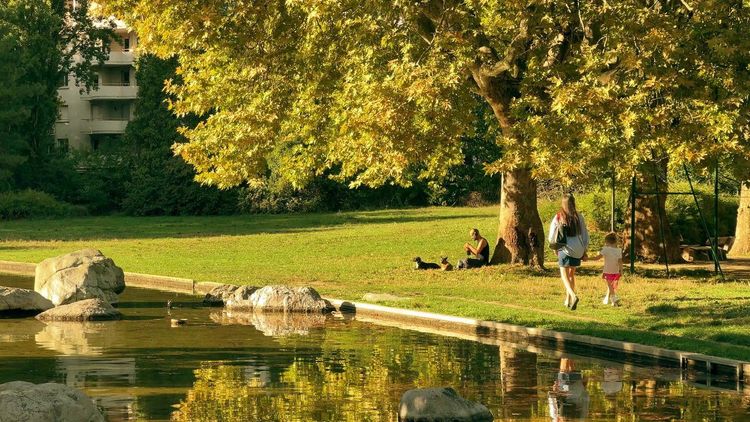
Swimming and Picnicking at the Bois Français
The Bois Français (Chemin du Bois Français, 38240 Meylan, rated 4.1/5 on Google from 1,301 reviews), a Tourisme et Handicap-certified leisure area in the Grésivaudan valley to the north-east of Grenoble, opens its supervised swimming area each summer, generally from late May to late August; the beach, lawns, and picnic areas can be reached without an entry fee. Only parking may be charged during peak season. Water quality is regularly monitored by the regional health agency, making it a reliable alternative to municipal swimming pools during heatwaves.
By car, allow around fifteen minutes from the centre of Grenoble; by public transport, several bus lines serve the site entrance during the summer season. Cycling is a pleasant option on busy days, as a cycle path follows the Isère all the way to the site.
Other Lakes and Leisure Areas in the Metropolitan Area
Beyond the Bois Français, the Grenoble metropolitan area has other lakes and leisure areas accessible without an entry fee, popular at weekends with families for a picnic or an afternoon in the shade. To explore this topic further, this Ryo guide to the best swimming spots near Grenoble details the alternatives by distance from the city centre and typical crowds in high season.
10. Free Events and Activities Not to Be Missed
The Summer Outdoor Programme
Every summer, the city and the metropolitan authority organise a programme of free events that animate the squares and gardens: open-air concerts, outdoor cinema, night markets. In 2026, this summer programme generally runs from June to September, with recurring events on the places Victor-Hugo and Notre-Dame. It is one of the best ways to know what to do in Grenoble today without consulting ten different websites: a single centralised calendar brings together the main events.
Where to Find the Free Events Calendar All Year Round
Outside of summer, the city's cultural calendar and local associations regularly publish events open to all: temporary exhibitions, vernissages, concerts at conservatories, and street performances. To plan free activities in Grenoble this weekend or on a specific Sunday, it is best to check this calendar at the start of the week: tickets for the most popular events go quickly, especially during school holidays.
11. Libraries and Solidarity Cultural Outings
Municipal Libraries, a Fun Refuge on Rainy Days
Grenoble's municipal library network comprises around ten branches spread across the different neighbourhoods, and the reading rooms are open to everyone, even without a library card. Children will find dedicated spaces with workshops and storytelling sessions, often requiring only simple registration. It is an ideal activity on rainy days or for spending an afternoon indoors in Grenoble, warm and budget-free.
Solidarity Schemes: Culture du Cœur and Shared Ticketing
The association Culture du Cœur Isère provides free tickets for shows, exhibitions, and sporting events to people in precarious situations, through a network of partner social workers. In parallel, the city regularly centralises information on cultural events open to all, with no means-testing. To broaden the list of possible outings throughout the year, this Ryo article lists the best things to do in Grenoble, paid or free.
12. Free Outdoor and Sports Activities
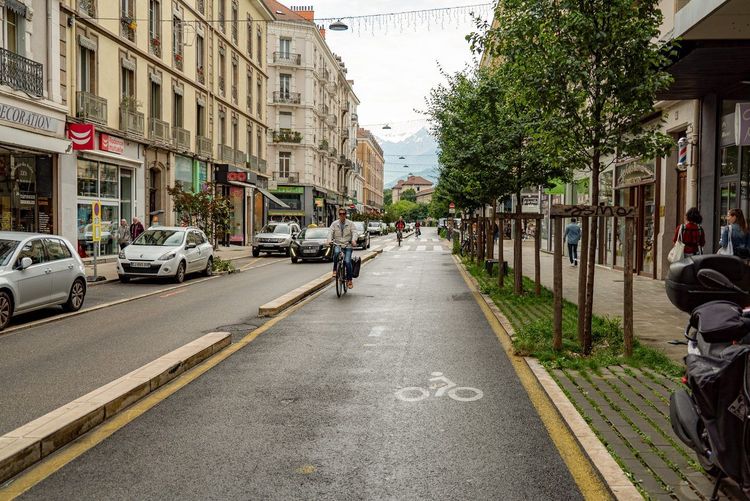
Cycling Routes and Urban Cycle Paths
Grenoble boasts one of the most developed cycling networks in France relative to its size, with paths running along the Isère and the Drac for several dozen kilometres. Métrovélo offers bikes for hire at reduced rates, but nothing stops you using the paths on your own bicycle for a ride that costs nothing but effort, all the way to neighbouring towns by simply following the river.
Outdoor Sports Activities Accessible to Everyone
Several of the city's parks, including the Parc Paul Mistral mentioned above, have freely accessible sports facilities: urban fitness equipment, pétanque courts, and multi-sport pitches. Local associations also periodically organise outdoor group sports sessions, particularly along the banks of the Isère in spring and summer, open to all disciplines and all levels.
13. Tips and Discounts: the G-PASS Grenoble Alpes
What the G-PASS Lets You Do at a Reduced Price
The G-PASS Grenoble Alpes is the discount card distributed by the tourist office: it reduces the cost of activities that are normally paid for, from the Bastille cable car to the Musée de Grenoble, as well as the ice rink and certain guided outings in the surrounding massifs. It is not a free pass, but a good way to fit both the free visits described above and two or three paid sites into the same stay.
How to Get the G-PASS
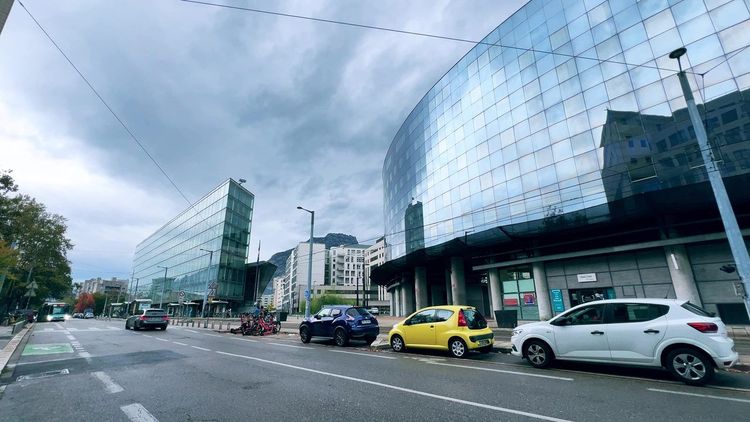
The pass is available from the Office de Tourisme Grenoble Alpes or its partners. Packages, validity periods, and prices change from season to season: check the current conditions before you travel rather than relying on a price you read elsewhere. Some packages include bus and tram public transport for the duration of validity, a real bonus if you plan to visit sites outside the city centre without buying multiple tickets.
14. Free Day Trips around Grenoble: Chartreuse and Vercors
Hikes and Villages of the Vercors
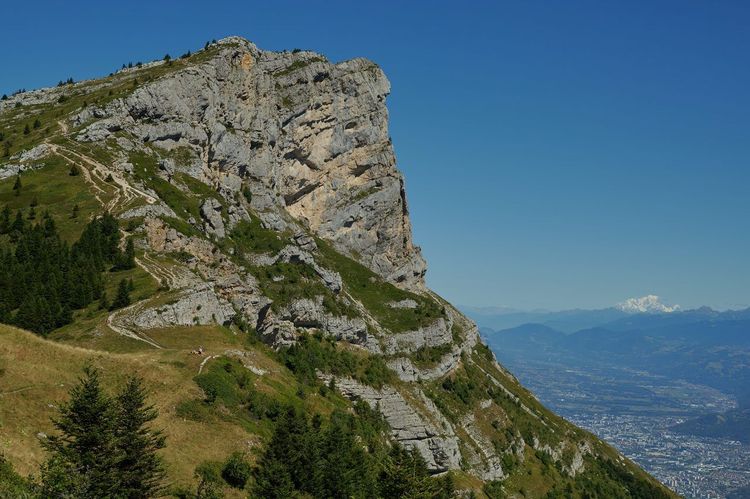
Less than an hour's drive away, the Vercors massif offers dozens of free hiking trails, from family walks to more demanding routes towards the high plateaus. Villages such as Villard-de-Lans or Autrans make a good base for exploring the area around Grenoble in a day. This Ryo article on the most beautiful hikes in the Vercors details several routes that require no specialist equipment, even for a first mountain outing.
The Chartreuse and Its Landscapes
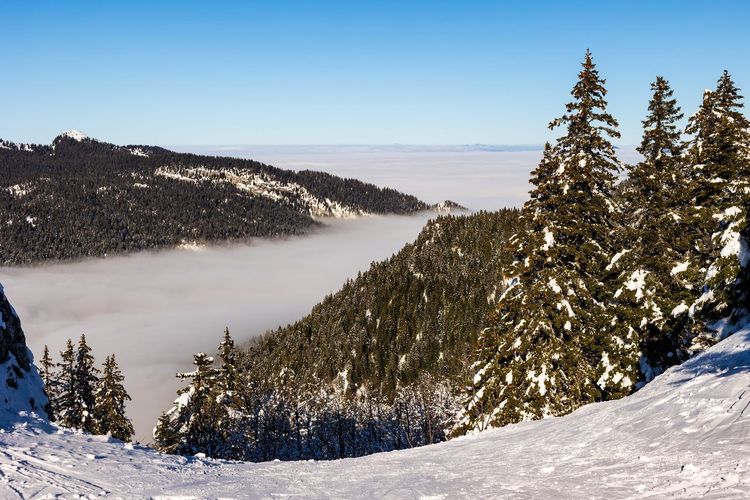
The Chartreuse massif, to the north of Grenoble, also offers a dense network of marked trails through deep forests and alpine pastures, with viewpoints over the city that are well worth a half-day detour. This Ryo guide to visiting the Chartreuse lists itinerary ideas based on fitness level and time available. Together, these two massifs cover the full range of nature outings around Grenoble, for anyone with a car or who is happy to carpool with other visitors.
15. Free Activities for the Evening or Indoors in Bad Weather
In the evening, free outings in summer revolve around the outdoor events mentioned above, and the rest of the year around exhibition vernissages and concerts open to all at conservatories. In bad weather, head for the departmental museums, a municipal library, or a wander through the Halles Sainte-Claire and the covered shopping arcades of the city centre. A free museum in Grenoble remains, in all weathers, the safest option for sheltering from the rain without spending a penny, even on a Sunday afternoon with no particular plan.
FAQ
What can you do in Grenoble when you have no money?
On a zero budget, focus on the free-entry departmental museums (Musée Dauphinois, Musée de l'Ancien Évêché, Musée de la Résistance et de la Déportation, Musée Archéologique Saint-Laurent), the walk up to the Fort de la Bastille, the city's parks, and the Archistoire app — enough to fill several full days without spending a euro.
Which museums are free in Grenoble?
Four departmental museums of the Isère open their doors free of charge in Grenoble: the Musée Dauphinois, the Musée de l'Ancien Évêché, the Musée de la Résistance et de la Déportation de l'Isère, and the Musée Archéologique Saint-Laurent. The Musée de Grenoble is municipal and charges admission, except for under-26s and on the first Sunday of each month.
What can you do for free in Grenoble on a Sunday?
On Sundays, parks and gardens remain open all day, the departmental museums operate on their usual hours (closed on Tuesdays), and the Halles Sainte-Claire market runs in the morning. It is also a good day to tackle the climb to the Bastille before the afternoon crowds arrive.
Where can you find free evening activities in Grenoble?
In the evening, look out for outdoor events organised in summer on the city-centre squares, or the vernissages and concerts regularly held at conservatories and certain municipal galleries, whose schedules are published on the city's cultural calendar.
What free indoor activities are there in Grenoble in bad weather?
In bad weather, the four departmental museums, the municipal libraries, and the Halles Sainte-Claire offer covered options at no cost. The Archistoire app can also be followed in part from sheltered viewpoints in the Vieux Grenoble, between showers.
How do you get the G-PASS and what does it give access to?
The G-PASS is available from the Office de Tourisme Grenoble Alpes. It provides discounts on paid attractions (Bastille cable car, Musée de Grenoble, ice rink) and, depending on the package, covers bus and tram public transport for its duration. Since packages and prices change regularly, check the details with the tourist office before your visit.
Between departmental museums, summits reachable on foot, and lakeside leisure areas, Grenoble proves that an Alpine city can be explored in depth without ever reaching for a bank card. The hardest part is deciding where to start: the Bastille for the panorama, the Halles Sainte-Claire for the atmosphere, or straight to the historic centre to visit the museums one after another.
To structure your visit and make the most of the places mentioned here, the Ryocity de Grenoble offers a complete audio-guided tour through the Vieux Grenoble and its surroundings — a great way to turn this list of free activities into a concrete itinerary for your next visit.
À lire également