

Créé par Emilie, le 17 nov. 2026
Votre guide Ryo
Annecy, France
The Venice of the Alps
Parcours audioguidé pour visiter Annecy en 1 jour
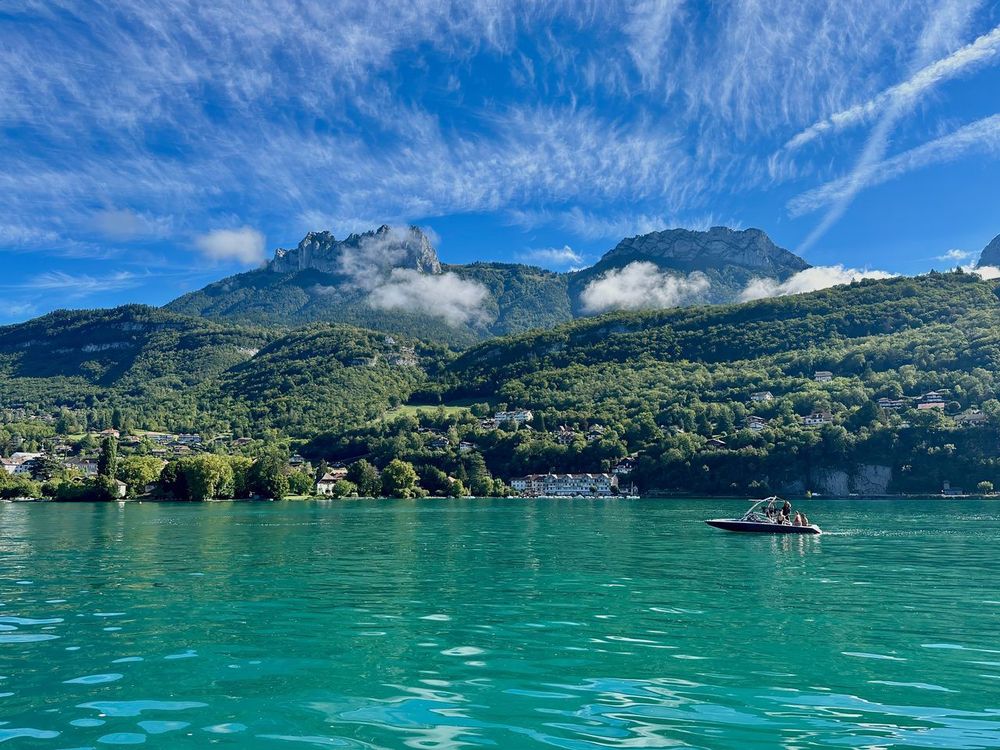
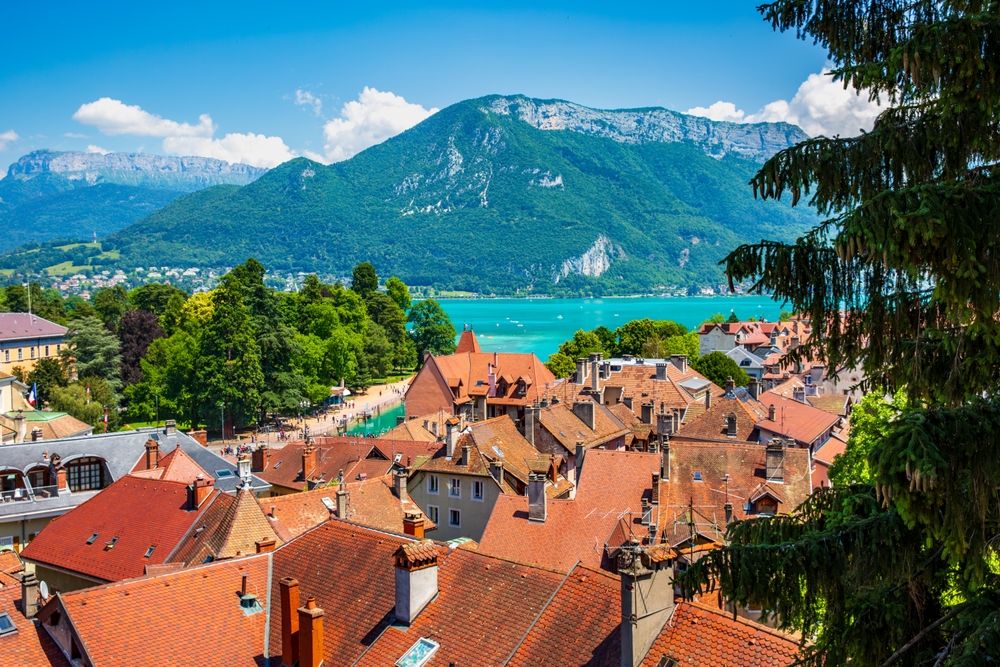
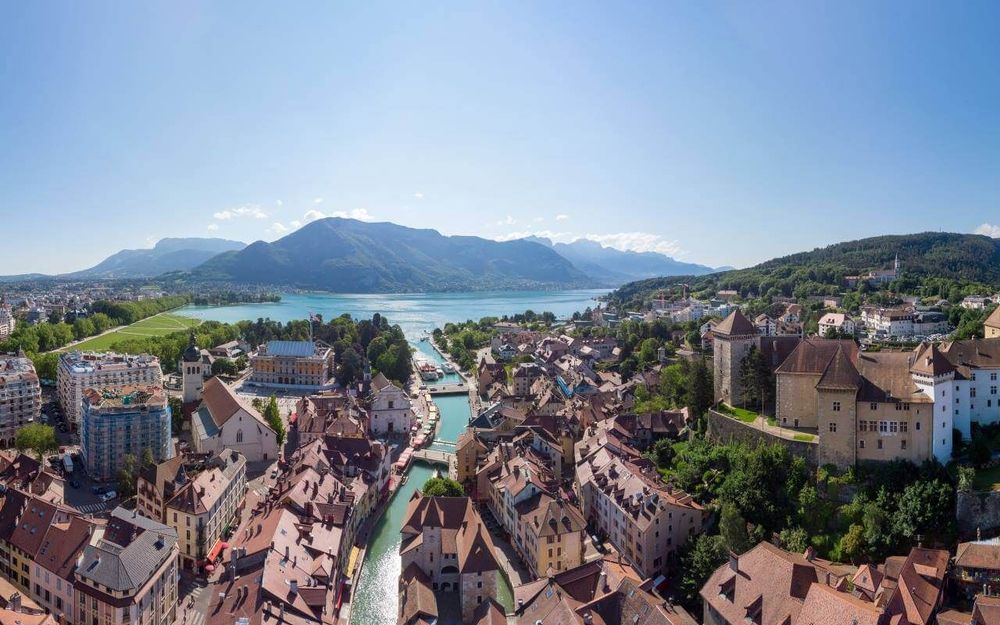
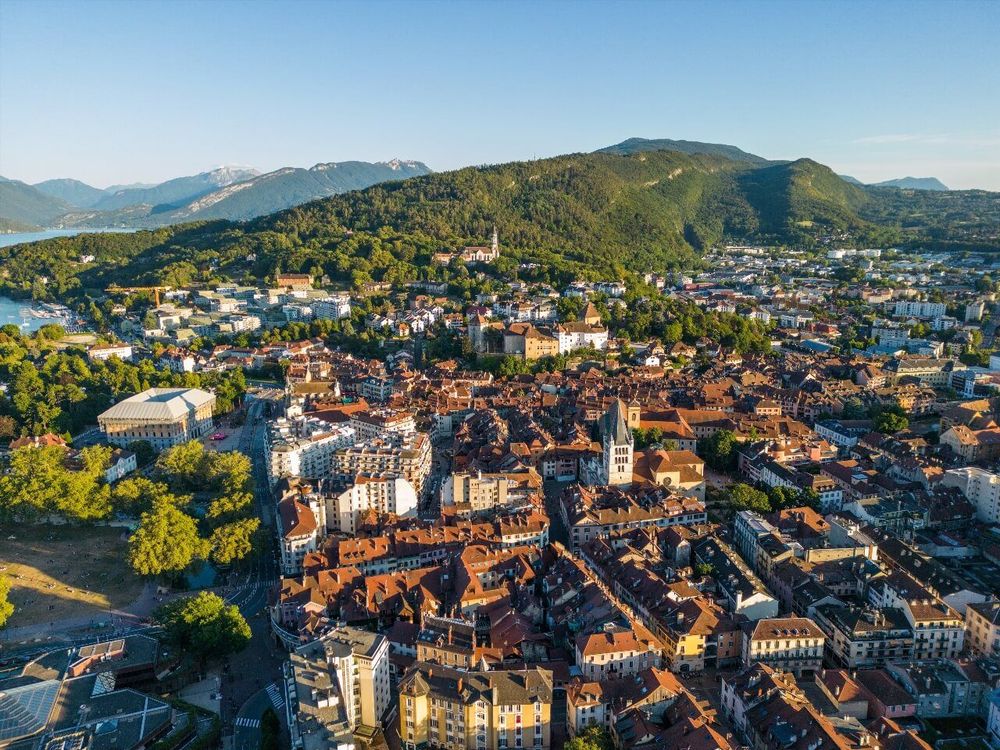
Set between lake and mountains, Annecy reveals a breathtaking natural setting paired with a historic center full of charm. With its winding canals, colorful streets, and rich Savoyard heritage, the city offers an atmosphere that feels both refined and full of life.
Quand partir à Annecy ?
Jan.
3°
11
Feb.
4°
10
March
8°
11
April
11°
12
May
15°
13
June
19°
13
July
22°
13
Aug.
22°
11
Sept.
18°
10
Oct.
12°
11
Nov.
7°
11
Dec.
4°
11
The climate is Mediterranean, with mild winters of around 5 to 15°C and hot summers, often between 28 and 35°C, or even more during heat waves; the best times to visit are generally from April to June and then from September to October, when temperatures are still very pleasant without reaching the summer peaks, allowing you to fully enjoy the towns, villages and coastline in more comfortable conditions than in the middle of summer.
Départ conseillé
No need to worry about where to begin! Our tours are designed as a loop, so you can jump in wherever you are. The navigation system and audioguide will automatically adjust to your location. However, if you happen to be nearby, we do have a preferred starting point : In front of the Bonlieu Cultural Center
Parking à proximité
Parking Bonlieu, rue Guillaume Fichet
Parking des Trésums : 6 Rue de la Providence
Parking de la Base Nautique Rue des Marquisats
Parking de la Tournette 10 Quai de la Tournette
If you prefer to park on the street, please note that parking is payable from Monday to Saturday, from 09:00 to 12:00 and from 14:00 to 19:00 in the red zone (limited to 2 hours and 15 minutes) and from 09:00 to 12:00 and from 14:00 to 18:00 in the green zone (limited to 7 hours). There is also a blue zone, with parking disc, intended to facilitate access to shops by limiting parking durations. Pay attention to the signs, each zone has a different maximum duration.
Découvrez 21 lieux d'intérêt pour visiter Annecy





What to see in Annecy on your 1h tour?
This 2.5 km loop takes about an hour and links 20 sights at the heart of Annecy. From the Pâquier, it crosses the Pont des Amours and the Jardins de l'Europe, before climbing toward the town hall and the Palais de l'Île, set on the Thiou canals. It climbs up to the castle, then comes back down through Rue Sainte-Claire and its old gates. With the app in your ears, every bridge or facade tells the story of the Venice of the Alps, at your pace.
Information checked in October 2026 and subject to change.
1 - The Pâquier
Across the canal stretches this vast lawn that locals still call by a name recalling the old pasture it once was, back when it lay outside the town. Over some seven hectares of green grass by the lake, people now come to picnic, read or simply stroll, far from the cattle of old. The quay you are following runs along a canal dug to fill the defensive moats of a once-fortified town. Its colourful boats, moored amid the lake's reflections, make for a lovely picture.
Free entry · Best in the evening
2 - The Pont des Amours
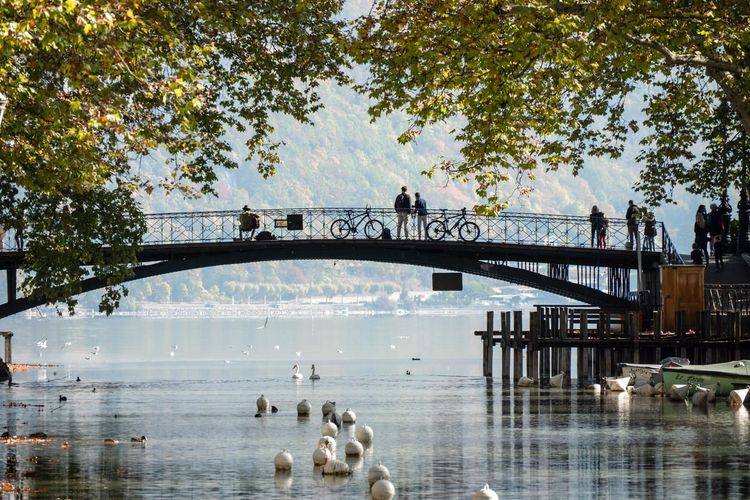
This elegant metal footbridge connects the green lawns by the lake to the gardens further along the shore, with a lovely outlook over the water and its boats. Its poetic name hides a murkier past: a century ago, the phrase also pointed to a disreputable part of town. Today only the legend matters, that a kiss shared here seals love forever, making it one of the city's most photographed spots. The trees lining the path mirror themselves in the still water, for a thoroughly romantic mood.
Free entry · Best in the evening
3 - The gardens of Europe
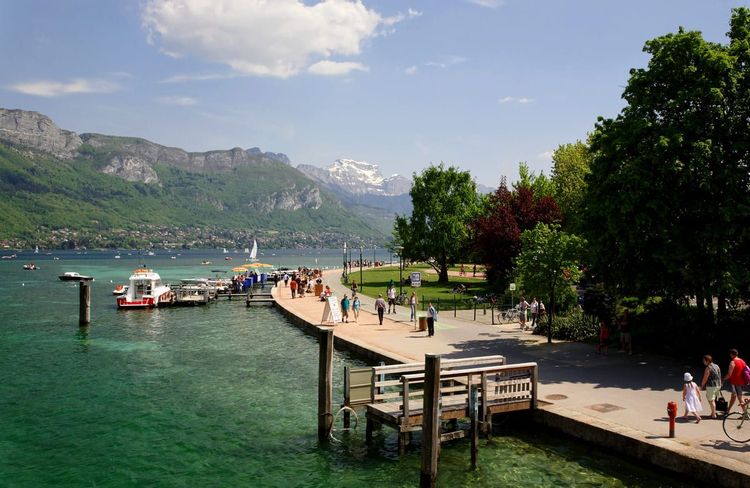
This English-style park occupies a small peninsula where the lake's waters flow into the canals. Laid out over the course of the 19th century, it had previously served as a quarantine island during epidemics, then as a promenade for a branch of the House of Savoy. Here you find trees from across the world, shaded lawns and several contemporary artworks, the fruit of a summer festival that dresses the city as an open-air gallery. A peaceful setting to take in the lake before reaching the nearby bridge.
Free entry
4 - Brother Arsen Sundial
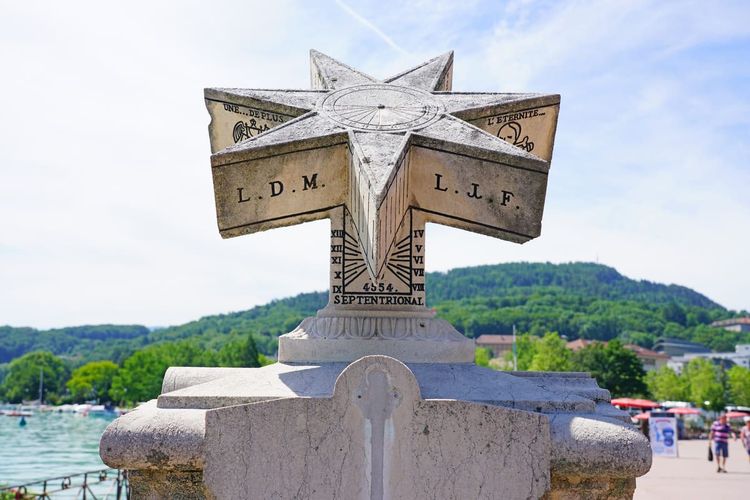
In the Jardins de l'Europe stands an odd seven-pointed, star-shaped instrument, designed in 1874 by a Capuchin monk from the city to read the hour from the sun's path. Its tilt precisely follows local latitude, running slightly ahead of Greenwich time, and separate dials even give summer and winter readings. A plaque on site explains, in fairly technical terms, this blend of astronomy and geometry, a surprising testament to one learned yet little-known friar's ingenuity.
Free entry
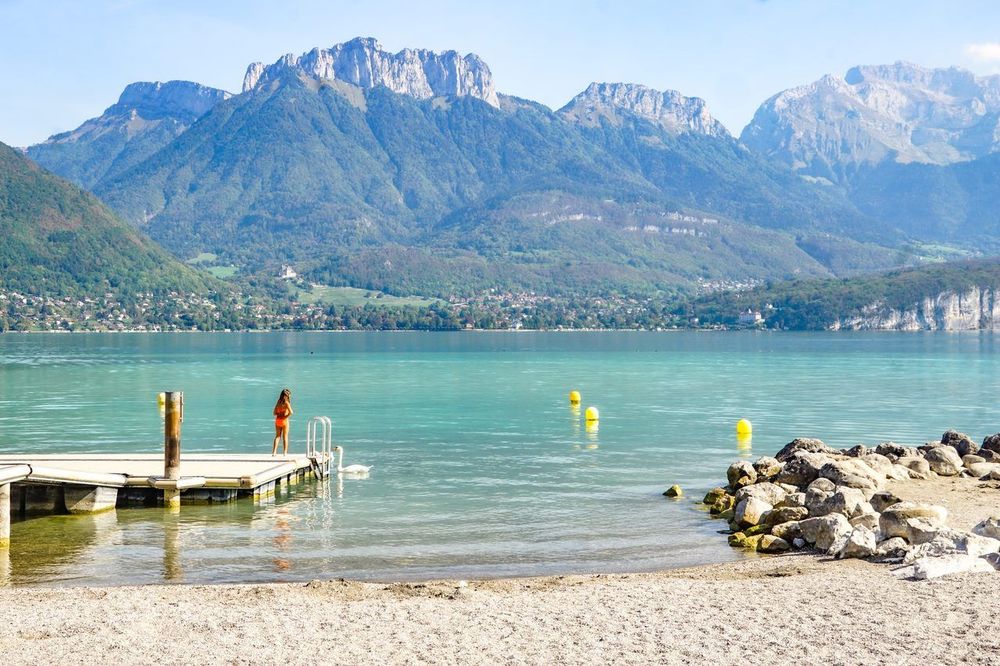
5 - The lake
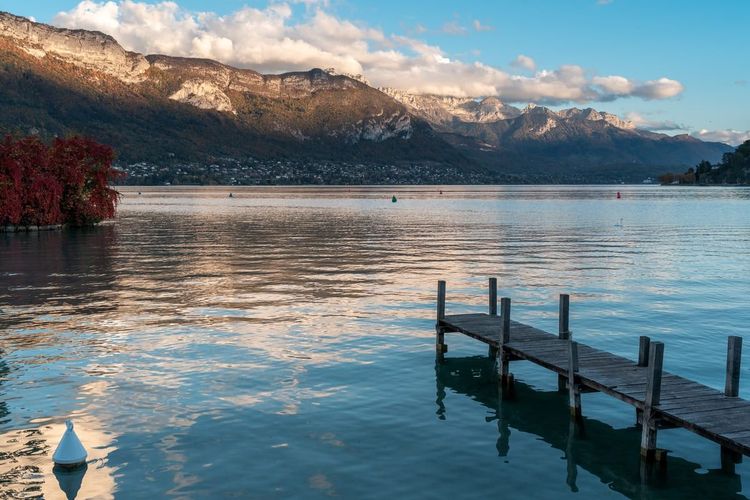
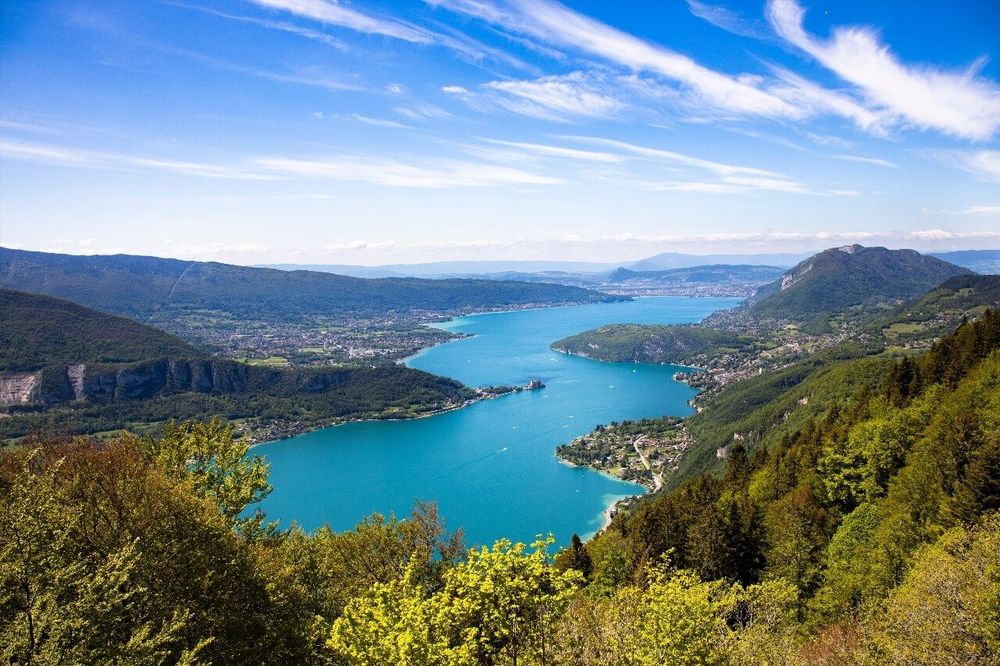
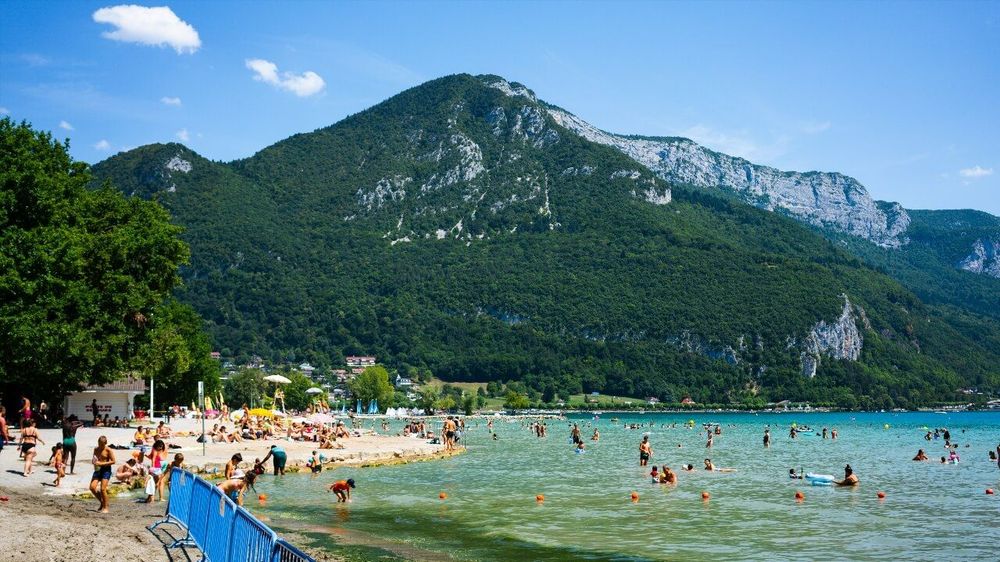
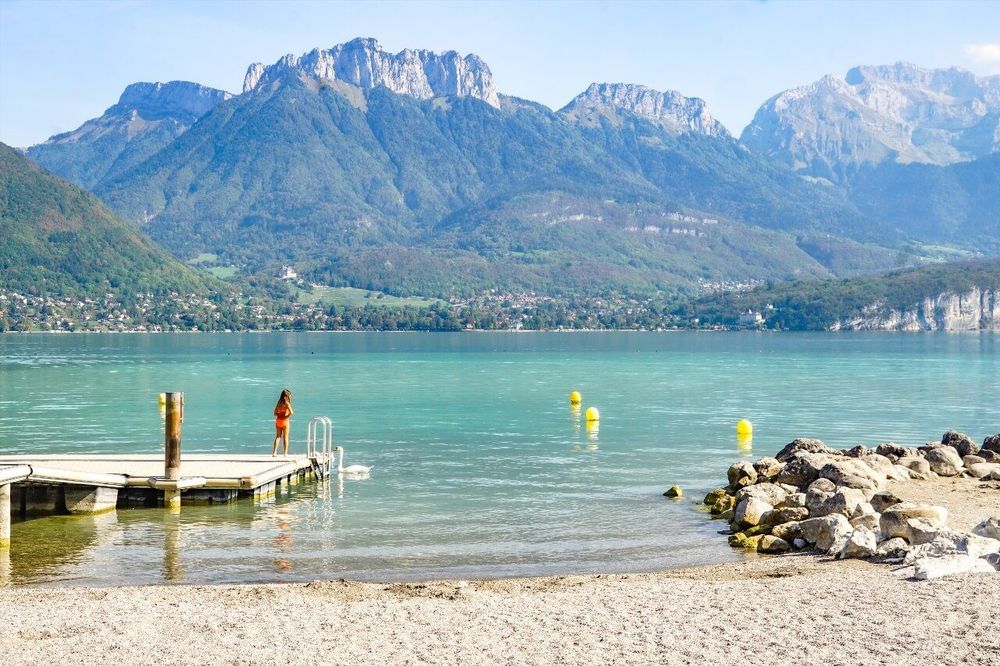
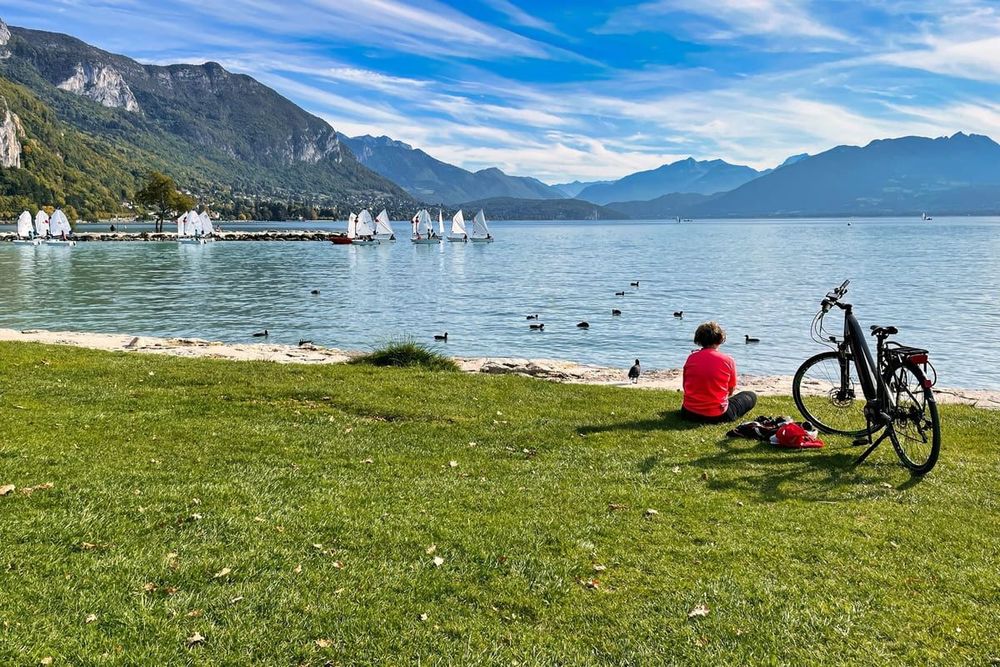
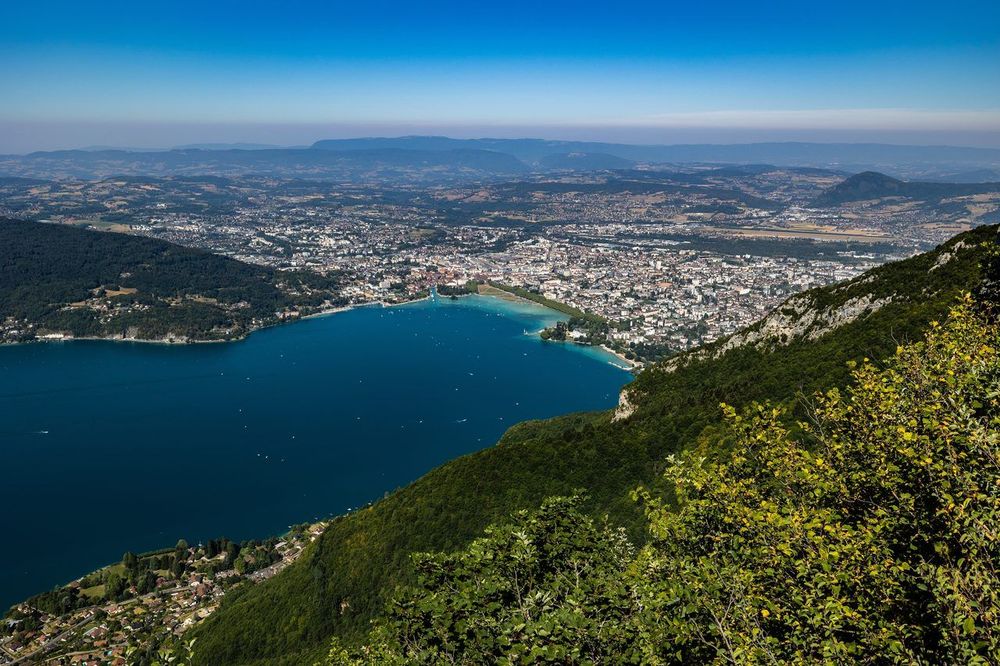
France's second-largest glacial lake, this turquoise-watered lake owes its reputation as one of Europe's purest to strict quality monitoring. Two alpine massifs frame it, offering trails, beaches and watersports all around its shores. Every August, a grand festival here commemorates an imperial couple's 19th-century visit, with one of Europe's finest fireworks displays. On its bed also lies the wreck of an old steamboat, now a prized dive site for divers from around the world.
Free entry
6 - Hôtel de Ville square
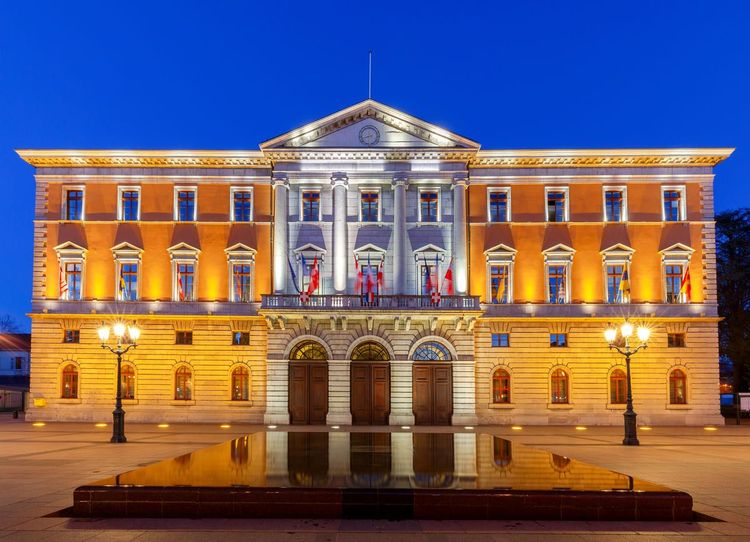
Facing the city's oldest church, this neoclassical building has served as the town hall since the mid-19th century, back when Savoy still belonged to the kingdom of Piedmont-Sardinia. It has in turn housed the local administration, the telegraph office, the library and even a courthouse. A fire in 2019 badly damaged its roof, which is why scaffolding still hides its lovely facade of columns and pediments, currently under repair.
Free to see from outside
7 - Saint-François-de-Sales church
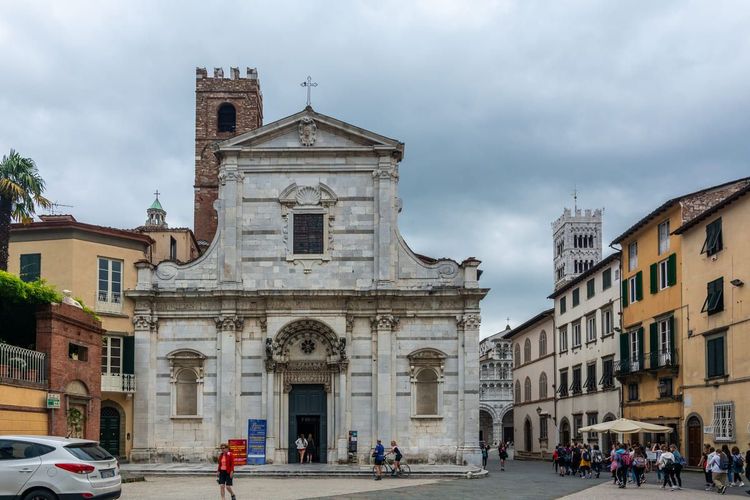
Built beside the Thiou in 1614 on the model of a great Roman sanctuary, this church is nicknamed the Italian church, since it still serves the city's Italian community, sometimes even for a mass in their language. It long held the remains of two great spiritual figures born in the region, a reforming bishop and his close friend, who co-founded a religious order with him, before they were moved to a nearby basilica. Its ornate interior holds several baroque altarpieces, best visited with quiet respect.
Free entry
8 - The Palais de l’île
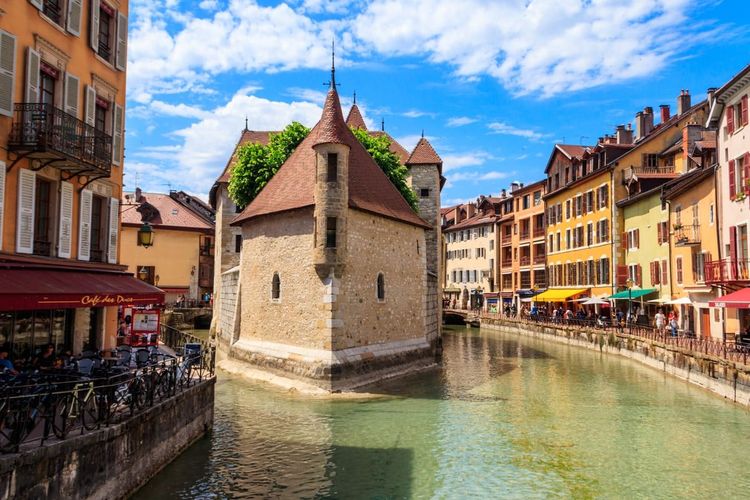
Perched on a rocky islet in the Thiou since the 12th century, this stone building shaped like a ship is the city's most photographed monument. First the stronghold of a local lord, it also occasionally served as a jail, then a mint, a courthouse, an almshouse and even a drawing school. Listed as a historic monument in 1900, it now houses a museum devoted to the city's heritage, but remains above all the go-to spot for admiring the old town.
Free to see from outside · Best in the evening
9 - Perrière gate
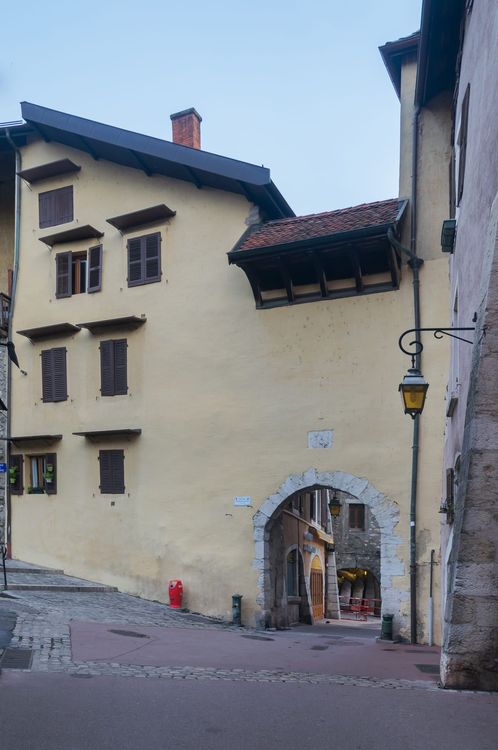
This stone gate, one of the best preserved of the old ramparts, once marked the compulsory entry point for travellers arriving from Italy or Savoy over the alpine passes. Above the archway, a carved fish recalls the city's emblem, chosen around the 15th century to celebrate the fishing trade tied to the lake. Standing at the foot of the hill that carries the castle, it still links the old town's lanes to the fortress looming above.
Free entry
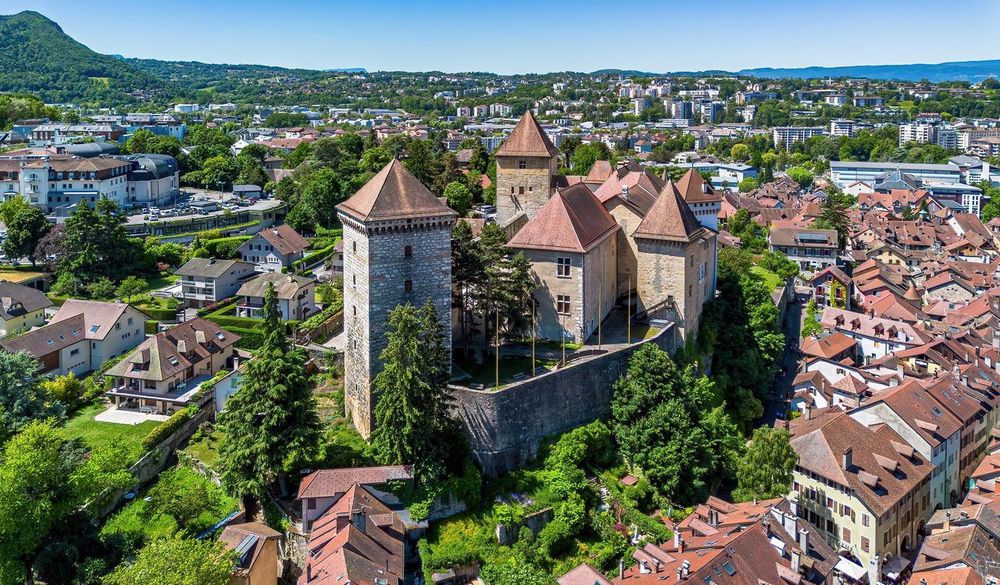
10 - Annecy Castle
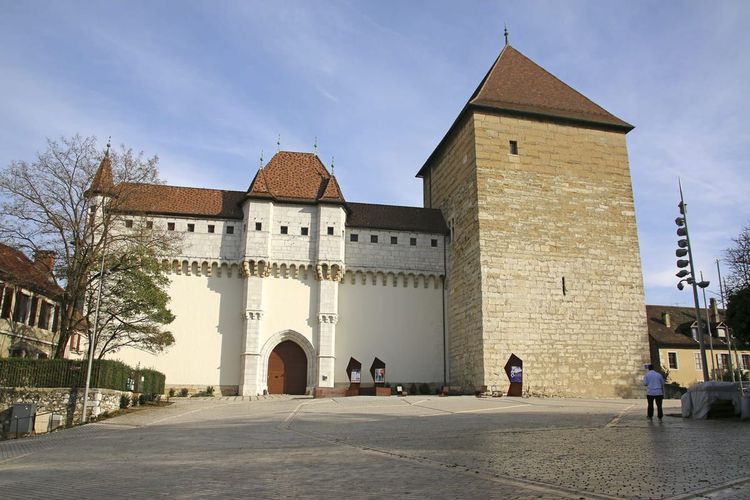
This medieval fortress, whose exact origins remain uncertain, was home to the counts of Geneva and later the dukes of Savoy, who turned it into a stage for negotiations, conflicts and princely visits. Its square tower, despite a legend about an imprisoned queen, mainly protected the site's most exposed side, while a 40-metre well supplied the garrison with water. Used as a barracks until the mid-20th century, it now houses a museum devoted to regional heritage and an observatory of alpine lakes.
Paid entry (about €6) · Allow 2 h
11 - Esplanade Saint Maurice
Far from the flower-lined canals and the sparkling lake, this esplanade offers an unexpected panorama over the tiled roofs of the old town, stepping down below with mountains as a backdrop. The view reveals another side of the city, more rugged, away from the tourist bustle of the quays. A peaceful spot to pause, breathe and take in a town built between water and summits.
Free entry
12 - Morens Bridge
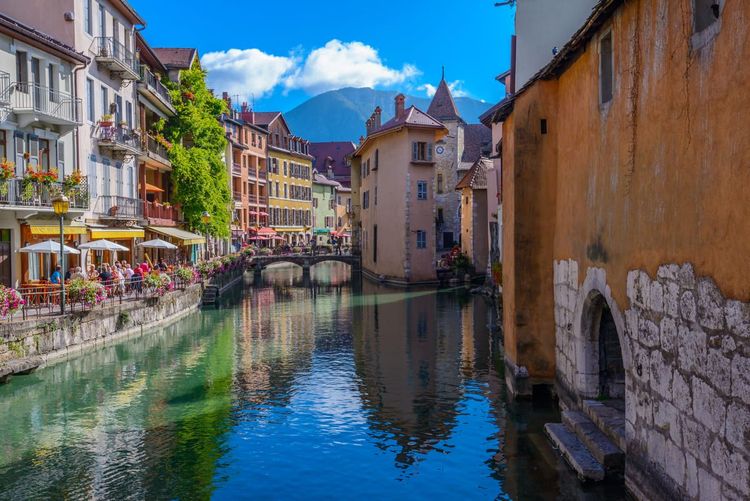
The city's first stone bridge, built in the 13th century, let the great road linking Geneva to Italy cross the Thiou, unlike its wooden predecessors, regularly swept away by floods. It long carried a chapel and several multi-storey houses, a pile so unstable it earned the nickname the wobbling castle, before it was all torn down in the 1880s to let more air and light reach the nearby quays. Now cleared, it remains a fine vantage point over the canals.
Free entry
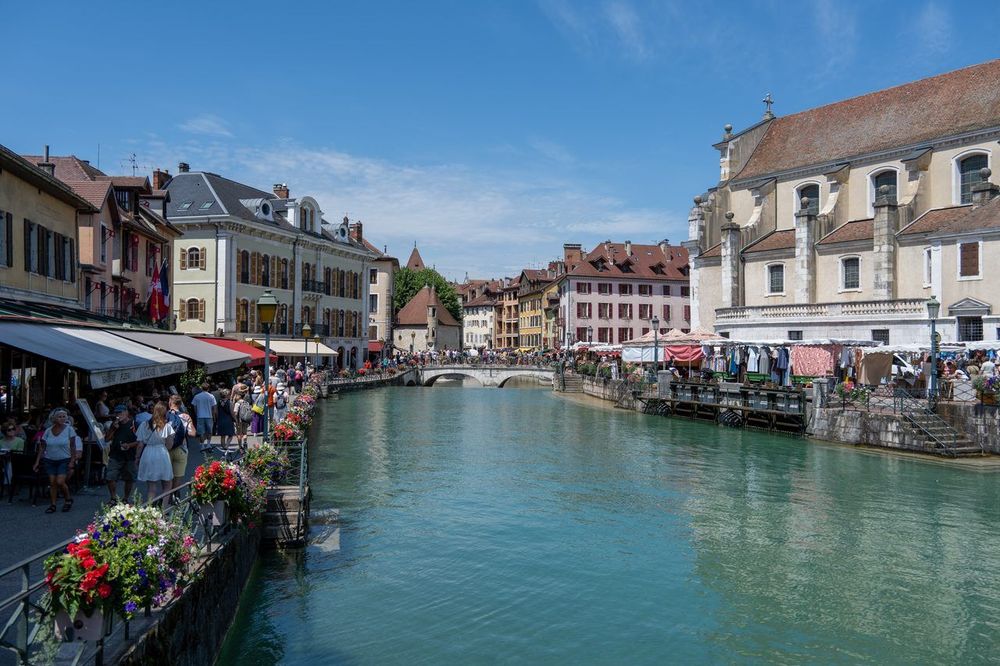
13 - The Évêché quay
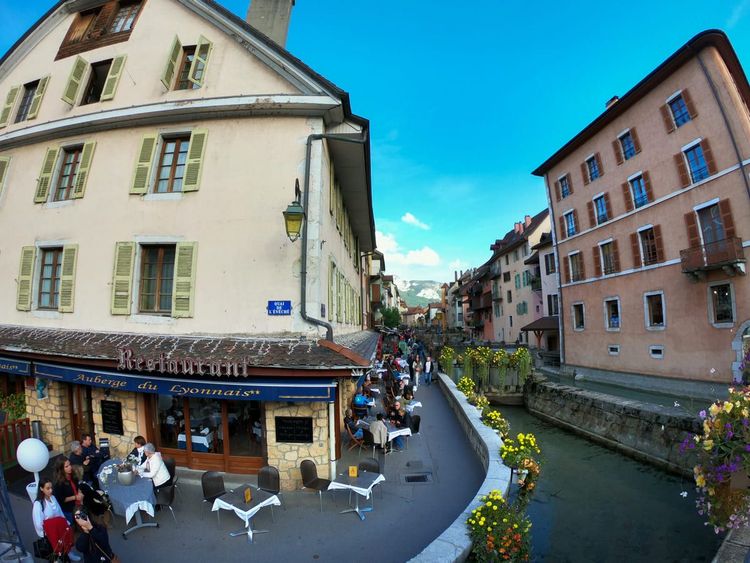
This quay, named after the nearby former bishop's residence, offers the most famous view of the Palais de l'Île, framed by the colourful facades and bridges of the Thiou. Built in stone on fragile ground near the lake, using a technique close to the one used in Venice, it has seen some buildings tilt slightly over time, as shown by a leaning doorway visible around a nearby corner. An iconic backdrop, the one that earns Annecy its Venetian nickname.
Free entry · Best in the evening
14 - Sainte Claire street
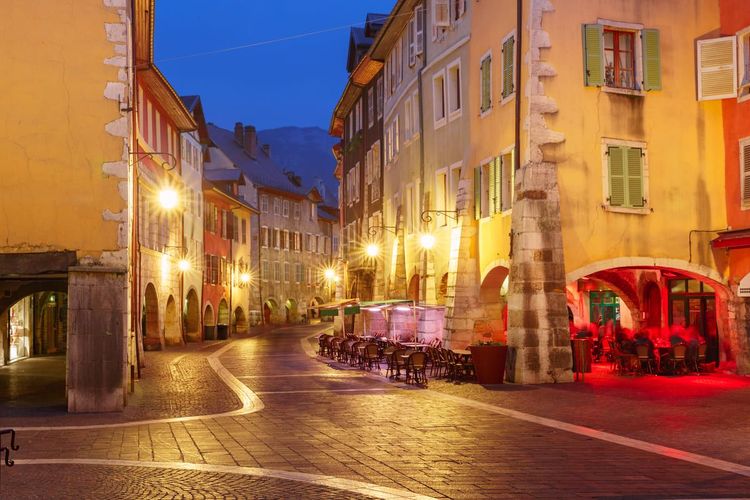
Once the first street allowing a full crossing of the town by cart, it is known for its arcades and its ochre, almond-green and pink facades. Still lively today, it is packed with souvenir shops, bars and restaurants serving Savoyard specialities: local cheeses, cold cuts, or the iconic baked potato dish the region is famous for. It is also a good place to shop, from a folding knife made in Savoy to the traditional wooden cup used to share a last drink among friends.
Free entry
15 - Sainte Claire square and gate
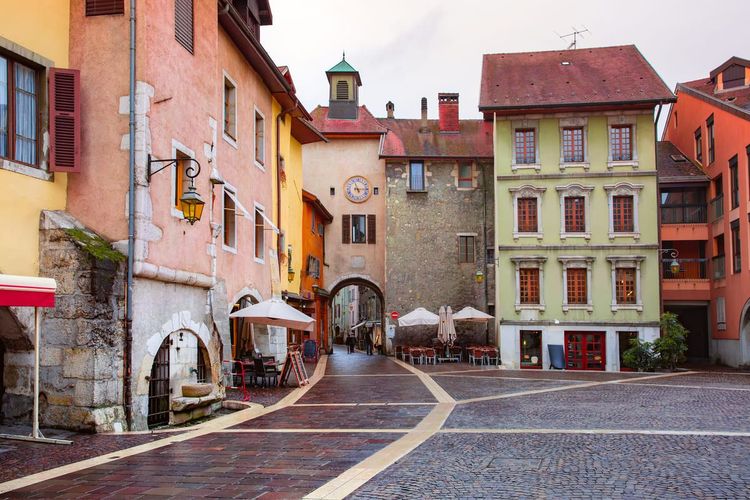
This square, with its rather modern look, hides a small fountain set against a pillar, an ingenious old water-supply device, long bricked up before restoration, marked with the fish that symbolises the lake-based economy. Right beside it, the gate of the same name kept its machicolations and bell tower: it once marked the arrival into town for travellers from Chambéry or Aix-les-Bains. To its right, a house with geometric lines, inspired by Turin architecture, stands out from the rest of the street.
Free entry
16 - The Thiou canals
Just a few kilometres long, this little river has nonetheless shaped the whole history of the town, once powering mills, forges and printworks with its current. It also once carried goods from the lake into the centre, and a lock still regulates the level of the water it drains away. Periodically emptied for maintenance, it remains the soul of the canals lined with colourful houses that earn the town its Venetian nickname, a setting made for an unhurried stroll.
Free entry
17 - Jean Jacques Rousseau bust
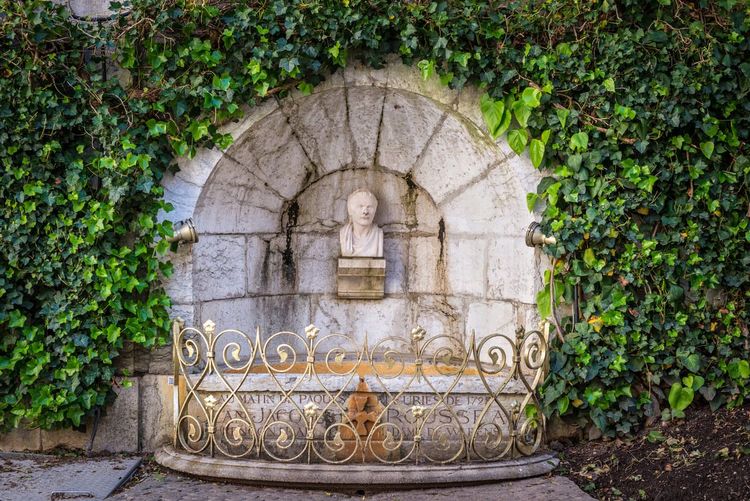
One Easter day in 1728, a teenager who had fled his homeland met here a baroness thirteen years his senior: so began, in his own words, the great happiness of his life. She took him in, educated him and shaped his future, before the pair later shared a closer relationship in Chambéry, and she would go on to inspire a female character in his most famous novel. This young man became one of the great Enlightenment thinkers, author of The Social Contract, and told of this meeting in his Confessions.
Free entry
18 - Notre-Dame de Liesse church
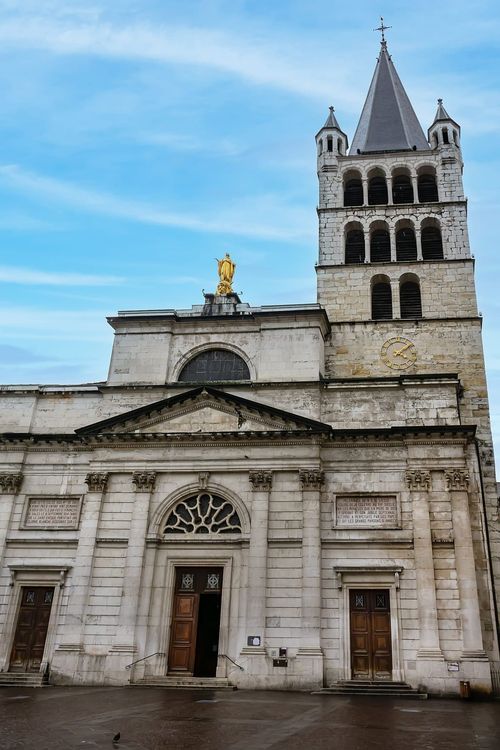
Founded in the 14th century by a regional noble dynasty wanting a burial place worthy of its rank, this church hosted a princely wedding in 1530 that earned it a tall bell tower, and later even received a prestigious relic. The Revolution stripped it of its choir, torn down to create the square where you now stand, before it was rebuilt in Sardinian style in the mid-19th century. To the left, the former town hall still bears the trout, the city's emblem, on its fine ironwork.
Free entry
19 - Saint Jean well
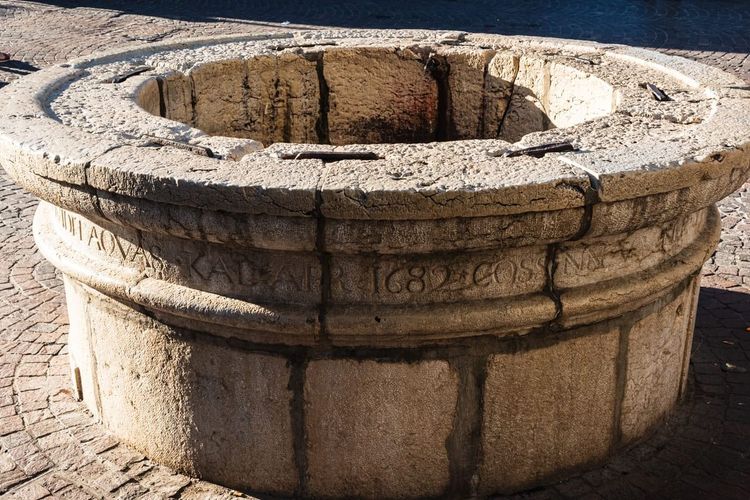
This well kerb dates back to the 15th century, long before running water arrived, when such water points were essential to the neighbourhood's daily life. The date carved on it marks not its construction but a later renovation. Simply standing at the corner of an arcaded street, it also recalls how the town swapped timber-framed houses for stone in the 16th century, a choice that still shapes the look of the historic centre today.
Free entry
20 - Old Hotel de Sales
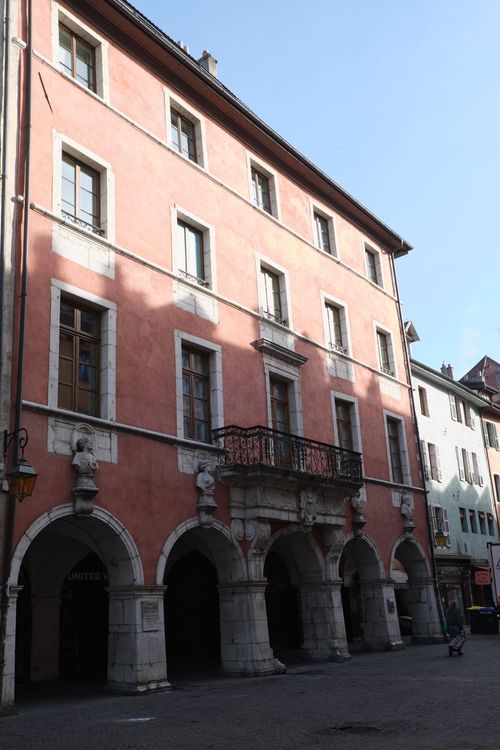
This private mansion, one of the few of its kind in town, was built by the family of a bishop who became a major spiritual figure of the region. In the 17th century it welcomed visiting Savoyard nobles, before being seized during the Revolution. Its arches carry busts symbolising the four seasons, and its wrought-iron balcony combines laurel leaves with an owner's initials. From 1815, the building housed the local bank, which issued its own currency until absorbed after the region joined France.
Free to see from outside
What to do in Annecy in 2 or 3 days?
The audioguided route loops in 1 h, over 2.5 km and 20 stops, from the Pâquier to the foot of the castle. With 2 or 3 days on hand, the town opens up at a slower pace, between old town, lake and nearby peaks.
The next day, head for the lakeshore: Marquisats beach and Impérial beach are both a walk from the centre, and the quays rent out pedal boats and paddleboards with no booking needed outside July-August. To plan these two days hour by hour, our itinerary to visit Annecy in 2 days also covers where to eat and sleep.
The third day climbs higher: a morning hike opens a 360° view over the Alps, before a pass where paragliders launch by the dozen once summer weather sets in. A castle lived in for centuries and a basilica holding Savoy's relics round out the plan.
Which neighbourhoods does the tour cross?
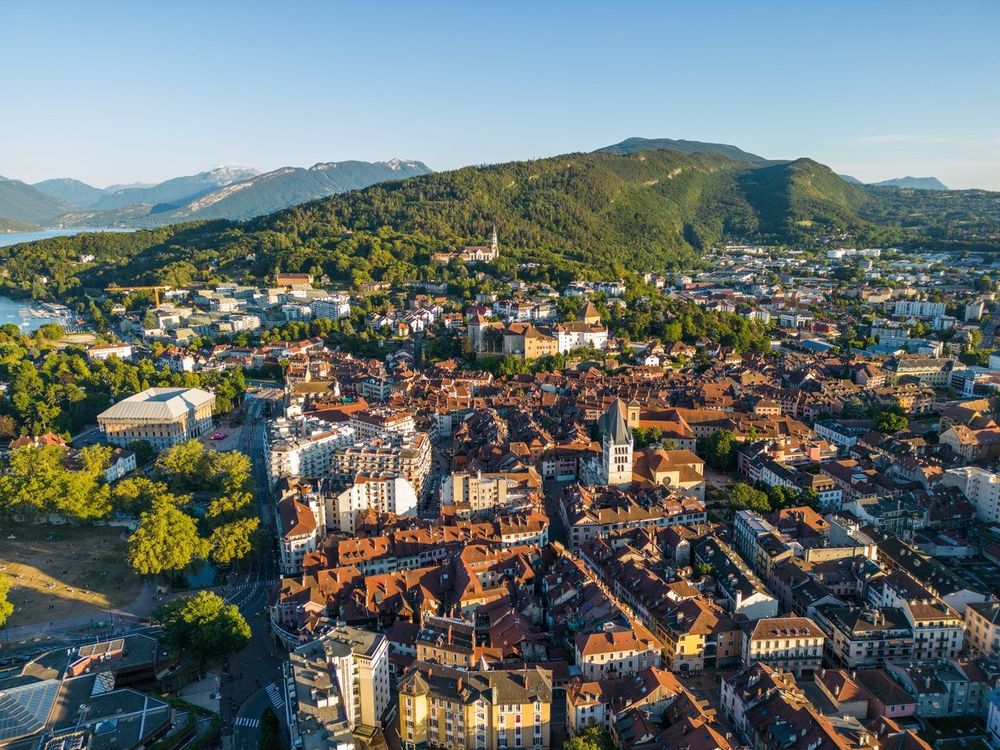
In a loop, the route follows the two canals that earned Annecy its nickname, the Venice of the Alps, from the lakeshore up to the foot of the castle.
It starts at the Pâquier, runs past the Pont des Amours and the Jardins de l'Europe, planted with rare trees, before reaching the lakeshore (steps 1 to 5).
Then comes the historic core: the town hall square, the Italian-style Saint-François-de-Sales church, the Palais de l'Île set on the Thiou, the Perrière gate and the climb to the castle (steps 6 to 10).
The route comes back down past the Saint-Maurice esplanade and the Thiou quays, crosses Rue Sainte-Claire under its arcades to the gate of the same name, then returns past the canals, the Rousseau bust and the last fortified gates of the old town (steps 11 to 20).
How much does it cost to visit Annecy?
Of the 20 stops on the route, 16 can be visited freely, with no restrictions at all. The other 4 work differently:
- the town hall, admired from the square;
- the Palais de l'Île, best seen from the quays, with an indoor museum at €4;
- the castle-museum, at €6.5 for close to 2 h of visit;
- the old Hôtel de Sales, mostly seen from its façade.
To see inside both the Palais de l'Île and the castle-museum in one go, the combined ticket costs €8 (€9 in July-August). And for a day out without spending a cent, our guide to free activities in Annecy lists more ideas, from the lake to the mountains.
Information checked in October 2026 and subject to change.
Where to stop for a bite along the tour?
The route's liveliest food street is Rue Sainte-Claire, under its arcades, where terraces crowd between cheesemongers and chocolate shops (step 14).
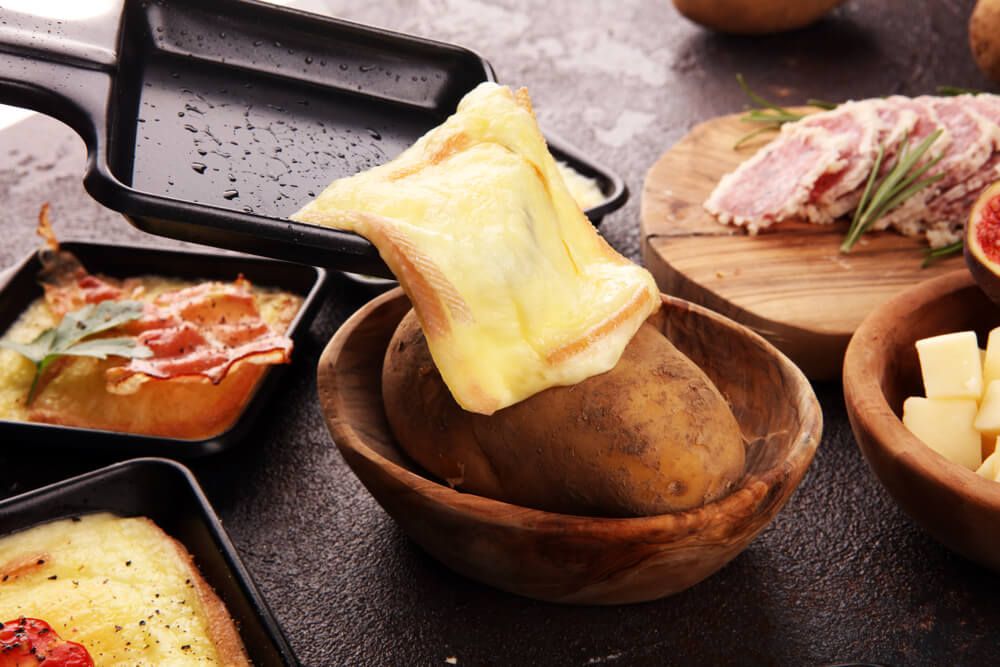
Under the arcades, try tartiflette, a bake of potatoes, bacon and reblochon, or fondue savoyarde, made with several mountain cheeses, garlic and white wine. Crozets, small square buckwheat pasta, are often cooked as a « croziflette », with onions, bacon and melted cheese on top. All these specialities, from raclette to diots, are detailed in our pick of Annecy's culinary specialities.
What to do in Annecy with children?
The old town works well for a family outing: the lanes are short, water is everywhere, and every bridge turns into a treasure hunt for younger visitors.
Inside the Palais de l'Île, the visit takes about 20 minutes, well within a child's patience, before stepping back out to photograph its ship-like shape from the quays. Swans and ducks on the Thiou canals draw attention, but they're best watched rather than fed, which has been banned for some years to protect water quality.
On rainy days, the arcades of Rue Sainte-Claire keep the walk dry, past chocolate-shop windows and tearooms; our guide to visiting Annecy with family covers more child-friendly stops, from the lake to the surrounding mountains.
What should you know before visiting Annecy?
Two things help plan the walk without surprises: the weather by season, and the hours when the busiest streets fill up.
Best to dodge peak summer heat: Annecy's climate often climbs to 28-35°C in the warm season, against 5-15°C in winter. To walk without sweating or shivering, April-June and September-October stay the most comfortable windows.
The old town is busiest between 10 am and 5 pm, from mid-July to mid-August; arriving before 9 am or after 6 pm changes the mood of the canals noticeably. On parking, street spaces downtown stay metered Monday to Saturday, with a 2 h 15 limit in the red zone at peak times.
What to see around Annecy?
Annecy is also a good base for day trips to nearby villages and several neighbouring audioguided routes.
The Gorges du Fier, in Lovagny, are a 25-minute drive away. Same direction for the village of Talloires, 12 km along the lake's eastern shore, or the Château de Menthon-Saint-Bernard, 10 km from the centre; our guide to activities in and around Annecy widens the choice further, from cycling round the lake to mountain trails.
Several nearby towns have their own audioguided route too: Aix-les-Bains, 29 km away, builds on its spa heritage beside another lake, while Geneva, 34 km away, unfolds its international quays around Lake Geneva. A little further, Chambéry, 40 km away, carries the imprint of the former Savoy capital, and Chamonix-Mont-Blanc, 58 km away, opens onto the peaks and the history of mountaineering.
What's on in Annecy right now?
As the year winds down, central Annecy dresses up for Christmas.
From 26 November to 3 January, around 200 Christmas chalets spread between the old town, the quays and the Jardins de l'Europe, with an ice rink, entertainment and free entry for everyone. From 11 to 13 December, a makers' market adds to the Impérial Palace, also free to enter. For other dates through the year, our pick of Annecy events fills out the calendar.
Information checked in October 2026 and subject to change.
Le plein d'inspirations
Explorez le monde en totale liberté, à pied au cœur des villes ou au fil des routes. Nos guides audios transforment chaque destination en une découverte culturelle immersive et unique.
FAQ for visiting Annecy
When is the best time to visit Annecy?
The best time to visit Annecy generally runs from April to June, then from September to October. During these months, you'll enjoy pleasant temperatures without the intense summer heat, ideal for exploring the historic centre and the lakeshores. Summer remains very popular despite the tourist crowds, as the lake invites you to swim and enjoy water sports. Winter also has its charm, with the Christmas markets and nearby ski resorts, even if some lakeside activities are limited. Spring and autumn offer the best compromise between mild weather and relative tranquillity for discovering this Alpine gem at a serene pace.
How many days do you need to visit Annecy?
Two to three days make an ideal length of time to discover Annecy without rushing. Over a weekend, you'll have time to explore the historic centre with its canals and medieval alleyways, stroll around the lake and visit the château. If you have an extra day, you can add a boat trip, the climb up to the Col de la Forclaz for a panoramic view, or a discovery of the surrounding villages such as Talloires or Menthon-Saint-Bernard. The more active will enjoy devoting time to the many outdoor activities available depending on the season. The Ryo audioguide accompanies you to make the most of your discovery of the old town in a few well-paced hours.
How do you get around Annecy?
The historic centre of Annecy is best explored on foot, its cobbled alleyways and quays being perfectly suited to strolling. To reach the beaches or go around the lake, cycling remains the most enjoyable option, with numerous dedicated bike paths and rental services available throughout the city. The urban bus network efficiently serves the various neighbourhoods and outlying towns if you'd like to venture away from the centre. In summer, lake shuttles let you reach certain points on the lake in a picturesque way. A car is really only necessary for exploring the more distant surroundings or reaching the ski resorts in winter.
What can you see for free in Annecy?
Annecy offers many free discoveries that make up all its charm. The old town with its canals, the Pont des Amours and the flower-lined quays can be visited freely and are the very essence of the city. The Jardins de l'Europe and the Pâquier, a vast lawn beside the lake, invite you to relax with splendid views. The traditional market, particularly lively on Tuesday, Friday and Sunday mornings, lets you soak up the local atmosphere. Churches such as Saint-Maurice and Saint-François are also worth the detour. The Ryo audioguide reveals the secrets and anecdotes of these iconic places on an itinerary designed to make sure you don't miss any of the essentials, even on a tight budget.
How do you get to Annecy by public transport?
Annecy is easily reached by train from France's major cities. The SNCF station is just a ten-minute walk from the city centre and the lake. From Paris, allow around three and a half hours with a connection usually in Lyon. Direct services from Lyon take less than two hours, while Geneva is only about forty minutes away. Regional buses complement the rail network, notably for connections with Geneva Airport or the surrounding ski resorts. In high season, long-distance coach services also serve Annecy from several European cities. Once there, the bus station adjacent to the SNCF station makes it easy to get around the whole urban area.
Where can you park in Annecy?
Parking in Annecy requires a little planning, especially in high season. Several paid underground car parks are strategically located near the historic centre, such as those at the Hôtel de Ville, Bonlieu and Courier. Rates vary depending on the duration and the proximity to the tourist sites. For more economical parking, opt for the park-and-ride car parks on the outskirts, generally free or very affordable, with shuttles to the city centre. On-street parking is time-limited and often full in the very centre. Sundays and public holidays offer more free options. Consider arriving early in the morning in summer or favour public transport to avoid the stress of parking.
What can you do in Annecy when it rains?
Rainy days in Annecy offer the chance to discover its cultural riches under cover. The castle-museum overlooks the city and offers varied collections tracing the region's history and Alpine art. The Palais de l'Isle, a former prison turned museum, helps you understand the architectural evolution of the city. Art lovers will appreciate the animated film museum, a tribute to the famous international festival held there each year. For a moment of relaxation, the thermal baths or the aquatic centre offer welcome wellness spaces. The shopping arcades in the city centre and the many cafés overlooking the canals also make it easy to pass the time pleasantly while waiting for the sun to return.
What culinary specialities of Annecy should you try?
The cuisine of Annecy perfectly reflects the mountain traditions of Savoy. The tartiflette, a potato gratin with reblochon cheese, remains a must, as do Savoyard fondue and raclette in winter. The lake fish, notably the féra and the Arctic char, can be savoured in many restaurants with views over the water. Don't miss the diots, local sausages often cooked in white wine, nor the tomme de Savoie and farmhouse reblochon at the markets. For dessert, the roseaux du lac, chocolate-coated wafers, make a typical treat to take home. Bugnes and gâteau de Savoie deliciously round off this overview of local flavours.
Which monuments should you see in Annecy's old town?
The Palais de l'Isle, a former fortified house turned prison, standing in the middle of the Thiou like the prow of a ship, is the very image of Annecy. Just above it, the castle of the dukes of Genevois-Nemours looks over the rooftops and houses the municipal collections, with a fine glimpse of the lake from its courtyard.
Walking back down, the arcaded streets lead to Saint-Maurice church and then to Saint-Pierre cathedral, while the Visitation basilica, up on the heights, offers a panorama over the whole basin. On the lake side, the Pont des Amours, the Jardins de l'Europe and the Pâquier esplanade extend the stroll naturally. The Ryo audio guide offers a dedicated Annecy route linking these landmarks on foot.
What can you do by Lake Annecy?
The lake is best discovered on foot or by bike: a greenway laid out along a former railway line follows the western shore and lets you reach the lakeside villages without a car, whether with family or at a sportier pace.
On the water, options abound: electric boats and pedalos can be hired near the Pâquier, cruise companies run guided tours of the lake, and sailing, paddleboarding or canoeing are available from most beaches. In the warmer months, swimming is a pleasure in water known for its clarity; out of season, walking the shoreline remains a fine outing, especially early in the morning when the mountains are mirrored in the water.
What is there to do in and around Annecy beyond swimming?
The historic heart unfolds along the Thiou and Vassé canals: the Palais de l'Isle, a former 12th-century prison, the Pont des Amours, the Jardins de l'Europe, the château and Saint-Pierre cathedral. In summer, come before 9 am or after 6 pm to avoid the crowds.
On the lake, one of the purest in Europe, you can try paddleboarding, kayaking, sailing or narrated cruises to Talloires. Further afield, head for the Semnoz ridges, the Fier gorges, the Bout-du-Lac nature reserve and the Savoyard markets.
Find ideas in our guide to activities in and around Annecy and our list of Annecy's must-dos.
Which major events mark the year in Annecy?
Four highlights stand out. The Venetian carnival opens the year in February or March, with masked figures parading through the old town and the Jardins de l'Europe. The International Animation Film Festival offers free screenings on a giant screen at the Pâquier. On the first weekend of August, the Fête du Lac draws nearly 200,000 spectators for over an hour of fireworks. Finally, from late November to early January, the Christmas market lines up 120 Savoyard chalets. Book accommodation and transport well in advance.
Plan your dates with our selection of the best events in Annecy.
Which campsites should you choose around Lake Annecy?
Around fifteen campsites line the lake, from simple pitches to upmarket mobile homes. In Doussard, the five-star La Ferme de la Serraz has a heated 200 m² pool, while Le Lac Bleu offers a private beach next to the Bout du Lac nature reserve. In Lathuile, L'Idéal boasts a 600 m² water park. In Saint-Jorioz, the Camping International sits beside the cycle path, 500 metres from the lake. To choose, weigh up your budget, distance to the water, facilities for children and other travellers' reviews.
Compare the options in our selection of the best campsites in Annecy.
Where can you swim in Lake Annecy, and when is the water at its best?
Swimming season runs from mid-June to mid-September, with water reaching 22 to 24°C in July and August and quality rated excellent. Plage des Marquisats, free and under 15 minutes' walk from the old town, has a gently sloping bottom that suits children. L'Impérial, reachable by bus, enjoys one of the clearest mountain views. Albigny, among the most beautiful, has a rare strip of fine sand. Watch out for afternoon thunderstorms in summer and car parks that fill by 10:30 am in August.
Discover all 14 spots in our guide to swimming in Annecy.
What should you order in a Savoyard restaurant in Annecy, from crozets to Savoy cake?
Beyond raclette, fondue and reblochon tartiflette, try crozets, small square buckwheat pasta often served as a "croziflette", and diots, pork sausages cooked in white wine with onions. Platters of Savoyard charcuterie often accompany these dishes. For dessert, the airy Savoy cake made with whipped egg whites, the Saint-Genix brioche studded with pink pralines and chocolate truffles are must-tries, ideally with a glass of Roussette de Savoie made from the Altesse grape.
Explore local flavours with our top 10 culinary specialities of Annecy.
Which hotel should you choose in Annecy, by the lake or in the old town?
On the lakeshore, the Impérial Palace, a Belle Époque building on the Albigny peninsula, offers a spa, a casino and stunning views, but lies about 1.5 km from old Annecy. In Annecy-le-Vieux, Le Clos des Sens, a Relais & Châteaux property, houses a three-star restaurant. In the heart of the old town, the Hôtel du Palais de l'Isle overlooks the old prisons, though without private parking. The thirteen-room Boutik Hotel, the Atipik Hotel Alexandra and the Best Western Plus Carlton round out the choice, from quirky to good value.
Compare the options in our selection of the best hotels in Annecy.
Where can couples spend an unusual romantic weekend in Annecy?
Annecy and its surroundings are full of original stays for couples: a treehouse perched 6 metres up with a hot tub and sauna facing Mont Blanc, a transparent bubble for sleeping under the stars, a yurt in the Bauges massif or a Savoyard chalet with a log fire. Lovers of historic charm can pick the Hôtel du Palais de l'Isle on the canals, the 1913 Impérial Palace and its spa, or the former Benedictine abbey in Talloires. For a thrill, treat yourselves to a tandem paragliding flight over the lake.
Find your hideaway in our selection of unusual romantic weekends in Annecy.
Which activities should you plan in Annecy with children, between lake and mountains?
The old town is best explored by following the Thiou, pedestrian streets and Palais de l'Île included, before letting the children run free in the Jardins de l'Europe or on the Pâquier. For swimming, Marquisats and Albigny have shallow areas and a playground.
On the water, pedal boats are easiest with little ones and the one-hour cruise is the most relaxing. The flat greenway between Annecy and Sévrier suits first bike rides, and the Semnoz summer toboggan runs from May to September.
Plan your stay with our guides to visiting Annecy as a family and enjoying Annecy with children.
How should you spend two days in Annecy, between the old town and the lake?
Start early at the Palais de l'Isle, a 12th-century former prison that seems to float on the Thiou, then wander along the canal-side quays before climbing to the castle-museum and on to the Basilica of the Visitation for its view over the whole basin. The second day is spent by the lake, between free beaches within walking distance of the centre and the lakeside villages, ending at a pass 20 minutes away by car, popular at sunset. June and September offer the best balance; during the animation film festival or the Fête du lac, book well ahead.
Follow the hour-by-hour plan in our guide to visiting Annecy in 2 days.
How can you enjoy Annecy for free, between canals, gardens and lake?
The old town can be explored freely along the Thiou and Vassé canals, from Rue Sainte-Claire to the Pont Morens, ideally between 7 and 9 am. The Jardins de l'Europe, open at all hours, are home to a sequoia over 150 years old and lead to the Pont des Amours. The Palais de l'Île can be photographed for free from the Quai de l'Île; only the interior visit is paid. Add some thirty kilometres of cycle path, a nature reserve and a museum that is free on the first Sunday of the month.
Discover all 15 ideas in our guide to free things to do in Annecy.
Vos commentaires, idées et suggestions
Aucun avis pour le moment