






Créé par Emilie, le 4 oct. 2026
Votre guide Ryo
Chamonix, France
Where Earth Touches Sky
Parcours audioguidé pour visiter Chamonix-Mont-Blanc en 1 jour
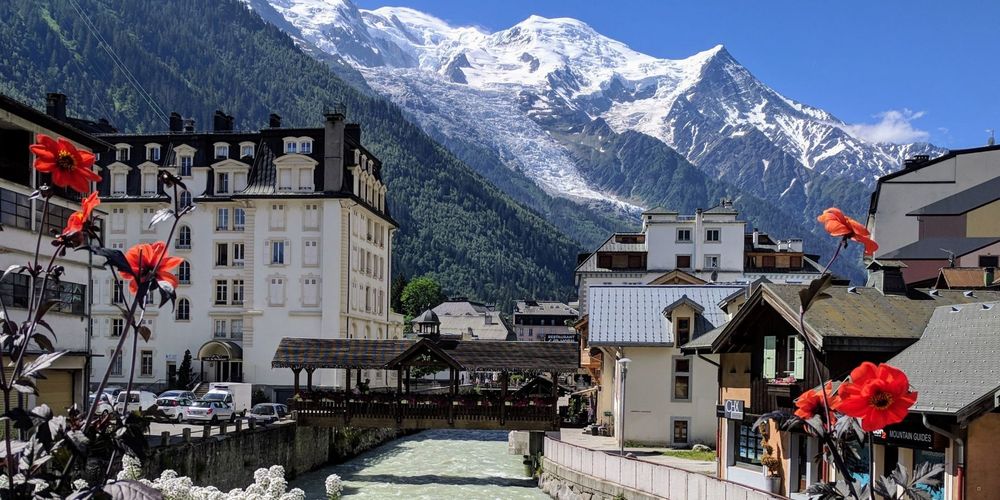
At the foot of Mont Blanc, Chamonix offers a spectacular Alpine setting, with its iconic peaks and preserved valleys. Blending nature, adventure, and the history of mountaineering, the town embodies the spirit of the high mountains.
Quand partir à Chamonix-Mont-Blanc ?
Jan.
-2°
9
Feb.
0°
8
March
4°
9
April
8°
11
May
12°
14
June
16°
15
July
19°
14
Aug.
19°
13
Sept.
15°
11
Oct.
10°
10
Nov.
4°
10
Dec.
0°
9
Chamonix has a true alpine climate, with cold, snowy winters and mild, pleasant summers. In January, average temperatures range from -7°C to 0°C (19°F to 32°F), while in July, they typically range from 11°C to 25°C (52°F to 77°F). Snowfall in winter is abundant, with Chamonix receiving an average of 8 to 10 meters (26 to 33 feet) of snow each season, making it a world-renowned destination for skiing and mountaineering. Weather conditions can change rapidly in the mountains, so it’s always a good idea to dress in layers and check the forecast before heading out.
Départ conseillé
No need to worry about where to begin! Our tours are designed as a loop, so you can jump in wherever you are. The navigation system and audio-guide will automatically adjust to your location. However, if you happen to be nearby, we do have a preferred starting point: Place du Mont-Blanc (in front of the Alpina gallery).
Parking à proximité
Médiathèque Parking – Route du Bouchet, Chamonix.
There are plenty of paid parking options throughout Chamonix. While they can fill up quickly, you should still be able to find a spot. Most central car parks offer free parking for stays under one hour. If you don’t mind parking a bit further from the town center, more affordable options are available, often with free shuttle services to bring you downtown (P+R system). This is the case for the GREPON Parking lot, which has 800 spaces. You can also park for free at the Grands Montets parking area or near the Prarion cable car in Les Houches. If you have a ski pass or activity pass, make sure to check the conditions — you may be entitled to perks like free bus rides or discounted parking.
À savoir
Most shops, restaurants, and accommodations accept credit cards, but it’s handy to have some cash on you, especially for smaller purchases or remote mountain huts.
Découvrez 23 lieux d'intérêt pour visiter Chamonix-Mont-Blanc



Le plein d'inspirations
Explorez le monde en totale liberté, à pied au cœur des villes ou au fil des routes. Nos guides audios transforment chaque destination en une découverte culturelle immersive et unique.
FAQ for visiting Chamonix
When is the best time to visit Chamonix?
The best time really depends on your interests. For winter sports and enjoying the snowy landscapes, choose December to March, with temperatures that can drop to -7°C. Summer, from June to September, is ideal for hiking and exploring the valleys, with mild temperatures between 11°C and 25°C. Spring and autumn see fewer tourists but remain magnificent for discovering the valley. Be aware that the alpine climate can be changeable: always pack suitable clothing in several layers and check the weather before your outings, whatever the season.
How many days do you need to visit Chamonix?
A stay of three to four days lets you discover Chamonix and its surroundings well. In two days, you can explore the historic town centre and enjoy one or two major activities such as the Aiguille du Midi or the Montenvers train. With four days or more, you'll have time to alternate cultural visits, walks through the various valleys and moments of relaxation. Hiking and mountain-sports enthusiasts will generally prefer longer stays of a week to make the most of the many trails and activities. The key is to tailor the length of your stay to your wishes and your pace.
What is there to do in Chamonix if you don't ski?
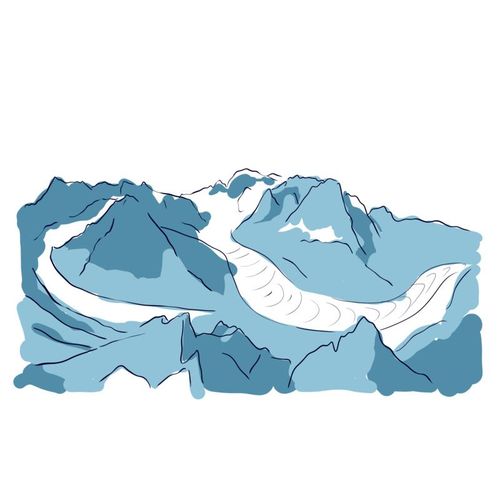
Chamonix offers a wealth of activities beyond skiing. Take the cable cars to admire exceptional panoramas, visit the alpine museum to understand the history of mountaineering, or stroll through the streets of the town centre with its shops and cosy cafés. Snowshoe outings or winter walks on groomed trails are accessible to everyone. The Montenvers train takes you to discover the Mer de Glace, while the spas and wellness centres offer moments of relaxation facing the mountains. For an in-depth discovery of the town and its heritage, the Ryo audioguide accompanies you through the emblematic sites with enriching commentary.
How do you get to Chamonix?
Chamonix is accessible by several means of transport. By car, allow about an hour from Geneva via the A40 motorway. The train is a convenient option, with regular connections from the major French cities, usually with a change at Saint-Gervais-les-Bains. Regular shuttles connect Geneva Airport to Chamonix in about two hours. Lyon Airport is an alternative, about two and a half hours away by road. In winter, check the state of the roads and fit your vehicle with snow tyres or chains. Local public transport is well developed once you're there, making it easy to get around the valley.
What are the must-see sights in Chamonix?
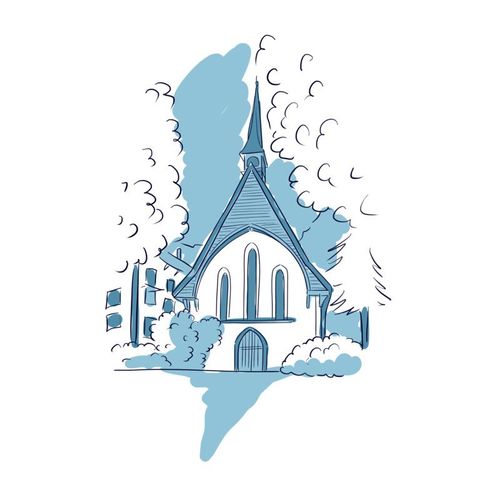
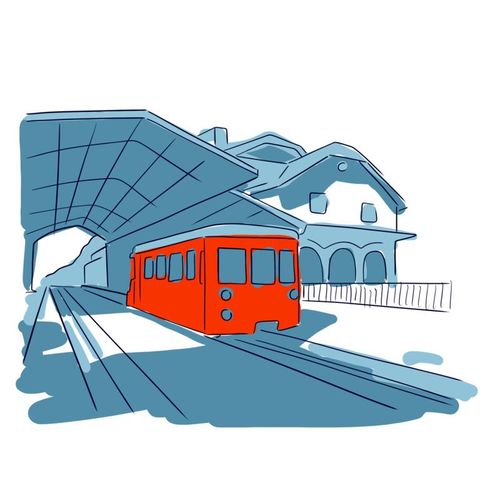
The Aiguille du Midi, with its dizzying cable car, offers an unbeatable view of Mont Blanc. The Montenvers train takes you to the Mer de Glace, a legendary glacier not to be missed. The historic centre of Chamonix is worth a stroll for its authentic alpine atmosphere and its buildings steeped in history. Thrill-seekers will appreciate the Vallée Blanche route or the Brévent cable car. Don't miss the Saint-Michel church and the alpine museum to understand the epic story of mountaineering. The Ryo app offers a self-guided audio route that takes you to discover these emblematic places while telling you the fascinating stories that have shaped this world capital of mountaineering.
Where can you park in Chamonix?
Parking in Chamonix can be a challenge, especially in high season. The town centre has several paid car parks, both covered and open-air, generally well signposted. The Mont-Blanc and Entrève car parks are central and handy for exploring on foot. On the outskirts, you'll find free car parks, though further away, connected to the centre by shuttle or on foot. During school holidays and weekends, arrive early to find a space. Some accommodations offer their own parking, so ask when booking. The car parks at the cable-car stations are often paid but convenient if you plan to use the cable cars directly.
Can you visit Chamonix with children?
Chamonix is perfectly suited to families with children. The cable cars offer spectacular experiences accessible to all ages, while many easy walks let you enjoy the scenery without difficulty. The Parc de Loisirs des Planards offers fun activities in both summer and winter. The museums, such as the Maison de la Montagne, often run educational workshops. In winter, the snow gardens welcome the youngest for their first steps on skis. Pack suitable warm clothing and respect children's pace at altitude. Many restaurants have children's menus and dedicated areas to welcome families in good conditions.
What budget should you plan for visiting Chamonix?
Chamonix is a rather upmarket destination, especially in high season. Accommodation generally represents the largest expense, with significant variations depending on the period and the type of establishment chosen. The cable cars used to reach the high-altitude sites also make up a considerable part of the budget. For dining, you'll find a varied range, from gourmet restaurants to more affordable snacks. Plan for a medium-to-high daily budget covering accommodation, meals and activities. Periods outside the school holidays generally offer better rates. Consider multi-activity passes, which can be economical if you plan several visits. Parking and local transport are also a cost to factor into your overall budget.
What is there to discover in the centre of Chamonix village?
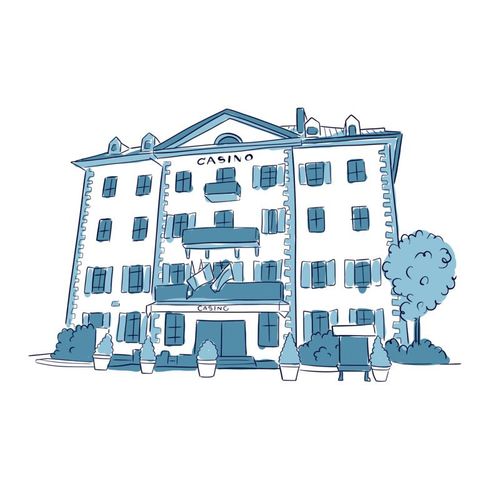
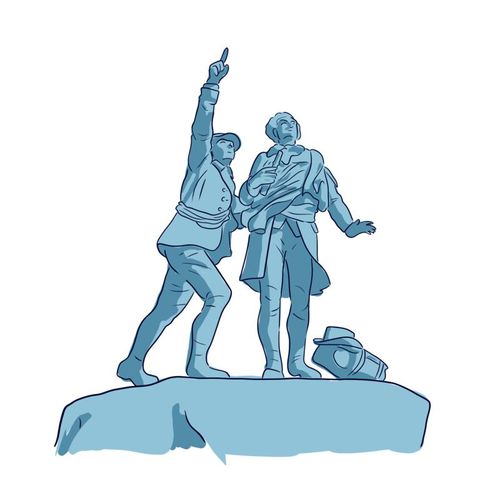
Often reduced to a starting point for the summits, the village deserves a proper stroll. The pedestrian street and the banks of the Arve line up chalets and Belle Époque hotels, reminders of the early days of alpine tourism, around the church and the statue of Balmat and Saussure that recalls the first ascent of Mont Blanc.
The alpine museum retraces that history of mountaineering and its guides, while the Maison de la Mémoire et du Patrimoine evokes life in the valley before the cable cars arrived. The Ryo audio guide offers a dedicated Chamonix route linking these stops on foot, a good idea for a cloudy morning or the end of a day spent in the mountains.
How should you prepare for the altitude at the Aiguille du Midi?
The cable car lifts you in around twenty minutes to nearly 3,800 metres, a considerable gain that the body has no time to absorb. A mild headache, breathlessness or dizziness are common up there: take the stairs slowly, drink water, avoid sudden effort and head back down if the symptoms persist.
Bring a warm jacket, sunglasses and sun cream, because it often freezes at the top even in high summer and the glare off the snow is intense. Anyone who is sensitive to altitude, very young children and visitors with heart or breathing conditions would do well to seek advice before going up.
Vos commentaires, idées et suggestions
Aucun avis pour le moment
