





Créé par Romane, le 4 oct. 2026
Votre guide Ryo
Geneva, Switzerland
The Little Big Capital
Parcours audioguidé pour visiter Geneva en 1 jour
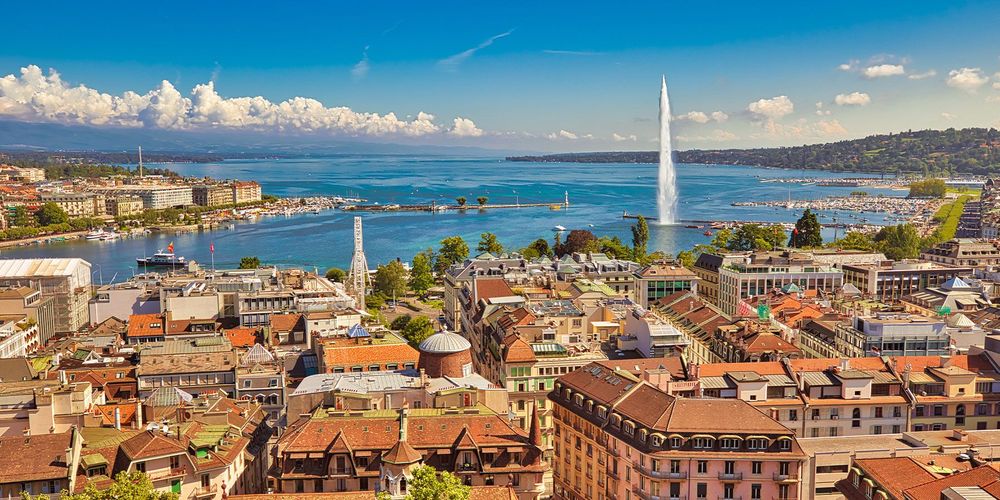
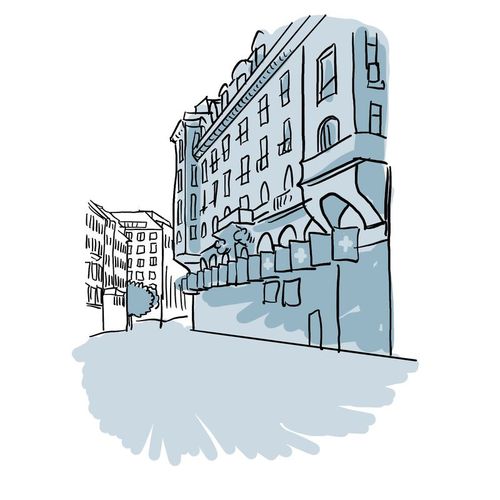
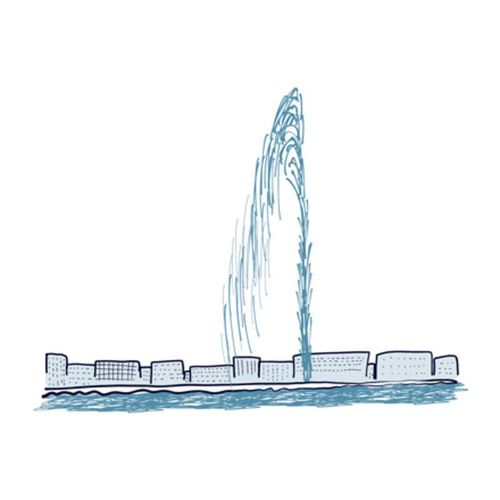
Walking through Geneva is to discover an elegant city nestled between lake and mountains. From the historic alleyways of the old town to the shores of Lake Geneva dominated by the famous Jet d'Eau, each stroll reveals a unique blend of heritage, nature, and cosmopolitan atmosphere. Between verdant parks, international museums, and waterfront terraces, Geneva offers a refined and peaceful experience in the heart of Europe.
Quand partir à Geneva ?
Jan.
5°
9
Feb.
6°
8
March
10°
9
April
14°
10
May
18°
12
June
22°
11
July
25°
9
Aug.
25°
9
Sept.
21°
9
Oct.
15°
9
Nov.
9°
9
Dec.
6°
9
In Geneva, the coldest months are January and February, with average lows around -1°C. In summer, average high temperatures reach up to 26°C. August, September, and October are the rainiest months of the year.
Départ conseillé
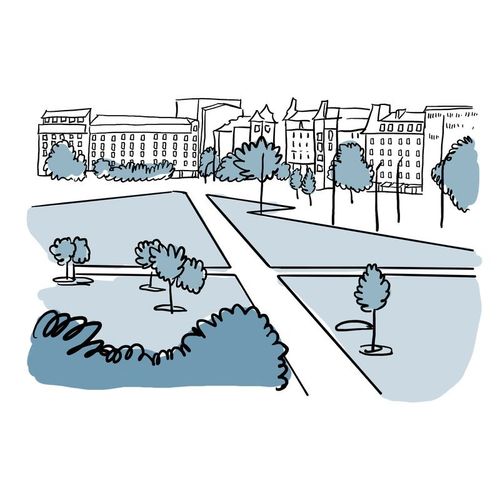
No need to worry about where to begin! Our tours are designed as a loop, so you can jump in wherever you are. The navigation system and audioguide will automatically adjust to your location. However, if you happen to be nearby, we do have a preferred starting point: on the Plaine de Plainpalais
Parking à proximité
Parking Plainpalais, 46 boulevard Georges-Favon
As in the rest of the city, parking in Geneva tends to be quite expensive. It's usually best to avoid driving into the city center or to look for free white-marked parking spaces, which are generally located a bit further from downtown. Keep in mind, though, that these spots often have time limits. If you do choose to park in the city center, make sure to clearly display your parking disc when using a blue zone. And be careful with white-marked spaces in the very heart of the city — they’re not always free! If you’re looking for a more affordable option, consider using an underground car park in combination with a public transport ticket. Some offers allow you to park for free when you buy a transit pass — a smart way to save on parking fees!
À savoir
This tour passes through several city parks: entry is free, but the parks have opening hours. Don’t forget to check the schedule before your visit to make sure you can get in!
Découvrez 25 lieux d'intérêt pour visiter Geneva


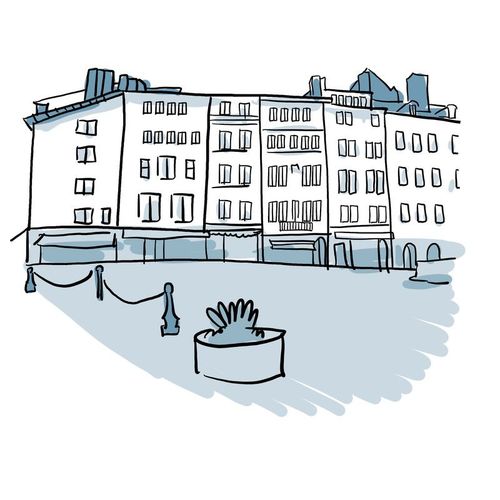
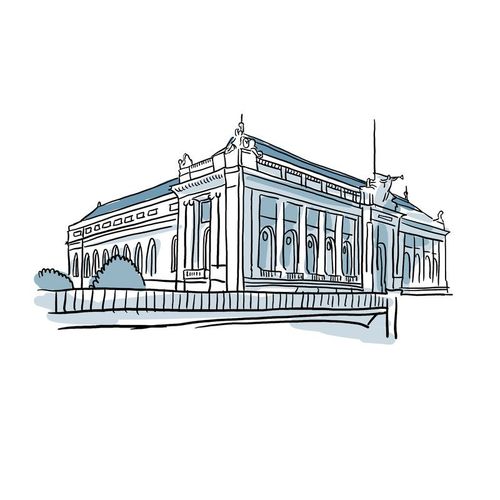
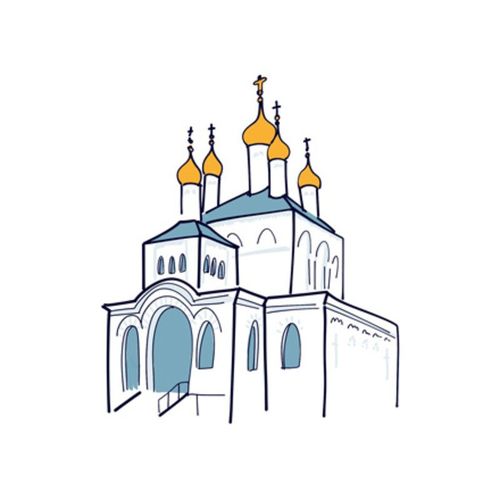
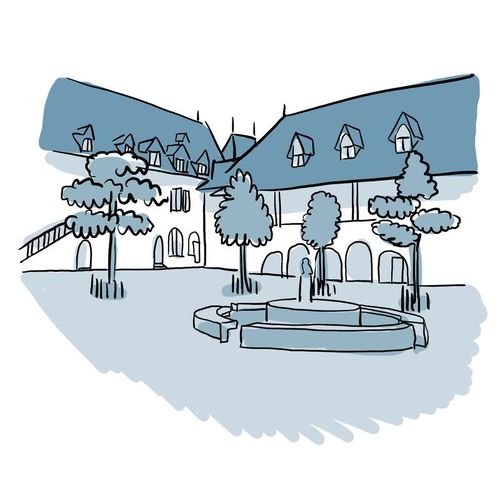

Le plein d'inspirations
Explorez le monde en totale liberté, à pied au cœur des villes ou au fil des routes. Nos guides audios transforment chaque destination en une découverte culturelle immersive et unique.
FAQ for visiting Geneva
When is the best time to visit Geneva?
The best time to visit Geneva runs from May to September, when the temperatures are pleasant and the days longer. Summer offers ideal conditions with temperatures around 26°C, perfect for enjoying the lakeside terraces and the lush green parks. Spring and early autumn remain very pleasant, even though September and October are generally rainier. Winter has its own charm with the atmosphere of the Christmas markets and the proximity of the ski resorts, but temperatures can drop below zero in January and February. Each season reveals a different face of this cosmopolitan city.
How many days do you need to visit Geneva?
Two to three days is the ideal length of time to discover Geneva without rushing. This gives you time to explore the old town with its historic lanes, stroll along the shores of Lake Geneva, admire the famous Jet d'Eau and visit a few museums. With three days, you can also discover the different neighbourhoods, enjoy the parks and perhaps even take a boat trip on the lake. If you have more time, you can delve deeper into the international institutions and explore the surrounding area. The Ryo audioguide accompanies you to optimise your walking routes and not miss any of the city's essentials.
How do you get around Geneva without a car?
Geneva has an excellent public transport network that makes a car completely unnecessary. Trams, buses and the water shuttles efficiently cover the whole city and generally run until late in the evening. Hotels often provide a free transport card for the duration of your stay. The city centre remains very pleasant to explore on foot, with reasonable distances between the main sites. Self-service bikes are also available for those who prefer to pedal along the lake or through the residential neighbourhoods. The central station easily connects Geneva to other Swiss and European cities.
What are the must-sees in Geneva?
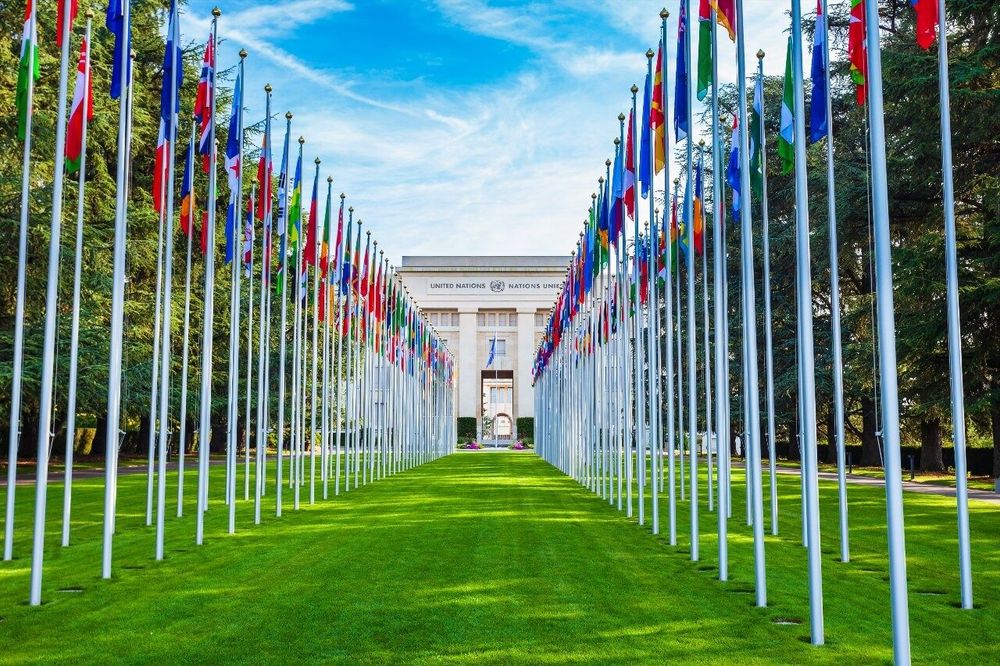
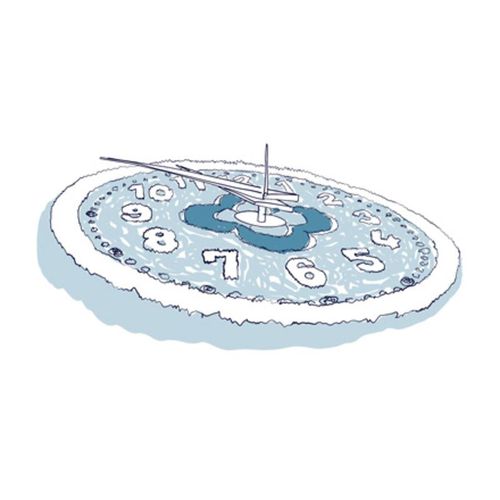
Geneva's must-sees begin with the Jet d'Eau, the city's iconic symbol that soars majestically from the lake. The old town deserves an in-depth exploration with St. Pierre Cathedral, the cobbled lanes and the Maison Tavel. The lake shores offer magnificent walks with views of the Alps, while the English Garden and its flower clock enchant visitors. Don't miss the Nations district with the Palais des Nations, nor the many museums such as the Museum of Art and History. The Ryo audioguide offers a narrated itinerary that links all these must-see sites while revealing their fascinating histories.
Is Geneva an expensive city?
Geneva is indeed among the most expensive cities in Europe, if not the world. Prices for restaurants, accommodation and activities are generally high, reflecting the Swiss standard of living. A restaurant meal often costs more than elsewhere in Europe, and hotels charge substantial rates. However, there are ways to keep your budget in check: opt for supermarkets for some meals, explore the many free parks and public spaces, and take advantage of the museums that sometimes offer free admission on certain days. The beauty of the city and the quality of its services largely make up for these higher prices.
Can you visit Geneva in a day?
A day in Geneva lets you discover the main highlights, even if it is a little short to fully appreciate the city's atmosphere. Start early with the old town and St. Pierre Cathedral, head down to the shores to admire the Jet d'Eau and the flower clock, then walk along the lake to the Parc des Eaux-Vives. The afternoon can be devoted to a specific neighbourhood or a museum depending on your interests. This express visit will give you a lovely overview but will certainly leave you wanting to come back to explore further. An audio-guided route like Ryo's helps you make the most of your time by guiding you efficiently between the major sites.
How do you get to Geneva from France?
Geneva is easily accessible from France thanks to its border location. By train, direct connections link Paris to Geneva in about three hours via the TGV Lyria. From Lyon, count on less than two hours. By car, the A40 motorway from France brings you directly to the gates of the city. Geneva Airport, straddling the border, even has a French sector that allows you to reach the city without passing through Switzerland. Regular buses also connect neighbouring French towns such as Annecy or Annemasse. This excellent accessibility makes Geneva an ideal weekend destination from France.
Which neighbourhoods should you visit in Geneva?
Each Geneva neighbourhood has its own character worth discovering. The old town remains a must with its medieval lanes and antique shops. Les Pâquis offers a lively multicultural atmosphere near the station, while Carouge charms with its bohemian vibe and Mediterranean terraces. The Eaux-Vives district combines residential elegance with proximity to the lake. Plainpalais attracts young people with its flea markets and nightlife. The international Nations district fascinates with its prestigious institutions. The Ryo audioguide takes you through these different neighbourhoods, revealing their distinctive features and hidden treasures over a narrated walk.
What can you do by Lake Geneva in the city?
The bay holds a good share of Geneva life. You can follow the quays from one shore to the other, from the Jardin Anglais and its flower clock to the parks lining the Perle du Lac, with the Jet d'Eau in your sights, visible from almost everywhere. The Bains des Pâquis, a public pier extended by a beach and a lighthouse, remain the local institution: people swim there in the warm months, take a steam bath in winter and eat there at any hour.
The mouettes, the little yellow shuttle boats, cross the bay in a few minutes and save the detour via the bridges. In season, cruises and pedalo rentals round out the walk, and the park lawns fill up as soon as the first fine days arrive. The Ryo audio guide offers a dedicated Geneva route linking these quays to the lanes of the old town.
Which museums are worth visiting in Geneva?
The city holds a remarkable density of museums for its size. The Musée d'Art et d'Histoire, the largest, sweeps through archaeology, fine arts and applied arts, while the International Red Cross and Red Crescent Museum, facing the Palais des Nations, offers a more contemporary journey through humanitarian action and its dilemmas.
The Musée Ariana, devoted to ceramics and glass, occupies a palace set in its own park, and the Maison Tavel, the oldest private house in the city, tells the story of the Geneva that existed before the fortifications came down. As Geneva is also a watchmaking capital, several foundations and manufactures open exhibition spaces about the measurement of time. Many municipal museums keep access to their permanent collections free, something worth checking before you set out.
Vos commentaires, idées et suggestions
Aucun avis pour le moment