





Créé par Romane, le 4 oct. 2026
Votre guide Ryo
Lyon, France
The City of two hills
Parcours audioguidé pour visiter Lyon en 1 jour
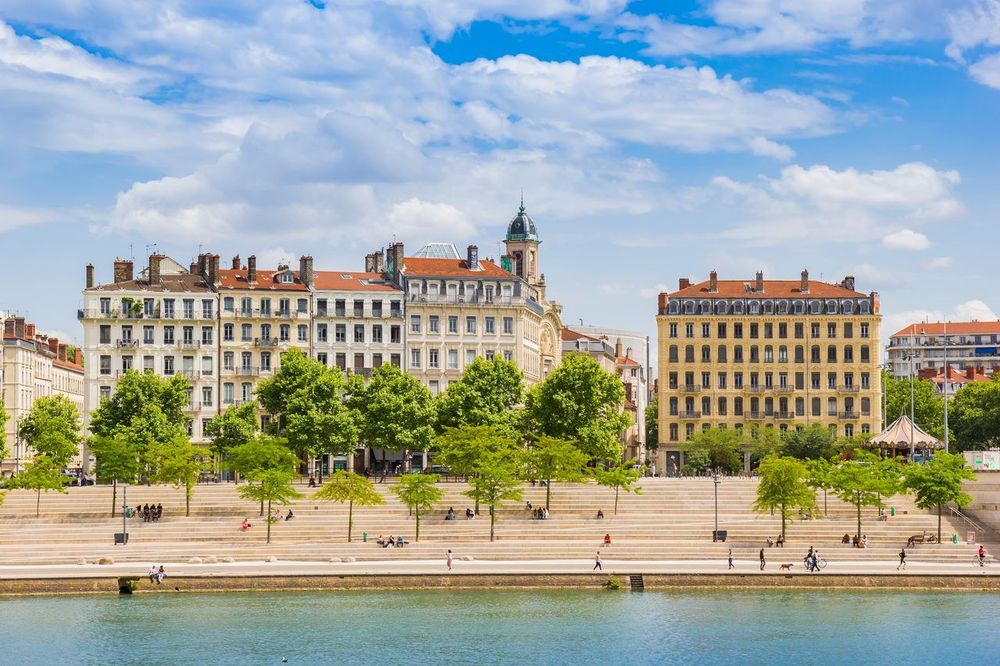
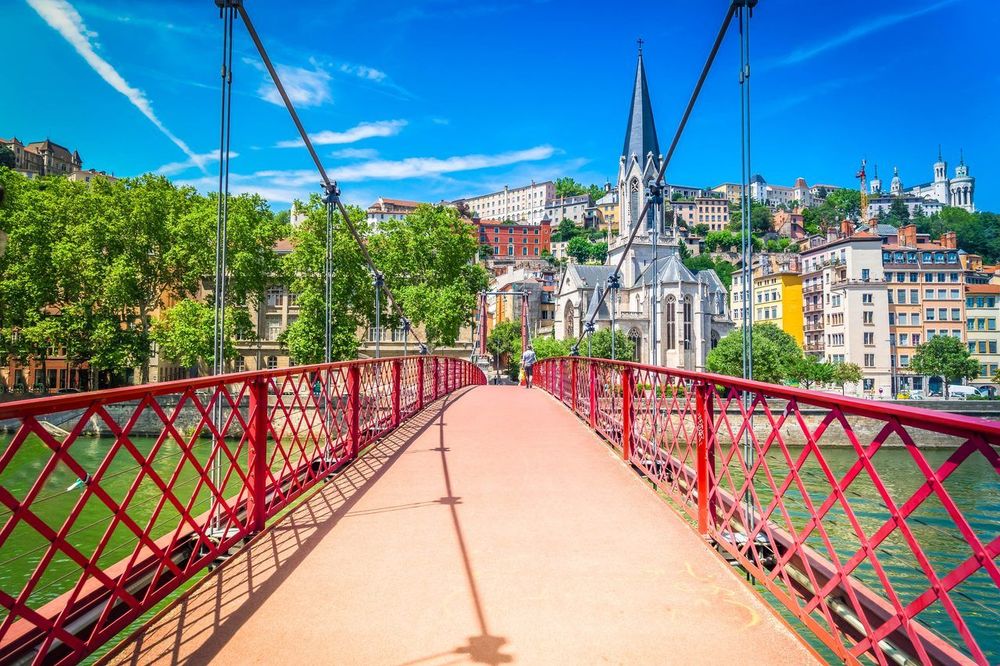
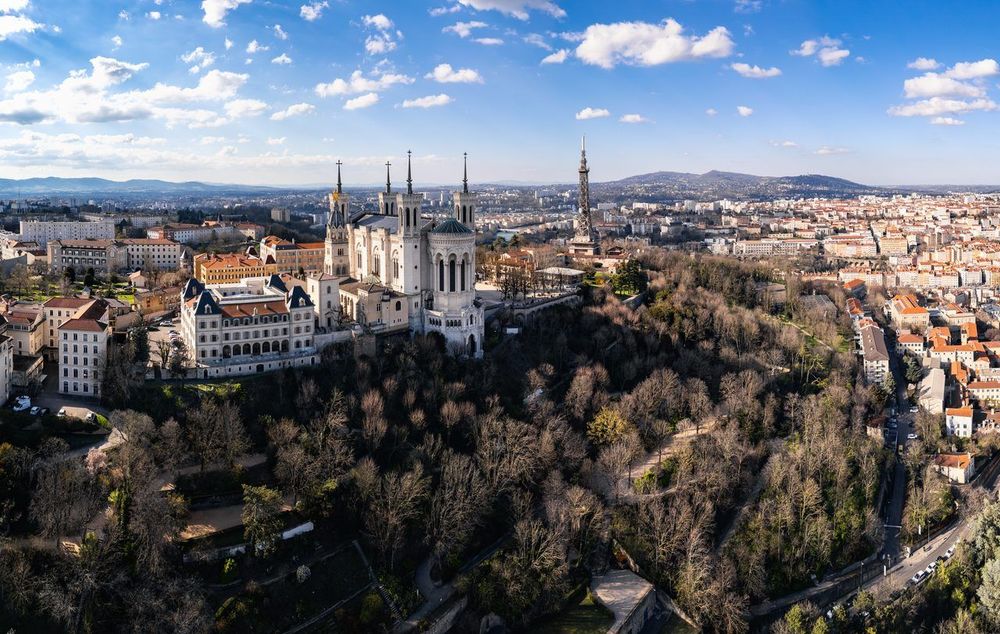
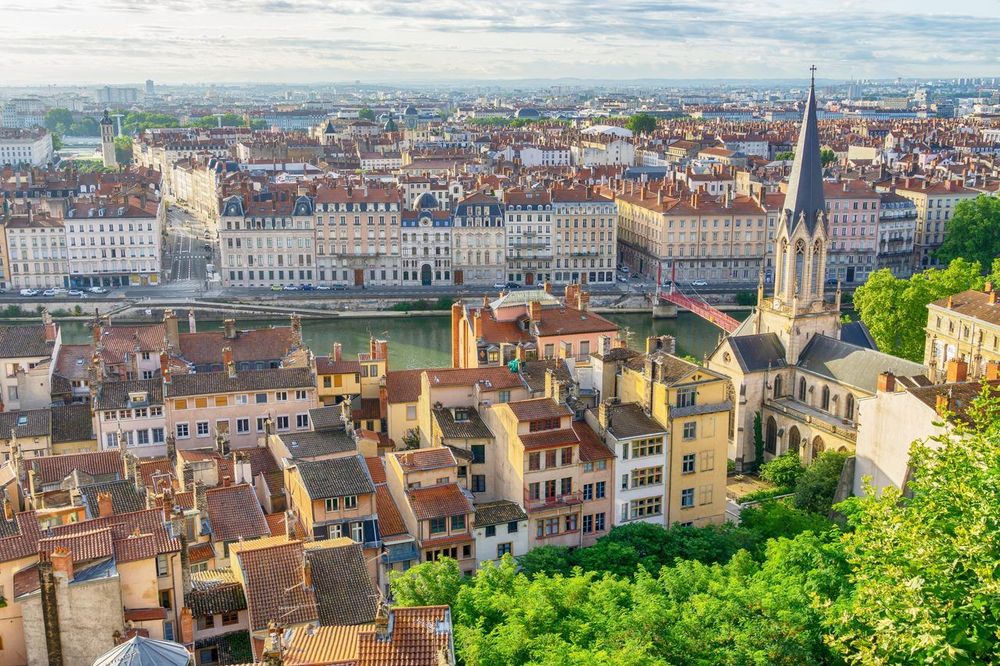
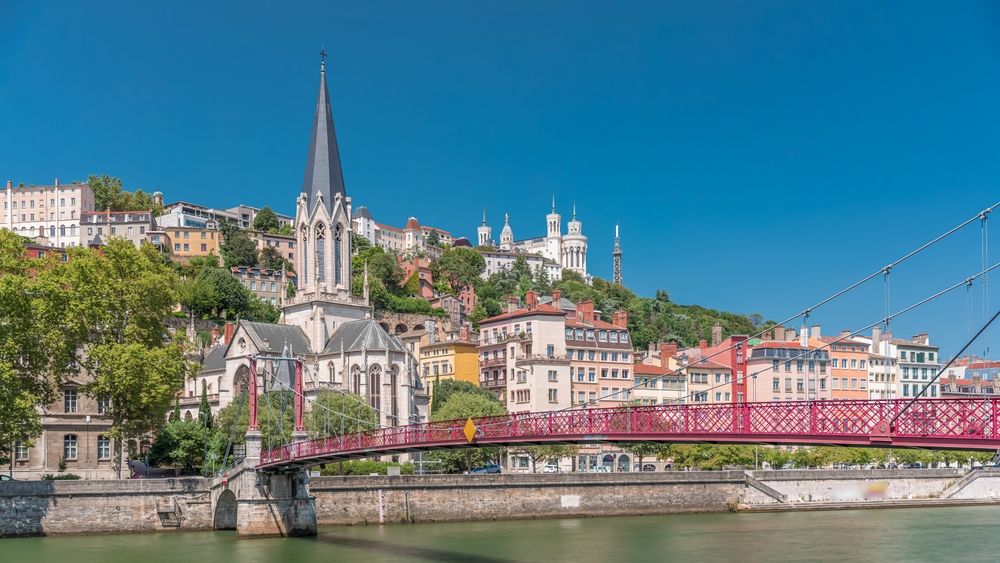
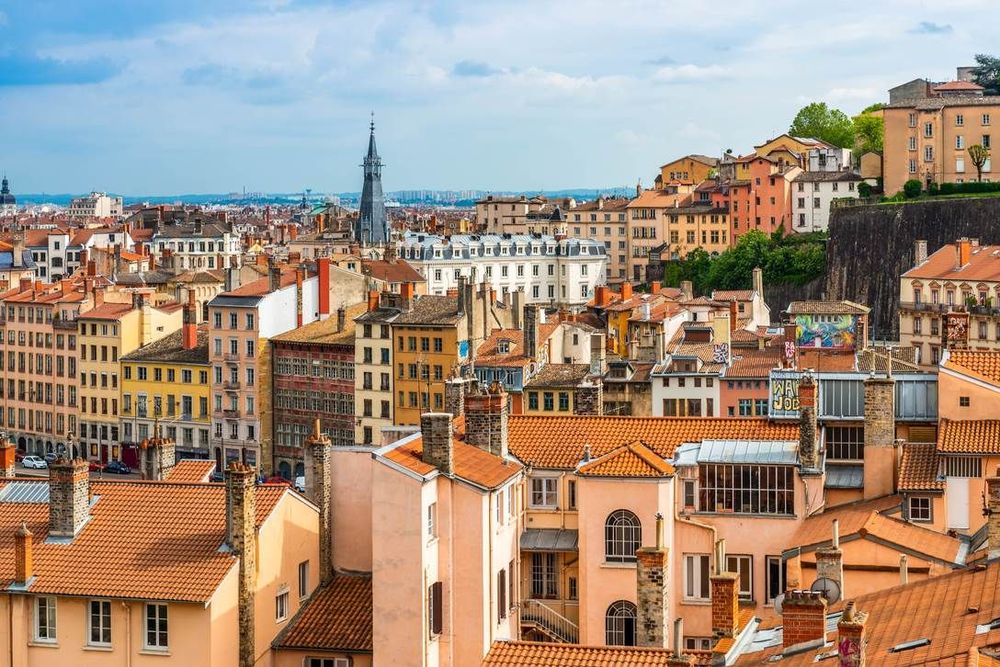
Once the capital of Roman Gaul, Lyon unfolds a remarkable heritage between the Rhône and the Saône, where each neighborhood tells the story of a different era. From the winding streets of Vieux Lyon to the heights of Fourvière Hill, and across the lively Presqu'île, the city reveals a unique balance of history, culture, and gastronomy. Here, the art of living is something to be savored just as much on the plate as it is in the streets.
Quand partir à Lyon ?
Jan.
4°
9
Feb.
5°
8
March
9°
7
April
12°
9
May
16°
10
June
20°
8
July
23°
7
Aug.
22°
7
Sept.
18°
8
Oct.
14°
9
Nov.
8°
9
Dec.
5°
9
The climate is generally temperate, with winters often cool to cold, where temperatures typically range between 0 and 8°C, and moderate summers around 20 to 26°C, with occasional heat spells that are rarely prolonged; spring and early autumn are the most pleasant times to travel, particularly from May to June and from September to early October, when temperatures are mild, visitor numbers more reasonable, and the landscapes especially green, while summer remains a good option to enjoy a lively atmosphere despite a higher chance of rain.
Départ conseillé
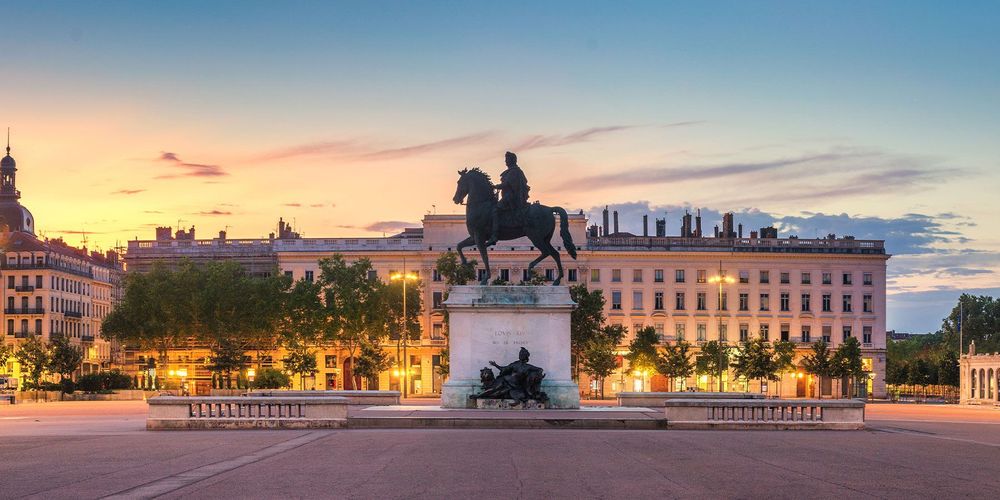
We design our tours as loops so you can easily start the visit from the closest point to you, with guidance that automatically adapts. If you are nearby, we recommend an ideal starting point: Place Bellecour
Parking à proximité
Place Bellecour
If you don't want to park in a paid underground parking lot, you also have the option of finding a park-and-ride facility a bit further from the city center, for example, in Vaise, where you can park for free and reach the city center using public transportation. You will need a valid transport ticket to benefit from free parking. Alternatively, if you want to park on the street, you will also need to move away from the city center to find free parking spaces.
À savoir
The ascent to reach the ancient theater and the basilica is steep and quite long! It is possible to take the funicular to the Lyon Ancient Theater with a valid transport ticket: it's the F1 funicular - Saint-Just, stop at Les Minimes - Théâtres Romains. The basilica is then located 500 meters away. It is also possible to take the funicular to the Basilica of Fourvière with a valid transport ticket: it's the F2 funicular - Fourvière.
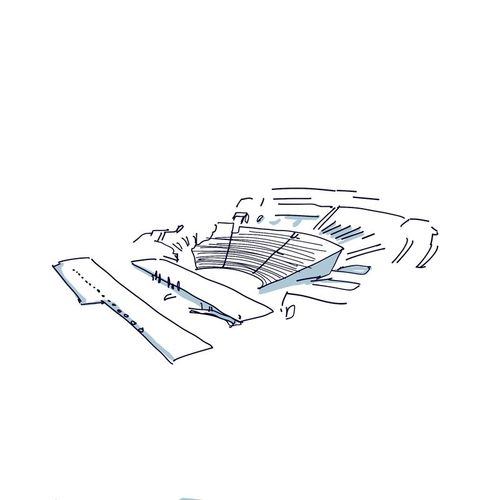
Our tour goes through the Roman theaters. Access is free but subject to specific opening hours. In the evening, if the site is closed, you can continue walking along the Rue de l'Antiquaille and then turn left onto Rue Cleberg to resume the itinerary.
Our tour also goes through the Hôtel Dieu, which is free but subject to specific opening hours. If it is closed when you arrive, simply continue along Rue Bellecordière, then turn left onto Rue de la Barre to rejoin the itinerary.
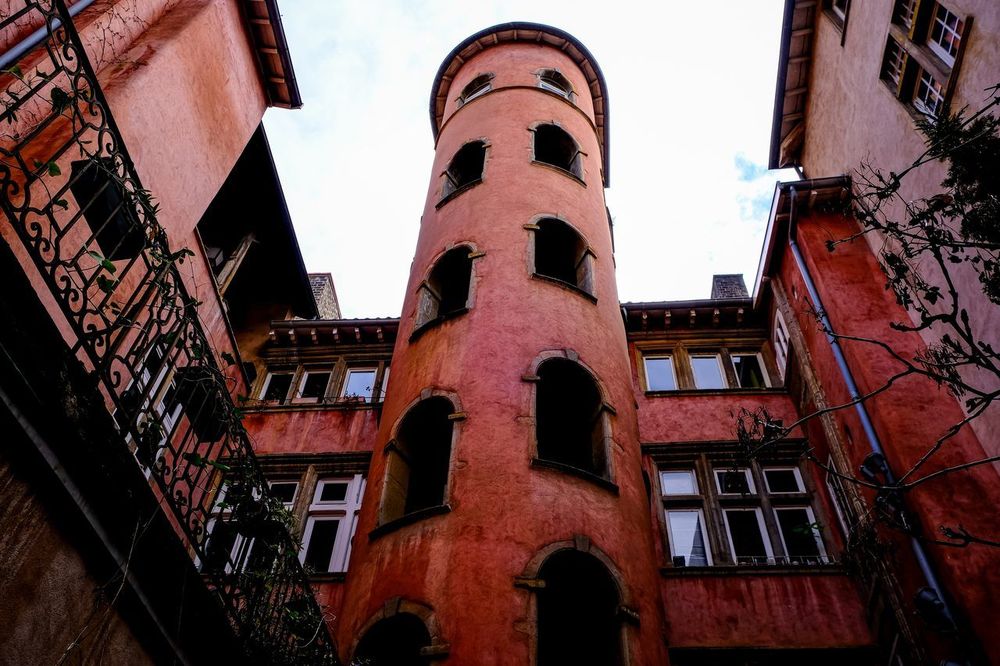
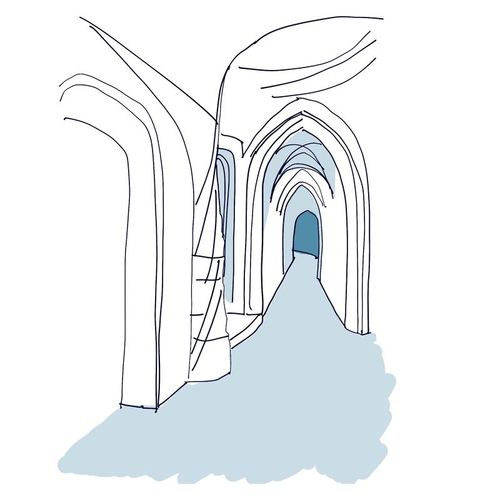
Our tour goes through the Longue Traboule of Lyon: access is free, but the entrance door may be closed, especially at night, for the safety of the building's residents. In any case, feel free to push the door to check. If it is closed, simply continue along Rue Saint-Jean to rejoin the itinerary.
Découvrez 27 lieux d'intérêt pour visiter Lyon
Le plein d'inspirations
Explorez le monde en totale liberté, à pied au cœur des villes ou au fil des routes. Nos guides audios transforment chaque destination en une découverte culturelle immersive et unique.
FAQ for visiting Lyon
When is the best time to visit Lyon?
The best time to discover Lyon runs from May to June and from September to early October. During these months, you'll enjoy mild, pleasant temperatures, ideal for wandering the cobbled streets and exploring the different neighbourhoods. Spring brings particularly beautiful green landscapes, while early autumn bathes the city in golden light. Summer is also a good option if you enjoy urban buzz, even though temperatures can sometimes climb and the risk of rain is higher. Lyon's winters are generally cool, with temperatures ranging between 0 and 8°C, which can make sightseeing less comfortable but gives the city a more intimate atmosphere.
How many days do you need to visit Lyon?
For a first visit to Lyon, ideally plan for three to four days. This will give you time to explore the iconic neighbourhoods such as Vieux Lyon, the Presqu'île and the slopes of Croix-Rousse at a relaxed pace, while savouring the local cuisine. In two days, you can see the main highlights, but at a hurried pace. If you have a week, you'll have the luxury of strolling through the traboules, visiting several museums and venturing into less touristy areas such as La Guillotière or Gerland. Don't forget to leave time for the food breaks in Lyon's bouchons, which are an integral part of the experience.
How do you get around Lyon?
Lyon has an excellent public transport network run by TCL, comprising metro, tram, bus and funiculars. The metro has four lines that efficiently serve the main neighbourhoods and tourist sites. The Fourvière and Saint-Just funiculars take you up to the heights of the city. For more flexibility, the Vélo'v self-service bikes are perfect for exploring the city at your own pace, with numerous dedicated cycle paths. The city centre remains very pleasant to explore on foot, particularly the Presqu'île and Vieux Lyon. Taxis and private-hire vehicles are also available, but public transport is generally enough for all your sightseeing trips.
Which neighbourhoods are must-sees?
Vieux Lyon, a UNESCO World Heritage Site, is a Renaissance gem with its mysterious traboules and cobbled lanes. The Presqu'île, the shopping heart between the Rhône and the Saône, is home to the majestic Place Bellecour and lively streets. Fourvière, nicknamed the hill that prays, offers a breathtaking view from its iconic basilica. Croix-Rousse, the former hill of the silk weavers, charms visitors with its bohemian atmosphere and picturesque slopes. Each neighbourhood tells a different facet of Lyon's history. The Ryo app offers narrated audio tours that guide you through these iconic neighbourhoods, revealing their secrets and anecdotes as you walk.
How do you get to the city centre from the airport?
Lyon-Saint Exupéry airport is around 25 kilometres from the city centre. The most convenient option is the Rhônexpress, an express tram that connects the airport to Part-Dieu station in under 30 minutes, with departures roughly every 15 minutes during the day. From there, you can easily reach your accommodation by metro or tram. Taxis and private-hire vehicles are a more expensive but direct alternative, with a journey of around 30 to 45 minutes depending on traffic. Shared shuttles and bus services are also available, offering mid-range fares. If you rent a car, the A43 motorway takes you straight to the centre, but beware of parking, which can be tricky in the city.
What are the must-sees in Lyon in one day?
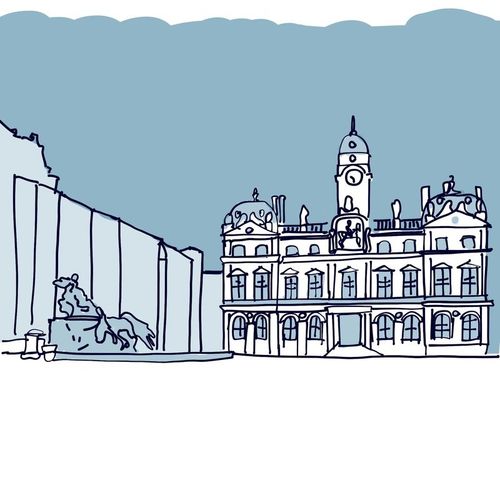
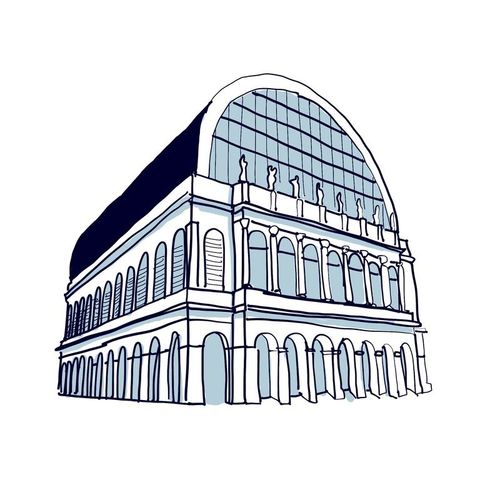
A day in Lyon calls for strategic choices. Start with Vieux Lyon and its fascinating traboules, then take the funicular up to Fourvière to admire the basilica and the exceptional panorama over the city. Head back down to the Presqu'île for lunch in a traditional bouchon. In the afternoon, stroll across Place Bellecour and walk up Rue de la République to the City Hall and the Opera House. If time allows, finish with a walk along the banks of the Rhône at sunset. To make the most of your day and not miss any of the essentials, the Ryo audioguide accompanies you with a tour specially designed to discover Lyon's must-sees in a single day.
Where can you eat Lyon's specialities?
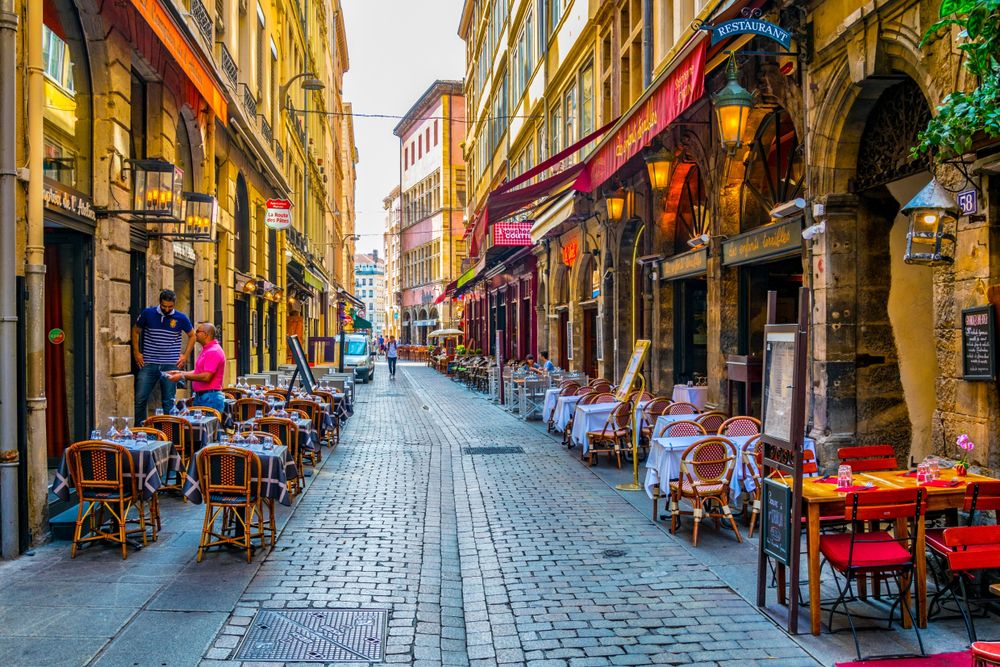
Lyon's bouchons are the temples of local cuisine, where you'll savour the true specialities in a warm and authentic atmosphere. Vieux Lyon and the slopes of Croix-Rousse are full of these traditional establishments. Look for those bearing the "Bouchon Lyonnais" label, which guarantees authenticity. On the menu, enjoy pike quenelle, tablier de sapeur, grattons or cervelle de canut. Les Halles Paul Bocuse, considered the belly of Lyon, also offer an exceptional gastronomic experience with quality produce. For a more modern experience, explore the Confluence district, where young chefs reinvent tradition. Don't forget to finish with a tarte aux pralines, the city's iconic dessert.
Which picturesque villages near Lyon are worth visiting in autumn?
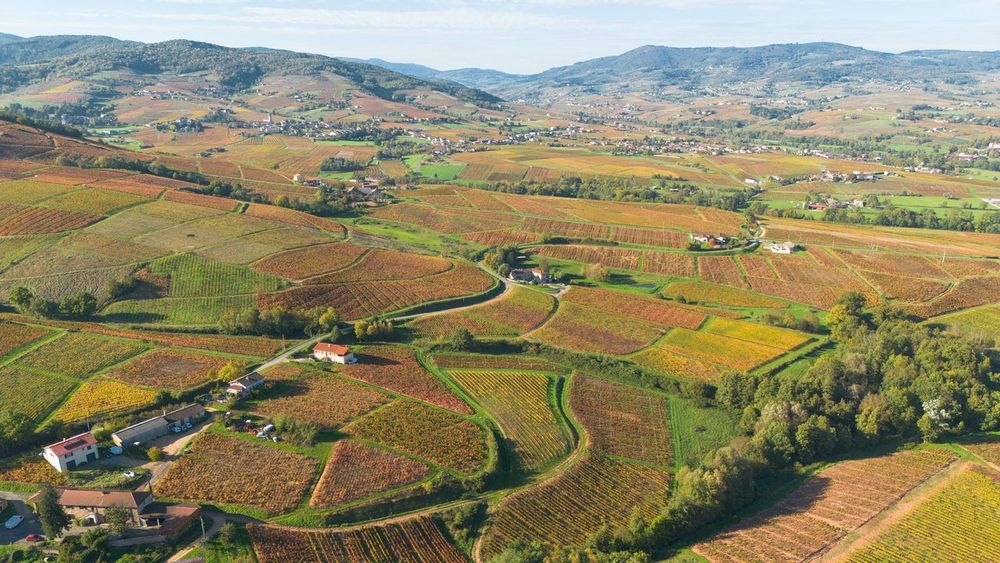
Five villages make a perfect autumn outing from Lyon. Pérouges, a walled medieval town 37 km away in the Ain, is best enjoyed with its sugar-and-cream galette. Oingt, the only village in the Rhône labelled one of France's most beautiful, overlooks the copper-coloured vines of the Pierres Dorées. In Sainte-Croix-en-Jarez, the cells of a 13th-century charterhouse have become homes. Crémieu, in the Isère, boasts 15th-century covered market halls among the best preserved in France, while Châtillon-sur-Chalaronne keeps an intact medieval apothecary. Most are 35 to 50 minutes away by car.
Plan your getaway with our guide to the most beautiful villages around Lyon in autumn.
What can you visit for free in Lyon?
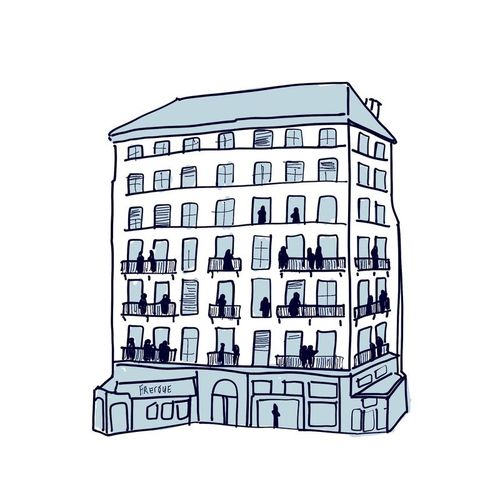
Lyon is full of ticket-free sights. Saint-Jean Cathedral and its astronomical clock, Fourvière Basilica and the Roman theatres are all free to enter. The Parc de la Tête d'Or, open all year round, is home to a free zoo with more than 300 animals, including giraffes and rhinos. Municipal museums such as the Fine Arts Museum and Gadagne are free on the first Sunday of the month, and the MAC opens its permanent collections for free every Thursday. Add the traboules, the Croix-Rousse market and the Fresque des Lyonnais, featuring 30 famous figures across 800 m².
Find every address in our guide to free things to do in Lyon.
How can you combine city sights and day trips for a varied stay in Lyon?
In the city, start with Vieux-Lyon and its traboules, then take the funicular up to Fourvière for the basilica and the free Roman theatres. The Presqu'île strings together Place Bellecour, the Bartholdi fountain and the Rhône riverbanks, while Croix-Rousse tells the story of the silk-weaving canuts. For museums, the Fine Arts Museum and the Musée des Confluences stand out. Within two hours you'll find the Beaujolais crus 45 minutes away, the 1,000 ponds of the Dombes, the Facteur Cheval's Ideal Palace and the Pilat, which peaks at 1,432 metres.
Build your own programme with our selection of 30 activities in and around Lyon.
Which cycling routes should you try in and around Lyon?
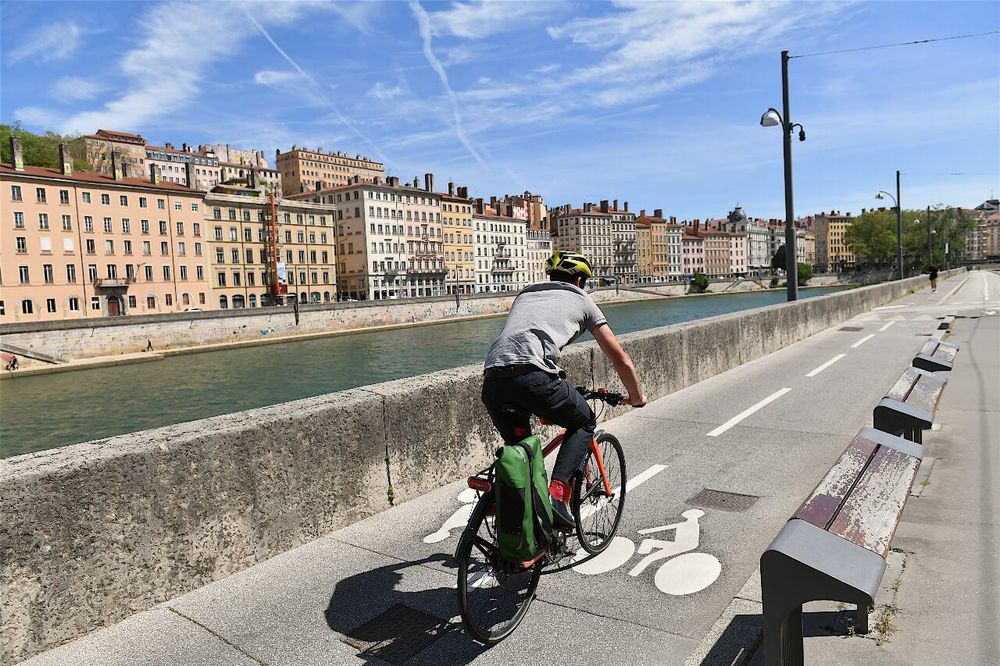
The metropolitan area has more than 1,000 km of cycle lanes and over 430 Vélo'v bike-share stations. The ViaRhôna, which runs 815 km from Lake Geneva to the Mediterranean, follows the Rhône quays: the flat round trip to Irigny takes about two hours. The Saône riverbanks lead some 20 km north to Rochetaillée. The Parc de la Feyssine fits into a 25 to 30 km loop, and the Miribel-Jonage park, 15 km away, offers a 35 km circuit and beaches. For the climb up to Croix-Rousse, an e-bike makes all the difference.
Discover routes and rental tips in our guide to cycling in Lyon.
Which Lyon festival should you pick depending on the season of your trip?
In late May, Nuits Sonores brings electronic music fans together for five days. In June and July, the Nuits de Fourvière has filled the ancient Roman theatre since 1946, drawing more than 130,000 spectators, while Tout l'monde dehors offers free performances and children's activities in the 9th arrondissement. In October, the Festival Lumière celebrates cinema for nine days in the city where the Lumière brothers shot the first film in 1895. Finally, from 8 December, the free Fête des Lumières lights up the city's façades.
Get the details of each event in our top 5 events in Lyon.
Which day trips and weekend getaways can you plan from Lyon?
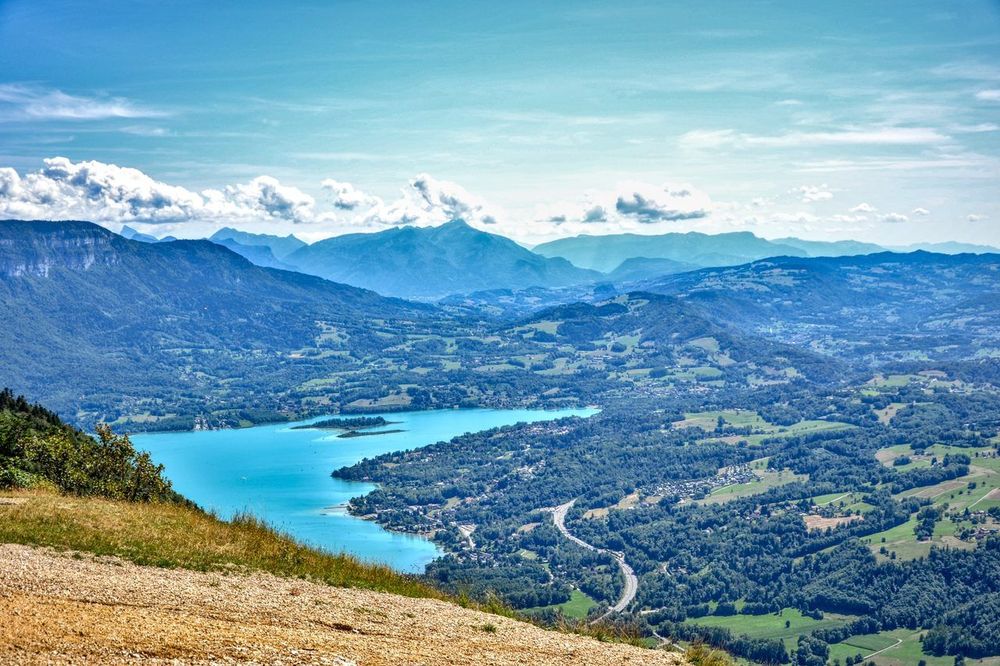
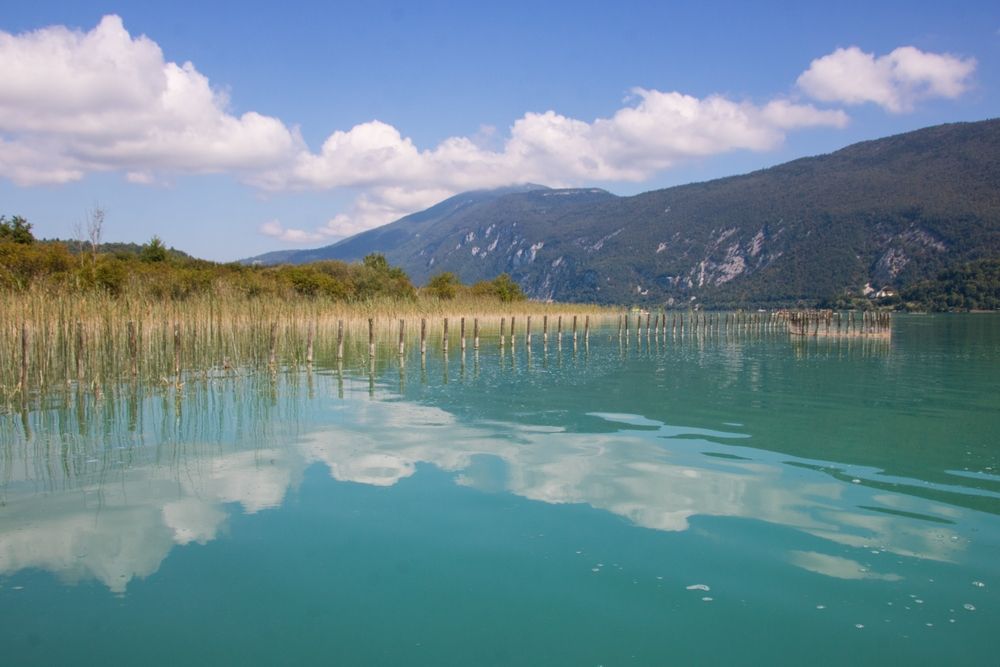
Within two hours, there's no shortage of ideas. The medieval town of Pérouges, in the Ain, is 45 minutes away, and Vienne, with its Temple of Augustus and Livia and its Roman theatre, is a 30-minute regional train ride. The Beaujolais vineyards begin 30 km north, and the Pilat park offers 1,400 km of marked trails. For a weekend, head to Annecy and its lake, 1 hour 45 minutes by train, Lake Aiguebelette, the Facteur Cheval's Ideal Palace, the Ardèche gorges 2 hours 30 minutes away, or the spa towns of Aix-les-Bains and Évian.
Choose your destination with our guide to the best day trips around Lyon and our 20 weekend ideas around Lyon.
How can you make the most of Lyon's Fête des Lumières?
The Fête des Lumières runs over the four evenings around 8 December, drawing more than two million visitors with no ticket required. Born from a vow made to the Virgin Mary during the plague of 1643, it carries on the candles placed in windows in 1852 and became an international festival in 1999. Installations shine from nightfall until around 11pm. Don't miss Fourvière, Place des Terreaux, Vieux-Lyon, Bellecour and the less crowded Confluence. At Terreaux, come back after 10:30pm to avoid the crush, and book your hotel very early.
Find the programme and routes in our guide to Lyon's Fête des Lumières.
Where can you go swimming around Lyon on a hot day?
The closest spot is the Grand Parc de Miribel-Jonage, about 20 minutes away, with three free beaches and the paying Atol', all lifeguarded in summer. To the north, the Bordelan lake in Villefranche and the Colombier lake in Anse are quieter. Lac des Sapins, in Cublize, is home to Europe's largest natural biological swimming area. Further afield, allow an hour for Lake Aiguebelette, where the water reaches 28°C, and over an hour for Lake Nantua. The Ain river is refreshingly cool but unsupervised, so it's best left to confident swimmers.
Compare the spots in our selection of the best places to swim around Lyon and our ranking of 25 swimming spots by distance.
What should you see on Lyon's Presqu'île, between the Rhône and the Saône?
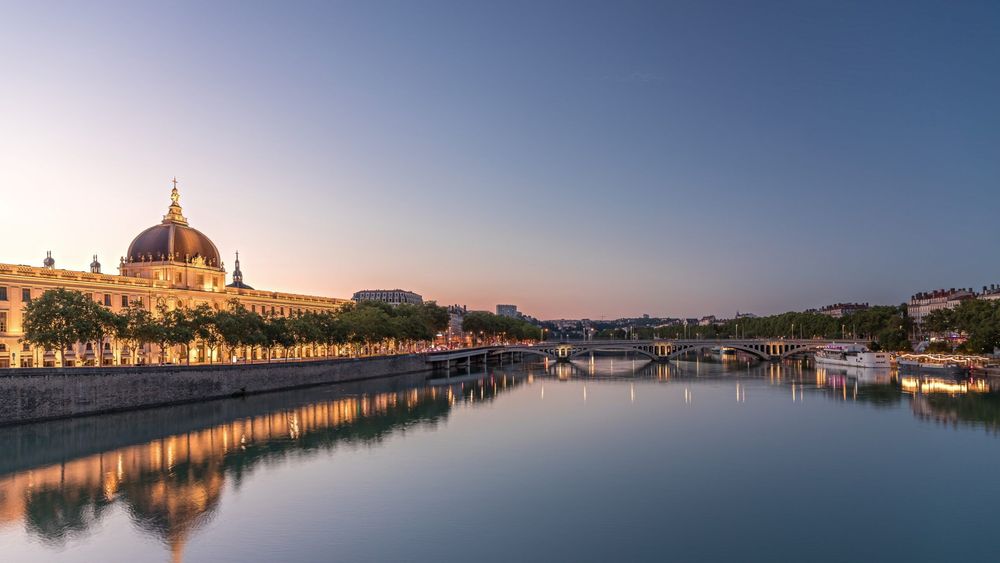
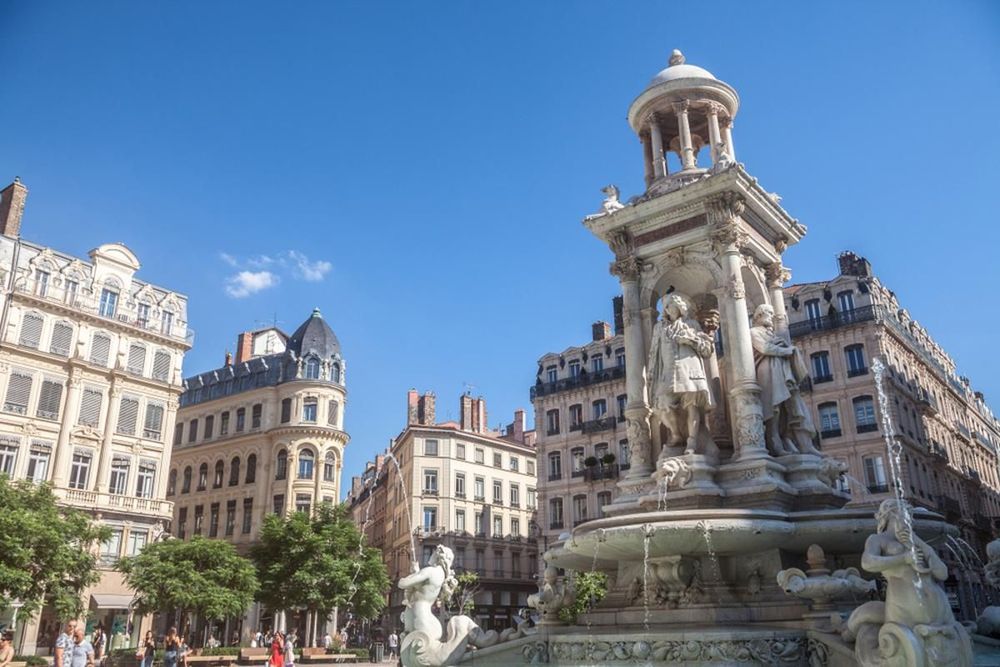
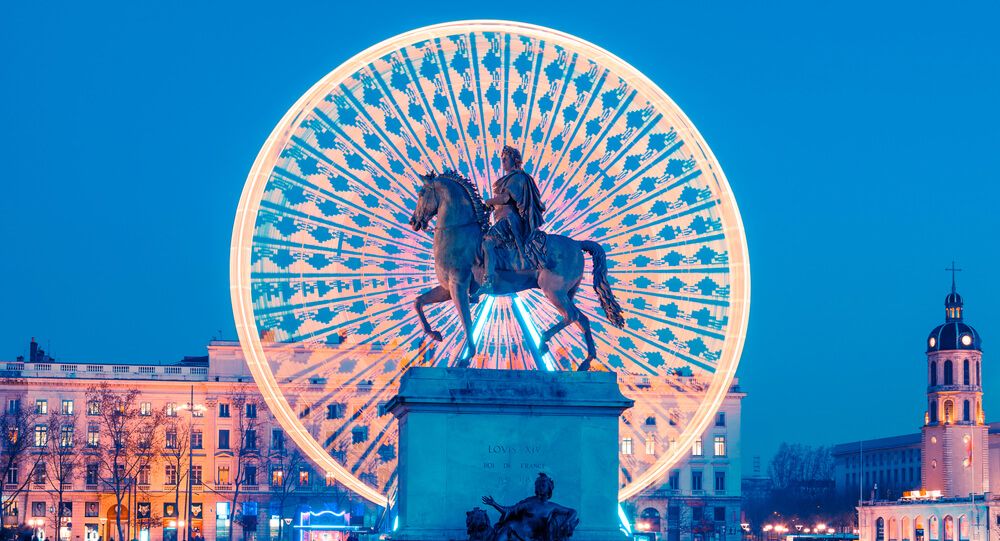
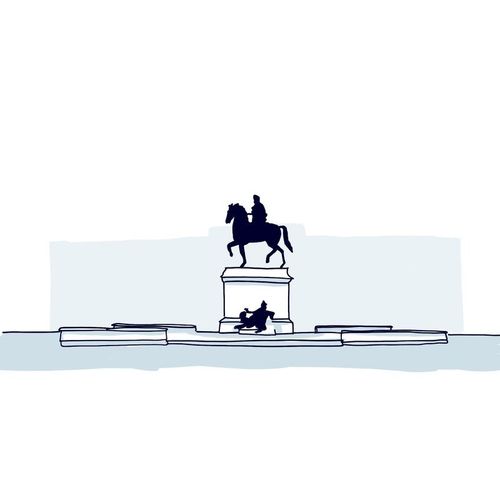
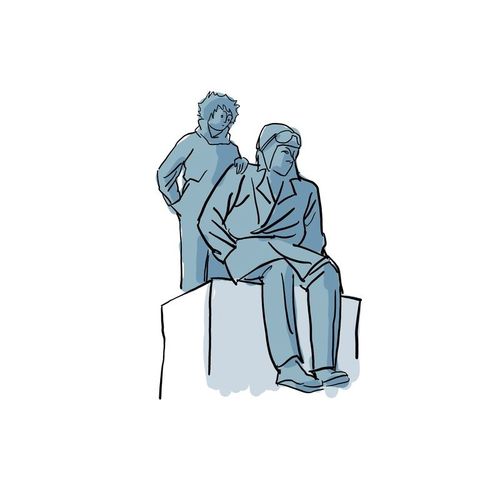
The commercial and historic heart of Lyon, the Presqu'île brings together districts largely listed by UNESCO. On Place Bellecour, Europe's largest pedestrian square, you'll find the equestrian statue of Louis XIV and a statue of Saint-Exupéry. On Place des Terreaux, the Bartholdi fountain faces the Fine Arts Museum. Don't miss the Basilica of Saint-Martin d'Ainay, the Palais de la Bourse, Saint-Nizier church and the Hôtel-Dieu, now a hotel and shopping area. Rue Auguste-Comte and Rue Victor-Hugo draw shoppers, while Rue des Marronniers is lined with traditional bouchons.
Explore every corner with our guide to the Presqu'île district.
What is there to discover in Lyon's modern Confluence district?
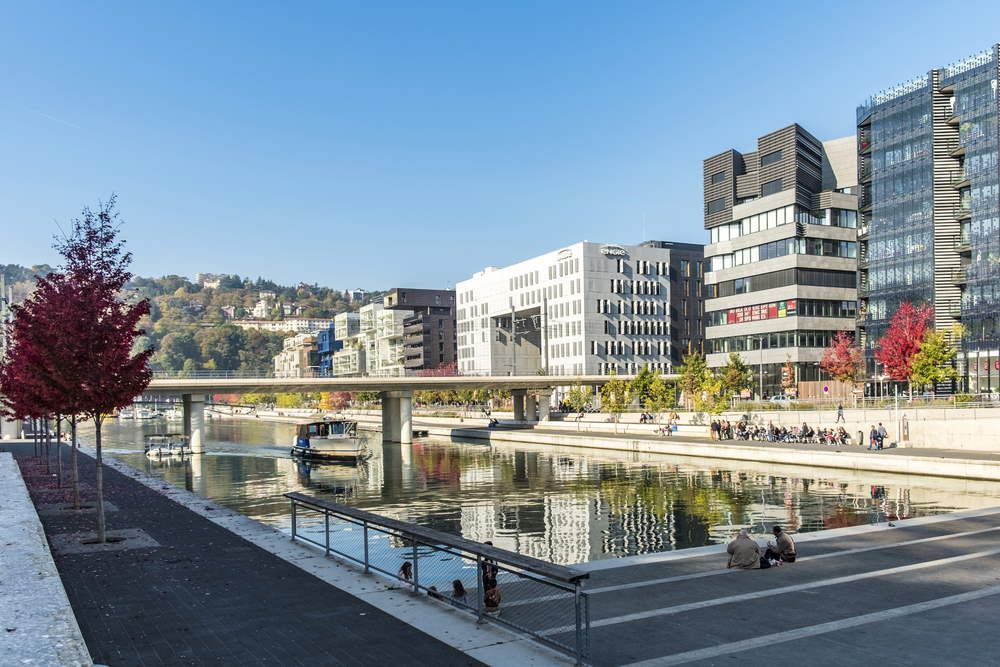
A former industrial area, Confluence blends restored buildings with contemporary, sustainability-minded architecture. You'll find La Sucrière, a 1930s warehouse now hosting the Contemporary Art Biennale, and the Musée des Confluences, devoted to science and societies. The Saône park stretches over 13 hectares of pools planted with 3,000 trees. The shopping and leisure centre has 75 shops, 15 restaurants and 14 cinema screens. Look out too for the Raymond-Barre bridge with its two arches, the love-lock footbridge and the Quarantaine railway viaduct.
Plan your stroll with our guide to the Confluence district.
What is there to do in Lyon's Croix-Rousse district?
Once the stronghold of the canuts, Lyon's silk workers, Croix-Rousse keeps a village feel among its slopes, stairways and street art. The Mur des Canuts, a huge mural whose characters really live in the neighbourhood, and the Passage Thiaffait, where 75 designers show their work, set the tone. Walk through the traboules, including the Cour des Voraces and its six-storey staircase, once a refuge for rebel canuts. Up on the plateau, browse the market, open every day except Monday, see the Gros Caillou, then visit the Maison des Canuts and its weaving demonstration.
Every stop is covered in our guide to the Croix-Rousse district.
Which hikes can you do around Lyon, even without a car?
Several walks start right from a TCL bus stop: the easy Limonest loop (5 km), the Yseron valley, the Monts d'Or from Saint-Didier (11 km) or the Beffe valleys near the Lacroix-Laval park. Within 1 hour 30 minutes, you can circle Lake Paladru (22 km), climb the Dent du Chat with its ladders, take the family up to the Nivolet cross or follow the Pilat ridge trail. For a weekend, the Grand Tour du Beaujolais (40 km), a crossing of the Vercors or the Col de la Vanoise await.
Pick your trail from our selection of 15 hikes around Lyon.
Which traditional dishes and treats should you taste in Lyon?
Named the world capital of gastronomy in 1935, Lyon owes much to its famous Mères lyonnaises. Try pike quenelles with Nantua sauce, saucisson brioché, breaded tablier de sapeur with gribiche sauce, chicken liver cake and cervelle de canut, a herby fromage blanc. Poulet Célestine was created in 1860 by Paul Bocuse's future grandparents. For something sweet, there are the Voisin house's coussins de Lyon, pink praline tart and Carnival bugnes. Beaujolais crus and northern Côtes du Rhône wines complete the feast.
Discover their stories in our top 10 culinary specialties of Lyon.
What should you look out for when visiting the Basilica of Notre-Dame de Fourvière?
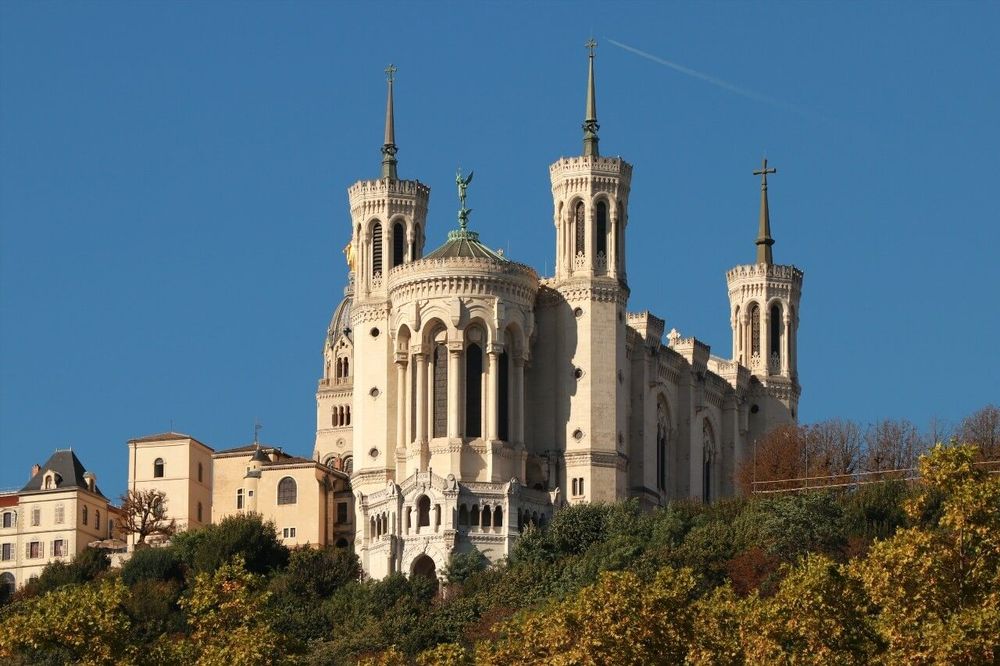
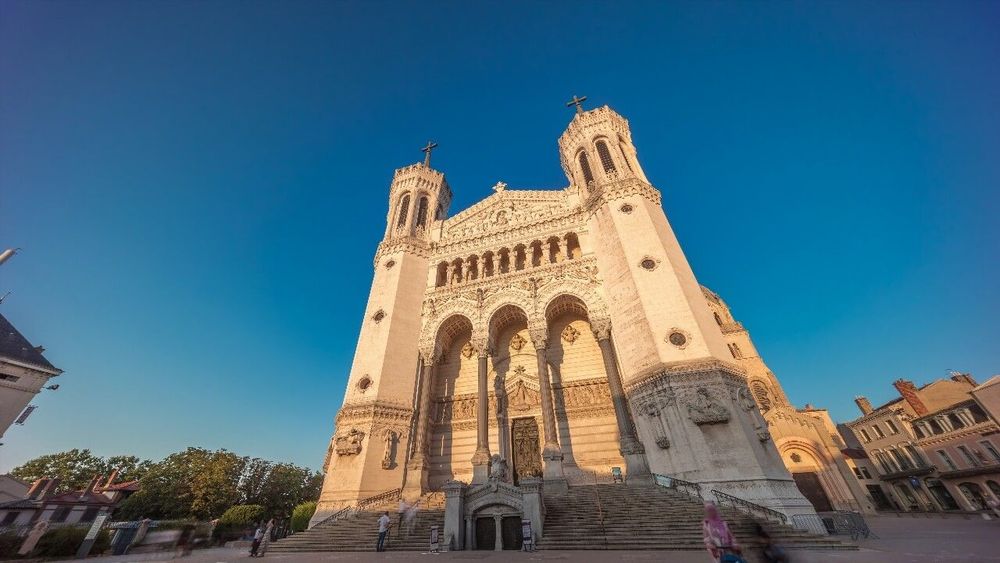
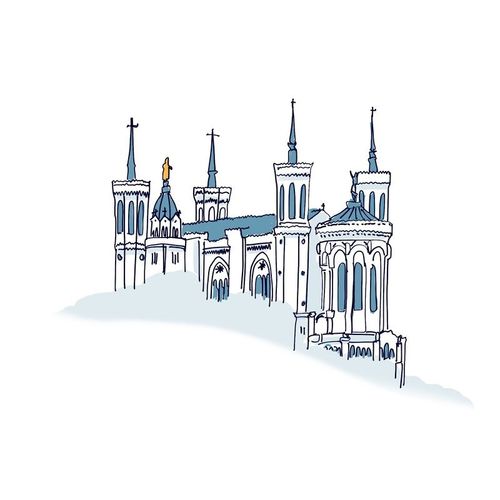
Built after an 1870 vow to spare Lyon from the Prussian invasion, Pierre Bossan's basilica was consecrated in 1896. It isn't a cathedral but a pilgrimage basilica, welcoming more than 2.5 million visitors a year. Inside, nearly 5,500 m² of mosaics tell the life of the Virgin Mary; look for the two Indian elephants in the north aisle. Don't skip the far plainer Saint-Joseph crypt. From the terrace, the view stretches to the Alps and sometimes as far as Mont Blanc.
Opening times and tips are in our guide to Fourvière Basilica.
What can you find and taste at Les Halles Paul Bocuse?
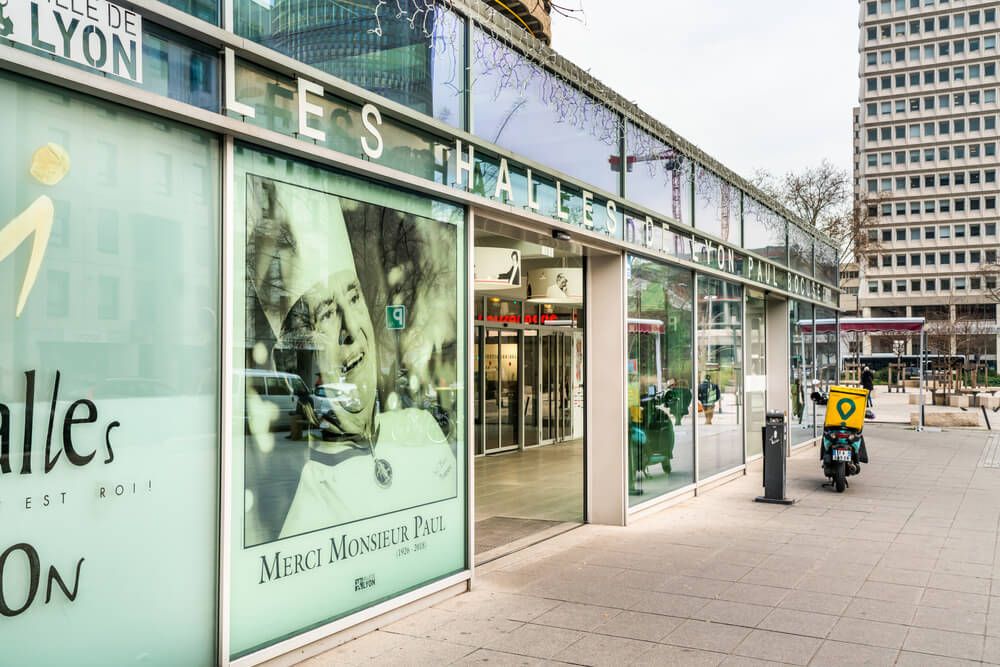
Descended from the first covered market opened on Place des Cordeliers in 1859, the Part-Dieu food hall took Paul Bocuse's name after its renovation in the early 2000s. Some 56 food merchants champion Lyon and French produce. Look for Jésus and rosette de Lyon sausages, pâté en croûte, handmade quenelles, saucisson brioché, cervelle de canut and Mère Richard's Saint-Marcellin cheese. For dessert, there's praline tart, coussins de Lyon and bugnes. The halls open from 7am to 7pm on weekdays and until 1pm on Sundays.
Find the best stalls in our guide to Les Halles Bocuse in Lyon.
How should you plan a two- or three-day stay in Lyon, day by day?
Both itineraries open on Fourvière hill, with the basilica, the Roman theatres and the Lugdunum museum, before heading down through the traboules of Vieux Lyon to Saint-Jean Cathedral. Over two days, the first afternoon covers the Presqu'île, from Bellecour to Terreaux, and the second morning the slopes of Croix-Rousse. With three days, add Confluence and its museum, Les Halles Paul Bocuse, then the Parc de la Tête d'Or and the Brotteaux district. Lunch in a traditional bouchon, such as the Café des Fédérations, is part of the plan.
Follow our 2-day Lyon itinerary or our complete 3-day itinerary step by step.
Where can couples go for an unusual romantic weekend near Lyon?
Seven getaways for two are on offer. Sleep in a treehouse in the Chartreuse, 1 hour 30 minutes from Lyon, or at the Château de Champlong in the Roannais, which has just 12 rooms and a gourmet restaurant. In the Beaujolais, at Villié-Morgon, you can spend the night inside a genuine wine cask. Aix-les-Bains offers spa stays on Lake Bourget, and the Vercors a gypsy caravan in the countryside. Annecy and Chambéry round off the list. Expect €150 to €300 a night for a treehouse or caravan, and book early.
Find your hideaway in our selection of unusual romantic weekends around Lyon.
What is there to discover in Vieux Lyon, the city's Renaissance gem?
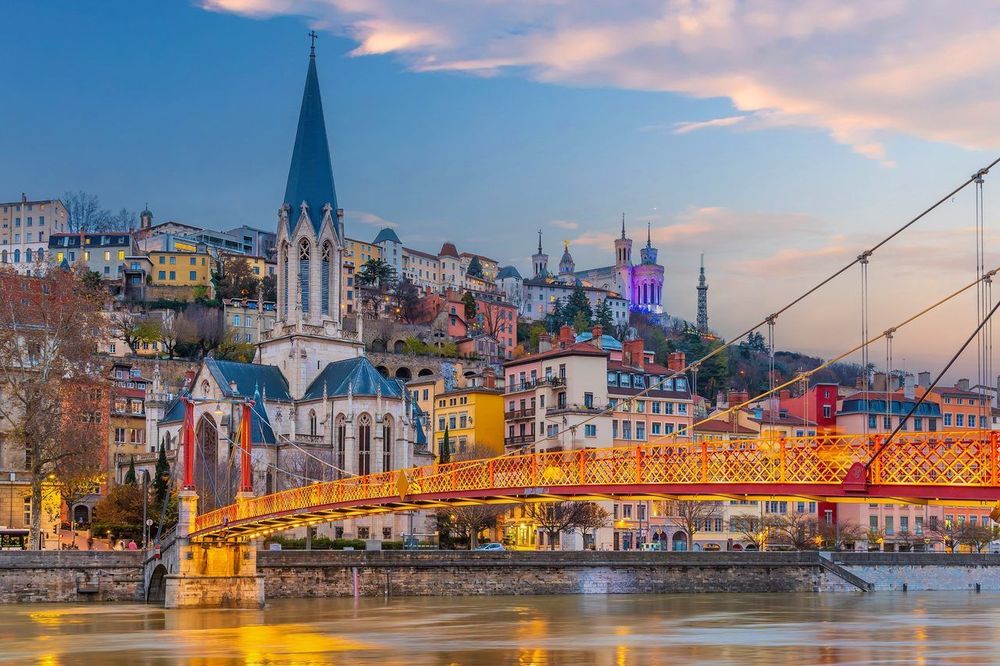
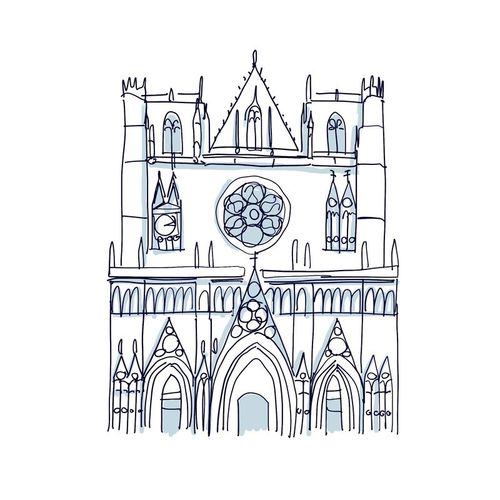
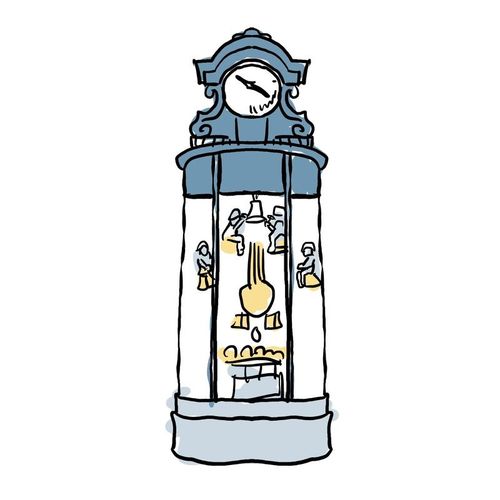
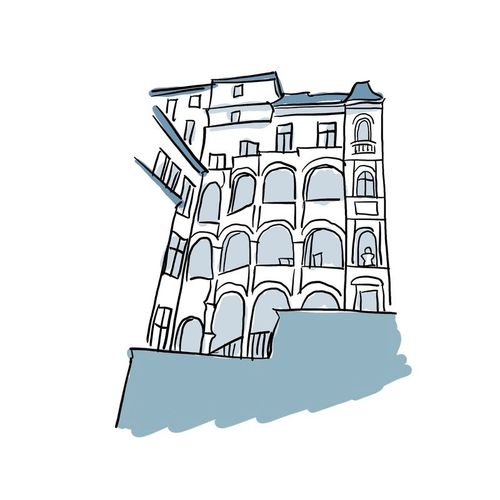
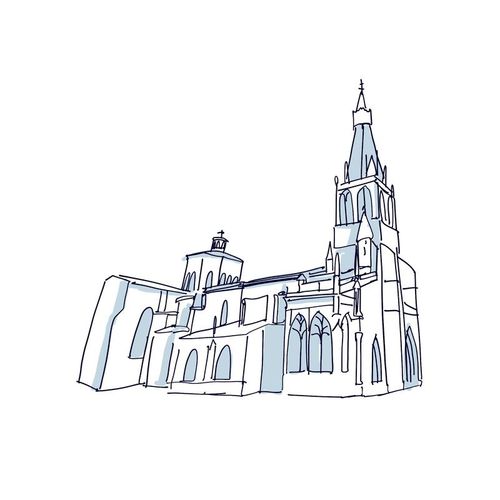
Vieux Lyon covers some 50 hectares between the Saône and Fourvière, across three former parishes: Saint-Jean, Saint-Georges and Saint-Paul. Enriched during the Renaissance by Italian bankers drawn to the city's trade fairs, it became France's very first protected heritage district in 1964. Around thirty traboules are open to the public, including the Longue Traboule, which crosses four courtyards between Rue Saint-Jean and Rue du Bœuf. Saint-Jean-Baptiste Cathedral houses a 14th-century astronomical clock whose automata come to life at noon, 2pm, 3pm and 4pm.
Explore the district with our complete guide to Vieux Lyon.
What can you visit in Lyon during the European Heritage Days?
On the third weekend of September, more than a hundred sites across the metropolitan area open their doors for free, many of them closed the rest of the year. Fourvière Basilica, with its crypt and terraces, draws the biggest crowds, followed by the Grand Hôtel-Dieu and its 18th-century pharmacy. Renaissance courtyards in Vieux Lyon, the backstage areas of the Opera, the Gadagne museum and former industrial sites complete the programme. Some guided tours with limited places require booking, so check the official programme as soon as it comes out, usually in late August.
Plan your route with our guide to the Heritage Days in Lyon.
What can you do in Lyon on a rainy day?
Rain doesn't stop anything in Lyon. The Musée des Confluences, with its mammoth fossils and mummies, and the Fine Arts Museum can easily fill half a day. With children, try the Cinema and Miniature Museum and the Museum of Illusions. The Gadagne museums tell the story of the city and of puppetry, while Lugdunum is just a funicular ride away. The Lyon Aquarium houses around 5,000 animals, and the free greenhouses of the Parc de la Tête d'Or offer a tropical bubble. The traboules also let you cross Vieux-Lyon under cover.
Find every idea in our guide to things to do in Lyon when it rains.
What is there to do in Lyon with children?
In Vieux Lyon, the traboules turn into a treasure hunt, and the astronomical clock in Saint-Jean Cathedral sets its automata in motion at noon, 2pm, 3pm and 4pm. Guignol, born around 1808, appears both at the puppet theatre and at the Gadagne museum, free for under-18s. At Fourvière, the basilica rooftop tour, a treetop adventure park and the Roman theatre delight older kids. The Parc de la Tête d'Or offers a free zoo, pedal boats and pony rides, and Croix-Rousse its Maison des Canuts and giant mural.
Plan your family trip with our guide to Lyon with kids.
Vos commentaires, idées et suggestions
Aucun avis pour le moment