© Shutterstock
 Votre guide Ryo
Lyon and Its Surroundings: 30 Must-Do Activities in 2026
Lyon doesn't reveal itself at first glance. You have to push open the seemingly private doors of Vieux-Lyon to discover a Renaissance courtyard, climb up to Croix-Rousse before the neighbourhood wakes up, get lost in a traboule without knowing which street it leads to. To explore activities in Lyon and its surroundings with a guiding thread, the Ryo audio guide of Lyon covers 7.9 kilometres of the city across 26 audio tracks, from the Roman theatres of Fourvière to the banks of the Rhône.
But the riches don't stop at the city limits. Forty-five minutes by road, the Beaujolais vineyards produce Morgon and Moulin-à-Vent wines that the finest Parisian sommeliers order en primeur. An hour due north, the Dombes is home to 1,000 ponds and a bird park that houses Dalmatian pelicans, pink flamingos and Humboldt penguins. Seventy-five kilometres to the south, the Palais Idéal du Facteur Cheval, built stone by stone between 1879 and 1912 by a rural postman haunted by his dreams, ranks among the most singular sites in France. And not forgetting the Parc naturel régional du Pilat, which peaks at 1,432 metres less than an hour from Part-Dieu station.
This guide covers the best activities in Lyon and within a two-hour radius: historic neighbourhoods, museums, gastronomy, nature, medieval villages and wine landscapes. Distances, prices and practical tips to help you build a tailor-made itinerary, whether you have a weekend or a full week.
Vieux-Lyon and the Fourvière Hill
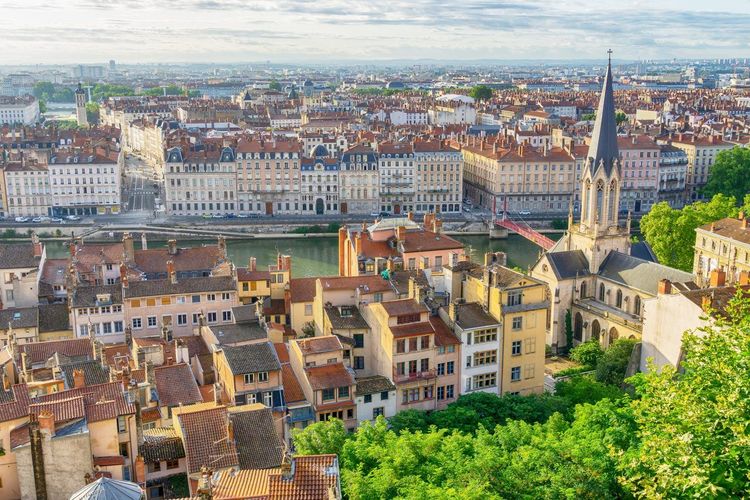
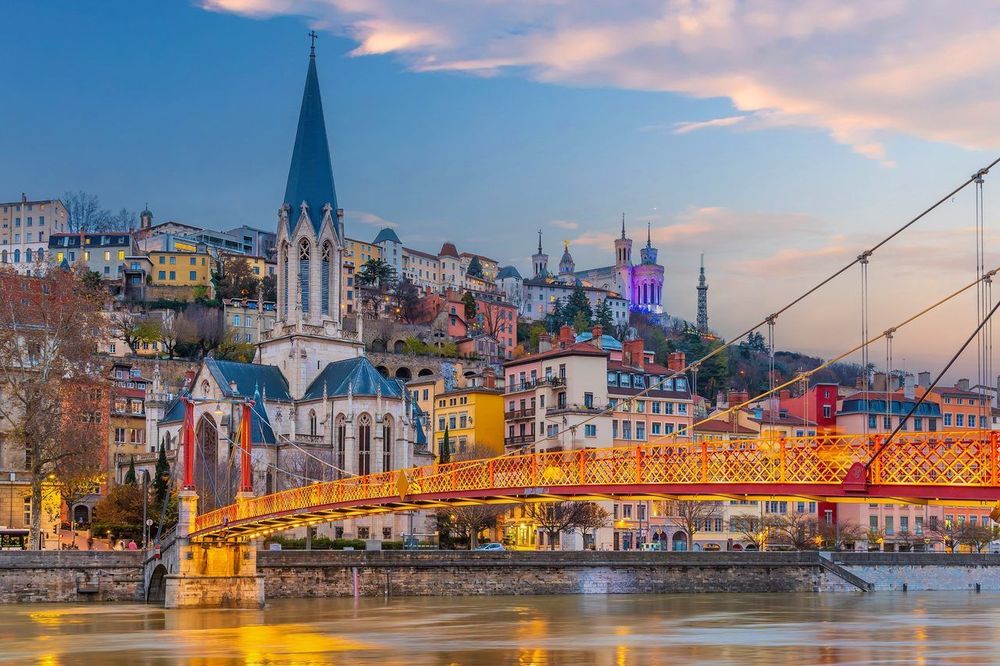
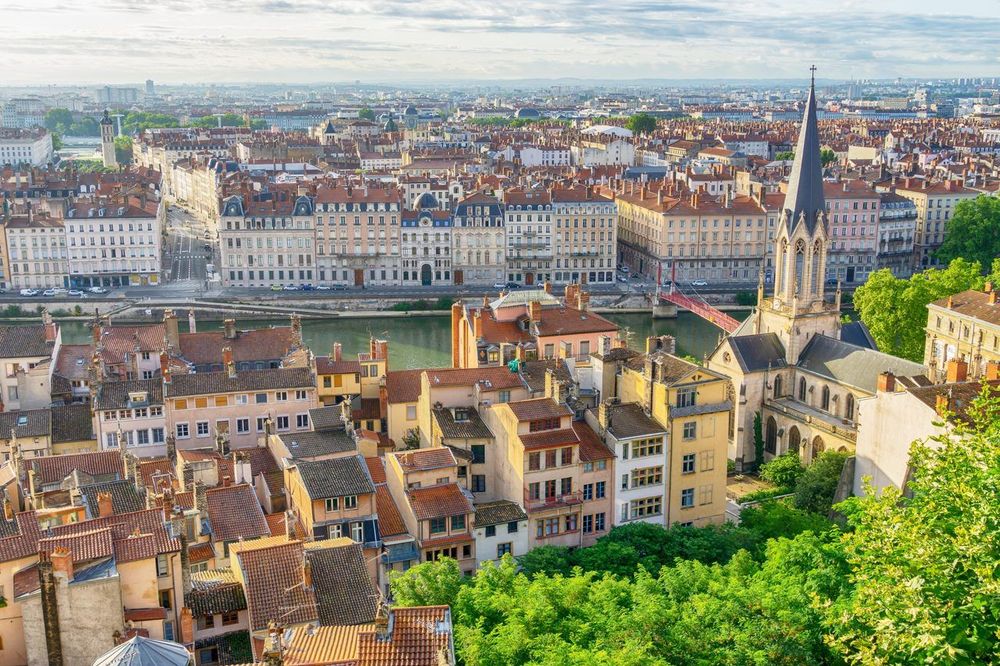
This is probably the first place to head when arriving in Lyon, and one of the rare tourist districts in France that fully lives up to its reputation. Vieux-Lyon forms one of the largest Renaissance ensembles outside Italy: around 300 buildings from the 15th and 16th centuries wedged between the left bank of the Saône and the foot of the Fourvière hill, the whole area listed as a UNESCO World Heritage Site since 1998.
What makes this neighbourhood unique are the traboules: covered passageways that cut straight through buildings, connecting two different streets via one or more inner courtyards. Their origins are commercial — 16th-century silk merchants could transport their fabrics sheltered from the weather. Some connect up to four successive courtyards, pass through Renaissance spiral staircases and emerge two streets away with no signage to indicate it. The traboule at 27 rue Saint-Jean is one of the longest and most accessible: it passes through three successive courtyards and exits onto rue des Trois-Maries. Others are marked by blue plaques on the façade; the City of Lyon lists around twenty that are open to the public.
The Cathédrale Saint-Jean-Baptiste has dominated the square of the same name since the 12th century. Its construction spanned three centuries, from 1175 to 1480, which explains the disconcerting mix of late Romanesque and Flamboyant Gothic. The 14th-century astronomical clock, installed in the north transept, chimes at noon, 2pm, 3pm and 4pm, triggering mechanical automatons — one of the rare medieval mechanisms still functioning in France.
From place Saint-Jean, two funiculars depart every five minutes towards the Fourvière hill. Take the F1: two minutes of climbing to reach the forecourt of the basilique Notre-Dame de Fourvière, built between 1872 and 1896 in thanksgiving to the Virgin Mary for sparing Lyon from the plague. The building is exuberant — sculpted façade, gilded interior mosaics, fresco-decorated crypt — but it is above all the view from the forecourt that makes the climb worthwhile: the entire Presqu'île spreads out below, with the Rhône and the Saône as natural borders, and the first Alpine ridges on the horizon on clear days.
Five minutes' walk from the basilica, the Roman Theatres of Fourvière (6 Rue de l'Antiquaille, 69005 Lyon, rated 4.6/5 on Google from 59 reviews) deserve a stop. The large theatre dates back to the 1st century BC; it was extended by Emperor Claudius, born in Lugdunum in 10 BC. Its original capacity exceeded 10,000 spectators. In summer, the Nuits de Fourvière festival still uses it for concerts and dance performances, with the illuminated basilica as a backdrop — one of the most impressive open-air stages in France. Admission: free for the theatres themselves, €6 for the adjacent Gallo-Roman Museum (free on the first Sunday of the month).
Walking back down towards the Saône along rue Juiverie, look for the private mansions with courtyard galleries. Number 4 (Hôtel Paterin) and number 8 (Hôtel Bullioud) are two of the finest examples of 16th-century Lyonnaise civic architecture. Timing-wise, the neighbourhood is noticeably less crowded before 10am or after 5pm — that's when the lanes regain their limestone silence.
The funicular costs €2.10 (the price of a single TCL ticket, valid for 1 hour across the entire network). The basilica is open and free every day. Allow a minimum of two hours for the neighbourhood alone, three hours if you include Fourvière and the theatres. Rue Juiverie and the Saône banks both feature on the short version of our audio walking tour, 18 stops in all.
The Presqu'île: Squares, Arcades and Riverbanks
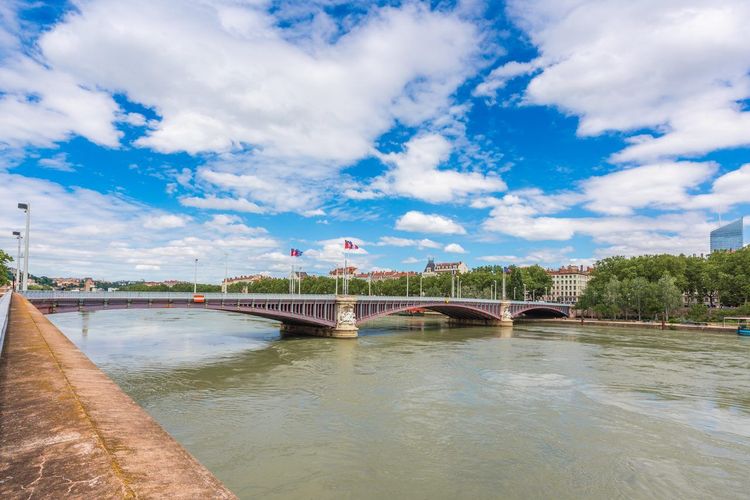
The Presqu'île is the backbone of Lyon: a 2.5-kilometre tongue of land between the Rhône and the Saône, flanked by Haussmann-style façades to the south and 19th-century buildings to the north. Almost all of the major cultural and commercial facilities on the right bank are concentrated here.
Place Bellecour is one of the absolute landmarks of Lyon. At 62,000 m², it is one of the largest pedestrian squares in Europe. The equestrian statue of Louis XIV at its centre dates from 1825 (the previous one was melted down during the Revolution). Every journey through Lyon seems to pass through here — it is the city's ground zero.
To the north, place des Terreaux is dominated by the Bartholdi fountain (1892), created by the sculptor of the Statue of Liberty. The four bronze horses represent the rivers of France. The 17th-century Hôtel de Ville and the Musée des Beaux-Arts close off the square on two sides. The terraces fill up at the first April sunshine and remain packed through to October.
Between the two squares, the Presqu'île has its own covered arcades. Passage Thiaffait, in the Pentes neighbourhood, has been transformed into a village of makers: around twenty artisan workshops (jewellers, tailors, ceramicists) work and sell directly here, free entry. More useful still for a break: the Rhône riverbanks, redesigned in 2007, offer five kilometres of pedestrian and cycling promenade with pop-up bars in summer. Our article on the Presqu'île de Lyon gives full details of its addresses and lesser-known corners.
The Parc de la Tête d'Or (Place du Général Ferrié, 69006 Lyon, rated 4.6/5 on Google from 60,565 reviews), at the northern tip, is the city's green lung: 117 free hectares with a zoo (also free), a boating lake, a rose garden of 16,000 plants — the largest in France — and tropical greenhouses open year-round. It is the kind of place Lyonnais know by heart but visitors often discover too late in their stay. Place Bellecour and the Saône riverside sit on our audio-guided route through the Presqu'île.
Croix-Rousse, the Silk Weavers' Neighbourhood
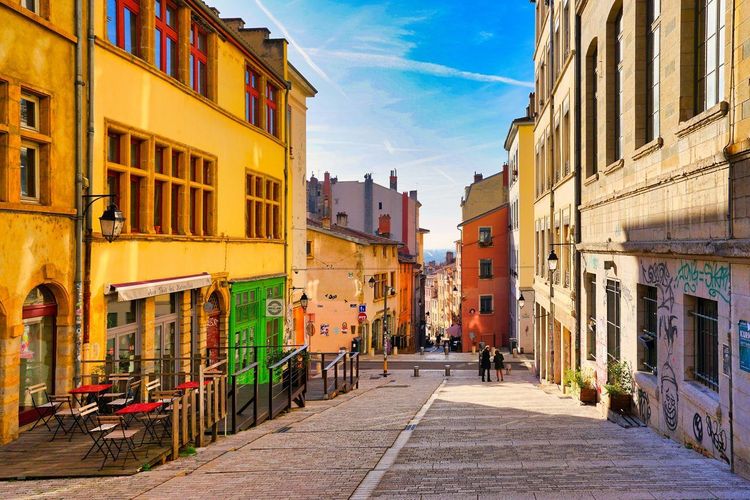
Croix-Rousse is the hill that "works", in contrast to Fourvière, the hill that "prays". The cliché dates back to the 19th century and the reign of the canuts, the silk weavers who produced half the luxury fabrics for the courts of Europe. They lived and worked in the same buildings, whose tall, wide windows — a defining feature of the neighbourhood — were designed to let as much light as possible fall on the Jacquard looms.
The neighbourhood has retained its working-class, creative character. The streets of Croix-Rousse, Belfort and Dumenge are packed with markets, independent bookshops, natural wine bars and restaurants that draw Lyonnais at the weekend. The market on boulevard de la Croix-Rousse, open every morning except Monday, is one of the most vibrant in Lyon: vegetables from the Pilat, goat's cheese from the Monts du Lyonnais, cheeses from the Dombes.
The traboules of Croix-Rousse differ from those of Vieux-Lyon. Longer and more industrial in feel, they cut through buildings to allow silk workers to move their bales without going out into the street and risking weather damage. The one at 9 place Colbert (exiting at 14 rue Richan) is one of the most spectacular: it descends several floors through stone staircases and emerges in a completely different architectural setting. The City of Lyon lists around twenty traboules open to the public in the neighbourhood.
To understand the history of silk and the work of the canuts, two complementary options: the Maison des Canuts (rue d'Ivry, €8) offers a demonstration on a Jacquard loom and traces the social history of the neighbourhood with passionate guides. The Musée des Tissus holds more than 2 million textile pieces from five continents and is considered one of the most important historic textile collections in the world.
The Ryo audio guide À la rencontre des Canuts covers 4.4 kilometres of Croix-Rousse across 16 audio tracks over 2 hours: it is probably the best way to miss nothing in the neighbourhood, from the traboules to the workshops, while understanding what gives this hill its particular identity. Our article on the Croix-Rousse neighbourhood complements this itinerary with up-to-date addresses.
Lyon's Must-See Museums
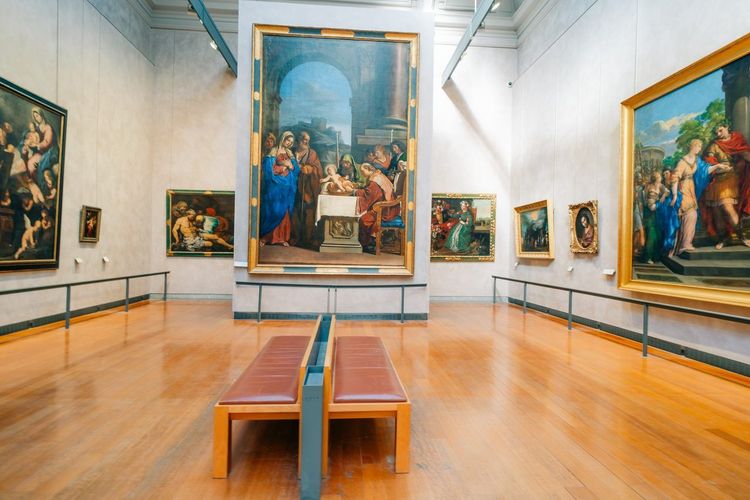
Lyon is one of the best-endowed cities in France for museums, with two institutions that stand clearly apart from the rest.
The Musée des Beaux-Arts de Lyon, housed in a former 17th-century Benedictine convent on place des Terreaux, holds one of the richest permanent collections in France after the Louvre: Egyptian, Greek and Roman antiquities, Flemish, Impressionist and modern paintings, sculptures, decorative arts. The inner courtyard with its gardens is one of the finest in the city. Admission: €8 adults (reduced rate €4), free for under-18s.
The Musée des Confluences (86 Quai Perrache, 69002 Lyon, rated 4.5/5 on Google from 26,006 reviews), opened in 2014, is simultaneously a natural history museum, an anthropology and science museum, and an architectural feat. Its steel and glass building — a kind of crystal suspended on stilts at the confluence of the Rhône and the Saône — earned its Zurich-based architects international recognition. The permanent collections explore the origin of the universe, of life and of human civilisations across several floors. Admission: €12 adults, free for under-18s and on the first Sunday of the month. Closed on Mondays.
Two other museums worth noting: the Musée Gadagne (Lyon history museum and puppet museum in a private mansion in Vieux-Lyon, €6) and the Musée Miniature et Cinéma (ultra-detailed miniature sets and film props, rue Saint-Jean, €12) which delights adults and children alike. Every December, the Fête des Lumières transforms these façades into canvases for light artists — an event worth planning as a standalone experience.
Lyonnaise Gastronomy: Bouchons and Markets
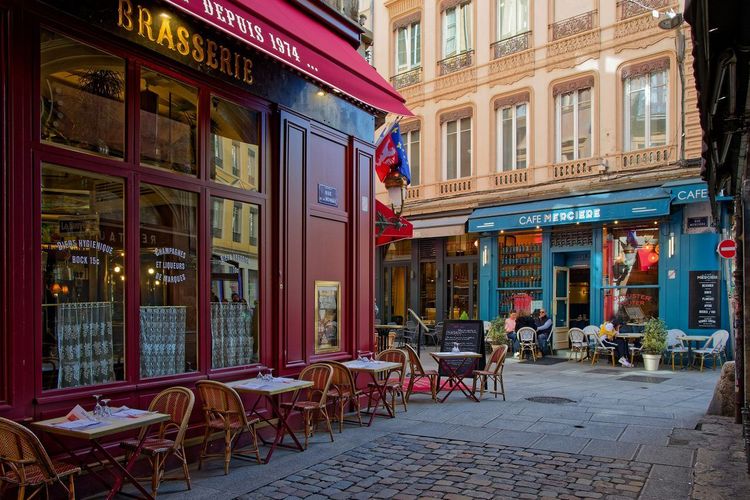
Lyon is considered by many to be the gastronomic capital of France, and this reputation rests on more than the name of Paul Bocuse. Traditional Lyonnaise cuisine is built on offal, pike quenelles, dauphinois gratins and lamb's lettuce salads dressed in duck fat: a terroir gastronomy born of the 19th-century female cooks who fed the silk weavers of Croix-Rousse.
The bouchons lyonnais are the most visible expression of this tradition. These are not gastronomic restaurants: they are bistros with checked tablecloths and wine lists focused on local producers. The essential dishes: salade lyonnaise (frisée lettuce, lardons, poached egg), tablier de sapeur (breaded and fried tripe), quenelles sauce Nantua, AAAAA andouillette sausage, cervelle de canut (herbed fromage blanc). To guarantee authenticity, look for the "Authentique bouchon lyonnais" label from the association that certifies around twenty addresses in the city.
Some reliable addresses: Café Comptoir Abel (rue Guynemer, open since 1928, one of the oldest bouchons in Lyon), Bouchon des Filles (rue Sergent Blandan, traditional motherly cuisine revisited by two chefs), Chez Hugon (rue Pizay, a clientele of journalists and local politicians for 60 years). Prices range between €22 and €35 per person at lunch for a full menu.
Beyond the bouchons, Lyon's culinary scene is evolving fast. The Guillotière neighbourhood, multicultural and dense with Turkish, Arab and Asian grocery shops, has become one of the most interesting areas for eating for under €15. In summer, the Rhône riverbanks host pop-up concepts and spontaneous picnic evenings with natural Beaujolais wines. Our article on the culinary specialities of Lyon lists the essential dishes and the best addresses by neighbourhood.
One thing to know: bouchons often fill up at the weekend by 12:15pm. Booking the day before is strongly advised for well-known tables. On weekdays, some offer a lunch formula at €16–18 that isn't advertised on the façade — just ask.
Les Halles Paul Bocuse, the Belly of Lyon
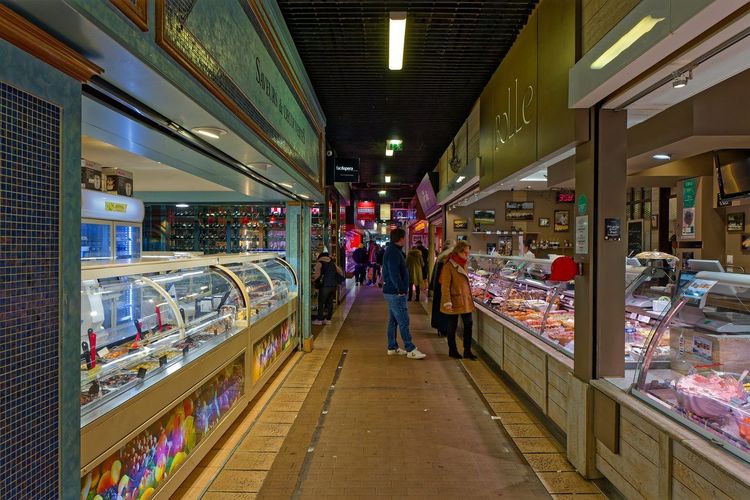
Les Halles reward the effort: you need to arrive early (before 10am at weekends) and come hungry. This covered market on cours Lafayette brings together around fifty stalls — fishmongers, butchers, cheesemongers, charcutiers, greengrocers and caterers — beneath a 19th-century glass roof. It is not a market of superlatives; it is simply the place where Lyon's cooks have come to stock up for generations.
The stalls not to miss: the Rolle charcuterie for hand-braided Lyon saucisson, the Mons stand for aged cheeses (Saint-Marcellin, summer Beaufort, Époisses), and Maison Pupier for fresh quenelles. Several stalls let you eat on the spot: oysters standing up, a cheese board with a glass of white Mâcon, shared charcuterie platters. Our article on Les Halles Paul Bocuse (102 Cours Lafayette, 69003 Lyon, rated 4.5/5 on Google from 14,644 reviews) gives a full breakdown of the best stalls by category.
The Parc Naturel Régional du Pilat
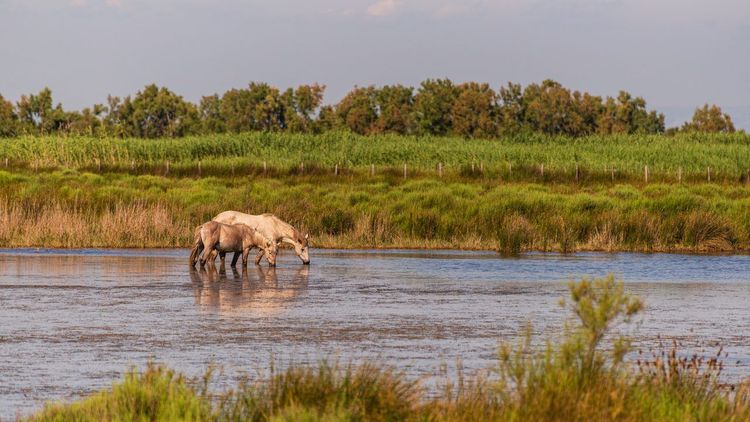
An hour south of Lyon via the A7, the Parc Naturel Régional du Pilat is the go-to nature escape for Lyonnais. The massif covers 65,000 hectares between the Loire and the Rhône, peaking at Crêt de la Perdrix (Route du Crêt de la Perdrix, 42660 Saint-Régis-du-Coin, rated 4.8/5 on Google from 80 reviews) at 1,432 metres — high enough for snow in winter and, on exceptional days, a glimpse of Mont Blanc.
The Pilat's great strength is the diversity of landscapes concentrated over a short distance. Beech and fir forests in the upper elevations, Côte-Rôtie and Condrieu vineyards in the lower sections (the same vines that produce some of the most expensive Viogniers in France), trout streams, high-altitude meadows with herds of Highland cattle. In summer, around fifteen marked hiking trails allow you to cross the massif at all levels: from a 5 km family walk to a two-day full traverse on the GR7.
The village of Pélussin houses the park's visitor centre with information on trails and seasonal activities. In winter, the Tarentaise area (on the Loire side of the massif) offers cross-country skiing accessible without specialist equipment. Spring is the best season for wild orchids on the south-facing slopes.
At the foot of the Pilat on the Rhône side, the Côte-Rôtie vineyard deserves a stop in its own right. A few kilometres of vertiginous slopes above the river produce some of the world's most highly regarded Syrahs. The winery Les Vins de Vienne in Seyssuel organises tastings by appointment. For hikers, our article on hikes around Lyon ranks the Pilat trails by level and duration.
One final note: the Pilat has been running a "Starry Park" programme for several years to reduce light pollution, and its night sky is among the clearest in the region. Local associations organise stargazing evenings between April and October. For an escape from Lyon, it is one of the rare areas where light pollution almost entirely disappears less than an hour by road.
The Beaujolais: Wine Country 45 Minutes from Lyon
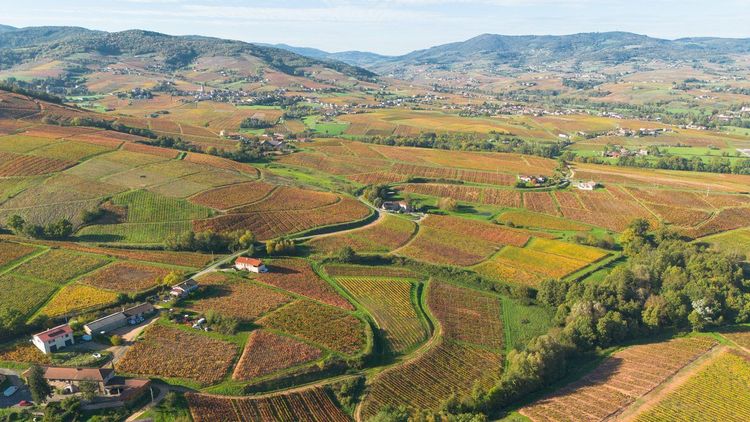
The Beaujolais' reputation has long suffered from its own commercial success. Beaujolais nouveau, released every third Thursday of November, projected a simplistic image onto a wine region that in reality produces ten crus of considerable complexity. Take the wine route north from Lyon: you'll be at the heart of the vineyard after 45 minutes.
The vineyard extends over 22,000 hectares between Villefranche-sur-Saône and Mâcon, divided into regional appellations and ten crus. The most renowned: Morgon (structured wines capable of ageing for 10 years), Moulin-à-Vent (the "king of Beaujolais"), Fleurie (the most floral), Brouilly (the most produced, around Mont Brouilly). Most estates open for tasting welcome visitors without an appointment on weekdays.
The town of Beaujeu (55 km from Lyon) is the historic capital of the region. It houses the folk traditions museum "Les Sources du Pays" and a local produce market every weekend. Villefranche-sur-Saône, much larger, is the commercial hub of the region and retains a fine rue Nationale lined with medieval buildings, often overlooked in favour of the surrounding vineyards.
Beyond the wines, the Beaujolais is a fine region for hiking and cycling. The Monts du Beaujolais offer panoramic views over the vines from the ridges, with golden-stone villages that give this corner of France a resemblance to Tuscany. For a full weekend in the region, our article on unusual weekends in Rhône-Alpes lists original accommodation options — converted wine cellars, vineyard estates with guest rooms — that make the region far more than a day trip.
The Dombes, Land of a Thousand Ponds
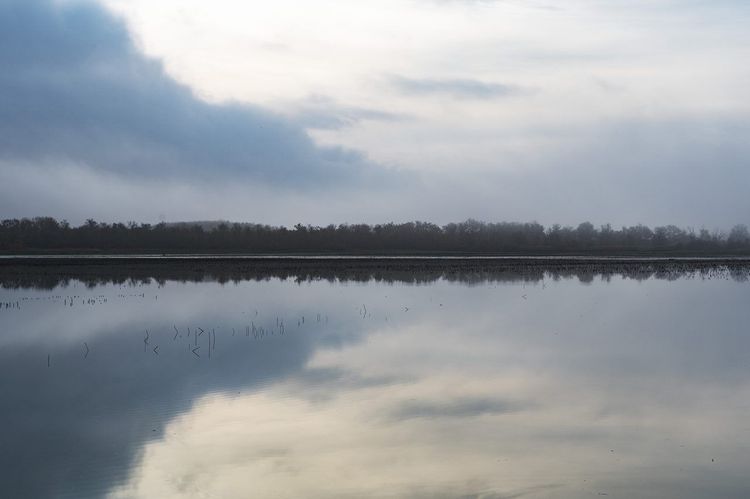
Forty kilometres north of Lyon, the Dombes is a plateau born from the Quaternary glaciations: 1,000 artificial ponds created by medieval monks for carp and pike farming, amid a damp, misty plain that changes face with the seasons. It is a landscape that exists nowhere else in France.
The main attraction is the Parc des Oiseaux de Villars-les-Dombes (Avenue des Nations, 01330 Villars-les-Dombes, rated 4.4/5 on Google from 5,665 reviews): 23 hectares, 2,000 animals of 350 species, considered the finest ornithological collection in Europe by several specialist rankings. Dalmatian pelicans, African crowned cranes, pink flamingos, Humboldt penguins — open-air flying displays take place several times a day. Adult admission: €25, child (3–12 years): €18.
Beyond the park, the Dombes is a wild birdwatching territory. In winter, tens of thousands of ducks and wild geese overwinter on the ponds; wildlife photographers come from across Europe in November and December. Local gastronomy centres on frogs (the Dombes produces a significant share of the frogs consumed in France) and carp. The village of Bouligneux, with its medieval castle and frog restaurants, is the culinary symbol of the region.
Les Monts du Lyonnais
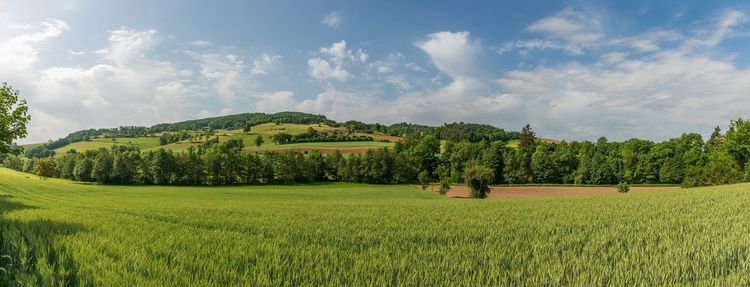
Thirty to fifty kilometres south-west of Lyon, les Monts du Lyonnais form a little-known forested massif that contrasts sharply with the metropolitan bustle. Less dramatic than the Pilat but more accessible for a half-day, they offer peaceful countryside with grey-stone villages and winding roads almost free of traffic.
The highest point exceeds 930 metres in the upper section. The town of Saint-Symphorien-sur-Coise is a good starting point for hikes in the area. In summer, les Monts du Lyonnais host the fruit production that supplies part of Lyon's markets: cherries in June, pears and apples from September to November. The fruit route between Mornant and Saint-Martin-en-Haut is a pleasant cycling route when the trees are in blossom (late April).
The Musée de la Résistance et de la Déportation in Saint-Genis-Laval (15 km from Lyon) recalls the crucial role this territory played during the Second World War — several villages in les Monts du Lyonnais had active resistance networks from 1942, just a few kilometres from the occupied city.
Oingt and the Medieval Villages of the Beaujolais
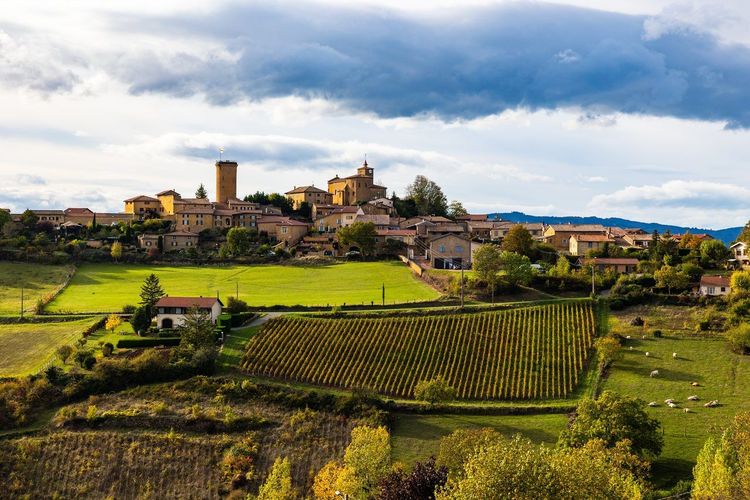
Oingt is listed among France's "Most Beautiful Villages" and the designation is fully justified: this village perched on a hilltop in the Plaine des Pierres Dorées overlooks the Beaujolais vineyards from a promontory at 400 metres altitude. The houses are built in warm-toned local limestone — the "golden stone" — the lanes are narrow and cobbled, and the 14th-century watchtower offers a 360° panorama over the vineyard and the Monts du Beaujolais.
The neighbouring villages — Theizé, Ternand (listed as a "Petite Cité de Caractère"), Bagnols with its 15th-century château hotel — form a Pierres Dorées itinerary well suited to a half-day by bike or car. The Beaujolais Pierres Dorées Tourist Office in Villefranche-sur-Saône organises themed guided tours of these villages on Sundays from June to September. From Lyon, Oingt is 45 minutes by car via the A6 towards Paris then the D38.
The Cerdon Caves
1h10 from Lyon (direction Bourg-en-Bresse via the A42, exit Pont d'Ain), the Cerdon caves (Route du Belvédère, 01450 Cerdon, rated 4.6/5 on Google from 937 reviews) are an underrated natural curiosity. The site is a former underground watercourse that developed within a limestone massif over millions of years. The guided tour lasts 1h30 and descends 600 metres underground through natural galleries adorned with concretions and stalactites, down to an underground lake.
What makes the site special: you enter through a natural portal in the cliff face and exit through another, avoiding any backtracking. Adult admission: €11.50 (cave visit), child: €8. Open from April to November. Temperature is around 12°C — bring a warm layer even in the height of summer. The visit pairs well with the Parc des Oiseaux de Villars-les-Dombes (halfway along the route) for a full day away from Lyon.
The Palais Idéal du Facteur Cheval
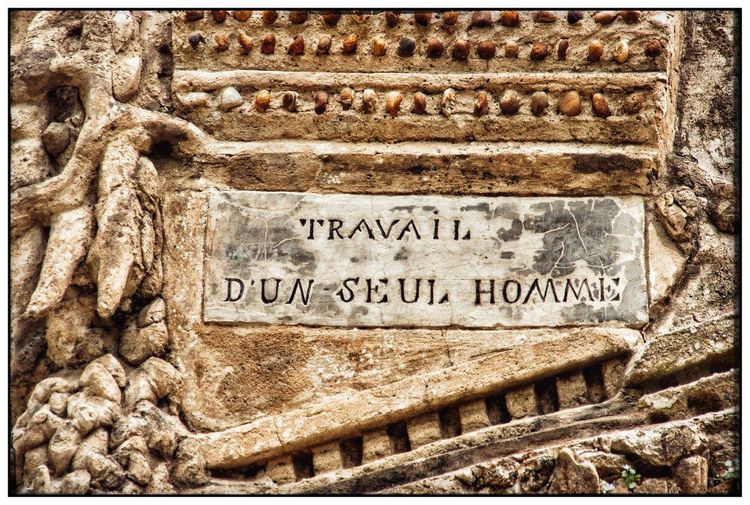
Ferdinand Cheval was a postman in Hauterives, in the Drôme, 75 kilometres south of Lyon. One evening in 1879, he stumbled on an unusually shaped stone during his round and decided to build the palace of his dreams. For 33 years, until 1912, he collected stones along his daily route and transported them in a wheelbarrow to incorporate into his structure. The result is a monument 26 metres long and 10 metres high, blending every architectural style Cheval had encountered in pictures: Hindu temples, Egyptian mausoleums, Romanesque chapels, oriental mosques.
André Breton had claimed it as a manifesto of Surrealism; Picasso came to see it. The Ministry of Cultural Affairs listed it as a historic monument in 1969 — a first for a structure built without an architect or a plan. The visit is self-guided around the garden surrounding the palace, with panels tracing Cheval's story and the symbolism of his work. Allow 1 to 1h30. Admission: €10.50 on site, €9.50 online (child reduced rate approximately €6). Open year-round except 25 December and 1 January.
Outdoor Activities: Hiking, Cycling and Swimming
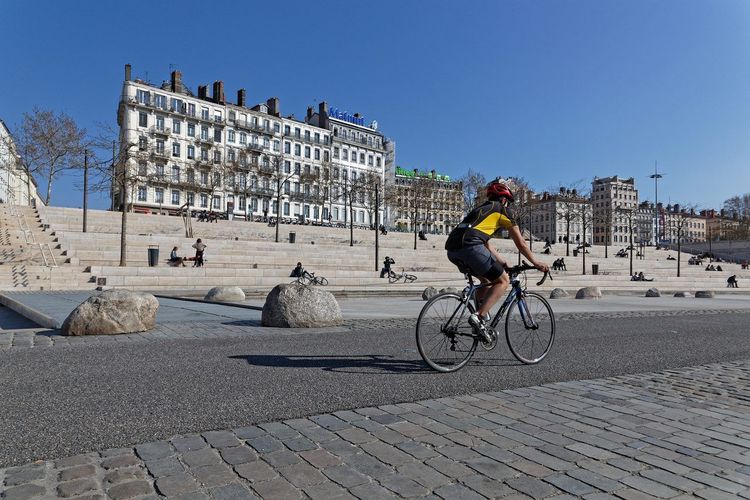
Lyon is surrounded by massifs and valleys accessible for outdoor activities without having to drive two hours. Options vary considerably depending on level and season.
Hiking: the Pilat (described above) is the flagship destination for hikers. For shorter outings from Lyon, the Monts d'Or to the north-west of the city (15 km from the centre) offer 2-to-4-hour walks with panoramic views over the city and the Bresse plain. Mont Cindre (472 m) is reachable by public transport: bus 70 from Part-Dieu. Our article on hikes around Lyon ranks the trails by level and duration with departure information.
Cycling: the ViaRhôna (EuroVelo 17) follows the Rhône from Geneva to the Mediterranean. The Lyon section is family-friendly and links Lyon to Vienne over 30 kilometres — less than 3 hours at a leisurely pace. The Voie Verte de la Vallée du Garon offers 30 flat, shaded kilometres to the west of Lyon. Electric bike rental is available from several providers in the city.
Swimming: Lac de Miribel-Jonage (10 km north-east of Lyon) is the main beach of the metropolitan area, with 2,200 hectares of fresh water and supervised swimming zones in summer. Île de la Table Ronde at Morestel (1 hour from Lyon) is a Rhône river beach with clear water and few crowds. Our article on swimming spots around Lyon lists the best options in detail with access information and supervision conditions.
In winter, the nearest ski resorts are 1h30 from Lyon for the first Alpine options (Les Gets, Chamrousse) and 2 hours for larger ski areas. The Pilat offers cross-country skiing from 1,200 metres altitude. To plan by season, our article on excursions around Lyon structures the options month by month.
Practical Information for Planning Your Stay
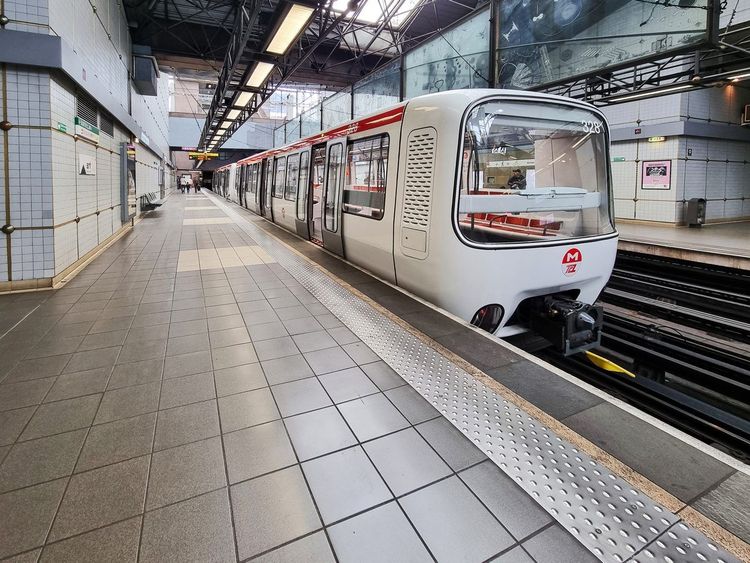
Getting around Lyon: the TCL network covers the whole city with 4 metro lines, 5 tram lines and a dense bus network. The TCL 72-hour pass costs €18 and includes the funiculars (single ticket: €2.10). For the surrounding area, a car remains essential — almost none of the destinations outside Lyon mentioned in this guide are served by public transport from the city centre.
Accommodation: Vieux-Lyon and the 2nd arrondissement (Presqu'île) are the most central neighbourhoods. Les Brotteaux (6th) is residential and quiet. Furnished apartments in the 1st and 4th arrondissements (Croix-Rousse) offer a more authentic setting for a stay with friends or family.
Budget: main museums between €6 and €12, a bouchon at lunch between €22 and €35, entry to natural spaces often free (Pilat, Monts d'Or). Most municipal museums are free on the first Sunday of the month. The Lyon City Card (€27 for 1 day) gives access to 26 museums and TCL transport, worthwhile if you plan several cultural visits.
Best season: Lyon is pleasant from April to October. The Fête des Lumières in December is unique but the city is very busy. Our article on events in Lyon lists the cultural highlights month by month.



FAQ
What activities can you do around Lyon without a car?
Without a car, options outside the city are limited but real. Lac de Miribel-Jonage is served by the C7 line from Part-Dieu station. Themed shuttles regularly depart to the Beaujolais region (providers such as Vinotrip or LyonOenos) with transfer from Lyon included. Les Monts d'Or are accessible by bus 70 from Part-Dieu. For the Cerdon caves or the Dombes, a car remains essential, but half-day rentals from Lyon are plentiful and affordable.
How many days do you need to visit Lyon and its surroundings?
3 days allow for a serious overview of Lyon itself (Vieux-Lyon, Fourvière, Presqu'île, Croix-Rousse, museums, gastronomy). To add the surrounding area, plan for 5 to 7 days: one day for the Beaujolais and its vineyards, one for the Pilat or the Dombes, one for the Palais Idéal du Facteur Cheval or the medieval villages of the Pierres Dorées. A long weekend (Friday evening to Monday) allows you to combine 2 days in the city and 1 day of excursion.
What is the best season to visit the Beaujolais?
November is spectacular with the late harvest and the release of Beaujolais nouveau on the third Thursday of the month. June and September are the best seasons for hiking through the vineyards, with pleasant temperatures and few crowds. In winter, the vineyard is beautiful and bare, the estates are open for tasting and the atmosphere is more authentic — it is the quietest time of year.
Are there free activities in Lyon?
Yes, several. Vieux-Lyon and its traboules are freely accessible. The Musée des Beaux-Arts and the Musée des Confluences are free for under-18s, and the Musée des Confluences is free for everyone on the first Sunday of the month. Parc de la Tête d'Or and its zoo are entirely free. The Roman Theatres of Fourvière are free to access. The basilique Notre-Dame de Fourvière is free. The only unavoidable cost if you visit Fourvière from below: the funicular (€3.60 return, €2.10 single).
How do you get to the Cerdon caves from Lyon?
The Cerdon caves are 1h10 from Lyon by car via the A42 motorway towards Geneva, exit Pont d'Ain, then the D979 towards Cerdon. There is no direct public transport from Lyon. The visit combines naturally with the Parc des Oiseaux de Villars-les-Dombes (halfway along the A42) for a full day in the Dombes and Bugey.
What is a bouchon lyonnais?
A bouchon is a traditional Lyonnaise bistro serving popular regional cuisine: offal, cured meats, gratins, quenelles. The origin of the word is debated — perhaps from the bundle of straw that innkeepers used to hang on their façade to signal their establishment. The association of authentic bouchons lyonnais awards a label to around twenty addresses in the city. Expect to pay €22 to €35 per person for a starter-main-dessert menu, wine not included. Booking the day before is strongly recommended at weekends.
Conclusion
Activities in Lyon and its surroundings form a territory of discovery that extends well beyond the city limits. The city itself demands several days to explore seriously: Vieux-Lyon and Fourvière, Croix-Rousse, the museums, the bouchons — each layer reveals something unexpected. But it may be in the surrounding area that Lyon is most surprising: an underestimated Beaujolais, a mysterious Dombes, a forested Pilat where the stars are visible less than an hour by road, and a Facteur Cheval that defies all categories.
To make the most of the city, the Ryo app offers the Lyon audio guide — 27 audio tracks, 7.9 kilometres of audio-guided route through two millennia of history, available offline to accompany you lane by lane. A solid starting point before setting off to explore everything that lies beyond.
À lire également