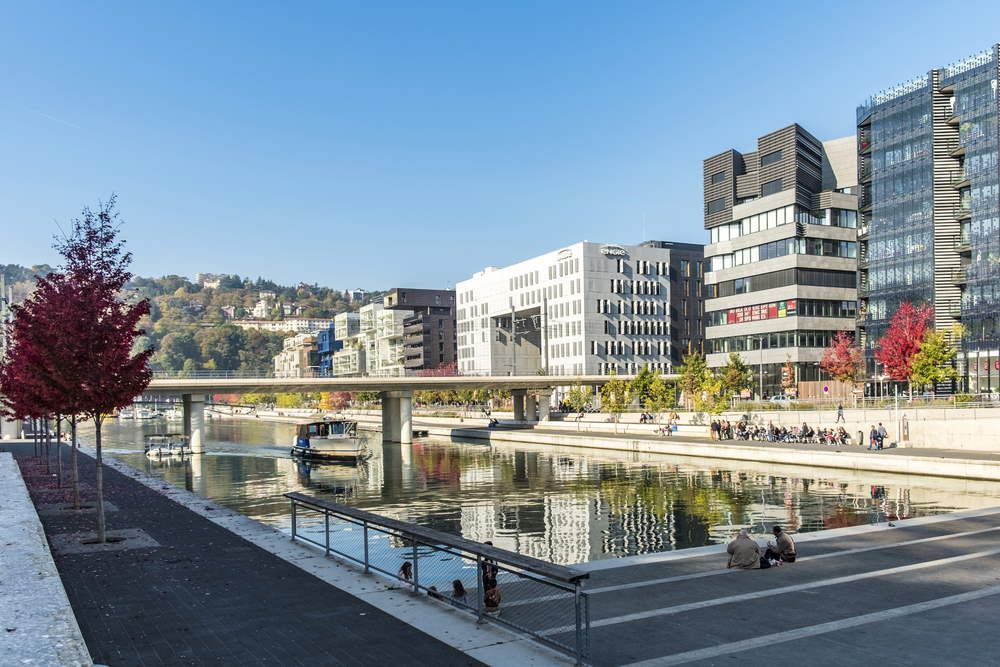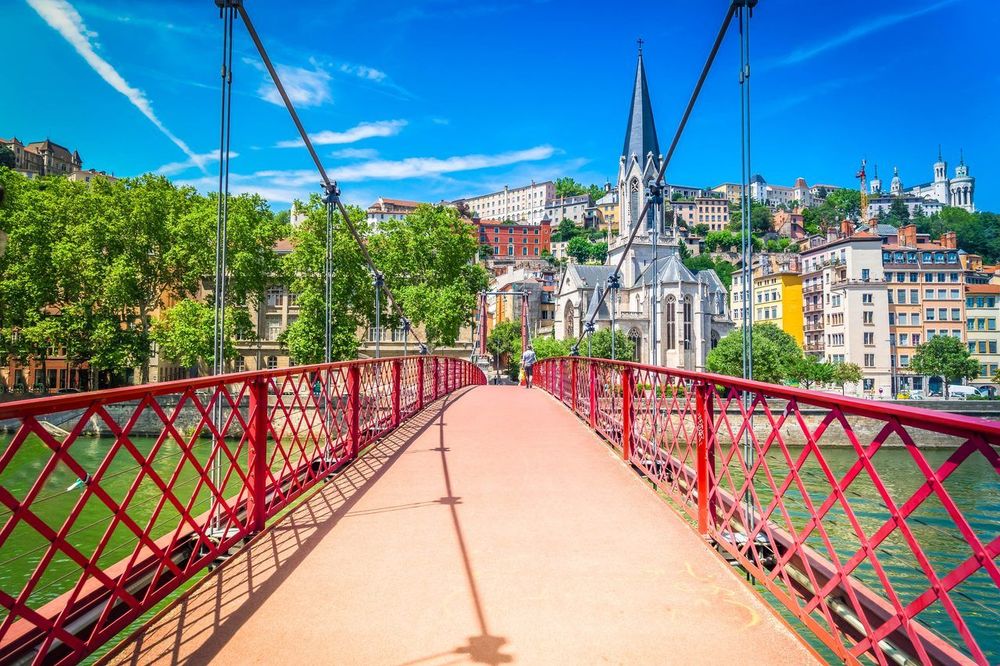
© Shutterstock
 Votre guide Ryo
Heritage Days in Lyon 2026: Dates, Exceptional Venues and Unusual Itineraries
On the third Saturday of September, the gates of the inner courtyard of the Grand Hôtel-Dieu open onto a place most Lyon residents never otherwise cross: the great 18th-century pharmacy, the central dome, and the former wards that have welcomed the sick since the Middle Ages. That is the whole spirit of the Heritage Days in Lyon: transforming, for the space of a weekend, places that are closed to the public or normally ticketed into free, guided visits. To plan your visit and scout out the neighbourhoods to explore between exceptional openings, the Ryo audio-guided tour of Lyon remains a solid starting point all year round, well beyond this single weekend.
In 2026, the event celebrates its 43rd edition on September 19 and 20, around two national themes announced by the Ministry of Culture: "Heritage of Photography" and "Heritage in Peril: Revive, Resist, Reimagine". More than a hundred sites are expected across the Lyon metropolitan area, from the Roman theatre of Fourvière to the backstage of the Opéra, including the photography collection of the Museum of Fine Arts, rarely shown to the public in its entirety. But the interest of these two days is not limited to the headline acts: a textile factory that has lain dormant since the 1980s on the edge of Croix-Rousse, a century-old oriental grocery in the 7th arrondissement, and a forgotten watercress farm in Vaise are among the most sought-after openings by Lyon residents themselves, ahead of some listed monuments. We detail the dates, the expected theme, the must-see venues, and a practical itinerary to keep you from spreading yourself too thin over such a packed weekend. The Roman theatre and the Grand Hôtel Dieu are also stops on Ryo's audio-guided tour, the city of two hills, for extending the weekend's discoveries at your own pace.
The European Heritage Days in Lyon: Background and History
The European Heritage Days have their origins in France, in 1984, under the name "Open Doors Day in Historic Monuments". The founding idea was simple: to grant access, once a year, to buildings normally closed to the public, whether administrative, religious, industrial or private. The success was such that the Council of Europe adopted the concept as early as 1991, turning it into a continent-wide event now celebrated on the same weekend in some fifty countries.
In Lyon, the event takes on a particular significance. The city concentrates, within a compact territory, historical layers that are rarely so dense: Gallo-Roman remains on the hill of Fourvière, an almost intact Renaissance district in Vieux Lyon, 17th-century private mansions on the Presqu'île, 19th-century silk-weavers' traboules on the slopes of Croix-Rousse, Art Deco architecture from the interwar period, and 20th-century industrial wastelands on the periphery. Few French cities offer such a complete shortcut through two thousand years of urban history within a perimeter that can be covered on foot in a single day.
The principle has remained unchanged for forty years: complete free admission. Whether visiting a private mansion on the Presqu'île, entering a museum's reserves, or accessing a listed industrial site, none of these openings requires an entry ticket. Some do require advance booking, particularly for guided visits with fixed time slots or venues with limited capacity, such as the Grand Hôtel-Dieu or the Opéra de Lyon, whose slots fill up quickly.
What strikes you most in Lyon is the mix of audiences. You will encounter tourists passing through who have come to take advantage of free access to normally ticketed monuments, but also a great many local residents rediscovering their own city: Lyon residents who walk past the Opéra every day without ever having been up to the fly tower, or families from Croix-Rousse who had never set foot in the old textile factory in their neighbourhood. This dual attendance — tourist and local — gives the event a particular atmosphere, more convivial than a standard guided tour circuit.
This 2026 edition is part of a long-standing tradition that has become a marker of the Lyon back-to-school season. You will encounter enthusiasts who return to the same site year after year to follow the progress of a restoration, alongside visitors for whom this is their very first discovery of the city's architectural heritage.
When Do the 2026 Heritage Days Take Place in Lyon? Dates and Theme
The 2026 Heritage Days in Lyon take place on September 19 and 20, 2026, in keeping with the tradition of the third weekend of September observed since the event was created. Saturday is generally devoted to institutional and association-led openings, with a more pronounced influx late in the morning, while Sunday concentrates more family visits and additional time slots at the most in-demand sites from the previous day.
Two themes are at the heart of this 43rd edition — where the Ministry of Culture had retained only one in 2025 ("Architectural Heritage"): "Heritage of Photography" on the one hand, and "Heritage in Peril: Revive, Resist, Reimagine" on the other. This doubling explains why the programme blends very different registers.
The first strand shines a light on photographic collections, photographers' studios and image archives. Lyon enters this territory with a head start: the collections of the Museum of Fine Arts, the holdings of the municipal library, and the legacy of the Lumière brothers — who shot the first moving images in history a few hundred metres from the cours Gambetta — offer material that few French cities can match. The second strand emphasises fragile built heritage, ongoing restoration projects and places threatened by abandonment or redevelopment, which should benefit industrial wastelands and sites supported by preservation associations across the metropolitan area.
For the 2025 Heritage Days, online registration had become the norm for a good part of guided visits, particularly those offered by the Lyon Tourist Office and major cultural institutions. Several tens of thousands of visitors were recorded over the entire weekend in the Lyon metropolitan area alone, with peak attendance at the Hôtel-Dieu and the Fourvière basilica. The trend should be confirmed in 2026: it is best to consult the official programme as soon as it is published, generally at the end of August, and to book the slots for the most in-demand sites without delay — some years they sell out within a few days.
If you are planning your visit in advance, bear in mind that the precise schedule of themed guided tours is generally only known one to two weeks before the event. It is therefore useful to block the dates in your diary now, and to refine the detailed programme as announcements are made.
Lyon, a City Listed as a UNESCO World Heritage Site
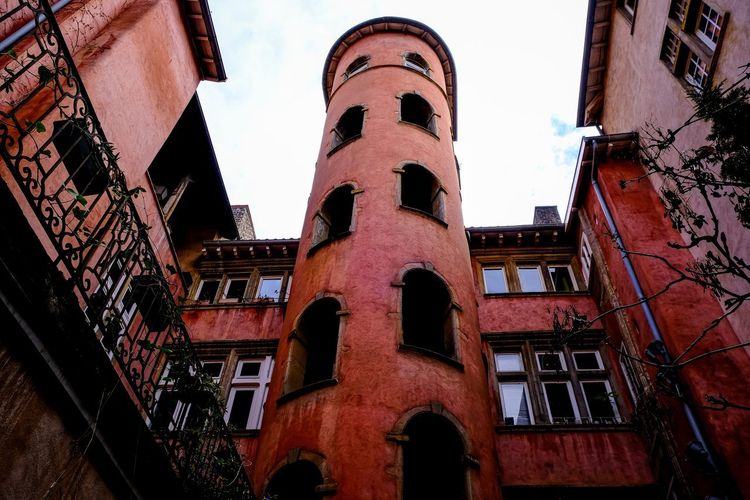
If the Heritage Days resonate so strongly in Lyon, it is also because the city holds a special status: since 1998, a vast perimeter covering Vieux Lyon, the hill of Fourvière, the Presqu'île and the slopes of Croix-Rousse has been inscribed on the UNESCO World Heritage List. It is one of the largest protected urban areas in France, with several hundred hectares safeguarded right in the heart of the city.
This listing does not recognise a single isolated monument but the historical continuity of the urban fabric: it is the juxtaposition of a Gallo-Roman site, an almost intact Renaissance district, a 19th-century city centre, and an industrial silk-weavers' quarter that convinced UNESCO. This recognition of Lyon's architectural heritage explains in large part why the city devotes so many resources to the event: it has a far broader pool of sites than most comparable French metropolitan areas.
In practice, this translates into openings spread across the four major listed zones. You can therefore chain, in a single afternoon, a visit to a Renaissance courtyard in Vieux Lyon, a Haussmann-era building on the Presqu'île, and a silk-weaver's workshop on the slopes of Croix-Rousse, without ever leaving the UNESCO perimeter. To get a feel for this ensemble before choosing your priorities, nothing beats a reconnaissance walk between Fourvière and the Presqu'île: from the basilica to the place des Terreaux, allow around forty minutes on foot descending through Vieux Lyon, which gives a fairly accurate sense of the real distances between two exceptional openings.
This status is not merely a tourist argument: it also entails conservation constraints that make certain openings particularly rare. Listed buildings, inaccessible for the rest of the year for security reasons or because they are occupied by residents or public bodies, only open their doors on this occasion. That is precisely what gives this annual event its value for anyone interested in Lyon's heritage beyond the usual postcards and guided tours.
The Landmark Venues Open for the Occasion
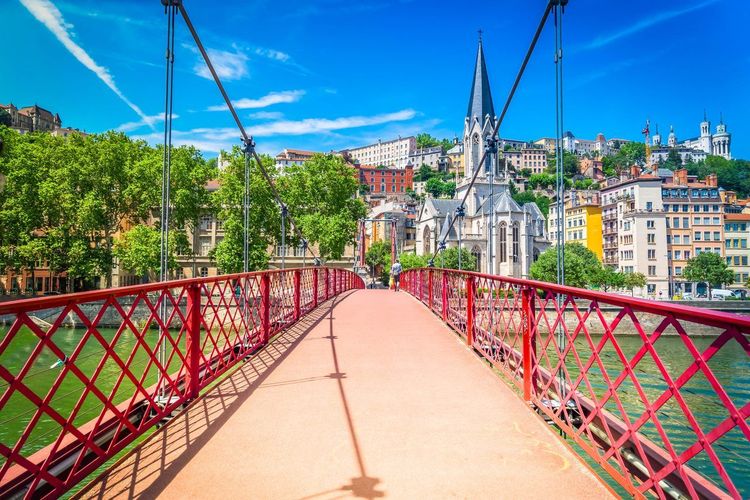
Each year, a handful of sites concentrate the bulk of the weekend's visitors. Here are the openings not to miss if you only have a limited amount of time, spread across the two hills and the Presqu'île.
Vieux Lyon and the Basilica of Notre-Dame de Fourvière
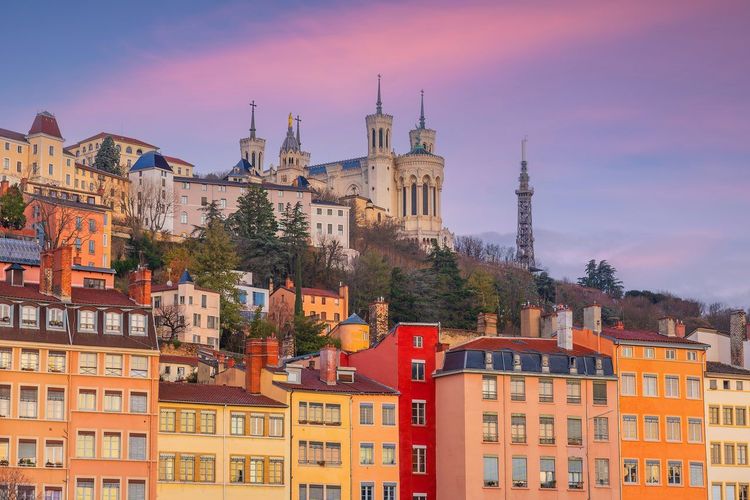
The basilica of Notre-Dame de Fourvière remains, year after year, the most visited site of the weekend in Lyon, and often the first name that comes to mind when Lyon's heritage is mentioned.
Beyond the classic visit of the nave and its ornate neo-Byzantine decoration covered in golden mosaics, the event generally allows access to the parts that are normally closed: the crypt dedicated to Saint Joseph, certain passages leading to the terraces, and sometimes the nearby Roman theatres of Fourvière, which host guided visits on ancient construction techniques. Allow a good hour if you want to make the most of the explanations, somewhat less if you limit yourself to the basilica.
Heading back down towards Vieux Lyon via the montée du Chemin Neuf or by funicular, several Renaissance courtyards and traboules open their doors exceptionally. The Cathédrale Saint-Jean-Baptiste, with its 14th-century astronomical clock that still chimes the Angelus, often rounds off the neighbourhood's programme.
It is a chance to enter private courtyards normally locked behind a keypad, where volunteers or owners recount the history of the merchant families who built their fortunes in the neighbourhood during the Renaissance. The Gadagne museum, housed in one of the largest private mansions in Vieux Lyon, generally completes the circuit with extended opening hours and guided visits devoted to the city's urban history. To prepare this route, the Ryo article on the Vieux Lyon neighbourhood details the most interesting traboules, and our Ryo guide to the basilica of Notre-Dame de Fourvière gives details of the site's usual opening hours outside the event.
The Hôtel-Dieu, Jewel of the Presqu'île
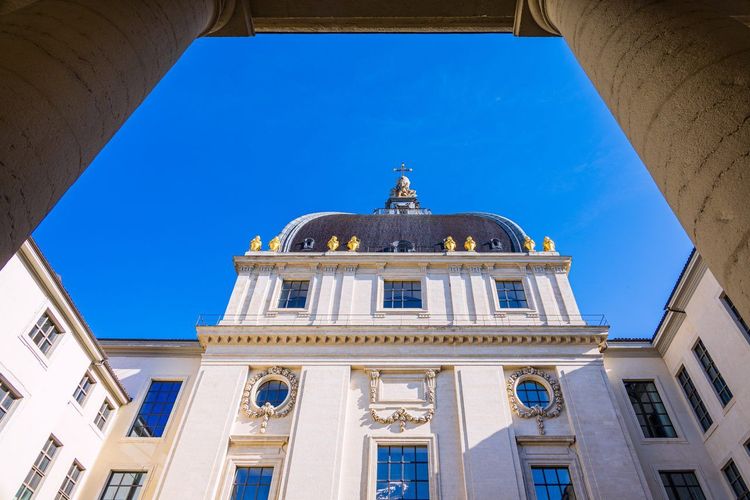
Few buildings in Lyon concentrate as much history as the Grand Hôtel-Dieu, a former hospital founded in the 12th century and in use until 2010, today converted into a shopping centre and luxury hotel while retaining its listed structure and original layout.
The Hôtel-Dieu invariably features among the highlights of the weekend, and it is often the only opportunity of the year to access the parts not open to the public at other times: the former pharmacy with its 18th-century faience pots, the great central dome visible from the courtyard, and certain corridors that were still receiving patients barely fifteen years ago. The visit is generally conducted in small groups, with a reserved time slot and a guide who details the building's evolution, from the medieval hospice to the contemporary hotel complex.
It is one of the rare places where the city's medical history remains tangible in the very walls — between original floor tiles and 17th-century roof timbers visible at the turn of a corridor. Book your slot as soon as registration opens: it is traditionally one of the first sites to fill up each year, sometimes within a matter of days.
The Opéra de Lyon and the Museum of Fine Arts
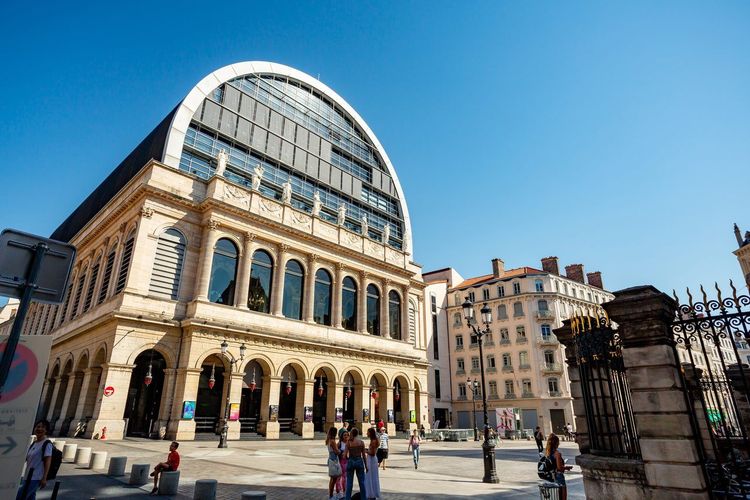
The Opéra de Lyon, recognisable by its glass barrel vault designed by Jean Nouvel set atop the 19th-century neoclassical façade, opens spaces that are normally off-limits to the public during this weekend.
These openings attract a crowd of curious visitors every year, eager to see what goes on behind the curtain. Backstage areas, fly towers suspended above the stage, costume workshops where certain hand-sewn pieces are kept: it is these technical visits, often led by members of staff, that make the venue so interesting during this weekend — more so than the auditorium itself, which is already accessible through regular ticketing for the rest of the year.
A few minutes' walk away, on the place des Terreaux, the Lyon Museum of Fine Arts (20 Place des Terreaux, 69001 Lyon, rated 4.5/5 on Google based on 9,341 reviews) usually offers privileged access to its photography collection, one of the richest in France outside Paris, rarely displayed in its entirety due to a lack of permanent exhibition space.
The museum highlights a different aspect of its collections at each edition, and the 2026 national theme devoted to the heritage of photography should logically place it centre stage, with prints rarely taken out of climate-controlled storage. These reserves, where works that never make it to the exhibition rooms are kept, are among the most sought-after attractions for visitors who return year after year. If you have to choose between the Opéra and the museum on the same afternoon, note that the two sites are less than ten minutes' walk from each other: nothing stops you from visiting both in one go. The Place des Terreaux and the Grand Hôtel Dieu also feature on Ryo's audio-guided tour, the city of two hills, handy for continuing the visit once the museum closes.
Unusual Heritage: Industry, Spices and Hidden Gardens
Alongside the big names of architectural heritage, Lyon hides openings that are far less publicised but just as memorable, championed by local enthusiasts and associations. This is where the weekend takes its most unusual — and often most unforgettable — turn.
The Usine Tase and Lyon's Textile Heritage
The Usine Tase, located in Vaulx-en-Velin, to the east of Lyon in the Carré de Soie district, is one of the most impressive vestiges of Lyon's early 20th-century textile industry.
Built in 1925 by the Gillet family, already at the helm of a Lyon silk empire, it produced viscose — the artificial silk that was to transform the global textile industry. Its acronym, TASE, stands for nothing other than Textile Artificiel du Sud-Est (Artificial Textile of the South-East). The factory employed several thousand workers and had its own workers' village, complete with housing, a school, a dispensary and a cooperative. There was even an organised social life centred on the factory, in the manner of the great industrial towns of northern France. It gradually closed from the 1980s onwards, leaving behind imposing industrial halls that have since been partially converted into artists' studios and community spaces. The site has been listed as a historic monument since 2011, a listing hard-won by local associations at a time when demolition was threatened.
Over the course of the weekend, guided tours allow visitors to walk through the former workshops and hear accounts of working life at the time, often told by local memory associations that have gathered testimonies from former employees over the years. You discover the original metal halls, certain machines preserved as witnesses to a vanished activity, and the remains of the adjacent workers' village. It is a striking counterpoint to the religious monuments of the historic centre: here, Lyon's heritage is read in metal roof structures and factory chimneys rather than in the golden stone of the hillsides.
To extend the visit, the Ryo audio-guided tour of Lyon on the trail of the Canuts explores the neighbouring Croix-Rousse district, the cradle of Lyon's silk industry and linked by a shared history to this industrial site. The Ryo article on the Croix-Rousse neighbourhood usefully completes the picture, between silk-weavers' traboules and weaving workshops still in operation today.
The Caves de Bahadourian and the Cressonnière de Vaise
In the 7th arrondissement, on the square that today bears its name, the Bahadourian house has been a Lyon institution since 1929, the year Djebraïl Bahadourian, an Armenian refugee in Lyon, opened his first shop. The oriental grocery has become, over the decades, the go-to destination in the Guillotière neighbourhood for spices, dried fruits and Mediterranean produce.
What draws visitors on these two days is not the shop, open all year round, but what lies beneath it: the Caves de Bahadourian, nearly a kilometre of interconnected vaulted galleries running beneath the square that have served as the grocery's storerooms since the 1930s. You descend in small groups, among sacks of rice, jars of olives and the scent of spices, for an underground tour that has nothing of a listed monument about it yet tells a living heritage: that of the immigration and commerce that shaped the Guillotière throughout the 20th century. The family takes the opportunity to unfold its history, brings out old photographs of the shop in its early days, and is happy to offer tastings of a few emblematic products. You will encounter as many regulars doing their shopping as curious visitors who have come specially for the occasion.
Next, head to Vaise, in the 9th arrondissement, for an even more surprising site: the Cressonnière de Vaise (Avenue Sidoine Apollinaire, 69009 Lyon, rated 5/5 on Google based on 4 reviews), on avenue Sidoine Apollinaire — a former market garden that made use of the area's natural springs to grow watercress until the mid-20th century.
The land has since become a preserved wetland, closed to the public for the rest of the year, which volunteers open up for the duration of the weekend: former spring-fed basins, flora and fauna that have reclaimed their territory, and the story of a vanished agricultural activity that kept dozens of families busy at the start of the last century, when Vaise was still little more than a market-garden suburb. Visits are exclusively in guided groups, generally at 10am and 2pm, lasting around 1 hour 30 minutes: arrive early, as places go quickly and there are only two departures per day. It is without doubt the most surprising discovery for anyone who thought they had already covered Lyon's heritage: a wetland in the heart of the urban fabric, just a few metro stops from the city centre.
The Heritage Days Across the Lyon Metropolitan Area
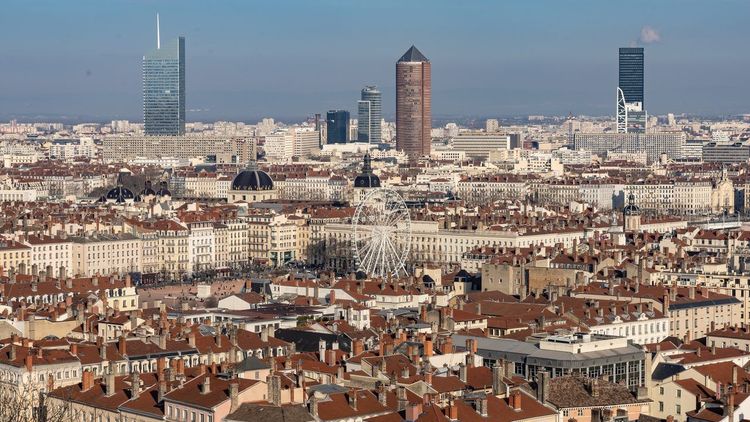
The event does not stop at the boundaries of the city centre. The European Heritage Days across the metropolitan area mobilise around sixty municipalities every year, from Villeurbanne to Vaulx-en-Velin, taking in the Lyonnais hillsides and the Rhône valley.
Some outlying municipalities have heritage just as remarkable as that of the city centre, simply less well known to visitors in a hurry. One thinks of the châteaux and wine-growing estates scattered across the hillsides, the former factories of the Vallée de la Chimie that chronicle a century of Lyon industry, or the modernist districts of Villeurbanne, with their 1930s Art Deco skyscrapers that stand in stark contrast to the traditional image of Lyon. Some municipalities also open old town halls, converted water towers or craftsmen's workshops set up in former farmhouses.
The 2026 European Heritage Days with the Lyon Tourist Office generally offer a specific programme of guided tours across the metropolitan area, designed to ease pressure on the most heavily attended sites in the city centre. Booking a place on one of these out-of-town circuits often means benefiting from a dedicated guide, without the queues that can sometimes form outside the best-known monuments in the hypercentre.
If you have a car or are willing to combine public transport with walking, widening your weekend beyond the hypercentre remains one of the best ways to avoid the crowds while discovering equally authentic places. Our Ryo article on a weekend around Lyon offers a few ideas for organising this escape off the beaten track, easily combined with a morning devoted to the city centre sites.
Practical Information: Free Admission, Booking and Opening Hours
The essential practical information comes down to a few points, but they can save you a great deal of disappointment on the day.
Free admission. Openings organised within the official framework of the event are free, including at venues that charge an entry fee for the rest of the year, such as municipal museums or guided tours of the Fourvière rooftops. A few activities offered on the fringes of the programme by private operators may remain ticketed, but these are clearly indicated as such in the official programme.
Booking. While admission is free at most sites, certain venues with limited capacity — such as the Hôtel-Dieu, the Opéra de Lyon or the craftsmen's workshops in Vieux Lyon — operate on a system of time slots reserved in advance. Book your guided visit as soon as registration opens, which follows the publication of the programme at the end of August: the best slots go within days, and sometimes within hours for the most in-demand sites. Do not hesitate to tick several options if the form allows it, in case your first choice is already full.
Opening hours. Most sites open between 10am and 6pm, with variations depending on the venue. Some religious monuments, such as the Fourvière basilica, maintain extended evening hours, while themed guided visits follow fixed time slots every one or two hours, with a limited number of places per departure.
Accessibility. Many sites, particularly recently built or recently renovated buildings such as the Hôtel-Dieu and the Opéra, are accessible to visitors with reduced mobility. This is not always the case for the oldest historic monuments, such as certain courtyards in Vieux Lyon with their uneven cobblestones: it is best to check on a case-by-case basis in the official programme before making the journey.
Where to find the programme. The full programme for the 2025 Lyon edition was published at the end of August on the event's national website as well as on those of the Lyon Metropolitan Authority and the Tourist Office. The same approach should apply in 2026: consult these official sources for the up-to-date list of sites, rather than a third-party article, as programmes can change right up to the final week before the event.
Where to Stay and How to Get Around During the Event
This September weekend often coincides with high tourist footfall in Lyon: it is best to book your accommodation several weeks in advance if you are coming from afar, especially if your visit overlaps with other events in the Lyon back-to-school season.
To move easily between sites, opt for accommodation on the Presqu'île or near Vieux Lyon: most of the landmark venues are within a twenty-minute walk of one another. Our Ryo article on the Presqu'île de Lyon details the most practical neighbourhoods to stay in without needing a car, between Bellecour, the Terreaux and the banks of the Saône.
On the transport front, the TCL network generally increases its services during this weekend, with higher frequencies on metro lines and on the funicular serving Fourvière. Avoid driving in the hypercentre: parking is scarce and traffic is slowed by the many street events. On foot or by public transport, you will save time on most journeys between two sites in the historic centre. As a complement, the short version of the Ryo audio-guided tour of Lyon, the city of two hills links Fourvière to the Presqu'île on foot: a perfect way to extend your stroll once the exceptional openings are over, without depending on the official programme's time slots.
Suggested Itinerary for a Successful Day
With more than a hundred sites open over a single weekend, the challenge is not finding something to visit, but avoiding spreading yourself too thin. Here is a suggested schedule designed for a first-time visit, realistic for a single day, taking into account the queues that generally form late morning at the most popular sites.
9:30am, Fourvière before the crowds. Start with the basilica of Notre-Dame de Fourvière as soon as it opens, before the tour groups and coaches arrive. This is the quietest moment to enjoy the normally closed sections and, if the weather allows, the terraces with their view over the city. Allow an hour and a half including the nearby Roman theatres, somewhat less if you limit yourself to the basilica.
11am, descent towards Vieux Lyon. Take the funicular or walk down via the montée du Chemin Neuf to reach Vieux Lyon. Visit two or three Renaissance courtyards that are exceptionally open — quicker to take in than a full monument — before the crowds descend on the narrow streets in the early afternoon.
1pm, lunch break in the neighbourhood. The traditional bouchons of Vieux Lyon remain open during this weekend, even if they are not part of the official programme. It is a good opportunity to take a break before the second half of the day, which is often more packed with visits, and to avoid rushing through everything without a breather.
2:30pm, Hôtel-Dieu if you have booked. If you have secured a slot, head to the Grand Hôtel-Dieu, fifteen minutes on foot via the banks of the Saône. If not, enjoy the inner courtyard freely — accessible without a reservation — and follow it up with the Museum of Fine Arts, ten minutes' walk away, where the wait is generally more manageable than at the Opéra in the mid-afternoon.
4:30pm, an unusual gem to finish. If you are staying near Croix-Rousse or still have energy to spare, end with a less frequented site such as the Usine Tase or the Caves de Bahadourian: attendance is noticeably lower late in the day, and conversations with volunteers or shopkeepers tend to be richer than during the midday rush, when guides have to move groups along without a moment's pause.
If you have more time, there is nothing to stop you spreading this programme over both days of the weekend, reserving Sunday for the metropolitan area's municipalities or the sites you could not fit in on Saturday. Those who prefer to extend their stay beyond the weekend will find in our Ryo guide to visiting Lyon in 2 days everything they need to complement their heritage discoveries with the city's classic must-sees, and our Ryo article on visiting Lyon in 3 days combines heritage, gastronomy and living neighbourhoods over a longer format — three days to explore the city's heritage at a leisurely pace. Along the Saône and past the Grand Hôtel Dieu, Ryo's short audio-guided tour, the city of two hills, offers a compact way to link these spots without planning a route from scratch.
Revisiting Previous Editions: Archives and Photo Retrospectives
The archives of previous editions give a good sense of what to expect if this is your first time attending. The 2025 edition, held under the theme of "Architectural Heritage", had focused on construction techniques and restoration projects, with many private mansions and still-inhabited buildings opening their doors. The 2024 edition, devoted to the heritage of routes, networks and connections as well as maritime heritage, gave an unexpected role to stations, bridges and Lyon's quaysides: an angle tailor-made for a city born of the meeting of two rivers.
The 2023 edition, on the theme of "Living Heritage", had for its part highlighted craftsmanship and traditional trades, with artisan demonstrations in Vieux Lyon and on the slopes of Croix-Rousse. At the most popular sites such as the Hôtel-Dieu, booking slots regularly sell out in under a week of opening. Photo retrospectives of previous editions, available on the social media channels of the Metropolitan Authority and the Tourist Office, remain a good source of inspiration for identifying sites that return year after year and those that only open exceptionally.
While awaiting the definitive 2026 programme, these archives also allow you to appreciate the scale the event has taken on in Lyon over time: a few dozen sites twenty years ago, more than a hundred today, with a growing share of industrial heritage and sites of memory alongside the classic monuments. This is also what makes each edition a little different from the last, even if the great names of Lyon's heritage almost always feature in the programme.
FAQ
When Do the 2026 Heritage Days Take Place in Lyon?
The 2026 edition takes place on September 19 and 20, in keeping with the third weekend of September that has traditionally been chosen for this event since its creation in 1984.
Are the Heritage Days Free in Lyon?
Yes, admission to sites taking part in the event is free, including venues that normally charge an entry fee, such as municipal museums or guided tours of the Fourvière rooftops. Only a few activities organized on the fringes of the official programme may remain ticketed.
Do You Need to Book to Visit the Hôtel-Dieu During the Heritage Days?
In most cases, yes. The Grand Hôtel-Dieu offers small-group visits in limited time slots, which generally fill up within a few days of bookings opening at the end of August.
Which Unusual Places Can You Visit in Lyon During the Heritage Days?
The Usine Tase in Vaulx-en-Velin, the Caves de Bahadourian in the 7th arrondissement, and the Cressonnière de Vaise are among the least well-known but most memorable openings, far from the grand monuments of the historic centre.
Does the Lyon Museum of Fine Arts Take Part in the Heritage Days?
Yes, the museum usually opens access to part of its reserves and its photography collection, one of the richest in France, which is rarely displayed outside this specific occasion.
Do the Heritage Days Take Place Elsewhere in the Lyon Metropolitan Area?
Yes, around sixty municipalities in the metropolitan area take part every year, with a dedicated programme offered by the Lyon Tourist Office to discover heritage that is often less frequented than that of the city centre.
How Long Do the European Heritage Days Last?
The event runs over two days — Saturday and Sunday of the third weekend of September — with opening hours and booking slots that vary by site.
From the big names of Lyon's architectural heritage to more under-the-radar openings like the Usine Tase or the Cressonnière de Vaise, the Heritage Days in Lyon offer something new every year to fill an entire weekend without ever visiting the same place in the same way. To keep exploring the city once the official programme is over, the Ryo audio-guided tour of Lyon is available year-round to continue discovering Vieux Lyon, the Presqu'île and the slopes of Croix-Rousse at your own pace, with no time-slot constraints.
À lire également