





Walk
Into the world of the silk weavers
Lyon, France
Walk
Into the world of the silk weavers
Lyon, France
4.4 km
Distance
2h00
Durée
17
Audios
Loop
Parcours
Shutterstock
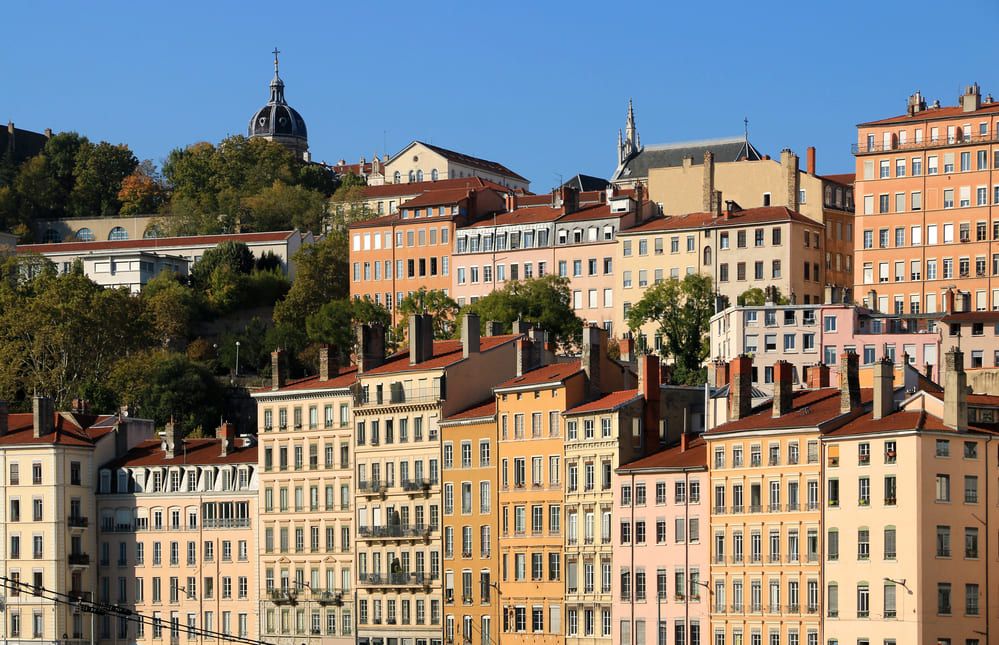
The Lyon audio-guided tour takes you to the plateau of the Croix-Rousse, nicknamed the "hill that works", cradle of the Lyon silk industry.
It is on this plateau that the canuts, silk weaver workers, made Lyon the first working-class city of France at the beginning of the nineteenth century. Built from 1812 on this hill reputed for its pure air, the district was intended from the start to house the weaving workshops and to become a high place of the silk industry, increasingly coveted by the nobility. Still today, the Croix-Rousse is a lively district that has been able to modernise without losing its soul, prized by the people of Lyon. Under the ground runs a mysterious network of underground galleries, the network of the Fantasques, a vestige of the history of the hill.
The Croix-Rousse district charms with its village atmosphere, its market, its traboules and its rich silk past. Between canut workshops, viewpoints and authentic atmosphere, it offers an immersion in the working-class and creative soul of Lyon. It is one of the most endearing districts of the city, to be explored without haste.
The Croix-Rousse district is on the plateau overlooking the Presqu'île, in Lyon. Its streets can be walked freely on foot at all hours; shops, market and workshops follow their own hours.
Because of the canuts, silk workers who worked there and made Lyon the first working-class city of France.
From 1812, to house the silk weaving workshops on this hill reputed for its pure air.
Aucun avis pour le moment
