© Shutterstock
 Votre guide Ryo
Lyon with Kids: the Complete Guide by Neighborhood and Age (2026)
A century-old funicular climbing the hill in minutes, giraffes grazing just a few metro stops from place Bellecour, puppets making audiences laugh for more than two centuries: visiting Lyon with kids is far from a compromise between heritage and recreation. The city lends itself to exploration at child height, long before family tourism became a marketing category. The Ryo audio-guided tour of Lyon starts from that very idea: turning a traboule into a playground and a basilica into a giant observation post.
Here, a free zoo is home to giraffes, flamingos, and red pandas, open every day of the year. A museum tells the story of cinema's earliest days steps away from the shed where the Lumière brothers shot their first film in 1895. An entire neighborhood, Croix-Rousse, still echoes with the looms that kept tens of thousands of silk weavers busy in the 19th century. This guide also covers the museums that really work with young children, thrilling activities for rainy days, ideas for babies, the best neighborhoods to sleep in, and a breakdown of the Lyon City Card. And for tight budgets, a good half of the ideas cost nothing: a picnic by the Saône, a stroll through the traboules, or an afternoon watching the swans in parc de la Tête d'Or.
Vieux Lyon for Young Explorers: Traboules and Guignol
Vieux Lyon is impossible to miss when arriving from the quay: three Renaissance districts (Saint-Jean, Saint-Paul, and Saint-Georges) tucked between the Saône and the hill of Fourvière, at the heart of the historic site listed as a UNESCO World Heritage Site in 1998. It is also the most playful part of the city for young children, because it is best discovered in treasure-hunt mode.
Exploring the Renaissance Streets through Traboules
A traboule is a passageway linking two parallel streets through the inner courtyards of buildings. Vieux Lyon has several dozen of them, some of which remain open to the public during the day thanks to an agreement between the city and the co-owners. For a six- or seven-year-old, the treasure hunt is immediate: push open a door, cross a cobbled courtyard, climb a spiral staircase tower, and emerge onto a different street without ever having seen the pavement.
Start with rue Saint-Jean and rue du Bœuf, where the most spectacular passages are concentrated, with their spiral staircase towers and Italian-style galleries. At number 27 rue Saint-Jean, the Longue Traboule connects several courtyards all the way to quai Fulchiron: ideal for a first experience. One small rule to explain before entering: these courtyards are lived in, so voices should be kept low.
The cathédrale Saint-Jean-Baptiste deserves a stop. Its astronomical clock, whose origins date back to the 14th century, animates a small automaton theatre at noon, 2 pm, 3 pm, and 4 pm: a moment young visitors wait for with their noses in the air.
To avoid spending the whole walk searching for open doors, look for the plaques marking accessible traboules, or simply let yourself be guided: the Ryo audio-guided tour of Lyon runs through the neighborhood and explains, courtyard by courtyard, the secrets of these passages and their Renaissance architecture. Young listeners hear the anecdote in front of the door, then dash off to push it open.
Guignol and Lyon's Puppet Tradition
Born in Lyon around 1808 at the hands of Laurent Mourguet, a former silk worker turned tooth-puller turned puppet master, Guignol remains a reliable way to spend a rainy afternoon. The theatre La Maison de Guignol, tucked in a lane of Vieux Lyon, still puts on shows where the audience is invited to shout and warn the hero of approaching danger. Children under 4 often experience their very first live performance here.
On rue Saint-Jean, the Petit Musée de Guignol traces the history of puppetry through a handful of display cases, accessible even to the youngest children who lack the patience for a traditional museum. Allow about twenty minutes.
For a deeper dive, musée Gadagne (1 Place du Petit Collège, 69005 Lyon, rated 4.3/5 on Google with 1,719 reviews) occupies a large Renaissance mansion and brings together under one roof the Lyon history museum and the museum of puppet arts. The collections go far beyond Guignol: puppets from Asia, Africa, and Europe, miniature theatres, and scale models of the city. Like other Lyon municipal museums, entry is free for under-18s. One tip with young children: go in the early afternoon, as school groups often fill the rooms in the morning, and finish with the hanging garden on the top floor, perfect for a snack with a view over the rooftops.
The Hill of Fourvière: Panorama, Adventure, and Roman History
About 120 meters above the Saône, the hill of Fourvière brings together three experiences that few cities offer on a single hillside: an iconic monument, an outdoor thrill activity, and a Roman archaeological site.
The Basilica and the Fourvière Rooftops
The basilique Notre-Dame de Fourvière (8 Place de Fourvière, 69005 Lyon, rated 4.8/5 on Google with 41,009 reviews) has dominated Lyon since the late 19th century. It was born of a vow made in 1870: the people of Lyon promised to build it if the city were spared from the Franco-Prussian War. Admission is free. What fascinates young visitors most is not the mosaic-covered interior, but the unconventional guided rooftop tour, which takes you behind the scenes of the monument all the way to a panoramic view over the entire city and, on a clear day, the Alps. Book online as group sizes are limited, and check the minimum age at the time of purchase: the narrow staircases are not suitable for very young children.
To climb without wearing out your legs, take the funicular, which locals nickname « la ficelle » (the string). Two lines depart from the Vieux Lyon station: the F2 climbs to Fourvière, the F1 to Saint-Just. The journey takes only a few minutes and runs on standard TCL transport tickets, with no surcharge. On the way back down, take the jardin du Rosaire: a winding, tree-lined path that descends from the esplanade to the Saint-Jean district. With a stroller, use caution on the steeper sections.
The Ryo audio-guided tour, for its part, climbs to the esplanade and then descends toward the Roman remains: you hear the story of Lugdunum on the spot without reading a single panel, while your little ones scan the horizon for Mont Blanc.
Climbing the Trees at the Heart of the Hill
A few minutes' walk from the basilica, a tree-climbing park has been set up in the woods covering the hillside. Courses start from age 3–4 with low ground-level activities, then climb higher for older children with zip lines and monkey bridges. Allow a good hour and a half for a full course and book your slot at weekends in fine weather: it is one of the few activities of this kind right in the heart of the city.
The Gallo-Roman Theatre and Lugdunum Museum
Lyon was called Lugdunum two thousand years ago, capital of the Gauls under the Roman Empire, and Fourvière holds its most spectacular proof: an ancient theatre that could hold around 10,000 spectators, still used in summer for the Nuits de Fourvière festival, and its neighbor the Odeon, smaller and dedicated to music and recitation. The tiers are freely accessible: let your children test the acoustics from the stage.
Carved into the hillside right next door, Lugdunum: Musée et théâtres romains displays monumental mosaics, including the chariot-racing circus mosaic with its full-speed chariots, the famous Claudian Tablet, and scale models that help younger visitors picture the ancient city. Entry is free for under-18s, a detail that matters when budgeting a family trip.
Parc de la Tête d'Or, Lyon's Green Lung
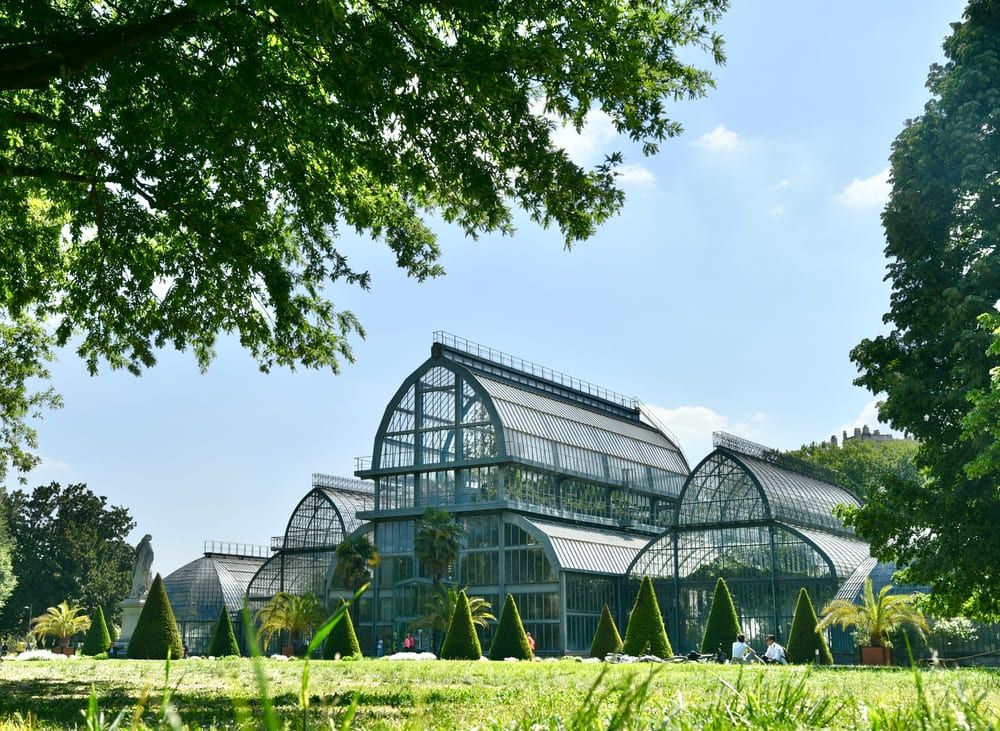
At 117 hectares, parc de la Tête d'Or is one of the largest urban parks in France, and arguably the place where young Lyonnais spend most of their Wednesday afternoons. Free admission, a free zoo, a lake, and a botanical garden: you can spend an entire day there without reaching for your wallet, or almost.
The Zoo and Giraffe Aja
The zoo du parc de la Tête d'Or (Place du Général Leclerc, 69006 Lyon, rated 4.3/5 on Google with 5,258 reviews) has been free since its creation in the 19th century and is open every day, a fairly rare feature among French zoos. Across approximately 9 hectares, it is home to nearly 300 animals from 66 species. The African savanna, with its giraffes, remains children's favorite stop, as they try to recognize Aja and her companions from one visit to the next. Further along, gibbons, red pandas, Asian otters, and flamingos round out the tour.
Go as soon as it opens: the animals are more active in the morning and the paths are less crowded, especially on Sundays.
The Lake, Playgrounds, and the Flower Tree
The large lake is home to free-roaming swans and ducks, a sight that usually keeps a child under 3 captivated for a good twenty minutes. All around, several playgrounds are spread out by age group, with slides, climbing frames, and sandpits.
The most photographed installation remains the Flower Tree, a giant sculpture by Korean artist Choi Jeong-hwa in the shape of a tree covered in brightly colored flowers. Young children walk around it counting the shades while you enjoy a shaded bench.
Cycling, Pedalos, and Pony Rides
The park is very well suited to cycling, with wide paths running along the lake and past the zoo. Vélo'v, the city's bike-share scheme, can be picked up at nearby stations, and younger children can bring their balance bikes. In the wooded section, pony rides await young riders, while a miniature train, fairground rides, and a Guignol puppet theatre round out the offer near the entrances.
To finish on the water, hire a rowing boat or a pedalo on the large lake: half an hour is enough for a lap, a simple but remarkably effective activity from age 5–6. You can also picnic on the lawns, the Lyonnais' favourite free option on Sundays.
The park has several entrances, the best known being the porte des Enfants du Rhône on the boulevard des Belges side. Allow at least half a day if you plan to combine the zoo, the botanical garden, and a boat ride: the site is vast and little legs inevitably slow the pace between playgrounds.
Croix-Rousse and the Silk Weavers' District
Facing Fourvière, the hill of Croix-Rousse, « the hill that works », stays true to its working-class past. In the 19th century, its buildings housed the workshops of the canuts, the silk weavers whose uprisings of 1831 and 1834 left a mark on French social history.
The Mur des Canuts and the Maison des Canuts
The mur des Canuts ranks among the largest trompe-l'œil murals in Europe: roughly 1,200 m² of painted surface reproducing an entire street in the neighborhood, with its life-size residents and a monumental staircase. Schoolchildren love hunting for hidden details, a free observation game that works from age 5–6. The mural is repainted regularly, and the characters age from one version to the next: ask them to spot who has grown up.
A few streets away, the Maison des Canuts tells the story of Lyon's silk industry since the 16th century. The highlight is the Jacquard loom demonstration, which shows how a pattern was « programmed » using punched cards long before computers existed. Guided tours run Tuesday to Saturday at 11 am and 3:30 pm (€10 per adult), and admission to the collections is free for under-11s. During school holidays, creative workshops are offered for children.
Soierie Vivante: Weaving in Action
The association Soierie Vivante (21 Rue Richan, 69004 Lyon, rated 4.8/5 on Google with 263 reviews) runs two more intimate municipal workshops: a passementerie workshop at 21 rue Richan and a weaving workshop on montée Justin-Godart. Visits are drop-in, Tuesday to Saturday, at fixed times (2 pm and 4 pm at rue Richan, 3 pm and 5 pm for the weaving workshop). You can watch a loom actually running, and it's the perfect opportunity to explain why the ceilings in Croix-Rousse are so high: they needed the space for the tall looms.
Want to connect these workshops without looking at a map? The Ryo audio sub-tour À la rencontre des Canuts unfolds over 16 stops across 2 hours and 4.4 km, linking the painted wall, the Croix-Rousse traboules, and the weavers' revolt, told like a story to follow episode by episode.
A word of caution with a stroller: the slopes are steep and several passages are staircase-only. Take metro line C, which climbs the hill on a rack-and-pinion track, or the bus, then save the descent along the slopes for confident walkers, using a baby carrier for the youngest.
Cruising the Saône and the Rhône
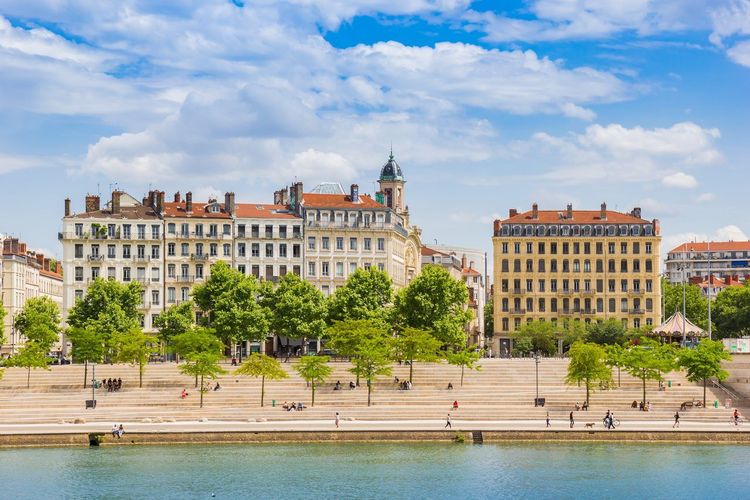
Lyon can also be seen from the water, an often-overlooked perspective that completely changes how the city looks.
A River Cruise on the Saône
Several companies offer guided cruises on the Saône departing from the quays of La Presqu'île. Allow about an hour for a loop, passing under the main bridges of the city center with sweeping views of Vieux Lyon and Fourvière. The cruise is also included in the Lyon City Card.
For a shorter and much cheaper first experience, consider Navigône, the river shuttle launched on the TCL network in June 2025: it runs from Vaise to Confluence along the Saône using a standard transport ticket. The Confluence stop only operates on certain days (Wednesdays, weekends, and school holidays), so check before you go. It's Lyon's very own vaporetto, and at age 4, a real boat is a real boat.
A Riverside Walk and Picnic
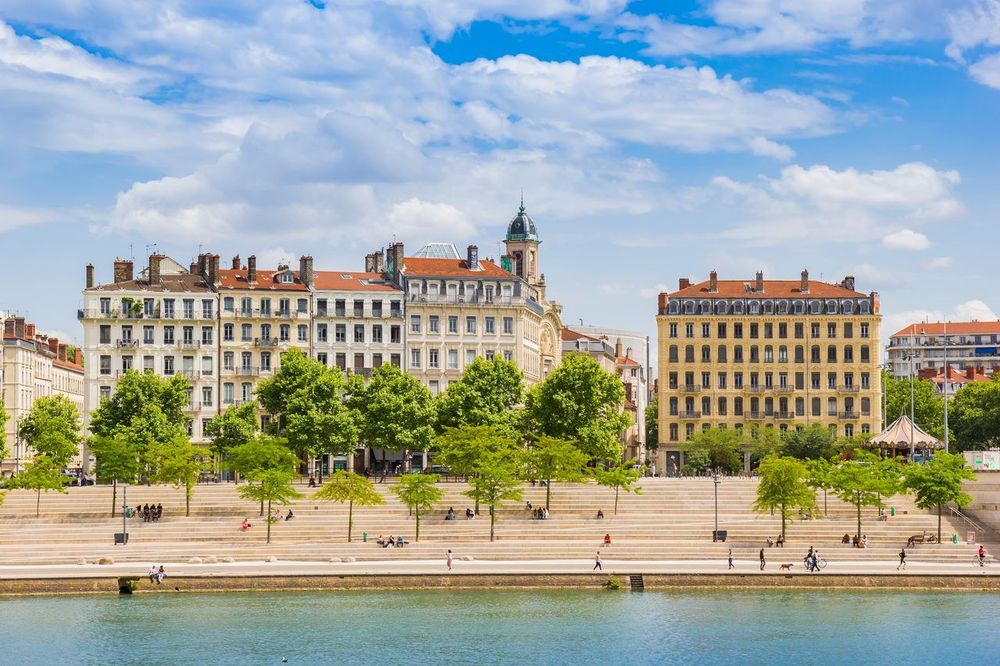
The left-bank Rhône riverbanks, redeveloped into a long pedestrian and cycling promenade, offer lawns, water jets in summer, shaded benches, and moored barges, some of which host occasional concerts or workshops. It is the ideal spot for a picnic lunch after a morning of sightseeing, without having to hunt for a restaurant that suits tired children.
On the Saône side, a walk between the footbridge by the Palais de Justice and pont Bonaparte is enough to fill a late afternoon without spending a cent, with the added bonus of the colorful façades along quai Saint-Antoine and the morning market, open every day except Monday.
Museums and the Aquarium at Child Height
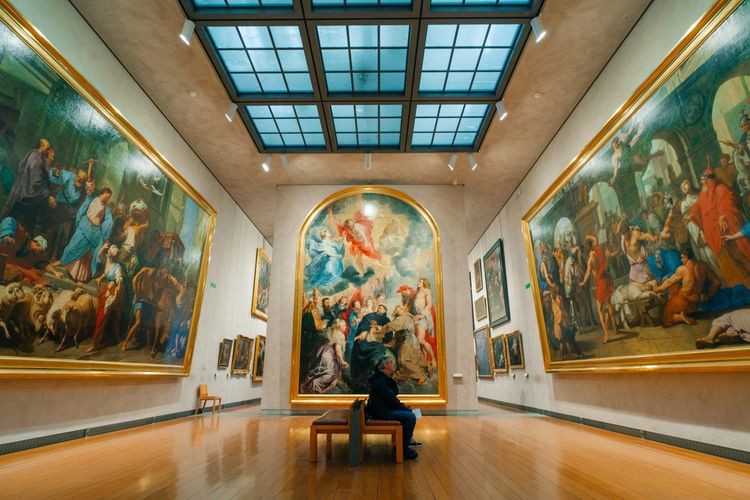
Lyon has enough museums to fill a full week of holiday, but not all of them work as well with young children. Good news: city and metropolitan museums are free for under-18s. Here are the ones that truly hit the mark, organized by theme.
Musée des Confluences: Science and the Living World
Perched at the southern tip of La Presqu'île where the Rhône meets the Saône, the musée des Confluences sits inside a glass-and-steel building that impresses before you even step inside. The permanent exhibition covers the origin of the universe, the evolution of life, and human societies, with an immersive scenography: a large dinosaur skeleton, display cases of taxidermied animals, meteorites. The museum regularly programs children's workshops and a dedicated space for very young children (see below), which should be booked a few days ahead during school holidays.
Musée du Cinéma et de la Miniature and Institut Lumière
Housed in a Renaissance mansion in Vieux Lyon, the musée Cinéma et Miniature displays 1/12-scale miniature scenes of uncanny realism: cluttered kitchens, workshops, entire streets fitting inside a single display case. The floor dedicated to cinema features real props, scale models, and film costumes, with a few creatures that tend to make a strong impression on children aged 8–12.
To trace cinema back to its very origins, head to the Institut Lumière in the 8th arrondissement. The museum occupies the villa of Antoine Lumière, father of Auguste and Louis, and right next door stands the hangar du Premier Film, a remnant of the Lumière factory where « La Sortie de l'usine Lumière » was shot in 1895. Young film enthusiasts discover the cinematograph and the earliest moving images, before, why not, a children's screening in the Institut's cinema.
Aquarium du Grand Lyon
Located just south of Lyon in La Mulatière, the Aquarium du Grand Lyon is a reliable choice when children have had their fill of heritage visits. The route is divided into several worlds (coral reefs, tropical environments, marine curiosities) and the building is air-conditioned, a compelling argument in the middle of July. The aquarium is open every day from 10:30 am to 6:30 pm (last entry at 5:30 pm), and new immersive experiences are announced for 2026. Allow 1.5 to 2 hours and aim to arrive in late morning: school groups often fill the first hour.
Musée des Beaux-Arts and Musée Gadagne
The musée des Beaux-Arts de Lyon (20 Place des Terreaux, 69001 Lyon, rated 4.5/5 on Google with 9,361 reviews), housed in a former abbey on place des Terreaux, ranks among the richest fine arts museums in France. With school-age children, turn the visit into an investigation: the Egyptian antiquities and their sarcophagi captivate children aged 6–10, and the cloister garden offers a peaceful break. An hour is more than enough with young ones; ask at the front desk for child-friendly visit materials.
Musée Gadagne, already mentioned in the Vieux Lyon section, rounds out this list if you didn't have time to stop there: its Lyon history section provides useful context before or after a traboule walk.
For children curious about science, two addresses outside the city center are worth the trip: the planétarium de Vaulx-en-Velin, whose dome screenings are suitable from age 5–6, and the more low-key musée des Sciences biologiques Docteur Mérieux in Marcy-l'Étoile.
Mini World Lyon and Theme Parks around the City
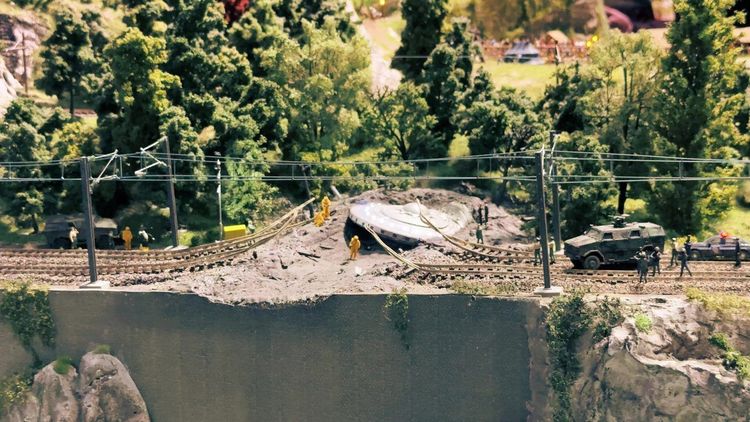
The following sites are not in the historic city center. They deserve a dedicated outing, especially if your stay exceeds three or four days.
Mini World, the City in Miniature
Open since 2016 in the Carré de Soie leisure complex in Vaulx-en-Velin (metro line A, terminus Vaulx-en-Velin La Soie), Mini World Lyon (Carré de Soie, 69120 Vaulx-en-Velin, rated 4.6/5 on Google with 5,915 reviews) bills itself as the largest animated miniature park in France: roughly 3,500 m² of model-railway-scale scenes featuring a city, countryside, and mountains, with day-night cycles and self-driving vehicles. Young visitors feel like giants as they hunt for hidden references to superheroes and cartoons. One section even reproduces Lyon in miniature, perfect for spotting Fourvière from above. Temporary exhibitions (Lego, Playmobil, Japan) rotate with the seasons.
As the planétarium de Vaulx-en-Velin is only a few kilometers away, you can easily combine both in the same day.
France Aventures and Touroparc Zoo
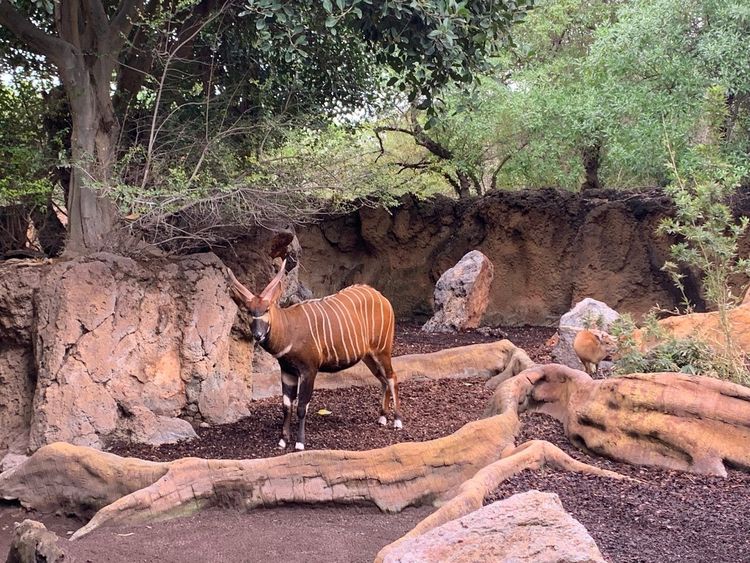
For a full day outdoors, the tree-climbing parks of the France Aventures network around Lyon offer treetop circuits suitable from age 3 on the easiest courses, with giant zip lines for teenagers.
About an hour's drive north, in Romanèche-Thorins in Saône-et-Loire, the zoo de Touroparc blends a wildlife park with fairground rides: big cats, giraffes, primates, rides, and a water park in summer all share the site. Plan a full day, with a packed lunch or on-site catering.
In another direction, toward the southwest and the Loire, the château de Bouthéon in Andrézieux-Bouthéon combines a historic manor, a park, and a space dedicated to the river: a gentle heritage stop that pairs well with a trip to Saint-Étienne.
Thrills: Climbing, Tree Adventures, and Action Games
Beyond museums and parks, the greater Lyon area has seen a wave of indoor thrill activities open in recent years, particularly useful on rainy days.
Climbing and Flying: Climb Up and iFLY Lyon
The Climb Up climbing gyms around Lyon welcome climbers from age 2 on beginner areas, with low bouldering walls scaled to their size and staff experienced with young children. For older kids, standard routes allow progression from session to session, with no equipment to buy since everything can be rented on site.
A completely different sensation awaits at iFLY Lyon: a vertical wind tunnel skydiving simulator that lets you fly — literally — without a plane or a parachute. Children are accepted from school age, with an instructor holding them throughout the flight; the minimum age and maximum weight are specified at booking. Reserve in advance, as weekend slots sell out several days ahead.
Action Games: Bombsquad, Pixel Rush, and Kidz World
Bombsquad offers life-size action games where teams compete across several themed rooms, a solid compromise between escape room and physical challenge. The newcomer, Pixel Rush, relies on interactive walls and floors with timed challenges that particularly appeal to children aged 8–14.
For younger children, Kidz World recreates an immersive mini-city where little ones take on the role of firefighter, doctor, or shopkeeper for a session, in sets built to their scale. Round things off with a session at Actua Karting for teenagers, or an afternoon at parc Wakoo, an outdoor leisure space with inflatable structures and activity courses, to burn off energy built up during sightseeing.
Shows and Cultural Outings for Young Audiences
Circus and Dance Performances
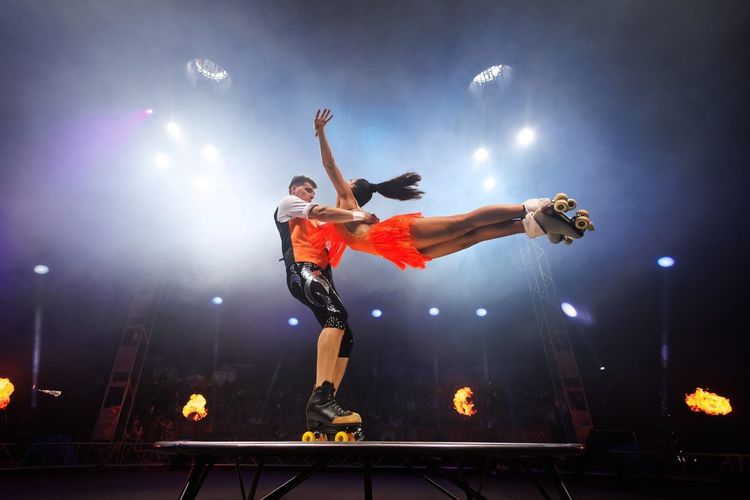
The Cirque Imagine puts on a big-top show that is renewed every season, focusing on acrobatics and staging rather than animal acts. Lyon's performance venues also program dance shows for young audiences where movement tells the story without needing to understand every word: a good option for children just learning to sit still in a seat. The Auditorium hosts concerts by the Orchestre national de Lyon designed to introduce the youngest visitors to classical music.
Cinema and Children's Screenings

The cinéma Comœdia in the 7th arrondissement, and the cinémas Lumière (Terreaux, Bellecour, Fourmi) offer regular children's screenings, often featuring animated films from around the world rather than just current releases. To the north, Radiant-Bellevue in Caluire-et-Cuire programs several young-audience shows per season, from object theatre to contemporary puppetry, a fine alternative for families who have already seen everything at Guignol. Finally, the tourist office runs fun guided tours for children aged 6–12 during school holidays, often centered on the traboules or Fourvière.
Activities for Toddlers (0–5 Years Old)
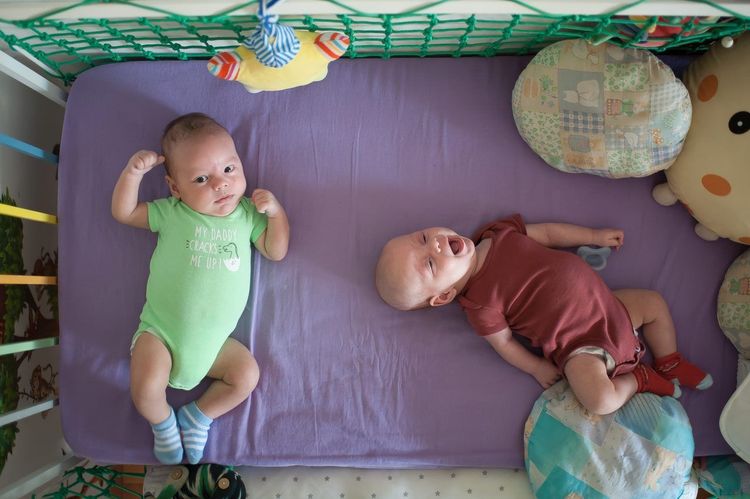
With a baby or very young child, the question is less about what to do than about pace. These activities fit into short sessions, with no long walks involved.
Outings for Babies (0–3 Years Old)
Several Lyon studios offer baby yoga, short sessions combining babywearing, sensory awakening, and parent-baby relaxation, often from just a few weeks old. Baby gym is aimed more at children aged 18 months to 3 years, with indoor motor-skills circuits available by the session or by the year depending on the venue.
On the creative side, some workshops offer baby art sessions where toddlers handle paint and materials under supervision, with no focus on the end result: a sensory experience rather than a structured creative workshop. And on the days when nothing seems to work, blowing soap bubbles in the park remains surprisingly effective at captivating a baby under 2.
On a practical note, Lyon's museums generally have baby-changing facilities and often lend baby carriers when strollers are not permitted in the galleries: just ask at the front desk.
Workshops and Play for Toddlers (2–6 Years Old)

The Nuage des petits is one of those spaces designed for children aged 2–6, with sensory games that introduce museum-going without imposing a traditional visit; check opening slots, which are often limited.
Lyon's public libraries regularly hold free storytime sessions for very young children, often on Wednesday or Saturday mornings, a welcome break between sightseeing stops. At parc de la Tête d'Or, a carousel ride always does the trick. Finally, several contemporary art venues, including the Musée d'art contemporain next to the park, offer workshops that introduce very young children to shapes and colors, far removed from the sometimes daunting image of contemporary art.
La Presqu'île, Confluence, and Lyon's Street Art
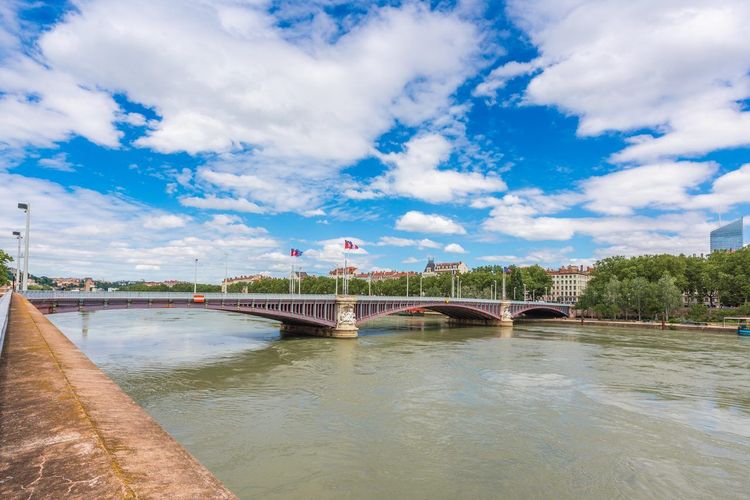
Between the Rhône and the Saône, La Presqu'île brings together the shopping streets and grand squares, a more urban setting but just as full of surprises for children.
From Les Terreaux to Bellecour
The place des Terreaux is anchored by the Bartholdi fountain, a chariot pulled by four rearing horses, the work of the sculptor who also created the Statue of Liberty. A story children always enjoy: the fountain had originally been commissioned by Bordeaux, which never managed to pay for it, so Lyon bought it in 1889. Have them count the horses and water jets, then look up at the nearby city hall.
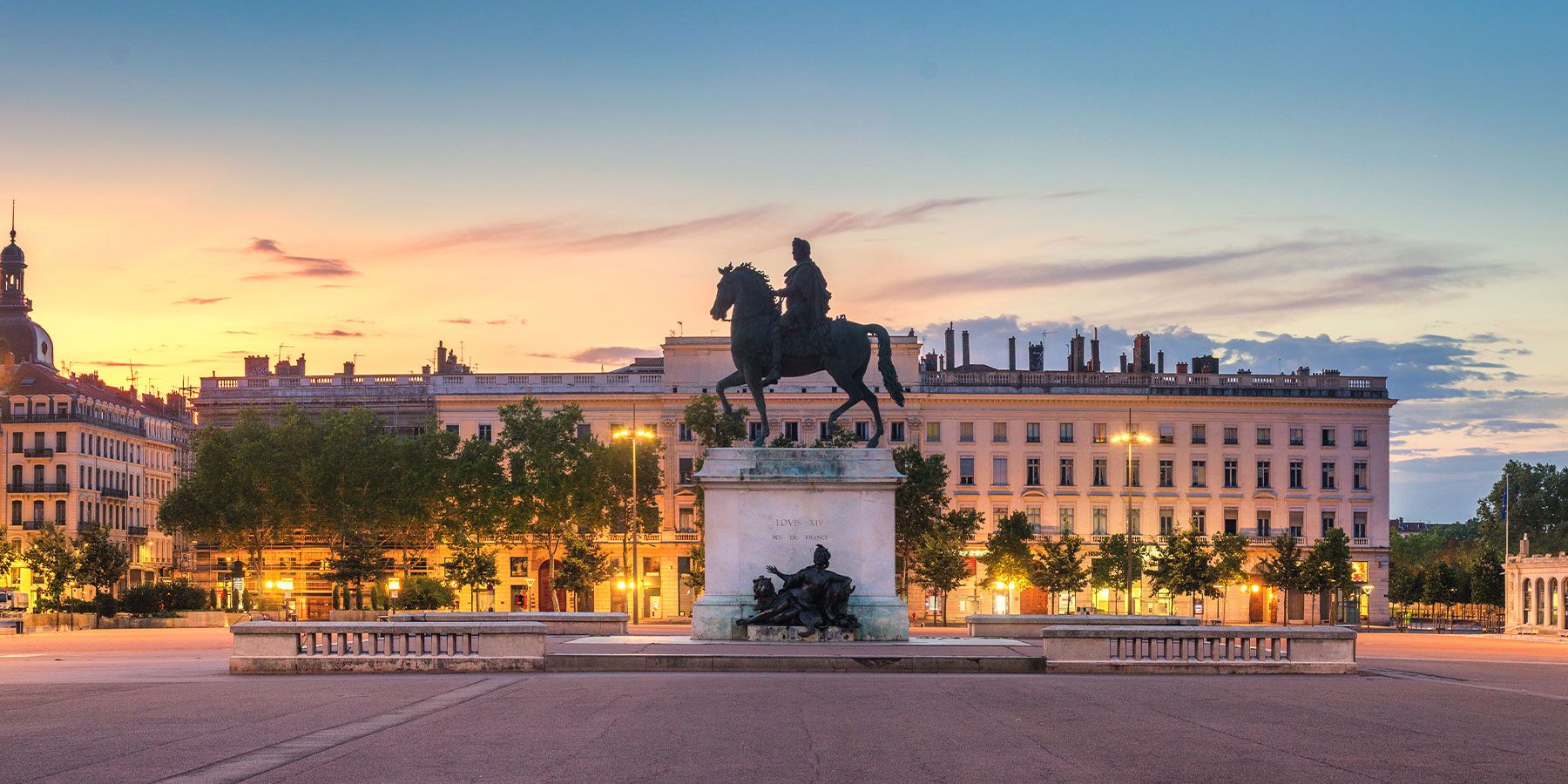
Walking down the rue de la République, pedestrianized along most of its length, you arrive at place Bellecour (69002 Lyon, rated 4.5/5 on Google with 25K reviews), one of the largest pedestrian squares in Europe, with an equestrian statue of Louis XIV at its center. On the Rhône side, the fairground rides and playground in the square offer a break for younger children.
This stretch is also where the Ryo audio-guided tour pauses: the story of the Bartholdi fountain is heard right in front of the monument, far more vivid than a sign, before moving on toward Bellecour.
On quai Saint-Vincent, a few minutes from Les Terreaux, the fresque des Lyonnais portrays around thirty of the city's famous figures in trompe-l'œil, from the Lumière brothers to Saint-Exupéry and his Little Prince, leaning out of a window. For children, it's a recognition game; for adults, a painless history lesson. The statues on place Bellecour and place des Terreaux complete the picture.
The Confluence District
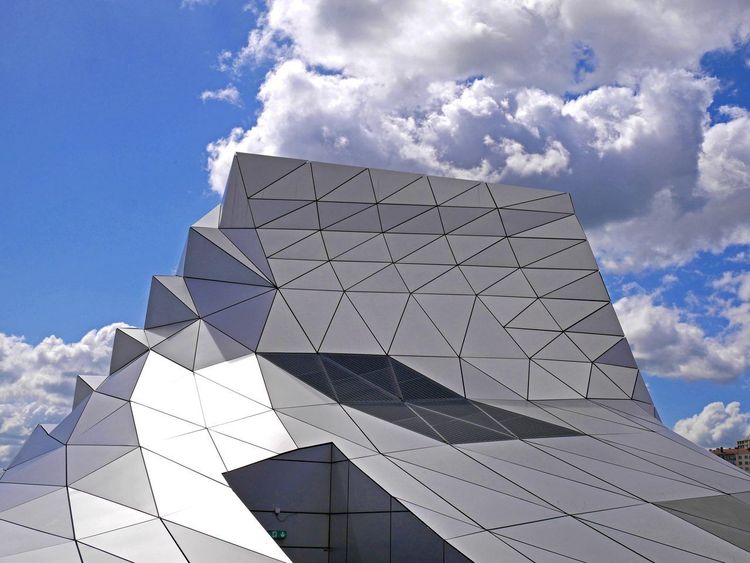
At the southern tip of La Presqu'île, Confluence is a complete contrast to the rest of the city: bold contemporary architecture — including the Cube orange — pools and promenades along the Saône. The parc de Saône, laid out on former industrial and port land, offers wide open spaces to run around in, while the neighboring shopping center comes in handy during a downpour.
Lyon's street art is also best discovered on foot: monumental murals on gable walls, themed painted facades, and paste-ups in the pentes de la Croix-Rousse. Young children often spot them before adults: challenge them to photograph their three favorites and rank them over a snack.
Food: Bouchons and Lyon's Sweet Treats
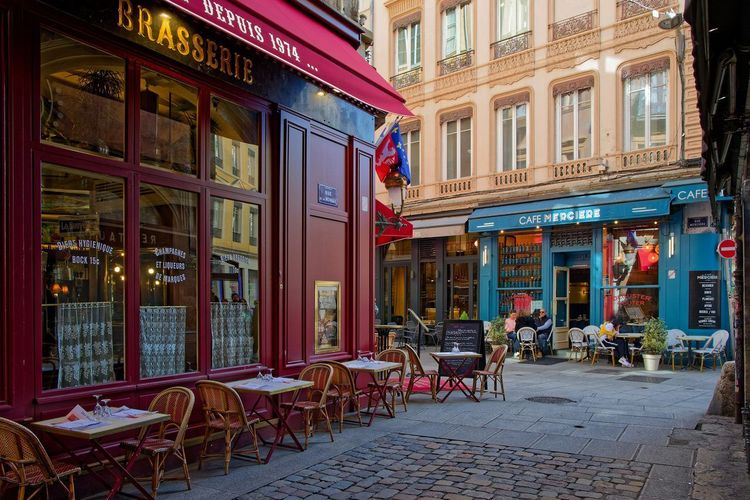
Lyon lays claim to the title of gastronomic capital, but not every bouchon is designed for young palates, given the offal dishes and generous portions. That said, several addresses do offer simple children's menus (quenelle, gratin, praline tart) in a genuine bouchon setting, checkered tablecloths included.
For a sweet break, it's hard to resist a slice of praline tart, the bright-pink local specialty that never fails to make an impression, or a praline brioche from the bakery. Many tearooms and coffee shops in the center have a reading corner or a few games for younger children.
Some cooking workshops offer pizza party sessions or adult-and-child cooking duos, a fully-fledged activity for a rainy late afternoon: the apprentice cooks leave with their own creation rather than a souvenir from a shop. And to learn all about local specialties before sitting down to eat, our guide to Lyon's culinary specialties covers everything you need to know.
Getting Around and Where to Stay in Lyon with Kids
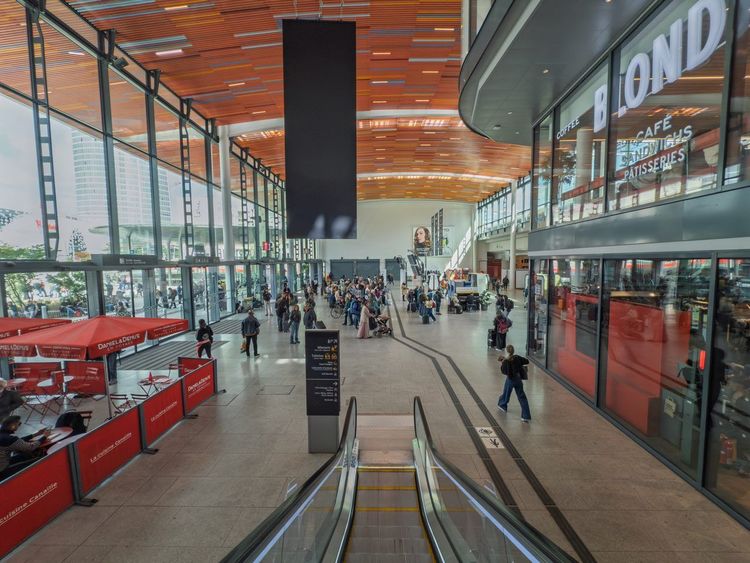
Transport and the Lyon City Card
To get there, the TGV connects Paris to Lyon Part-Dieu station in about 2 hours, often more comfortable than driving with young children. By air, Lyon-Saint-Exupéry airport is linked to Part-Dieu by the Rhônexpress tram express in around thirty minutes.
On the ground, Lyon is very well suited to exploring on foot and by public transport: the TCL network covers the metro, trams, buses, funiculars, and the river shuttle using the same tickets. Vélo'v bikes let teenagers ride along the riverbanks.
The Lyon City Card from the tourist office includes unlimited access to TCL transport, entry to 26 museums, a guided tour, a Saône river cruise, the Guignol puppet theatre, and the planetarium. Prices start at €29.90 for 24 hours (adult) and €23 (junior, ages 4–15, to be purchased alongside an adult card), up to €63.90 and €47 for 96 hours. Do the math before buying: since municipal museums are free for under-18s, the junior card mainly pays off through the cruise, Guignol, and transport.
With a stroller, the metro is generally well equipped with lifts, but some funicular access points and the cobbled lanes of Vieux Lyon require extra effort: a baby carrier remains the best ally on the hills.
The Best Neighborhoods to Stay In
La Presqu'île remains the most practical choice for a first visit: central, largely pedestrianized, and within walking distance of both Vieux Lyon and Croix-Rousse. If you prefer peace and quiet, the 6th arrondissement, near parc de la Tête d'Or, offers elegant buildings and direct access to the city's largest green space.
For a longer stay, an aparthotel with parking makes life much easier: a fitted kitchen for meals at regular hours, space to dry clothes, and no need to hunt for a parking spot every evening. Several 3- and 4-star hotels offer connecting rooms or bunk-bed suites — worth checking in advance rather than on arrival.
When to Go: Fête des Lumières and Major Events
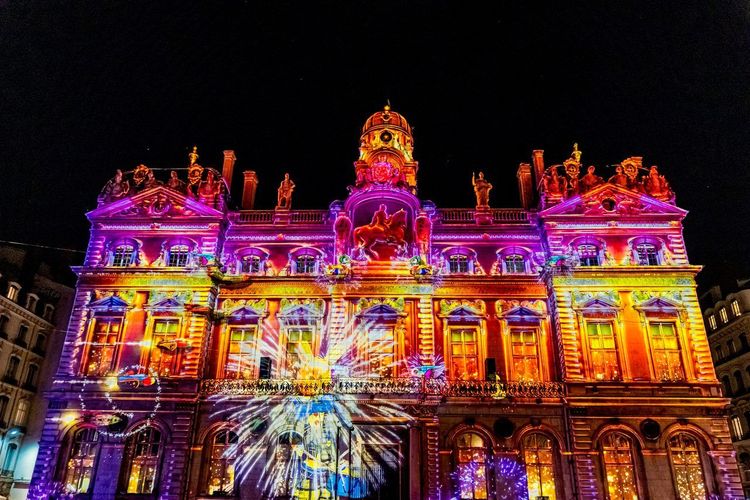
The Fête des Lumières, held over four evenings around 8 December, transforms Lyon into an open-air spectacle: illuminated façades, monumental installations, and free entertainment throughout the city. It is magical but very crowded: with toddlers, aim for early evening on a weekday and agree on a meeting point in case you get separated. Our feature on the Fête des Lumières in Lyon maps out the best routes.
The European Heritage Days, on the third weekend of September, open many venues that are normally paid or closed, often with family-friendly activities; our selection for the Heritage Days in Lyon helps you choose. In spring and summer, parks and riverbanks come into their own, with pleasant temperatures for walking. Museums and sports clubs also offer holiday camps during school breaks, handy if you need a day to yourself.
FAQ
How many days should you plan to visit Lyon with kids?
Three days are enough to cover the essentials: Vieux Lyon and Fourvière on the first day, parc de la Tête d'Or and Croix-Rousse on the second, a museum and a thrilling activity on the third. With toddlers, allow four days to keep a slower pace, with some unscheduled afternoons.
What is the best neighborhood to stay in Lyon with a family?
La Presqu'île remains the most central and walkable choice, with direct access to Vieux Lyon and Croix-Rousse. For more peace and quiet, the 6th arrondissement, near parc de la Tête d'Or, is an excellent alternative.
What can you do in Lyon with kids when it rains?
Museums step in: musée des Confluences, musée Gadagne, musée Cinéma et Miniature, or the aquarium du Grand Lyon. Indoor activities like Climb Up, iFLY, Mini World, or Kidz World also work very well, as does a children's film screening at the Comœdia.
What activities are free in Lyon with kids?
The zoo in parc de la Tête d'Or is free all year round, as are the traboule walk, the basilique de Fourvière (rooftop tour excluded), the ancient theatre's tiers, and the city and metropolitan museums for under-18s (Lugdunum, Gadagne, Beaux-Arts). The Rhône riverbanks, the mur des Canuts, and the fresque des Lyonnais round out the list.
From what age can you visit Lyon with kids?
Lyon can be visited from birth thanks to its parks and the short distances in the historic center. Some activities have a minimum age requirement, such as the Fourvière rooftop tour or iFLY, while climbing is accessible from age 2 at Climb Up.
How do you get around Lyon with a stroller?
The city center is generally stroller-friendly, except on some cobbled lanes in Vieux Lyon and on the slopes of Croix-Rousse, where it is better to take metro line C or the bus. The metro is mostly equipped with elevators; for the hills, a baby carrier remains more practical.
Is the Fourvière funicular free for children?
The funicular runs on standard TCL transport tickets, with no surcharge. Young children travel free on the network according to TCL's age conditions; beyond that, a single ticket or pass is enough, and the Lyon City Card also includes it.
Visiting Lyon with kids turns out to be less of a compromise than an open-air playground: giraffes a few stops from the city center, traboules turned into treasure hunts, a Roman theatre where you can still sit on the tiers. The city lends itself equally well to a weekend focused on Vieux Lyon and Fourvière and to a full week stretching out to Touroparc or Mini World.
To move from neighborhood to neighborhood without juggling several apps, follow the Ryo audio guide La Ville aux deux collines: 26 audio tracks, 3h30 of listening, and 7.9 km on foot, launched from a phone at the children's own pace, with no booking or group to follow.
À lire également