© Shutterstock
 Votre guide Ryo
Lyon Without Spending a Euro: the Complete Guide to Free Activities in 2026
Looking for free Lyon activities for a weekend or budget stay? Good news: this UNESCO World Heritage city, renowned for its gastronomy, is full of things to see and do without reaching for your wallet. The Ryo audio-guided tour of Lyon covers 26 sites in 3.5 hours, but this guide goes further, listing museums that open their doors without tickets, parks that house a zoo with free access, traboules that traverse centuries of history, and events that transform the city into an open stage.
Expect to discover an astronomical clock that has been working since the 14th century, a zoo where giraffes and rhinoceros live in the open air, wall murals that occupy entire building facades, and a contemporary art museum where permanent entry costs nothing. Whether you're a student, with family, or simply curious to spend less to see more, Lyon offers rare cultural raw material, you just need to know where to look.
The Presqu'île and Vieux-Lyon: the Historic Foundation on Foot
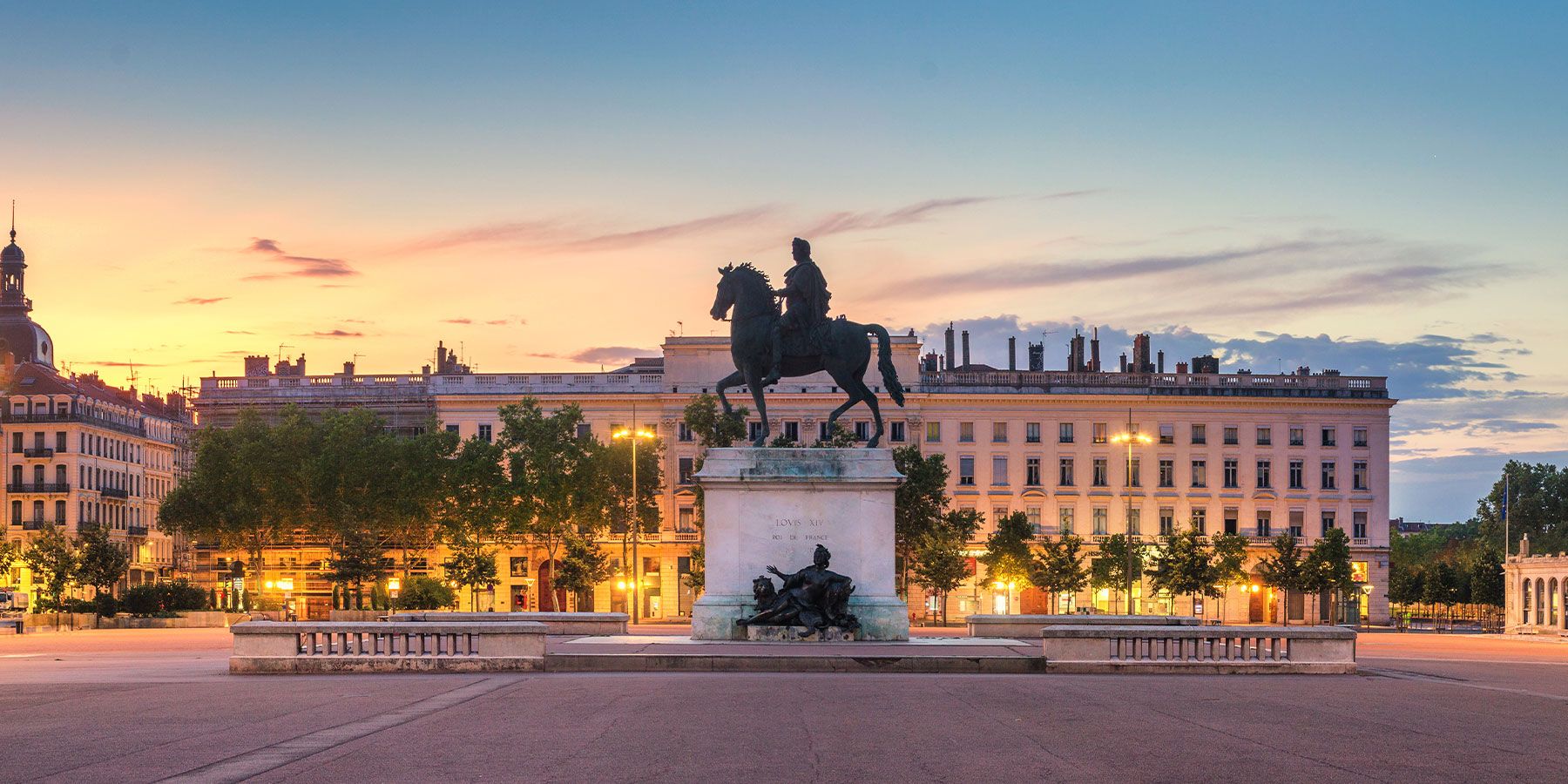
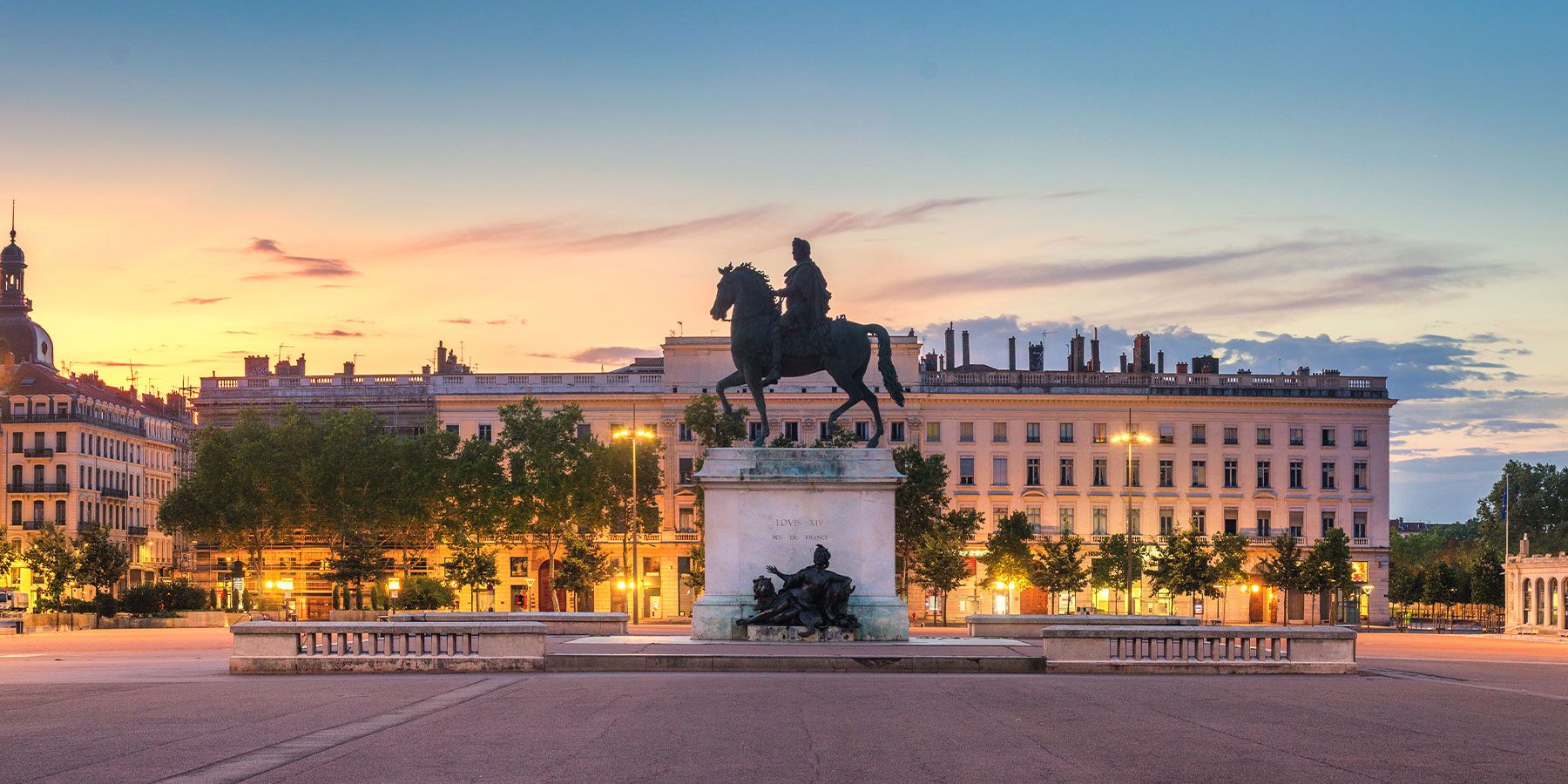
The Presqu'île is the beating heart of Lyon. Wedged between the Rhône and Saône, this tongue of land concentrates the most lively squares, the most refined Haussmannian facades and some of France's most photographed passages. Starting from Place Bellecour, Europe's third largest pedestrian square with its 62,000 m², is enough to understand the city's scale.
From there, head up to Place des Terreaux, dominated by the Bartholdi fountain, yes, the same sculptor as the Statue of Liberty. The fountain represents France riding four horses symbolizing rivers. Opposite, the City Hall facade, inaugurated in 1655, is worth the trip alone. The Museum of Fine Arts opens directly onto this square: entry to the permanent collection is free on the first Sunday of the month and for under-18s, but even from outside, the building, a former Benedictine abbey, is imposing.
Then cross the Saône to reach Vieux-Lyon, one of Europe's largest Renaissance ensembles with its 300 hectares of listed buildings. The Saint-Jean, Saint-Georges and Saint-Paul streets concentrate loggia facades, inner courtyards adorned with sculpted wells and vaulted passages. Saint-Jean-Baptiste Cathedral has free entry. Its 14th-century astronomical clock triggers an automaton at precisely noon, 2 PM, 3 PM and 4 PM: parading figures, crowing rooster, ringing bell. It's France's only clock to have preserved its original mechanism, dating from 1379, despite several restorations over the centuries.
The neighborhood can be entirely visited on foot in two hours. Avoid Saturday morning between 10 AM and 1 PM if you want to photograph the alleys without crowds, tourist groups converge exactly at these times. Place Bellecour and the banks of the Saône both feature on our short audio walking tour, 18 stops in all.
Fourvière Basilica and the Hill That Prays
Lyon residents divide their city into two hills: the hill that prays (Fourvière) and the hill that works (Croix-Rousse). The first must be earned, either on foot via the Montée des Chazeaux from Vieux-Lyon, or by funicular from Vieux-Lyon station (accessible with a standard TCL transport ticket).
The Basilica of Notre-Dame de Fourvière, built between 1872 and 1884, has free entry. The interior, mosaicked with gold and biblical scenes, looks more like a palace than a church. Four architectural styles are superimposed: Romanesque, Byzantine, Gothic and Renaissance. The level of detail is absolutely astounding, allow 45 minutes to explore it seriously, including the crypt and Saint-Thomas chapel.
From the forecourt, the panorama over Lyon is undoubtedly the city's best. On clear days, the Mont-Blanc massif appears on the horizon, 200 km away. The Parc des Hauteurs, freely accessible from the basilica, runs along the hill on 6 km of wooded trails to the Saint-Irénée district. It's Lyon residents' favorite walking route on Sunday mornings.
Just below, the Roman Theatres of Fourvière (6 Rue de l'Antiquaille, 69005 Lyon, rated 4.5/5 on Google for 54 reviews), dating from the 1st century BC, are freely accessible outside performance periods. The Grand Theatre could accommodate 10,000 spectators. The view over the city from the upper tiers is breathtaking.
Parc de la Tête d'Or and Its Free Zoo
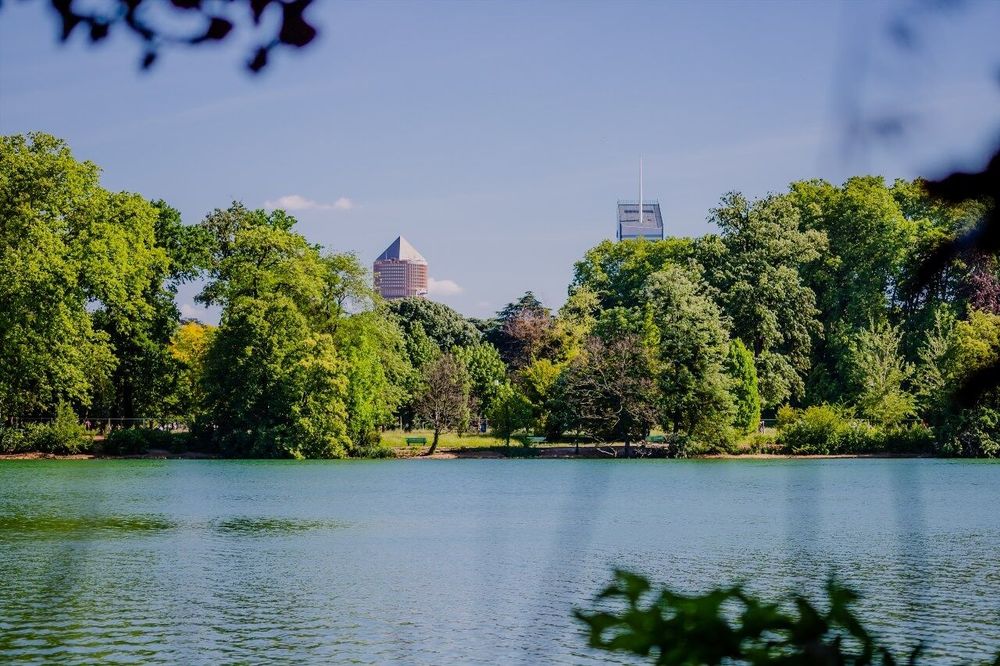
With its 105 hectares, Parc de la Tête d'Or (Allée de la Porte des Enfants du Rhône, 69006 Lyon, rated 4.6/5 on Google for 5,374 reviews) is one of France's largest urban parks. Open 365 days a year, from 6:30 AM to 10:30 PM in summer (until 8:30 PM the rest of the year), it is entirely accessible without tickets. It's where Lyon residents picnic, run, read by the lake, and introduce their children to something quite unusual: a zoo without a ticket office.
The zoo at Parc de la Tête d'Or features over 300 animals from about sixty species, including giraffes, rhinoceros, zebras, lions and flamingos, distributed notably in an African plain of nearly 3 hectares. Entry is free for everyone. It's one of the rare major French cities to offer a zoo of this scale without any access fees, a fact that few travelers know before arriving.
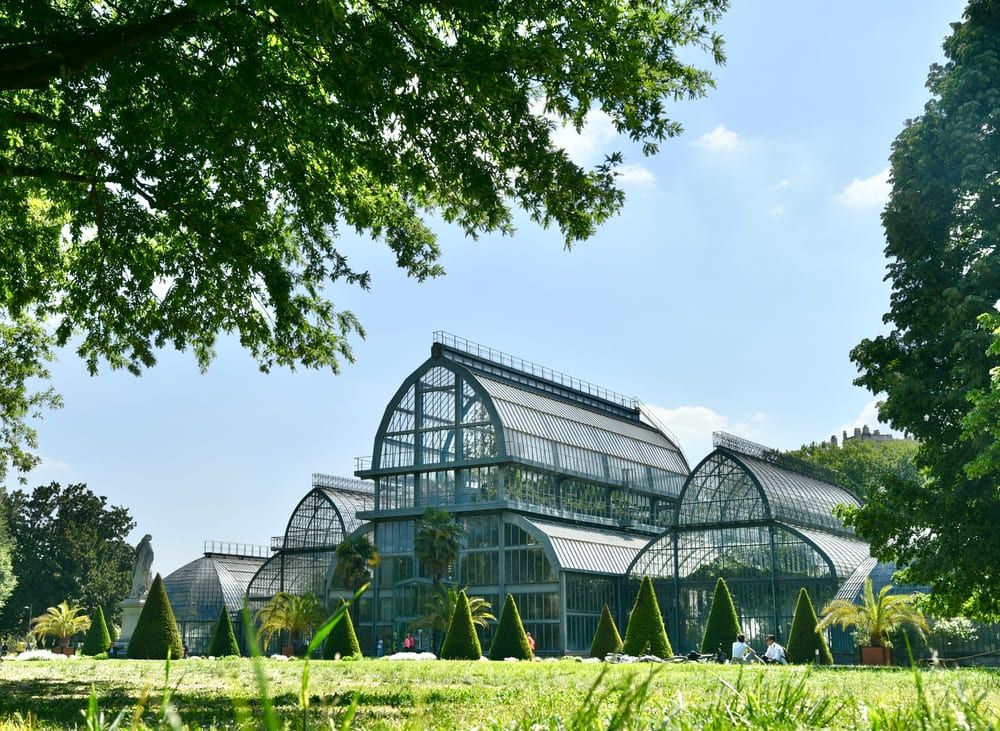
The park's international rose garden gathers thousands of rose bushes from hundreds of different varieties. Main flowering occurs in May-June, but repeat-flowering varieties bloom until October. The large lake (about 17 hectares) offers paid boats, but the walk around remains one of the city's most pleasant strolls. The Victorian greenhouses, inherited from the 19th century, house tropical and succulent collections, with free access.
Practically, the park is accessible from Masséna metro station (line A) or Tête d'Or (tram T1/T4). Arriving early in the morning on weekdays guarantees you almost total tranquility.
First Sunday of the Month Museums
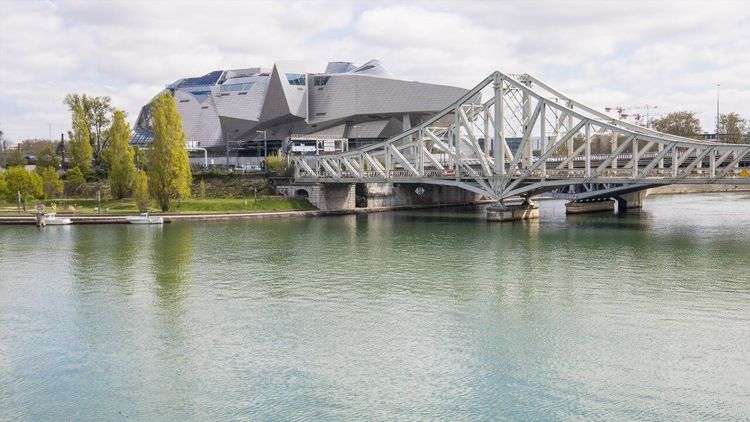
Lyon has applied for years the national policy of free opening of municipal museums on the first Sunday of each month. In practice, this concerns about fifteen establishments, a richness that most French cities of comparable size cannot offer.
The Lyon Museum of Fine Arts is one of the first to benefit from this rule. Its permanent collection covers 5,000 years of art history over 70 rooms: Egyptian Antiquity, Middle Ages, European paintings from the 15th to 20th century, sculptures, decorative arts. Rembrandt, Rubens, Delacroix, Monet rub shoulders with collections of extremely rare ceramics and goldwork.
The Gadagne Museum (1 Place du Petit Collège, 69005 Lyon, rated 4.1/5 on Google for 685 reviews) (Lyon History Museum and World Puppet Museum) also opens freely on this day. Housed in a 16th-century Renaissance mansion, it traces 2,000 years of Lyon history and houses the world's largest puppet collection, including the famous Guignol born in Lyon in 1808.
The Lyon Museum of Contemporary Art (MAC) practices an even more generous policy: entry to permanent collections is free every Thursday. Temporary exhibitions remain paid, but the permanent collection covers minimal art, arte povera, video art and new technologies since the 1960s. For students, an annual card at reduced rate gives unlimited access to temporary exhibitions.
Tips to optimize these visits: avoid the first Sunday of January (reopening after holidays, maximum attendance) and prefer the morning, museums open at 10 AM and attendance remains moderate until 11:30 AM.
Traboules and Secret Courtyards
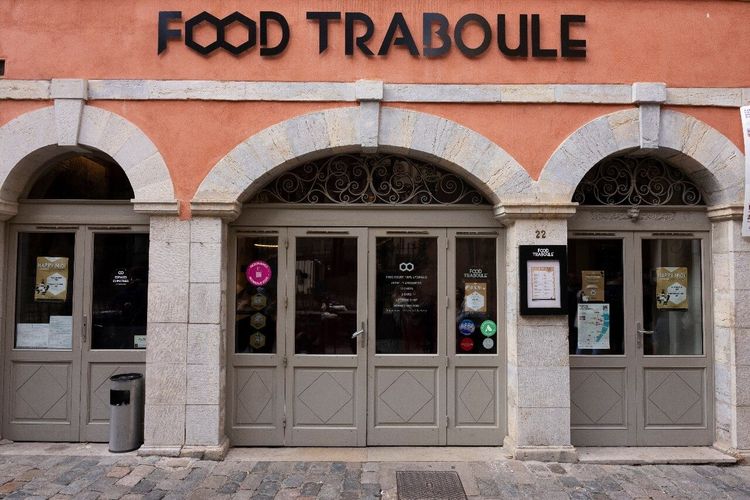
Traboules are Lyon's best-kept secret, yet they're part of the historic site inscribed on UNESCO's World Heritage List since 1998. They are covered passages that traverse building blocks from end to end, connected by interior courtyards and arcaded galleries. There are about 315 listed traboules in Lyon, including a hundred in Vieux-Lyon and 160 in the Croix-Rousse district.
Their original use is purely practical: allowing canuts (silk weavers) to transport their goods sheltered from rain. During World War II, they served as an escape network for the Resistance. Today, they are open to the public, most from 8 AM to 8 PM approximately, with discrete signage at building entrances.
The most famous traboule remains that of 9 Place du Gouvernement, which opens onto Place de la Trinité: a succession of three Renaissance courtyards with central wells, colonnade galleries and spiral staircase. Allow 20 to 30 minutes for this passage alone. In Vieux-Lyon, Rue Saint-Jean and its surroundings concentrate the most beautiful examples.
The Gadagne Botanical Garden, or hanging garden, is a hidden green space accessible via a traboule on Rue du Boeuf, 40 m² of absolute calm with views over Vieux-Lyon rooftops. Few guides mention it.
Croix-Rousse: the History of the Canuts and the Slope
Croix-Rousse is the neighborhood that Lyon cherishes as a village within the city. Perched on the second hill, it was long the stronghold of silk weavers, the canuts, who in the 19th century constituted one of Europe's largest worker concentrations. Today, workshops have given way to galleries, cafes and a daily market, but the architecture retains traces of this era: immense windows (to let light in on the looms), 4-meter high ceilings, buildings conceived as vertical factories.
To explore this neighborhood in depth, the Ryo audio-guided tour Meeting the Canuts offers 16 audio tracks over 4.4 km in 2 hours, the best way to understand why the 1831 and 1834 revolts preceded the European revolutions of 1848.
The Croix-Rousse market (Tuesday to Sunday until 1 PM) is one of Lyon's largest and most lively. Produce vendors, cheese makers and local producers mingle without pretense. Browsing without buying is perfectly acceptable, the atmosphere alone is worth the trip.
The Montée de la Brocante and Rosa Mir Garden (87 Grande Rue de la Croix-Rousse, 69004 Lyon, rated 4.4/5 on Google for 803 reviews) complete the picture. The latter, open to the public on certain weekends (check the calendar at city hall), is a work of art in itself: a garden of shells and mosaics created alone by a Spanish canut between 1957 and 1981, kept secret for years. Free access during openings.
To descend without effort, the Croix-Rousse slope offers panoramas over the Saône at each turn. Allow 20 minutes on foot from the boulevard to the quays.
Painted Walls and Lyon Street Art
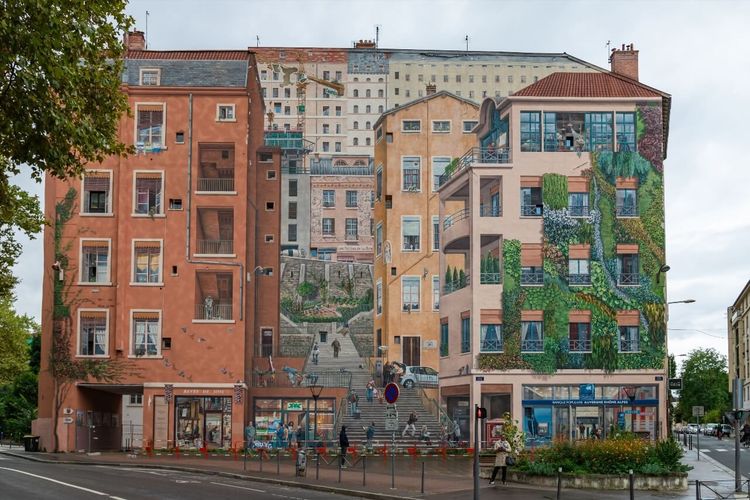
Lyon is one of the world capitals of wall murals. The city has a hundred listed painted walls, some reaching entire building dimensions. It's in Lyon that the Cité de la Création movement was born in 1978, a wall painting studio that has since created works in about thirty countries.
The best-known fresco remains the Fresco of Lyon Figures (corner of Quai Saint-Vincent and Rue de la Martinière), which represents 30 famous figures from the city on 800 m², from Abbé Pierre to Paul Bocuse, including Auguste and Louis Lumière. Look for hidden details: a half-open window revealing a cat, a balcony that "comes out" of the wall.
The Canuts Wall, in the eponymous district (Boulevard des Canuts), is Europe's largest fresco with its 1,200 m². Painted in trompe-l'oeil, it represents the Croix-Rousse district with its inhabitants, some of whom are real portraits of former residents. Created in 1987 by Cité de la Création, it has been redesigned several times to reflect the district's evolution.
To explore the entire route, start from Vieux-Lyon and head up to Croix-Rousse over two hours of walking. A downloadable map on the Lyon city hall website lists official frescoes with their exact addresses.
Markets, Halls and Neighborhood Life
Lyon markets can be visited without spending anything and remain a pleasure to frequent. The Quai Saint-Antoine market (on the Saône quays, Tuesday to Sunday morning) is the most emblematic: produce vendors, farm cheeses, flowers, spices, and a view of Fourvière that makes morning coffee memorable. This is where Lyon chefs come to stock up.
The Paul Bocuse Halls (formerly the Lyon Halls) deserve a visit even if you don't buy anything. This temple of Lyon gastronomy brings together under one roof the region's best producers: cheeses from Mère Richard, quenelles from Daniel and Denise, chocolatiers, wine merchants. The 1970s interior architecture (large glass roofs, raw concrete) contrasts with the profusion of stalls. To learn more about the specialties sold there, the article on Lyon culinary specialties details the history of each emblematic product.
The Guillotière market (Place Gabriel Péri, 69003 Lyon, rated 4.4/5 on Google for 747 reviews) (Wednesday and Sunday) is Lyon's most multicultural: Maghreb spices, Sub-Saharan African vegetables, Southeast Asian exotic fruits. Unbeatable prices, unique sound atmosphere.
Parks, Green Spaces and Saône Banks
Lyon has several thousand hectares of freely accessible green spaces, making it one of France's greenest cities per inhabitant. Beyond Parc de la Tête d'Or, several spaces deserve attention.
The Jardin des Curiosités (Saint-Just district, Fourvière) is a viewpoint built on a former wasteland. The view of the Saône-Rhône confluence from the terrace is unobstructed over 180 degrees. A collaborative vegetable garden occupies the central part, open to passersby.
The Saône quays (right bank, between Bonaparte and Mouton-Duvernet bridges) have been redesigned as a continuous pedestrian promenade of several kilometers. Ping-pong tables, pétanque courts, outdoor furniture: a public space that really works.
The Parc Blandan (37 Rue du Repos, 69007 Lyon, rated 4.4/5 on Google for 6,786 reviews) (7th arrondissement), installed on a former 19th-century military barracks, preserves its original ramparts. Landscaped garden, skatepark, sports field, open stage, it's the favorite park of left-bank students.
Free Cultural Events All Year Round
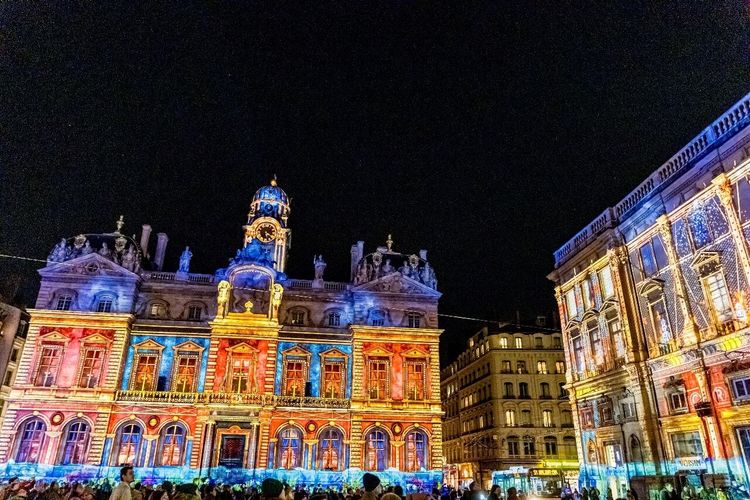
Lyon is a festival city. Several of them are entirely accessible without tickets, or offer open public programming.
The Festival of Lights (early December, 4 nights) is the best-known event: the entire city transforms into luminous scenography with dozens of artistic installations on facades and quays. Free access everywhere, some paid additional activities. Nearly 2 million visitors flock there over four evenings: come on weekday evenings to avoid weekend crowds.
The Music Festival (June 21) invests all Lyon squares with concerts of all styles, jazz, electronic, classical, rock, from early afternoon to nightfall. Official stages and spontaneous concerts mix. Quai Victor-Augagneur, on the Rhône banks, hosts the largest stages.
The Tout l'monde dehors festival (summer, June-August) programs concerts, street shows and outdoor screenings in Lyon's 9 arrondissements. All outdoor programming is free access, check the calendar on the Lyon City website. To stay informed of all Lyon events, the Lyon events calendar is regularly updated.
The European Heritage Days (third weekend of September) open places normally closed to the public: City Hall, private palaces, factories, convents. One weekend a year to see the invisible, to note in your calendar right now.
The Auditorium of Lyon (149 Rue Garibaldi, 69003 Lyon, rated 4.6/5 on Google for 3K reviews) and the CNSMD (National Superior Conservatory of Music and Dance) regularly offer student concerts and open public rehearsals, freely accessible or by online registration.
Montluc Memorial and Memory Sites
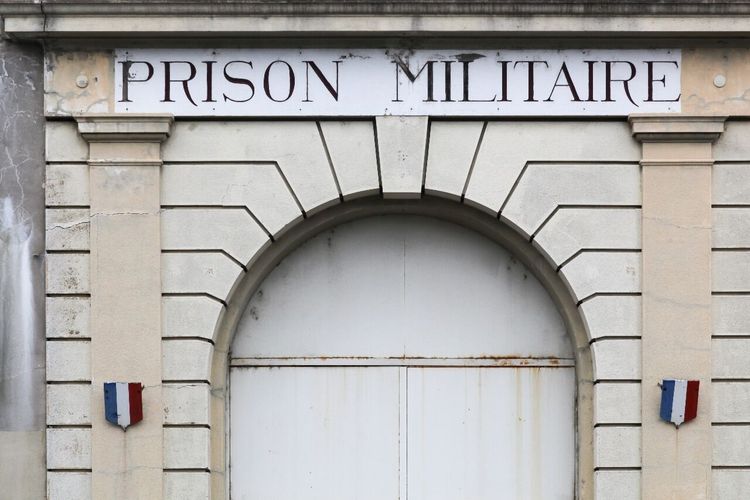
The National Memorial of Montluc Prison is one of France's most poignant memory sites, and entry is entirely free. This military prison, used from 1942 to 1944 by the Gestapo under Klaus Barbie's command, saw thousands of detainees pass through during the Occupation, including Jean Moulin.
The memorial visit lasts about 1.5 hours and focuses on cell A, the only one preserved in its original state, and a permanent exhibition on Lyon Resistance. An educational booklet is available for school groups. Closed on Mondays.
In a different vein, the Museum of Printing and Graphic Communication (13 Rue de la Poulaillerie, 69002 Lyon, rated 4.5/5 on Google for 942 reviews) opens freely on the first Sunday of the month. Lyon was one of the first European cities to adopt printing, from the 15th century, a history directly linked to the wealth of silk merchants who financed typographic workshops.
Several municipal galleries also offer free-entry exhibitions with regular rotation, to monitor via the Lyon City newsletter.
Planetarium and Conservatory Concerts
The Vaulx-en-Velin Planetarium (accessible by tram T3 from the center, 25 minutes) offers sessions accessible for just a few euros for under-26s and open house afternoons several times a year. Otherwise, the hall's permanent exhibitions are freely accessible during opening hours.
The CNSMD of Lyon (National Superior Conservatory of Music and Dance) is one of only two superior music schools in France with Paris. Its students, future musicians of national orchestras, regularly give public concerts with free entry or symbolic prices. The calendar is available on the institution's website; dates marked "public concert" are accessible without tickets.
The Lyon Opera (1 Place de la Comédie, 69001 Lyon, rated 4.5/5 on Google for 3,929 reviews) has an amphitheater on the top floor of its building (19th-century neo-classical facade, contemporary interior by Jean Nouvel) freely accessible for occasional recitals and musical readings. Check the "Amphi" section on the Opera website for dates.
Practical Tips for Enjoying Lyon on a Budget
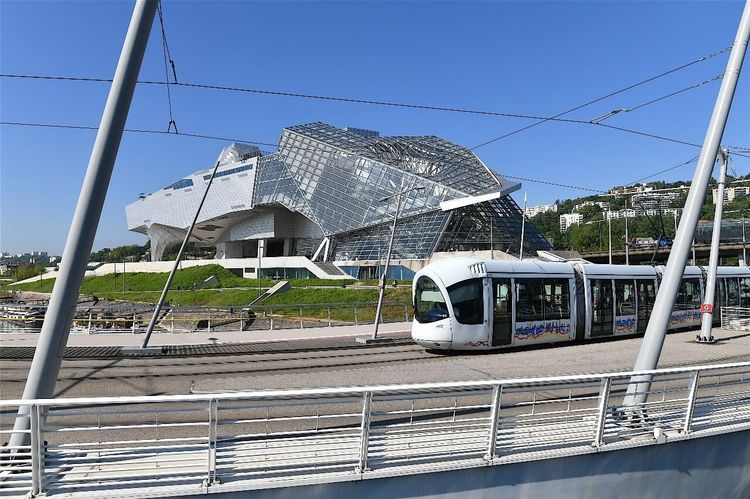
Public transport (TCL) allows you to reach all the places mentioned above without a car. A single ticket costs around €2, valid for 1 hour with connections on metro, tram, bus and funicular. For students, the TCL Jeune monthly pass is one of the cheapest in major French cities.
The Fourvière funicular (lines F1 and F2) is included in the TCL transport ticket, no separate ticket needed.
To organize your complete stay, the guide Visiting Lyon in 3 Days complements this selection with paid places that are still worth the trip. And if you want to explore the city differently than just by sight, the Ryo audio guide of Lyon accompanies you to 26 sites with stories at each stop, available on smartphone, no connection required.
The most popular places (Vieux-Lyon, Fourvière) experience peak attendance on Saturdays between 10 AM and 2 PM: ideally visit them on weekdays or Sunday morning before 10 AM to enjoy the calm.
FAQ
Which Museums Are Free in Lyon?
Several Lyon museums open their permanent collections without tickets on the first Sunday of each month: the Museum of Fine Arts, Gadagne Museum (Lyon history and puppets), Museum of Printing, and the Museum of Contemporary Art (MAC). The latter also offers free access on Thursdays for its permanent collections. The Montluc Prison Memorial is open freely every day (except Monday) without date restrictions.
Is Lyon's Zoo Really Free?
Yes, entirely. The zoo at Parc de la Tête d'Or is one of the rare major French city zoos accessible without tickets. It features over 300 animals from about sixty species, including giraffes, rhinoceros and lions. The park itself (105 hectares) is open 365 days a year, from 6:30 AM to 10:30 PM in summer.
What Are Lyon's Traboules?
Traboules are through-passages that connect one street to another via interior courtyards and covered galleries. Lyon has about 315 listed ones, including a hundred in Vieux-Lyon and 160 in Croix-Rousse. Most are freely accessible from 8 AM to 8 PM approximately. They're part of Lyon's historic site, inscribed on UNESCO's World Heritage List since 1998.
What to Do for Free in Lyon on Weekends?
On weekends, several options await you: Fourvière Basilica and its panorama (free access, funicular included in TCL transport ticket), Parc de la Tête d'Or with its zoo, the Croix-Rousse market on Sunday morning, strolling through Vieux-Lyon and its traboules, and the redesigned Saône quays. If the weekend falls on the first of the month, municipal museums open their collections without tickets.
Is the Festival of Lights Free?
Yes. The Festival of Lights (early December, generally 4 nights from Thursday to Sunday) is entirely free access for all outdoor installations on public roads. Some additional events in private venues may be paid, but all projections and installations on facades, squares and quays are accessible without tickets. Attendance reaches nearly 2 million visitors over four evenings, plan for mid-week evenings to avoid saturation.
Are There Free Activities in Lyon for Students?
Students benefit from advantageous conditions in several Lyon museums (permanent reduced rate at MAC, access to permanent collections at the Museum of Fine Arts with proof in certain configurations). The CNSMD offers regular public concerts without tickets. Lyon Opera organizes discovery sessions at reduced rates. Markets, parks, traboules and outdoor events (Music Festival, Tout l'monde dehors, Heritage Days) are free access for all, without conditions.
Lyon, a City That Deserves Without Paying
Lyon is a city that reveals itself to those who walk. Its most striking treasures, the Renaissance traboules of Vieux-Lyon, the Fourvière panorama, the giraffes at Tête d'Or, the giant frescoes of the Canuts, require neither tickets nor reservations. The challenge is not finding what to do, but choosing where to start.
To go further, the Ryo audio-guided tour of Lyon accompanies you to 26 sites with audio stories and anecdotes that paper guides don't tell, a way to transform a simple walk into a true exploration of the city of two hills.
À lire également