






Créé par Emilie, le 4 oct. 2026
Votre guide Ryo
Saint-Etienne, France
Behind the Scenes of the City That Invented Everything
Parcours audioguidé pour visiter Saint-Étienne en 1 jour
A former major industrial city, Saint-Étienne stands out for its working-class history and spirit of innovation. With its industrial heritage, design culture, and strong identity, it reveals a unique personality in constant evolution.
Quand partir à Saint-Étienne ?
Jan.
5°
11
Feb.
6°
10
March
11°
13
April
15°
16
May
18°
17
June
22°
15
July
24°
15
Aug.
25°
11
Sept.
21°
11
Oct.
16°
12
Nov.
10°
12
Dec.
6°
10
The climate is Mediterranean, with mild winters of around 5 to 15°C and hot summers, often between 28 and 35°C, or even more during heat waves; the best times to visit are generally from April to June and then from September to October, when temperatures are still very pleasant without reaching the summer peaks, allowing you to fully enjoy the towns, villages and coastline in more comfortable conditions than in the middle of summer.
Départ conseillé
We design our tours as loops so you can easily start at the point closest to you — the guidance will automatically adapt. If you are nearby, we recommend an ideal starting point: Place du Peuple.
Parking à proximité
Q-Park Hôtel de Ville Parking – 13 Place de l’Hôtel de Ville, 42000 Saint-Étienne
On-street parking in Saint-Étienne is free from Monday to Saturday between 12:30 pm and 2:00 pm, and from 7:00 pm to 8:30 am, as well as completely free on weekends and public holidays, from Friday noon to Monday morning. Outside these times, charges apply in two zones: the green zone (starting at around €1 for 1 hour, up to €2.20 for 9 hours) and the yellow zone (around €1.50 for 1 hour, €3.50 for 2 hours). The maximum parking time is limited to three consecutive days in the same space.
Découvrez 20 lieux d'intérêt pour visiter Saint-Étienne


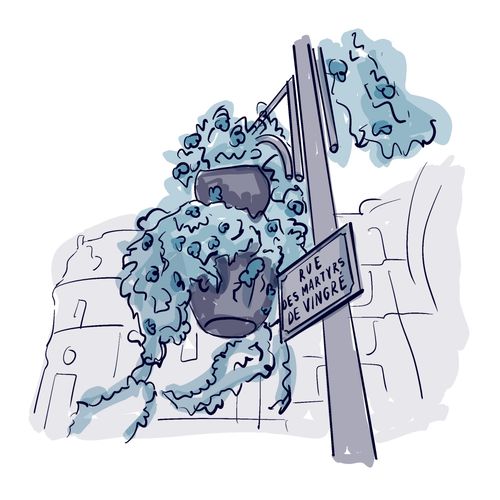
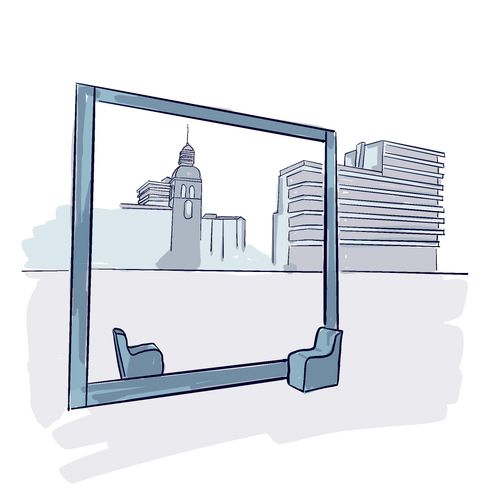
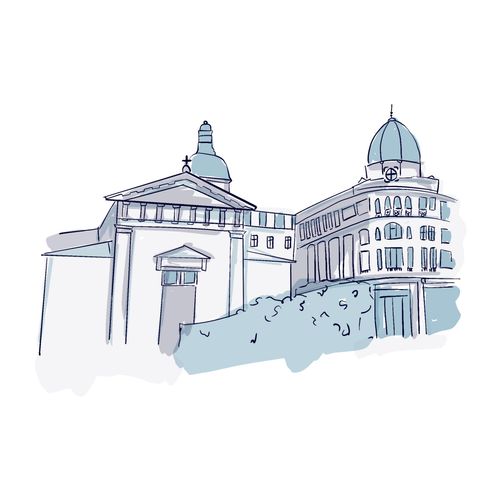
Le plein d'inspirations
Explorez le monde en totale liberté, à pied au cœur des villes ou au fil des routes. Nos guides audios transforment chaque destination en une découverte culturelle immersive et unique.
FAQ for visiting Saint-Étienne
What is there to do in Saint-Etienne in one day or for a short visit?
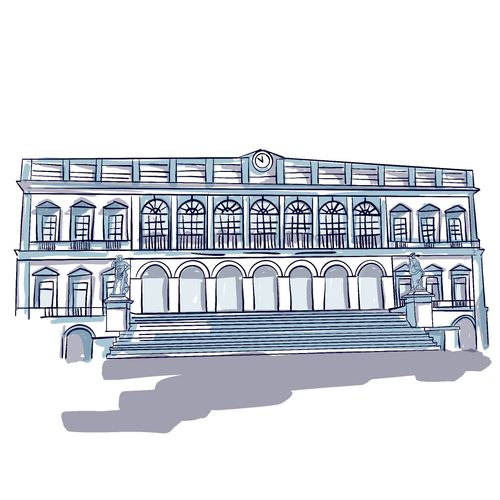
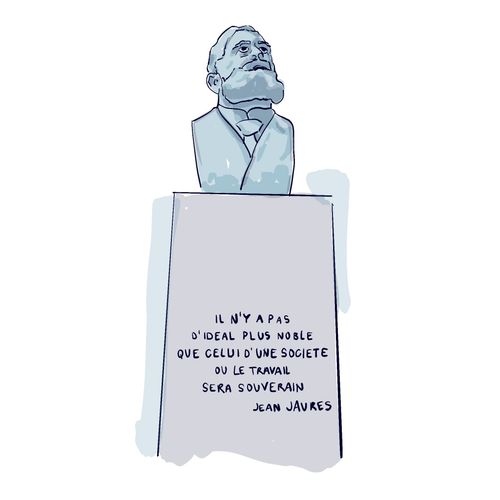
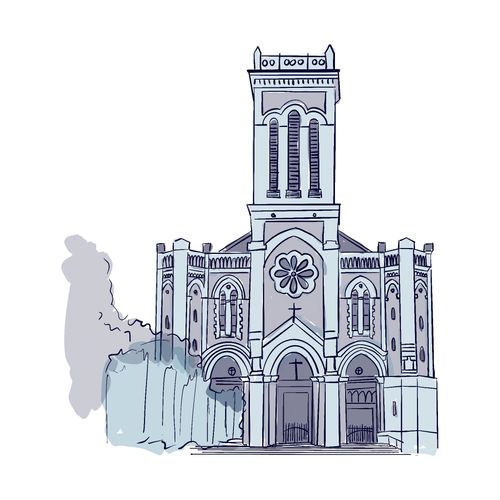
For a day in Saint-Etienne, start by exploring the historic centre around the Place Jean-Jaurès and the Saint-Charles cathedral. Then head to the creative Manufacture-Plaine Achille district to discover the industrial heritage transformed into cultural spaces. Don't miss the Museum of Art and Industry, which tells the city's innovative story, then wander through the design district around the Cité du Design. The Ryo audioguide accompanies you with a narrated route that reveals the secrets of this inventive city, from its working-class past to its creative rebirth. Finish with a walk in the Montaud park for a panoramic view over the city and its verdant surroundings.
How do you get around Saint-Etienne and which transport should you use?
Saint-Etienne has an efficient public transport network run by the STAS. Two tram lines cross the city from north to south and east to west, complemented by numerous bus lines that serve every neighbourhood. The town centre remains easily accessible on foot, letting you make the most of the urban atmosphere. For longer journeys, the VéliVert self-service bikes offer a convenient alternative with stations spread across the city. Taxis and ride-hailing are also available for greater flexibility. The Châteaucreux station, well served, makes connections with neighbouring cities easy and lets you explore the surroundings without a car.
What are the must-see visits not to miss in Saint-Etienne?
Saint-Etienne reveals its treasures through several emblematic sites. The Mining Museum at the Puits Couriot immerses visitors in the city's mining history with a moving descent into the galleries. The Cité du Design, set up in the former Arms Manufacture, embodies the creative transformation of Saint-Etienne. The Museum of Modern and Contemporary Art houses one of the most important collections of modern art in France. The historic district around the Grand'Église deserves thorough exploration for its remarkable architecture. The Ryo audioguide offers precisely a circuit that connects these points of interest while revealing the hidden stories of this city that shaped French industry. Don't forget the Geoffroy-Guichard stadium for football fans.
Where can you park easily and how much does parking cost?
Saint-Etienne offers several convenient parking options for visitors. The underground car parks in the town centre, such as Hôtel de Ville, Jean-Jaurès or Chavanelle, are ideally located near the main attractions. On-street parking is generally paid during the day in the very centre, with progressive rates according to duration. The outlying areas often offer more attractive rates or limited free periods. Several park-and-ride facilities on the outskirts let you park at lower cost and reach the centre by tram. Rates vary by area and period but generally remain affordable compared with other major French cities. On Sundays and public holidays, many spaces become free, making family visits easier.
When is the best time to visit Saint-Etienne?
Saint-Etienne enjoys a temperate climate with clearly marked seasons. The best times to discover the city run from April to June, then from September to October, when temperatures remain pleasant without being excessive. Spring offers a verdant city with its many parks in bloom, while autumn adorns the surroundings with shimmering colours, notably in the nearby Pilat. Summer can see high temperatures, but the city's altitude generally brings welcome coolness in the evening. Winter stays mild, allowing comfortable visits to museums and indoor sites. The period of the International Design Biennial, usually in spring, is a particularly dynamic time to discover Saint-Etienne's creativity in full swing.
What is there to see around Saint-Etienne: Pilat, Firminy, Gorges de la Loire?
The surroundings of Saint-Etienne are full of natural and architectural wonders. The Pilat Regional Nature Park, reachable in less than thirty minutes, offers breathtaking panoramas and hiking trails for all levels. The Gorges de la Loire trace out spectacular landscapes between medieval castles and hilltop villages, perfect for a nature getaway. Firminy is home to the Le Corbusier site, an extraordinary UNESCO-listed architectural ensemble comprising the Saint-Pierre church, the House of Culture and the Housing Unit. The Grangent dam and its lake offer water activities in a preserved setting. Further afield, characterful villages such as Sainte-Croix-en-Jarez, a former charterhouse turned village, or Malleval are worth the detour for their remarkably preserved heritage.
How do you visit the Le Corbusier site in Firminy from Saint-Etienne?
Firminy lies just fifteen kilometres from Saint-Etienne, making a visit to the Le Corbusier site easily accessible. By car, allow about twenty minutes via the A47 motorway or the departmental road. Public transport also links the two towns with regular buses from the Saint-Etienne bus station. Once in Firminy, the Le Corbusier site is generally visited with a guide to better understand the architect's revolutionary vision. The ensemble comprises several major buildings spread across the Firminy-Vert site. Allow half a day to fully appreciate the Saint-Pierre church, the House of Culture, the stadium and the Housing Unit. Guided tours are offered regularly, giving access to certain spaces usually closed to the public.
Why is Saint-Étienne known as a city of design?
Saint-Étienne has made design the natural extension of its industrial past: the city long drew and manufactured weapons, bicycles, ribbons and tools, and that mastery of form gradually turned into a discipline in its own right. The Cité du design occupies the former state arms factory, a vast site rehabilitated north of the centre and recognisable by its Platine, pierced with thousands of translucent cells.
The city also runs an international biennial that regularly takes over public spaces, disused buildings and shop windows, and it belongs to the Unesco creative cities network for design, the only French city in that category. The legacy shows in the street furniture, the old shop signs and the façades of the centre, once you start paying attention. The Ryo audio guide offers a dedicated Saint-Étienne route that links these places to the historic heart of the city.
How can you explore Saint-Étienne's mining past?
The Puits Couriot, a former pit head turned park-museum at the foot of two slag heaps, is the best place to start. You go down into a reconstructed gallery, walk through the hanging room where miners hoisted their clothes to the ceiling, and come away understanding how a shift underground was organised. The headframe and the washing plant can be spotted from a distance and mark the site from much of the centre.
The museum of art and industry completes the picture with its collections of weapons, bicycles and ribbons, the three products that made the city's name. All around, the workers' housing estates, the old mining rows and the now replanted slag heaps tell the same story in the open air, especially up in the Crêt de Roc, a district clinging to the slope with a long view over the valley.
Can you visit the Geoffroy-Guichard stadium?
The Geoffroy-Guichard stadium, which everyone here calls the Cauldron, can be visited outside match days. The tour takes in the changing rooms, the tunnels, the edge of the pitch and the stands, whose steep rake and closeness to the turf explain the ground's acoustic reputation. It is one of the last major French stadiums to have kept the model of four separate stands.
In the same complex, the Musée des Verts traces the history of the club through shirts, trophies and archive footage, in particular the European campaigns of the nineteen-seventies, still a marker of identity for the whole city. The two visits combine easily and appeal to visitors with little interest in football, since what is told here is above all the story of Saint-Étienne and its people.
Vos commentaires, idées et suggestions
Aucun avis pour le moment
