




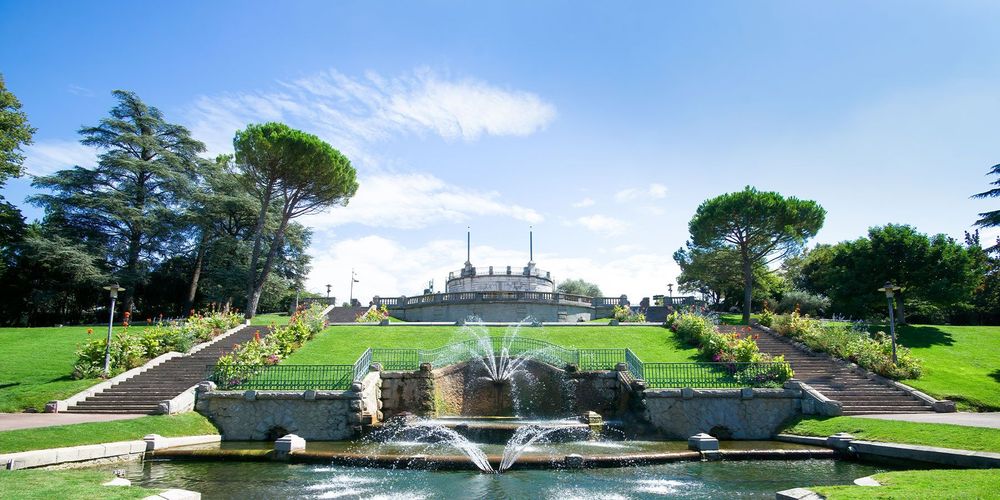

Créé par Romane, le 17 nov. 2026
Votre guide Ryo
Valence, France
The gate to the South
Parcours audioguidé pour visiter Valence en 1 jour
This tour of Valence invites you into a luminous setting at a true crossroads, where the Rhône Valley begins to take on a southern feel. Let yourself be charmed by a city that unfolds in gentle terraces, offering natural balconies over distant mountain ranges. Between the elegance of its sculpted façades and the refreshing presence of canals winding through the streets, Valence reveals a character that is both peaceful and quietly indulgent. It’s a walk through shaded squares and green parks, capturing the essence of a place where time seems to stretch out beneath the Mediterranean sun.
Quand partir à Valence ?
Jan.
8°
7
Feb.
10°
6
March
15°
7
April
18°
9
May
23°
9
June
27°
7
July
30°
5
Aug.
29°
6
Sept.
24°
8
Oct.
18°
10
Nov.
12°
9
Dec.
8°
8
Valence enjoys a Mediterranean climate with a continental influence, characterized by hot, dry summers around 29°C and cool winters with averages from 2°C to 9°C, often swept by the Mistral wind. The ideal period runs from May to September to stroll through Jouvet Park or along the boulevards. The month of June is particularly pleasant for enjoying the terraces before the intense heat, while September offers ideal mildness for exploring the city's canals under an autumnal light.
Départ conseillé
No need to worry about where to begin! Our tours are designed as a loop, so you can jump in wherever you are. The navigation system and audioguide will automatically adjust to your location. However, if you happen to be nearby, we do have a preferred starting point : Champ de Mars square
Parking à proximité
Champ de Mars Parking on Maurice Faure Avenue
À savoir
This tour passes through Parc Jouvet: the park is free but closes at night. Remember to check opening hours before visiting. If the park is closed when arriving, simply continue along Maurice Faure Avenue to get back onto the itinerary again.
Découvrez 21 lieux d'intérêt pour visiter Valence






What to see in Valence on your 1h10 tour?
This loop covers 3 km in about 1 hour 10 minutes and links 20 stops. Starting at the Champ de Mars esplanade, it drops down to Jouvet park, climbs back through old Valence and its medieval squares to Saint-Apollinaire cathedral, rises to the highest point in the city, then comes back down the main boulevards to Liberty square. With the Ryo app guiding your ears, every carved facade, Roman relic and memory of young Bonaparte tells the story of Valence, at your own pace.
Information checked in November 2026 and subject to change.
1 - Champ de Mars Square
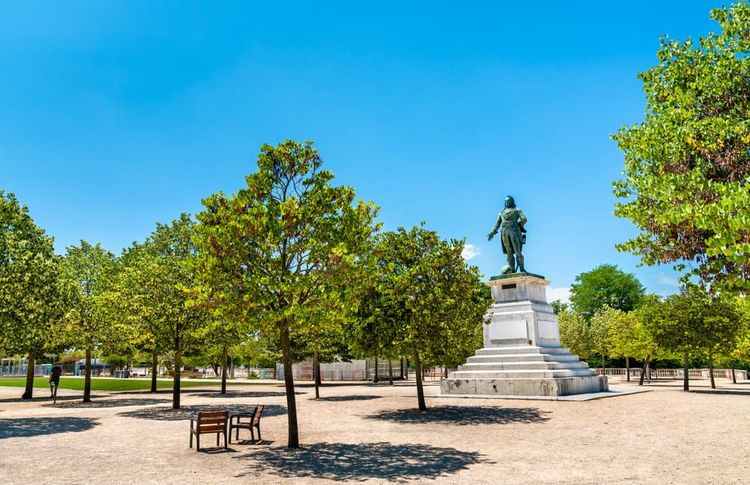
Valence's main square, this esplanade was laid out in 1773 as a public promenade and takes its name from the military parades once held here. It offers an outstanding panorama over the Ardèche mountains and has hosted a major free summer music festival every year since 1973. A statue of General Championnet, a local figure of the Revolution, stands at one end, while a bandstand graces its centre, the subject of the next stop.
Free entry
2 - Peynet Bandstand
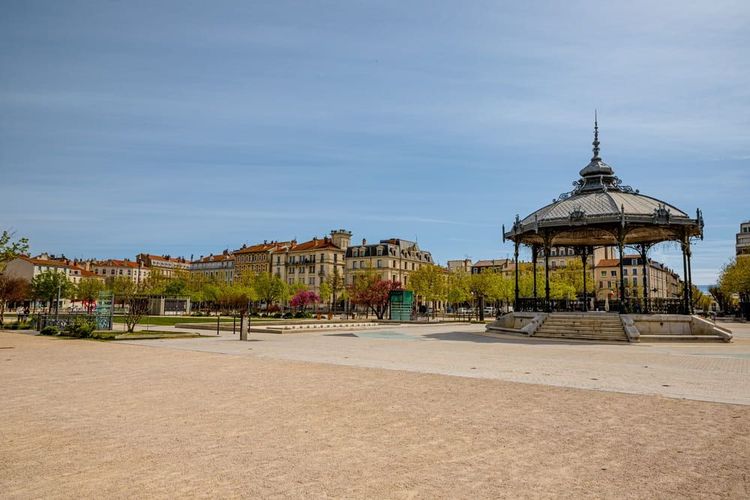
Raised in 1890, this structure is the work of Eugène Poitoux, the same architect behind the city's monumental fountain, and it replaced an earlier bandstand from 1862. Once a plain music pavilion, it owes its fame to illustrator Raymond Peynet, who, passing through Valence, pictured a violinist playing beneath it for an admiring young woman. That romantic scene, now famous worldwide, gave the bandstand its nickname and earned it listed monument status in 1982.
Free entry
3 - Jouvet Park
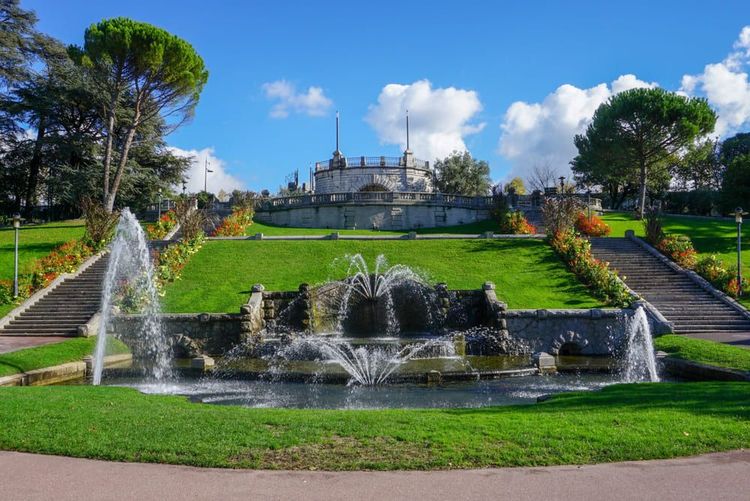
Created in 1905 thanks to a gift from benefactor Théodore Jouvet, this vast garden blends landscaped and formal French styles across 7 hectares planted with 700 tree species, arranged around a central monumental fountain. The city's first public park, it remains a lovely place for a stroll today, with its rose garden, canals and lawns, listed among the area's natural and artistic sites.
Free entry
4 - “Le Rendez-Vous” Sculpture
These two bronze figures, a man and a woman cast as though arranging to meet, stand before the museum devoted to art and archaeology, lodged in the former bishop's palace since 1850. They are the work of Toros, an Armenian sculptor who settled in the region after fleeing the 1915 genocide. Many of his pieces pay tribute to that community, warmly welcomed in Valence and across the wider Drôme area.
Free entry
5 - Clerks’ Square
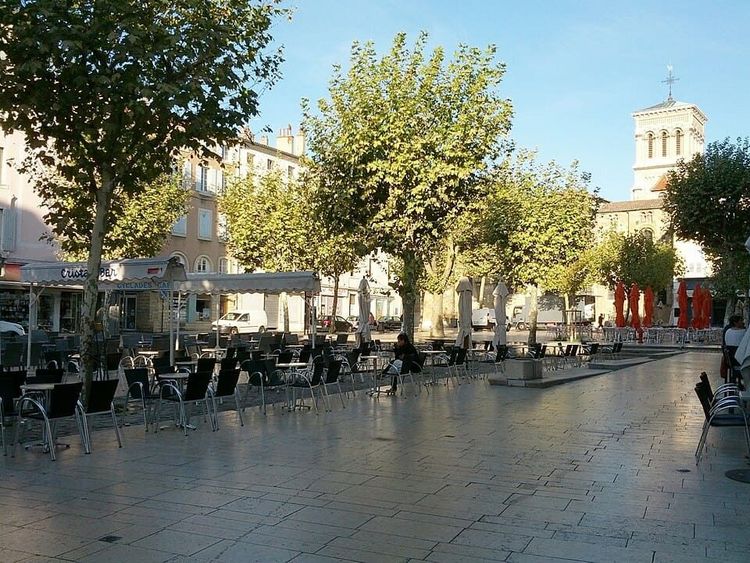
First mentioned in the 13th century, this square had already seen shops and markets since antiquity, as well as the city's public executions, including that of smuggler Louis Mandrin in the 18th century. Tucked between the cathedral and the Pendentif, it long hosted theatrical performances and still keeps its social role today: its market takes place every Saturday, surrounded by lively cafes and shops.
Free entry · Best in the morning
6 - Saint-Apollinaire Cathedral
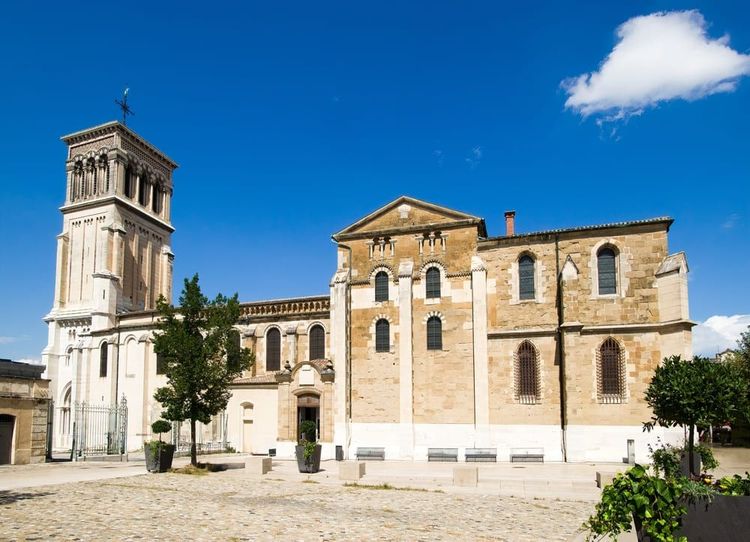
Consecrated in the 11th century by Pope Urban II, this Romanesque sanctuary ranks among the oldest monuments in Valence, even though the original building was ruined during the Wars of Religion and later rebuilt to its initial plans. Its bell tower, struck by lightning in the 19th century, stands out for its pale Crussol stone, quite different from the polychrome tones of the rest of the facade. A stop on the Compostela pilgrim route, it remains unmissable.
Free entry
7 - The Pendentif
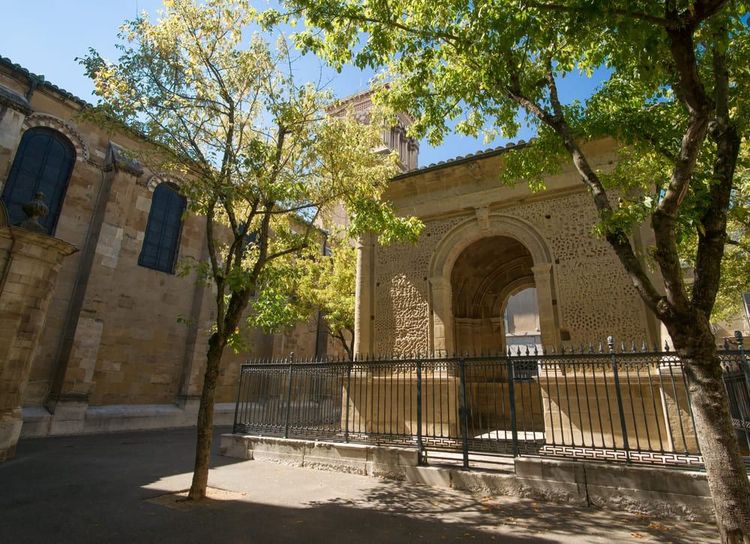
Designed in 1548 as a funerary chapel for a cathedral canon, this small triumphal arch owes its curious name to its spherical vault, carried by four pendentives, a stone-laying technique applied at the monument's corners. One of the first buildings ever listed thanks to Prosper Mérimée, in 1840, it shelters beneath its arch a crypt long used as a storeroom, and still bears traces of carved decoration despite looting during the Wars of Religion.
Free entry
8 - House of Heads
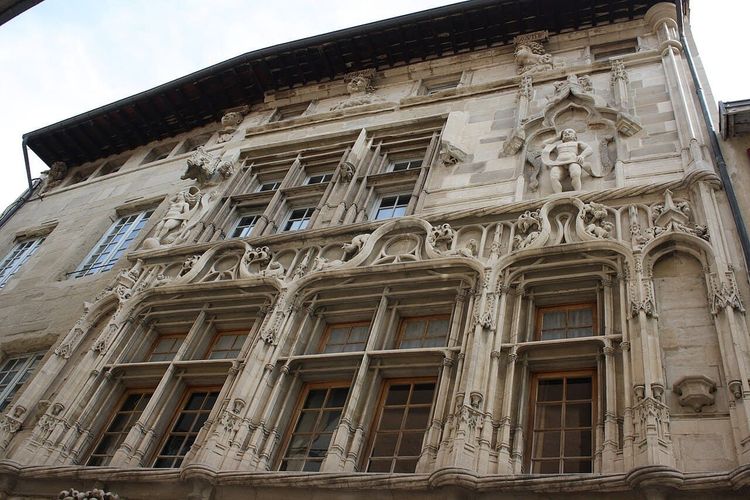
Built in the 16th century for professor Antoine de Dorne, this house blending Gothic and Renaissance styles owes its name to the carved heads adorning its facade, depicting Fortune, Time or Law. A private residence until 1980, it now houses a heritage centre, complete with a corridor of Roman busts and mementoes of Bonaparte's visits, since he often came here during his garrison years in the city.
Free entry
9 - Grand Street
The liveliest artery of old Valence, this street keeps the tight layout of its medieval lanes and is home to the famous House of Heads. Lined with small shops for centuries, it has kept its commercial character through the ages, and today embodies the very image of what is nicknamed the Gateway to the South.
Free entry
10 - View point of Saint-James street
Narrow and lined with small houses with colourful shutters, this lane typical of old Valence climbs quietly toward Saint-Ruf park, a little further north. Decorated with climbing plants, it has lost none of its old-time charm and offers one of the prettiest photo spots in the historic centre, far from the bustle of the main streets.
Free entry
11 - Sylvante Postern
This small hidden gateway, built into the old fortifications, once connected the city's low and high quarters, with a portcullis that could be dropped whenever danger threatened. It was part of a wide medieval defensive network, of which only a handful of traces remain today, this one tucked into a steep slope.
Free entry
12 - Gateway to the former Abbey of Saint-Ruf
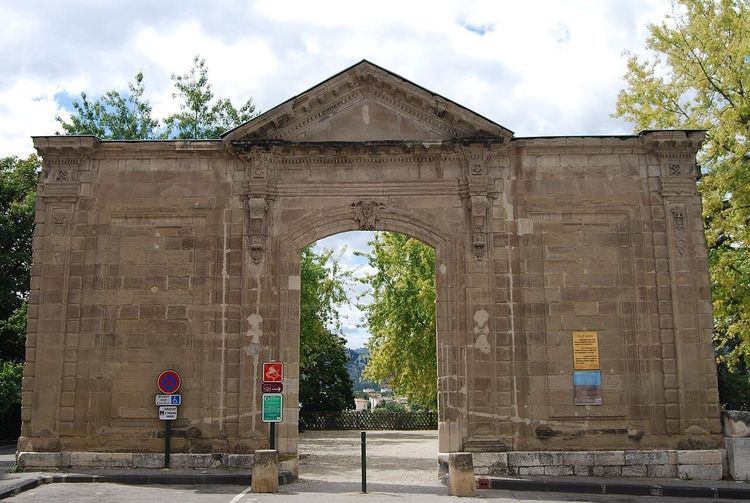
The only part still standing of a vast 18th-century religious complex, this gateway once marked the entrance to an abbey residence destroyed by bombing during the Second World War. It replaced an older abbey, ruined during the Wars of Religion, which had played a major role in regional education. A few carved stones found on site are now kept at the Valence museum.
Free entry
Discover the full story of the gateway to the former Abbey of Saint-Ruf
13 - Saint-Ruf Temple in Valence
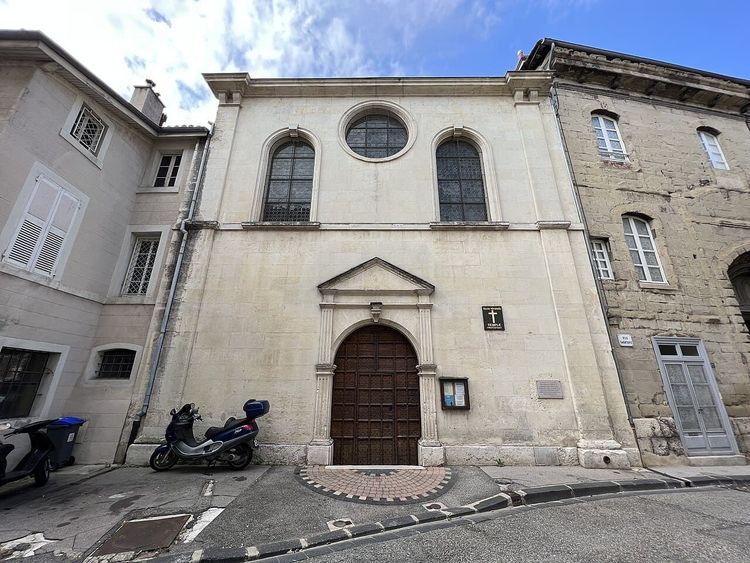
Once an abbey chapel that became Saint-James church and then a Protestant temple, this building has changed use many times over the centuries: a grain store during the Revolution, it was handed over in 1801 to the Protestant community by Napoleon Bonaparte, who had just disbanded the religious order it once belonged to. Its name recalls a saint counted among the very first Christians of Avignon, and its refined interior reflects the baroque taste of its time.
Free to see from outside
14 - Moorish house
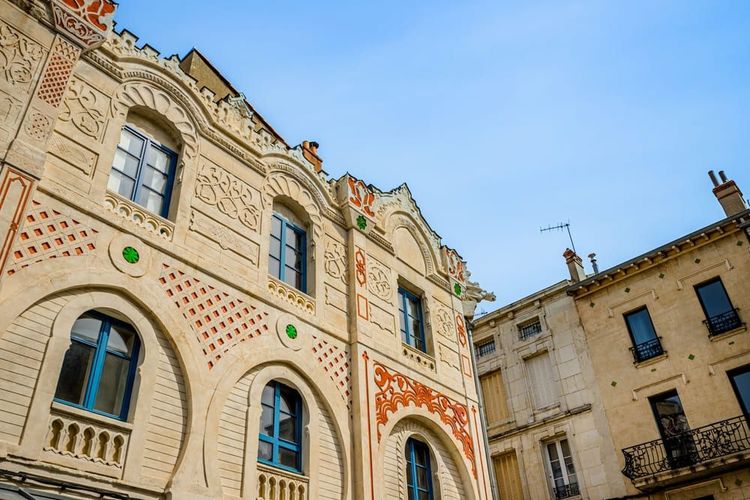
Built in 1860 for an owner fond of orientalism, an artistic trend made popular by European travels to the Maghreb, this house stands in sharp contrast with the usual architecture of Valence's streets. Its facade, inspired by Moorish styles, reflects the curiosity of an era fascinated by distant cultures, and still surprises attentive passers-by today.
Free to see from outside
15 - Saint-Jean-Baptiste Church in Valence
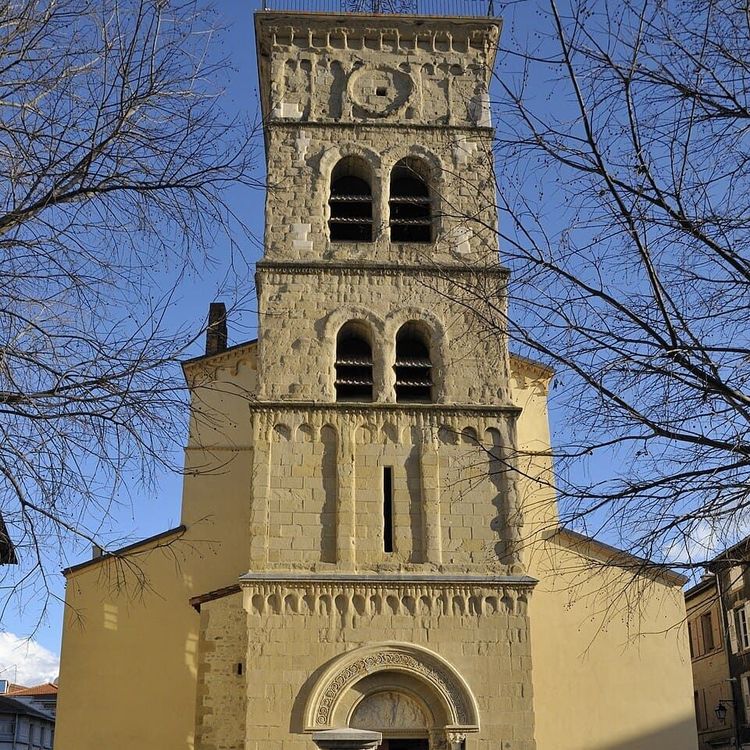
Standing on the highest point of the city, this 19th-century Catholic church follows an older place of worship, damaged during the Wars of Religion. Part of its bell tower is even thought to date back to the 12th century. On the same square stand the Saint-Jean iron market halls, built in 1899 by architect Eugène Poitoux, brought to life every Tuesday by a market of local specialities.
Free entry
16 - City hall
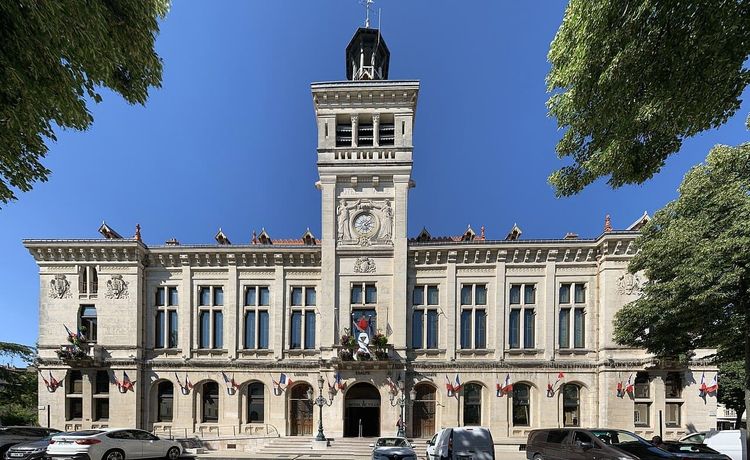
Opened in 1894 by mayor Jean-François Malizard, this building finally gave the municipal assemblies a dedicated home, after centuries spent in various houses and convents around the city. Its imposing belfry, uncommon in the south of France, symbolised civic power standing up to both church and lords. Facing it rises the theatre, built as early as 1827, which still brings Liberty square to life today.
Free to see from outside
17 - Center for the Armenian heritage
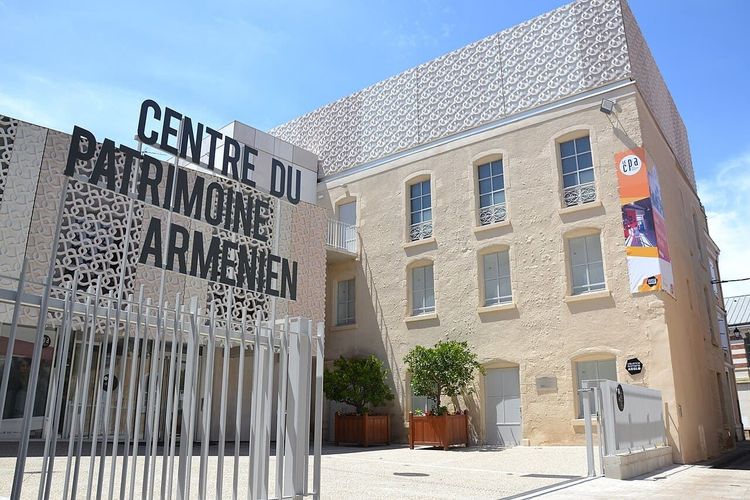
Opened in 2005 in the former law faculty, this cultural centre traces the genocide carried out between 1915 and 1916 against the Armenian population of the Ottoman Empire, wrongly accused of treason during the First World War. Of 2.5 million Armenians, more than three quarters perished. Many survivors found refuge in Valence, explaining the lasting presence of a large Armenian community in the city today.
Paid entry (about €8)
Discover the full story of the Center for the Armenian heritage
18 - Monumental Fountain
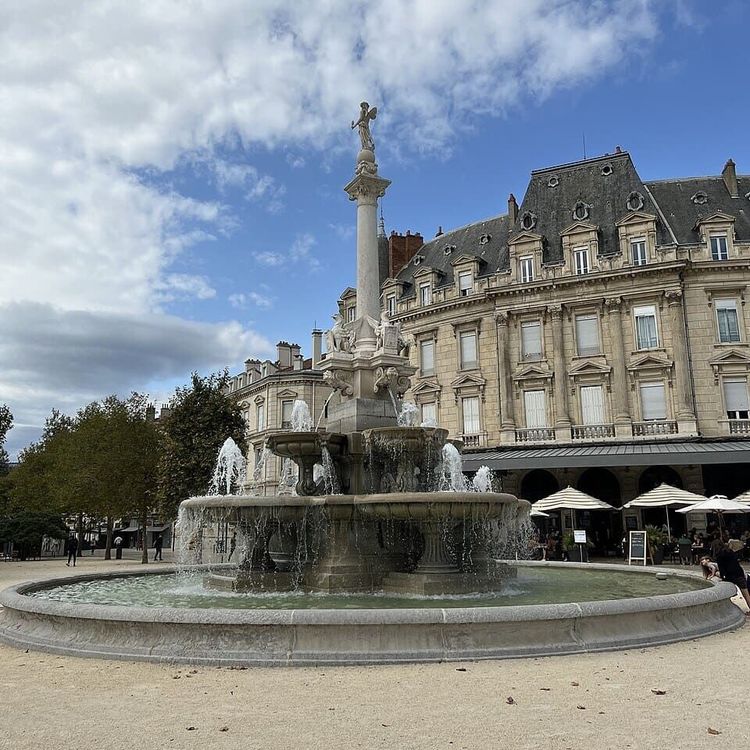
Erected in 1887 by Eugène Poitoux, the architect also behind the Peynet bandstand, this fountain marks one of Valence's main boulevards. It was commissioned at a time when the city, keen on hygiene and beautification, also had more than 50 drinking fountains built. Its sculptures depict griffins, symbols of the local coat of arms, along with a winged figure resembling Hermes.
Free entry
19 - Lieutenant Bonaparte statue
This bronze statue depicts a seventeen-year-old lieutenant absorbed in a book: it shows Napoleon Bonaparte, portrayed from the period when he attended the city's artillery school, in 1786. He would return to the city eighteen times, with a final visit in 1814, on his way into exile on the island of Elba. The work of sculptor Jean-Paul Ravit, it was installed in 2010 to mark those formative months of his youth.
Free entry
20 - Victor Hugo Avenue
Along this shopping avenue stand a series of Art Deco buildings, a style born in the 1920s and quickly spreading across France during the Roaring Twenties, before fading out in the early 1930s. Valence has an unusual number of them, thanks to renowned local architects who seized the chance of post-war rebuilding to experiment with this sober, geometric movement, standing in sharp contrast to the curves of Art Nouveau.
Free entry
Which neighbourhoods does the tour cross?
The route loops through old Valence, from the terraces of Champ de Mars up to the city's highest point.
It starts at the Champ de Mars esplanade, lined with terraces, dips past the Peynet bandstand into Jouvet park, then climbs back up in front of the Museum of Art and Archaeology and its Rendez-Vous sculpture, reaching Clerks' Square, still home to the city's main market (stops 1 to 5).
From Clerks' Square, the trail enters old Valence: Saint-Apollinaire cathedral, the Pendentif and the House of Heads follow one another along Grand Street and Saint-James street, before the Sylvante postern, a relic of the medieval walls, leads to the gateway of the former Saint-Ruf abbey, its Protestant temple and the Moorish house, up to Saint-Jean-Baptiste church, perched at the top of the city (stops 6 to 15).
Past the city hall and the Center for the Armenian Heritage, the loop drops back down Maurice Clerc boulevard, past the monumental fountain, the Lieutenant Bonaparte statue and Victor Hugo avenue, closing the circuit near Champ de Mars (stops 16 to 20).
How much does it cost to visit Valence?
Only one of the 20 stops on the route charges an entry fee: the Center for the Armenian Heritage, at €8. Nineteen can be visited for free, three of them from the outside only:
- Saint-Ruf temple, rarely open to the public;
- the Moorish house, best admired from its facade;
- the city hall, whose facade and belfry are admired from the square.
Information checked in November 2026 and subject to change.
Where to stop for a bite along the tour?
The route passes two food-focused spots in old Valence, whose markets run only on certain days.
Clerks' Square, pedestrian and animated for centuries, hosts its food market every Saturday morning, and its terraces draw locals on weekdays. A little further on, the iron-framed halles by Saint-Jean square, next to Saint-Jean-Baptiste church, come alive every Tuesday afternoon with local specialities.
What to do in Valence with children?
Early in the route, Jouvet park (stop 3) makes for an easy family stop.
It has play areas for children, and the flat paths of this 7-hectare garden suit strollers and reduced-mobility visitors just as well.
What should you know before visiting Valence?
Three stops on the route follow particular opening hours, worth knowing before you set off.
Jouvet park, free to enter, follows opening hours that change with the season; check them beforehand, or simply continue along Maurice Faure avenue if the gates are closed when you arrive.
Saint-Ruf temple, a former chapel turned Protestant place of worship, rarely opens to the public, while the House of Heads can be visited for free Tuesday to Friday from 1pm to 6pm, and on weekends from 10am to 1pm and 2pm to 6pm.
What to see around Valence?
Valence makes a good base for ranging further, toward nearby massifs or other towns with their own audio-guided walk.
About an hour's drive away, the foothills of the Vercors massif offer a first change of scenery.
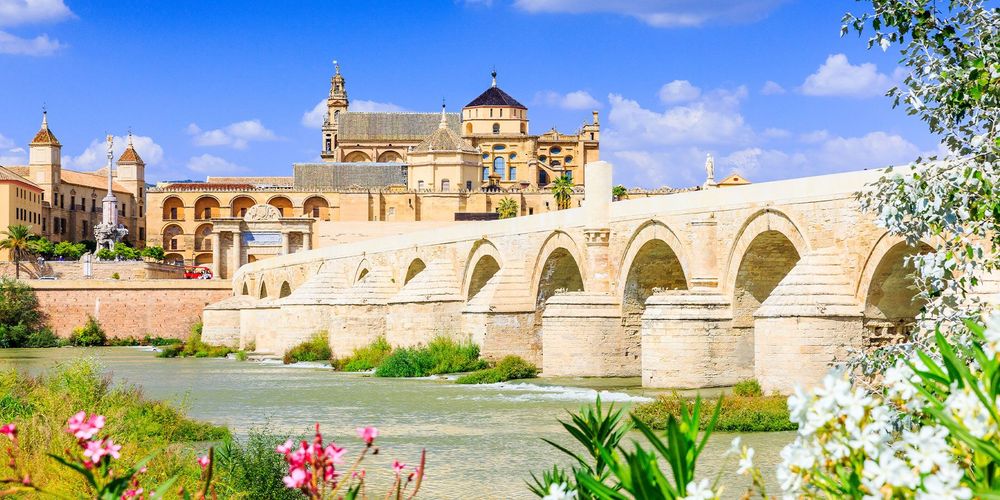
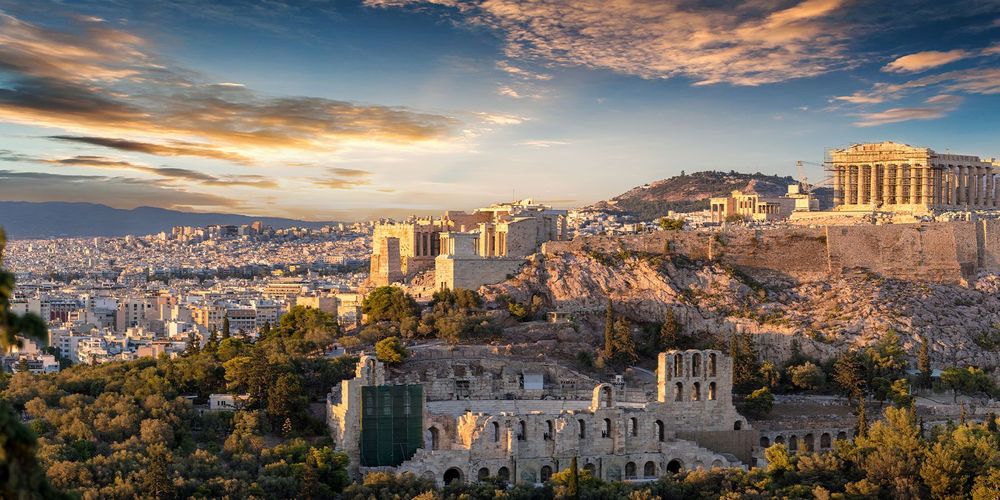
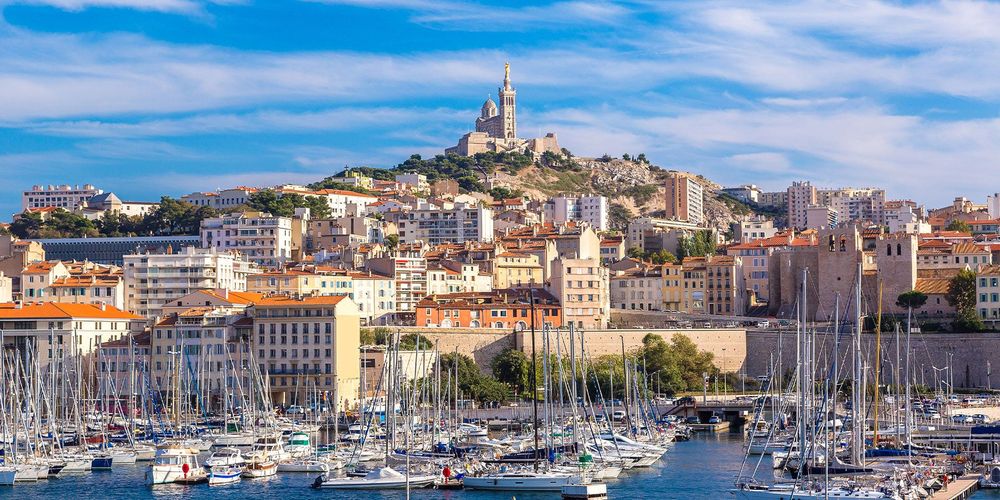
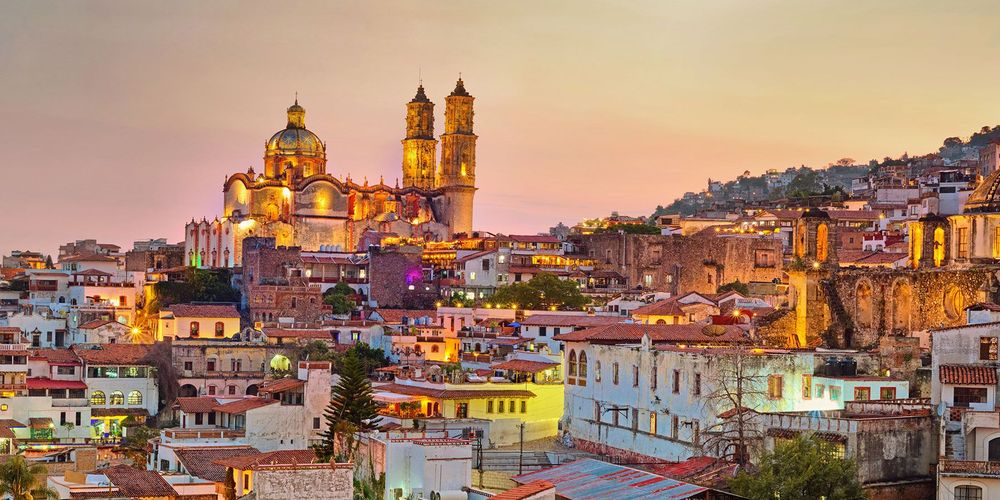
Several neighbouring towns also have an audio-guided walk of their own: Grenoble, 72 km away, sits inside a mountain bowl ringed by the Vercors, the Chartreuse and Belledonne, watched over by its Bastille; Orange, 89 km away, keeps striking Roman remains in a city of golden stone; Lyon, 92 km away, blends historic districts with its reputation for food, between the Rhône and the Saône; and Avignon, 110 km away, unfolds the gilded ramparts and palaces of a former Christian capital.
What's on in Valence right now?
As the year draws to a close, two events are livening up Valence.
From 17 to 24 November, Festivita, the Valence Italian Film Week, screens films unseen elsewhere in France at the Lux Scène Nationale, with director talks along the way. From 27 November to 27 December, a Christmas market sets up its craft chalets along Bancel and Maurice Clerc boulevards (the route reaches the latter at the monumental fountain), with lights, a Ferris wheel and musical entertainment, free to enter beyond the paid rides.
Information checked in November 2026 and subject to change.
Le plein d'inspirations
Explorez le monde en totale liberté, à pied au cœur des villes ou au fil des routes. Nos guides audios transforment chaque destination en une découverte culturelle immersive et unique.
FAQ for visiting Valence
What are the must-sees on a visit to Valence?
Valence reveals its treasures somewhere between historic heritage and southern joie de vivre. Start by exploring the historic centre with its majestic Saint-Apollinaire Cathedral and its remarkable sculptures. The Peynet kiosk on the Champ de Mars is a romantic symbol of the city, while the canals that wind through the streets bring a unique freshness. Don't miss Jouvet Park with its exotic species and its views over the surrounding hills. The Ryo audioguide accompanies you on this discovery with a narrated tour that reveals the secrets of this gateway to the South, from its shady squares to its lively boulevards.
How much time do you need to visit Valence?
A full day lets you appreciate the essentials of Valence while taking the time to wander. In half a day, you can cover the historic centre and its main monuments. Two days give you the chance to explore the city more calmly, enjoy the parks and gardens, and soak up the Mediterranean atmosphere from a café terrace. If you have three days, you can also discover the surrounding area and the viewpoints over the Rhône valley. The pace depends on your interests, but Valence naturally invites you to take your time and savour this stopover where the gentle art of living reigns supreme.
Which historic monuments are not to be missed?
Saint-Apollinaire Cathedral dominates Valence's heritage with its Romanesque architecture and its sculpted capitals. The Maison des Têtes fascinates with its Renaissance façade adorned with medallions and mysterious figures. The Pendentif, a former baptistery from the 5th century, bears witness to the city's ancient origins. Saint-Jean Church with its porch bell tower and the Saint-Ruf temple enrich this historic route. The old fortifications, of which a few remains survive, recall the city's defensive past. These monuments tell the story of a city at the crossroads of trade routes, where Rhône influences mingle with the first Mediterranean accents in a beautifully preserved architectural harmony.
Where can you stroll in Valence to discover the city?
Valence's walks take you through a variety of charming atmospheres. Jouvet Park offers a haven of greenery with its shady paths and its viewpoint overlooking the Rhône. The city-centre boulevards invite you to stroll among shops and café terraces. The canals that cross the old town create a refreshing and picturesque route. The Champ de Mars is a green lung, ideal for a contemplative pause. The Ryo app offers narrated itineraries that guide you through these different neighbourhoods, revealing anecdotes and local history. The medieval lanes of the historic centre round out this walking tour, offering unexpected perspectives on Valence's architecture.
Which local specialities should you taste?
Valence's cuisine reflects its position between the Rhône and the first southern foothills. The suisse, a small shortbread biscuit shaped like a papal guard, remains the emblematic speciality you absolutely must try. The fruit of the Rhône valley, especially peaches and apricots, can be enjoyed fresh in season or turned into artisanal jams. The pogne, a brioche flavoured with orange blossom, is a delicious accompaniment to breakfast or an afternoon snack. The northern Côtes du Rhône wines, produced nearby, are worth a tasting. Local markets also offer Ardèche caillettes and goat's cheeses from the Drôme, reflecting the regional influences that enrich the Valence table.
Is Valence a family-friendly city?
Valence proves especially welcoming for families with children. Jouvet Park offers playgrounds, a little train and animals, guaranteeing moments of relaxation for all ages. The canals fascinate the youngest, who can watch ducks and fish there. The largely pedestrianised city centre lets you walk around in complete safety. The reasonable distances between the main sites spare little legs from tiring out. Many shady terraces offer welcome breaks, while the artisanal ice-cream makers delight young and old alike. The mild climate, particularly pleasant in spring and autumn, encourages outdoor activities and family discoveries in a relaxed atmosphere.
How can you discover Napoleon's history in Valence?
Valence retains a special imprint of the Napoleonic epic, as the future emperor stayed here as a young artillery officer. The statue of Bonaparte on the boulevards recalls this significant chapter of local history. Commemorative plaques mark the places he frequented, notably certain residences in the historic centre. The Valence museum generally holds documents and objects evoking this period. The Ryo audioguide weaves these Napoleonic anecdotes into its historical tour, letting you follow in the footsteps of the young Bonaparte through the city. This historical dimension enriches the visit by revealing how Valence helped shape the destiny of a major figure in French history.
Where can you find the finest viewpoints over the city?
Valence's panoramas can be enjoyed from several natural and landscaped viewpoints. Jouvet Park offers remarkable views over the Rhône valley and the surrounding hills from its terraced levels. The heights of the city, reached by the lanes climbing up from the centre, reveal sweeping views over the rooftops and bell towers. The Champ de Mars belvedere lets you take in the whole urban landscape in its natural setting. Some of the bridges over the canals create photogenic perspectives blending heritage and nature. At sunset, these viewpoints take on a special quality as the golden light illuminates the façades and reveals why Valence deserves its nickname of gateway to the South.
When is the best time to visit Valence?
Spring and early autumn generally offer the most pleasant conditions: temperatures stay mild, the terraces in the centre come alive, and the Parc Jouvet and the banks of the Rhône can be enjoyed without suffering from the heat. Valence sits in the Rhône corridor, where summer can turn heavy and where the mistral blows in spells.
Summer remains very lively all the same, with markets, concerts and festivals taking over the squares, while the nearby Drôme provençale draws plenty of visitors at that time. Winter is quieter and lends itself to museums and to the lanes of old Valence, often deserted at the end of the day. Whatever the season, Saturday morning and its big market give a good sense of local life.
How do you get to Valence and get around the city?
Valence is easy to reach by train: Valence-Ville station serves the centre directly, while Valence TGV station, set away from the built-up area, is linked to the heart of the city by frequent rail shuttles. By car, the motorway running along the Rhône valley places the city on the axis between Lyon and Provence, and several car parks ring the centre.
Once there, the historic centre is very walkable: the main squares, the cathedral and the côtes, those stepped lanes of old Valence, all fit within a small area. A network of city buses covers trips to the outlying districts and down to the banks of the Rhône, and cycling proves practical along the dedicated paths.
Vos commentaires, idées et suggestions
Aucun avis pour le moment
