
Créé par Romane, le 4 oct. 2026
Votre guide Ryo
Roanne, France
A rich history of craftsmanship on the banks of the Loire
Parcours audioguidé pour visiter Roanne en 1 jour
On the banks of the Loire, Roanne charms with its diverse heritage and its rich culinary lifestyle. With its historic remains, culinary traditions, and surrounding landscapes, the town offers an authentic and peaceful escape.
Quand partir à Roanne ?
Jan.
4°
9
Feb.
6°
8
March
9°
9
April
12°
10
May
16°
11
June
20°
9
July
24°
7
Aug.
24°
7
Sept.
20°
8
Oct.
15°
9
Nov.
9°
10
Dec.
5°
9
The climate in Roanne is semi-continental with an oceanic influence, featuring cool winters, generally between 0 and 8°C, sometimes accompanied by frost, and hot summers, most often ranging from 25 to 32°C, with possible peaks during heatwaves; the best times to visit are typically from April to June and then from September to October, when temperatures are pleasant, the surrounding nature is in full display, and conditions are ideal for enjoying the town, the Loire River, and the landscapes of the Roannais region in a calmer atmosphere than at the height of summer.
Départ conseillé
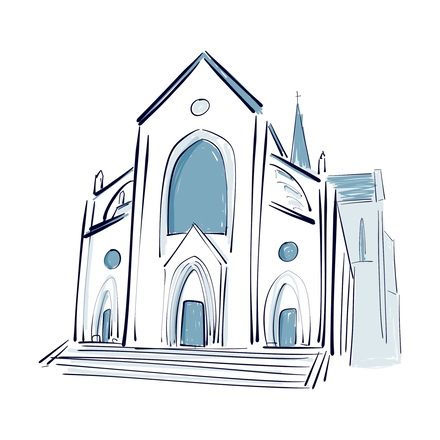
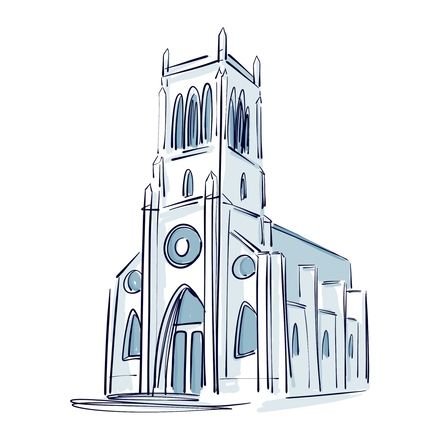
No need to worry about where to begin! Our tours are designed as a loop, so you can jump in wherever you are. The navigation system and audio-guide will automatically adjust to your location. However, if you happen to be nearby, we do have a preferred starting point : In front of Saint-Étienne church
Parking à proximité
Hôtel de Ville parking lot, Molière square
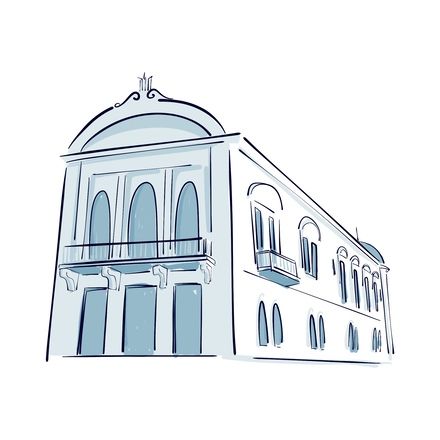
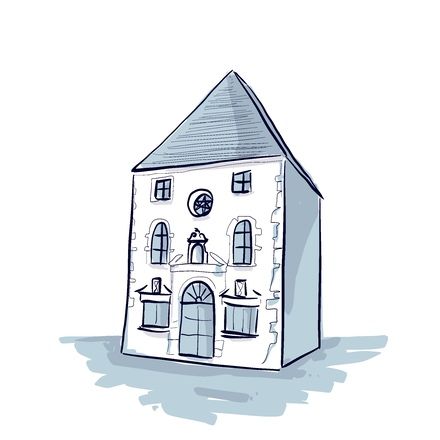
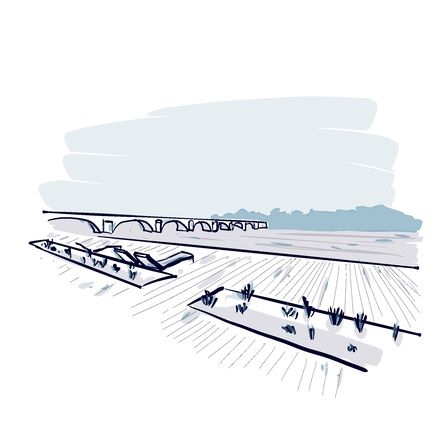
Découvrez 21 lieux d'intérêt pour visiter Roanne

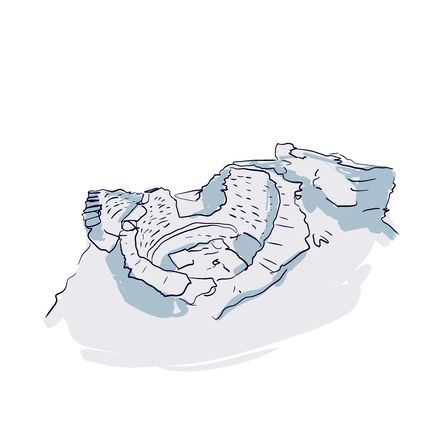
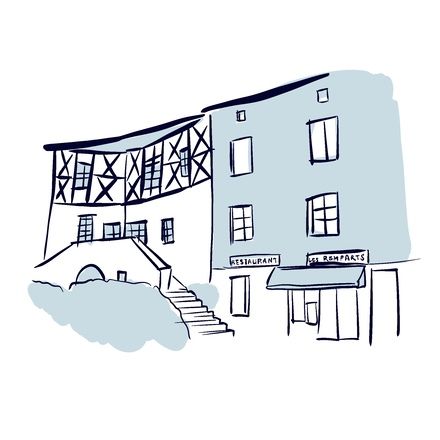
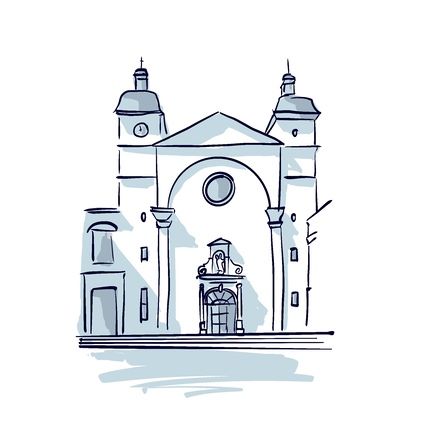

Le plein d'inspirations
Explorez le monde en totale liberté, à pied au cœur des villes ou au fil des routes. Nos guides audios transforment chaque destination en une découverte culturelle immersive et unique.
FAQ for visiting Roanne
When is the best time to visit Roanne?
The best periods to discover Roanne run from April to June and then from September to October. During these months, you'll enjoy pleasant temperatures and lush surrounding countryside, ideal for exploring the town and the banks of the Loire. Spring offers a mild, blossoming atmosphere, while autumn dresses the landscapes of the Roanne area in shimmering colours. Summer can be very hot, with temperatures sometimes exceeding 30°C, but remains well suited to evening walks. Winter, cooler with temperatures ranging between 0 and 8°C, keeps its charm for those who appreciate a more intimate and authentic atmosphere.
How many days do you need to visit Roanne?
To discover Roanne and enjoy its peaceful atmosphere, allow ideally two to three days. A weekend lets you comfortably explore the historic centre, stroll along the Loire and savour the local specialities without rushing. If you also wish to discover the surroundings of the Roanne area, its picturesque villages and its rolling landscapes, plan rather for three to four days. This length will give you the time to fully appreciate the local art of living, to visit a few heritage sites and to soak up the authentic atmosphere of this former working-class town with its preserved charm.
How do you get to Roanne by public transport?
Roanne is easily accessible by train from the major French cities. Roanne's SNCF station is located right in the town centre and offers direct links with Lyon in about an hour and a half. From Paris, allow generally three to four hours with a change in Lyon or Moulins. Regional TER trains also connect Roanne to Saint-Étienne, Clermont-Ferrand and other towns in the Auvergne-Rhône-Alpes region. Once there, the Star urban bus network efficiently serves the town's various districts. To reach the surrounding municipalities, departmental coach lines round out the transport offer.
What are the must-sees in Roanne?
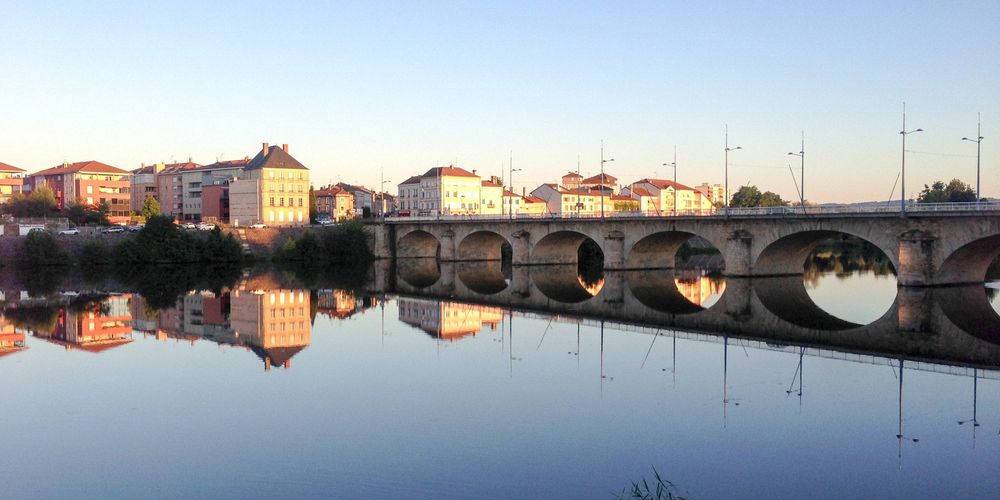
Roanne reveals a varied heritage that bears witness to its rich past. The historic centre deserves a fine walk to admire the old facades and the local architecture. The banks of the Loire offer soothing strolls with lovely viewpoints over the river. The marina is a pleasant place to relax, while the remnants of the working-class past tell the town's industrial story. For a complete and narrated discovery of these treasures, the Ryo audioguide accompanies you with a dedicated route that reveals Roanne's secrets and anecdotes, letting you explore at your own pace while enriching your visit.
Where should you stay in Roanne to be well located?
Roanne's town centre is the ideal choice for staying, letting you easily reach the main sites and restaurants on foot. The districts near the station offer a practical location with numerous accommodations, from family hotels to more modern establishments. The marina area offers a pleasant atmosphere with a view over the Loire, perfect for those seeking a soothing setting. The surroundings of the historic centre also abound with small, charming addresses, often in renovated old residences. For a more rural stay, the neighbouring municipalities of the Roanne area offer welcoming guesthouses in the heart of nature.
What special things can you eat in Roanne?
Roanne is renowned for its generous cuisine and its deep-rooted culinary traditions. The praline, an emblematic sweet of almonds coated in pink sugar, comes in many forms in the local pâtisseries. Artisanal charcuterie is the pride of Roanne's producers, notably the traditional terrines and pâtés. The proximity of renowned livestock-farming areas guarantees exceptionally high-quality meats in the town's restaurants. The local cheeses, such as the charolais, pair perfectly with the wines of the nearby Roanne coast. Not forgetting the Loire fish specialities that recall the town's historic link with its river.
Are there activities suited to families with children?
Roanne offers several activities that will delight families. The landscaped banks of the Loire offer safe strolling spaces where children can run and play in complete peace. The marina has play areas and lets you watch the boats, always fascinating for the youngest. The town regularly organises family activities, particularly during the school holidays and weekends. The urban parks are perfect green havens for picnics and moments of relaxation. In the surroundings, several educational farms welcome families to discover the animals and rural trades, offering an educational and playful experience appreciated by all.
Can you cycle in Roanne and its surroundings?
Roanne and its region lend themselves wonderfully to bike rides. The greenway running along the Loire offers a safe, flat route, ideal for families and occasional cyclists. The town centre has cycle lanes that ease urban travel. The surroundings of the Roanne area reveal superb itineraries through the rolling countryside, with circuits suited to all levels. Mountain-biking enthusiasts will find waymarked trails in the surrounding hills. Several bike-rental shops in town offer classic or electric equipment, letting you explore the region according to your desires and your fitness. The tourist offices provide detailed maps of the recommended routes.
What is there to see around Roanne on a day trip?
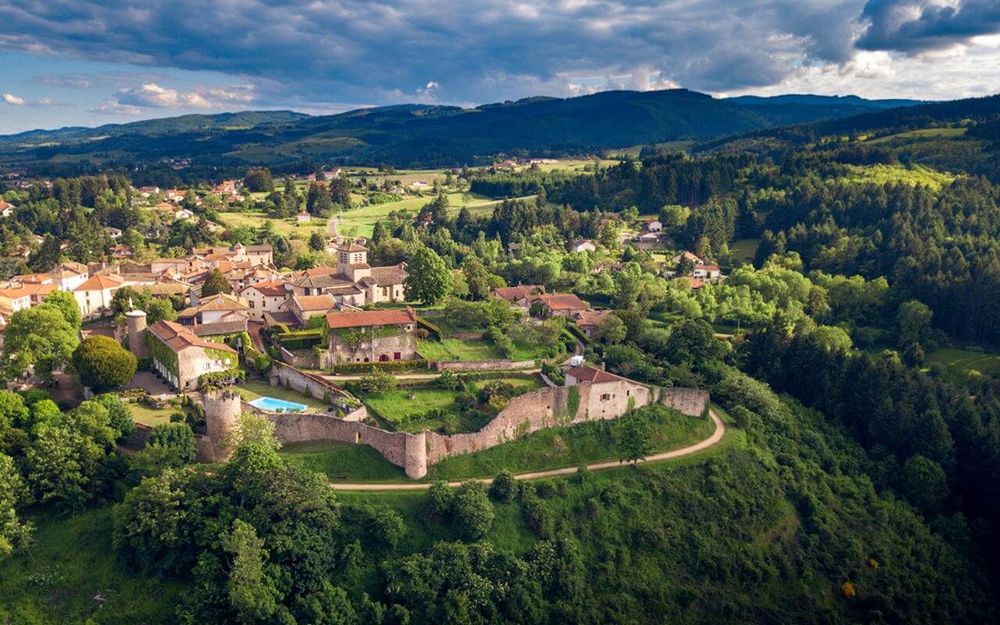
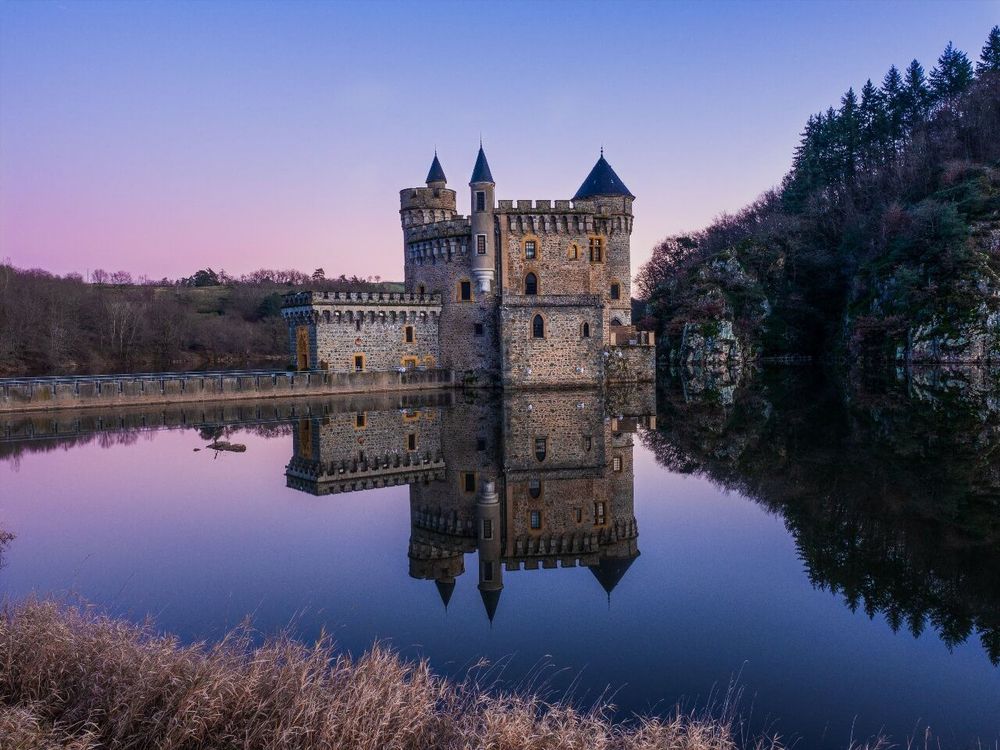
The area around Roanne lends itself nicely to a day out. Lake Villerest, a reservoir on the Loire with a deeply indented shoreline, offers walking trails, viewpoints over the gorges and supervised beaches when the season allows. The Côte Roannaise, for its part, lines up vine-covered slopes and hilltop villages, several of them listed as villages of character, such as Ambierle with its priory or Saint-Haon-le-Châtel and its old houses. To the north, the towpath of the Roanne to Digoin canal unwinds a flat route, pleasant on foot or by bike, punctuated by locks and small harbours. Further west, the Monts de la Madeleine open up forest roads and wide panoramas over the plain.
What remains of Roanne's industrial and textile past?
Roanne long lived off textiles, weaving and garment making, an industry that shaped the town as much as its inhabitants. That past can still be read in the broad shopping avenues of the centre, in former factories converted into flats or cultural venues, and in the working-class districts of low terraced houses not far from the Loire. The port and the canal, for their part, recall the days when boats went down the river loaded with coal and goods bound for Paris. The Joseph-Déchelette museum, housed in a fine private mansion, completes the picture by retracing local history. The Ryo audio guide offers a dedicated Roanne route that links these witnesses of the working past over the course of a walk.
Vos commentaires, idées et suggestions
Aucun avis pour le moment