
Créé par Emilie, le 4 oct. 2026
Votre guide Ryo
Vichy, France
The Water Frenzy
Parcours audioguidé pour visiter Vichy en 1 jour
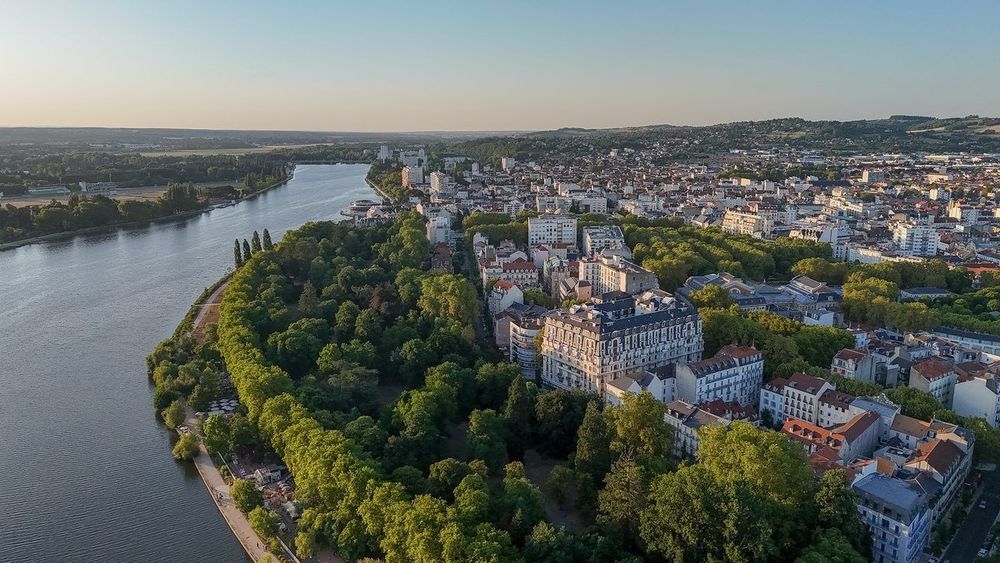
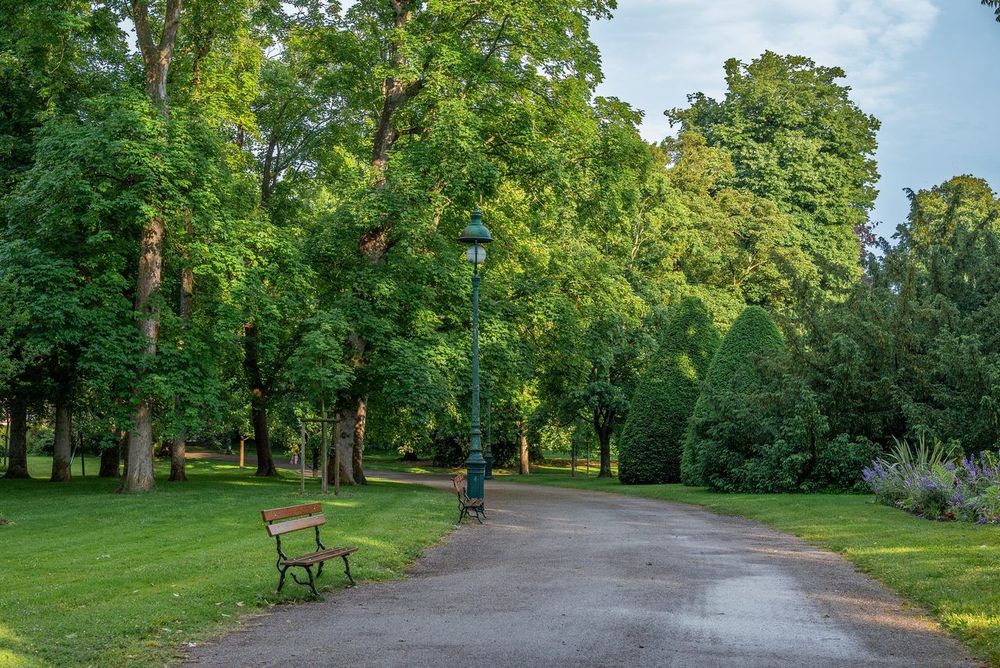
This visit invites you to an immersion into a unique spa city, where the refinement of the Belle Époque blends with the exoticism of styles from far-off lands. Let yourself be carried by the majesty of the century-old parks lining the river, where covered galleries and Byzantine-inspired domes create a setting of rare harmony. Between the gentleness of its gushing springs and the nobility of its palace facades and royal chalets, the city reveals a serene, sophisticated, and timeless character. An exploration on foot, balancing water gardens and memories of French history, to capture the full soul of a destination listed as a UNESCO World Heritage site.
Quand partir à Vichy ?
Jan.
7°
10
Feb.
9°
8
March
13°
8
April
17°
10
May
21°
11
June
25°
9
July
27°
7
Aug.
27°
7
Sept.
23°
8
Oct.
18°
10
Nov.
11°
10
Dec.
8°
11
Vichy enjoys a temperate climate with a semi-continental influence, with warm summers around 26°C and cool winters fluctuating between 0°C and 8°C. The ideal period runs from May to September to enjoy the Napoleon III parks and water activities on the Allier River. The month of June is particularly pleasant for discovering the thermal architecture under the sun, while summer allows you to fully experience the horse racing season and the events of "Vichy Destinations."
Départ conseillé
No need to worry about where to begin! Our tours are designed as a loop, so you can jump in wherever you are. The navigation system and audioguide will automatically adjust to your location. However, if you happen to be nearby, we do have a preferred starting point : in front of the Dômes Thermal Center.
Parking à proximité
Q-Park 4 Chemins : 35 Rue Lucas, 03200 Vichy
À savoir
Like many tourist destinations, Vichy has a City Pass that gives you discounts on public transport and activities. It's a great alternative if you want to explore the city at your own pace.
Découvrez 28 lieux d'intérêt pour visiter Vichy




Le plein d'inspirations
Explorez le monde en totale liberté, à pied au cœur des villes ou au fil des routes. Nos guides audios transforment chaque destination en une découverte culturelle immersive et unique.
FAQ for visiting Vichy
When is the best time to visit Vichy?
The ideal time to discover Vichy runs from May to September, when the temperate climate reveals the full splendour of this spa town. Summer temperatures reach around 26°C, perfect for strolling through the sumptuous Napoléon III parks and enjoying water activities on the Allier. June offers an ideal balance of mildness and sunshine for admiring the Belle Époque architecture. Summer lets you experience the buzz of the horse races and the many events of Vichy Destinations. Autumn keeps its charm with the golden colours of the century-old parks, while winter, cooler with temperatures between 0°C and 8°C, gives a more intimate atmosphere to the baths and the covered galleries.
How many days do you need to visit Vichy?
Two to three days is the ideal length to fully appreciate Vichy and its spa heritage. Over an extended weekend, you will have time to explore the spa districts, walk through the historic parks lining the Allier and taste the waters from the different springs. This length also lets you visit the former palaces now repurposed, admire Napoléon III's chalets and discover the covered galleries with their Byzantine influences. If you wish to enjoy spa treatments or explore the surrounding area, such as the Sioule gorges, plan instead for four to five days. Lovers of architecture and history will appreciate taking their time to grasp all the elegance of this water town listed as a World Heritage Site.
How can you get to Vichy by train or by car?
Vichy enjoys excellent rail links thanks to its station located right in the town centre. Direct trains connect Paris to Vichy in about three hours, with several departures each day. From Lyon, allow around two hours of travel. Connections also exist from Clermont-Ferrand, about forty minutes away. By car, Vichy lies at the crossroads of several major routes. The A71 motorway takes you there directly from Paris via Orléans, while the A89 links it to Lyon. From Clermont-Ferrand, take the A71 and then the A719. The town is also accessible via the national roads, offering more picturesque routes through the landscapes of the Auvergne. Parking is generally easy, with several car parks available near the spa centre.
Where can you park for free in Vichy?
Vichy offers several free parking options, particularly welcome for exploring the town on foot. The banks of the Allier generally have free spaces, notably along the Boulevard des États-Unis and near the lake. The car park at the aquatic stadium, slightly out of the way, also offers free parking with a pleasant walk along the river to reach the spa centre. On the immediate outskirts of the town centre, certain residential streets allow free parking, particularly beyond the paid zone. On Sundays and public holidays, many normally paid spaces become free. For longer stays, check with your accommodation, as several hotels offer private car parks or arrangements with public ones.
Can you taste Vichy's thermal waters for free?
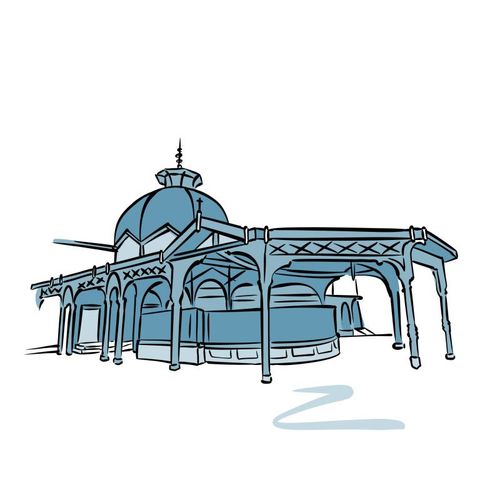
Vichy keeps alive the tradition of public drinking fountains where you can taste the town's different thermal waters for free. The Hall des Sources, a magnificent Moorish-style building, houses several freely accessible springs. There you will discover the waters of Célestins, Chomel, Grande Grille and others, each with its own properties and distinctive taste. Public taps are also scattered throughout the parks, notably near the Célestins spring. The experience can be surprising, as these naturally sparkling mineral waters have pronounced flavours, sometimes ferrous or salty. The attendants or staff on site are generally happy to explain the benefits of each spring. This free tasting is an integral part of the Vichy spa experience, keeping alive a centuries-old tradition.
What can you do in Vichy when it rains?
On rainy days, Vichy reveals the covered treasures that make up all the charm of this spa town. The galleries of the Parc des Sources let you wander under cover while admiring the Belle Époque architecture and the elegant boutiques. The Hall des Sources offers a contemplative break to taste the thermal waters in a fascinating Moorish setting. The town's museums, such as the Opera museum or the museum of African and Asian Arts, present remarkable collections. The Valéry Larbaud Cultural Centre regularly hosts temporary exhibitions. For a moment of relaxation, the spa establishments open their doors for wellness treatments. The Étoile Palace cinema, in its Art Deco setting, screens recent films. The historic cafés beneath the galleries also invite you to enjoy a delicious break.
Can you see all of Vichy on foot?
Vichy lends itself wonderfully to exploration on foot thanks to its compact town centre and its wide, shaded avenues. The main sights of interest, the Napoléon III parks, the spa district, the opera house and the Emperor's chalets, are concentrated within an area easily reached on foot. The landscaped banks of the Allier offer pleasant walks connecting the different districts. The Belle Époque architecture unfolds as you go, from the palaces to the villas and the spring pavilions. For a richer, narrated discovery of this exceptional heritage, the Ryo audioguide offers a dedicated tour that guides you through the architectural wonders and the spa history of the town. The distances remain reasonable and the many benches in the parks allow for welcome contemplative breaks.
What souvenirs can you bring back from Vichy?
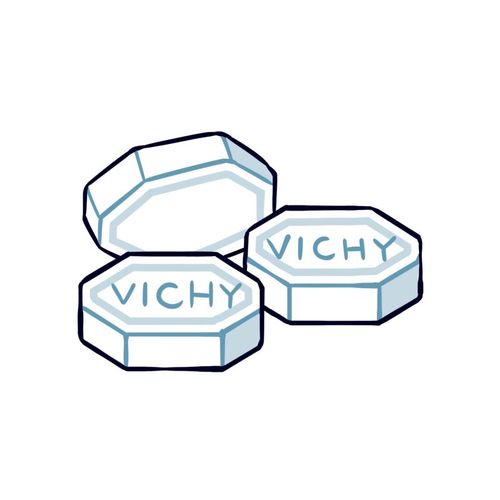
The Vichy pastilles remain the town's iconic souvenir; these octagonal sweets made from the mineral salts of the thermal springs come in several flavours. Bottled Vichy Célestins water makes an original gift to introduce others to this naturally sparkling water with its digestive benefits. The shops of the spa centre offer cosmetic products made from the local thermal waters and muds. For those with a sweet tooth, traditional confectionery and Auvergne specialities such as local cheeses will delight your loved ones. The town's antique dealers and second-hand shops are full of Belle Époque objects, vintage posters and old postcards bearing witness to Vichy's prestigious past. The bookshops also offer beautiful illustrated books on the spa architecture and the history of this unique water town.
What are the absolute must-sees in Vichy?
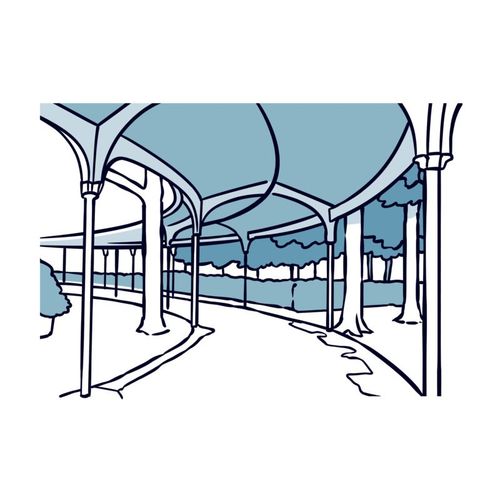
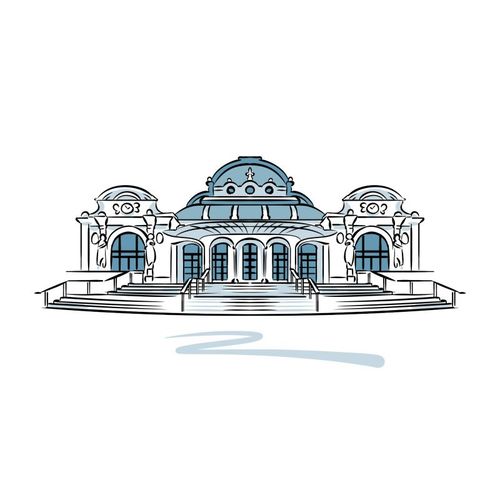
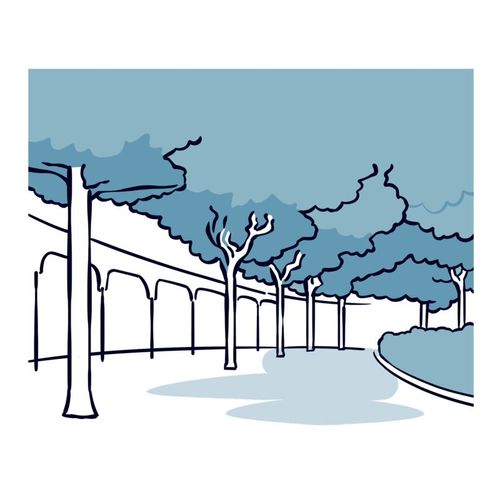
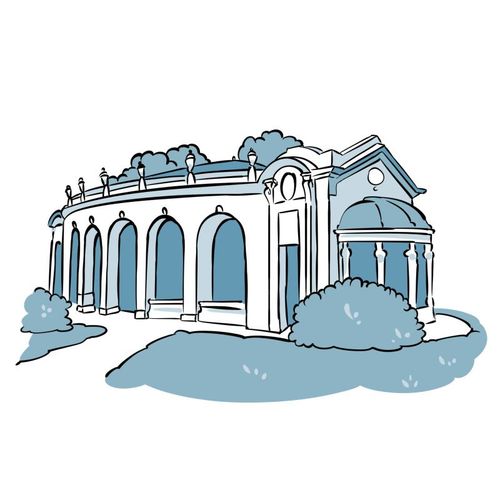
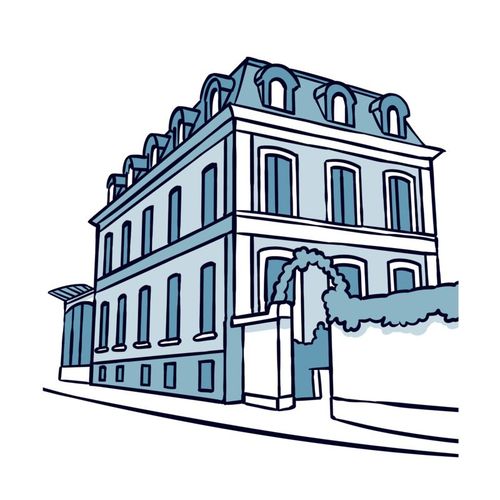
The Parc des Sources holds most of the essentials: its long covered iron and glass gallery leads from the Hall des Sources to the Palais des Congrès-Opéra, whose Art Nouveau auditorium ranks among the finest in France. Around it stand the thermal baths with their orientally inspired domes, the pavilion of the Célestins spring and the grand hotels of the Belle Époque.
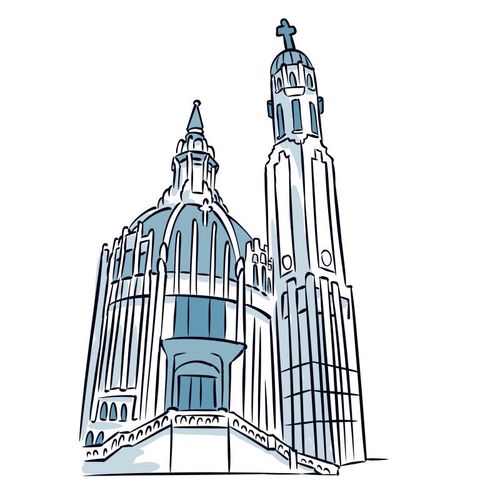
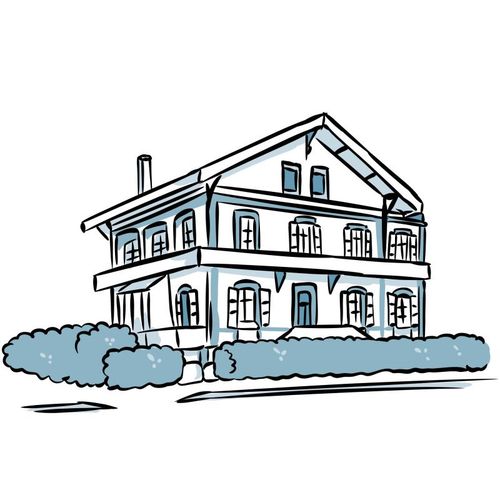
Carry on towards the district of chalets built for Napoleon III and his court, then to old Vichy and the church of Saint-Blaise, where a richly decorated Art Deco nave adjoins the older chapel. Finally, the Allier parks lead down to the lake, a favourite spot for walking and water sports. The Ryo audio guide offers a dedicated Vichy route linking these stops and telling the story of the spa town.
Why is Vichy known as the queen of spa towns?
People have been drinking the waters of Vichy since antiquity, but it was in the nineteenth century that the small spa town changed scale: Napoleon III stayed there several summers in a row, had the parks laid out, the river embanked and the chalets that still bear his name built. Thermal establishments, casinos, the opera house and monumental hotels followed, giving the town the air of a fashionable capital.
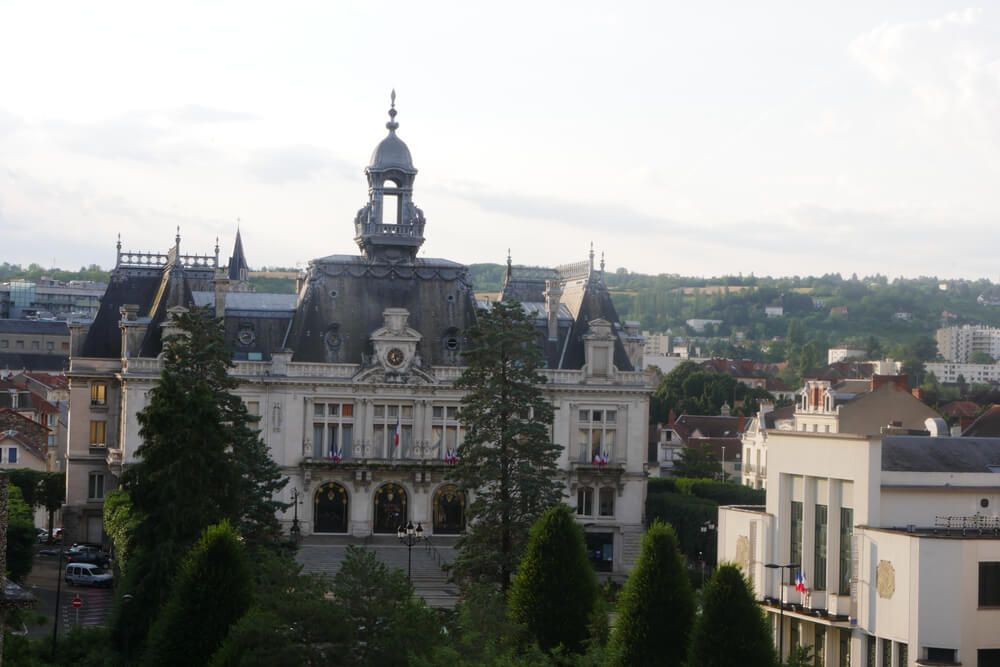
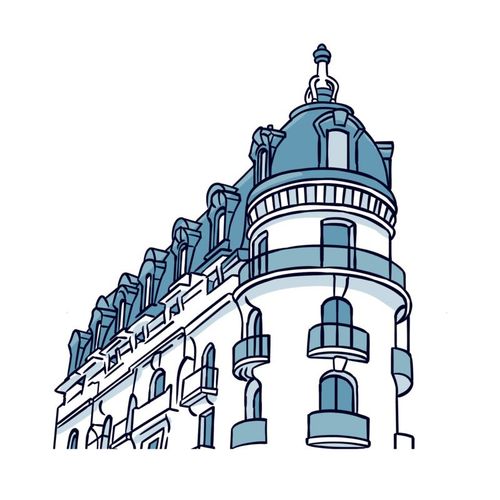
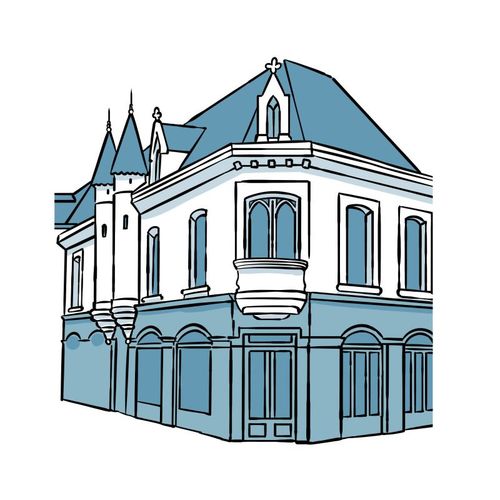
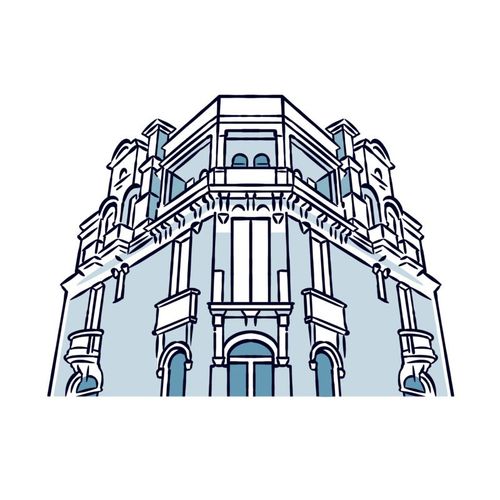
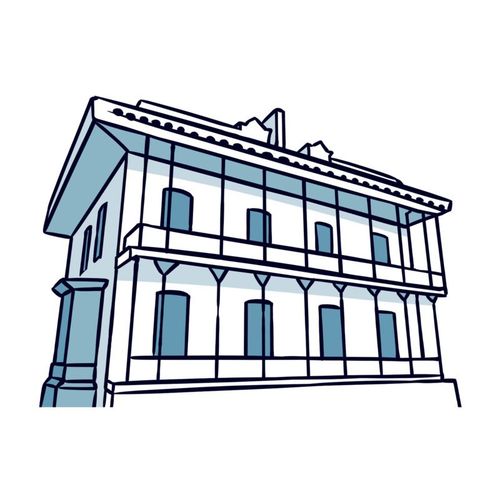
That legacy is why Vichy now appears, alongside other European resorts, on the UNESCO World Heritage list as one of the great spa towns. Its townscape still tells the story of that era: covered galleries for strolling between two glasses of water, bandstands and eclectic façades blending oriental, neo-Gothic and Art Nouveau influences.
Vos commentaires, idées et suggestions
Aucun avis pour le moment