
Créé par Romane, le 17 nov. 2026
Votre guide Ryo
Clermont-Ferrand, France
The Black Diamond of Auvergne
Parcours audioguidé pour visiter Clermont-Ferrand en 1 jour
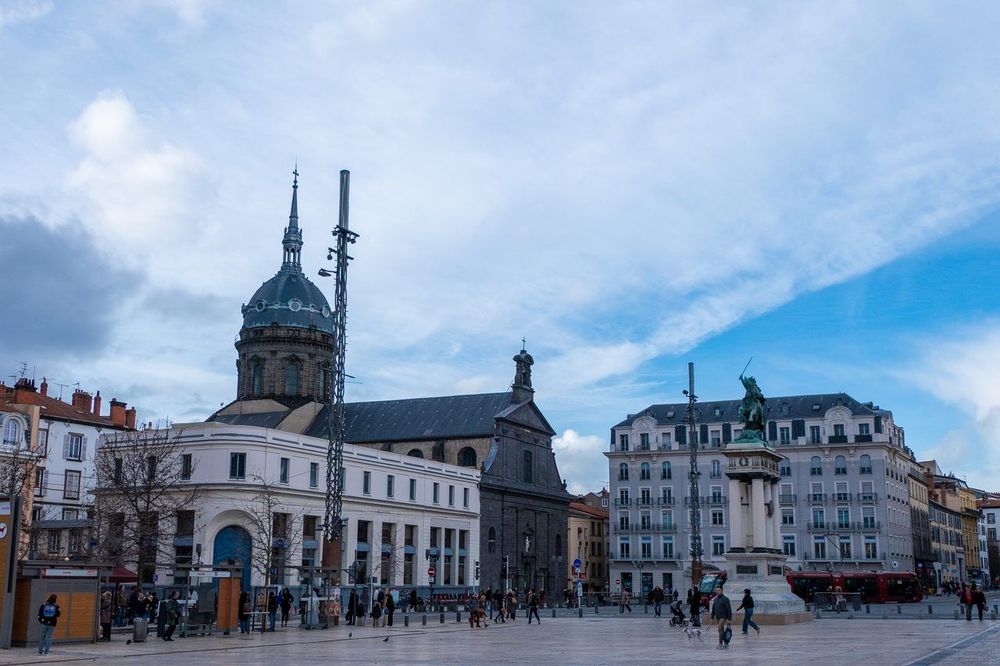
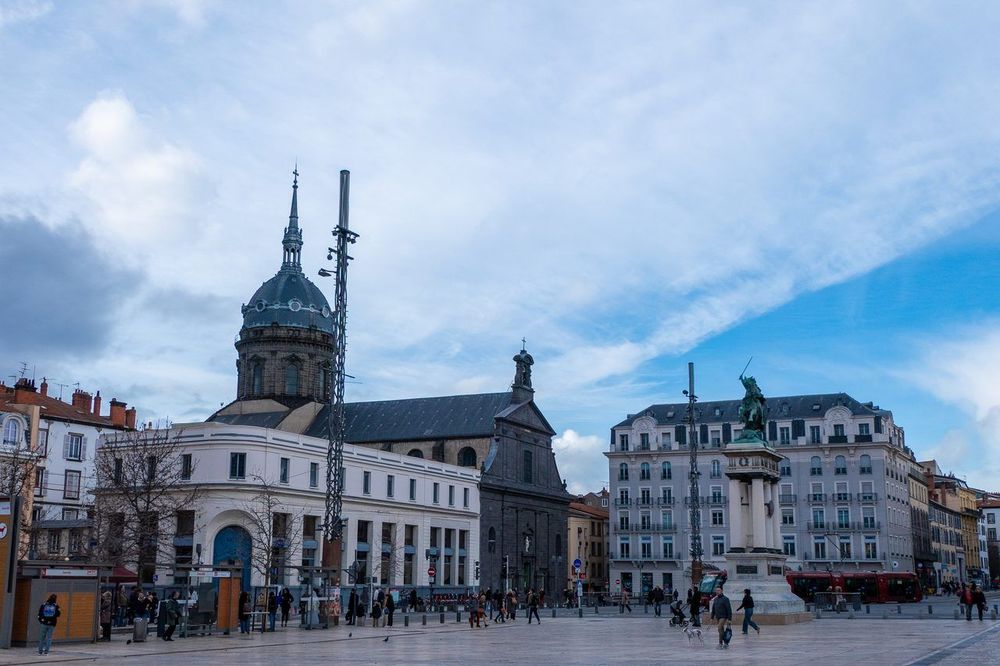
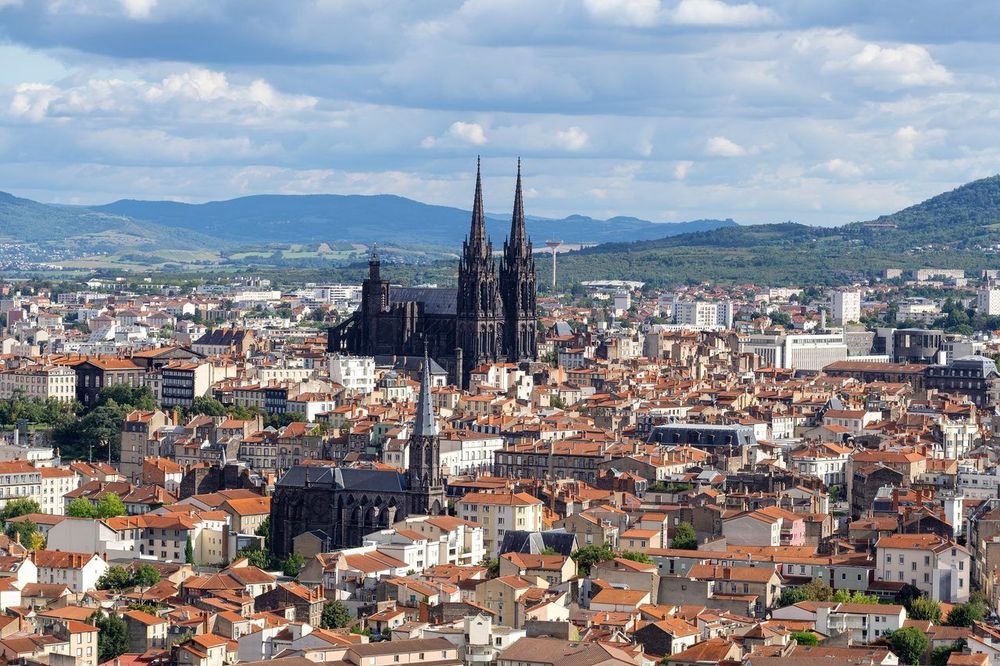
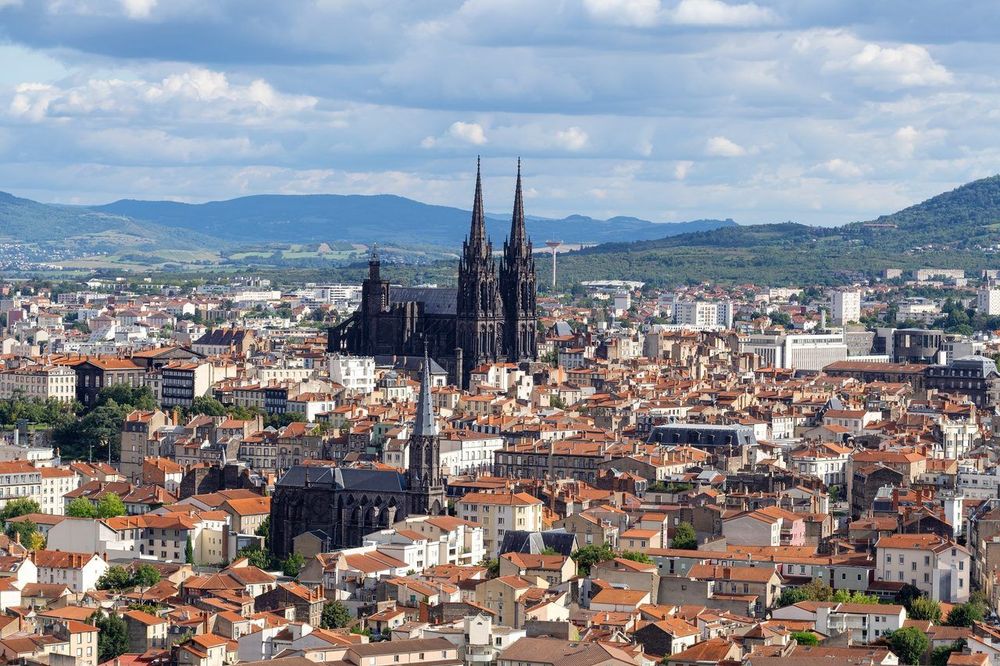
Forget white stone and classical façades—walking through Clermont-Ferrand means stepping into a city carved from lava itself. Beneath your feet, asphalt gives way to Volvic stone, that deep, almost jet-black material that lends the Clermont-Ferrand Cathedral its dark, almost cinematic silhouette. From the vast openness of Place de Jaude to the hidden maze of inner courtyards in Montferrand, the city seems to pulse with a force rising from beneath the surface. It’s a raw, off-the-beaten-track experience—perfect for those drawn to places with real character.
Quand partir à Clermont-Ferrand ?
Jan.
4°
7
Feb.
5°
6
March
9°
6
April
11°
9
May
15°
11
June
19°
9
July
21°
7
Aug.
21°
8
Sept.
17°
7
Oct.
13°
8
Nov.
8°
8
Dec.
5°
7
Clermont-Ferrand enjoys a semi-continental climate sheltered by the Chaîne des Puys, which gives it low rainfall despite hot summers reaching 27°C and cold winters where frosts are frequent, with averages around 0°C. The ideal periods to discover the Auvergne capital and its surrounding volcanoes run from May to September, offering dry and sunny weather perfect for hiking and visiting the historic center built from lava stone. The month of February is also popular with film buffs for its famous International Short Film Festival, while autumn remains magnificent for admiring the volcanic landscapes as they take on orange hues in the lingering mildness.
Départ conseillé
No need to worry about where to begin! Our tours are designed as a loop, so you can jump in wherever you are. The navigation system and audio-guide will automatically adjust to your location. However, if you happen to be nearby, we do have a preferred starting point: Place de la Poterne
Parking à proximité
Cathedral covered parking : 1 rue Saint-Hérem
Parking in Clermont-Ferrand is divided into several zones: blue and green zones are the cheapest and allow parking for up to 10 hours. Then come the orange zone (3-hour limit) and the purple zone (2-hour limit). Don’t forget to pay at the parking meter or via the PrestoPark mobile app. There are also several underground car parks available — just be aware that some of them can be quite narrow.
À savoir
The tour goes through the Jardin Lecoq: entry is free, but the park has specific opening hours. Make sure to check the schedule if you’d like to visit. If the garden is closed when you arrive, simply turn right onto Boulevard Lafayette to rejoin the route.
Découvrez 22 lieux d'intérêt pour visiter Clermont-Ferrand







What to see in Clermont-Ferrand on your 2h10 tour?
This 5.3 km loop takes about 2 hours 10 minutes and links 21 sights. From the Amboise Fountain, it crosses the Port district and Place Delille, pauses near the cathedral, skirts the medieval Carmes quarter, reaches Place de Jaude and its opera house, then drops down Rue des Gras to the dark towers. With the Ryo app in your ears, every fountain or statue tells its own tale, at your own pace.
Information checked in November 2026 and subject to change.
1 - Amboise Fountain
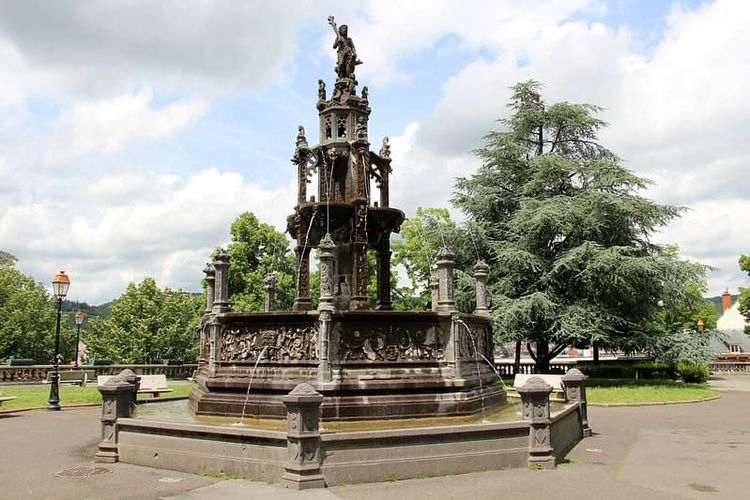
The walk begins on a small square, once called Place de la Poterne, facing a fountain carved from Volvic stone, a volcanic rock born of the Nugère lava flows. Raised in 1515 for bishop Jacques d'Amboise, it blends a gothic frame with a Renaissance decor that was still brand new across Europe at the time. Moved four times from its original spot near the cathedral, locals have affectionately nicknamed it the Traveller.
Free entry
2 - Notre-Dame-du-Port Basilica
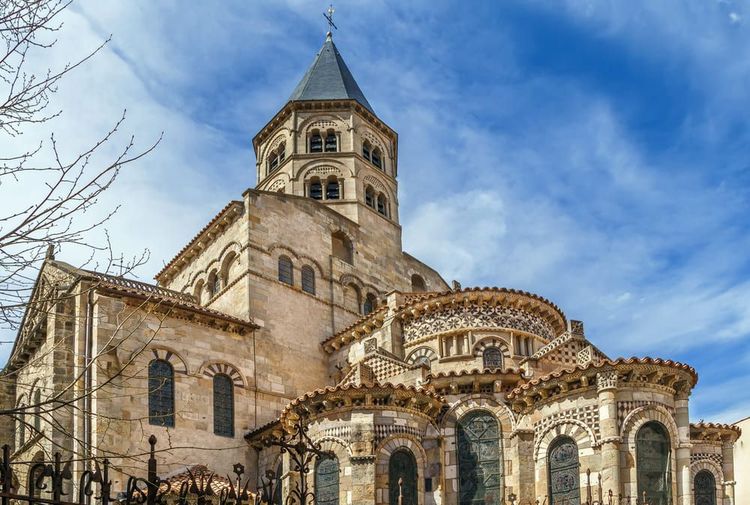
Next comes a Romanesque sanctuary, at the heart of the district that gave it its name, listed as a UNESCO World Heritage site on the pilgrim roads to Compostela. Built in pale arkose stone, it shows off a carved portal, a pyramid-shaped apse and over 250 finely worked capitals. Threatened with demolition after the Revolution, the building survived thanks to a residents' petition, before Pope Leo XIII later raised it to the rank of basilica.
Free entry
3 - Place Delille
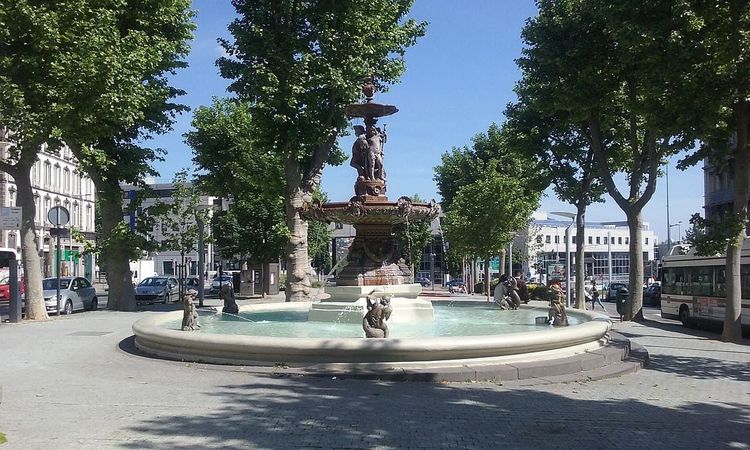
A few steps further opens one of the city's most venerable squares, a hub of local life for nearly a thousand years. It once bore the name Champet and housed a gate through which kings entered; some even place Urban II's speech launching the first crusade right here. A 19th-century fountain, raised in honour of the poet abbé Delille, a native son, now stands at its centre.
Free entry
4 - Montrosier de la Vilatelle Hotel
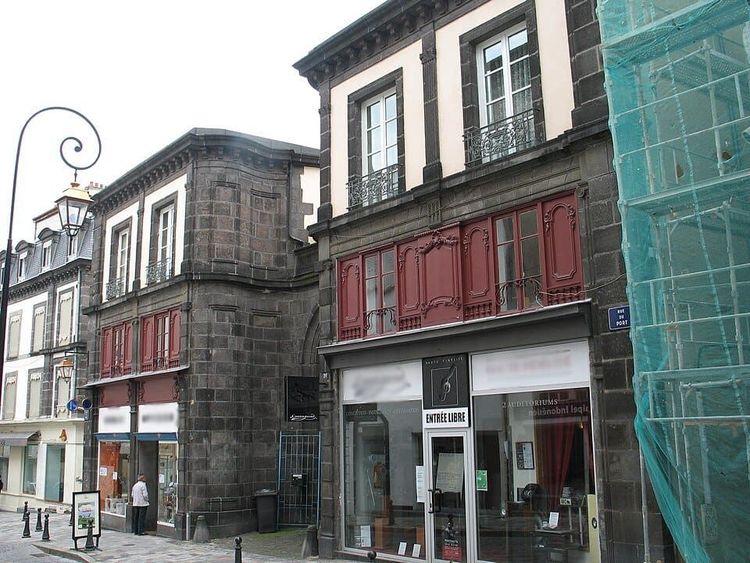
On Rue du Port stands an elegant 18th-century mansion, listed as a historic monument. It was raised for Antoine de Montrosier, who then held the lucrative post of tax collector for the nearby district of Riom. Its refined lines, typical of the then-fashionable rococo style, now make it a precious witness to the taste of Clermont's aristocracy during the Age of Enlightenment.
Free to see from outside
5 - Clermont-Ferrand’s City Hall
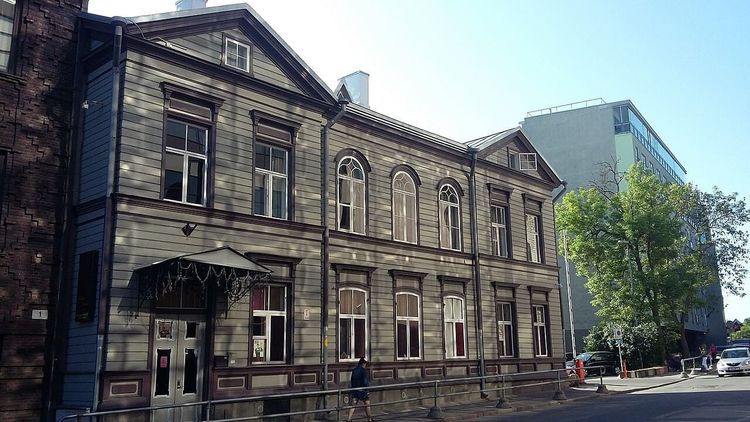
Next comes the seat of the town hall, built in Volvic stone to plans by architect Ledru. The building stands where the former Boulogne palace once stood, a gift from Catherine de' Medici to the city, which once combined the municipal administration, the courts and the prison under one roof. Deemed too dilapidated, it was torn down to make way for the current structure, sober and solid in its dark volcanic stone.
Free to see from outside
6 - Terrail Fountain
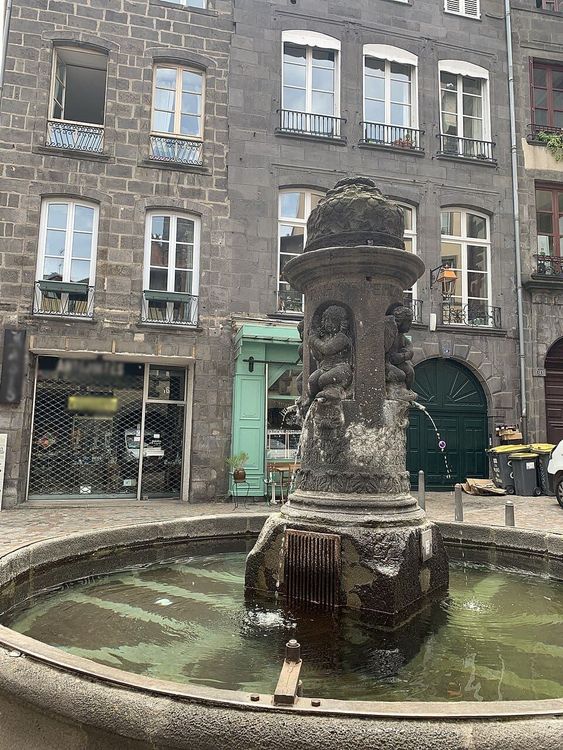
Protected since 1987, this fountain from the late 17th century stands on a square named after an old pottery market, the 'terraille'. An earlier version, poorly supplied with water, earned the mocking nickname of the fountain 'that doesn't flow'; the current one, carved from the same Volvic stone, has replaced it since 1684. Just steps away, on Rue Blaise Pascal, hides a mansion built for the last intendant of Auvergne, now home to the regional cultural authority.
Free entry
7 - The mosaics
Look up: the walls of Clermont hide dozens of small, colourful invaders. Since 1996, the street artist known as Invader has been gluing up these mosaics inspired by the 1978 video game, a project he calls 'the Invasion', now numbering thousands of pieces spread across more than 170 cities worldwide. A dedicated app lets you hunt them down. Other street artists, such as Mifamosa, have likewise left their mark on the city's street signs.
Free entry
8 - Place de la Victoire – Victory Square
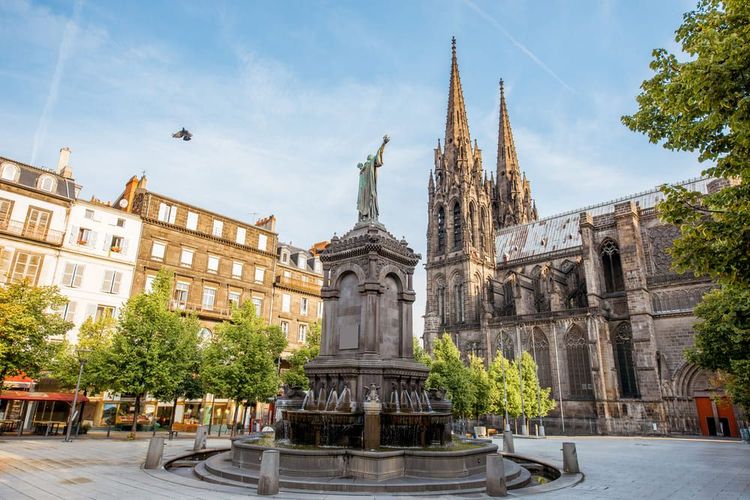
This vast cathedral forecourt occupies the site of the ancient city's forum, more than 2,000 years ago. Its name changed along with successive political regimes, settling only in 1918, just days after the armistice. At its centre stands Pope Urban II, whose call to crusade in 1095 still echoes; the statue was unveiled for the 800th anniversary of that event. Bars and terraces now make it a lively gathering spot.
Free entry
9 - Place Royale
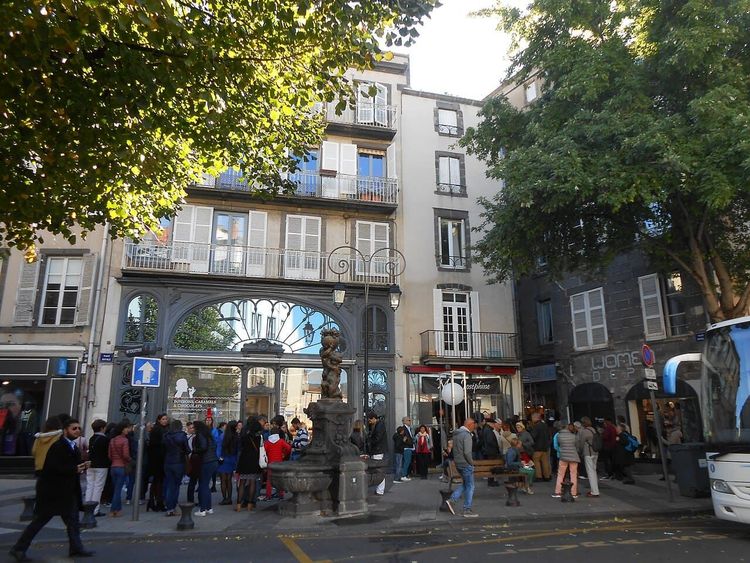
On the central hill, this charming square next to Place de la Victoire is adorned with an Italian-inspired fountain by founder Antoine Durenne. Two bronze children raise a liturgical cup overhead, of the kind used during the Catholic Eucharist, while water spouts from sculpted atlas faces at their feet. A cool, peaceful break, just steps from the great religious building that dominates the historic centre.
Free entry
10 - Église Saint-Genès des Carmes
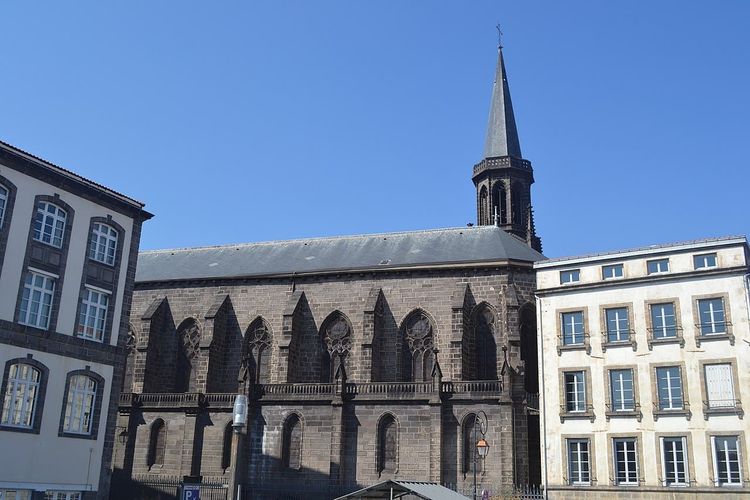
Among the medieval lanes, this southern gothic-style church stands out for its dark stone. Raised by the Carmelite order from the 14th century onwards, it has been a protected historic monument since 1961 and keeps fine stained-glass windows by master glassmaker Émile Thibaut. More modest than the nearby cathedral, it still carries all the charm of a district that has changed little since the Middle Ages.
Free entry
11 - Henri-Lecoq Museum
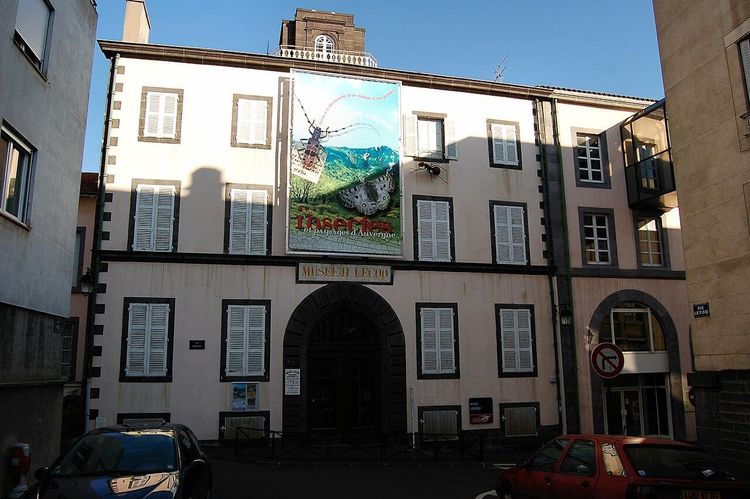
Housed since 1873 in the former home of the botanist and pharmacist whose name it bears, this natural history museum brings together a wide variety of collections: botany, geology, palaeontology, zoology and old scientific instruments. With its own teaching garden, it invites visitors of all ages to make sense of the natural world and the history of techniques, in a setting designed for curious minds.
Paid entry (about €5)
12 - Lecoq Garden
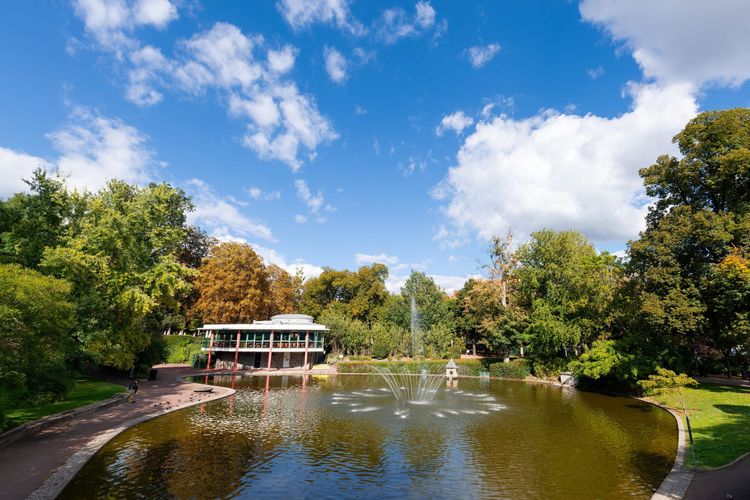
Right next door spreads the city centre's great green lung, laid out from 1863 on the grounds of a former botanical garden. First designed in the French style, it adopted its winding English-style paths in 1915. Visitors wander between a fragrant rose garden, a shaded pond and a lakeside café, a leafy favourite for strolling, picnicking or exercise right in the heart of old Clermont.
Free entry
13 - Bargoin Museum
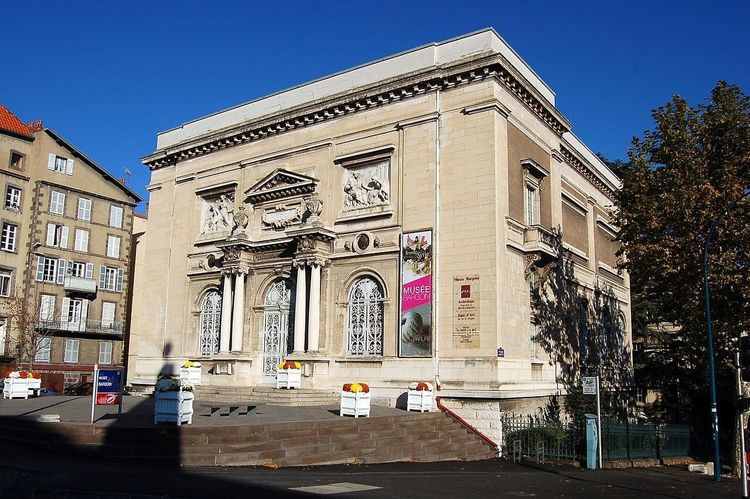
Behind its neo-classical front, this museum brings together two unexpected worlds: archaeological finds unearthed in the region, from prehistory to the Middle Ages, and textiles from distant lands, spanning the 18th to the 21st century. It owes its existence to patron Jean-Baptiste Bargoin and opened in 1903; the fine art it first displayed has since moved to another museum in the city. On the nearby roundabout, an obelisk-shaped fountain, nicknamed the Pyramid, honours general Desaix.
Paid entry
14 - Neptune fountain
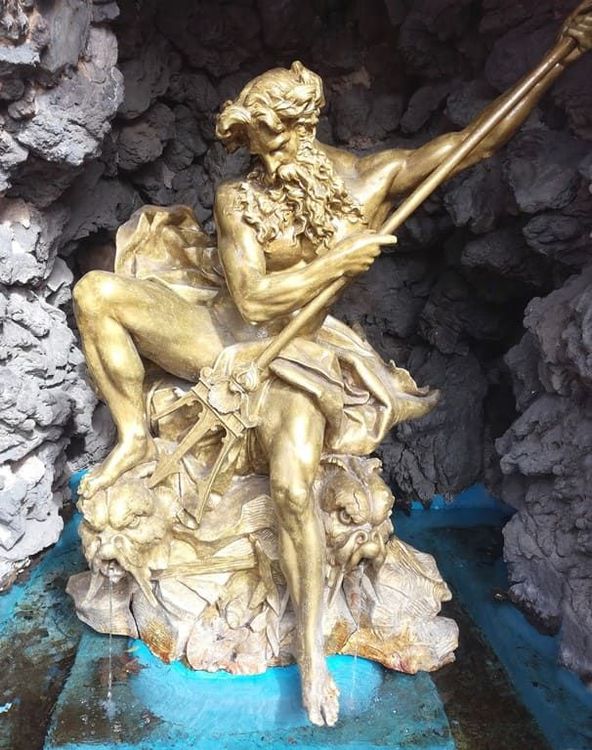
Beneath a surprising white archway hides a fountain where a gilded figure of Neptune shines, the Roman ruler of the waters, equivalent to the Greek Poseidon. He is recognisable by his trident and flowing hair. A work from 1856 by Vital Gabriel Dubray, he is set within a small artificial grotto that stages the sea god with particular care, just steps from the large shopping square nearby.
Free entry
15 - Place de Jaude
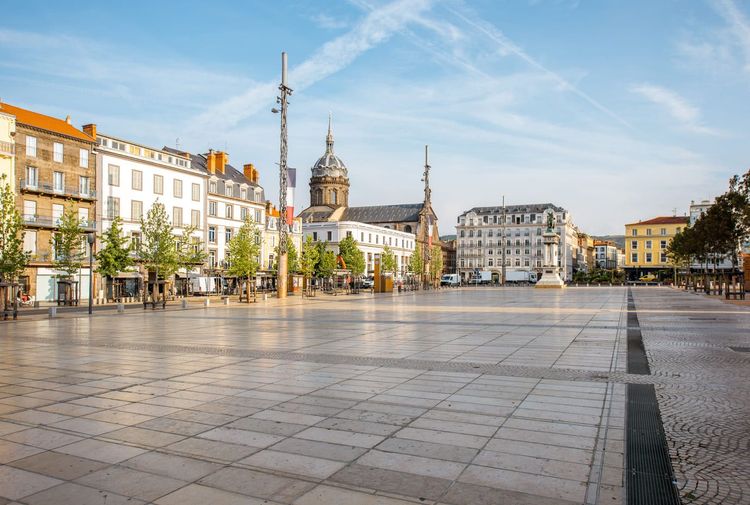
Already bustling in Roman times, this vast square later went through a long lull, turning into marshland during the Middle Ages. Its revival began in the 17th century with the arrival of a church and a basin, then picked up pace the following century with a theatre, statues and shopping arcades. Now the beating heart of Clermont, it owes its curious name to a nearby Gallo-Roman temple, whose title gradually morphed over time.
Free entry
16 - Vercingétorix statue
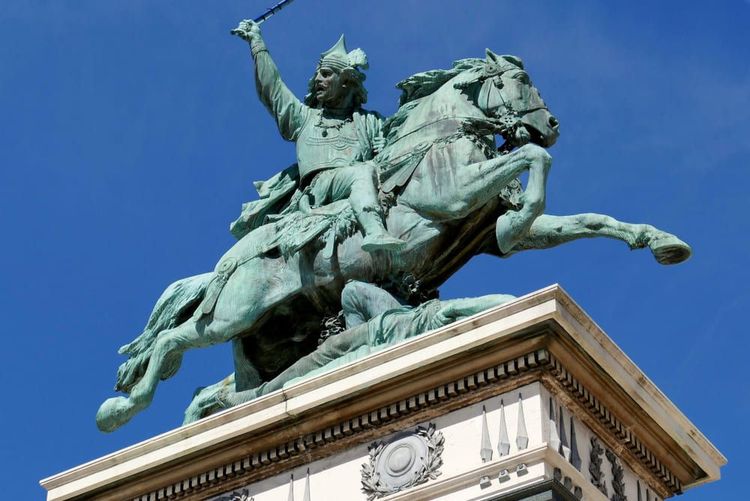
On this same square sits, on horseback, the Gallic chief who united the Celtic peoples against the Roman advance in the 1st century BC. A member of the Arverni people, rooted in what is now Auvergne, he became the face of resistance, notably during the siege of Gergovia. The bronze sculpture carries the signature of Auguste Bartholdi — the very sculptor who, across the Atlantic, raised the iconic figure standing in New York harbour.
Free entry
17 - Opera House
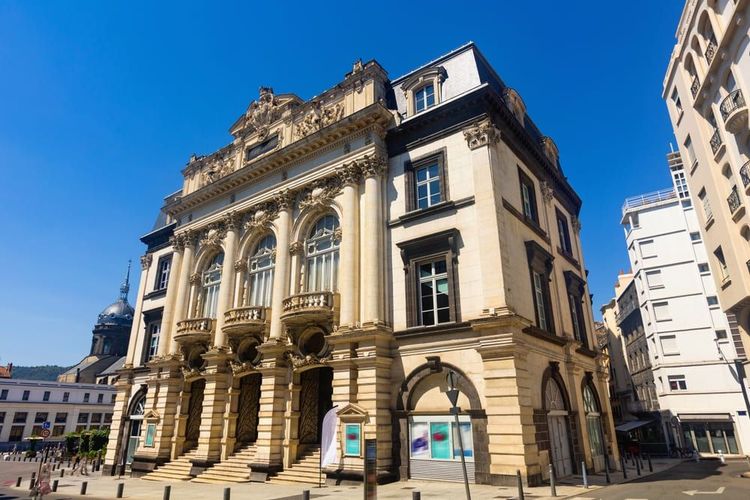
On the site of a former cloth hall rises, since the 1890s, this performance hall with a finely carved white façade, designed by architect Jean Teillard. Its 600-seat Italian-style auditorium hosts varied performances all year round and becomes, every February, one of the key venues for a major international short-film gathering that draws industry professionals from around the world.
Free to see from outside
18 - View of the Cathedral Towers
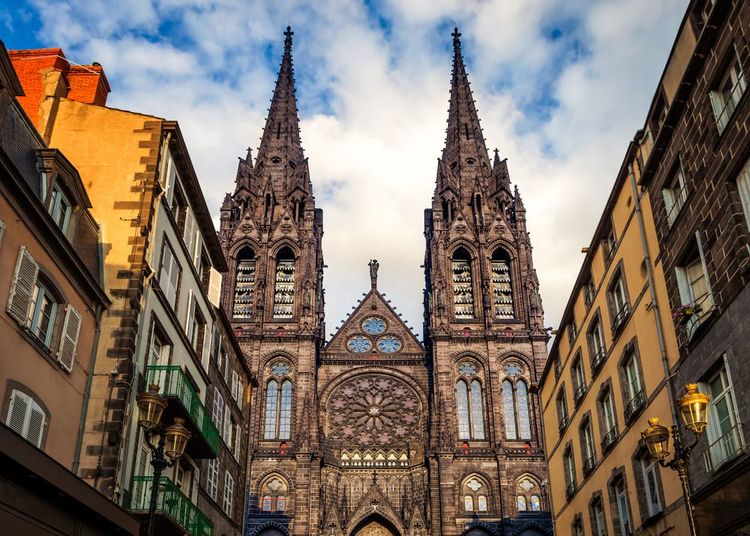
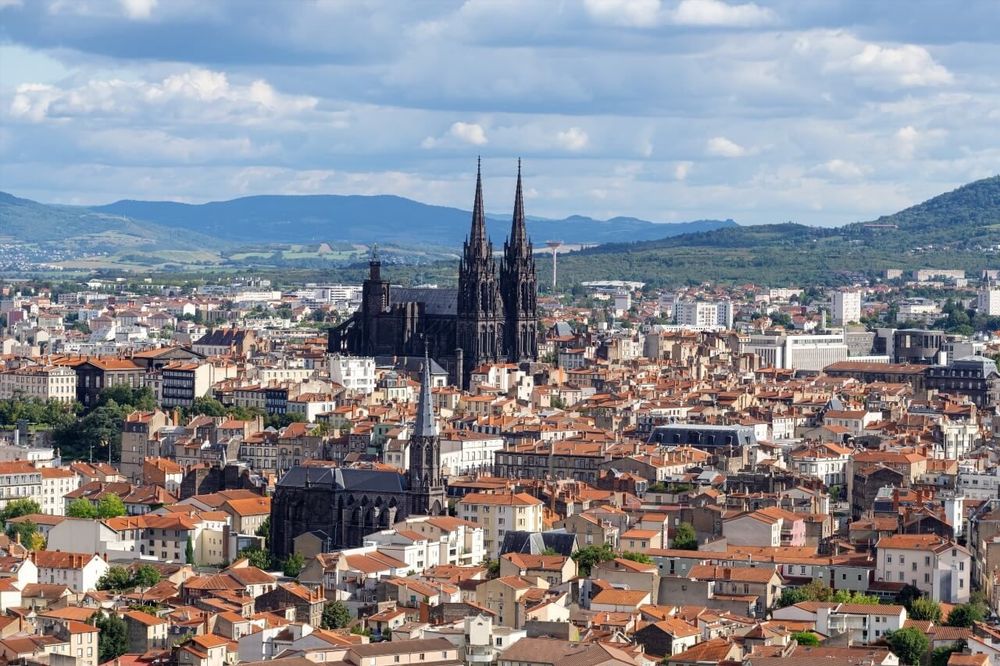
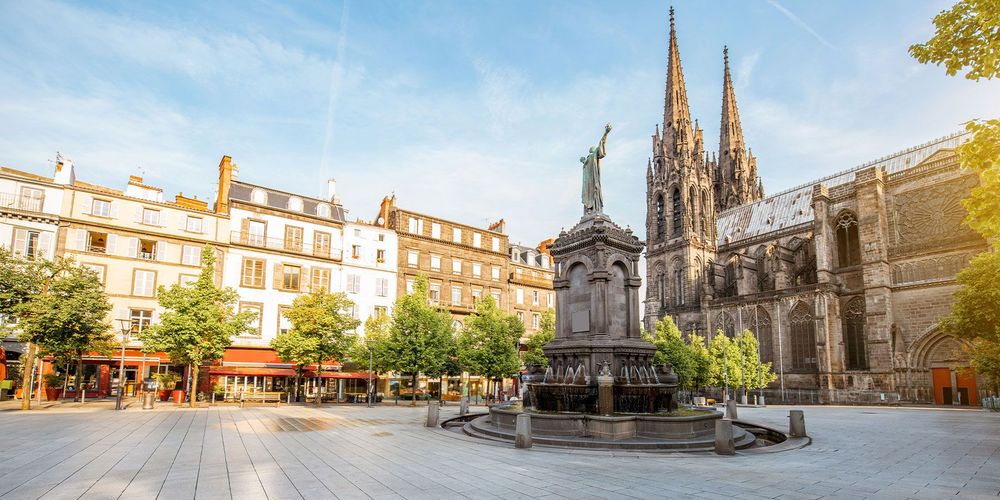
This street lined with old shopfronts offers the best photo of the whole visit: the cathedral's two dark spires, rising nearly 100 metres high, stand out sharply against the sky. A little further on, behind red doors, hides a 16th-century Renaissance mansion, recognisable by its spiral staircase topped with a turret, which today houses contemporary photography exhibitions.
Free entry
19 - Clermont-Ferrand Cathedral (Notre-Dame-de-l’Assomption)
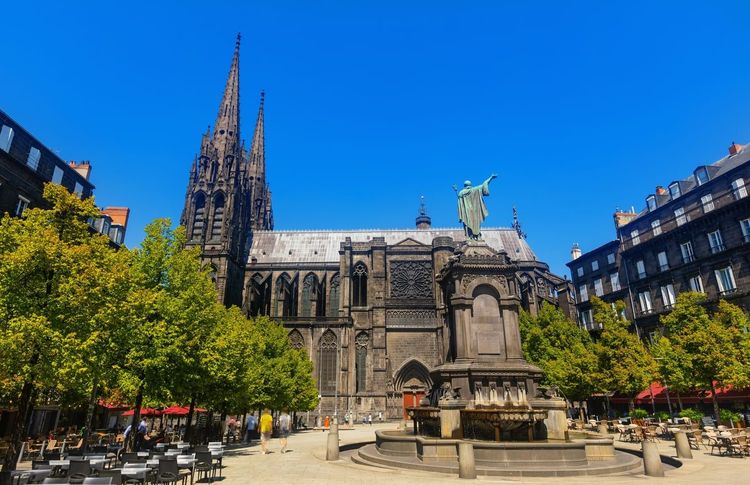
More than seven centuries of building gave rise to this all-black structure, nicknamed the 'coalmen's cathedral'. Launched in the 13th century by architect Jean Deschamps on the orders of bishop Hugues de la Tour, it adopts a northern gothic style directly inspired by the Sainte-Chapelle in Paris, and gets its unique colour from Volvic stone. At the end of the 19th century, Viollet-le-Duc gave it its current façade, crowned with two spires.
Free entry
20 - Clermont-Ferrand Historic District
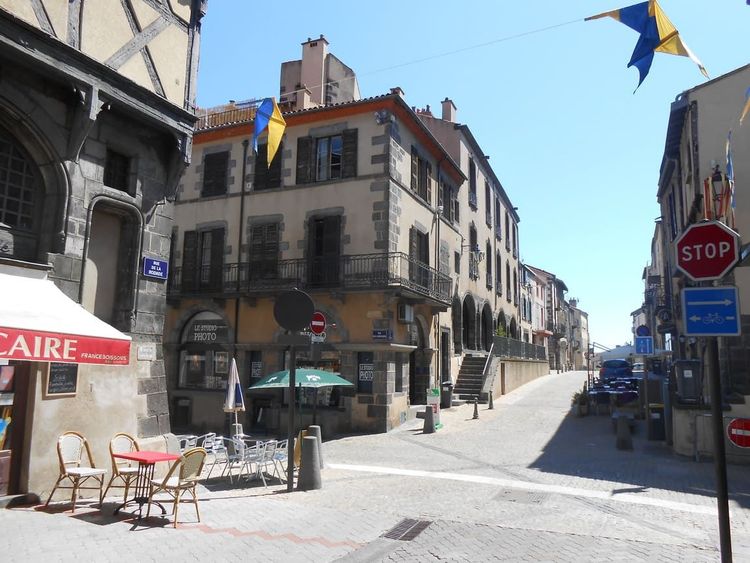
Here you are walking through nearly 2,000 years of history, in one of the two old cores that make up the city. It bore, in Gallo-Roman times, the name Augustonemetum and long remained a separate city, rivalling Montferrand, which the counts of Auvergne raised on their own in the 12th century. It was only in the 18th century, by royal decision, that the two neighbouring towns merged to form Clermont-Ferrand.
Free entry
21 - Blaise Pascal
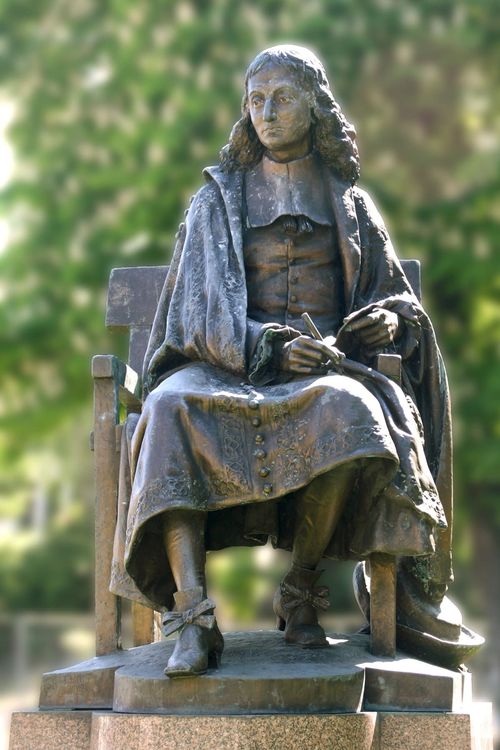
This square bears the name of the genius born in the city in 1623, a mathematician, physicist, inventor and philosopher all at once. A gifted child taught by his science-loving father, he published a treatise on geometry at 16 and designed, two years later, one of the very first calculating machines to help him in his job as a tax collector. He would later prove the existence of a vacuum and leave behind a vast scientific and philosophical body of work.
Free entry
What to do in Clermont-Ferrand in 2 or 3 days?
The walking route covers the historic centre in half a day: with two or three days, Clermont-Ferrand adds an overlooked medieval side and a full day among volcanoes.
The next day, head to the Old Montferrand district on tram A: this once-rival town, joined to Clermont by the Edict of Troyes, has kept its grid street plan, its half-timbered houses and its Renaissance mansions, with a few street-art pieces slipped between the old facades; our guide to Clermont-Ferrand's neighbourhoods tells that rivalry in full.
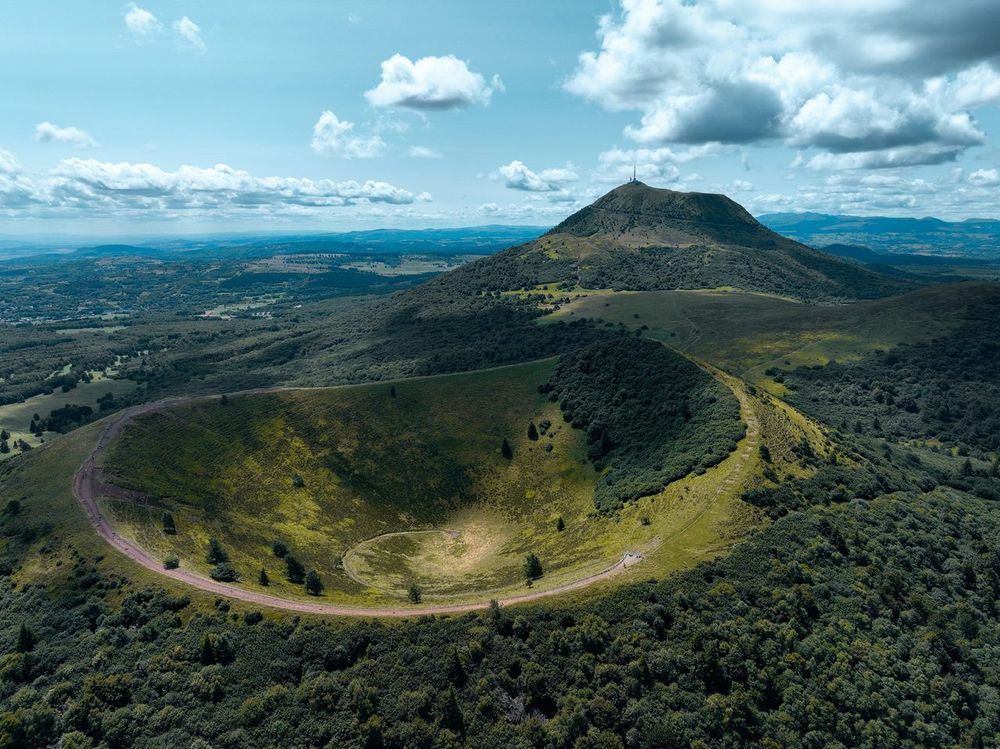
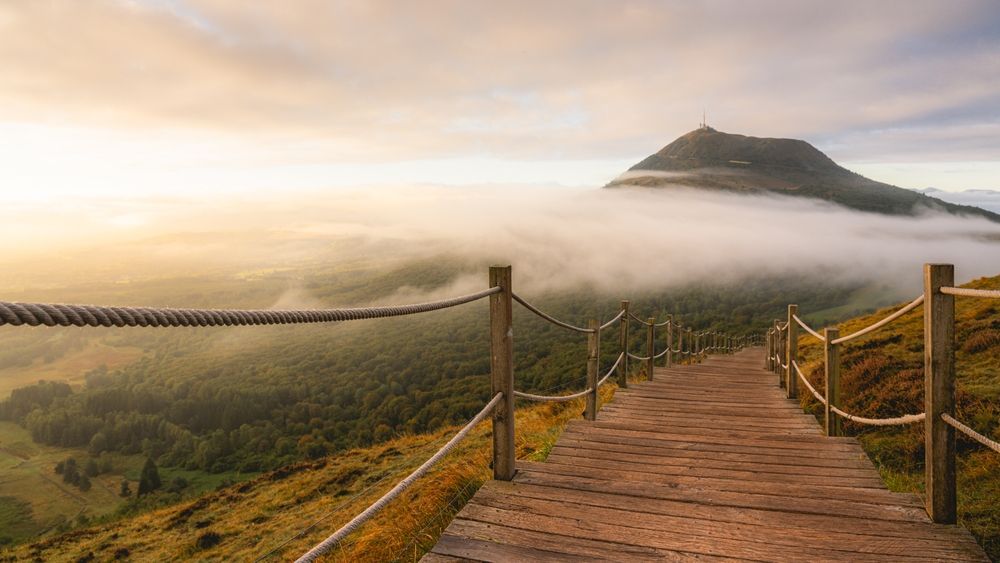
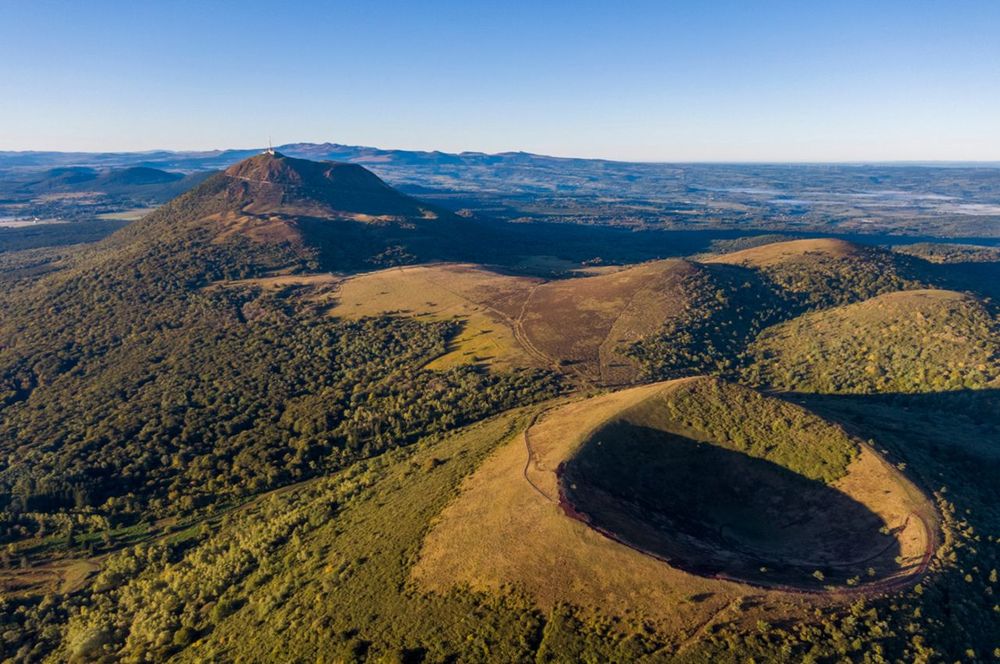
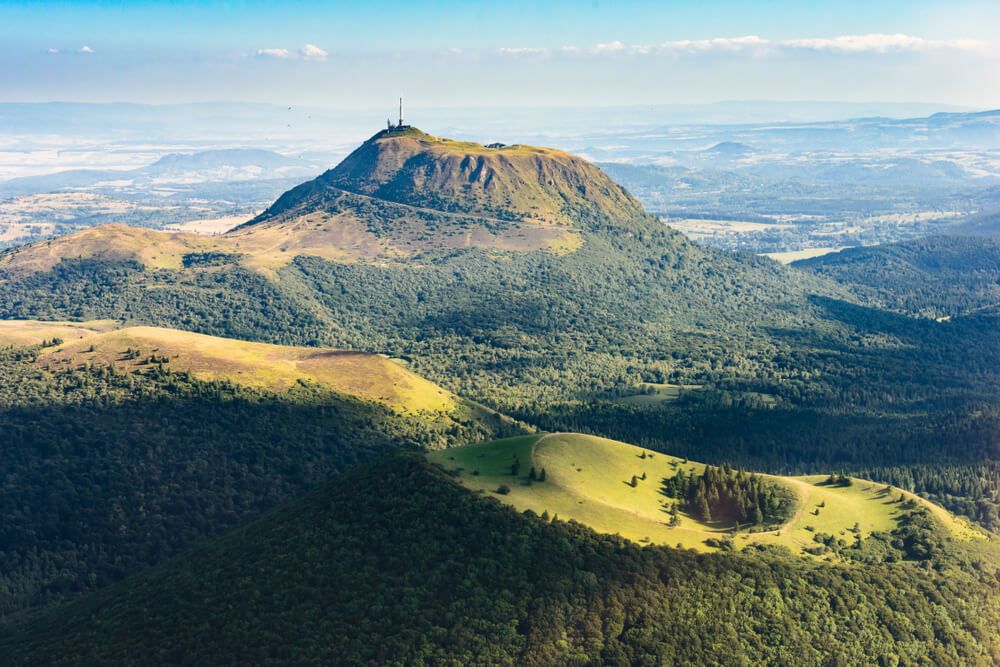
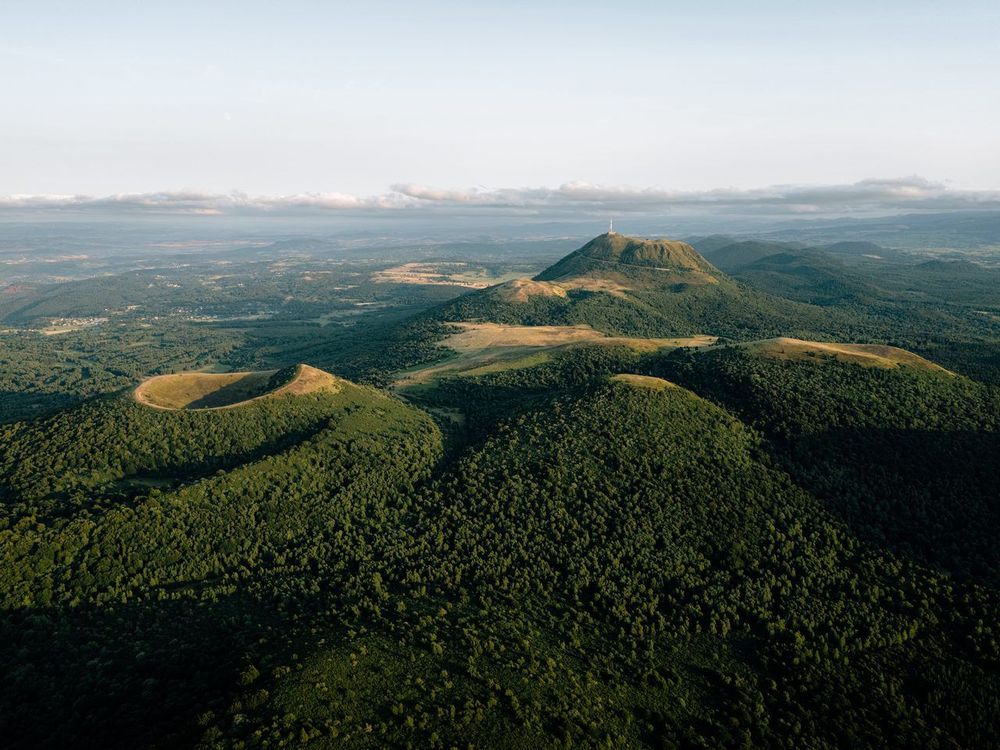
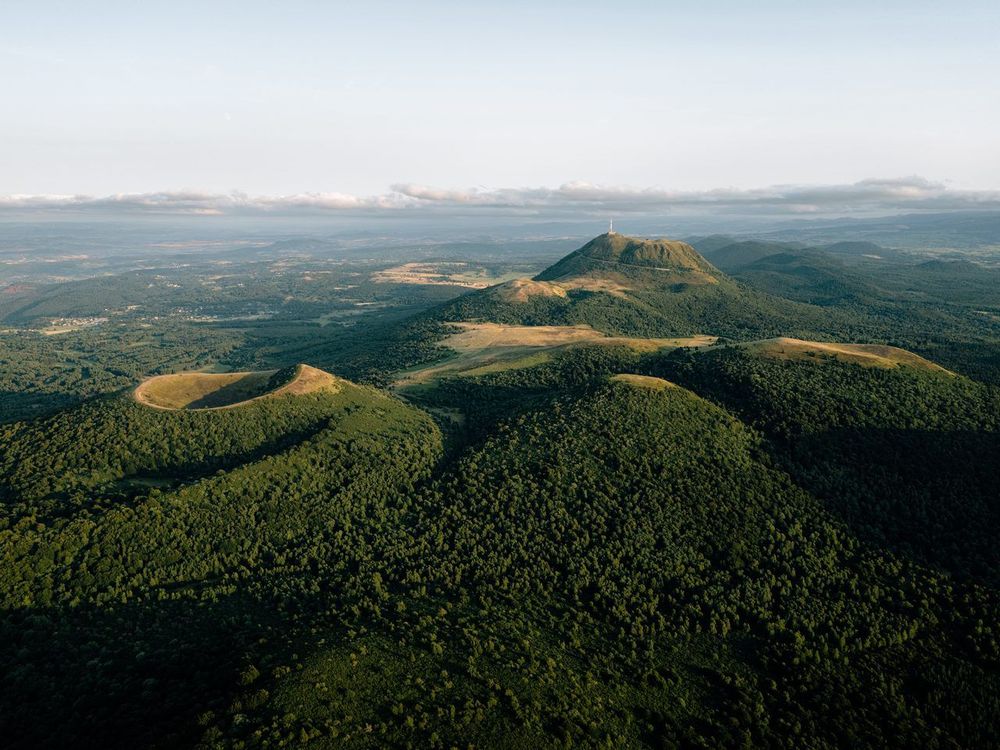
The third day changes register with the climb up the Puy de Dôme, at 1,465 metres, reached on foot via the Chemin des Muletiers or in 15 minutes by the Panoramique des Dômes rack railway, then Vulcania, the park devoted to volcanoes; our guide to visiting Clermont-Ferrand in 2 days covers the whole route.
Which neighbourhoods does the tour cross?
In a loop, the route runs through the neighbourhoods that make up old Clermont-Ferrand, leaving out Old Montferrand, the city's other founding town, covered in detail in our guide to Clermont-Ferrand's neighbourhoods.
It starts at the Amboise Fountain, the oldest fountain in town, enters the Port district where the Romanesque basilica listed by UNESCO stands, then skirts Place Delille and several fountains and townhouses on the way to Place de la Victoire, at the foot of the cathedral (stops 1 to 9).
It then crosses the medieval Carmes district, around its 14th-century Gothic church, then passes the Henri-Lecoq Museum, crosses the garden of the same name and reaches the nearby Bargoin Museum (stops 10 to 13).
The last stretch reaches Place de Jaude, the shopping heart dominated by the Vercingétorix statue and the opera house, before climbing Rue des Gras back up to the cathedral's dark towers and closing the loop near Blaise-Pascal square (stops 14 to 21).
How much does it cost to visit Clermont-Ferrand?
Of the 21 stops on the route, 19 are free to see or admired from the street, whether squares, fountains, or the facades of grand townhouses and the opera house.
Two cultural stops remain: the Henri-Lecoq Museum, a science museum housed in the botanist's former mansion, charges €5; the Bargoin Museum, meanwhile, is closed for renovation and only shows a few pieces from time to time, so check before you go.
For the municipal museums, the ClermontPass, sold for €5 and valid for the calendar year, brings admission down to €2 or €3, and also unlocks preferential rates on the Panoramique des Dômes rack railway or the Michelin Adventure museum.
And for the rest of the day at no cost, our guide to free activities in Clermont-Ferrand lists more ideas.
Information checked in November 2026 and subject to change.
Where to stop for a bite along the tour?
In old Clermont, which the end of the route crosses, the covered Saint-Pierre market is the ideal place to taste Auvergne.
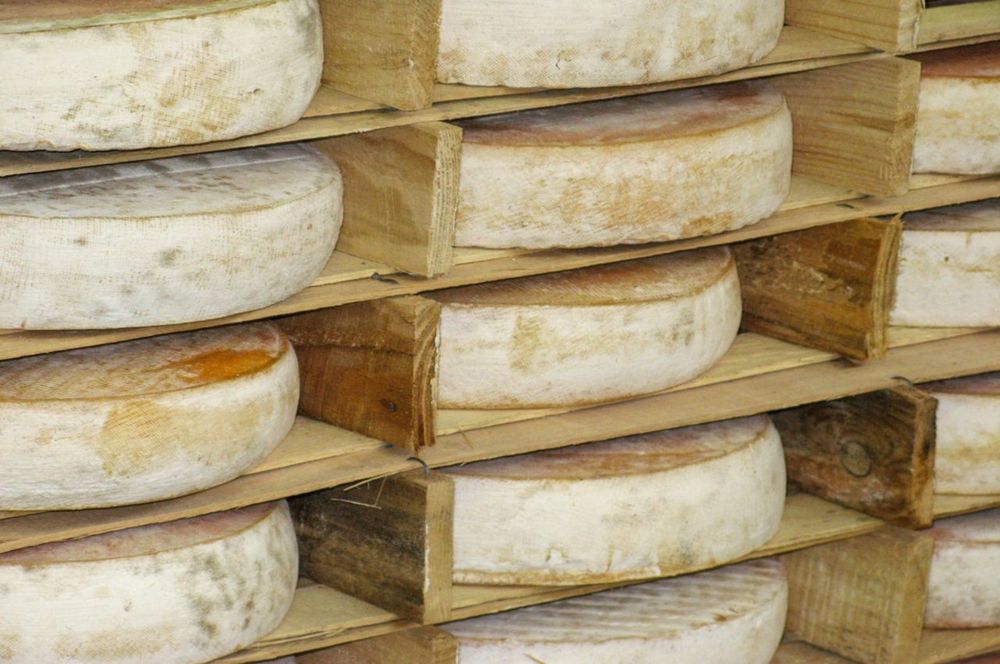
There you'll find saint-nectaire cheese, fourme d'Ambert and local charcuterie, to take away or nibble between stops.
For a fuller meal, try truffade, sliced potatoes with garlic and fresh tome cheese, with a glass of côtes-d'Auvergne, or petit salé aux lentilles, one of the Auvergnats' favourite winter dishes. Bleu d'Auvergne cheese and pâte de fruits also feature in our top 10 culinary specialties of Clermont-Ferrand.
What to do in Clermont-Ferrand with children?
The historic centre works well for a family outing, with improvised games and green pauses that slot easily between stops.
At the cathedral, a simple game keeps younger visitors entertained: count the gargoyles or find the most colourful stained-glass window; at the Notre-Dame-du-Port basilica, the hunt continues among the animals and figures carved on the Romanesque capitals.
The Lecoq Garden offers a real breath of nature, with play areas for little ones, a mini-golf course and a pond where ducks swim, all of it free; our guide to visiting Clermont-Ferrand with family covers more ideas, from the Michelin museum to the nearby volcanoes.
What should you know before visiting Clermont-Ferrand?
A few practical details help you avoid surprises along the way, between changing hours and one stop that can sometimes be closed.
The Lecoq Garden, crossed partway through the route, is free to enter but keeps its own opening hours: if it is closed when you pass, turn right onto Boulevard Lafayette to rejoin the route without backtracking.
The cathedral and the Saint-Genès des Carmes church are visited with respect for services, with hours that vary by season; modest dress is recommended for both.
For parking, the blue and green zones in the centre, limited to 10 hours, remain the cheapest; parking meters and the PrestoPark app let you pay for a space, and several underground car parks, including the one by the cathedral, round out the options.
What to see around Clermont-Ferrand?
Clermont-Ferrand is also a good base for hitting the road, between villages full of character and other audio-guided walks in the region.
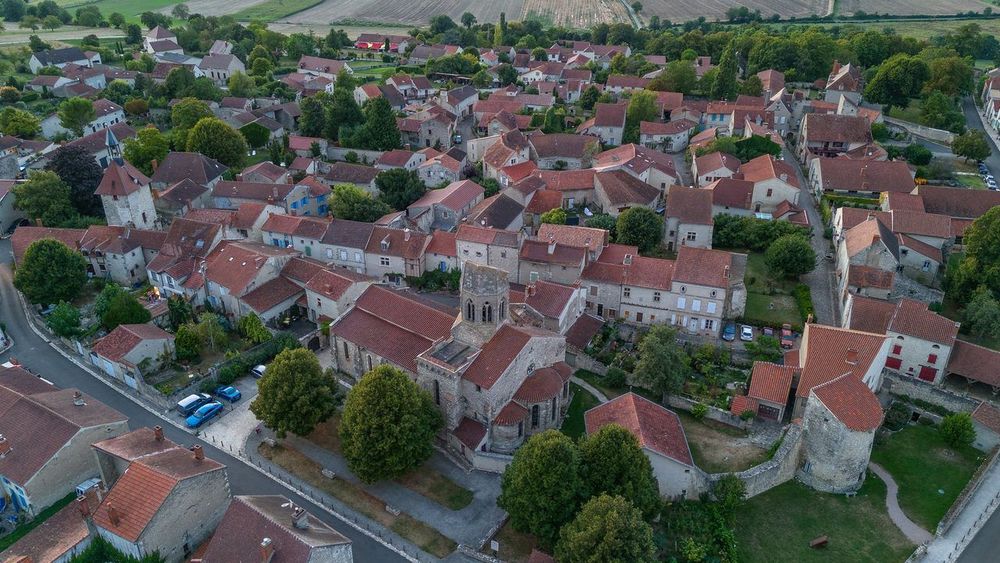
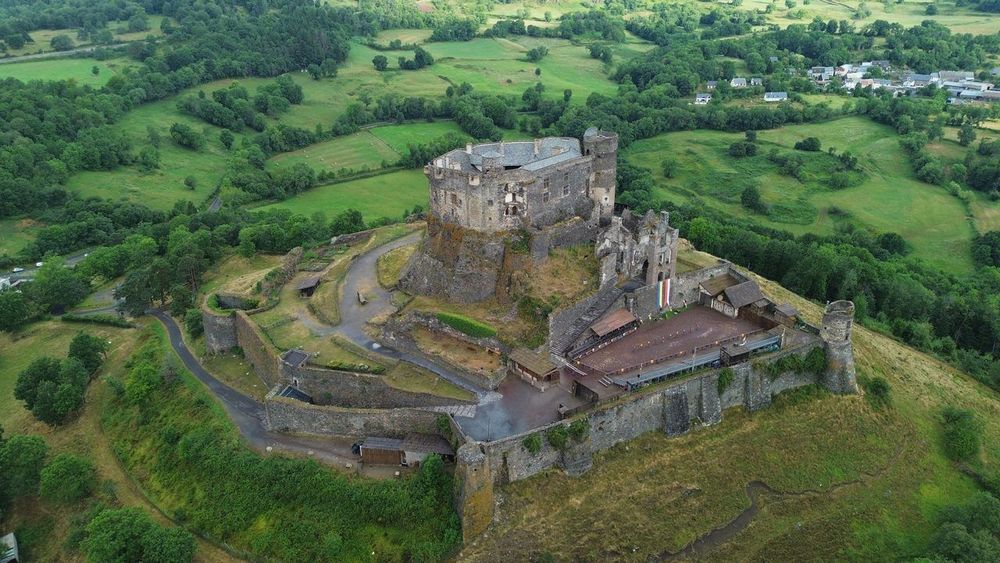
Saint-Saturnin, 20 km to the south, combines a medieval castle lived in almost without interruption and a 12th-century Romanesque church; a little further, at 45 km, Montpeyroux, listed among the Most Beautiful Villages of France, raises its black basalt houses amid côtes-d'Auvergne vineyards; our selection of the 7 most beautiful villages around Clermont-Ferrand covers more, from the Puy-de-Dôme side to the Haute-Loire.
Several neighbouring towns also have their own audio-guided walk: Vichy, 46 km away, is a spa town where century-old parks line the river and Byzantine-inspired domes sit alongside Belle Époque refinement; Roanne, 82 km away on the banks of the Loire, keeps a varied heritage and a real taste for good food; Saint-Étienne, 108 km away, a former major industrial city, now shows a strong spirit of design and innovation.
What's on in Clermont-Ferrand right now?
As the year winds down, two events are livening up Clermont-Ferrand.
From 8 November to 3 January, a panoramic big wheel sets up right in the centre for the whole festive season. Until 10 January, the Roger-Quilliot art museum is also hosting “Beauté(s)”, the Textile Biennale devoted to contemporary fibre arts.
Information checked in November 2026 and subject to change.
Le plein d'inspirations
Explorez le monde en totale liberté, à pied au cœur des villes ou au fil des routes. Nos guides audios transforment chaque destination en une découverte culturelle immersive et unique.










FAQ for visiting Clermont-Ferrand
When is the best time to visit Clermont-Ferrand?
The ideal time to discover Clermont-Ferrand runs from May to September, when the dry and sunny weather lets you fully enjoy walks in the historic centre and hikes on the surrounding volcanoes. The summer temperatures remain pleasant thanks to the natural shelter of the Chaîne des Puys. Autumn also offers a magnificent spectacle with the volcanic landscapes adorned in orange hues. If you are a film buff, February is worth the trip for its International Short Film Festival. Avoid the winter months, when frosts are frequent and can make visits less comfortable.
How many days do you need to visit Clermont-Ferrand?
Two to three days is an ideal length of time to discover Clermont-Ferrand without rushing. On the first day, you can explore the historic centre with its Gothic cathedral in black lava stone and stroll through the medieval lanes. The second day will be perfect for visiting the Montferrand district and its inner courtyards, then enjoying the bustle of Place de Jaude. If you have a third day, devote it to an excursion to the Puy de Dôme or to discovering the Michelin museum. This length of time will let you appreciate the unique character of this volcanic city while keeping a pleasant pace.
How do you get around Clermont-Ferrand?
Clermont-Ferrand has a modern tram network that efficiently serves the main districts and tourist sites. Line A links the SNCF station to the city centre, passing through Place de Jaude. The bus network perfectly complements the tram to reach the more distant areas. The historic centre remains compact and is easily visited on foot, which will let you appreciate the volcanic-stone architecture. For trips to natural sites such as the Puy de Dôme, the car remains practical, even though shuttles run in season. Self-service bikes are also a pleasant option for short distances.
What are the must-sees in Clermont-Ferrand?
The Cathedral of Notre-Dame-de-l'Assomption, nicknamed the black cathedral, impresses with its Gothic facade in Volvic stone and is the architectural jewel of the city. The Romanesque Basilica of Notre-Dame-du-Port, a World Heritage Site, also deserves your attention. Do not miss Place de Jaude, the beating heart of Clermont with its statue of Vercingetorix. Old Montferrand reveals hidden treasures with its Renaissance mansions and its inner courtyards. The Ryo audioguide accompanies you in this discovery with captivating commentary on the city's unique volcanic history. The Michelin museum will delight those curious about the local industrial adventure.
Where can you park easily in Clermont-Ferrand?
Parking in Clermont-Ferrand remains relatively accessible thanks to several well-located underground car parks. The Jaude car park, directly under the central square, offers an ideal location for exploring the city centre. The Blaise Pascal and Saint-Pierre car parks are other practical options near the tourist areas. On the edge of the historic centre, you will often find free spaces, particularly in the residential neighbourhoods. The park-and-ride facilities near the tram stops let you combine car and public transport at an advantageous price. At the weekend, parking generally becomes easier and some paid zones become free. Remember to check the free-parking times, which vary from one area to another.
Can you visit Clermont-Ferrand on foot?
Clermont-Ferrand lends itself wonderfully to exploration on foot. The historic centre remains compact and all the main monuments are just a few minutes' walk from one another. From the black cathedral to Place de Jaude, by way of the medieval lanes, you can explore everything comfortably on foot. The Montferrand district, slightly off-centre, remains accessible via a pleasant walk or a short tram ride. The Ryo audioguide offers precisely these narrated walking routes that reveal the secrets of this volcanic city while optimising your movements. The relatively flat topography of the centre makes walking easy for all visitors.
Which culinary specialities should you try in Clermont-Ferrand?
Auvergne will delight you with its emblematic cheeses such as Saint-Nectaire, Cantal and Fourme d'Ambert, perfect on a board accompanied by country bread. Truffade, a hearty dish made from potatoes and fresh tome cheese, warms up cool evenings. Aligot, its creamy, stringy cousin, is also one of the must-tries. On the charcuterie side, taste the dried sausages and the Auvergne ham. The green lentils of Le Puy often accompany meat dishes. For dessert, the blueberry pastries and the apple pompe delight those with a sweet tooth. The Côtes d'Auvergne wines, notably those from the volcanic region, pair perfectly with these traditional dishes.
How do you get up to the Puy de Dôme from Clermont-Ferrand?
The Puy de Dôme lies about twenty kilometres from Clermont-Ferrand, and several options are available to you to reach it. The panoramic rack railway is the most spectacular and eco-friendly way to reach the summit, departing from the base of the mountain. By car, you can easily reach the car park of the departure station of the Panoramique des Dômes. Shuttles also leave from the Clermont bus station during the summer season. Road access to the summit remains closed to private vehicles to protect the environment. The more sporty can take the muleteers' path for a walking ascent of about two hours, rewarded with exceptional views over the Chaîne des Puys.
Why are the monuments of Clermont-Ferrand black?
The dark colour of the old centre comes from Volvic stone, a lava quarried not far from the city in the flows of the volcanic range. Very hard-wearing and easy to carve, it was used to build the cathedral of Notre-Dame-de-l'Assomption, whose slender spires owe a great deal to its strength, as well as many fountains, façades and churches.
This near-black grey gives the city a singular look, especially when low light brings out the carvings. The contrast is striking with the Romanesque basilica of Notre-Dame-du-Port, built in golden arkose and still pale. The Ryo audio guide offers a dedicated Clermont-Ferrand route that passes these buildings and explains the story of this volcanic stone.
Which museums are worth visiting in Clermont-Ferrand?
The Roger-Quilliot art museum, housed in a former Ursuline convent in Montferrand, unfolds a collection running from the Middle Ages to the twentieth century. The Bargoin museum brings together regional archaeology and a remarkable textile collection, while the Henri-Lecoq natural history museum, next to the garden of the same name, covers natural sciences and volcanic geology.
L'Aventure Michelin, away from the centre, retraces the history of the manufacturer that shaped the city and the lives of its people, from tyres to guides and maps. These various venues make a good option on rainy days, which are frequent in the Auvergne, and are easily reached by tram from the centre.
Which charming villages can you visit around Clermont-Ferrand?
Six of the seven villages selected bear the "Most Beautiful Villages of France" label. Saint-Saturnin, 20 km away, is the closest, with its château of the La Tour d'Auvergne family and its 12th-century Romanesque church. Montpeyroux, 45 km away, perches its volcanic-stone houses above Côtes d'Auvergne vineyards. Further afield, Lavaudieu in the Haute-Loire is home to the only intact Romanesque cloister in Auvergne, while Charroux in the Allier boasts medieval ramparts and stone-ground mustard.
Plan your days out with our selection of the most beautiful villages around Clermont-Ferrand.
Which Auvergne dishes, cheeses and treats should you discover in Clermont-Ferrand?
Auvergne cooking is hearty. Truffade combines potatoes, garlic and fresh tome cheese, potée auvergnate warms up winter days, and petit salé is cooked with AOC green lentils from Le Puy. Pounti, a peasant loaf with chard and prunes, and fresh tome tart complete the picture. For cheese, try bleu d'Auvergne. To finish, fruit jellies continue a tradition dating back to the 15th century, gentian liqueur serves as a digestif and Côtes-d'Auvergne wines grow on basalt soil.
Discover all ten must-tries in our top culinary specialities of Clermont-Ferrand.
Which activities should you not miss during a stay in Clermont-Ferrand?
From Orcines, the Panoramique des Dômes train takes you up in about fifteen minutes to the summit of the Puy de Dôme, 1,465 metres high and a UNESCO-listed site. In town, Notre-Dame-de-l'Assomption cathedral surprises with its black facades of Volvic stone. Montjuzet Park, 26 hectares at 485 metres, is perfect for a picnic with a view. The medieval district of Montferrand, united with Clermont in 1630, hosts its Médiévales festival in June, as well as the Roger-Quilliot art museum and its 2,000 or so works.
Find these ideas in our top activities to do in Clermont-Ferrand.
What can you do in Clermont-Ferrand with children, from volcanoes to museums?
The historic centre takes half a day, even with a pushchair: the Vercingétorix statue on Place de Jaude, a gargoyle hunt at the Volvic-stone cathedral and the carved capitals of Notre-Dame-du-Port. L'Aventure Michelin keeps 6-12 year olds busy with its truck simulator. Allow a full day for Vulcania, ideal from age 5. The Panoramique des Dômes climbs the Puy de Dôme in 15 minutes, pushchairs included: bring a windbreaker. The Lemptégy volcano can be explored from the inside.
Plan your stay with our guide to Clermont-Ferrand with kids and our 10 steps for a family visit to Clermont-Ferrand.
What can you do for free, or almost, in Clermont-Ferrand?
The Volvic-stone cathedral, begun in 1248, and the Romanesque basilica of Notre-Dame-du-Port, with its Black Virgin in the crypt, are free to visit. Stroll through Montferrand and its half-timbered houses, then admire the 1515 Amboise fountain, with a view of the Puy de Dôme. Jardin Lecoq and Montjuzet Park are open to all. Top tips: free buses and trams at weekends, free museums on the first Sunday of the month and €1.60 shuttles to the Puy de Dôme and Lake Aydat.
Discover all 15 ideas in our guide to free activities in Clermont-Ferrand.
Which Clermont-Ferrand neighbourhood should you choose to stay or go out?
The historic heart, set on a volcanic hill, brings together the black cathedral, Place de Jaude and the lanes of Old Clermont, where Rue des Gras climbs to the cathedral and the Saint-Pierre market tempts with saint-nectaire cheese. In the evening, the action is between Jaude, Rue Saint-Dominique and the streets leading up to the cathedral. Quieter, the Delille district hides the basilica of Notre-Dame-du-Port. Three kilometres away, Montferrand has kept its medieval layout and old mansions, such as the Maison de l'Éléphant.
Find the one that suits you in our guide to Clermont-Ferrand's neighbourhoods.
What is the best two-day itinerary for visiting Clermont-Ferrand?
Spend day one in town: the black Volvic-stone cathedral, place de la Victoire and the Romanesque Notre-Dame-du-Port basilica, a UNESCO site. Then take tram A to Vieux Montferrand with its medieval grid layout, and fit in the Michelin Adventure museum and the Lecoq garden.
Devote day two to the volcanoes: the Puy-de-Dôme (1,465 m), reached on foot or by a 15-minute rack railway, then Vulcania in the afternoon. With extra time, add the Montjuzet park and Pierre Carrée viewpoints, or the spa district of Royat.
Find the full day-by-day plan in our guide to spending 2 days in Clermont-Ferrand.
Vos commentaires, idées et suggestions
Aucun avis pour le moment