© Shutterstock
 Votre guide Ryo
The Most Beautiful Villages of Puy-de-Dôme to Explore in 2026
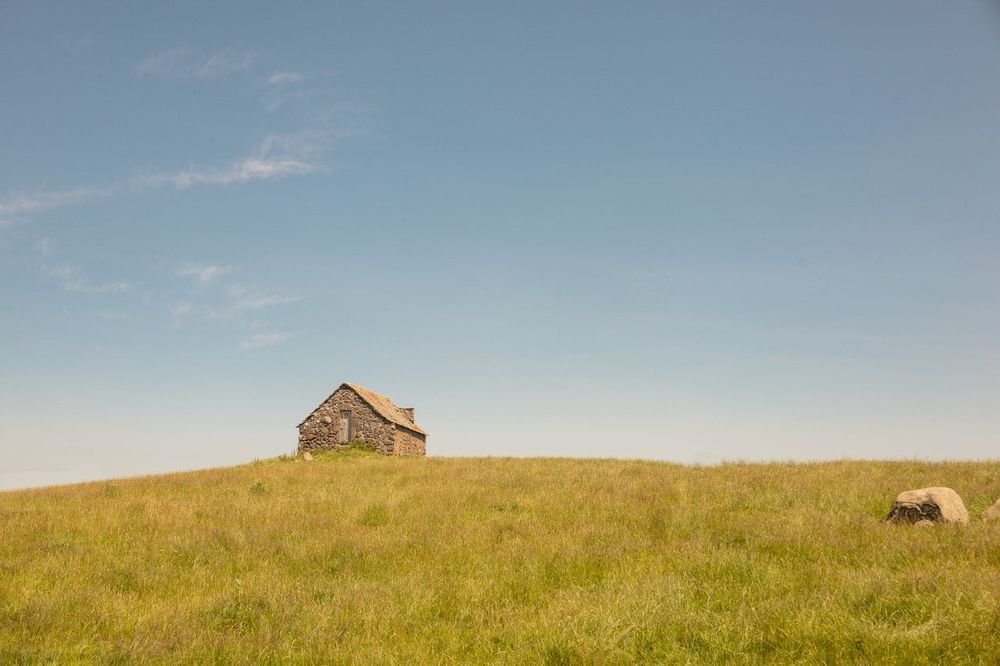
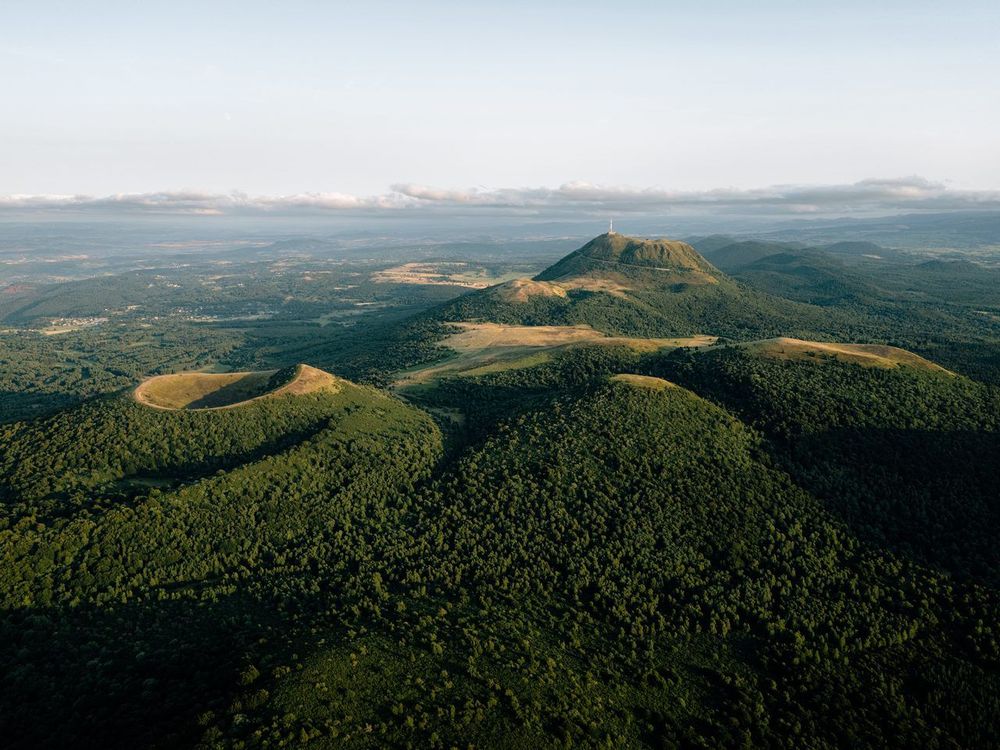
The most beautiful villages of Puy-de-Dôme hide something that major tourist routes carefully avoid: a constellation of hilltop villages perched on volcanic peaks, backed by medieval fortresses or nestled in steep valleys, where houses built from black lava stone seem to have grown naturally from the ground. Two of them, Montpeyroux and Usson, feature on the national roll of 'Most Beautiful Villages of France,' but the list of hidden gems stretches well beyond these two names.
From the ruins of the château d'Usson where Queen Margot lived as a prisoner for nineteen years, to the medieval frescoes rediscovered in the château de Saint-Floret, to the black lava cobblestone streets of Besse-et-Saint-Anastaise that seem to belong to another era: each of these villages tells a distinct story. Allow at least a weekend to take in a few of them, or a full week if you wish to connect the volcanic trails between church steeples. The Ryo guide to the most beautiful hikes in Puy-de-Dôme will help you choose the itineraries best suited to your pace.
1. Montpeyroux, a Medieval Balcony over the Volcanoes
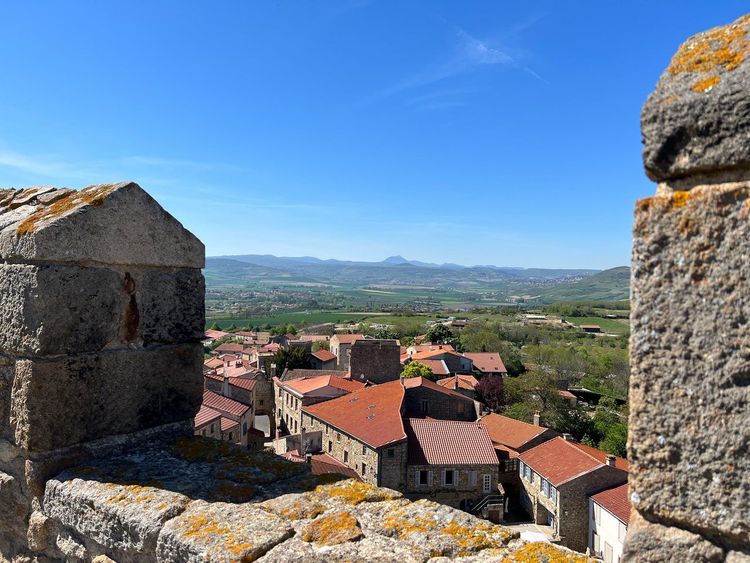
Montpeyroux (Montpeyroux, 63114 Montpeyroux) is often cited first, and rightly so. Listed among the 'Most Beautiful Villages of France,' it stretches along a basalt hill 30 kilometres south of Clermont-Ferrand, overlooking the Limagne plain on one side and the first foothills of the Chaîne des Puys on the other. The view from the ramparts gives a fair measure of the place: in a single glance you understand why the bishops of Clermont chose this spur to establish their secondary residence in the 13th century.
The château des évêques de Clermont, whose towers and main residence survive in good condition, forms the historic heart of the village. Construction began around 1250 under Bishop Hugues de la Tour — a date worth remembering, as the building bears witness to a precise moment in Auvergnat Gothic architecture, before the great cathedral projects in Clermont monopolised local resources. In July and August, the château opens its doors to the public with guided tours giving access to the walkway and the chapel.
The rest of the village deserves more than a passing glance beyond the château. The basalt-paved lanes descending toward the church of Saint-Pierre, the vaulted cellars converted into artisans' workshops, the timber-framed houses pressed together as if bracing against the wind: everything combines to create that rare feeling of a place that has not been restored to look presentable but simply is. Summer markets and local pottery workshops make it a particularly pleasant stop between June and September.
From Montpeyroux, several walking trails head out toward the surrounding plateaus. The GR 30 passes nearby, and short local loops allow you to connect the surrounding hamlets in two to three hours of walking without excessive elevation gain. If you are looking for more challenging routes into the volcanic massif, Ryo lists the best hikes in the department to complement your stay.
2. Usson, the Pinnacle of Queen Margot
Usson is above all a silhouette: a volcanic pinnacle 70 metres high that rises from the Limagne plain like a nail driven into the earth. Seen from a distance, the shape is almost surreal — a steep cone crowned with ruins, ringed by houses huddled at its feet. The village shares with Montpeyroux the prestigious national label, and it owes this as much to its singular geology as to its royal history.
For Usson is inseparable from Marguerite de Valois, Dumas's Queen Margot, even if the novelist took a few liberties with the facts. Between 1586 and 1605, the first wife of Henri IV lived here under supervised residence after her Parisian escapades exasperated the court. Nineteen years at the top of this rock. The ruins of the château, reached after a fifteen-minute uphill walk from the bottom of the village, offer a 360° panorama over the plain: one understands that the queen, even as a prisoner, had a front-row view of the world.
The descent toward the village houses holds a few surprises: a Romanesque chapel dedicated to Notre-Dame d'Usson, ancient fountains and golden-stone facades that stand in sharp contrast to the black lava of the Sancy villages. Usson can be visited in half a day and pairs naturally with Saint-Floret, about twenty kilometres away, for a fine full day of discovery in the Couze valley.
3. Saint-Floret, Medieval Frescoes on the Banks of the Couze
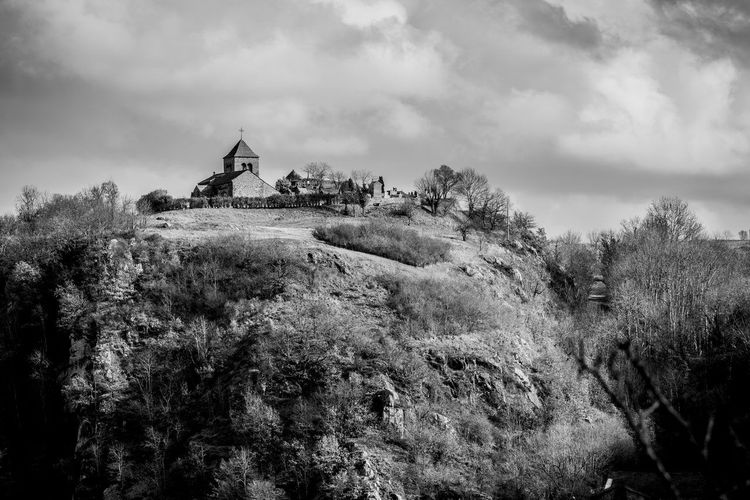
Saint-Floret possesses an asset that few French communes can claim: 14th-century medieval frescoes preserved in the château's guardroom, rediscovered beneath layers of whitewash in the 19th century and since restored. Depicting scenes from the Romance of Tristan and Iseult, these paintings constitute a unique visual document on courtly culture in medieval Auvergne, and an excellent reason not to rush through the château.
The village itself is entirely vertical: the château perched on its promontory dominates a maze of sloping lanes descending toward the Couze Pavin, a clear-watered river running through the bottom of the valley. In summer, a few natural pools allow swimming, an informal practice well established among regulars. Long listed among the 'Most Beautiful Villages of France' — a label it lost in 2016 after more than thirty years — Saint-Floret now holds the status of 'Petite Cité de Caractère' and owes much to its landscape setting: the river below, the cliffs in the background, the château standing sentinel.
Allow one to two hours to visit the château (open May to September, with the frescoes included in the entrance ticket) and wander through the village streets. Locals will tell you that mornings are best: the low-angled light from 9 a.m. to 11 a.m. picks out the château's volumes with photographic clarity.
4. Saint-Saturnin and Its Château des Comtes d'Auvergne
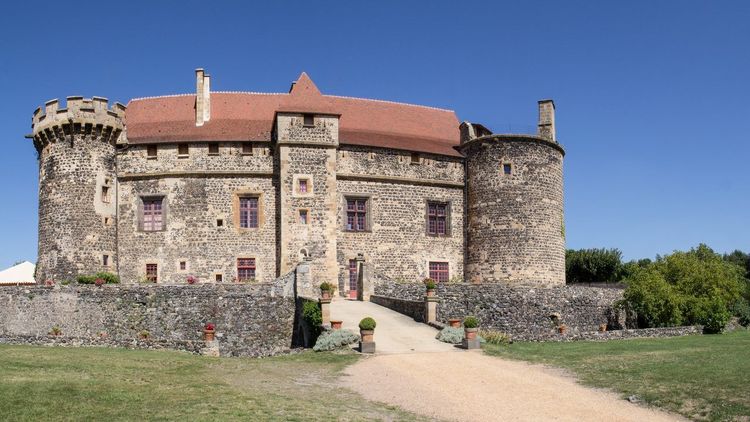
If Montpeyroux is the bishops' château, Saint-Saturnin is that of the counts of Auvergne, and the medieval rivalry between these two ecclesiastical and secular powers can still be read in the stone. The château de Saint-Saturnin (Saint-Saturnin, 63450 Saint-Saturnin, rated 4.4/5 on Google from 390 reviews), built between the 12th and 15th centuries, is one of the best-preserved castle complexes in the region: round towers, a walkway, a guardroom and a lord's residence follow one another in remarkable condition.
The village surrounding this fortress has kept its medieval fabric almost entirely intact. The Romanesque church of Saint-Saturnin, dating from the 11th and 12th centuries, ranks among the finest in Puy-de-Dôme: its nave, apse and bell tower are a representative example of Auvergnat Romanesque, characterised by the use of alternating coloured stones — black basalt and yellow tufa — to create decorative effects on the facades. This chromatic play will follow you from village to village across the department, but rarely with such coherence as here.
Allow half a day in Saint-Saturnin, more if you wish to climb to the château (guided tours in season) and continue to the source of the Monne, a few minutes' walk away, where a 12th-century Romanesque fountain emerges in a particularly peaceful green setting.
5. Orcival and Its Romanesque Basilica
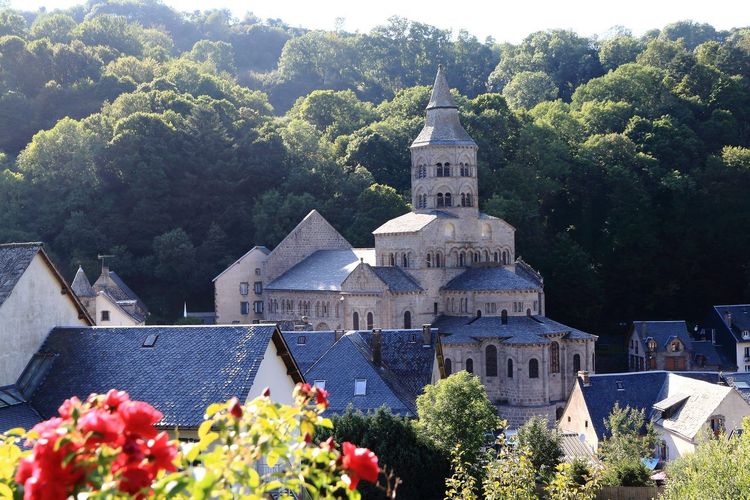
Orcival is a discreet commune, at 840 metres of altitude in the Sioulet valley, whose reputation rests almost entirely on a single building: the basilique Notre-Dame d'Orcival (Orcival, 63210 Orcival, rated 4.5/5 on Google from 1,537 reviews). Built in the 12th century, this Romanesque church commands unanimous admiration among specialists of medieval architecture: its apsidal chapels with cul-de-four vaults, its sculpted capitals and its 12th-century Virgin in Majesty, still venerated during Whit Monday pilgrimages, make it one of the most accomplished Romanesque monuments in the Massif Central.
The village itself is worth the visit beyond the basilica: a few dozen grey stone houses, a central fountain and quiet lanes that contrast with the summer bustle of the nearby Sancy. Orcival is 15 kilometres from Mont-Dore and 25 kilometres from Clermont-Ferrand, making it an ideal stop on the Route des Volcans. On weekdays outside July and August, you will often have the basilica to yourself — a rare experience for a monument of this importance.
6. Besse-et-Saint-Anastaise, a Medieval City Facing the Volcanoes
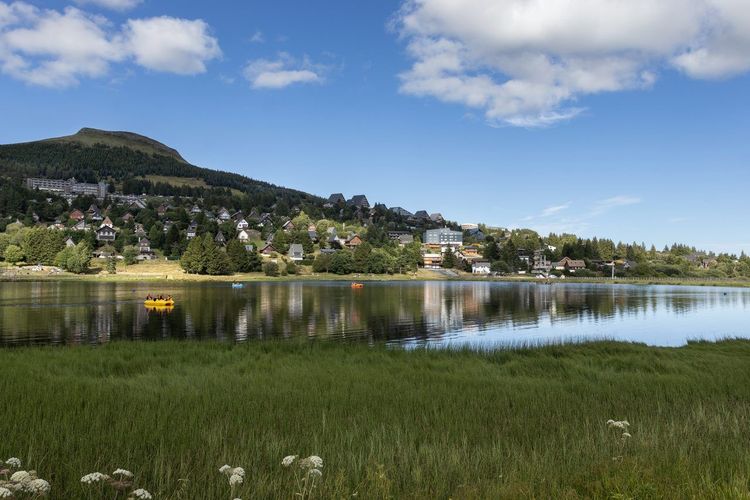
Besse-et-Saint-Anastaise (Besse-et-Saint-Anastaise, 63610 Besse-et-Saint-Anastaise) is not strictly speaking a village — with its 1,600 inhabitants and its shopping streets, it is almost a small town. But its 16th-century black lava houses, its Renaissance-windowed townhouses and its cobbled lanes climbing toward the church of Saint-André make it one of the most coherent medieval cities in the Sancy massif.
Two additional assets set Besse apart from its neighbours. Lac Pavin, three kilometres to the northwest, is a volcanic maar — an explosion crater — almost perfectly circular, whose deep blue-green waters remain cool in all seasons. It is one of the most photographed lakes in Auvergne. And the ski resort of Super-Besse, just above the town, transforms Besse into a four-season destination: hiking and cycling in summer, cross-country and downhill skiing in winter.
The medieval city is best visited in the morning, before the terraces fill up. Look for the medieval town gate, a remnant of the 14th-century fortifications, and the grain market hall: two features that give a sense of the commercial activity Besse once knew when cheese and cattle merchants gathered here twice a year for the great fairs.
7. Murol, in the Shadow of a Hilltop Château
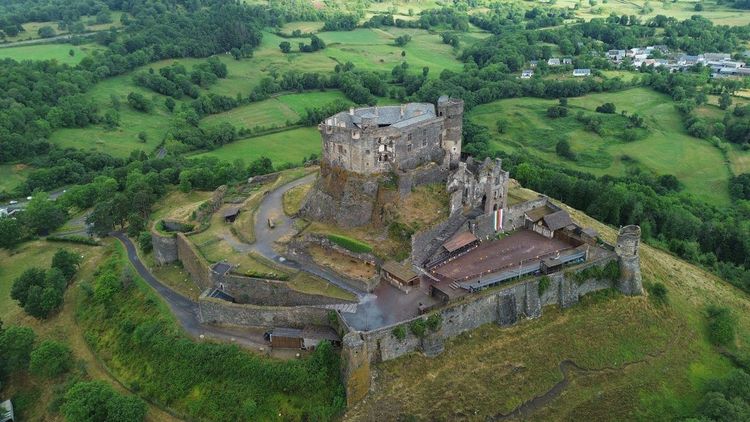
The château de Murol (Murol, 63790 Murol, rated 4.6/5 on Google from 10,130 reviews) is one of those fortresses that dominate the landscape effortlessly. Built on a basalt promontory at 891 metres of altitude, it commands the surrounding plain for several kilometres in every direction, with the silhouette of the Sancy as a backdrop. The fortress, built between the 12th and 15th centuries, passed through many owners — including Guillaume de Murol, who made it impregnable in the 14th century — before being abandoned in the 17th century.
In July and August, the château organises medieval events with troubadours, archers and costumed acting troupes, very popular with families. Lac Chambon, two kilometres away, adds to the area's appeal: a sandy beach, water activities and a leisure centre make Murol one of Puy-de-Dôme's leading family destinations in summer. If you visit out of season, the château is even more impressive, wreathed in morning mist and free of its usual crowds.
8. Maringues, the Tanners' City
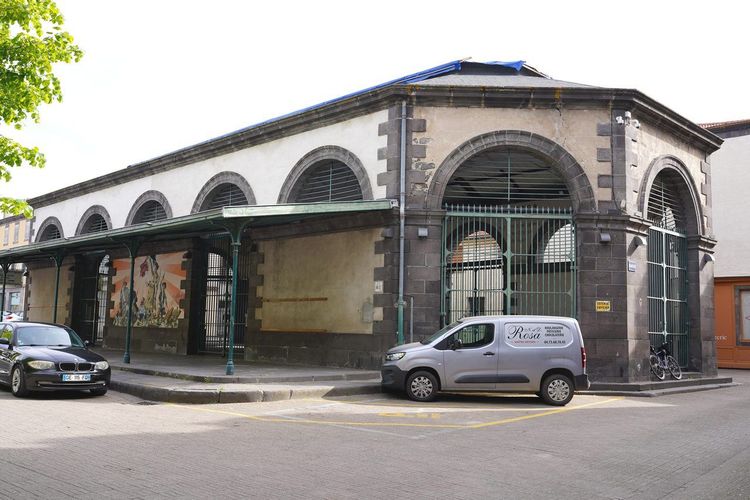
In the east of the department, far from the volcanoes, Maringues (Maringues, 63350 Maringues) tells a different story of Puy-de-Dôme: that of the craftsmen of the Limagne, the tanners and leather dressers who made the fertile plain thrive. Once a prosperous town thanks to leather production, Maringues has preserved its half-timbered houses, its 'chauveries' (hide-drying sheds) and its network of channels diverted from the Morge — a coherent urban ensemble that is often underestimated by regional guides.
The tannery museum traces the history of this local craft from the Middle Ages to its 20th-century industrial decline. An hour's visit is enough to understand why Maringues was once dubbed the 'leather capital' of Auvergne. The town pairs easily with Aigueperse, 10 kilometres to the north, for a full day in the Limagne, far from the volcanic bustle. On the way back, Clermont-Ferrand deserves its own walk: our audio-guided tour The Black Diamond of Auvergne links 22 stops across 5.3 kilometres of the old town.
9. Randan, a Forgotten Royal Estate
Randan always surprises. This small village in the north of Puy-de-Dôme possessed, in the 19th century, one of the finest royal estates in France. Acquired by the Orléans family at the start of the 19th century, the château was fitted out and embellished until the fall of the monarchy in 1848. The landscapes surrounding it — a 400-hectare park laid out in the English style — remain admirable even after the 1925 fire that destroyed the rooftops.
The romantic ruins of the château and the park, open to the public and listed as a remarkable garden, make for a site unlike any other in the Puy-de-Dôme landscape — one of quiet restraint and gentle melancholy. The arboretum, planted from the 1830s onward, catalogues rare species from the four corners of the world. Allow an hour and a half for the walk through the park, more if you wish to explore the outbuildings and partly restored greenhouses.
10. La Tour d'Auvergne, on the Edge of the Volcanoes
La Tour d'Auvergne (La Tour d'Auvergne, 63680 La Tour d'Auvergne) lives up to its reputation as the end of the world. Clinging to over 1,000 metres of altitude in the Monts Dore, it is one of the highest communes in Puy-de-Dôme. The extinct volcanoes of the Pays des Dores surround it on all sides — landscapes of moorland, peat bogs and beech forests that seem outside of time. The village itself is modest, but the 360° views over the volcanic summits make the detour worthwhile.
The village is best known for lending its name to General Théophile Malo Corret de la Tour d'Auvergne, first grenadier of the Republic, killed in 1800 at the Battle of Oberhausen. A statue in his honour stands on the central square. Around the village, trails toward the peat bogs of La Godivelle and the slopes of the Puy de Sancy offer walks of austere beauty, particularly striking in autumn when the bracken turns russet.
11. Champeix and Nonette, Two Villages of Character
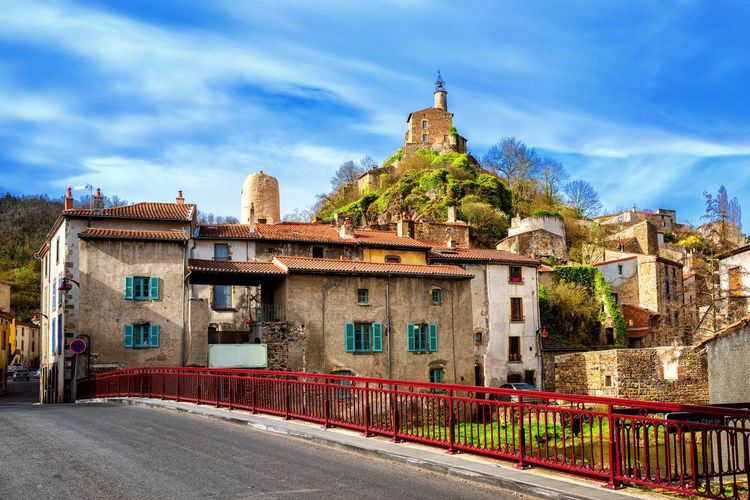
These two villages in the Pays d'Issoire can be visited in the same day and complement each other perfectly. Champeix (Champeix, 63320 Champeix), nicknamed the 'city of gardens,' possesses a medieval tower (the Marchidial) that has dominated the rooftops since the 14th century, a lively washhouse on the banks of the Couze Chambon and flower-filled lanes that have earned it the 'Petite Cité de Caractère' label.
About ten kilometres away, Nonette (Nonette, 63340 Nonette) clings to a rocky pinnacle above the Allier valley with almost stubborn determination. The medieval village, also labelled 'Petite Cité de Caractère,' offers an exceptional viewpoint over the Allier gorges. The climb from the valley floor to the top of the pinnacle takes about twenty minutes but proves one of the most rewarding in the area.
The nearby presence of Issoire, a Romanesque town with a particularly well-preserved 12th-century abbey church of Saint-Austremoine, allows you to pleasantly extend the day without travelling more than 20 kilometres.
12. How to Organise Your Visit to Puy-de-Dôme
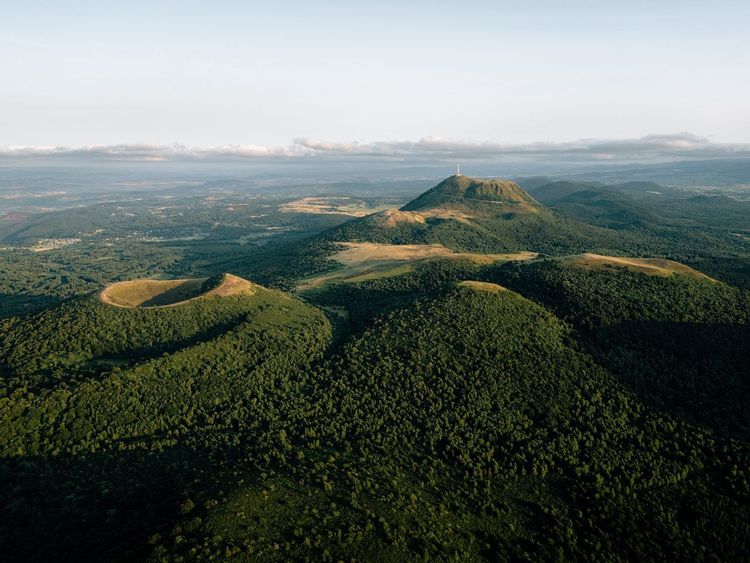
The department lends itself to a straightforward geographical organisation. On one side, the volcanic villages of the Sancy (Besse, Murol, Orcival), accessible from Mont-Dore or La Bourboule. On the other, the villages of the Limagne and the Pays d'Issoire (Usson, Saint-Floret, Montpeyroux, Champeix, Nonette), logically radiating from Issoire or Clermont. To the north, the lesser-visited curiosities (Randan, Maringues, Aigueperse) each merit half a day. Clermont-Ferrand is the most practical base: all the destinations mentioned are within less than an hour's drive from the city centre.
The best period runs from May to mid-October. Châteaux and museums often close between November and March. In July and August, the Sancy draws large crowds: it is better to set out before 9 a.m. or arrive after 5 p.m. Spring (May–June) offers the best compromise — vegetation at its peak, flowers in the lanes and not yet the summer crowds.
For getting from one site to another, a car remains essential: public transport connects Clermont to the main towns but rarely to the smaller communes. Summer shuttles run between Clermont and the Sancy (Orcival, Murol, Besse), but their schedules are restrictive. If you wish to continue your exploration on foot between stops, the Ryo guide to the most beautiful hikes in Puy-de-Dôme offers waymarked routes suited to every level, from easy valley paths to high-altitude ascents.



FAQ
Which villages in Puy-de-Dôme are officially labeled 'Most Beautiful Villages of France'?
Puy-de-Dôme has two members of the national association: Montpeyroux and Usson. Both communes meet the association's criteria: fewer than 2,000 inhabitants, recognized heritage, and an active policy of enhancing the built environment. Saint-Floret, long classified, lost the label in 2016 after more than thirty years; it now holds, like Champeix or Nonette, the distinct label of 'Petite Cité de Caractère,' awarded by a separate association.
What is the best time to visit the villages of Puy-de-Dôme?
May and June are ideal: castles open, vegetation at its peak, and tourist numbers still manageable. July and August are the liveliest months (markets, medieval events at Murol, cultural activities), but also the busiest. September offers a fine window with warm days and the first mushroom markets. Winter suits lovers of snowy landscapes around the Sancy, but many heritage sites close between November and March.
Do you need a car to visit the villages of Puy-de-Dôme?
Yes, in the vast majority of cases. While Clermont-Ferrand is accessible by TGV from Paris in 3 hours, the villages described in this article have only seasonal or limited coach connections. Car rental remains the most practical solution, especially for visiting several stops in the same day. Summer shuttles run between Clermont and the Sancy (Orcival, Murol, Besse), but their schedules are restrictive for those wishing to visit multiple sites.
Can you visit these villages with children?
Several villages lend themselves particularly well to family visits. Murol is the most suitable, thanks to the castle's medieval events in summer and the beach at Lac Chambon. Besse-et-Saint-Anastaise offers a complete range of activities between Lac Pavin and Super-Besse in winter. Montpeyroux and Usson are partly accessible by pushchair on the lower streets, but the climbs to the castles require sturdy legs and caution with young children.
Are there accommodations in the villages themselves?
Several communes offer gîtes, bed and breakfasts, and small hotels. Murol and Besse-et-Saint-Anastaise have the most extensive offer, with holiday residences and campsites on the shores of Lac Chambon for the former, and hotels in the town centre for the latter. For smaller villages such as Montpeyroux, Usson or Saint-Floret, a few bed and breakfasts exist, but booking several weeks in advance during high season is absolutely essential.
Conclusion
These villages share a rare quality: they deliver on their promises. Montpeyroux, Usson, Saint-Floret, Saint-Saturnin, Orcival — each possesses something irreducible, an architecture, a panorama or a story that justifies the detour. Nothing like the over-restored showcase villages: here, the volcanic stone has kept its rough edges.
If Puy-de-Dôme has given you a taste for preserved medieval villages, our Ryo selection of the 13 most beautiful villages in Dordogne also holds some fine architectural and historical surprises, in a gentler register but every bit as authentic.
À lire également