
Créé par Romane, le 26 mai 2026
Votre guide Ryo
© Shutterstock
Looking for fun things to do in Barcelona that actually live up to the hype? Barcelona is the kind of city that refuses to behave like a normal European capital. You can eat lunch at 3 pm, watch a UNESCO-listed concert hall crammed with modernist mosaics, and end the evening on a hilltop bunker watching the entire city glow orange below you, all without covering more than ten kilometres. The Ryo Ryocity audio guide for Barcelona is built around exactly these kinds of moments, the layers between the famous landmarks that most visitors walk straight past. With Ryo's audio-guided walk through Barcelona as a companion, you'll discover the connecting threads, why a Roman wall sits next to a medieval cloister, why the Eixample grid is shaped the way it is, why Gaudi's chimneys look like sentinels.
The 45 experiences below span some genuinely surprising ground: an amusement park perched at 512 metres above sea level with uninterrupted views of the Mediterranean, a 2,000-year-old Roman necropolis under a modern pedestrian street, a craft workshop where you can blow glass in the Gothic Quarter, and a public park whose hedge labyrinth predates the Eiffel Tower. Whether you have two days or two weeks, this list will keep you moving, and eating well.
1. The Sagrada Família
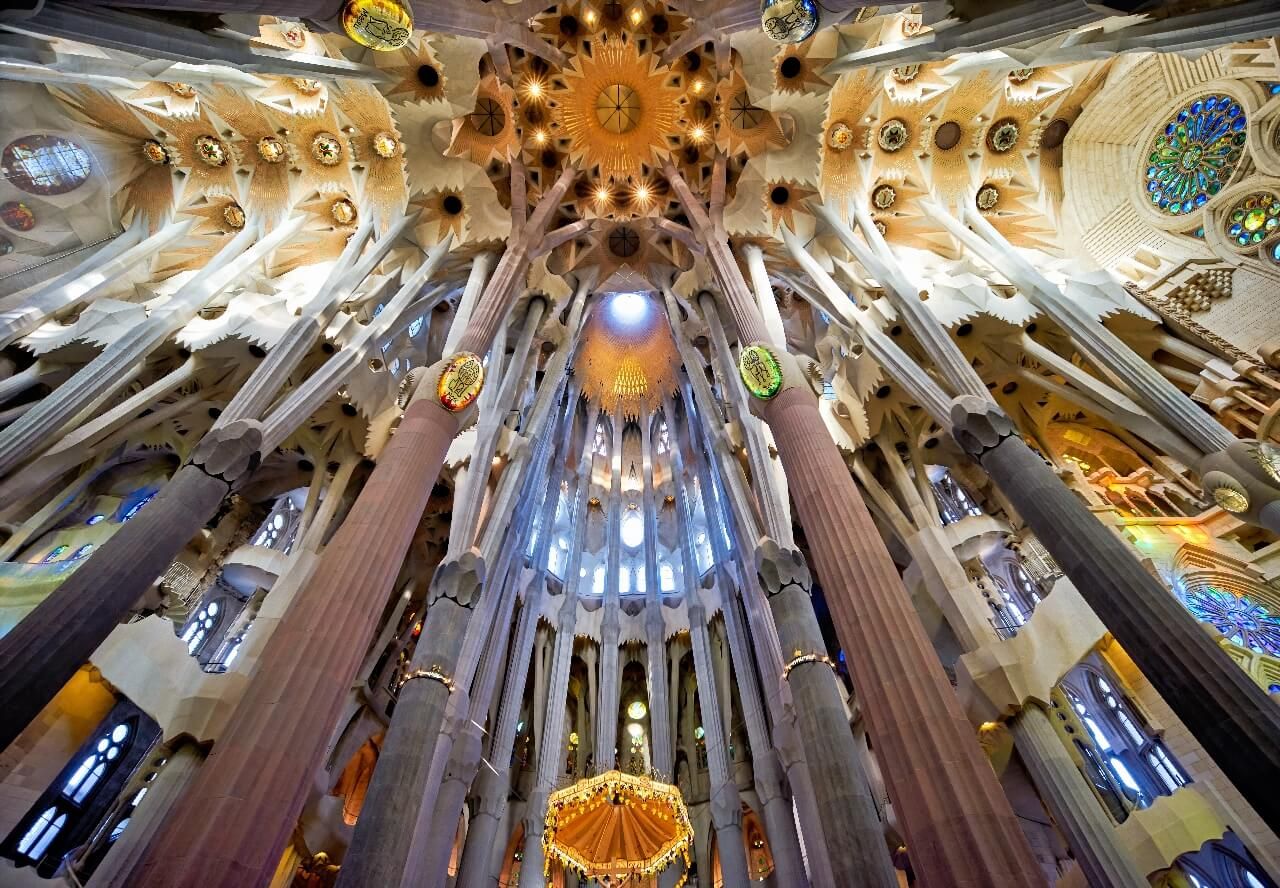
The Sagrada Família (Carrer de Mallorca 401, 08013 Barcelona, rated 4.8/5 on Google (323 228 avis)) (Carrer de Mallorca, 401, 08013 Barcelona) is the defining image of Barcelona, and also one of the most genuinely strange buildings anywhere on earth. Gaudí began work in 1883 and by his death in 1926 the project was barely a quarter complete. Construction has continued for over a century since, funded entirely by visitor tickets, and the central Tower of Jesus Christ was structurally completed in February 2026, with the full inauguration timed for June 2026 to mark the centenary of Gaudí's death (decorative work on the Glory Facade continues to 2034).
The numbers alone give you a sense of the ambition: 18 towers planned in total, the tallest reaching 172.5 metres, carefully calibrated to remain one metre shorter than Montjuïc hill, because Gaudí believed nothing built by humans should surpass God's creation. The forest of stone columns inside the nave branches at the ceiling like tree canopies, flooding the interior with coloured light filtered through stained glass that shifts from amber and orange in the west to cool blues and greens in the east depending on the time of day.
Book tickets well in advance, the most popular time slots sell out weeks ahead. Buy access to the towers if you can: the Nativity Tower lift deposits you at 60 metres for views over the Eixample grid, and the descent by spiral staircase lets you examine the stone carving at close range. Early morning on a weekday is the calmest experience. If you can only arrive at busy times, the rear Passion facade is almost always less crowded than the main Nativity entrance and equally spectacular in its stark, angular grief.
Allow at least two hours. The audio guide included with the ticket is more useful than most city audio guides, unusually detailed on the structural engineering decisions Gaudí made that no architect had attempted before.
2. Park Güell
Park Güell (Carrer d'Olot 7, 08024 Barcelona, rated 4.4/5 on Google (233 669 avis)) (Carrer d'Olot, 7, 08024 Barcelona) began life not as a park but as a failed real estate development. In 1900 the industrialist Eusebi Güell commissioned Gaudí to design a garden city of 60 private homes on the forested slopes of Carmel hill. Only two houses were ever sold. By 1926 the city of Barcelona had taken over the land and opened it to the public.
What remains is one of the world's most unusual urban parks: a monumental zone of terraces, viaducts and mosaics at the top, and 17 hectares of forested paths below that you can walk for free. The ticketed zone covers the famous Dragon Staircase, the Hypostyle Room of 86 Doric columns, and the long undulating bench on the main terrace, covered in trencadís, Gaudí's signature technique of broken ceramic tiles, with panoramic views across the city to the sea.
Arrive either at opening time (8 am in summer) or in the final hour before closing. The free lower section rewards a longer visit: the viaducts of twisted stone columns feel like something grown rather than built, and the three gatehouses at the main entrance, shaped like gingerbread houses, are among the most photographed buildings in Spain. Wear comfortable shoes; the hillside paths are steep and the stone surfaces slippery when wet.
3. Casa Batlló
Casa Batlló (Passeig de Gràcia, 43, 08007 Barcelona) is the most theatrical building on the Manzana de la Discordia, the city block on Passeig de Gràcia that contains three competing modernista masterpieces. Gaudí redesigned an existing apartment building between 1904 and 1906 for the textile magnate Josep Batlló, and the result is a facade that looks simultaneously like bones, scales and crashing waves, depending on the angle and the light.
The interior is equally extravagant: the light well at the building's core is tiled in blues that deepen from pale sky-blue at the top to dark cobalt at the basement, creating the impression of being underwater. The Noble Floor, the main residence, has ceilings shaped like the ribs of a whale's skeleton, doors whose edges curve like lips, and fireplaces that spiral like shells.
The standard ticket includes an excellent AR experience that superimposes digital reconstructions over the rooms, showing how Gaudí's sketches translated into three dimensions. The evening magic nights (running from 9 pm) add live music and a champagne bar on the rooftop terrace, one of the most atmospheric settings in the city after dark. Prices are high (around €35-€45 depending on the package), but the building genuinely earns it. Book two to three weeks ahead in peak summer.
4. The Gothic Quarter
The Barri Gòtic (Plaça Nova, 08002 Barcelona, rated 4.6/5 on Google (31K avis)), the Gothic Quarter, is the oldest part of Barcelona, and exploring it on foot remains one of the most rewarding things you can do in the city. The neighbourhood sits on top of the Roman settlement of Barcino, founded in the first century BC, and fragments of those origins push through in unexpected places.
The most startling: 4 towers of the Roman wall still stand to near-original height on Plaça Nova, incorporated into later medieval buildings so naturally that visitors often walk past them without realising they are 2,000 years old. The Museu d'Història de Barcelona below Plaça del Rei preserves an extraordinary 4,000 square metres of Roman ruins in an underground walkway, streets, dye workshops, fish-salting factories, directly beneath the medieval city above.
Navigation here rewards wandering over planning. Streets change names every 50 metres and dead-end in unexpected plazas. The Plaça de Sant Felip Neri is the most haunting: a small square with a baroque church whose facade still bears the shrapnel marks from a Civil War bombing in 1938. The Temple d'August, tucked inside a medieval courtyard at Carrer del Paradís 10, preserves four Roman Corinthian columns standing 8.75 metres high, free to visit and almost always quiet. Push into the neighbourhood away from Las Ramblas and the crowds thin dramatically within two blocks.
Allow at least half a day. The quarter is compact enough to cross in twenty minutes but dense enough to fill three hours of genuine curiosity.
5. La Boqueria Market
Mercat de la Boqueria (La Rambla 91, 08001 Barcelona, rated 4.5/5 on Google (210 527 avis)) (La Rambla, 91, 08001 Barcelona) is simultaneously one of the most photographed food markets in Europe and one of the most debated. The tourist pressure has pushed many of the serious food vendors away from the front stalls (which now cater almost exclusively to visitors at tourist prices) and toward the quieter interior and back sections, where local restaurants still buy their fish and vegetables.
Go for the experience and the architecture, the cast-iron and glass structure dates to 1840, rather than expecting Barcelona's best produce prices. The back-left section of the market is where the fruit stalls with no English signage operate; the fish section in the centre is always spectacular, with whole turbot and lobster displayed on crushed ice. The juice stands near the entrance are genuinely excellent: a large freshly squeezed mixed fruit cup costs around €1.50.
Arrive before 9 am to see the market at its working best. By 11 am the guided tour groups have arrived in force and the main aisles become difficult to move through. Alternatively, consider Mercat de Santa Caterina in El Born (see entry 30) or Mercat de Sant Antoni in Eixample (entry 21), both have less foot traffic and equally good produce.
6. Las Ramblas
Las Ramblas (La Rambla, 08002 Barcelona) is a 1.2-kilometre pedestrian boulevard connecting Plaça de Catalunya to the waterfront. Walk it before 9 am and watch for the Pla de la Boqueria pavement mosaic by Joan Miró at the midpoint, then turn off into the Gothic Quarter or El Born for the real city.
A warning: pickpockets operate here at the highest concentration anywhere in Europe. Phone in a front pocket, bag worn across the body, no exceptions.
7. The Bunkers del Carmel
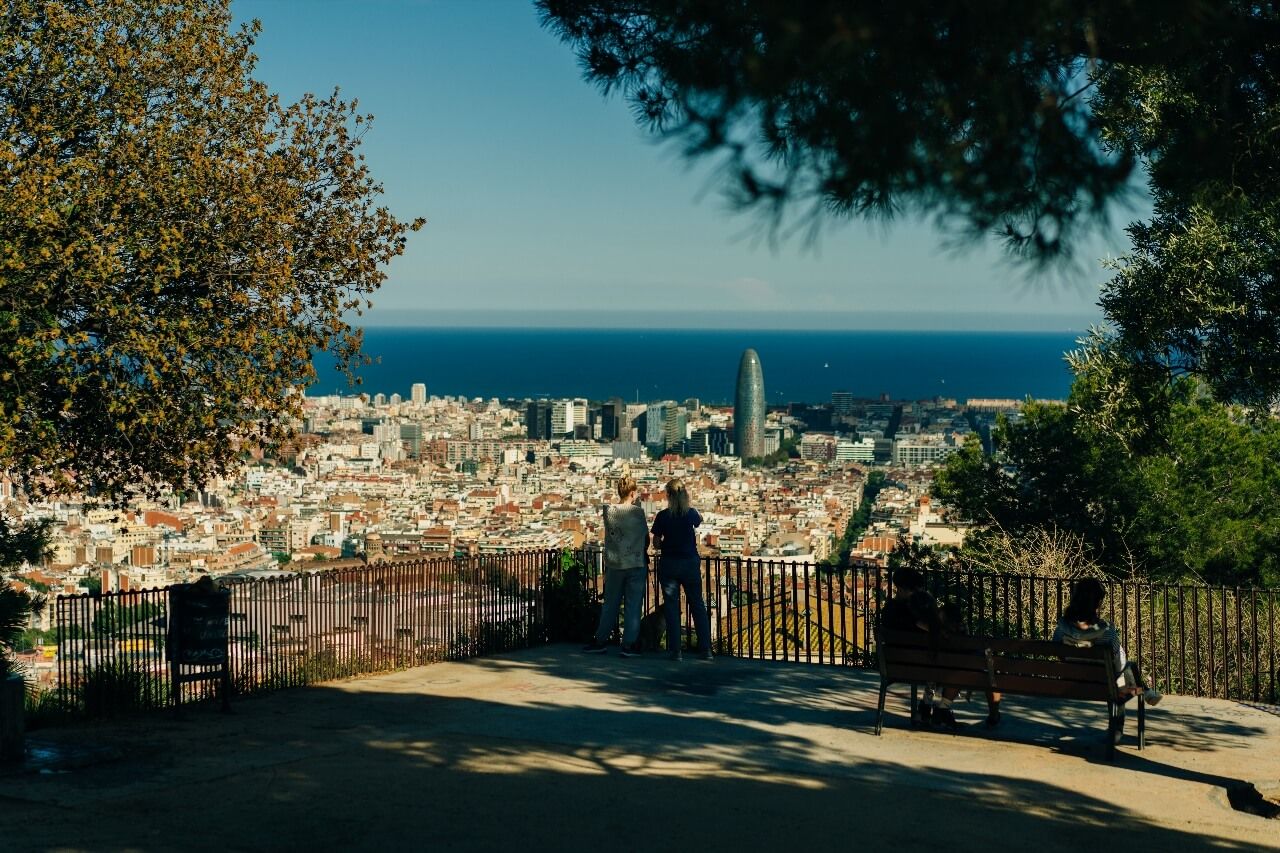
The Bunkers del Carmel (Turó de la Rovira, 08032 Barcelona, rated 4.7/5 on Google (3 540 avis)) are the ruins of a Civil War anti-aircraft battery on Barcelona's highest central ridge at 262 metres. Free, open at all hours, and arguably the best sunset spot in the city.
Climb up from Carmel metro (about 20 minutes on foot via Carrer de Maria Lavèrnia) with wine and charcuterie an hour before dusk, and you'll join one of Barcelona's most reliable local rituals.
8. Palau de la Música Catalana
Palau de la Música Catalana (Carrer de Palau de la Música 4-6, 08003 Barcelona, rated 4.7/5 on Google (54 016 avis)) (Carrer de Palau de la Música, 4-6, 08003 Barcelona) is a UNESCO World Heritage Site and the most astonishing interior of any concert hall in Europe, a claim that is not made lightly. Lluís Domènech i Montaner designed it between 1905 and 1908, and every surface inside is encrusted with mosaics, stained glass, sculpture and ceramic tile in a riot of colour that photographs poorly because no single image can contain the whole effect.
The main auditorium's ceiling is an inverted stained-glass dome, a skylight of 3,200 pieces of glass that filters natural daylight into the hall during afternoon concerts. Two enormous sculptural groups flank the stage: an Art Nouveau cavalry charge on the left representing Catalan folk music, and a Beethoven frieze on the right for the classical tradition. The balcony railings are shaped like unfurling flowers.
You have two options: book a guided visit (around €22, runs daily from 9 am to 3:30 pm) or attend a concert. The concert option is unambiguously better. The hall is still a working venue and tickets for less mainstream performances, choir concerts, chamber music, early music recitals, can cost as little as €15. The experience of hearing music in this space is entirely different from seeing it empty. Check the programme at palaumusica.cat well before your visit. The guided tour sells out days ahead in summer, but mid-week morning slots are usually available.
Pair a Palau visit with a walk through Ryo's Gaudí-focused audio tour of Barcelona, which covers the broader modernista movement that produced this building.
9. El Born Neighbourhood
The El Born neighbourhood sits between the Gothic Quarter and Barceloneta and has the best balance of atmosphere, independent shops and good restaurants of any district in the city. It avoided the worst of the tourist commercialisation that consumed the Gothic Quarter in the 2010s, partly because it was a derelict industrial zone until the 1990s.
The main axis is the Passeig del Born itself, a wide promenade lined with vermut bars and restaurant terraces that fills with locals on weekend afternoons. The Basílica de Santa Maria del Mar at the far end is a Gothic church built by the merchants and labourers of the Ribera neighbourhood between 1329 and 1383, considered the finest example of Catalan Gothic architecture in existence, and free to visit. El Born's side streets contain the densest concentration of independent boutiques in Barcelona: ceramics, jewellery, leather, vintage clothing. Worth at least two hours of unhurried wandering.
10. Montjuïc Castle and Hill
Montjuïc is a 173-metre hill southwest of the city centre with more to see on its slopes than most entire European cities. The route up can be taken by metro to Paral·lel, then cable car, or by walking the Jardins de Laribal path from the Poble Sec side, the walking route takes about 45 minutes and passes through terraced gardens with sea views, fountains and pergolas designed for the 1929 International Exposition. Honestly, walking up is one of the more underrated fun things to do in Barcelona in good weather, the gardens are landscaped so densely that you forget you're climbing.
Montjuïc Castle at the summit was a military fortress used most infamously as a political prison during the Franco dictatorship, the Catalan president Lluís Companys was executed here in 1940. The castle is now a municipal museum documenting this history. The views from the ramparts cover the entire port, the city centre and, on clear days, the Balearic Islands on the horizon. Admission to the castle grounds is free; the museum exhibition charges around €5. Sunrise from the eastern ramparts is one of the city's quieter privileges, you can usually walk it alone before 8 am.
The hill also contains the Museu Nacional d'Art de Catalunya (entry 22), the Fundació Joan Miró, the Olympic Stadium where the 1992 Games were held, the botanical garden, the Font Màgica fountains (entry 14), and the Telefèric de Montjuïc cable car. A full day here barely scratches the surface. The Fundació Joan Miró, with over 14,000 pieces of Miró's work in a purpose-built Rationalist building by Josep Lluís Sert (Miró's friend and lifelong collaborator, the building was conceived in dialogue with the artist himself), is one of the most underrated art museums in Spain. The Sert building's white walls, courtyards and shaded patios were designed specifically to display Miró's late-period sculpture and tapestry; on a sunny morning the architecture is half the experience.
Plan the day clockwise from Plaça d'Espanya: MNAC and Font Màgica first, then the Fundació Joan Miró, then the castle by cable car for sunset, then back down on foot via the Olympic ring.
11. Barceloneta Beach
Barceloneta Beach (Passeig Marítim de la Barceloneta, 08003 Barcelona) is a 1.1-kilometre arc of sand five minutes from the metro, busy June through September but Blue Flag clean. For quieter sand, walk northeast to Platja de la Mar Bella or Platja del Bogatell. Eat fideuà two streets inland (Carrer de Sant Carles), never on the seafront promenade.
12. Parc de la Ciutadella
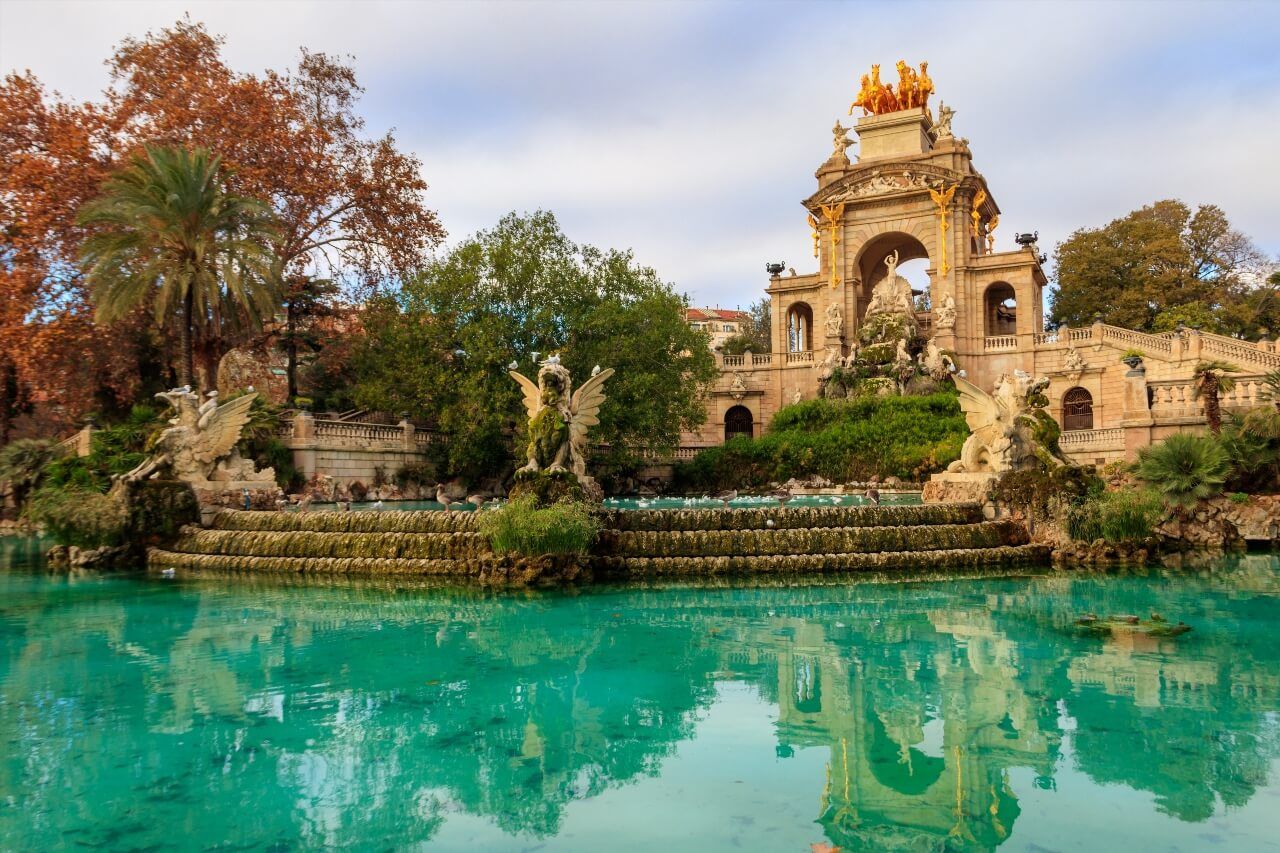
Parc de la Ciutadella (Passeig de Pujades, 08003 Barcelona, rated 4.6/5 on Google (77 118 avis)) is the main green lung of the city centre, a 17.5-hectare park built on the site of a military citadel demolished in 1869. It is where the city goes on Sunday mornings: families rowing on the lake, students reading on the grass, couples picnicking beside the ornate monumental waterfall.
The Cascada Monumental, the park's central fountain, was designed in part by the young Gaudí when he was still a student, one of his first public works. The park also contains Barcelona Zoo, the Catalan Parliament building, a small boating lake, and the Hivernacle, a spectacular Victorian iron-and-glass greenhouse now used as an event venue. Rowing boats on the lake cost around €6 for 45 minutes. A walk through the park costs nothing.
13. The Picasso Museum
Museu Picasso (Carrer de Montcada 15-23, 08003 Barcelona, rated 4.4/5 on Google (38 839 avis)) (Carrer de Montcada, 15-23, 08003 Barcelona) holds the most important collection of Picasso's early work anywhere in the world, housed across five adjoining medieval palaces in El Born. The artist donated the collection himself in 1963, in a gesture of defiance against the Franco regime that had forced him into exile.
The 4,251 works span his formative years in Barcelona from 1895 to 1904, including the extraordinary Las Meninas series, 58 paintings in which Picasso systematically deconstructs Velázquez's 17th-century masterpiece into geometric abstraction. The medieval architecture of the palaces is as impressive as the collection: the courtyard of Palau Berenguer d'Aguilar, with its external staircase and Gothic gallery, makes a magnificent setting even before you look at a single canvas.
Admission is €14 (permanent collection). Free on the first Sunday of every month and on Thursday evenings from 5 pm to 9 pm, though these free slots are very popular. Book timed-entry tickets online to avoid queuing.
14. La Font Màgica de Montjuïc
La Font Màgica (Plaça de Carles Buïgas 1, 08038 Barcelona, rated 4.6/5 on Google (89 628 avis)) (Plaça de Carles Buïgas, 1, 08038 Barcelona), the Magic Fountain of Montjuïc, is a choreographed light-and-water show on the grand staircase below the Museu Nacional d'Art de Catalunya. Built for the 1929 International Exposition, the fountain's 3,620 water jets can shoot water 10 metres into the air while coloured lights cycle through its streams in synchronisation with classical music and pop anthems.
The shows run Thursday through Sunday evenings from around 9:30 pm in summer (check the city's website for the current schedule; hours change seasonally). The experience is free and draws large crowds, so position yourself on the steps of the MNAC building behind and above the fountain for an elevated view. The surrounding Avinguda de la Reina Maria Cristina, lined with illuminated fountains leading down to the Plaça d'Espanya, is impressive even outside show times.
15. Camp Nou
Camp Nou (Carrer d'Arístides Maillol 12, 08028 Barcelona, rated 4.6/5 on Google (168 232 avis)) (Carrer d'Arístides Maillol, 12, 08028 Barcelona) is the largest football stadium in Europe, with a seating capacity of 99,354, a figure that becomes viscerally real when you stand on the pitch level and look up at the stands rising around you. FC Barcelona has played here since 1957 and the stadium is being extensively renovated through 2025-2026 to add a roof and expand capacity further.
During renovation, matches are being played at the Estadi Olímpic Lluís Companys on Montjuïc, the 1992 Olympic Stadium, which seats 67,000 and has its own considerable history. Check the current playing venue when planning your visit. The Camp Nou Experience museum (running even during renovation) covers the club's 125-year history through trophies, historical footage and interactive exhibits, culminating in a walk through the tunnel and onto the pitch perimeter.
If attending a match is your goal, La Liga fixtures against mid-table opponents can be had for under €80 in most sections. El Clásico (Barcelona vs Real Madrid) is one of the most sought-after tickets in world sport and typically sells out in minutes through official channels. The atmosphere at any Barça home game in the Estadi Olímpic has been notably intimate compared to the vast Camp Nou, many regulars prefer it.
16. Sailing on the Mediterranean
Sailing out of the Moll d'Espanya (Moll d'Espanya, 08039 Barcelona, rated 4.2/5 on Google (8K avis)) is one of those fun things to do in Barcelona that reframes everything you've already seen. A 90-minute catamaran trip runs €20-€25 and lifts the city's skyline, Montjuïc to the southwest, Tibidabo to the north, Sagrada Família above the Eixample grid, into a single composition.
Sunset sailings fill up first; book a day ahead.
17. Tibidabo Amusement Park
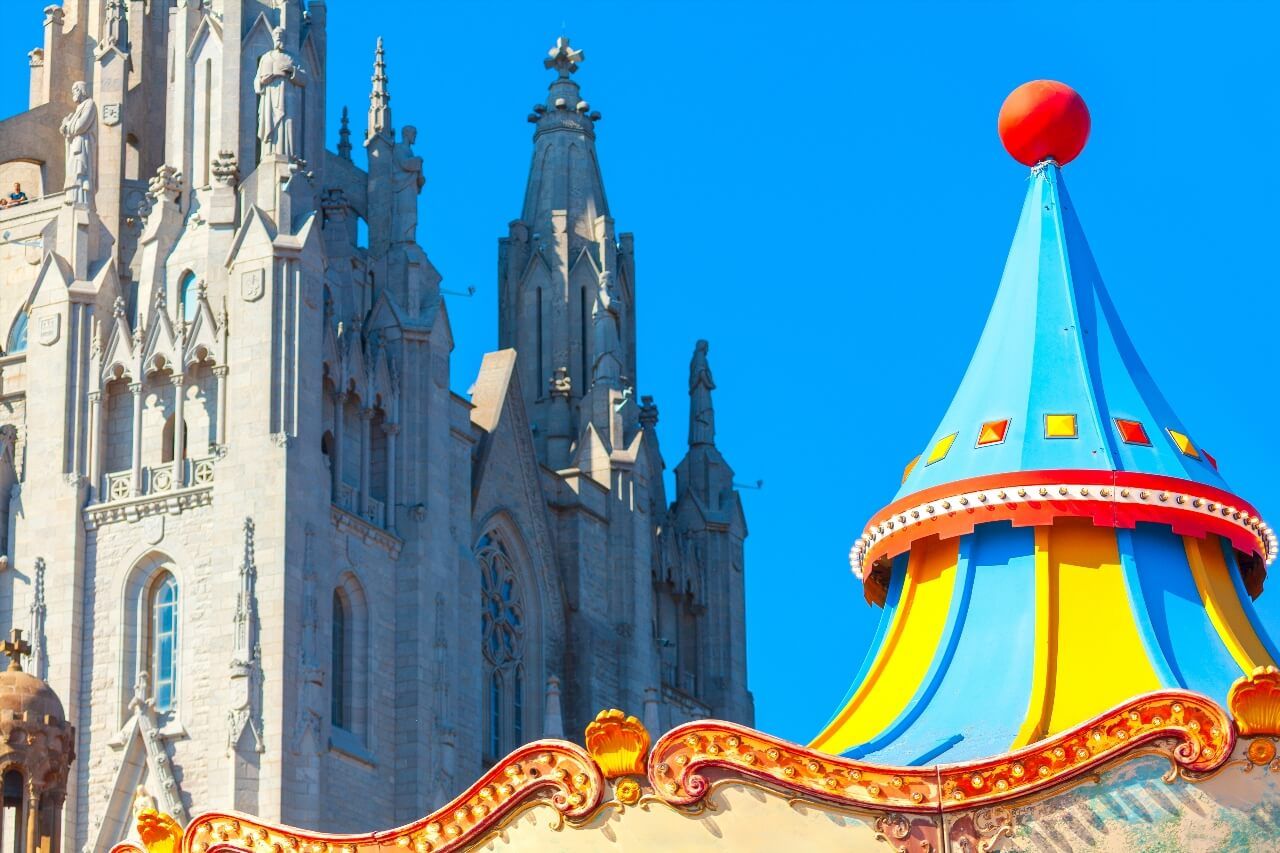
If you want one of the more genuinely fun things to do in Barcelona with kids (or without), Parc d'Atraccions Tibidabo (Plaça del Tibidabo 3-4, 08035 Barcelona, rated 4.4/5 on Google (47 898 avis)) (Plaça del Tibidabo, 3-4, 08035 Barcelona) is perched at 512 metres on the summit of Tibidabo mountain, Barcelona's highest point, and combines a functioning amusement park with panoramic views that stretch to the Pyrenees on clear days. The park has operated continuously since 1901, making it one of the oldest amusement parks in the world still in use.
Some of the vintage attractions remain in operation alongside modern rides: the Avió (a biplane ride from 1928) and the Museu d'Automàtes (a collection of mechanical fairground figures from the 19th century) are genuinely strange and charming. The Temple Expiatori del Sagrat Cor, a neo-Gothic church capped with a bronze Christ statue, visible from much of Barcelona, stands immediately beside the park entrance and can be visited for free.
Reach Tibidabo via the Tramvia Blau historic tram from Plaça Kennedy and the Funicular del Tibidabo, both part of the experience. Park admission is around €35 for adults. Midweek visits in spring or autumn offer the best combination of short queues and clear visibility.
18. Parc del Laberint d'Horta
Parc del Laberint d'Horta (Passeig dels Castanyers 1, 08035 Barcelona, rated 4.4/5 on Google (15 348 avis)) (Passeig dels Castanyers, 1, 08035 Barcelona) is Barcelona's oldest surviving park and the one most visitors never reach. Designed in 1791 for the Marquis of Alfarràs on the slopes of the Collserola hills in the north of the city, the park centres on a 750-metre cypress hedge labyrinth that remains one of the best-preserved historic labyrinths in Europe.
Beyond the maze, the grounds contain a Neoclassical country house, romantic gardens, a pond with ducks, a canal, and terraced orchards climbing the hillside. Admission is just €2.23 (reduced on Sundays), and the park allows only a limited number of visitors at a time, meaning it never feels overcrowded. The metro runs nearby (Mundet, line 5) but the park sees a fraction of the visitors that Park Güell does, despite being older and equally beautiful in its way.
19. CosmoCaixa Science Museum
CosmoCaixa (Carrer d'Isaac Newton 26, 08022 Barcelona, rated 4.7/5 on Google (47 511 avis)) (Carrer d'Isaac Newton, 26, 08022 Barcelona) is one of Europe's largest science museums, housed in a Modernista building in the upper Sarrià-Sant Gervasi district. The centrepiece is the Flooded Forest, a live recreation of a 1,000 square metre section of Amazon rainforest inside the museum, complete with living piranhas, anacondas, caimans and over 100 plant species at tropical humidity.
The museum also contains a geological wall, a vertical cross-section through 4.5 billion years of Earth's history, a planetarium, and interactive exhibits on matter, life and the cosmos. Admission is around €8 for adults. The museum is particularly good with children but adult visitors who arrive without them find it consistently absorbing. The Modernista building's facade and reading room are impressive enough to merit a detour even if the science isn't your priority.
20. The Gràcia Neighbourhood
Gràcia is the neighbourhood north of the Eixample that most resembles an independent village, which is exactly what it was until 1897, when it was absorbed into Barcelona against the active opposition of its residents. The village character survives in the Plaça de la Vila de Gràcia (Plaça de la Vila de Gràcia, 08012 Barcelona, rated 4.5/5 on Google (5K avis)) and the network of smaller squares, Plaça del Sol, Plaça de la Virreina, Plaça de la Fontana, each with its own set of terrassa regulars and distinctive atmosphere.
The neighbourhood is also where young creative Barcelona lives: independent record shops, small theatres, wine bars with natural wine lists, and restaurants where the menu changes with the season. The Festa Major de Gràcia in mid-August is one of the most spectacular local festivals in Spain, with entire streets decorated floor-to-ceiling by the residents in competing themes, worth timing your visit around if possible.
21. Mercat de Sant Antoni
Mercat de Sant Antoni (Carrer del Comte d'Urgell 1, 08011 Barcelona, rated 4.4/5 on Google (38 247 avis)) (Carrer del Comte d'Urgell, 1, 08011 Barcelona) reopened in 2015 after a 12-year renovation and is now one of the most beautiful market buildings in Barcelona, an 1882 iron structure fully restored and surrounded by a Sunday second-hand book market that has operated in its shadow since the 1970s.
The interior is organised by Spanish market logic: fruit and vegetable vendors on one side, meat and charcuterie opposite, fish in the centre. Prices are significantly below La Boqueria for identical produce. The surrounding Eixample Esquerra neighbourhood has some of the best neighbourhood restaurants in the city; the market and its surrounding streets make a rewarding morning visit with considerably less tourist infrastructure than the Ramblas area.
22. Museu Nacional d'Art de Catalunya
MNAC (Palau Nacional, Parc de Montjuïc, 08038 Barcelona) holds the world's most important collection of Romanesque art, a claim backed by over 21,000 works spanning from the 10th century to the mid-20th. The Romanesque collection alone, assembled from remote Catalan mountain churches in the early 20th century in one of the most extraordinary preservation campaigns in European art history, contains frescoes, painted wooden altarpieces and sculptures of an immediacy that is genuinely startling. The Pantocrator from Sant Climent de Taüll, transferred from the apse of an 11th-century Pyrenean church, is so vivid that it looks like it was painted last week.
The building, the Palau Nacional, built for the 1929 International Exposition, is magnificent in its own right: a central dome 30 metres high, marble floors, and a terrace with one of the best views in Barcelona looking down the Avinguda de la Reina Maria Cristina toward Plaça d'Espanya. The modern art collection on the upper floor covers Catalan and Spanish art from the 19th century through to the 1940s, including a remarkable holding of Modernista paintings by Ramon Casas and Santiago Rusiñol that document the same artistic moment Gaudí's buildings belong to. The Thyssen-Bornemisza collection on the ground floor bridges medieval and Renaissance European painting; smaller than the Madrid Thyssen, but excellent. Admission is €12; free on the first Sunday of every month and Saturdays after 3 pm.
23. Atelier Madre Craft Workshop
Atelier Madre (Carrer dels Flassaders 42, 08003 Barcelona, rated 4.9/5 on Google (151 avis)) (Carrer dels Flassaders, 42, 08003 Barcelona) is a working artisan workshop in El Born where you can watch, and participate in, traditional Catalan crafts including glassblowing, leather tooling and ceramic decoration. The workshop runs daily sessions of around two hours with groups of six to twelve people.
The glassblowing sessions are the most popular: you work directly with molten glass at around 1,100°C to create a small vessel or ornament under the guidance of a master craftsman. Prices are around €45-€75 per person depending on the technique. Book several days ahead. The workshop is one of the few places in the city centre where traditional Catalan crafts are practised by working artisans rather than recreated for tourism.
24. Casa Vicens
Casa Vicens (Carrer de les Carolines, 20, 08012 Barcelona) was Gaudí's first major commission, a summer villa built between 1883 and 1885 in the Gràcia neighbourhood, and the building where his distinctive architectural language first emerged. The facade of green-and-white ceramic tiles interspersed with orange marigold motifs signals a clean break from everything being built in Barcelona at the time, and the way the cast-iron fence repeats the marigold motif in wrought metal is the first hint of the visual obsessiveness that would define his career.
The house became a UNESCO World Heritage Site in 2005 as part of the Gaudí Works inscription and opened to the public only in 2017, more than a century after it was completed. It receives a fraction of the visitors that Casa Batlló does, despite being the more historically significant building for understanding how Gaudí's mind worked before he had a recognised style. The interior shows Moorish and Japanese influences (the smoking room is a horseshoe-arched fantasy of muqarnas plasterwork) that would never appear again in his later work, plus painted ceilings imitating climbing ivy and a dining room frieze of palmettos that anticipates the trencadís technique. Admission is around €16; allow 1.5 hours.
If you're working through the modernista sites in order, the Ryocity audio guide threads Casa Vicens into a wider Gràcia walk that also covers Park Güell and Casa Batlló, useful context for understanding how Gaudí's vocabulary evolved across just twenty-five years.
25. Palau Güell
Palau Güell (Carrer Nou de la Rambla 3-5, 08001 Barcelona, rated 4.6/5 on Google (23 158 avis)) (Carrer Nou de la Rambla, 3-5, 08001 Barcelona) was the private residence Gaudí built for his patron Eusebi Güell between 1886 and 1890, and it is where you can see Gaudí's genius at closest range. Unlike the larger public works, the Palau is intimate enough that the detail of every surface is legible without distance.
The rooftop is the most spectacular part: 20 chimneys clad in broken tile mosaics, each unique, rising from a forest of twisting forms above the central dome. The main hall on the piano nobile has a parabolic dome pierced with hexagonal skylights, the iron forging of the main gates is intricately decorative, and the basement stables, where Güell kept horses beneath his residence, have a forest of brick mushroom columns that feel unlike anything else in the city. Admission is €12; the queue moves fast and booking ahead is less necessary here than at the major Gaudí sites.
26. El Raval
El Raval is the neighbourhood west of Las Ramblas that long carried a reputation as Barcelona's roughest district. That reputation is now significantly out of date: the area around the Museu d'Art Contemporani de Barcelona (MACBA) and the Centre de Cultura Contemporània de Barcelona (CCCB) has been the creative heart of the city since the 1990s, with a dense concentration of galleries, independent bookshops, kebab restaurants and vintage clothing shops that gives the neighbourhood a genuinely multicultural energy found nowhere else in Barcelona.
The MACBA building alone, designed by Richard Meier and opened in 1995, is worth seeing; its white geometric mass and the concrete plaza in front (perpetually occupied by skateboarders) have become an iconic Barcelona image. The CCCB next door runs an ambitious programme of exhibitions, concerts and film screenings.
27. Seafood in the Barceloneta
Eating fresh seafood in Barceloneta is essential. Two or three streets back from the seafront (Carrer de la Maquinista, Carrer de Sant Carles), neighbourhood restaurants serve a menú del día of three courses plus wine for €14-€18. Order fideuà over paella, the Catalan seafood noodle dish is often better executed here. Finish with crema catalana.
28. A Tapas Crawl Through El Born and the Gothic Quarter
Barcelona's vermut culture, the tradition of a mid-morning or early afternoon vermouth at a neighbourhood bar, makes the city ideal for an unhurried crawl across two or three neighbourhoods. The custom is social rather than indulgent: a small glass of house vermouth, a plate of olives and anchovies, and an hour of conversation before lunch.
For a more structured experience, several excellent tapas-focused food tours depart from El Born and the Gothic Quarter, covering four to six stops over three hours. Prices run around €75-€95 per person with drinks included. The reputable operators (look for those with ATCP or Barcelona Culinary Hub affiliations) pair each stop with context about Catalan food culture and production, cava from the Penedès, salt cod traditions, the olive varieties specific to Catalonia. An independent crawl works equally well: start at El Xampanyet (Carrer de Montcada 22, 08003 Barcelona, rated 4.7/5 on Google (6 271 avis)) on Carrer de Montcada for house cava and anchovies, move to Bar del Pla for patatas bravas and croquetas, and end near Plaça de Sant Agustí Vell for pà amb tomàquet (bread rubbed with tomato and olive oil, the Catalan staple).
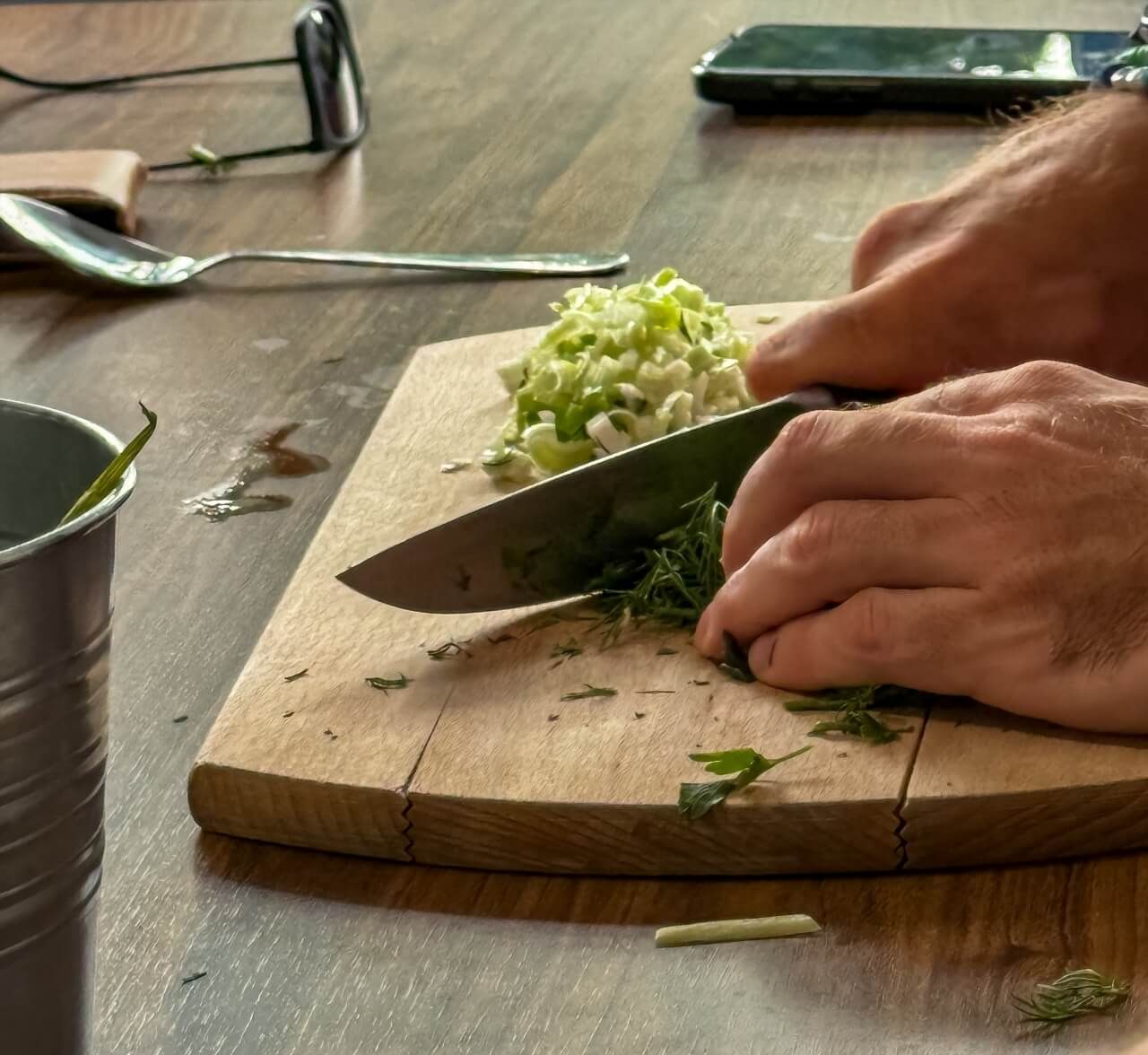
29. A Cooking Class
Barcelona has a thriving cooking class scene, from half-day market tours followed by hands-on cooking sessions to intensive evening classes focused on a single technique. The best-regarded options take you through La Boqueria or Mercat de Santa Caterina first, buying ingredients, talking to vendors, then spend two to three hours cooking three or four traditional Catalan dishes in a properly equipped kitchen.
Expect to make pa amb tomàquet, some form of sofregit-based meat or fish, and almost certainly a crema catalana. Prices run from €65 to €120 per person for a half-day session with meal included. Classes with market visits book up fastest; reserve at least a week ahead in summer.
30. Mercat de Santa Caterina
Mercat de Santa Caterina (Avinguda de Francesc Cambó 16, 08003 Barcelona, rated 4.4/5 on Google (18 129 avis)) (Avinguda de Francesc Cambó, 16, 08003 Barcelona) is the architectural rival to La Boqueria and the less-visited alternative for actually buying food. The market was redesigned by Enric Miralles and Benedetta Tagliabue between 1997 and 2005, with a mosaic roof of 325,000 hand-cut ceramic tiles depicting fruits and vegetables in a design that shifts colour across its undulating surface in giant pixelated waves.
The mosaic roof visible from above, best seen from a high vantage point or from satellite view, is one of the most photographed rooftops in Spain. Inside, the market functions primarily as a working neighbourhood market: excellent fish, good charcuterie, and a cluster of bars along the back wall serving breakfast and lunch to traders and office workers, this is one of the few places in central Barcelona where you can eat a serious lunch for under €15 without the result feeling like a compromise. The Roman and medieval ruins discovered during the renovation are visible through glass panels in the floor; the Ryocity audio walk pauses here to explain how the dig changed both the architects' design and the city's understanding of its own medieval layout.
31. Museu d'Història de Barcelona
Museu d'Història de Barcelona (MUHBA) (Plaça del Rei, s/n, 08002 Barcelona) gives access to the most extensive underground Roman archaeological site open to the public in Europe. The excavations beneath Plaça del Rei reveal 4,000 square metres of Roman Barcino at original street level: complete dye works, a fish-salting factory, a garum (fish sauce) production facility, laundry installations, wine-making equipment and private dwellings from the 1st to 7th centuries AD.
The underground walkway is accessed through the medieval Palau Reial Major above, so the visit moves seamlessly from Roman foundations to medieval throne room to Renaissance courtyard. Admission is €7; included in the Barcelona Card. The archaeological section takes about 45 minutes at a normal pace; allow another 30 minutes for the medieval upper rooms, including the Chapel of Santa Àgata, a 14th-century royal chapel with an exceptional altarpiece by Jaume Huguet.
32. The Montjuïc Cable Car
The Telefèric de Montjuïc (Avinguda de Miramar, 08038 Barcelona, rated 4.4/5 on Google (26 592 avis)) runs from the lower station at Paral·lel (reachable by metro) up to the Mirador station at mid-slope, then continues to the castle summit. The 4-minute ride covers 752 metres horizontally while climbing 107 metres vertically, offering aerial views over the port, Barceloneta and the city that are difficult to achieve any other way.
Round-trip tickets cost around €12.70. The upper section from Mirador to the castle is the more spectacular half; if budgeting, the lower section from the port (the Transbordador Aeri del Port, which crosses the harbour from Barceloneta to Montjuïc at 75 metres) is an even more dramatic ride, though the Transbordador and Telefèric are separate systems with separate tickets.
33. A Vespa or Scooter Tour
Guided Vespa tours cover 20-25 km of the city in three hours, Eixample grid, seafront, Montjuïc, Gothic Quarter, a route impossible to replicate by metro. No motorcycle licence needed; expect €45-€65 per person in pairs, helmets included. Aim for the sunset slot.
34. Hospital de Sant Pau
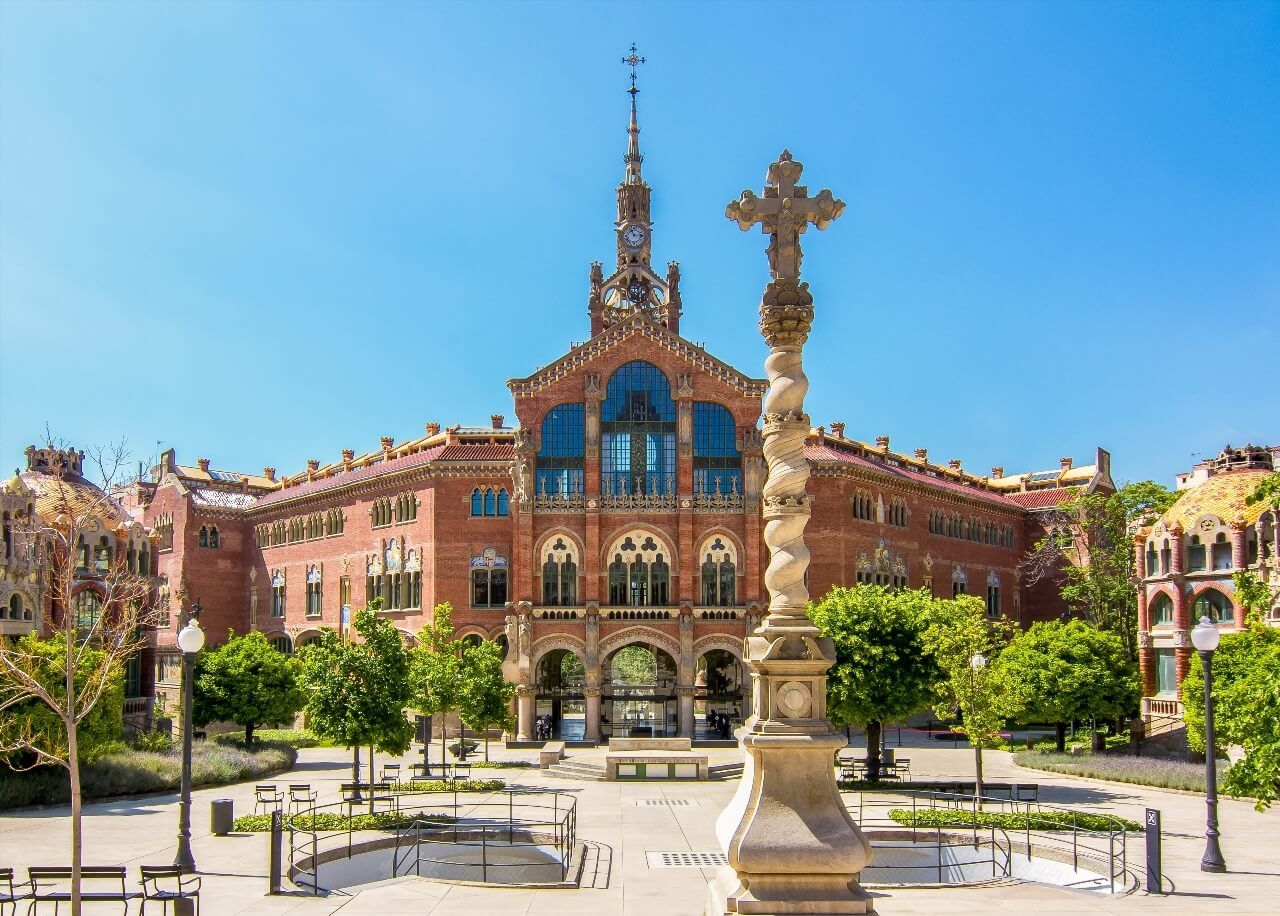
Hospital de Sant Pau (Carrer de Sant Antoni Maria Claret, 167, 08025 Barcelona) is one of the most beautiful buildings in Spain and the one most often missed by visitors focused on Gaudí. Lluís Domènech i Montaner designed the complex between 1902 and 1930 as a functioning hospital, a complete city in miniature, with 12 pavilions connected by underground galleries, each pavilion faced in brick, ceramic tile and sculpture in the Art Nouveau style.
The complex ceased operating as a hospital in 2009 and opened as a heritage site, the Recinte Modernista de Sant Pau (Carrer de Sant Antoni Maria Claret 167, 08025 Barcelona, rated 4.6/5 on Google (60 765 avis)), in 2014. The restoration is impeccable. Each pavilion has been stripped to its original surfaces: sculpted sandstone, mosaic floors, Art Nouveau ironwork, and the extraordinary carved stone facade of the Administration Pavilion, which faces down Avinguda de Gaudí directly toward the Sagrada Família in a deliberate urban alignment. Admission is €15; allow 90 minutes. It is four minutes' walk from the Sagrada Família and should be combined with it in a single morning.
35. A Flamenco Show
Flamenco isn't Catalan, it's Andalusian, but Barcelona's flamenco scene has run continuously since mid-20th-century migration from southern Spain. Tablao Flamenco Cordobés (La Rambla 35, 08002 Barcelona, rated 4.7/5 on Google (4 253 avis)) on Las Ramblas and Palau Dalmases in El Born (the latter in a Baroque palace) are the best venues. Tickets €35-€90.
Skip the cheap Gothic Quarter shows; book the proper tablao two days ahead.
36. Kayaking Along the Coast
Kayaking out of Barceloneta at 8 am is the calmest the city ever gets. Two-hour guided sessions run €35-€45 with equipment provided. Paddle south along the breakwater, then north past the beaches as the city wakes up around you, the most unexpected hour of most visitors' trip.
37. Barcelona Aquarium
L'Aquàrium de Barcelona (Moll d'Espanya del Port Vell, 08039 Barcelona, rated 4.1/5 on Google (72 946 avis)) is located in the Port Vell marina at the foot of Las Ramblas and contains the largest shark tank in Europe, an 80-metre transparent tunnel through a 4.5-million-litre ocean tank housing 11 sharks alongside rays, sea turtles and a school of thousands of smaller fish. You walk the length of the tunnel on a moving walkway while sharks pass overhead.
The aquarium has 35 tanks covering Mediterranean and tropical habitats, plus a dedicated children's interactive section. Admission is around €23 for adults. It is expensive relative to comparable aquariums in Europe, but the shark tunnel is genuinely spectacular. Combined with a walk around the Port Vell marina and the Rambla del Mar, the wooden walkway bridge over the harbour, it makes for a good half-day in the waterfront area.
38. Poblenou and the @22 District
Poblenou is Barcelona's former industrial neighbourhood, stretching along the coast northeast of the Barceloneta, now reinvented as the city's technology and design hub. The @22 innovation district has brought a wave of architectural investment: buildings by Zaha Hadid Architects, Toyo Ito and Jean Nouvel sit beside converted warehouses and the remnants of the 19th-century factory grid.
The Rambla del Poblenou (Rambla del Poblenou, 08005 Barcelona, rated 4.5/5 on Google (4K avis)), the neighbourhood's own much-quieter version of Las Ramblas, is lined with cafés, patisseries and neighbourhood restaurants, nearly all aimed at the local population rather than tourists. The neighbourhood is one of the best places to eat well at neighbourhood prices in Barcelona. The street art in the surrounding industrial streets is substantial in both scale and quality.
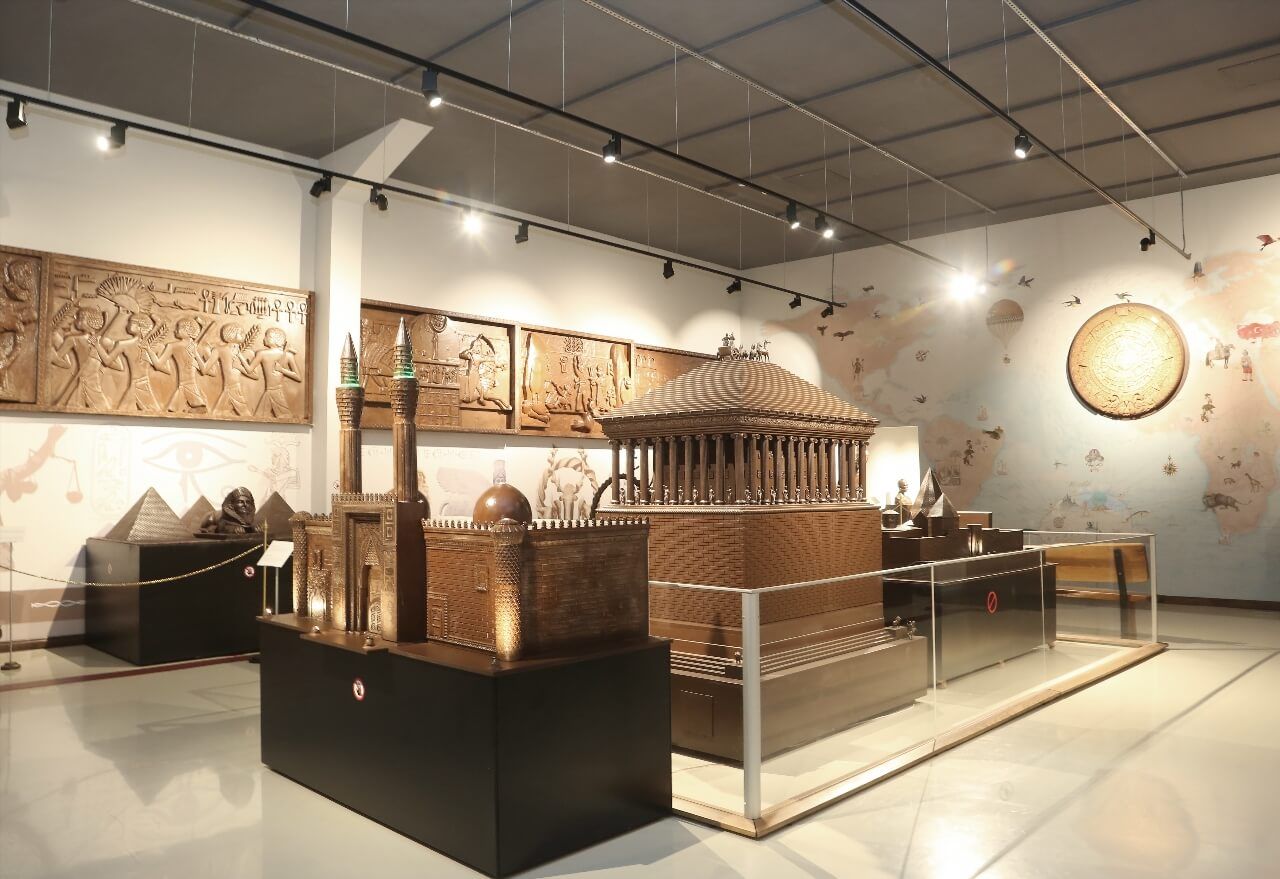
39. The Chocolate Museum
Museu de la Xocolata (Carrer del Comerç 36, 08003 Barcelona, rated 3.9/5 on Google (8 583 avis)) (Carrer del Comerç, 36, 08003 Barcelona) is a small museum in El Born devoted to the history of chocolate, with the additional draw of a series of extraordinary chocolate sculptures, replicas of Barcelona landmarks (the Sagrada Família, Park Güell's dragon staircase, Camp Nou) constructed entirely from chocolate, updated annually. The craftsmanship is remarkable.
Admission is around €7 and includes a piece of chocolate at the entrance. The museum covers the history of chocolate's arrival in Europe via the Spanish colonial trade with the Americas, Barcelona was the first European city to import cacao, in the 16th century, and the development of the Catalan master chocolatier tradition. Allow 45-60 minutes. The gift shop is excellent.
40. The Gaudí Experiència 4D
Gaudí Experiència (Carrer de Larrard 41, 08024 Barcelona, rated 4.1/5 on Google (1 822 avis)) (Carrer de Larrard, 41, 08024 Barcelona) is a 4D immersive film experience at the edge of Park Güell that takes you through Gaudí's major works in a 12-minute cinema experience with movement, scent and water effects. It is designed as a family attraction but works well as a brief context-setter before exploring Park Güell itself.
Admission is around €9. Sessions run every 30 minutes. The building itself, a converted Modernista house with original tile work in the foyer, is worth a moment's attention. Combine with the Park Güell visit immediately afterward; the Experiència is less than 200 metres from the park's main entrance.
41. Parc de Collserola
Parc de Collserola (Carretera de l'Església 92, 08017 Barcelona, rated 4.7/5 on Google (7K avis)) (Centre d'Informació, Carretera de l'Església, 92, 08017 Barcelona) is a 8,000-hectare pine and oak forest that wraps around the back of the city, the largest metropolitan forest park in the world by some definitions, and almost entirely unknown to international tourists. 30 kilometres of marked trails cross the park from the Sarrià-Sant Gervasi neighbourhoods at its edge to the Tibidabo summit and beyond.
The Torre de Collserola, the Norman Foster-designed communications tower at the Tibidabo summit, has a public observation platform at 115 metres with 360-degree views for around €6. The park trails are accessible directly from several metro and FGC train stations (Baixador de Vallvidrera, Les Planes, La Floresta); you can be in silent forest within 25 minutes of the city centre.
42. Rooftop Bars and Barcelona Nightlife
Barcelona's nightlife starts later than almost any other European city: dinner rarely begins before 9 pm, bars fill from midnight, and clubs don't reach peak energy until 2 or 3 am. The city's rooftop bar scene, which bridges the gap between sunset and midnight, is one of Europe's best.
The most spectacular rooftop terraces are attached to the design hotels along the Barceloneta waterfront, Hotel Arts and the W Barcelona (locally known as the Hotel Vela) both have bars at 40 metres with sea views. Bar Calders in Sant Antoni and the terrace bars around Plaça del Sol in Gràcia operate at the opposite end of the price spectrum: neighbourhood bars with outdoor tables where the crowd is entirely local. For the most atmospheric club experience, the venues along the Passeig Marítim (Shôko, Pacha) and the converted warehouse clubs of Poblenou operate from around 1 am; dress codes vary but are rarely strict by international standards.
43. The Hop-On Hop-Off Bus
Barcelona's Bus Turístic runs three colour-coded routes with 44 stops and commentary in 15 languages. A 24-hour pass is €32. Worth it for limited mobility or young children; for everyone else, the metro (T-Casual 10-journey card, €12.15) is faster and far cheaper.
44. Day Trip to Sitges
Sitges (Plaça de l'Ajuntament, 08870 Sitges, rated 4.7/5 on Google (18K avis)) is a Mediterranean resort town 35 kilometres southwest of Barcelona, 35 minutes by RENFE commuter train from Passeig de Gràcia station. It has some of the cleanest beaches on the Costa Garraf, a well-preserved historic centre with a clifftop church, an excellent Romanesque art collection at the Museu Cau Ferrat, and a restaurant scene that overperforms its size considerably.
The town is best known internationally for its Carnival celebration (February, one of the most extravagant in Europe) and its status as one of Spain's most welcoming LGBTQ+ destinations. Outside peak summer, a weekday visit to Sitges gives you a quieter, more genuinely Spanish coastal experience than is possible on any beach within Barcelona itself. The train ticket costs under €5 each way.
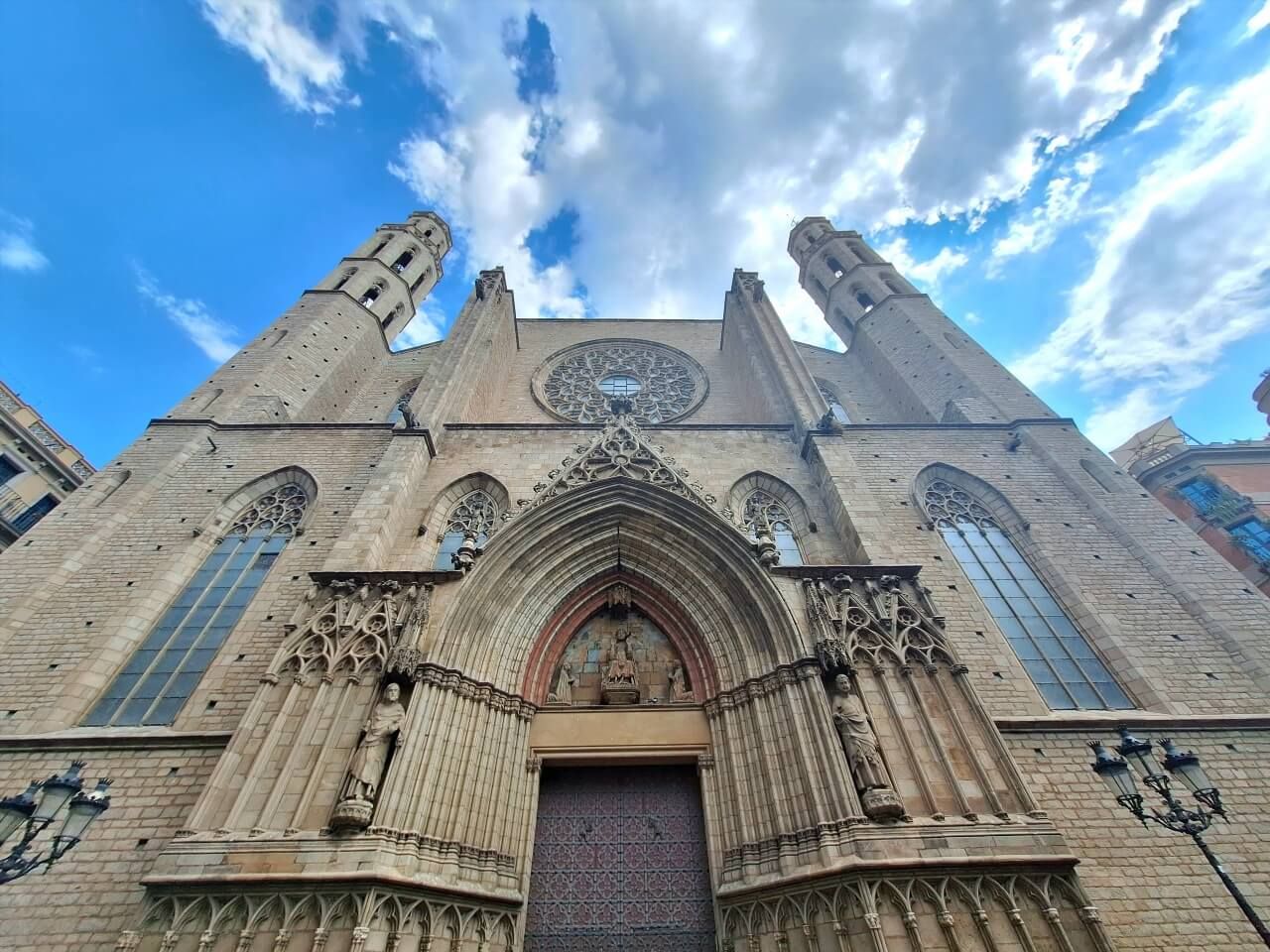
45. The Sardana and Local Festivals
The sardana is the traditional Catalan circle dance, and watching, or joining, a performance in the open air is one of the most distinctive local experiences in Barcelona. Sardana groups perform regularly in front of the Barcelona Cathedral on Sunday mornings and on certain public holidays throughout the year.
The dance is participatory by design: anyone can step into the expanding circle, learn the steps (the movements are regular and the dancers will cheerfully correct errors), and become temporarily part of a tradition that dates to the 16th century. Beyond the sardana, Barcelona's calendar of local festivals is substantial, the Festa Major de Gràcia in August, the Mercè city festival in September (free concerts across the city, including the Sagrada Família facade as a projection screen), and Sant Jordi's Day on April 23rd, when the city celebrates Catalonia's patron saint with streets of bookstalls and rose vendors.
FAQ
What is the best time of year to visit Barcelona?
April through June and September through October offer the best combination of weather, manageable crowds and full operating hours for attractions. July and August are the hottest months (frequently above 30°C) and the busiest, beaches are packed and accommodation prices peak. November through March is mild by northern European standards but some outdoor attractions reduce hours.
How many days do you need in Barcelona?
Three full days cover the major Gaudí sites, the Gothic Quarter, a beach afternoon and several good meals. Five days allows for Montjuïc, El Born, Gràcia and Poblenou without rushing. A week enables day trips to Sitges, Montserrat or the Penedès wine region. Most visitors who come for a weekend leave regretting they didn't plan for longer.
Is Barcelona safe for tourists?
Barcelona is a safe city by most international standards. The main concern is pickpocketing, concentrated on Las Ramblas, La Boqueria, the Gothic Quarter, Barceloneta beach and the metro at peak times. Carry bags across your body, keep phones in front pockets, and avoid displaying expensive cameras on crowded streets. The city has significantly increased police presence in tourist areas since 2022 and reported pickpocket incidents have fallen.
What is the best way to get around Barcelona?
The metro covers all major attractions and runs from 5 am to midnight (24 hours on Friday nights and public holidays). A T-Casual 10-journey card (€12.15) works across metro, bus and local trains and is significantly cheaper than buying single tickets. Walking is the most rewarding option in the Gothic Quarter, El Born and Barceloneta; taxis are plentiful and relatively affordable by Western European capital standards.
Do you need to book Barcelona attractions in advance?
Yes, for the Sagrada Família, Casa Batlló, Park Güell (ticketed zone) and the Palau de la Música Catalana, advance booking is not optional in any season. These attractions sell out days or weeks ahead. The Picasso Museum, MNAC and most other museums can usually be visited on the day, though online booking avoids the queue. For the most popular sites, book as far ahead as possible.
Barcelona repays every hour you spend on it. The city's depth, 2,000 years of layered history beneath Gaudí's extraordinary surface, a food culture that rewards curiosity, neighbourhoods with genuine local life within walking distance of the main sights, means that return visits consistently reveal things the first trip missed. That's the real reward of working through this list of fun things to do in Barcelona: not the ticking-off, but the way each visit reshapes the next one. The Ryocity audio guide is built for exactly this kind of layered exploration. Start your exploration with Ryo's Barcelona audio guide, covering 26 key sites across 6.4 kilometres in two and a half hours, and you'll arrive at each landmark already knowing its full story before you walk through the door.