Walk
Slow life and cool attitude in the Sunshine state
Brisbane, Australia
Walk
Slow life and cool attitude in the Sunshine state
Brisbane, Australia
8.2 km
Distance
3h15
Durée
19
Audios
Loop
Parcours
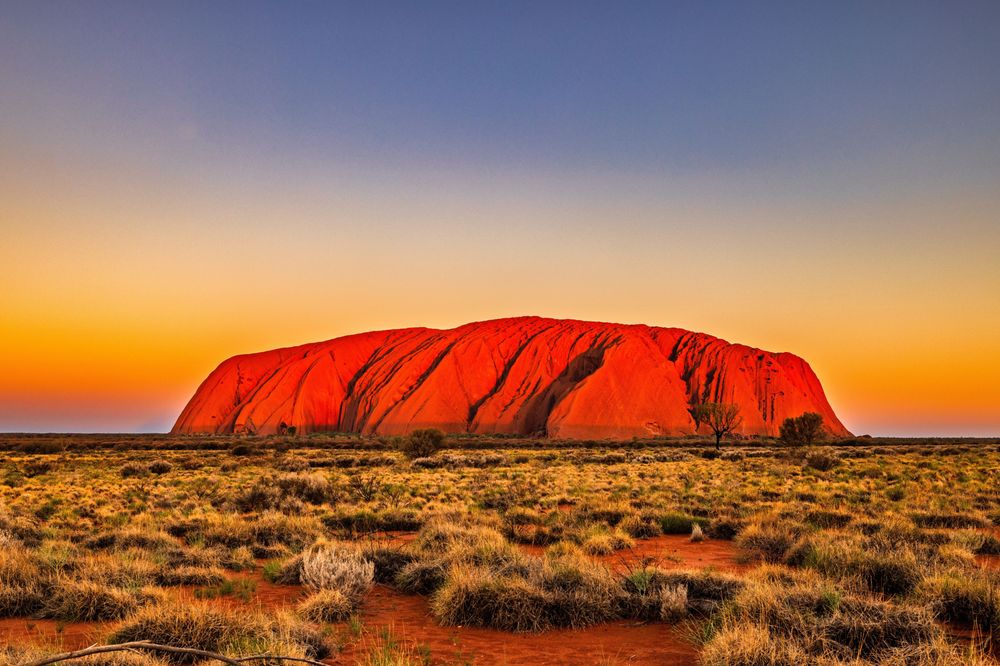
Australia stretches across a continent all its own, summoning landscapes of breathtaking diversity: golden coastlines battered by the Pacific, sun-scorched ochre deserts, lush tropical rainforests, and vibrant ocean-side metropolises. Travelling here means embracing the unexpected at every bend in the road, through a sovereign nature and a culture deeply rooted in the history of the First Peoples. To explore this country at your own pace, Ryo's audio-guided tours available in Australia accompany travellers to the heart of major cities, weaving together unsuspected anecdotes and authentic atmospheres. Ready to set off and discover?
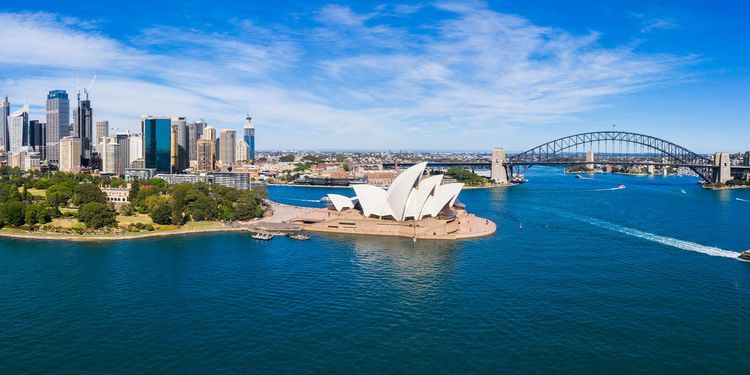
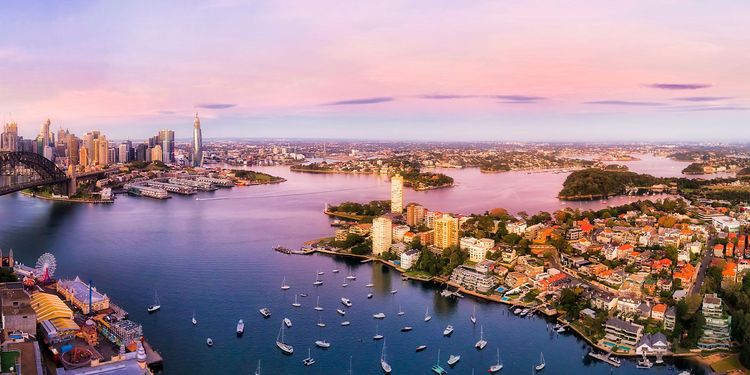
Perched on the edge of a spectacular bay, Sydney captivates from the very first glance. With two audio-guided tours, Ryo invites travellers to explore it differently: beyond the Opera House and Harbour Bridge, the city reveals laneways steeped in colonial history, buzzing arts districts, and a gentle way of life best absorbed on foot, with ears wide open.
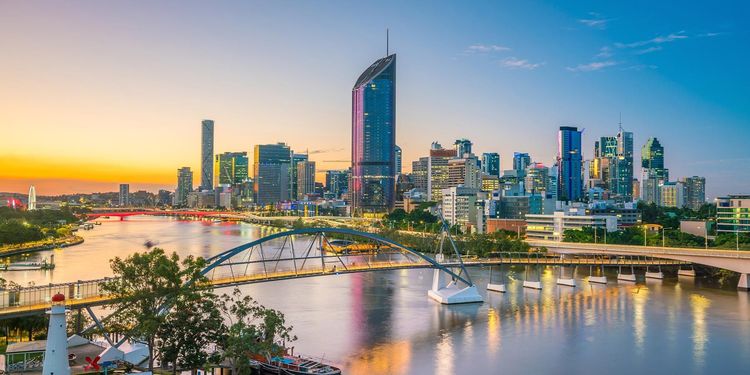
Brisbane embodies a distinctly Australian lightness. Bathed in sunshine almost all year round, Queensland's capital blends generous green spaces, a creative cultural scene, and a laid-back way of life. Through the Ryo tour, travellers capture the soul of a city in full transformation, between the lively riverbanks and colourful neighbourhood markets.
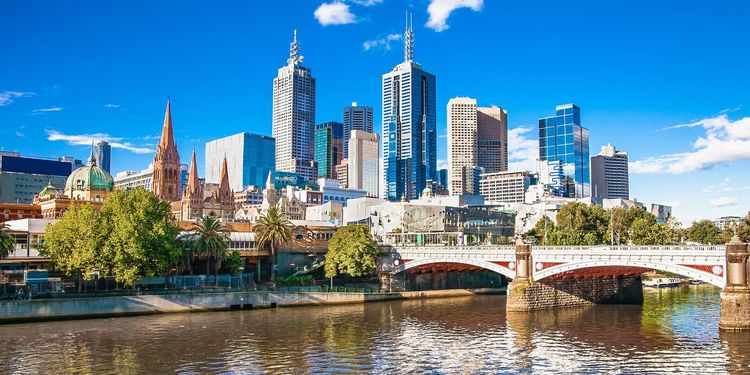
Melbourne cultivates an identity all its own, proud of its street art laneways, independent cafés, and legendary stadiums. The Ryo tour unfolds a sensory exploration of the city, spanning eclectic architecture, internationally renowned museums, and a blended gastronomy that reflects the richness of the communities living side by side within it.
Beyond the major cities, Australia unfurls horizons that defy the imagination. Uluru, the sacred monolith at the heart of the red desert, stands as one of the continent's most powerful symbols, deeply connected to the culture of the Anangu peoples. Further north, the Great Barrier Reef stretches its reefs across a staggering distance, offering a marine ecosystem of unparalleled richness. To the east, the Blue Mountains envelop travellers in a blue-tinged mist and breathtaking panoramas of forested valleys. Further north still, K'gari, the world's largest sand island, invites visitors to wander alongside crystal-clear lakes nestled among the dunes. Each of these destinations is well worth the journey, carrying a distinct geographical and cultural identity all its own.
Australia is best explored differently depending on the season and the region in mind. The Austral spring, from September to November, generally offers pleasant temperatures across the country, ideal for discovering the coastlines and cities. The Austral summer, from December to February, can be very hot in the interior, while the north enters its wet season. The Austral autumn and winter, from March to August, are often the best time to explore the tropical north, the red desert, or the inland regions, with clear skies and more moderate temperatures.
Australia's vast distances call for careful planning when it comes to getting around. Flying remains the most efficient way to connect major cities, given the sheer size of the territory. A road trip is nonetheless a privileged way to take in the wide open spaces, particularly along the east coast or through the outback. In cities such as Sydney, Melbourne, and Brisbane, public transport makes it easy to get around, and walking remains the best way to truly soak up the atmosphere of each neighbourhood.
There is no single universally ideal time, as Australia's climate varies greatly from region to region. Generally speaking, the Austral spring (September to November) offers pleasant conditions across most destinations, particularly along the east coast. For the tropical north, it is better to visit during the dry season, typically from May to October.
Given the immensity of the territory, a stay of two to three weeks allows you to explore one region in depth or connect a few major cities at a comfortable pace. To travel across the country as a whole, it is preferable to allow more time, or to return on several occasions to explore each area at its own tempo.
French citizens wishing to stay in Australia for a short period can generally apply for an eVisitor, an electronic visa. This process is completed online before departure. It is advisable to check the current requirements with the relevant authorities before planning your trip, as the rules may change.
Sydney captivates with its spectacular setting and architectural icons, Melbourne with its vibrant cultural and gastronomic scene, and Brisbane with its sunny and relaxed way of life. These three east coast metropolises often form the heart of a first trip to the continent, and each offers a distinct personality to explore on foot, neighbourhood by neighbourhood.
Flying is generally the preferred mode of transport for connecting major cities, given the considerable distances involved. Train travel exists between certain destinations and is an experience in itself, particularly for crossing extraordinary landscapes. Hiring a vehicle remains essential for those who wish to venture off the beaten track or embark on a road trip along the coast.
Australian gastronomy reflects the country's cultural diversity. Backyard barbecues with friends, fresh seafood at coastal markets, British-inspired baked goods such as the lamington, and the ever-present Asian influences found throughout the major cities all make up a rich and blended culinary scene. Melbourne is often regarded as the country's gastronomic capital, with a particularly well-developed café and dining culture.