
Créé par Emilie, le 4 oct. 2026
Votre guide Ryo
Brisbane, Australia
Slow life and cool attitude in the Sunshine state
Parcours audioguidé pour visiter Brisbane en 1 jour
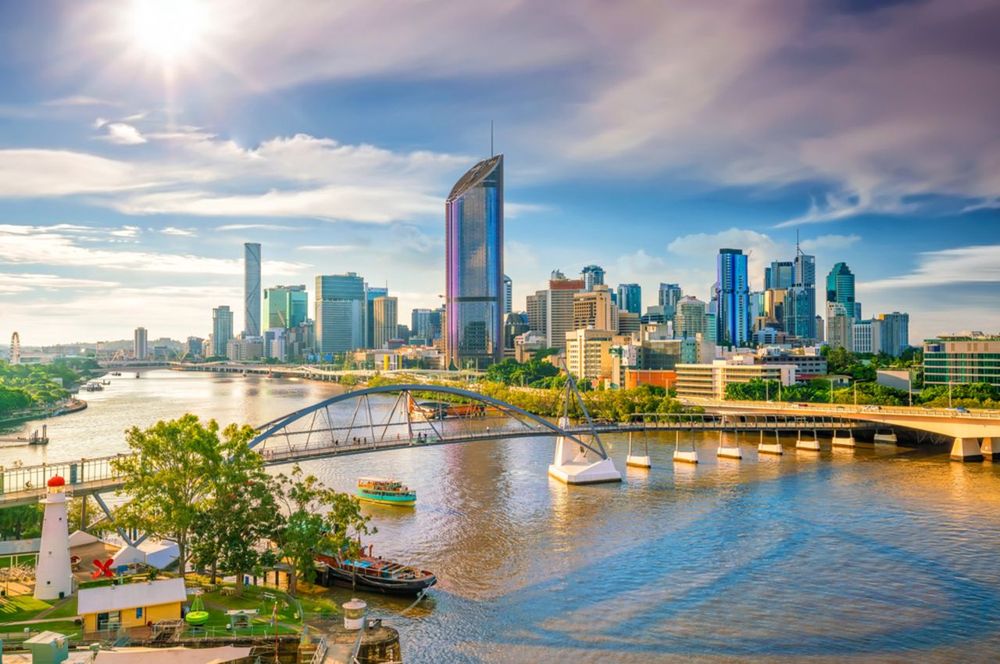
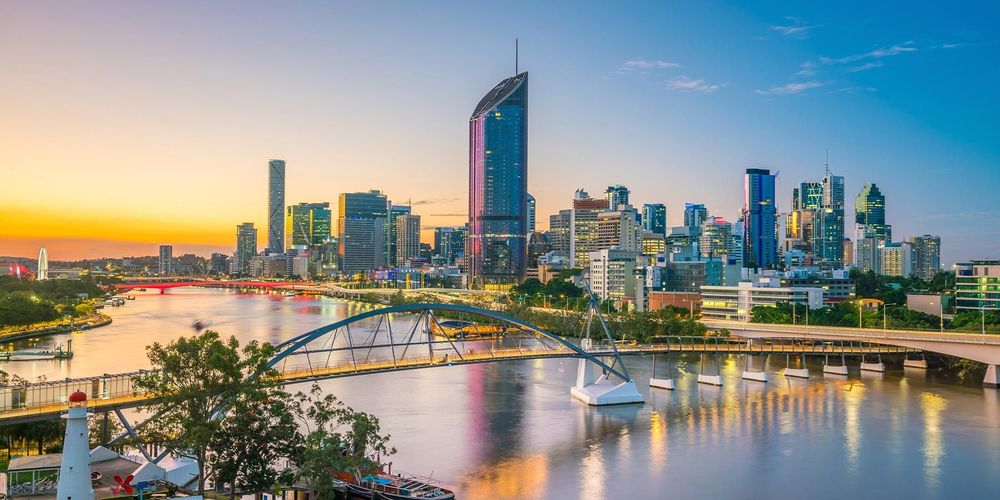
In the heart of Queensland, Brisbane combines colonial heritage, Aboriginal culture, and a relaxed tropical atmosphere. Crossed by its river, the city offers an ideal setting between dynamic urban life and outdoor activities.
Quand partir à Brisbane ?
Jan.
27°
14
Feb.
27°
13
March
26°
12
April
24°
8
May
21°
7
June
19°
6
July
18°
5
Aug.
20°
4
Sept.
23°
5
Oct.
25°
7
Nov.
26°
9
Dec.
27°
11
Throughout the year, the average temperature in Brisbane hovers around 20°C, given its subtropical oceanic climate, with mild, dry winters and hot, rainy summers. From May to August, temperatures reach their lowest, with minimums around 13°C. Conversely, the hottest months fall between November and March, with maximum temperatures averaging 28°C. The rainiest months are typically January, February, and March, though Brisbane experiences significant rainfall year-round, meaning you're never completely safe from the rain. To make the most of your visit, August, September, November, and December are the most recommended months for planning your trip.
Départ conseillé
No need to worry about where to begin! Our tours are designed as a loop, so you can jump in wherever you are. The navigation system and audioguide will automatically adjust to your location. However, if you happen to be nearby, we do have a preferred starting point : Victoria Bridge.
Parking à proximité
Southbank Car Park : 186 Little Stanley St
If you choose to park on the streets of Brisbane rather than in an underground car park, don’t even think about dodging the payment rules. The fines issued by officers help fund many local projects. In other words, the more people try to avoid them, the more money people spend—and the happier the city becomes.
À savoir
During our visit, you'll pass through the City Botanic Gardens. To avoid any last-minute surprises, know that there are specific opening and closing hours. Make sure to check them before arriving. If the gardens happen to be closed when you arrive, you’ll need to take the following route to get back on track: Alice Street → George Street → Main Drive.
Like any top tourist destination, Brisbane offers a range of benefits and discounts on transport through the Go Card TransLink—a great option for exploring the city at your own pace while taking advantage of special offers. As for boat transport in Brisbane, fares cost around 50 cents per trip, regardless of the destination. The City Hopper, which runs every 30 minutes and follows a route through the city center, is completely free.
Découvrez 19 lieux d'intérêt pour visiter Brisbane








Le plein d'inspirations
Explorez le monde en totale liberté, à pied au cœur des villes ou au fil des routes. Nos guides audios transforment chaque destination en une découverte culturelle immersive et unique.


FAQ for visiting Brisbane
When is the best time to visit Brisbane?
The best time to visit Brisbane runs from August to December, when the city's subtropical climate is at its finest. You will then enjoy pleasant temperatures and generous sunshine, ideal for exploring the city on foot and making the most of outdoor activities. The months of May to August correspond to the Australian winter, with mild, dry days, perfect if you prefer to avoid the intense heat. If possible, avoid January to March, the hottest and most humid period of the year with frequent showers. The Australian spring, from September to November, remains particularly pleasant, with nature in bloom and temperatures gradually rising.
How many days do you need to visit Brisbane?
Allow at least three full days to discover Brisbane without rushing. This will give you time to explore the city centre, stroll along the Brisbane River, discover South Bank with its artificial beaches and museums, and soak up the city's laid-back atmosphere. With four or five days, you can add outings to the more outlying neighbourhoods such as Fortitude Valley or New Farm, and even consider an escape to Moreton Island or the hinterland. Brisbane lends itself perfectly to a leisurely pace, in keeping with the slow-life spirit of Queensland, so don't hesitate to set aside extra time to truly appreciate its unique atmosphere.
Which are the main neighbourhoods to explore in Brisbane?
The CBD is the historic heart, with its colonial buildings and modern skyscrapers. South Bank, on the opposite bank, concentrates the cultural attractions, museums and urban beaches. Fortitude Valley pulses to the rhythm of its nightlife, its trendy restaurants and its alternative art scene. New Farm charms visitors with its residential elegance and its lovely cafés along Brunswick Street. West End draws a bohemian crowd with its markets, vintage shops and multicultural restaurants. Kangaroo Point offers spectacular views of the skyline from its cliffs. The Ryo audioguide accompanies you in discovering these different neighbourhoods, revealing their histories and secrets through narrated tours tailored to each atmosphere.
How do you get around Brisbane?
Brisbane has an efficient public transport network with buses, trains and ferries serving the whole metropolis. The Go Card lets you travel easily across the entire network at a reduced fare. The CityCat ferries that sail along the Brisbane River are a pleasant and practical way to link the different neighbourhoods while enjoying beautiful views. The city centre is compact and easy to explore on foot, while the well-developed network of cycle paths encourages getting around by bike. Self-service bikes are available almost everywhere. For longer or night-time journeys, taxis and ride-hailing services remain easily accessible. Since the city is relatively spread out, combining walking and public transport remains the best option.
What can you see for free in Brisbane?
Brisbane offers many free attractions that will delight your budget. The artificial beaches of South Bank Parklands let you swim right in the city centre without spending a cent. The Gallery of Modern Art and the Queensland Museum offer permanent collections with free access. The city's botanic gardens invite lovely walks among tropical and subtropical vegetation. The Sunday market in West End brings the neighbourhood to life with its colourful stalls and friendly atmosphere. The quays of South Bank and Eagle Street Pier offer pleasant walks with river views. The Story Bridge Adventure Climb offers a spectacular view from its base for free. The Ryo audioguide enriches these free discoveries with commentary that brings the places you pass through to life.
Is Brisbane by the ocean?
No, Brisbane is not located directly on the coast but about twenty-five kilometres from the Pacific Ocean, along the Brisbane River that winds its way to Moreton Bay. This strategic position gives the city a unique character, blending maritime influences and a riverside atmosphere. To enjoy real ocean beaches, you will need to head to the Gold Coast to the south or the Sunshine Coast to the north, both about an hour's drive away. However, Brisbane compensates brilliantly with its artificial beaches at South Bank, where you can swim and sunbathe right in the city centre. The islands of Moreton Bay, particularly North Stradbroke Island and Moreton Island, make excellent day trips to find white-sand beaches and crystal-clear waters.
Where can you see koalas in Brisbane?
The Lone Pine Koala Sanctuary remains the essential destination for observing these emblematic marsupials. Located about fifteen kilometres from the city centre, this historic sanctuary is home to the largest population of koalas in captivity in the world. You will not only be able to observe them up close but also, depending on the regulations in force, have the opportunity to approach them during supervised photo sessions. Other options include the Australia Zoo founded by Steve Irwin, about an hour to the north, or Currumbin Wildlife Sanctuary on the Gold Coast. In the wild, koalas remain hard to spot, but some parks on the outskirts of Brisbane occasionally offer the chance to glimpse them in their natural habitat, particularly early in the morning or late in the afternoon.
What are the landmark sights not to miss in Brisbane?
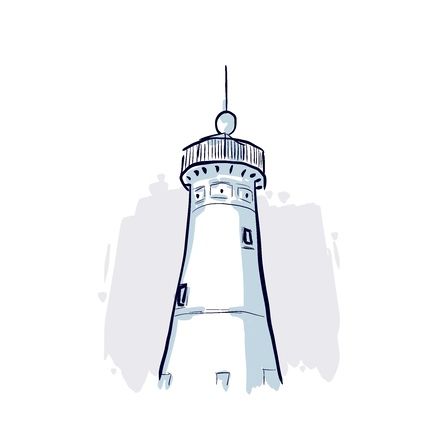
Brisbane is built around its river and is largely enjoyed outdoors. South Bank, on the southern side, lines up tropical gardens, a swimming lagoon and the major Queensland museums, with the big wheel as a landmark. Opposite, the centre mixes glass towers with colonial buildings such as City Hall and its observation tower. Kangaroo Point and its cliffs give the finest view of the skyline, especially at sunset, while the City Botanic Gardens and the heights of Mount Coot-tha extend the walk on the nature side. The Ryo audio guide offers a dedicated walking route through Brisbane linking these sights along the river.
What day trips can you take from Brisbane?
Brisbane makes a good base for a wide range of escapes. To the east, the islands of Moreton Bay are reached by ferry: sand dunes, shipwrecks visible from the shore and dolphin or whale watching trips depending on the season. To the south, the Gold Coast strings together long surf beaches and a wooded interior, with the listed rainforests of the hinterland. To the north, the Sunshine Coast and its quieter towns lead on to the Glass House Mountains, whose volcanic peaks can be walked in half a day. Most of these destinations can be reached by train or coach from the centre, so you can rely on public transport.
What should you eat and where should you go out in Brisbane?
Brisbane's food reflects the subtropical climate of Queensland, leaning towards seafood and Asian flavours. Grilled prawns and barramundi, oysters and the region's tropical fruit, mangoes above all during the southern summer, are local favourites. The weekend farmers' markets, often set up along the river, make a good starting point. Fortitude Valley concentrates the nightlife and Asian dining, especially around its Chinatown, while West End and New Farm line up independent cafés and more creative cooking. Brunch holds an important place in local habits, and many places close early in the evening.
Vos commentaires, idées et suggestions
Aucun avis pour le moment