


Créé par Emilie, le 4 oct. 2026
Votre guide Ryo
Melbourne, Australia
Australia's sporting and cultural capital
Parcours audioguidé pour visiter Melbourne en 1 jour
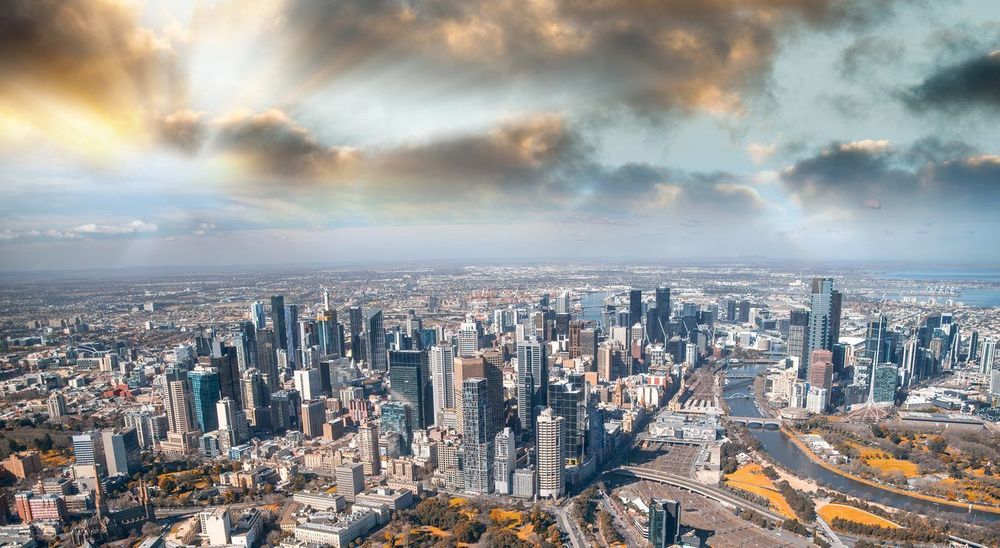
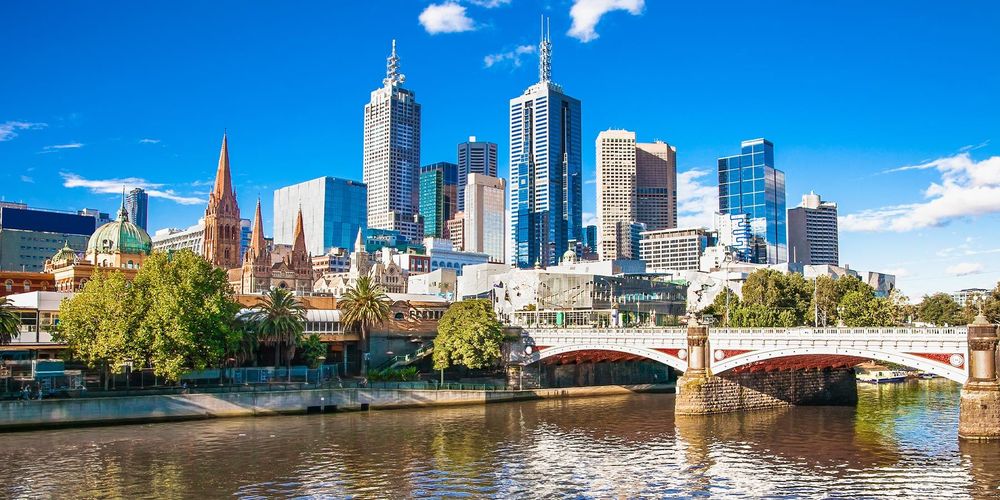
Dynamic and cosmopolitan, Melbourne stands out for its blend of architecture, vibrant arts scene, and lifestyle. With its cafés, street art, parks, and the banks of the Yarra River, the city offers a creative and distinctly modern atmosphere.
Quand partir à Melbourne ?
Jan.
25°
6
Feb.
25°
6
March
23°
7
April
19°
9
May
15°
11
June
12°
12
July
11°
13
Aug.
12°
13
Sept.
15°
11
Oct.
18°
10
Nov.
21°
8
Dec.
23°
7
Contrary to popular belief, Australia isn't all sunshine and unbearable heat. Located at the southernmost tip of the continent, Melbourne has a unique climate where you can experience all 4 seasons in a single day. Still, it's not a deal-breaker. If you're planning to explore the great outdoors during your stay, consider visiting during the right season. But, rest assured; Melbourne is a year-round destination. Summer (December to February) is undoubtedly the best time to explore the city and its surroundings. Average temperatures range from 15°C to 25°C (59°F to 77°F), with highs often exceeding 30°C (86°F). In autumn (March to May), it's cooler and foggy in the mornings, but you can still enjoy beautiful days. Average temperatures rannge from 10°C to 20°C. Spring (September to November) is unpredictable, so pack for all types of weather! During winter (June to August), it's cold and snowy north of Victoria! Make the most of it, hit the slopes of the local ski resorts and brag to your mates back home!
Départ conseillé
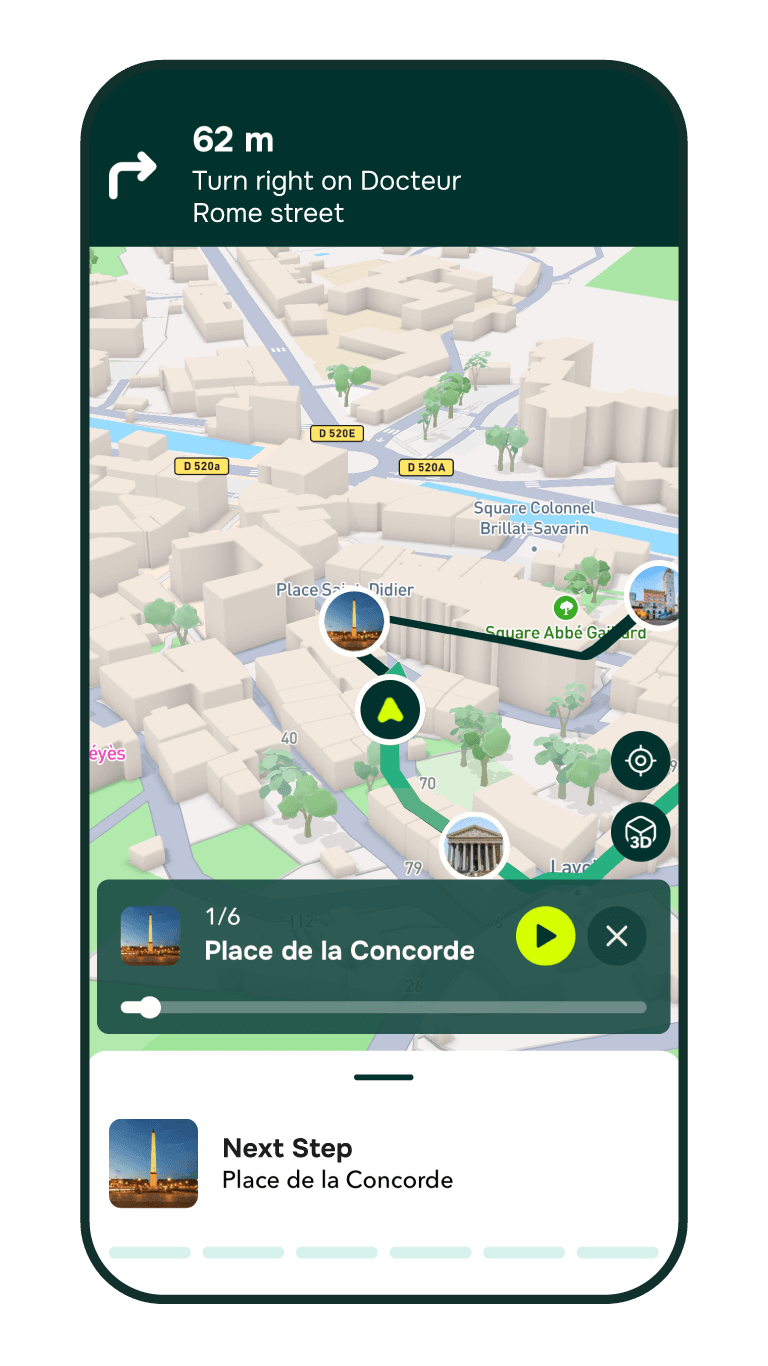
No need to worry about where to begin! Our tours are designed as a loop, so you can jump in wherever you are. The navigation system and audio-guide will automatically adjust to your location. However, if you happen to be nearby, we do have a preferred starting point: Federation Square
Parking à proximité
Bourke square Parking , 392 Bourke St (to enjoy the view from the Rooftop!)
If you're travelling by car, you've probably already discovered the joys of driving on the left side of the road, and all the automatic reflexes that come with it. Turning on your windshield wipers instead of your turn signal, searching for the gear shifter on the wrong side... it's all part of the experience. But Melbourne has yet another challenge in store: deciphering parking signs! If you want to avoid any confusion or fines, your best bet is to opt for one of the many underground car parks. And if your accommodation has parking, then leave your car at home – it's good for the planet, your nerves, and your wallet :) Now for decoding the signs: Slashed 'S' with an arrow below: No parking on the side indicated by the arrow. 1P, 2P, 3P, 4P, etc.: Maximum allowed parking time in hours. Meter or Ticket: Paid Parking. You'll either find a ticket-issuing parking meter or an automated kiosk where you'll enter your parking space number and license plate number. The times below indicate the hours during which the rule applies. Clearway followed by days and times: There should be no parked vehicles on the road during the specified times (usually peak hours). Loading zone: No-parking area, reserved for loading and unloading goods only.
For example, if you see a sign that says "1P 9am-6pm SAT-SUN," it means you can't park for more than one hour on Saturdays and Sundays, from 9 AM to 6 PM. However, parking is free during these times. If the sign says "2P meter 7AM-5PM MON-FRI 7AM-1PM SAT," it means you can park for a maximum of two hours at a charge, from 7 AM and 5 PM, Monday to Friday, and from 7 AM and 1 PM on Saturdays. Outside of these hours and on Sundays, you can park for as long as you like, free of charge.
À savoir
Melbourne, at the forefront of public transport and ecology, offers a free tram zone in the city center. If you're not used to this concept, don't fret – there are no pesky ticket inspectors lurking around. This "free tram zone" allows you to explore most of the city's tourist attractions. If you venture beyond this zone, you'll need a rechargeable Myki card. The cost of your journey will be automatically calculated based on the zone you're in. If you prefer cycling, Melbourne, like all metropolises, has self-service bike terminals. However, remember that helmet usage is mandatory for cyclists in Australia. And Aussies aren't messing around!
Australia's official currency is the Australian dollar (AUD), symbolized by AU$. Since 1988, Australian bills have been made from durable polypropylene plastic. Other countries followed suit, but Australia was the first one to do it. No need for a fancy wallet; these Aussie notes can handle a dip! Throw a few bucks in your trunks and hit the waves! Note that when you withdraw money from an ATM in Australia, there are two kinds of fees. The ATM's issuing bank in Australia may charge a fee for the transaction. The amount will be displayed before you confirm the withdrawal. Your French bank may also charge an international transaction fee for withdrawing cash abroad. It's advisable to inform your bank about your travel plans to avoid having your card blocked due to suspected fraud.
Découvrez 21 lieux d'intérêt pour visiter Melbourne







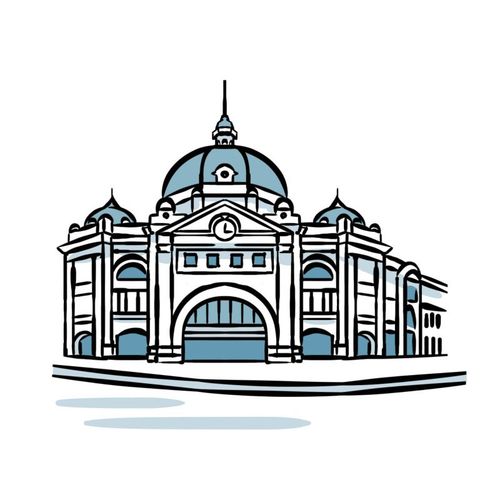
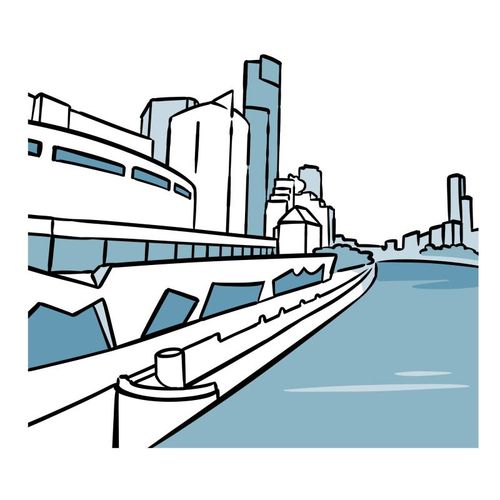


Le plein d'inspirations
Explorez le monde en totale liberté, à pied au cœur des villes ou au fil des routes. Nos guides audios transforment chaque destination en une découverte culturelle immersive et unique.
FAQ for visiting Melbourne
When is the best time to visit Melbourne?
The best time to visit Melbourne runs from December to February, during the southern summer. Temperatures pleasantly range between 15°C and 25°C, with peaks often exceeding 30°C, perfect for fully enjoying the city and its outdoor activities. However, Melbourne can be visited all year round thanks to its temperate climate. Autumn offers lovely days despite a few morning mists, while spring remains unpredictable but charming. Even winter has its appeal, with the chance to ski in the Victoria resorts. Melbourne's weather is renowned for its variability, where you can experience the four seasons in a single day, so pack suitable clothing whatever the time of year you choose.
How many days do you need to visit Melbourne?
Three to four days make an ideal length to discover the essentials of Melbourne. This time lets you explore the main neighbourhoods like the CBD, Fitzroy and St Kilda, wander through the artistic laneways, savour the café culture and visit a few museums. For a more complete immersion including the markets, parks like the Royal Botanic Gardens and perhaps an excursion to the Great Ocean Road or the Yarra Valley, plan instead for five to seven days. Melbourne is a city that reveals itself gradually, where each neighbourhood has its own personality. The longer you stay, the more you'll appreciate its creative, cosmopolitan atmosphere. The Ryo audioguide helps you make the most of your time with themed tours suited to the length of your stay.
How do you get around Melbourne?
Melbourne has an excellent public transport network with its iconic trams, trains and buses. The city centre benefits from a free tram zone, perfect for exploring the CBD at no cost. To use transport outside this zone, get yourself a rechargeable Myki card from the stations or certain shops. The trams remain the most practical and authentic way to discover the city, while the trains efficiently serve the suburbs and more distant attractions. Bike-sharing is a pleasant alternative for short distances, especially along the Yarra. For more flexibility, ride-hailing apps are widely available. As the city is relatively flat and its neighbourhoods well connected, walking also remains very enjoyable for exploring the different neighbourhoods.
What are the must-see neighbourhoods in Melbourne?
The CBD is the beating heart of Melbourne with its skyscrapers, its historic arcades and its hidden laneways full of cafés and street art. Fitzroy, to the north, embodies the bohemian spirit with its vintage shops, its trendy bars and its alternative art scene. St Kilda draws visitors with its lively seafront, its beach and its laid-back seaside vibe. South Yarra appeals to fans of chic shopping and refined restaurants. Carlton, the Italian quarter, charms with its authentic trattorias and its green spaces. Collingwood blends urban creativity with dynamic nightlife. Each neighbourhood has its own unique character and deserves a thorough exploration. The Ryo audioguide offers dedicated tours to discover the essence of each neighbourhood, its hidden stories and its best addresses.
Where can you see street art in Melbourne?
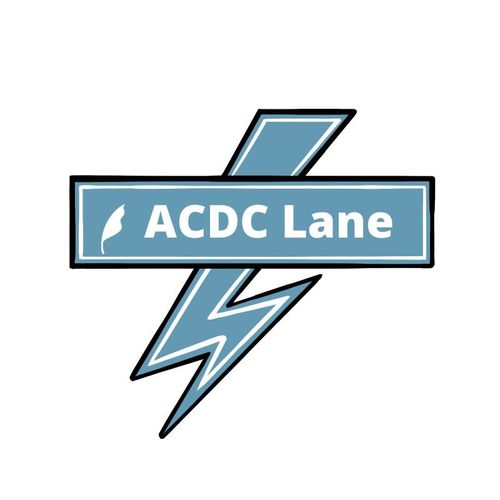
Melbourne is world-renowned for its vibrant street art scene. Hosier Lane remains the most famous thoroughfare, constantly renewed by local and international artists. AC/DC Lane also offers an impressive concentration of urban works in a rock'n'roll atmosphere. Union Lane surprises with its more intimate creations. Beyond the centre, Fitzroy is full of colourful walls, particularly around Johnston Street and Brunswick Street. Collingwood is not to be outdone with its monumental murals. The charm lies in the spontaneous discovery of works at the turn of a street. The creations evolve constantly, making each visit unique. To miss nothing and understand the history of this Melbourne urban art, the Ryo audioguide takes you on a circuit specially designed for street art enthusiasts.
What are the free museums in Melbourne?
Melbourne offers several quality free cultural options. The National Gallery of Victoria (NGV) on St Kilda Road offers free entry to its permanent collection, presenting Australian and international art. The Immigration Museum lets you discover certain exhibitions on Australia's multicultural history free of charge. The Ian Potter Centre: NGV Australia at Federation Square exhibits Australian art from its Aboriginal origins to the present day, free of charge. ACMI (Australian Centre for the Moving Image) offers free access to certain exhibitions on cinema and the media. The Shrine of Remembrance, an impressive war memorial, can also be visited free of charge. Note that temporary exhibitions are generally paid. These cultural institutions are excellent options for enriching your stay, particularly on days of changeable weather.
How do you get to Melbourne from the airport?
From Tullamarine Airport, located about twenty-five kilometres from the city centre, several options are available to you. The SkyBus remains the most popular means, with frequent departures throughout the day and a journey of about thirty minutes to Southern Cross Station. Taxis and ride-hailing are a more comfortable but pricier alternative, particularly handy if you're travelling in a group or with a lot of luggage. Shared shuttle services offer an appealing compromise between price and convenience. For tight budgets, public transport is possible by combining bus and train, but it requires more time and connections. If you arrive at Avalon Airport, further away, special shuttles provide the link with the city centre. Plan your transfer according to your budget and your level of tiredness after the flight.
What can you visit around Melbourne?
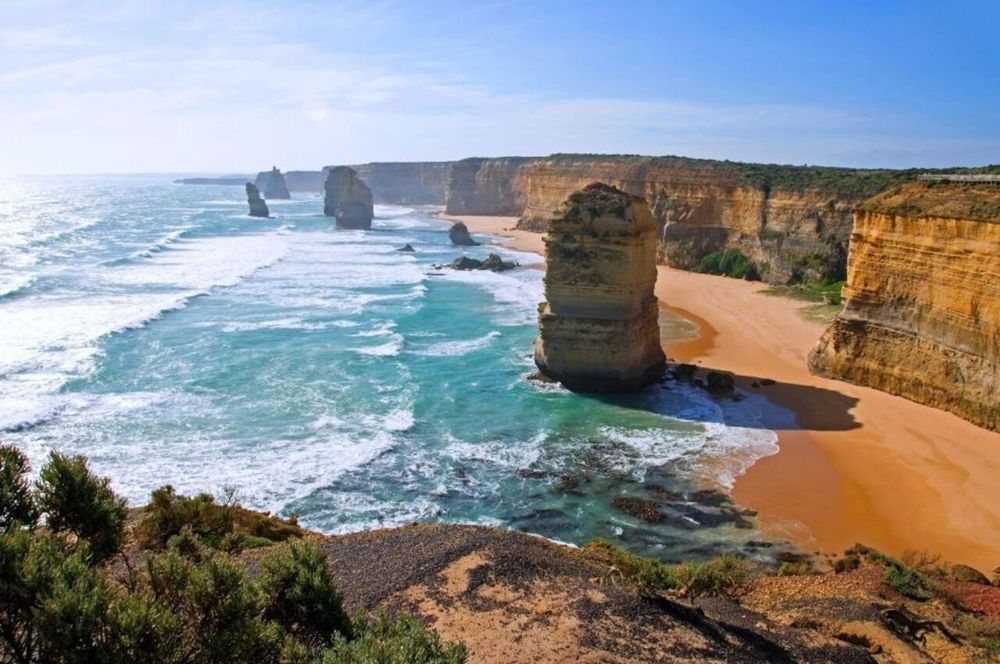
The surroundings of Melbourne are full of natural and cultural wonders. The Great Ocean Road, one of the most spectacular coastal roads in the world, is absolutely worth the detour with its iconic rock formations such as the Twelve Apostles. The Yarra Valley appeals to wine lovers with its renowned vineyards and rolling landscapes. Phillip Island draws visitors for its penguin parade at sunset, a magical and unforgettable moment. The Dandenong Ranges offer a nature getaway with their lush forests and picturesque villages. The Mornington Peninsula combines beaches, hot springs and vineyards. For a historical experience, Sovereign Hill at Ballarat recreates the era of the gold rush. These excursions are generally done as day trips, allowing you to vary the pleasures while keeping Melbourne as your base.
Where can you experience Melbourne's sporting culture?
Sport sits at the heart of Melbourne's identity, and several venues can be visited outside match days. The Melbourne Cricket Ground, a vast arena set in Yarra Park, opens for guided tours and houses the national Australian sports museum, devoted to cricket, Australian rules football and the Olympic Games the city once hosted.
Right next door, Melbourne Park stages the Australian Open tennis tournament during the southern summer, while Flemington racecourse remains tied to the country's most followed horse race and the circuit laid out around the Albert Park lake hosts a Formula 1 round. All these sites border the city centre and are easy to reach by tram or on foot from Flinders Street station. To place them within the wider city, the Ryo audio guide offers a dedicated Melbourne route that covers its highlights.
Where can you eat well and find good coffee in Melbourne?
Melbourne built its reputation on coffee: roasters are everywhere, and the best-known spots often hide in the narrowest laneways of the centre, behind a plain shopfront and a handful of stools. Ordering a flat white or a long black at the counter is part of the local routine, early in the morning as much as in the middle of the day.
When it comes to food, the city owes a great deal to its immigration: Lygon Street gathers the Italian tables, Chinatown and the Richmond or Footscray districts serve Chinese, Vietnamese and Ethiopian cooking, while the Queen Victoria Market remains the easiest place to sample fresh produce, cheeses and takeaway specialities. Food halls and rooftop terraces in the centre round out the choice, generally from lunchtime through to the evening.
Vos commentaires, idées et suggestions
Aucun avis pour le moment