© Shutterstock
 Votre guide Ryo
Melbourne for First-Time Visitors: The Complete 2026 Guide
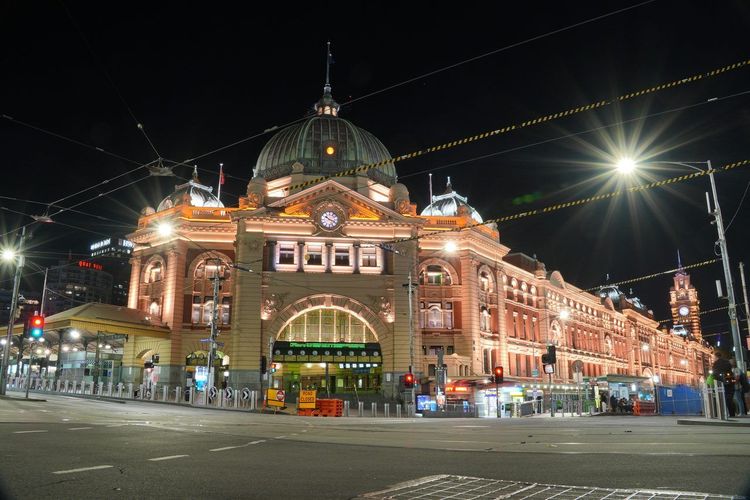
Flinders Street Station's yellow clocks have watched the same bend of the Yarra since 1910, and most Melbourne for first time visitors end up underneath them within an hour of landing, if only because every tram, train and wrong turn in this city seems to loop back past that corner. That's not an accident. Melbourne was built around laneways, free trams and a market that's been running since 1878, and it rewards travelers who wander rather than tick boxes down a list.
Before you plan a single day, it helps to know what actually waits for you here: a free tram loop that circles the entire CBD, a laneway whose street art gets painted over almost weekly, a coffee bar with no chairs where locals drink standing up, and a beach twenty minutes from downtown where wild penguins nest under the pier at dusk. Ryo's audio-guided tour of Melbourne threads through a good chunk of this on foot, which makes it a natural companion for a first visit, but this guide covers everything else too: the CBD icons, the inner-suburb villages, the bayside stretch, the best day trips, how many days you need, and the practical details that separate a smooth week from a jet-lagged scramble.
Getting Your Bearings: Flinders Street Station and Free City Transport
Melbourne's CBD is a grid, which sounds simple until you realize the grid is sliced through by dozens of laneways that don't appear on most paper maps. Start at the one building everyone photographs, then learn the one transport trick that makes the center free to explore.
Flinders Street Station and Federation Square
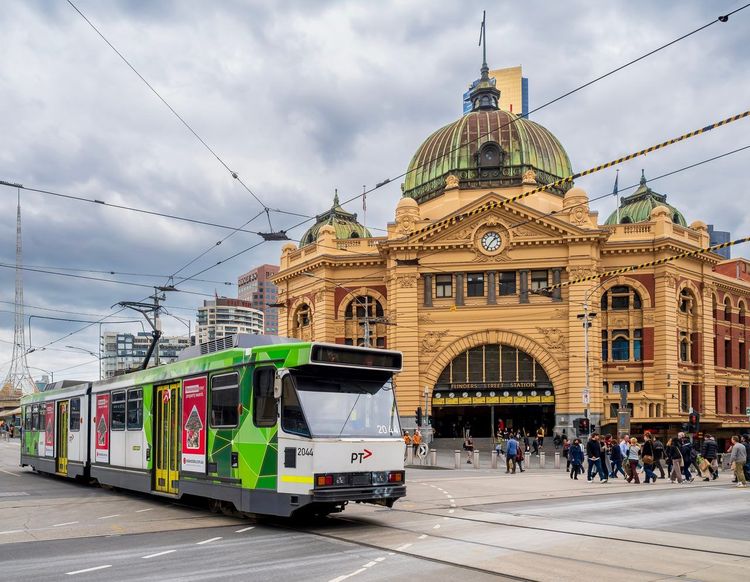
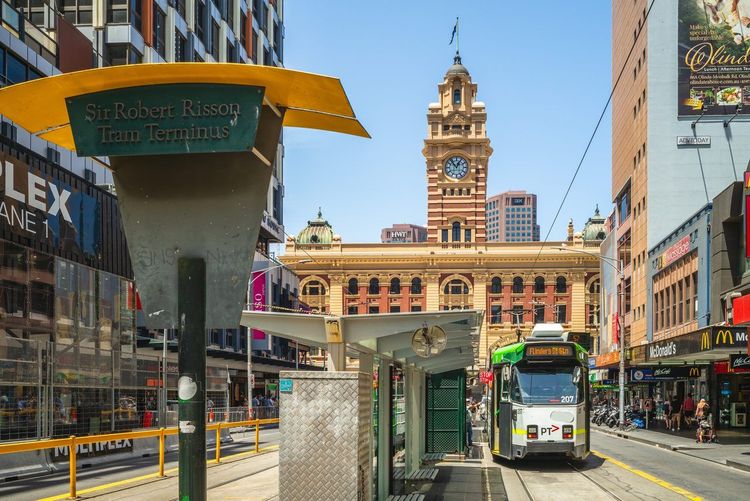
Flinders Street Station) has been the city's default meeting point for over a century, and its Edwardian facade, with the copper dome and the row of clocks above the main entrance, is the most photographed building in Melbourne. Locals still say « meet me under the clocks » without needing to explain which clocks.
Directly across the road, Federation Square (Fed Square, Melbourne VIC 3000, rated 4.5/5 on Google (3 186 avis)) opened in 2002 to mixed reviews over its fractured, sandstone-and-glass geometry, but it's since settled into the role of the city's public square: big screens during the Australian Open, events on weekends, and the Ian Potter Centre housing the NGV's Australian collection right on its edge. Sit on the amphitheater steps for ten minutes at golden hour and you'll understand why it works even if the architecture still divides opinion.
Getting Around for Free: Trams and the City Circle
Here's the detail that saves first-timers real money: the Free Tram Zone covers the CBD grid, Docklands and the Queen Victoria Market, and inside it you don't touch on at all. Just board and go. The catch is the southern edge: the zone stops at Flinders Street and the river, so Southbank and the NGV on St Kilda Road are outside it, and that's where ticket inspectors catch tourists who assume the whole center is free.
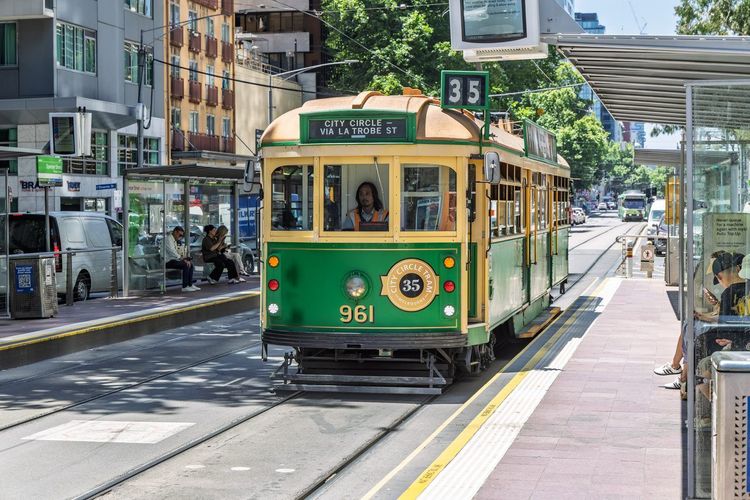
For a slower introduction, ride the City Circle tram, the maroon-and-cream heritage tram (route 35) that loops the CBD and Docklands with a recorded commentary pointing out landmarks as you pass. It's free, and it's one of the best low-effort orientations to any Australian city.
Once your plans stretch beyond the zone, you'll need a myki card (sold at 7-Eleven stores and station machines) or, since 2026, a contactless bank card or phone wallet, which now works on trains, trams and buses at full fare. A daily cap limits what you'll spend on a heavy travel day, and weekend caps are lower still. This orientation loop is also where the Ryo audio guide opens its first stops, so you can step off the City Circle tram right where the narration picks up at Flinders Street and Federation Square.
Melbourne's Laneways, Arcades and Street Art
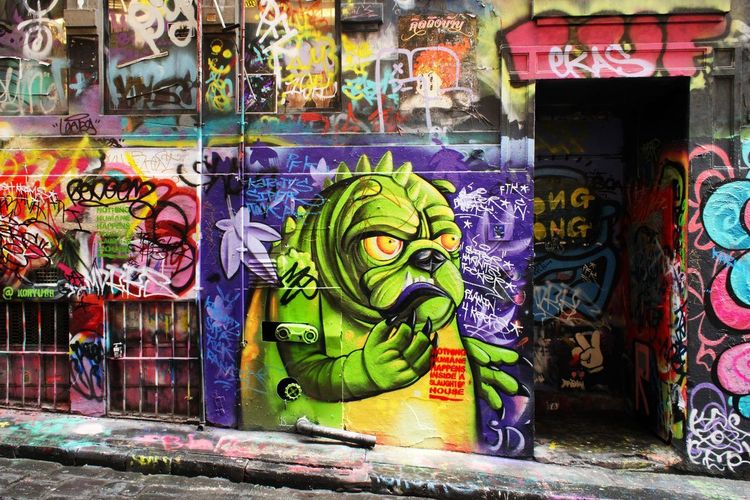
Melburnians don't really think of their laneways as a tourist attraction. They think of them as where the good coffee, the good bars and the good graffiti happen to be, which is exactly why they're worth building an afternoon around.
Hosier Lane and the City's Best Street Art
Hosier Lane), just off Flinders Street opposite Federation Square, is the laneway every visitor photographs, and for good reason: the walls here are repainted so often that a photo from last month can already be out of date. Artists layer over each other's pieces, and the result is less a fixed gallery than a live, shifting canvas that's rarely quiet before 9am or after dark, when the lane doubles as a backdrop for wedding photos and album covers in equal measure.
A five-minute walk away, AC/DC Lane honors the band with its own mural cluster and a quieter crowd. If you only have time for one laneway, Hosier wins on sheer density of art, but AC/DC Lane rewards the detour, especially in the evening when the bars along it open their doors onto the street. Degraves Street and Centre Place, a few blocks west, show the other side of laneway life: narrow, umbrella-covered strips where you eat breakfast elbow to elbow with office workers.
Block Arcade and Royal Arcade: Melbourne's Historic Shopping Lanes
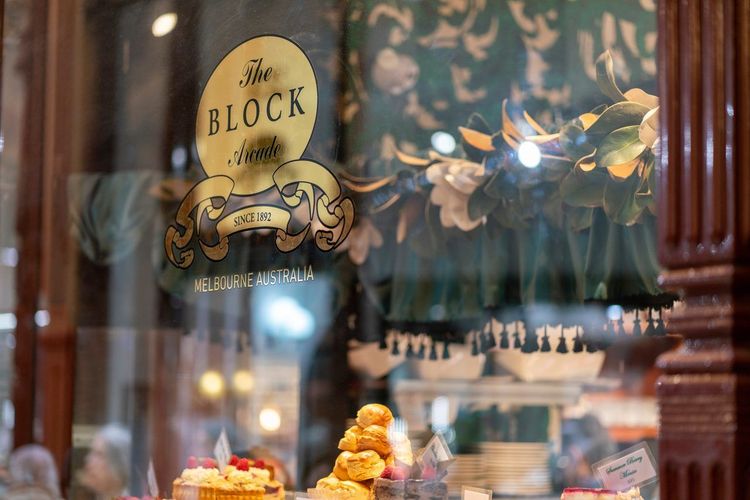
Step back a century and the laneways give way to arcades. The Block Arcade (282 Collins St, Melbourne VIC 3000, rated 4.5/5 on Google (3 490 avis)), completed in 1892 with mosaic tile floors and a glass canopy roof, still houses the Hopetoun Tea Rooms, where the queue for cakes in the window often stretches out into the arcade.
Around the corner, the Royal Arcade, Melbourne's oldest surviving arcade from 1870, is watched over by statues of Gog and Magog, mythical giants that strike a bell on the hour. Both arcades are free to wander, both are beautiful rather than merely old, and both sit inside the same few blocks as Hosier Lane, so a single CBD loop can cover laneways and arcades back to back. Ryo's parcours threads through this exact cluster, with audio stops explaining why Hosier's art turns over so quickly and what lies behind each arcade's facade.
Queen Victoria Market and Melbourne's Coffee Culture
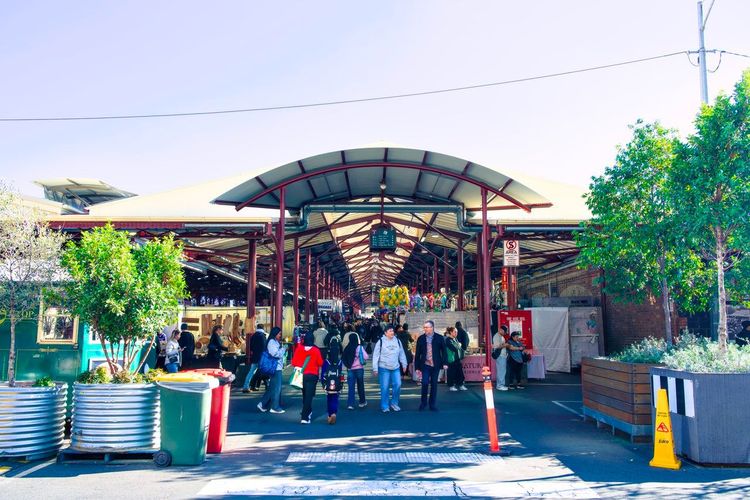
Two things define how Melburnians eat and drink day to day, and neither involves a restaurant reservation: the market where their grandparents shopped, and the coffee they'll defend with real conviction.
Queen Victoria Market: What to Buy and When to Go
Queen Victoria Market) has operated on this site since 1878, and the heritage sheds still smell like a market should: cured meats, cheese and fruit crates stacked higher than you'd think structurally sound. The Dairy Produce Hall is the place for cheese, olives and smallgoods, and on Wednesday evenings the market switches mode entirely: the Summer Night Market runs roughly November to March, and a Winter Night Market takes over from June to August, both swapping produce for street food, a bar and live music.
Check the day before you go: the market is closed on Mondays and Wednesdays during the day, opens from 6am on Tuesdays, Thursdays, Fridays and Saturdays, and from 9am on Sundays. Go early on a Saturday if you want the market working rather than performing, with stallholders calling out prices and locals doing their weekly shop. By mid-afternoon, closing time approaches and prices on the last of the day's fish and produce often drop as vendors clear stock. If the food stalls make you curious, our guide to Melbourne's culinary specialties explains what to order beyond the hot jam doughnuts.
Melbourne's Coffee Scene: Patricia, Market Lane and the Local Flat White
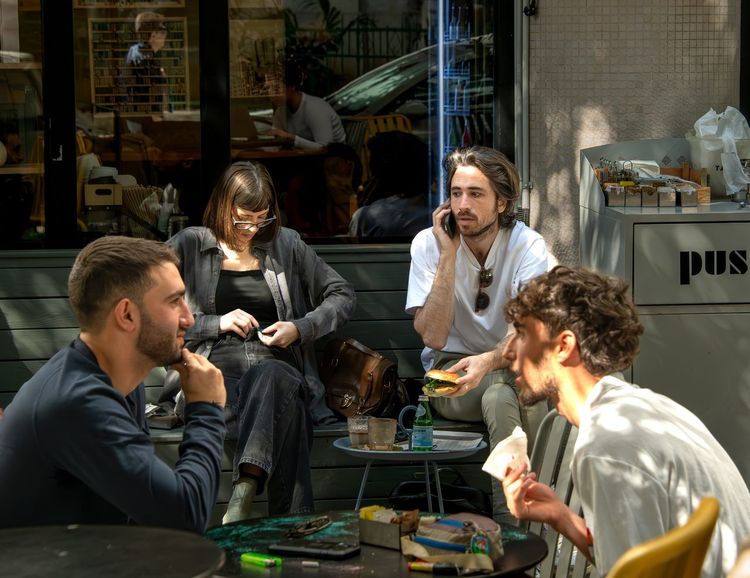
Melburnians don't love international coffee chains, and the city's coffee culture explains why: independent cafes set the standard here, and Melbourne is one of the cities that claims the flat white as its own, a debate New Zealanders will happily reopen with you.
Patricia Coffee Brewers (493 Little Bourke St, Melbourne VIC 3000, rated 4.8/5 on Google (4 532 avis)), tucked into a tiny laneway space with no seats at all, is where a standing-room crowd queues before 8am. It's an odd, wonderful ritual: you order, you drink leaning against a wall, you leave.
Market Lane Coffee, with a counter at Queen Victoria Market and cafes across the inner suburbs, takes a more sit-down approach and roasts its own single-origin beans. Order a flat white at either spot and you'll taste what locals are so protective of: a short, strong shot balanced against velvety steamed milk, nothing like the oversized versions sold under the same name overseas. If you only try one Melbourne coffee, make it this.
State Library Victoria and the CBD's Cultural Icons
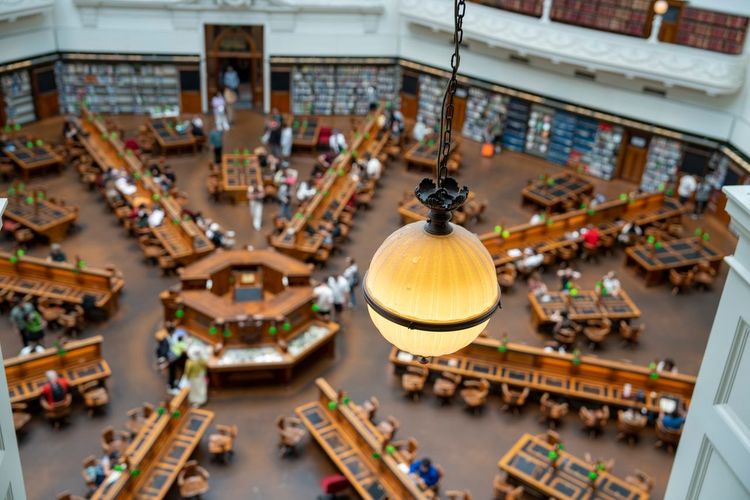
Melbourne's reputation as Australia's cultural capital isn't marketing spin. It's backed by a library most visitors mistake for a cathedral, a gallery with a waterfall wall, and a museum built around a whale skeleton.
Inside the State Library's Domed Reading Room
State Library Victoria), founded in 1854 and opened to the public in 1856, holds the La Trobe Reading Room, an octagonal, domed space that was the largest reinforced-concrete dome in the world when it was completed in 1913. Photographers angle for the symmetrical shot from the upper balcony, where rows of desks fan out beneath the dome's skylight like spokes on a wheel.
Entry is free, the building is air-conditioned (worth knowing on a 35-degree February afternoon), and the front lawn on Swanston Street is where students sprawl with laptops most of the year, giving the whole precinct a lived-in, un-touristy feel despite the crowds angling for photos inside.
National Gallery of Victoria and Melbourne Museum
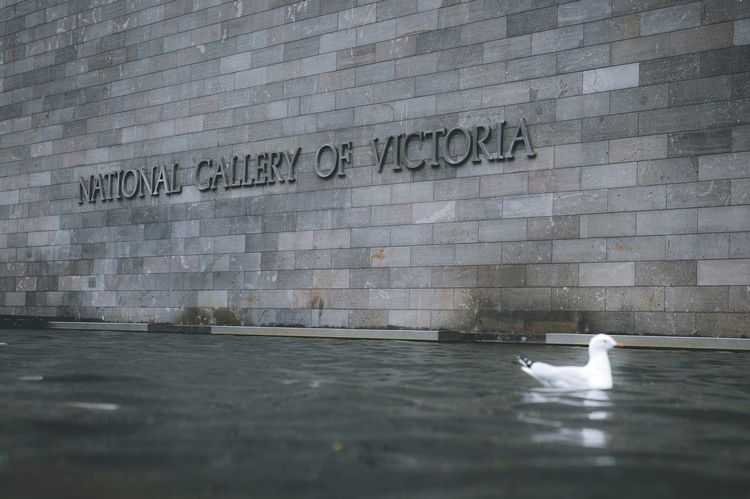
The National Gallery of Victoria) splits its collection across two buildings, with international art on St Kilda Road behind the famous water-wall entrance you can touch as you walk in, and Australian and Indigenous art at the Ian Potter Centre on Federation Square. Entry to the permanent collection is free, so it's an easy, low-commitment stop even with limited time.
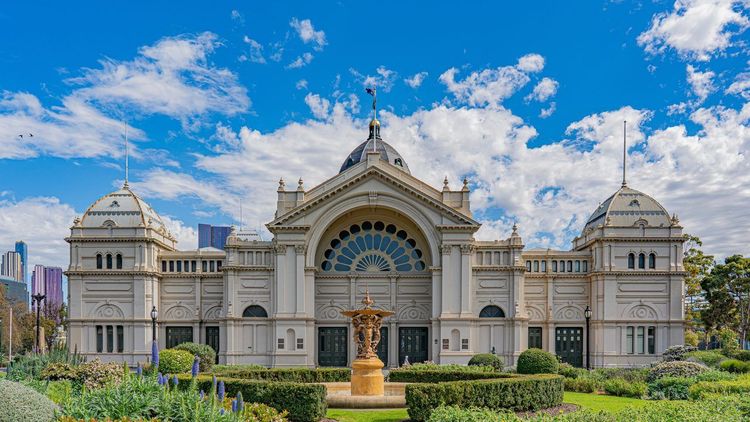
In Carlton, Melbourne Museum (11 Nicholson St, Carlton VIC 3053, rated 4.6/5 on Google (20 072 avis)) covers Victorian natural history, Aboriginal culture through the Bunjilaka Aboriginal Cultural Centre, and the skeleton of a pygmy blue whale. It sits directly beside the Royal Exhibition Building, a soaring 1880 exhibition hall and UNESCO World Heritage site that hosted the opening of Australia's first federal parliament in 1901. If you're tracing Melbourne's migrant story, add the Immigration Museum, housed in the Old Customs House on Flinders Street, where personal objects and oral histories follow waves of arrivals from the gold rush era onward. The Ryo audio guide to Melbourne gives you that same backstory in your ears as you walk between these landmarks, rather than leaving you to read every museum label.
Parks, Gardens and the Yarra River
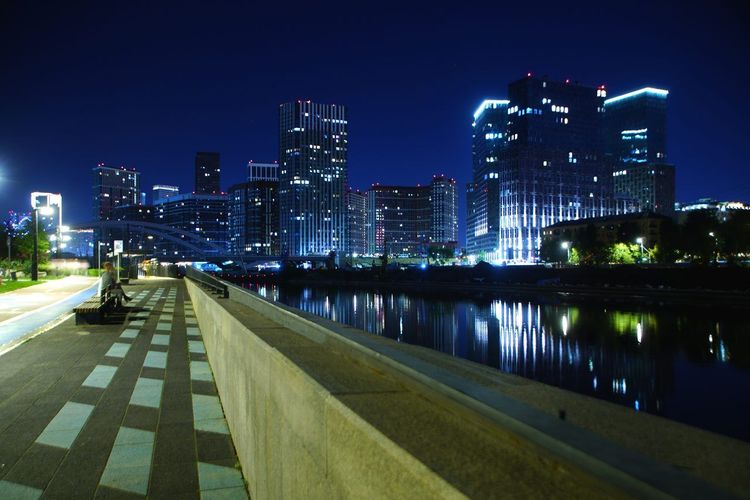
For a city this dense, Melbourne gives up a surprising amount of its center to green space, and almost all of it sits within walking distance of the CBD.
Royal Botanic Gardens and Fitzroy Gardens
The Royal Botanic Gardens (Birdwood Ave, South Yarra VIC 3141, rated 4.8/5 on Google (19 929 avis)), 38 hectares along the Yarra's south bank, were established in 1846 and still rank among the finest botanic landscapes in the world, with ornamental lakes, a cactus and succulent collection and enough shaded paths to make a hot day bearable. Bring a picnic; the lawns are built for exactly that.
Right beside the gardens on St Kilda Road, the Shrine of Remembrance honors Victoria's war dead with a solemn classical facade. At 11am on 11 November, a shaft of sunlight through an opening in the roof falls on the word « Love » carved into the Stone of Remembrance, and a mirror system recreates the effect every half hour for visitors the rest of the year. Climb to the balcony for one of the best free views back over the city.
On the CBD's eastern edge, Fitzroy Gardens offers something stranger: Captain Cook's Cottage, dismantled brick by brick in Yorkshire and rebuilt here in 1934, sits among elm-lined avenues that escaped the Dutch elm disease that wiped out Europe's elms.
The Yarra River: Southbank Walks, Dinner Cruises and GoBoat
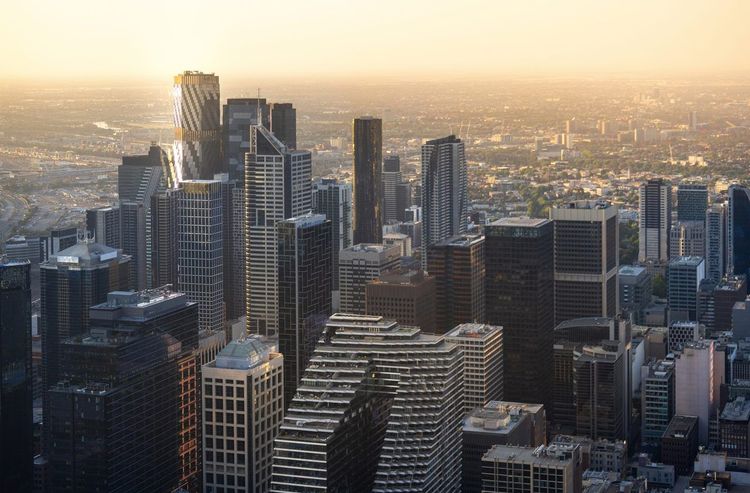
The Yarra River splits the CBD from Southbank, and its muddy brown color has been the butt of local jokes for decades, but the riverside promenade itself is pleasant for an evening stroll past bars, restaurants and the Crown casino's fire displays.
You have two easy ways to get properly onto the water: book a dinner cruise that drifts past the skyline as it lights up, or rent a GoBoat, an electric picnic boat you captain yourself with no license required, built around a table where you bring your own food and drinks. It's an oddly relaxing way to see the city from an angle no walking tour offers, and splitting the hire between a group of friends keeps it cheaper than most cruises.
St Kilda, Brighton and Melbourne's Bayside
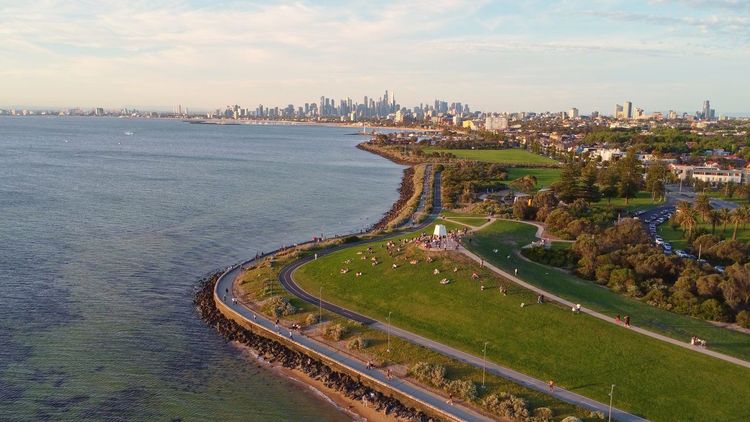
Melbourne isn't landlocked the way its CBD sometimes suggests. Around twenty-five minutes by tram from Flinders Street, the city opens onto Port Phillip Bay, and the mood shifts from laneway-and-espresso to beach-and-sunset almost immediately.
St Kilda Beach, Luna Park and the Palais Theatre
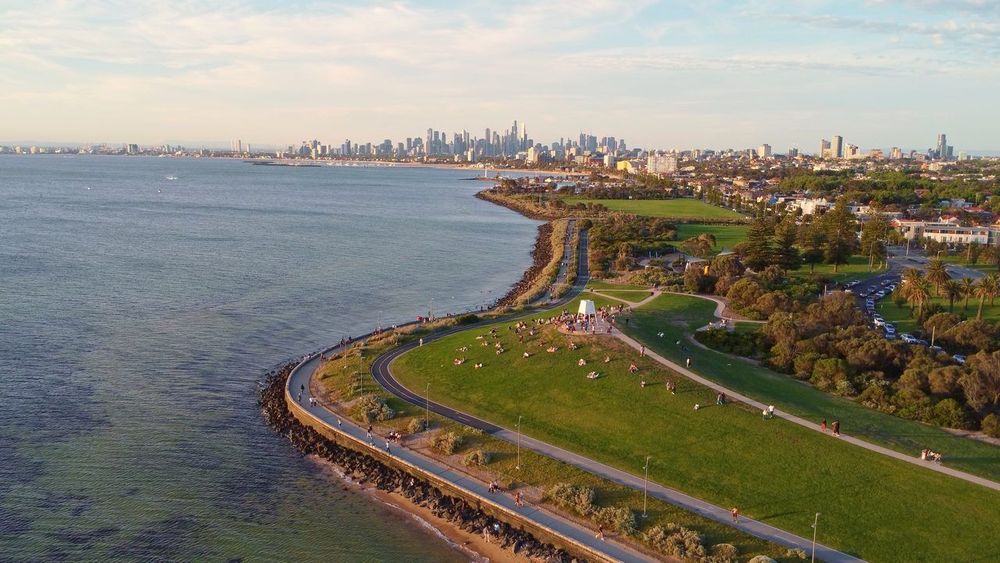
St Kilda Beach) has been Melbourne's favorite seaside escape since the Victorian era, when the pier and the sea baths first drew day-trippers out from the city. Today the foreshore mixes joggers, dog walkers and sunset photographers most evenings, with the city skyline visible across the water.
Luna Park (18 Lower Esplanade, St Kilda VIC 3182, rated 4.1/5 on Google (9 514 avis)), open since 1912, still runs its original wooden Scenic Railway, the oldest continuously operating roller coaster in the world, alongside a historic carousel. Next door, the Palais Theatre, a 1927 venue, hosts touring musicians in a room most cities would envy. Walk up Acland Street afterward for cake shops whose window displays of Central European pastries date back to the postwar migration that shaped the neighborhood. You should also time a walk to St Kilda pier around dusk, when a small colony of little penguins returns from the bay to the breakwater rocks. Volunteer guides often help visitors view them responsibly; keep quiet and never use a flash.
Brighton's Bathing Boxes and Albert Park Lake
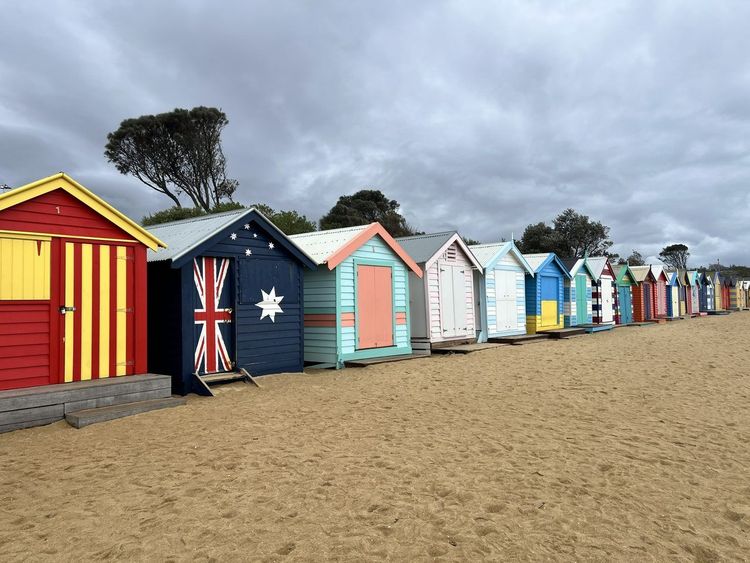
A short train ride further south, Brighton's bathing boxes line Dendy Street Beach in a row of more than 80 brightly painted wooden huts, each privately owned and individually decorated, which makes the stretch one of the most photographed beaches in Victoria. Come in the late afternoon, when the light warms the colors.
Back toward the city, Albert Park Lake is circled by a path of roughly 5km that becomes part of the Formula 1 Australian Grand Prix circuit each March, when grandstands briefly swallow the surrounding parkland. Outside race season it's a quieter loop for runners and rowers. If you'd rather follow a set route than improvise along the coast, the Ryo audio-guided parcours gives you the stories behind the pier, the penguins and the old seaside resort as you walk.
Fitzroy, Carlton and Melbourne's Inner Suburbs
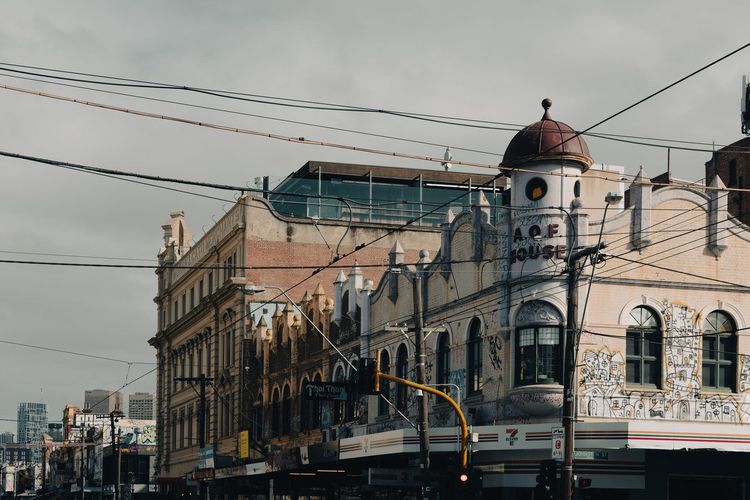
Melbourne is often described as a city of villages, and nowhere proves that better than the ring of inner suburbs just north and east of the CBD, each with a distinct identity you can feel within a block of arriving.
Lygon Street and the Royal Exhibition Building
Lygon Street (Lygon St, Carlton VIC 3053, rated 4.4/5 on Google (2K reviews)) in Carlton is Melbourne's Little Italy, settled by postwar Italian migrants and still lined with trattorias, gelaterias and family-run delis. Come hungry; portions here still follow an older, more generous logic than the CBD's small-plates trend.
A few minutes' walk away, the Royal Exhibition Building and Carlton Gardens reward a slower look than most visitors give them on the way to the museum next door; the formal gardens alone, with their Hochgurtel Fountain and avenue plantings, are worth fifteen quiet minutes. Guided tours of the building's interior run on selected days and are the only way to see its painted dome up close.
Fitzroy's Street Art and the Rose St Artists Market
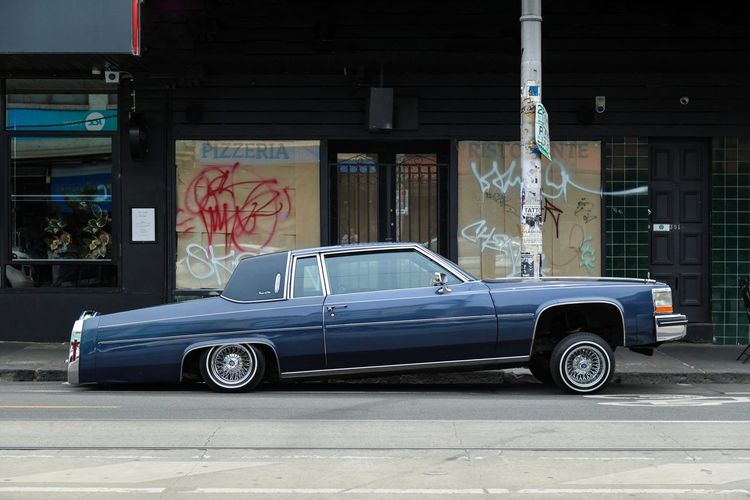
Keep walking (or hop a tram) into Fitzroy and neighboring Collingwood, and the mood changes again: this is Melbourne's grungier, more bohemian quarter, built around converted warehouses, vintage stores and a street art scene that rivals the CBD's laneways without the crowds.
On weekends, the Rose St Artists' Market fills a lot with stalls of handmade jewelry, ceramics and prints from local makers, a good spot for souvenirs that aren't mass-produced. Brunswick Street and Smith Street, the area's two main strips, run parallel a few blocks apart and each has its own loyal following for bars and cafes. This is the clearest example of the « city of villages » reputation: walk ten minutes in any direction from the CBD and the architecture, the crowd and even the coffee order change. Ryo's audio guide covers the heart of the city, and these northern suburbs make the natural next step once you've finished it, best explored with no fixed plan at all.
Sport, Skydecks and Melbourne's Big Views
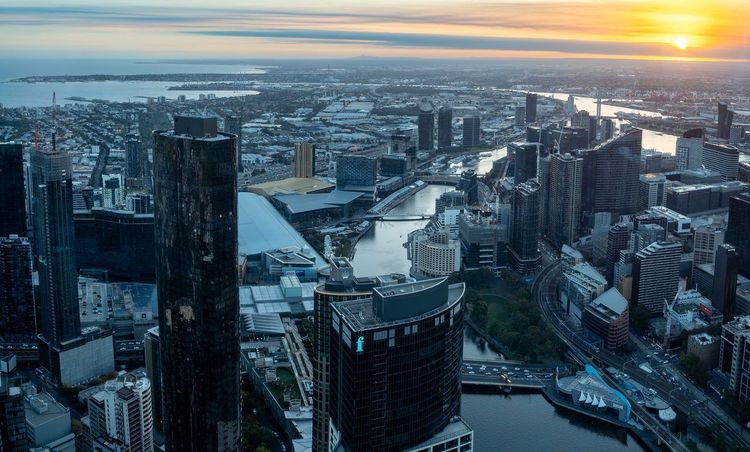
Melburnians are sports fanatics, without irony, and the city's skyline gives you a way to see just how much of it is built around that obsession.
The MCG and Melbourne's Sporting Culture
The Melbourne Cricket Ground), known locally as « the G », holds around 100,000 people for AFL finals and has hosted everything from the 1956 Olympics to Ashes Tests. On non-match days, guided tours take you through the members' areas and down to the ground, and the Australian Sports Museum inside covers the history of the city's favorite obsession.
If your visit lands in January, the Australian Open takes over Melbourne Park, a short walk from the MCG along the same riverside sporting precinct, and the city's energy shifts toward tennis for two weeks. A ground pass is the cheapest way in, giving you access to the outside courts and the festival atmosphere without a stadium ticket. Between March and September, catching an AFL match is the best crash course in local culture you can buy, and tickets for regular-season games are usually easy to find.
Melbourne Skydeck and the City's Best Views
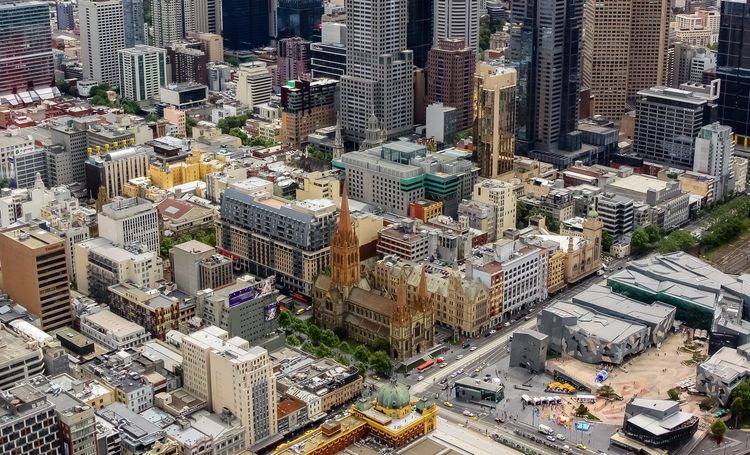
For the view that puts all of this in context, ride the lift to Melbourne Skydeck (long known as Eureka Skydeck (7 Riverside Quay, Southbank VIC 3006, rated 4.7/5 on Google (306 avis))) on the 88th floor of Eureka Tower in Southbank. On a clear day you can see across the bay to the Dandenong Ranges in one direction and out toward the You Yangs in the other, and the glass « Edge » cube slides you out over the drop if you're brave enough to stand on it. Pricing is dynamic, with adult tickets roughly A$33 to A$43 and the Edge as a paid add-on, so book online and pick a weekday for the best rate.
Best Day Trips from Melbourne
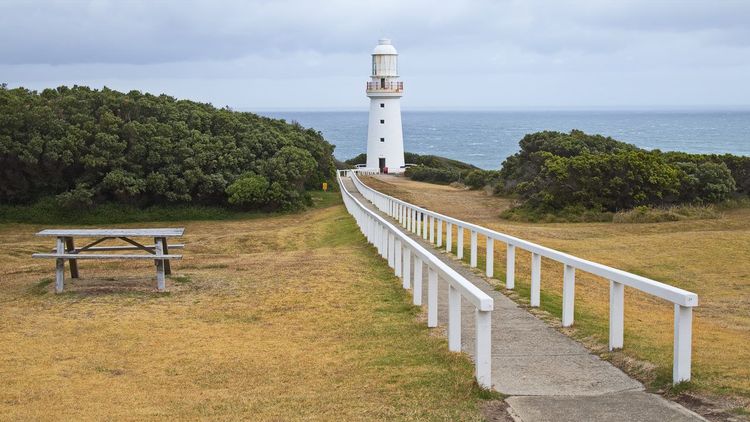
Melbourne's biggest advantage over most Australian capitals is what sits within two to three hours of it. Pick one, or stack two if you've got the stamina for a long day. Without a car, organized coach tours cover all three of the classics below, though driving gives you far more freedom on the Great Ocean Road.
Phillip Island and the Penguin Parade
About two hours southeast of the city, Phillip Island hosts the nightly Penguin Parade, where little penguins, the world's smallest penguin species, waddle ashore at sunset in numbers that often reach into the thousands. Viewing stands and boardwalks keep you at a respectful distance while still allowing a close look, photography is banned to protect the birds, and the island's Koala Conservation Reserve and surf beaches turn it into an easy full day out. Book ahead in summer and bring a warm layer even in January: the beach gets cold once the sun drops.
Yarra Valley Wine Country and the Dandenong Ranges
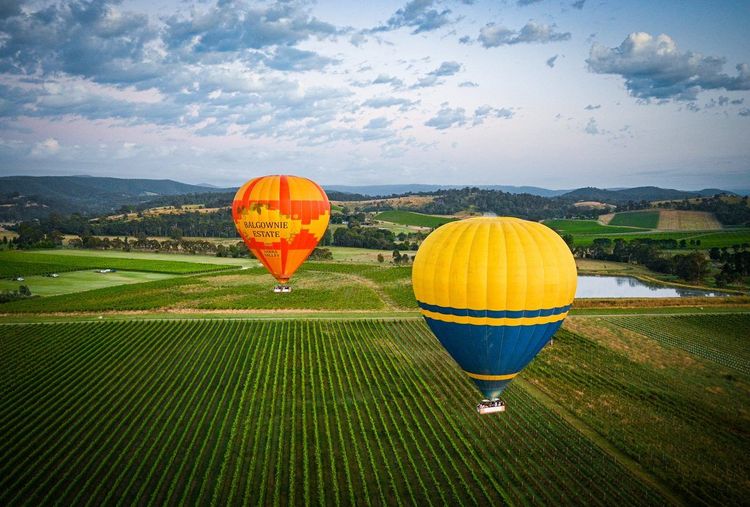
An hour northeast, the Yarra Valley produces some of Victoria's best pinot noir, chardonnay and sparkling wine across dozens of cellar doors. Combine a morning of tastings with an afternoon in the Dandenong Ranges, where cool-climate forest trails wind past fern gullies, and where Puffing Billy, a heritage steam railway running since 1900, still lets passengers sit on the carriage sills with their legs dangling out through the forest above Belgrave. You can reach Belgrave by suburban train from the city, which makes Puffing Billy the easiest of the classic day trips to do without a car.
The Great Ocean Road
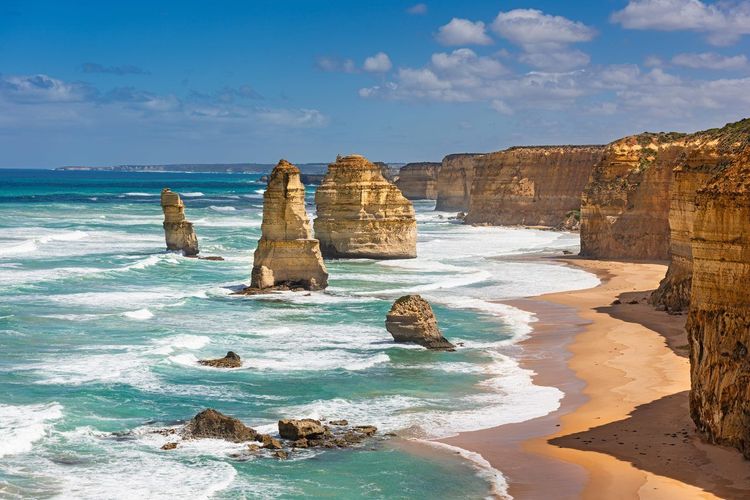
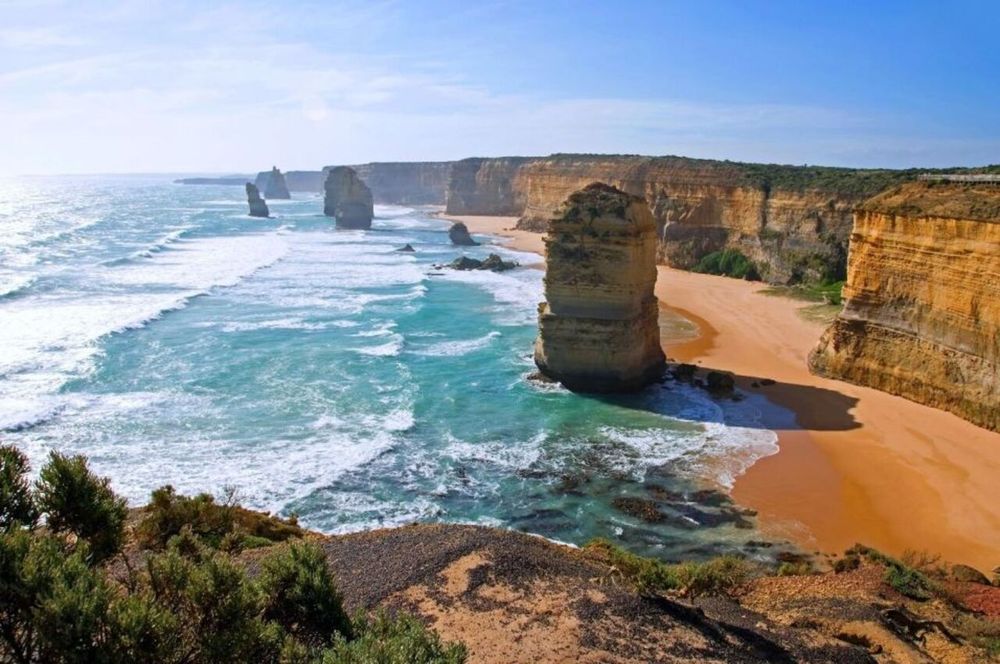
This is the day trip that needs the most planning, and arguably rewards it the most. The Great Ocean Road runs roughly 240km along Victoria's southwest coast, past the surf town of Torquay, the rainforest of the Otways and the Twelve Apostles limestone stacks near Port Campbell. Doing it justice really needs a full day minimum, ideally an overnight in Lorne or Apollo Bay, since the drive back from the Apostles to Melbourne takes around three hours even on the faster inland route.
Where to Stay in Melbourne
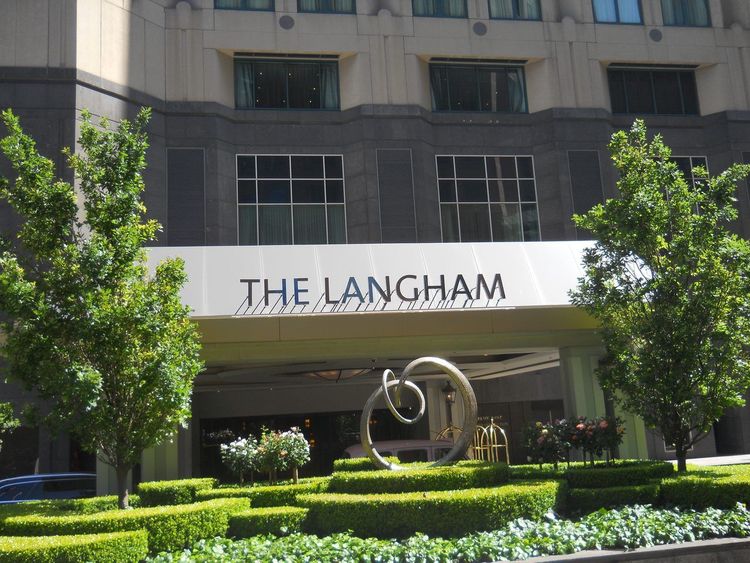
Melbourne's accommodation splits fairly cleanly by budget and base. On the river in Southbank, The Langham Melbourne (1 Southgate Ave, Southbank VIC 3006, rated 4.4/5 on Google (3 168 avis)) looks straight across the water to Flinders Street, a solid pick if you want five-star comfort a short walk from the laneways. For a mid-range option with real heritage, the Grand Hotel Melbourne occupies the former Victorian Railways headquarters on Spencer Street near Southern Cross Station, useful if you're arriving by SkyBus or heading out early on a regional train. Budget travelers tend toward Space Hotel on Russell Street, a no-frills, well-located option that puts you within a ten-minute walk of most CBD attractions.
Beyond the CBD, basing yourself in St Kilda trades some convenience for beach access and a livelier bar scene, while Fitzroy suits travelers who want to feel like a local for a week rather than a tourist downtown. Southbank and South Yarra sit in between, close to the Botanic Gardens and the arts precinct. Whichever you choose, check how close you are to a tram line; in Melbourne, that matters more than distance in kilometers, and staying inside the Free Tram Zone can save you a surprising amount on short trips.
Practical Tips: Weather, Money and Local Etiquette
A handful of local quirks catch out even well-traveled visitors, so it's worth front-loading these before you land.
What to Pack: Melbourne's Four Seasons in One Day
Melbourne's weather can swing by 15 degrees Celsius within a single day, especially in spring, thanks to cool changes rolling in off the Southern Ocean with little warning. Pack layers rather than committing to one seasonal wardrobe, and don't be surprised to see locals in black year-round; it's less a fashion statement than a practical response to a climate that rewards versatility over color. The UV index is high from spring to autumn even on mild days, so a hat and sunscreen matter more than the thermometer suggests.
It's also worth knowing the city sits on the land of the Wurundjeri and Bunurong peoples of the Kulin Nation, and that Melbourne's Indigenous name, Naarm, is increasingly used alongside the English name in signage, acknowledgments and public spaces across the city.
Money, Tipping and Transport Etiquette
Australia runs on the Australian dollar, and most visitors do better withdrawing cash from an ATM on arrival than exchanging currency beforehand, since airport exchange rates tend to be poor. In practice you'll barely need cash: card payments, including tap-to-pay, are accepted almost everywhere, even for a coffee, though some businesses add a small card surcharge.
There's no cultural expectation to tip in Australia, because award wages are far higher than in tipping countries; rounding up or leaving 10% for great service at a restaurant is a kind gesture, not an obligation. Do expect a surcharge, usually 10-15%, on public holidays and sometimes Sundays, which restaurants must disclose on the menu. On trams and trains, let people exit before boarding, stand on the left on escalators, and tap on and off when you travel outside the Free Tram Zone. Flying in, the SkyBus links the airport with Southern Cross Station for a fraction of a taxi fare. Melbourne is also, by most measures, a safe city for visitors, with the usual big-city caution late at night in a few nightlife-heavy CBD blocks being the main thing to keep in mind.
How Many Days to Spend in Melbourne
Three full days is the sweet spot for a first visit. Spend day one in the CBD (Flinders Street, Hosier Lane, the arcades, the State Library and an evening by the Yarra), day two split between Queen Victoria Market, Carlton and Fitzroy, and day three on the bayside with the Botanic Gardens, St Kilda and a sunset penguin watch. With five days, add Phillip Island and either the Yarra Valley or Puffing Billy; with a week, give the Great Ocean Road the overnight it deserves. For more ideas to fill the gaps, see our list of things to do in Melbourne.
Seasonal Events and Festivals in Melbourne
Melbourne's calendar is dense enough that timing a trip around one event can shape your whole visit. January brings the Australian Open and the hottest weather. March is packed: the Formula 1 Australian Grand Prix around Albert Park Lake, the Melbourne Food and Wine Festival, Moomba on the Labour Day weekend, and the Melbourne International Flower and Garden Show at the Royal Exhibition Building and Carlton Gardens (25-29 March in 2026). The Melbourne International Comedy Festival then takes over venues citywide from late March into April.
Winter is quieter but rewards culture lovers with the Melbourne International Film Festival in August and the Winter Night Market at Queen Vic. Spring belongs to sport: the AFL Grand Final at the MCG on the last Saturday of September comes with an official public holiday on the Friday before, and the Melbourne Cup, run at Flemington on the first Tuesday of November, is another public holiday in Melbourne, the race that famously « stops the nation ». Book accommodation early around any of these dates, as prices climb fast.



FAQ
What to do in Melbourne for first timers?
Start at Flinders Street Station and Federation Square, ride the free City Circle tram for orientation, then walk Hosier Lane and the CBD arcades before heading to Queen Victoria Market. From there, St Kilda's bayside and a day trip to Phillip Island or the Great Ocean Road round out a solid first visit.
Is Melbourne worth visiting as a tourist?
Yes. Melbourne consistently ranks among the world's most liveable cities, with a dense cultural scene (free galleries, a historic library, major museums), distinct inner-suburb neighborhoods, and some of Australia's best day trips within two to three hours by car.
How many days in Melbourne is enough?
Three full days cover the CBD, St Kilda and one inner suburb comfortably. Five days lets you add a day trip to Phillip Island, the Yarra Valley or the Great Ocean Road without feeling rushed.
What are the top 5 tourist attractions in Melbourne?
Most first-time itineraries center on Flinders Street Station and Federation Square, Hosier Lane's street art, Queen Victoria Market, the Royal Botanic Gardens, and either St Kilda's beachfront or the Melbourne Skydeck for a skyline view.
Is Melbourne safe for tourists?
Generally, yes. Melbourne ranks as one of the safer major cities for visitors, with standard precautions around a few CBD nightlife blocks late at night being the main caveat most locals would mention.
Do you need to tip in Melbourne?
No. Tipping isn't expected in Australia, though rounding up for great service is appreciated. A surcharge of 10-15% is common on public holidays and sometimes Sundays, and restaurants must disclose it on the menu.
Melbourne rewards the kind of traveler who's happy to get mildly lost between a laneway and a tram stop, and most of what makes the city worth a first trip sits within a 20-minute radius of Flinders Street Station anyway. If you want a structured way to connect the CBD icons and the stories behind them without constantly checking a map, Ryo's audio guide to Melbourne covers the route stop by stop, which leaves you free to look up at the laneway art instead of your phone.