© Shutterstock
 Votre guide Ryo
What to Do in Melbourne in 2026: 15 Must-Have Experiences
In Melbourne, the question of what to do rarely comes down to ticking off monuments one by one: the city has built its reputation on its painted laneways, covered markets, and neighbourhoods that change character every five hundred metres. It cannot be summed up in a single classic guided tour morning. To get your bearings without losing time on the first day, the Ryo Melbourne audio guide tour maps out a first itinerary through the city centre before pushing further afield, towards the sea and the vineyards of Victoria.
Here, an unremarkable office building conceals a hidden door leading to a cocktail bar open since the 1930s, a wooden pier is home to the only colony of little penguins you can observe for free with no reservation or boat, and the five-star bathrooms of a grand hotel have become, without irony, a listed tourist attraction. Between the 240 kilometres of the Great Ocean Road, the vineyards of the Yarra Valley, and a heritage tram that loops around the centre at no cost, this guide details fifteen experiences for a stay of one to five days, from the street art of Hosier Lane to day trips into the Grampians.
1. Uncovering the Secrets of the CBD Laneways and Street Art
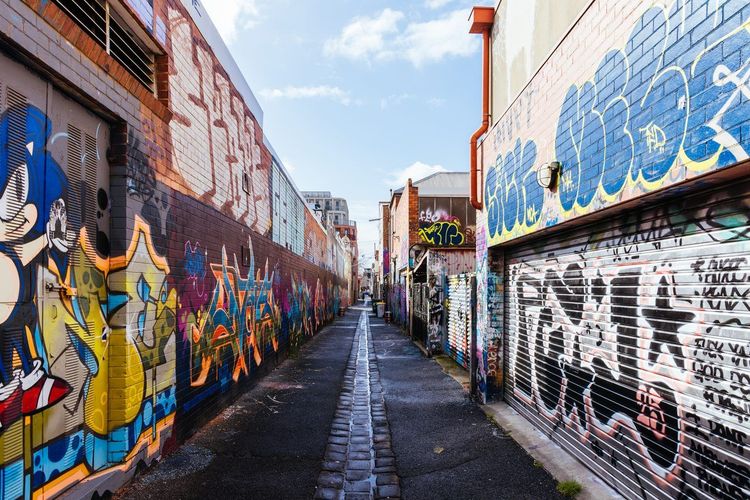
Melbourne's CBD is laid out on a regular grid inherited from the nineteenth century, but between the main thoroughfares lies a network of more than two hundred laneways and arcades. Since the early 2000s, the city council made a choice that runs counter to most Western cities: rather than erasing graffiti, it legalised and encouraged street art in certain laneways, transforming service corridors into open-air galleries refreshed almost every week.
Hosier Lane, AC/DC Lane, and Duckboard Place
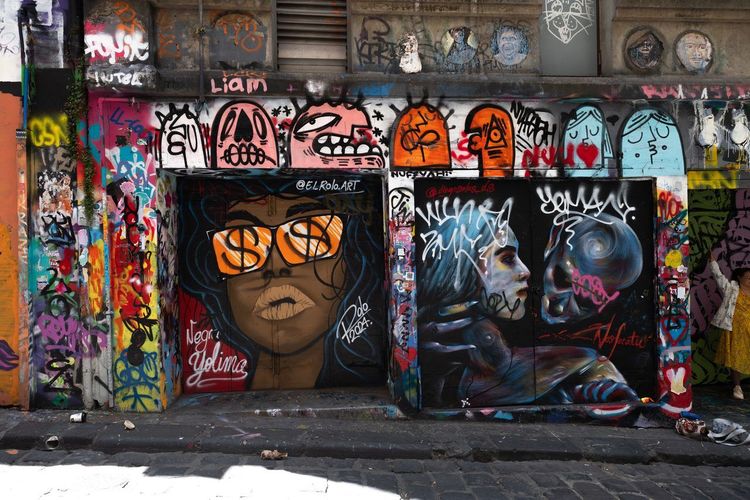
Hosier Lane is Melbourne's most photographed laneway, to the point that the city tolerates a near-official rotation: artworks change every few days, painted over by new artists in a continuous cycle running for more than twenty years. The damp cobblestones reflect the colours of the murals, and wedding photo shoots take place there from morning to night.
Around the corner, AC/DC Lane pays tribute to the rock band formed in Melbourne in the 1970s: the street sign itself was renamed in 2004 following a fan petition, and concert posters layer over one another on the walls like a palimpsest telling the story of Australian rock. Duckboard Place, narrower and darker, extends the walk with more experimental art, often executed in stencil.
Come early in the morning, before 9am, to photograph the murals without the crowds that flood Hosier Lane in the middle of the day. An overcast sky is no problem here: the vivid colours of the street art more than compensate for the lack of sunshine, unlike most outdoor sites in the city.
Croft Alley, Presgrave Place, and Drewery Lane
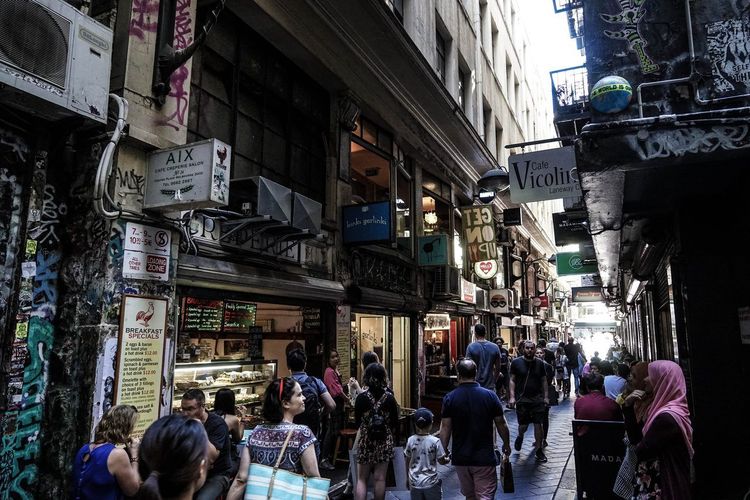
Less frequented than Hosier Lane, Croft Alley hides a discreet entrance leading to a bar suspended above the rooftops, decorated with pink neon tubes amid the graffiti. Access is through an almost invisible recess from Little Bourke Street (Little Bourke Street, Melbourne VIC 3000), which explains why the laneway remains largely spared from crowds.
Presgrave Place and Drewery Lane, a few minutes' walk away, complete this triangle of secondary laneways. The first houses a tiny photo booth and urban art installations that change over the months; the second features more abstract murals, signed by local collectives rarely mentioned in mainstream guides. Both passages can be crossed in ten minutes but are worth the detour for anyone who has already done the rounds of Hosier Lane.
None of these three passages appears on the maps handed out at the tourist office: ask your hotel reception for the laneways itinerary instead, or simply follow groups of people photographing a wall with their phones — a reliable indicator that a recent artwork is nearby.
Stevenson Lane, Tattersalls Lane, and Flinders Court
Stevenson Lane, between Bourke Street and Little Bourke Street, is one of the densest spots in the city centre for large-scale street art: murals climb several storeys, repainted with rollers by collectives that often work overnight. Just beside it, Tattersalls Lane mixes painted walls, Chinatown back kitchens, and the near-invisible entrance to a basement bar that nothing announces from the street.
A little further south, Flinders Court lines up designer boutiques and discreet stencils on raw brick walls, in an atmosphere far calmer than Hosier Lane. A few streets away, Chuckle Park takes the laneway concept to its logical extreme: this tiny CBD bar at 322 Little Collins Street occupies a strip of synthetic lawn a few square metres wide, with a vintage caravan as its counter and stools lined up under fairy lights.
Discovering Melbourne's laneways above all requires looking up: many artworks hide above shopfront level, on blank gable ends only visible when you stand in the middle of the passage. Allow a good two hours to walk through these laneways one after another — they all fit within a six-hundred-metre square.
Little Bourke Street, Rankins Lane, and Hidden Cafés
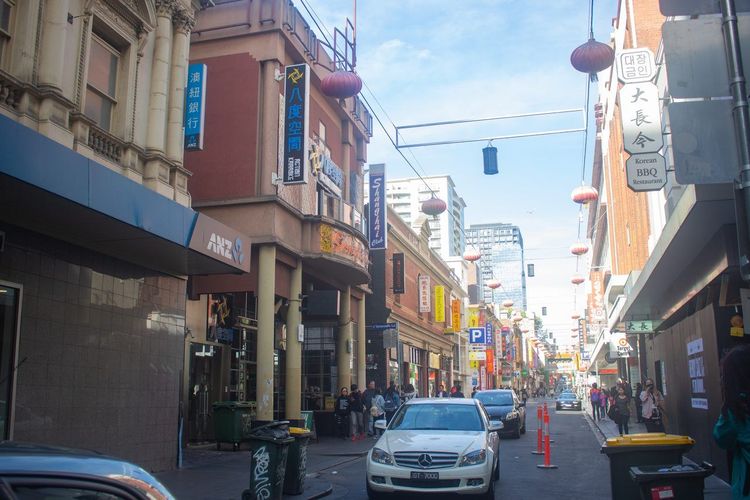
Little Bourke Street marks the boundary between the historic street art precinct and Chinatown, with red lanterns contrasting with the colourful murals just metres away. Rankins Lane, running perpendicular, has specialised in specialty cafés set up in former garages: raw timber counters, on-site roasting, and queues from 7:30am on weekdays.
Many of these cafés have no visible name from the street, just a discreet logo painted on the door. That is precisely the spirit of Melbourne's CBD: the best addresses do not advertise themselves — they are passed on by word of mouth between locals and travellers who take the time to step off the main thoroughfares.
To connect these laneways while keeping track of their history, the Ryo audio-guided tour of Melbourne comments on each mural and every anecdote on the spot, straight into your earphones.
2. Stepping Back in Time at Federation Square, State Library, and Flinders Street
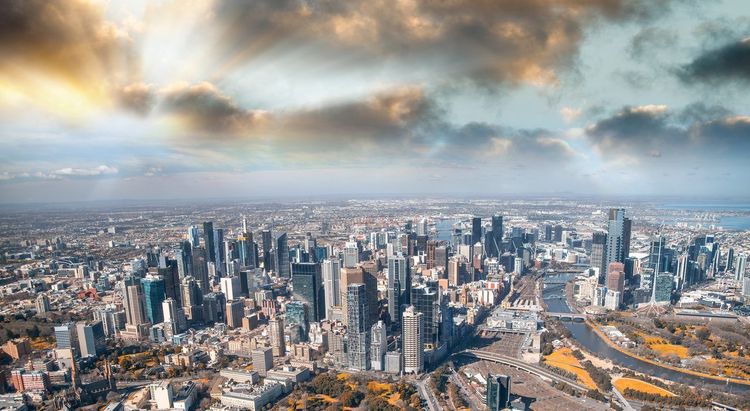
A few minutes' walk from the laneways, the triangle formed by Federation Square, Flinders Street Station, and State Library Victoria (328 Swanston Street, Melbourne VIC 3000, rated 4.8/5 on Google from 4,792 reviews) concentrates the bulk of the city centre's architectural heritage across three very different periods in Melbourne's history.
Federation Square and Flinders Street Station
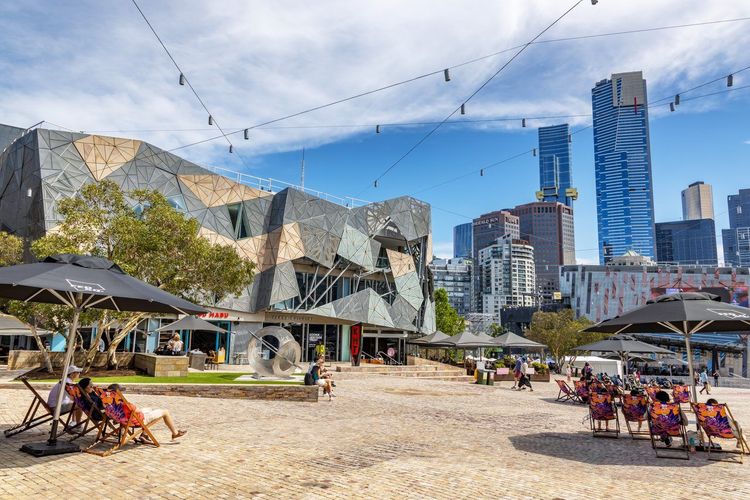
Opened in 2002 after eight years of construction, Federation Square deliberately contrasts with the rest of the CBD: its zinc, glass, and sandstone facades fractured in a geometric pattern called the 'pinwheel' initially divided locals before becoming an accepted symbol of the city. The square houses the ACMI, a museum dedicated to cinema and video games, as well as giant screens broadcasting major sporting events.
Directly opposite, Flinders Street Station displays its famous yellow facade beneath a clock face with multiple dials that has served as Melbourne's informal meeting point for more than a century. Inaugurated in its current form in 1910, it is the oldest urban railway station in Australia still in service, and one of the most photographed buildings in the city from the opposite pavement.
State Library Victoria and the Free Historic Tram (City Circle)
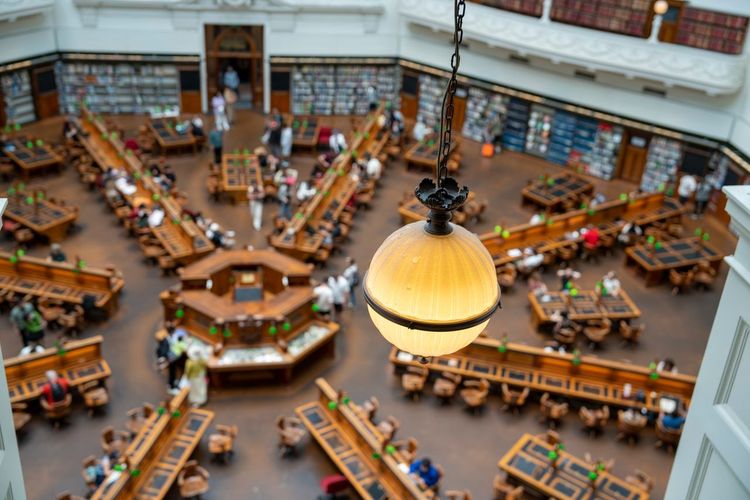
Ten minutes on foot, State Library Victoria conceals beneath its reinforced concrete dome one of the most photogenic reading spaces in the country: the La Trobe Reading Room, completed in 1913, whose dome ranked among the largest in the world at its opening. You can head upstairs to look down on the fan-shaped arrangement of tables and the studious silence of students installed there throughout the day.
To connect these three sites without walking, board the historic City Circle tram: this line of heritage burgundy trams loops around the CBD without any paid stops, with an audio commentary on the city centre buildings and main historic landmarks passed along the way. No ticket or card required: simply board and alight wherever you wish. The line runs in both directions approximately every twelve minutes, from 10am until early evening, with extended service on weekends. Note also that the entire CBD is covered by the Free Tram Zone: within this perimeter, any tram is free, not just the heritage burgundy tram.
For a comprehensive overview of the city centre's essentials, our Ryo selection of the best activities in Melbourne details five complementary experiences around this exploration of the city. Our audio-guided tour, Australia's Sporting and Cultural Capital, stops right at Federation Square, near the State Library.
3. Indulging Your Senses at the Queen Victoria Market and Food Markets
Queen Victoria Market, the Essential Stop
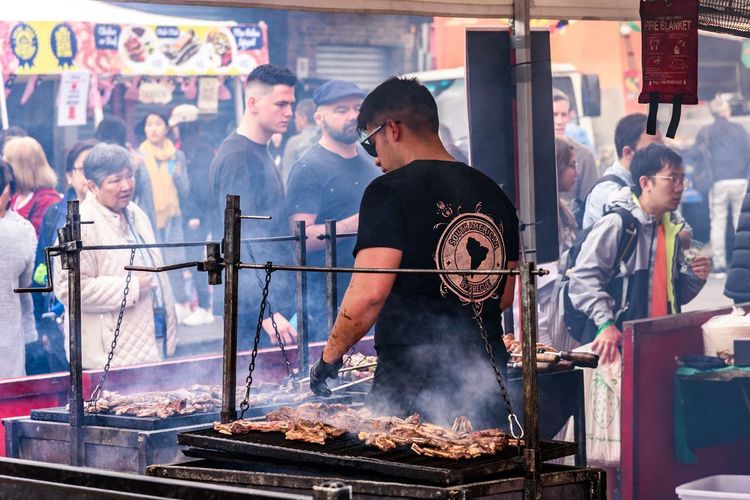
Founded in 1878 on the site of a former cemetery, the Queen Victoria Market remains the largest open-air market in the Southern Hemisphere, with more than six hundred stalls spread across two hectares. The red-brick meat hall and fish hall both date from the late nineteenth century and are listed on the Victorian Heritage Register.
Allow a good half-day to wander the aisles without rushing: locally aged cheeses, bulk spices, leather goods, and souvenirs follow one another with no apparent logic, which is all part of the charm compared to more organised covered markets. The market closes on Mondays and Wednesdays — a detail that often catches hurried visitors off guard.
South Melbourne Market and the Summer Night Market
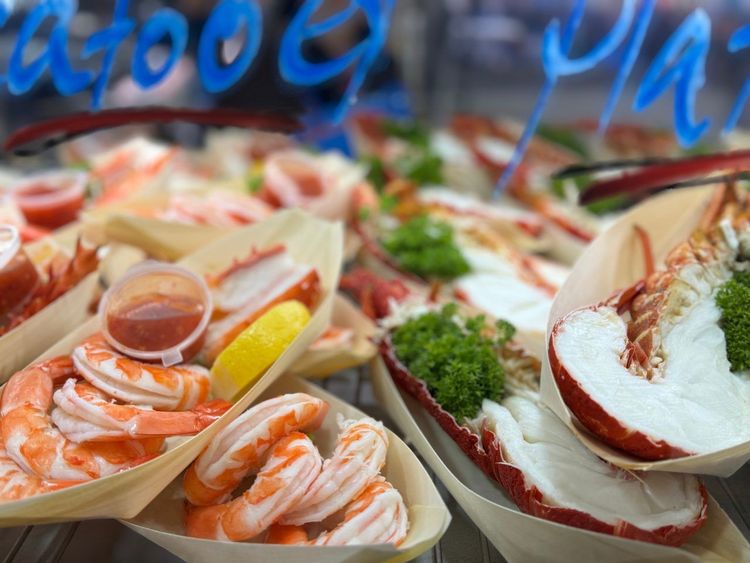
Fifteen minutes away by tram, the South Melbourne Market (322–326 Coventry Street, South Melbourne VIC 3205, rated 4.6/5 on Google from 22,410 reviews) cultivates a more local identity, well away from the tourist groups of the centre. Open since 1867, it is renowned for its giant dim sims sold over the counter since the 1940s, a recipe kept secret by the same family across several generations.
Between November and March, the Queen Victoria Market transforms every Wednesday evening into the Summer Night Market: international food trucks, pop-up bars, and free concerts take over from the daytime stalls until 10pm. The atmosphere changes radically after dark, with fairy lights strung above the aisles and a noticeably more local crowd than during the day.
Night markets do not stop with the Austral summer. From June to August, the same Queen Victoria Market reverses the formula with its Winter Night Market: narrowed aisles under the covered halls, braziers, mulled wine, and street food until late in the evening. If you can only choose one, go for the winter version: fewer crowds, more atmosphere, and stalls you can approach without jostling for space.
4. Wandering Through Fitzroy and Chinatown
Fitzroy, Its Vintage Shops, Bars, and Chuckle Park
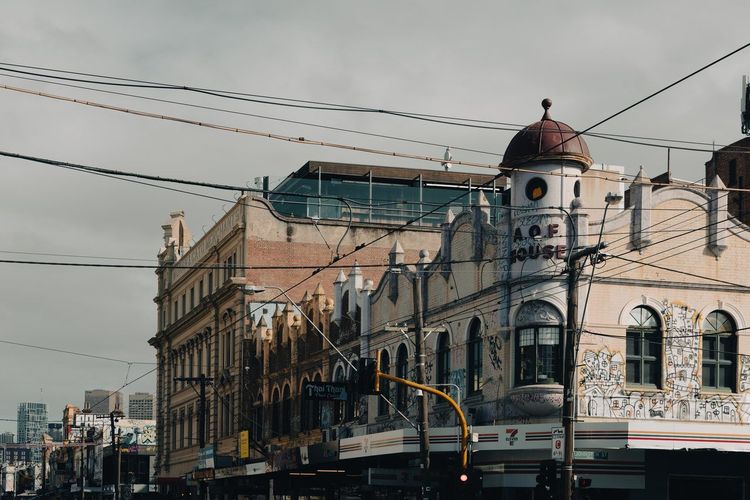
Melbourne's first suburb to develop outside the CBD, Fitzroy has retained its bohemian working-class soul despite the gentrification of the past twenty years. Brunswick Street concentrates vintage op-shops, independent bookshops, and natural wine bars where regulars pile in from 5pm on weekdays.
Just nearby, the Rose Street Artists' Market brings together every Saturday and Sunday around a hundred local makers — ceramicists, screen printers, and jewellers who sell their own work directly from trestle tables, with a rooftop bar to extend the afternoon. The surrounding walls, entirely painted, extend the CBD's street art into a more residential format: here it is the gable ends of Victorian terraces that serve as canvases.
You will encounter fewer tourists here than in the city centre, but far more neighbourhood residents on terrace seats. It is the ideal place to observe everyday Melbourne life away from the beaten track.
Chinatown and Its Asian Cuisine
Established on Little Bourke Street since the gold rush of the 1850s, Melbourne's Chinatown claims the title of the oldest continuously occupied Chinese quarter in the Western world. The ornamental arches marking each end of the street were added in the 1970s, but the Chinese presence itself dates back more than one hundred and seventy years.
Dining here is equally rewarding in historic Cantonese restaurants and in more recent Korean or Vietnamese addresses, often tucked away on the upper floors of nondescript buildings. One simple rule works almost every time: favour the restaurants packed with an Asian clientele on weekdays — a reliable sign of a kitchen faithful to its original recipes.
5. Recharging at the Royal Botanic Gardens and the Shrine of Remembrance
Royal Botanic Gardens and an Outdoor Picnic
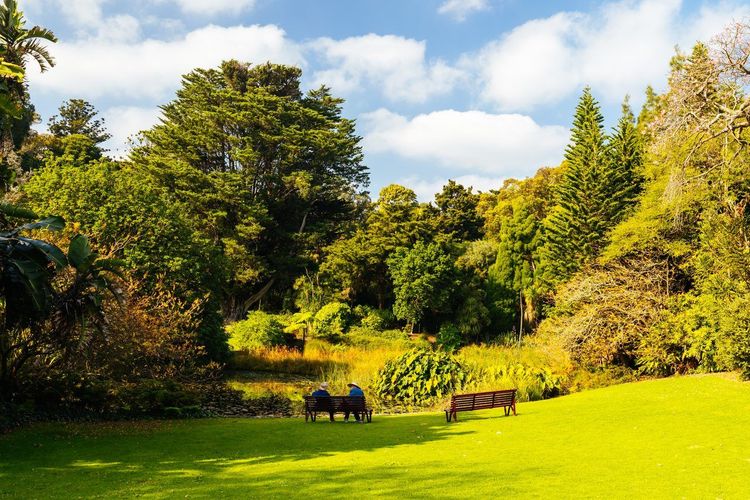
Established in 1846 on the banks of the Yarra, the Royal Botanic Gardens now cover 38 hectares and bring together more than 8,500 plant species from around the world. The gently sloping lawns running down to the Ornamental Lake draw entire families every weekend for picnics in the shade of century-old fig trees planted by the first colonial gardeners.
The Tan, a 3.8-kilometre running track that follows the perimeter of the gardens, is used every morning by thousands of runners, including professional athletes: it is one of the best ways to see the skyline outlined against the rising sun without spending a cent.
Shrine of Remembrance and a Walk Along the Yarra
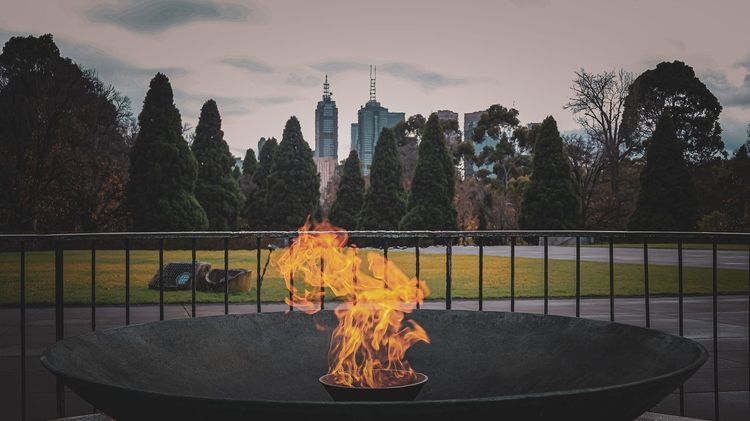
Ten minutes on foot, the Shrine of Remembrance (Birdwood Avenue, Melbourne VIC 3004, rated 4.8/5 on Google from 9,028 reviews) has dominated the hill since 1934, built to honour the Victorian soldiers who fell during the First World War. An eternal flame burns in front of the main entrance, and a ray of sunlight calculated to the millimetre passes through the roof to illuminate the Stone of Remembrance every 11 November at precisely 11am.
From the top of the steps, the view plunges down the entire length of Saint Kilda Road all the way to the CBD skyline. Heading back down towards the river, a cultural walk organised by the Koorie Heritage Trust traces the history of the region's Aboriginal peoples along the Yarra River, with information panels often overlooked by visitors in a hurry.
South Bank, the Docklands, and the Fire Promenade
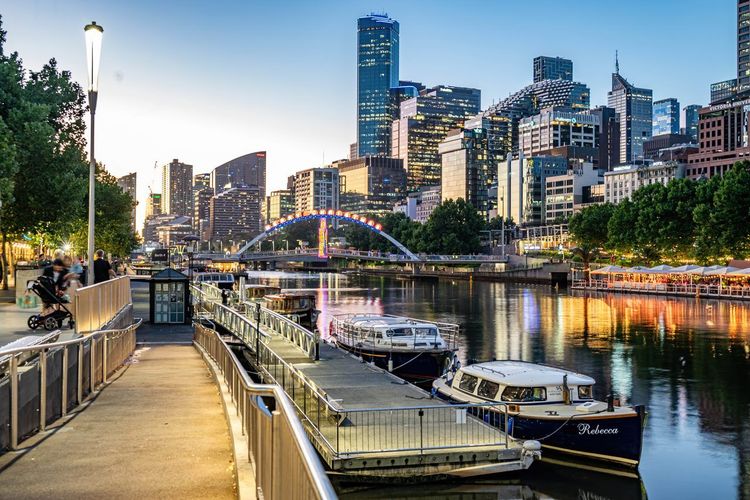
Following the river westward, the South Bank promenade comes alive after dark with terrace restaurants and street musicians. Every evening at a fixed time, a fire installation rises in front of the adjacent casino — a free spectacle that draws tourists and evening strollers alike.
Further west still, the Docklands have replaced the old port warehouses with a straight, much quieter waterfront. Do not look for the observation wheel that still appears in old brochures: the Melbourne Star stopped turning in 2021 and has since been dismantled. What remains are the pleasure pontoons, restaurants on stilts, and a long open walkway facing the sunset, in a spot where South Bank overflows with people on Saturday evenings. This docklands quarter can be reached on foot in ten minutes from Southern Cross Station, or for free by tram since it remains within the Free Tram Zone.
6. Spending a Day in Saint Kilda and Along the Waterfront
Luna Park and Acland Street
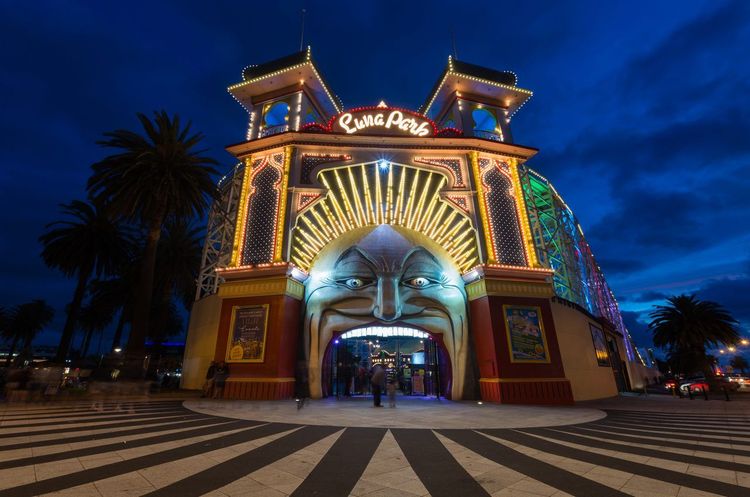
Twenty minutes by tram from the centre, Saint Kilda concentrates several atmospheres in one: a retro seaside resort, a bohemian neighbourhood, and a popular waterfront. Luna Park, open since 1912, remains one of the oldest permanent funfairs in the world still in operation, recognisable by its facade shaped like a giant grimacing face that has served as the main entrance for more than a century.
Its wooden roller coaster, the Scenic Railway, also dates from 1912 and still operates with a brakeman who manually brakes at every bend — a worldwide rarity for this type of ride.
Two streets away, Acland Street (Acland Street, St Kilda VIC 3182) lines up Polish-Jewish bakeries and lively cafés open late into the evening. The windows laden with chocolate cakes and strudels have drawn a loyal clientele for generations, well before the neighbourhood became a tourist destination.
Saint Kilda Pier and Its Penguins (Free)
At the end of the wooden jetty, a colony of little penguins — the world's smallest penguins — has made its home in the artificial rocks installed beneath the breakwater. They only emerge from the water at dusk, in small cautious groups, to return to their burrows for the night.
Unlike Phillip Island, watching the penguins at Saint Kilda Pier is entirely free and requires no booking: simply arrive around thirty minutes before sunset and stay quiet near the rocks, without using a camera flash that would disturb the animals.
Brighton Beach and Its Colourful Bathing Boxes
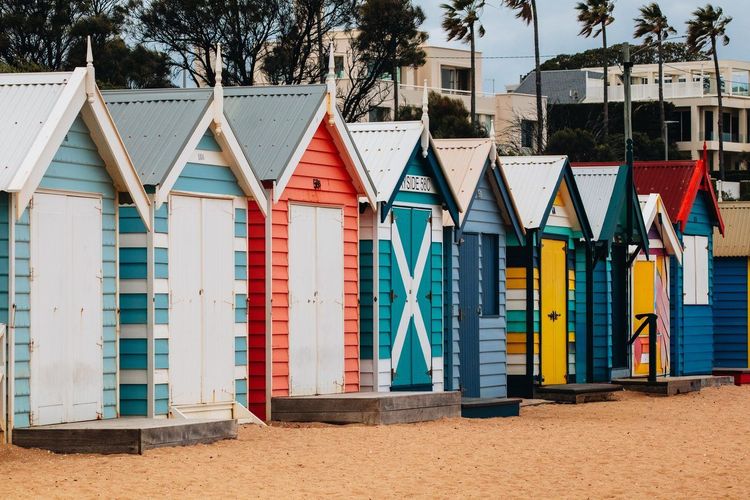
Twenty minutes south by train, Brighton Beach lines up eighty-two Victorian bathing boxes each painted a different colour — an arrangement that has become one of Melbourne's most widely shared images on social media. Some of these bathing boxes have belonged to the same families for more than a hundred years and are passed down like a distinct piece of real estate.
Come in the late afternoon: the low-angled light brings out the colours of the boxes, and the water stays sheltered enough for swimming even when the wind picks up across the bay.
7. Getting a Bird's-Eye View: MCG, Melbourne Skydeck, and Coop's Shot Tower
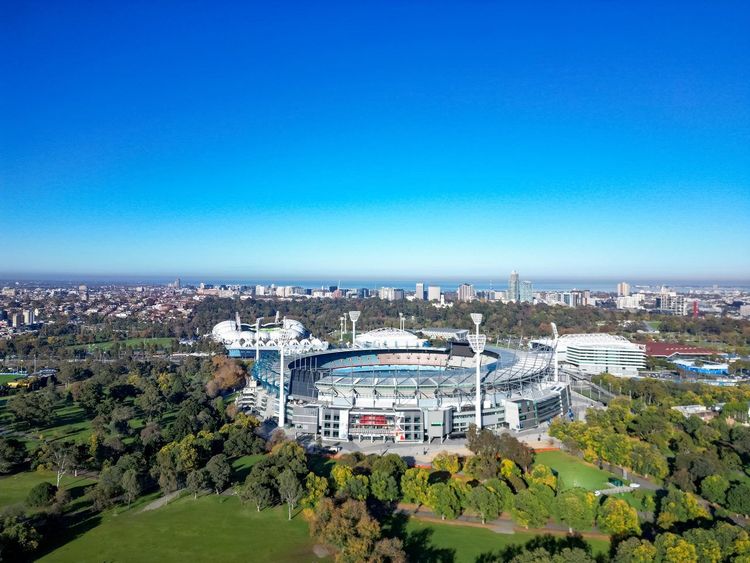
The Melbourne Cricket Ground (MCG) and an Iconic Match
Affectionately nicknamed 'the G' by locals, the Melbourne Cricket Ground can hold up to 100,024 spectators, making it the largest stadium in the Southern Hemisphere and the biggest cricket ground in the world. Attending a cricket match or an Australian Football League game here, amid a roar of the crowd that goes back to the stadium's opening in 1853, is an experience impossible to replicate anywhere else in the country.
Even without a match scheduled, a guided stadium tour gives access to the historic dressing rooms and the Australian Sports Museum housed beneath the stands.
Melbourne Skydeck and the View Over the Skyline
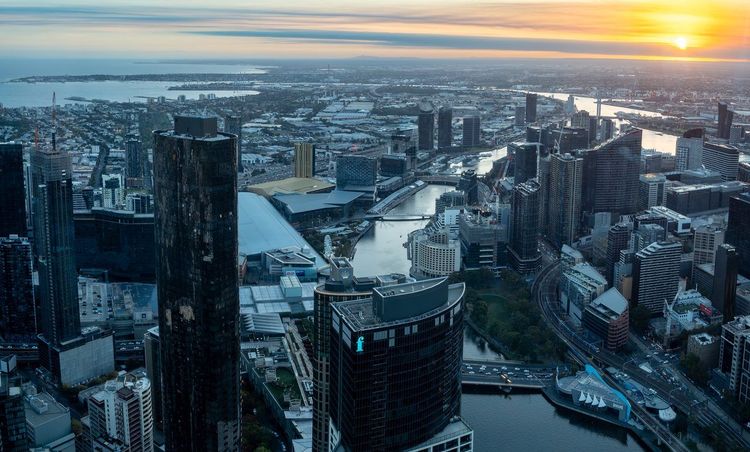
On the 88th floor of the Eureka Tower, the Melbourne Skydeck offers a 360-degree view over the CBD, Port Phillip Bay, and on a clear day all the way to the Dandenong Ranges. The tower itself, completed in 2006, was for a time the tallest residential building in the world at 297 metres.
The bravest visitors can test the Edge, a glass cube suspended over the city, available as an add-on to the standard entry ticket.
Midway between the two, Coop's Shot Tower (211 La Trobe Street, Melbourne VIC 3000, rated 4.1/5 on Google from 162 reviews), a former shot tower dating from 1889, has been preserved inside the Melbourne Central shopping complex, capped with a spectacular glass cone added during the construction of the modern building in the 1990s.
8. Fun for the Whole Family: Zoos, Aquarium, and Theme Parks

Melbourne Zoo and Sea Life Aquarium
Opened in 1862, Melbourne Zoo is one of the oldest continuously operating zoos in the world, with more than 320 species housed in immersive enclosures inspired by natural habitats from Africa and Southeast Asia. Lowland gorillas and Sumatran tigers are among the residents most sought out by families.
Right in the city centre, the Sea Life Melbourne Aquarium features an underwater tunnel running through a tank filled with sharks and rays, as well as a dedicated area for king penguins — a way of extending the penguin experience from Saint Kilda, but under shelter from the weather.
Adventure Park (Geelong) and Funfields
About an hour's drive to the southwest, Adventure Park, near Geelong, combines water slides, roller coasters, and a miniature railway park on a single site — a popular option for filling an entire day with children of all ages.
North of the city, Funfields (265 Robinsons Road, Whittlesea VIC 3757, rated 4.4/5 on Google from 4,041 reviews) banks on its giant slides and wave pool for hot summer days, with prices noticeably more affordable than city-centre parks.
Note that Luna Park, already covered above in Saint Kilda, remains the most central option for a family outing without leaving the urban tram network.
9. Experiencing Melbourne's Coffee Scene, Gastronomy, and Nightlife
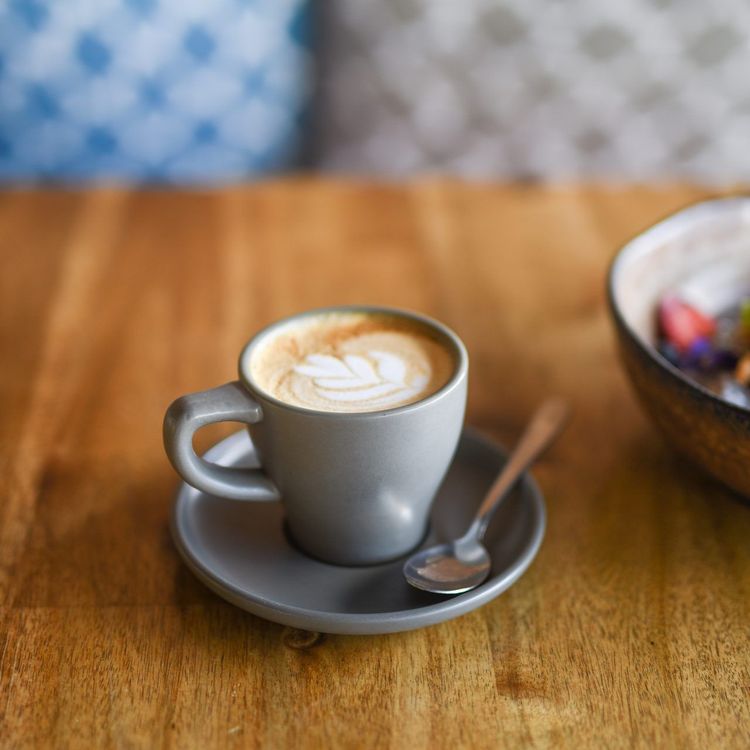
Drinking Coffee at the Best Spots in the City
Melbourne has for decades claimed the unofficial title of world coffee capital outside Italy, driven by a wave of Italian and Greek post-war immigration that introduced espresso long before other English-speaking cities. The flat white, often presented as a New Zealand invention, owes much of its international popularisation to Melbourne baristas of the 2000s.
The best addresses are rarely found on main streets: look instead in the perpendicular laneways of the CBD or the residential streets of Fitzroy and Collingwood, where competition between independent roasters pushes each one to refine their menu well beyond a simple espresso.
Unusual Bars and Nightlife: Gin Palace, Ponyfish Island, Easey's
Behind an anonymous door on Little Collins Street lies Gin Palace, a dimly lit bar with red velvet banquettes and a menu of more than two hundred gins, open since 1997 in a former Victorian arcade.
Beneath a pedestrian bridge spanning the Yarra, Ponyfish Island occupies a tiny floating platform accessible only on foot from Southbank: cocktails and craft beer are enjoyed right at water level, one of the city's most unusual addresses.
Easey's (48 Johnston Street, Collingwood VIC 3066, rated 4.3/5 on Google from 3,527 reviews), in Collingwood, made its name serving burgers inside former train carriages hoisted onto the roof of the building — an eccentricity that has become emblematic of Melbourne's alternative nightlife.
The best neighbourhoods for going out remain the CBD for rooftops and laneway bars, Fitzroy for local pubs, and Collingwood for clubs and late-night venues open until the early hours on weekends.
Where to Eat: World Cuisines and Great Addresses
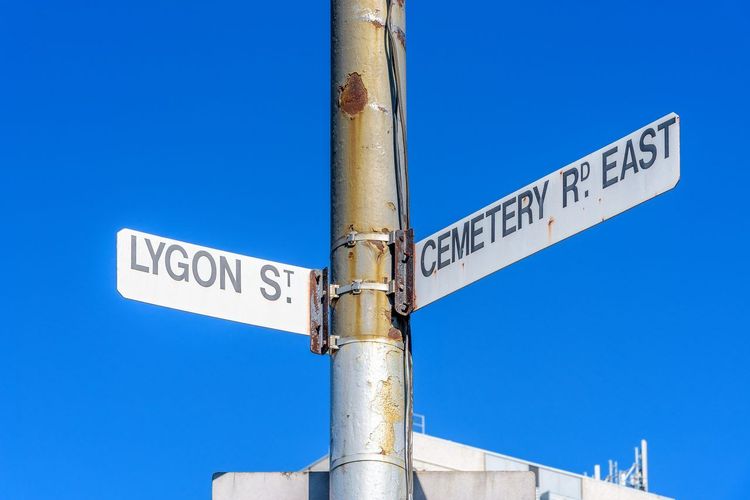
Melbourne owes a good part of its culinary reputation to successive waves of immigration: Asian restaurants dominate around Chinatown and Box Hill, historic Italian addresses cluster along Lygon Street since the 1950s, while Mexican and South American restaurants have multiplied in northern Fitzroy and Collingwood over the past decade.
For an Italian restaurant, the reference is Lygon Street itself, in Carlton — the local Little Italy: family trattorias, gelaterias, and heated terraces follow one another for nearly a kilometre, a direct legacy of the post-war immigration that also brought the city its first espresso machines. The oldest addresses can be spotted by their short menus and waiters who still speak Italian among themselves.
The city's vegetarian and vegan scene is among the most developed in Australia, with specialist addresses that rival traditional restaurants in creativity, often in the same neighbourhoods as the best specialty cafés.
To explore this culinary scene neighbourhood by neighbourhood, the Ryo guide to Melbourne's culinary specialities lists ten iconic addresses and dishes organised by type of cuisine.
10. Taking a Day Trip on the Great Ocean Road and Through the Yarra Valley
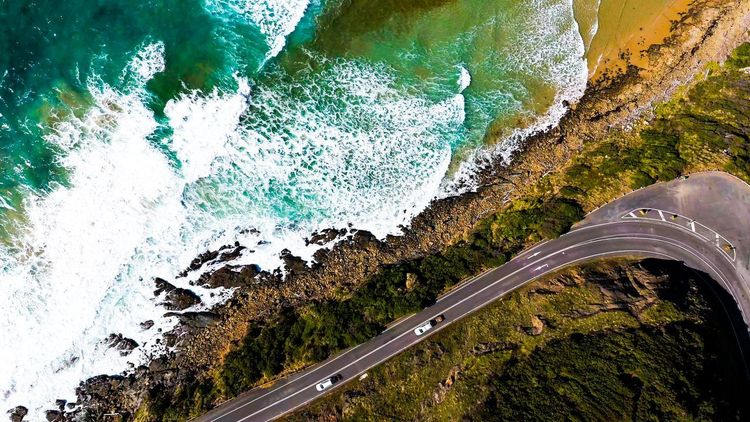
The Great Ocean Road and the Great Otway National Park
The Great Ocean Road, opened in 1932 and built largely by soldiers returning from the First World War, winds for 240 kilometres along the south-west coast of Victoria. It is one of the largest war memorials in the world — a status unknown to most visitors who come primarily for the scenery.
The highlight of the route remains the Twelve Apostles (Great Ocean Road, Princetown VIC 3269, rated 4.7/5 on Google from 19,363 reviews), limestone stacks shaped by erosion that stand isolated in the Southern Ocean — a number that never actually reached twelve: nine stacks still stood in the early 2000s before one collapsed in 2005, leaving eight silhouettes standing under a name unchanged since the 1920s.
Along the way, the Great Otway National Park hides waterfalls accessible on foot from the main road, as well as a temperate rainforest where koala colonies can be spotted effortlessly along the Great Ocean Road itself, particularly around Kennett River. Allow a full day by car or on an organised tour to reach the Apostles and return without driving the winding road at night.
The Yarra Valley Wine Route
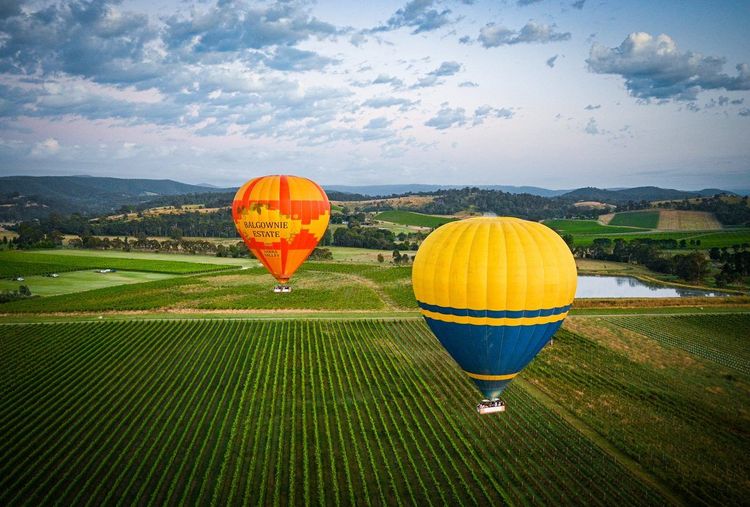
Less than an hour's drive east of the centre, the Yarra Valley is one of Australia's oldest wine regions, with the first vines planted as early as the 1860s before an interruption of nearly a century caused by phylloxera and then local prohibition.
Today, more than eighty estates spread across hills and eucalyptus forests, renowned particularly for their pinot noir and chardonnay, driven by a cooler climate than the rest of Victoria. Many estates offer tastings without prior booking on weekdays, with views over the vine rows from their terrace.
The valley is also home to the Healesville wildlife sanctuary, where platypuses can be observed in a semi-natural habitat — a species rarely seen elsewhere even in the Australian bush. A day trip typically combines wine tasting in the morning with local wildlife in the afternoon, before returning to Melbourne at the end of the day.
11. Exploring Phillip Island, the Mornington Peninsula, and the Grampians
Phillip Island and the Penguin Parade
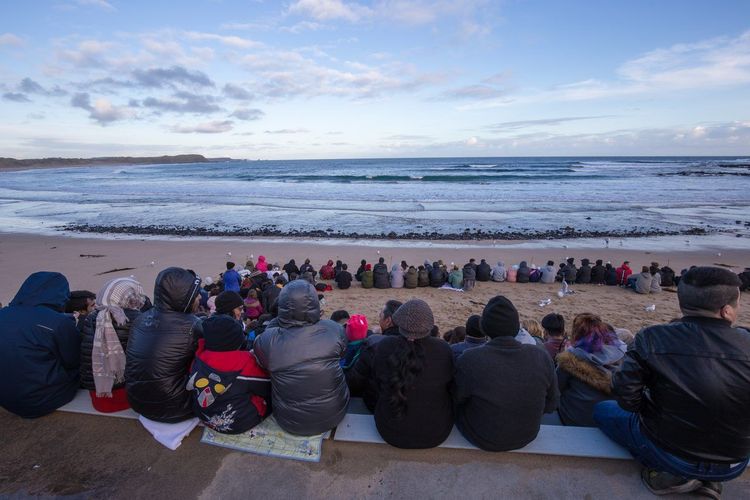
About two hours' drive to the south-east, Phillip Island has hosted the Penguin Parade every evening since the 1920s: hundreds of little penguins emerge from the ocean at nightfall to return to their burrows in the dunes, watched by spectator stands set up along the beach. Unlike Saint Kilda Pier, this experience requires a paid ticket and booking, especially during the summer high season.
Between May and October, the island also becomes a whale-watching point as humpback whales pass along the coast during their migration, visible from the cliffs without needing to board a boat.
The Mornington Peninsula and the Grampians
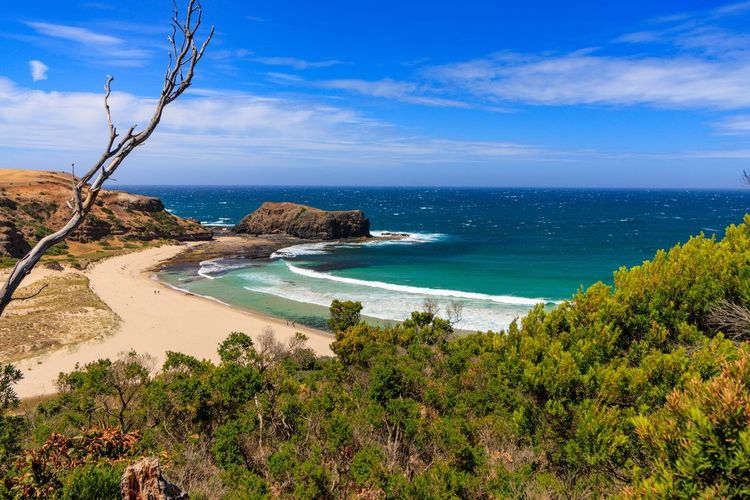
On the opposite side of Port Phillip Bay, the Mornington Peninsula offers sheltered beaches on the bay side and stronger surf on the ocean side, with natural hot springs open year-round at Rye. The peninsula's vineyards rival those of the Yarra Valley, in a more undulating and less crowded setting.
Further west, about three hours' drive away, the Grampians rise as a range of sandstone mountains cut through with spectacular gorges and blanketed with some of the state's richest Aboriginal rock art, with hiking trails for all levels leading to panoramic viewpoints.
Wilsons Promontory, French Island, and the Australian Alps
South-east of Melbourne, Wilsons Promontory marks the southernmost point of the Australian mainland, with white-sand beaches and a particularly dense wildlife population of wallabies and emus visible from the entrance car park.
French Island, accessible only by ferry, remains largely untouched by mass tourism and is home to one of the state's largest populations of wild koalas.
Finally, the Australian Alps, about three and a half hours to the north-east, offer in winter the continent's main ski resorts, and in summer high-altitude hiking trails that are far less crowded than their European equivalents.
12. Experiencing a Major Event: Australian Open, Grand Prix, and Festivals
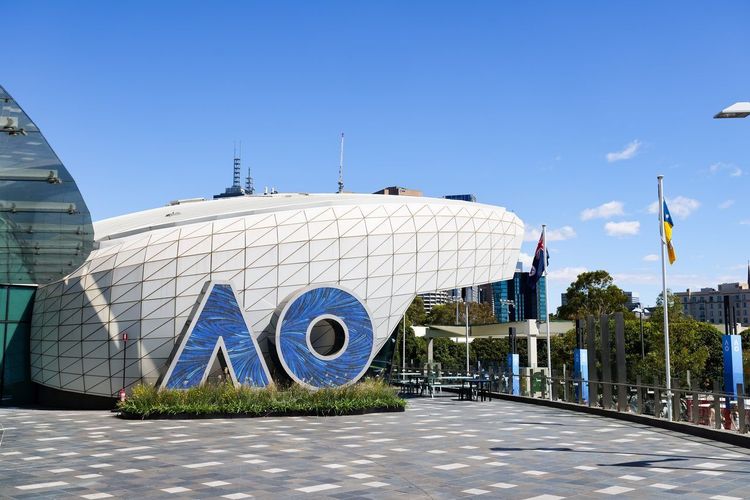
Melbourne hosts each year some of the Southern Hemisphere's greatest sporting and cultural events, to the point that the city calls itself Australia's sporting capital. The Australian Open, the first Grand Slam tournament of the season, takes place every January at Melbourne Park, with day tickets that allow visitors to move freely between several courts without a fixed seat reservation.
A few weeks later, the Melbourne Grand Prix turns the Albert Park circuit into a Formula 1 track for a weekend — a race that traditionally opens the world championship.
Added to these are dozens of festivals spread throughout the year: the Melbourne International Comedy Festival, which takes over much of April and makes the city one of the three biggest comedy gatherings in the world; the Melbourne Food and Wine Festival in March, with its pop-up tastings along the Yarra; and RISING in June, the direct heir to the White Night celebrations discontinued in 2019, which lights up city-centre facades and takes over the laneways for around ten evenings.
Also on the calendar are the Melbourne International Film Festival in August and the Melbourne Cup, the horse race held on the first Tuesday of November that earns a public holiday for the entire region and quite literally empties CBD offices after midday. For a stay in 2026, check the exact dates before booking your flights: these events cause hotel prices in the centre to rise sharply, sometimes doubling during the Australian Open fortnight.
13. Enjoying Melbourne for Free
Despite its reputation as an expensive city, Melbourne is full of activities accessible without spending a cent. The City Circle Tram, already mentioned in connection with Federation Square and State Library Victoria, allows you to cover most of the historic CBD in under an hour at no cost.
The penguins at Saint Kilda Pier, detailed above, remain the city's most popular free wildlife experience, unlike the paid version at Phillip Island. The Royal Botanic Gardens and the Shrine of Remembrance also charge no entry fee, as do most of the street-art-covered laneways in the CBD.
A local curiosity that has become an attraction in its own right, the Sofitel bathrooms on the 35th floor of the hotel of the same name offer a breathtaking view of the city from the glass-walled cubicles, accessible for free to anyone who pushes the door without ordering at the floor's bar. Add to that the markets to browse without any obligation to buy, and above all the National Gallery of Victoria, whose permanent collection can be visited for free all year round, water wall at the entrance included: only major temporary exhibitions are ticketed. The same applies at the ACMI at Federation Square, where the permanent programme dedicated to moving images is free to enter. An entire stay in Melbourne can therefore be built with no activities budget at all, provided you save your spending for excursions outside the city. Our audio-guided tour, Australia's Sporting and Cultural Capital, passes both Federation Square and the State Library along the way.
14. Planning Your Stay: Transport, Getting Around, and Accommodation
Getting to Melbourne: Plane, Train, and Campervan
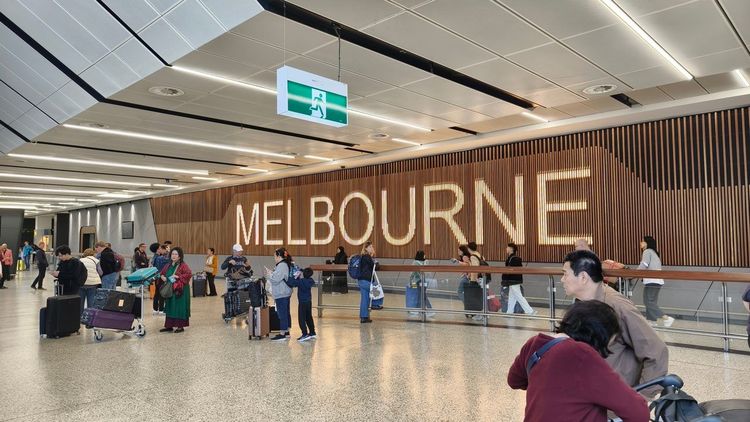
Melbourne Tullamarine Airport, about thirty minutes from the centre, receives direct flights from most major Asian capitals and several long-haul connections from the Gulf, but no direct flights from continental Europe: French travellers transit via Dubai, Doha, Abu Dhabi, Singapore, or Hong Kong, for a total journey time rarely under twenty-four hours including the stopover. From other major Australian cities, the XPT intercity train connects Sydney in around eleven hours — a scenic but slow option compared to flying.
To extend a stay along the Great Ocean Road or into the Yarra Valley, renting a fitted campervan remains a very popular option for travellers who want to sleep on the road without stacking up hotel bookings.
Getting Around the City: Trams, myki, and Cycling
Melbourne's tram network, with 250 kilometres of track, is the most extensive still in operation in the world. The rechargeable myki card is used on trams, trains, and buses, with a free zone covering most of the CBD by tram, independently of the City Circle Tram itself.
The city also has a bike-share scheme and dedicated cycling paths along the Yarra — a pleasant way to link Fitzroy, South Bank, and Saint Kilda without depending on tram timetables.
Where to Stay in Melbourne: Neighbourhoods and Hotel Tips
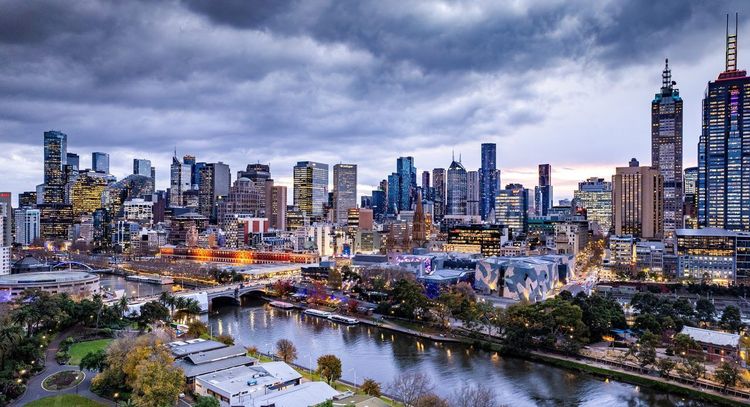
The CBD remains the most practical choice for a first stay, within walking distance of the laneways, Federation Square, and the central station. Fitzroy and Collingwood suit travellers looking for a more local atmosphere and a lively nightlife, at the cost of an extra tram ride to the major tourist sites.
Saint Kilda, finally, appeals to families and budget travellers thanks to hotels that are often cheaper than in the city centre, while remaining twenty minutes by tram from the CBD.
Budget-wise, expect a broad range of 150 to 250 Australian dollars per night for a decent room in the CBD outside major events, noticeably less in a Saint Kilda hostel or a shared Carlton apartment. Two periods send prices soaring: the Australian Open fortnight in January and the Grand Prix weekend in March. If your stay overlaps with either, book at least two months in advance or shift one tram stop towards Fitzroy. To continue exploring this sporting and cultural precinct, the Ryo audio-guided tour of Melbourne, Australia's sporting and cultural capital offers a dedicated itinerary between the MCG and neighbouring stadiums.
15. Choosing the Best Time and Length for Your Melbourne Stay
Melbourne's weather is famous for its unpredictability: the city can experience four seasons in a single day, a local saying that residents repeat without exaggeration. The Austral summer, from December to February, brings the hottest days but also sudden storms; spring (September to November) and autumn (March to May) generally offer the most stable conditions for walking all day.
As for the length of stay, visiting Melbourne in 1 day allows you to cover the CBD, the laneways, and Federation Square, without venturing into the outer neighbourhoods. With two days, add Saint Kilda and the Royal Botanic Gardens. Three days leave time to include Fitzroy, Chinatown, and a first short day trip. Beyond that, five days allow you to combine the city with at least one full excursion — the Great Ocean Road or the Yarra Valley depending on your interests. For the question of what to do in Melbourne based on the actual length of your stay, it is better to explore two or three neighbourhoods in depth rather than skimming across everything on the surface.
FAQ
How many days do you need to visit Melbourne?
Three days are enough to cover the CBD, the street art laneways, Federation Square, and Saint Kilda. With five days, it becomes possible to add a full day trip to the Great Ocean Road or the Yarra Valley without rushing.
What is the best time to visit Melbourne?
Spring (September to November) and autumn (March to May) offer the most stable climate, with mild temperatures and less sudden rain than winter or summer, when storms can arrive without warning.
What can you do in Melbourne in 1 day?
Focus on the CBD: the laneways of Hosier Lane, Federation Square, Flinders Street Station, and the Queen Victoria Market all connect easily on foot or via the free historic City Circle tram.
What can you do in Melbourne for free?
The City Circle Tram, the penguins at Saint Kilda Pier at sunset, the Royal Botanic Gardens, the Shrine of Remembrance, and the panoramic bathrooms at the Sofitel are among the most memorable experiences with no entry cost.
What can you do around Melbourne on a day trip?
The Great Ocean Road and its Twelve Apostles, the Yarra Valley wine route, Phillip Island and its penguin parade, along with the Grampians and Wilsons Promontory are the most popular day trips from the city.
How do you get around Melbourne without a car?
The tram network, the most extensive in the world, covers most of the city with a rechargeable myki card. A free tram zone serves the entire CBD, complemented by cycling paths along the Yarra.
Should you book activities in advance in Melbourne?
The Penguin Parade on Phillip Island and organised tours to the Great Ocean Road should be booked ahead in high season. Laneways, markets, and urban parks, on the other hand, can be visited freely without a reservation.
Melbourne does not lend itself well to a checklist-style visit: it is a city that reveals itself more along randomly wandered laneways and unhurried market strolls than through a list of monuments lined up in order. Between the street art of the CBD, the beaches of Saint Kilda, and day trips to the Great Ocean Road or the Yarra Valley, every type of stay finds its place, whether it lasts one day or a full week.
To organise these fifteen experiences in a logical order based on your time on the ground, the Ryo audio guide tour remains the simplest starting point: just follow the route suggested in the app, neighbourhood by neighbourhood, without having to re-plan your itinerary every morning.