Walk
Meeting Mozart
Salzburg, Austria
Walk
Meeting Mozart
Salzburg, Austria
4.3 km
Distance
1h45
Durée
27
Audios
Loop
Parcours
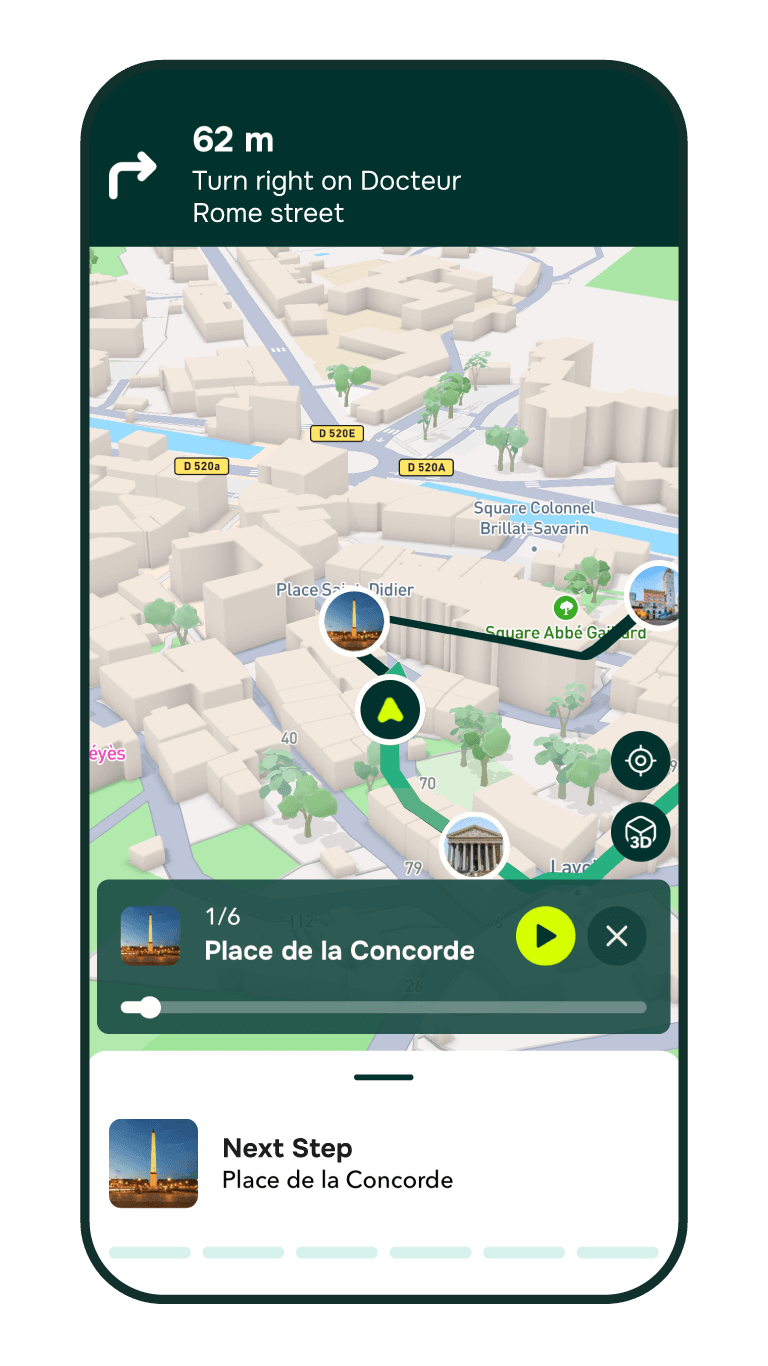
At the heart of Central Europe, Austria unfolds like a masterfully composed score: imperial palaces, alpine villages suspended between sky and mountain, lakes of an almost unreal blue, and deep valleys that invite you to slow down. It is a country where every turn holds an emotion, where history surfaces on every baroque façade, and where music still seems to echo through cobblestone lanes. For travelers who wish to soak up this Austrian soul at their own pace, Ryo offers audio-guided tours through Salzburg and Vienna, two cities where the Austrian art of living reaches its fullest expression. Get ready to explore Austria in a whole new way, letting the story guide your steps.
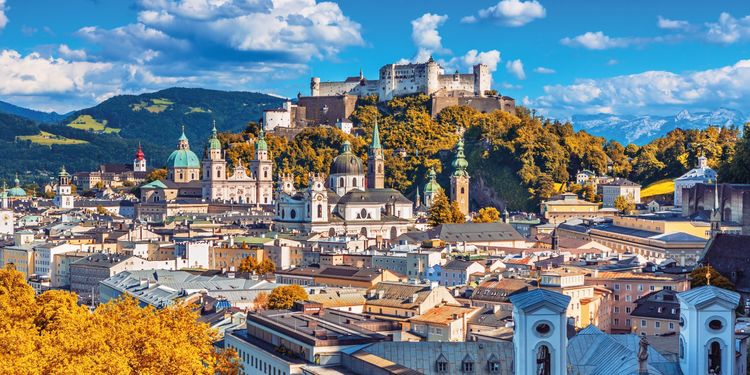
Nestled between the Hohensalzburg Fortress and the banks of the Salzach River, Salzburg radiates a baroque splendor listed as a UNESCO World Heritage Site. This is where Mozart was born, and his presence still permeates every square, every church, every café in the old town. Through Ryo's audio-guided tour An Encounter with Mozart, travelers set out to discover the city through the lens of its most illustrious native son: intimate anecdotes, soundscapes, and a narration that brings centuries-old stones to life. Salzburg reveals itself as far more than an alpine postcard.
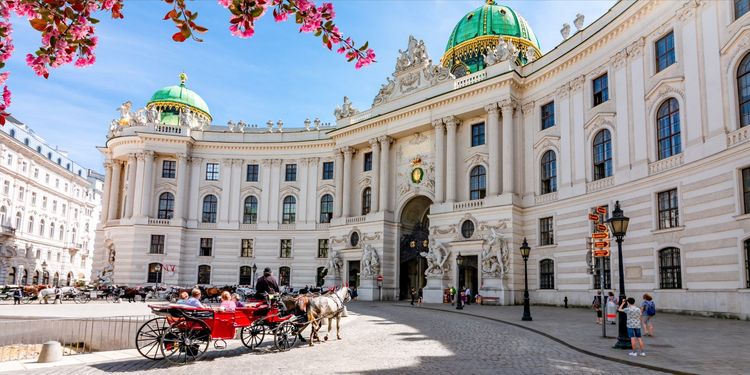
An imperial capital of grand boulevards, Vienna elegantly blends Habsburg magnificence with a vibrant contemporary cultural scene. Between Schönbrunn Palace, the Hofburg, the Belvedere, and the State Opera, the city boasts a density of heritage that is rare in Europe. Ryo's audio-guided tour The Empress of Austria immerses travelers in the world of Sisi and the imperial court, unveiling the behind-the-scenes of a fascinating power and the emotions of an extraordinary destiny. Vienna is best savored slowly, like a Viennese coffee in a grand salon along the Ringstrasse.
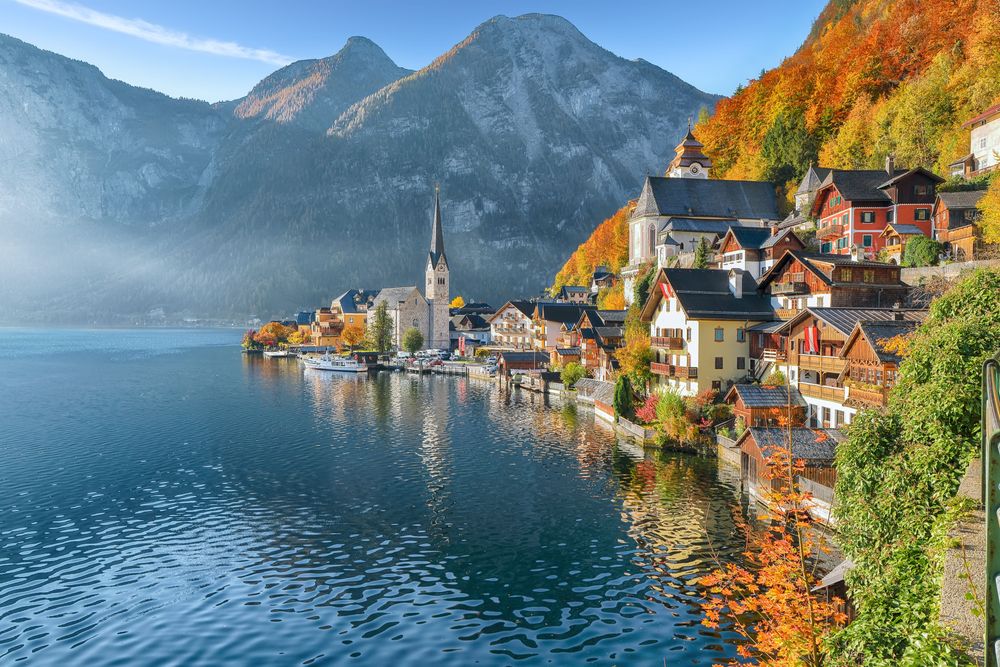
Beyond the two cultural capitals covered by Ryo, Austria is home to a diversity of regions well worth exploring freely. The village of Hallstatt, mirrored in its lake, ranks among the most photographed sites in Central Europe. The Grossglockner High Alpine Road winds through breathtaking alpine panoramas, offering travelers dizzying perspectives over glaciers. Innsbruck, nestled between the Karwendel massif and the alpine peaks, captivates with its medieval Altstadt and its famous Golden Roof. Further east, Burgenland reveals its vineyards and the shores of Lake Neusiedl, a singular landscape also inscribed on the UNESCO list. Each region makes up a distinct chapter of the same rich and generous country.
Austria can be visited in very different moods depending on the season. In spring, the valleys come alive with blossoms and temperatures remain mild, ideal for exploring cities on foot. Summer draws hiking enthusiasts and swimmers to alpine lakes, while music festivals bring Salzburg and Vienna to life. Autumn tinges the forests in russet and gold, casting a particularly flattering light over mountain landscapes. Winter, finally, transforms the country into a fairy-tale setting: renowned Christmas markets, world-class ski resorts, and a warm atmosphere in alpine huts.
The Austrian rail network is widely recognized for its punctuality and comfort, efficiently connecting major cities. Vienna, Salzburg, and Innsbruck are easily accessible by train from the main European capitals. For exploring alpine regions or remote villages, renting a vehicle remains the most flexible option. In city centers, public transport — trams and metros — makes getting around straightforward. Travelers on foot will find that Austria's historic old towns are often compact and perfectly suited to leisurely wandering.
There is no bad season to visit Austria, but each one offers a different experience. Spring and autumn charm with their mild weather and beautiful light, summer suits outdoor enthusiasts and festival-goers, and winter enchants with its Christmas markets and ski resorts. It all depends on the type of trip the traveler is looking for.
A short stay of a few days is enough to explore a city like Vienna or Salzburg in depth. To combine both cities and discover one or two alpine regions, a week generally strikes a good balance. A longer trip allows for the full diversity of landscapes to be taken in, from Lake Hallstatt to the valleys of Tyrol.
The train is the most convenient option for traveling between Austria's major cities: connections between Vienna and Salzburg, for example, are frequent and comfortable. For mountain excursions or discovering remote villages, a private vehicle offers greater freedom. Regional buses complement the network in areas less well served by rail.
Among the sites that consistently appear in travel itineraries are Schönbrunn Palace and the Belvedere in Vienna, the baroque old town of Salzburg, the lakeside village of Hallstatt, the Grossglockner scenic road, and the historic center of Innsbruck. Each of these places embodies, in its own way, the deep identity of Austria.
Austrian cuisine revolves around hearty dishes such as the Wiener Schnitzel, a golden, perfectly breaded veal cutlet, and the Tafelspitz, a delicately flavored boiled beef dish. The Kaffeehäuser, those history-laden Viennese coffeehouses, are in themselves a cultural institution inscribed on UNESCO's Intangible Cultural Heritage list. On the musical side, attending a concert in one of Vienna's or Salzburg's many renowned venues remains an experience that resonates long after the journey home.