
Créé par Emilie, le 4 oct. 2026
Votre guide Ryo
Vienna, Austria
The Empress of Austria
Parcours audioguidé pour visiter Vienna en 1 jour
This tour of Vienna’s historic center invites you to dive into the elegance of an imperial city, featuring majestic palaces, Gothic cathedrals, and avenues lined with Belle Époque architecture. Throughout the route, discover the heritage of the Habsburg dynasty, the soul of great classical composers, and the legendary spots where the Viennese "art de vivre" shines in its historic coffee houses. A simple and immersive way to explore the refined heart of Vienna at your own pace.
Quand partir à Vienna ?
Jan.
0°
7
Feb.
1°
6
March
6°
8
April
11°
8
May
15°
9
June
19°
9
July
21°
9
Aug.
21°
8
Sept.
16°
7
Oct.
10°
6
Nov.
5°
8
Dec.
2°
8
Average temperatures in Vienna range from 3°C in winter to 26°C in summer. Winters are cold but still attract many visitors thanks to the beautiful Christmas markets and Austria’s excellent winter sports resorts. Summers can be quite warm, with occasional showers. Vienna is a year-round destination, but aside from skiing, the most favourable months are from May to September.
Départ conseillé
No need to worry about where to begin! Our tours are designed as a loop, so you can jump in wherever you are. The navigation system and audioguide will automatically adjust to your location. However, if you happen to be nearby, we do have a preferred starting point: Schwarzenberg square
Parking à proximité
Garage beim Palais Schwarzenberg / Place Schwarzenberg n° 9
Since March 2022, Vienna has used a short-term paid parking system that covers nearly the entire city. The maximum parking time is limited to 2 hours everywhere. The best option is to leave your car at your hotel and use public transport, or to choose a covered car park offering daily rates.
À savoir
Vienna is a city full of sights to explore, most of which require an entry fee. If you’re planning to visit its monuments and museums, it’s worth getting one of the city cards, such as the Vienna Pass, which gives you access to the main attractions.
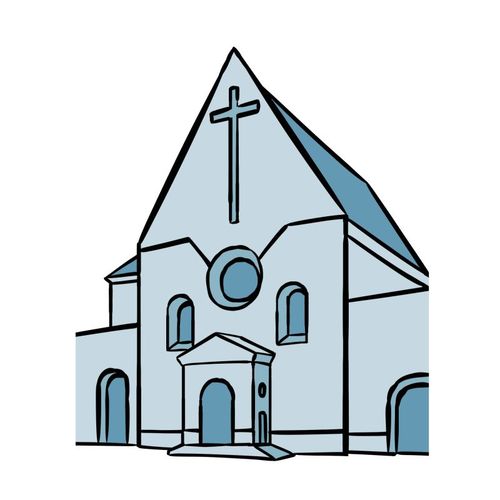
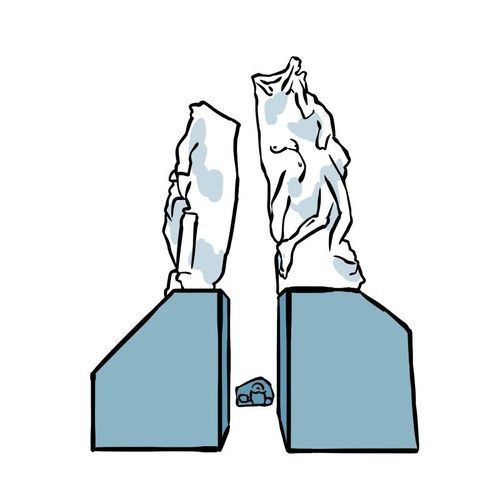
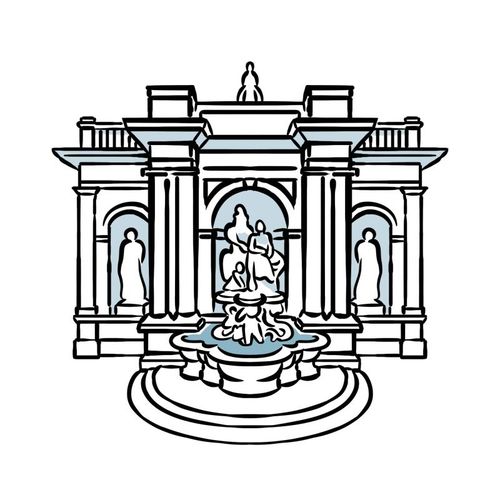
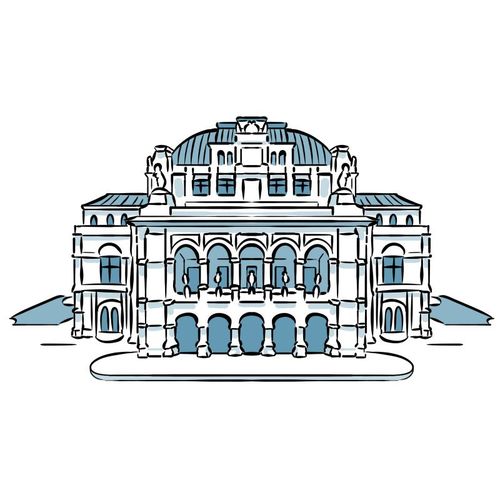
Découvrez 27 lieux d'intérêt pour visiter Vienna


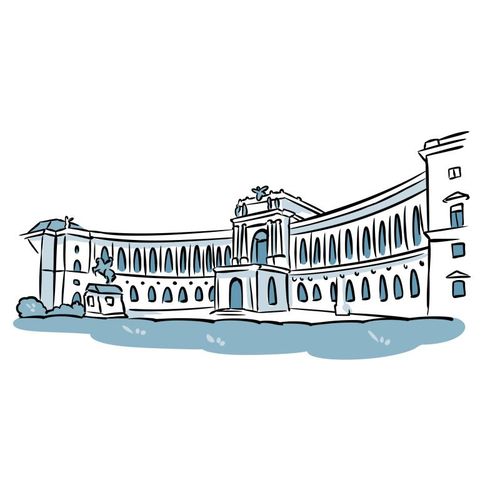
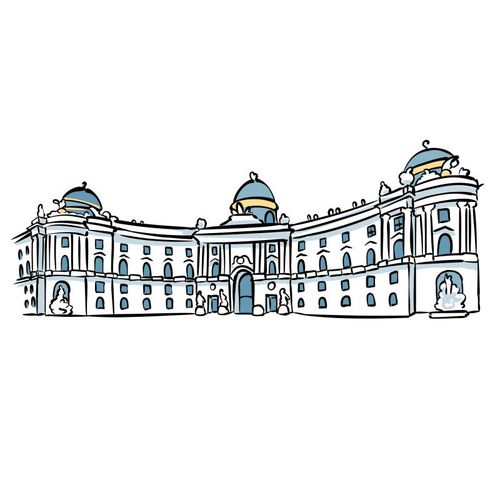

Le plein d'inspirations
Explorez le monde en totale liberté, à pied au cœur des villes ou au fil des routes. Nos guides audios transforment chaque destination en une découverte culturelle immersive et unique.
FAQ for visiting Vienna
When is the best time to visit Vienna, Austria?
You can visit Vienna all year round, each season offering its own particular charm. The months from May to September are generally the most pleasant, with mild temperatures and sunny days, ideal for strolling through the imperial gardens and the lanes of the historic centre. Summer can sometimes be hot, with a few occasional showers. Winter, though cold with temperatures around 3 degrees, transforms the city into a fairy-tale setting thanks to the famous Christmas markets and their warm atmosphere. This period also attracts many visitors who come to enjoy the nearby Austrian ski resorts.
How many days do you need to visit Vienna, Austria?
To appreciate the essentials of Vienna, ideally plan for three to four days. This will allow you to comfortably discover the historic centre with its imperial palaces, St Stephen's Cathedral and the main museums. Two days may be enough to see the must-sees if your schedule is tight, but you'll have to make choices. With five days or more, you can explore the less touristy districts, visit more museums, attend a classical concert and immerse yourself in the Viennese way of life by taking the time to savour a coffee in one of the city's historic institutions.
How do you get around Vienna?
Vienna has an excellent public transport network that will let you get around the whole city easily. The metro, trams and buses are efficient, punctual and serve every district. As the historic centre is relatively compact, you can explore many sites on foot, which remains the best way to discover the unique atmosphere of the Austrian capital. For longer journeys, the self-service bikes are a pleasant option, especially in fine weather. Taxis are available but generally more expensive. A transport pass valid for several days is often economical if you plan to travel a lot.
What are the must-see sights in Vienna?
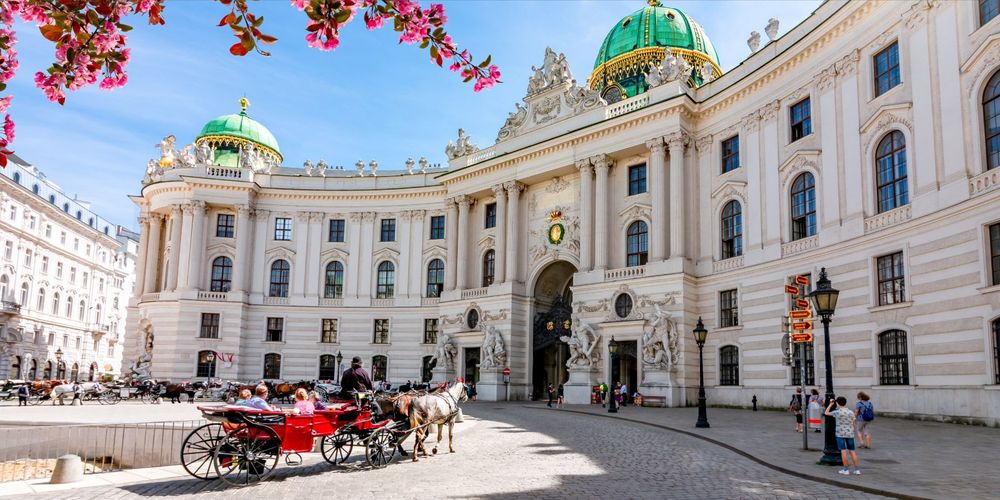
Vienna is full of architectural and cultural treasures that bear witness to its imperial past. Schönbrunn Palace and the Hofburg, residences of the Habsburgs, are essential visits to understand the city's history. St Stephen's Cathedral dominates the centre with its iconic Gothic spire. The Belvedere houses major works of art in a sumptuous setting. Lovers of classical music won't miss the State Opera and the Mozart House. For a guided and enriching discovery of the historic centre, the Ryo audioguide offers a narrated route that takes you through the major sites while sharing anecdotes and historical context.
Where can you eat in Vienna and what are the local specialities?
Viennese gastronomy has some fine discoveries in store for you, between tradition and refinement. Be sure to taste the Wiener schnitzel, the Tafelspitz (boiled beef) and the delicious apfelstrudel in traditional restaurants. The Viennese cafés are institutions where you can enjoy the famous Sachertorte accompanied by a melange or a Viennese coffee. For an authentic experience, head to the beisl, those typical bistros that serve generous local cuisine. Markets such as the Naschmarkt also offer great culinary diversity. The heuriger, wine taverns located on the outskirts, offer simple dishes accompanied by local wines in a convivial atmosphere.
What budget should you plan for a visit to Vienna?
Vienna is generally considered a moderately expensive destination in Europe. Your budget will of course depend on your travel habits and the season. Accommodation is often the biggest expense, with significant variations depending on the district and the type of establishment chosen. For meals, you'll find options for every budget, from affordable street food stands to gourmet restaurants. Admission to museums and palaces can add up quickly, but tourist passes often allow you to make savings. Public transport remains reasonable. Plan a flexible daily budget that will let you make the most of your stay without denying yourself the experiences that appeal to you.
How do you get to Vienna from France?
Several options are available to reach Vienna from France. The plane remains the fastest, with direct flights from Paris, Lyon, Nice or Marseille to Vienna international airport, generally in about two hours' flight time. The train is a comfortable and eco-friendly alternative, notably with the night trains that link Paris to Vienna. By car, allow a full day's drive from eastern France, passing through Germany or Switzerland. Bus companies also offer economical but longer journeys. Once you arrive, Vienna airport is well connected to the city centre by train, bus or taxi.
Where should you stay in Vienna: which district to choose?
The choice of district will depend on your priorities and your budget. The first district, the historic heart of Vienna, puts you closest to the major monuments, but accommodation there is generally more expensive. The districts of Mariahilf and Neubau offer an excellent compromise between proximity to the centre, local atmosphere and more affordable prices. Leopoldstadt, near the Prater, suits families and offers varied options. For a more authentic experience, Wieden and Margareten are pleasant residential districts well served by transport. Avoid straying too far from the centre if you have little time, as getting around can then become a constraint.
Where can you discover Vienna's musical heritage?
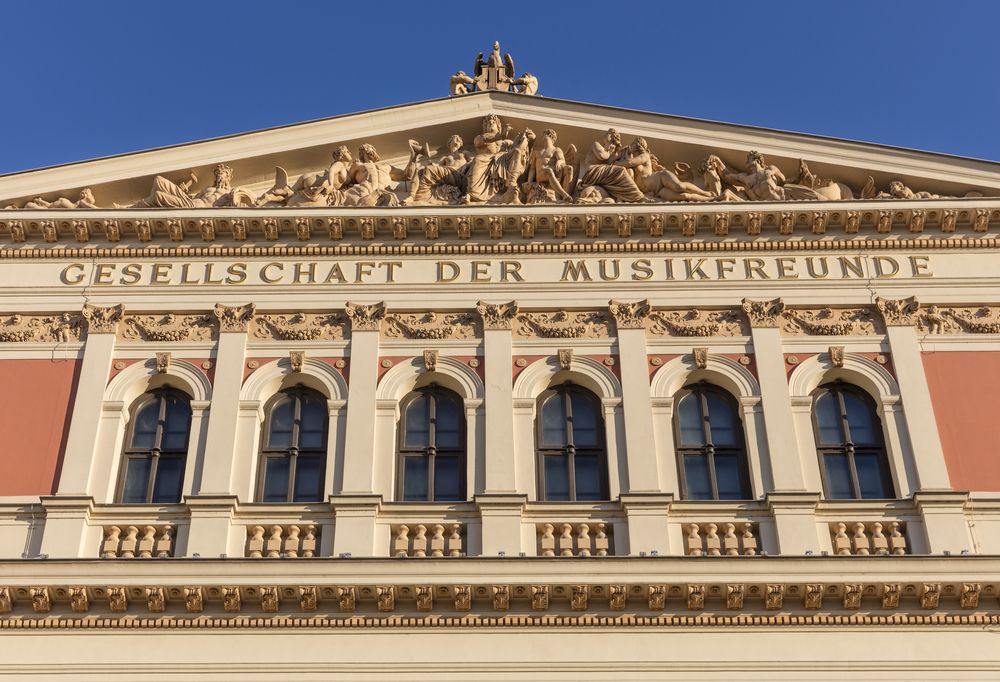
Mozart, Beethoven, Schubert, Brahms and Mahler all lived in Vienna, and the city looks after that legacy with care. The State Opera on the Ring can be toured outside performance times and keeps a dense programme through much of the year, while the Musikverein and its glittering golden hall host the great symphonic concerts. The Mozarthaus, the composer's only surviving Viennese apartment, stands a short walk from St Stephen's Cathedral.
The central cemetery holds the graves of several of these composers, in a surprisingly peaceful setting. In season, churches and palaces also stage more intimate concerts, often with small ensembles. The Ryo audio guide offers a dedicated route through Vienna that links the highlights of the imperial centre.
How do you visit Schönbrunn Palace?
The former summer residence of the Habsburgs, Schönbrunn lies west of the centre and is easily reached by underground. The imperial apartments are shown on several different routes, from the shortest to the most complete, and it is wise to secure a time slot in advance: crowds are heavy, especially in the middle of the day and during school holidays.
The grounds, which are free to enter, are every bit as rewarding as the palace: symmetrical avenues, formal gardens, mock Roman ruins and above all the Gloriette on its hill, from where the view takes in both the palace and the city. The estate is also home to the oldest zoo in the world still in operation, as well as a large palm house. Allow at least half a day.
Vos commentaires, idées et suggestions
Aucun avis pour le moment