
Créé par Romane, le 4 oct. 2026
Votre guide Ryo
Bratislava, Slovakia
The City of a Thousand Palaces
Parcours audioguidé pour visiter Bratislava en 1 jour
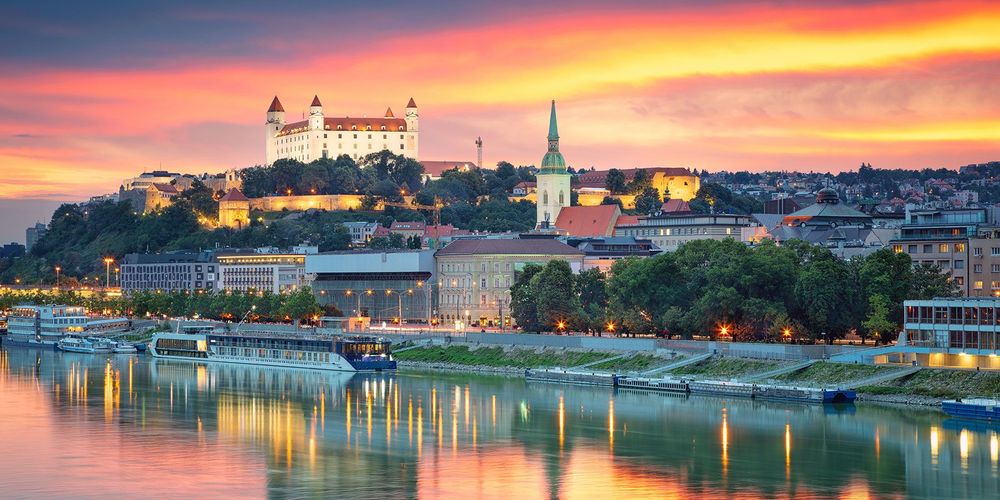
This tour of Bratislava’s historic center invites you to wander through the intimacy of a human-scaled capital, featuring medieval cobbled streets, Baroque facades, and quirky statues. Throughout the route, discover the heritage of imperial coronations, the tranquility of leafy squares, and the landmarks that forged the Slovak identity at the crossroads of Central Europe. A simple and immersive way to explore the picturesque heart of Bratislava at your own pace.
Quand partir à Bratislava ?
Jan.
0°
11
Feb.
2°
10
March
7°
10
April
12°
9
May
17°
10
June
20°
10
June
22°
9
Aug.
22°
8
Sept.
17°
8
Oct.
11°
9
Nov.
5°
12
Dec.
1°
12
The best months to visit Bratislava are May, June, July, August, and September. The warmest months are July and August, with temperatures ranging from 16°C to 27°C. The coldest months are January and December, with temperatures between -3°C and 3°C. May and June are the rainiest months.
Départ conseillé
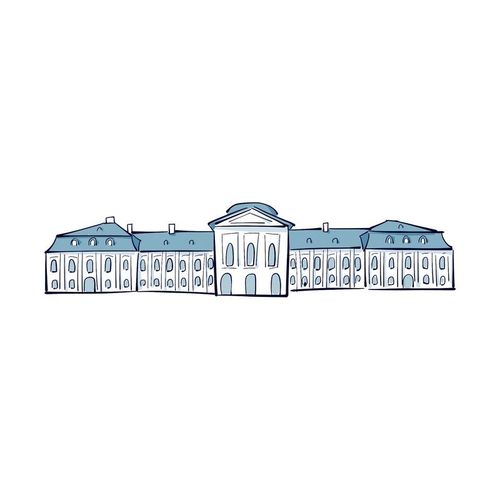
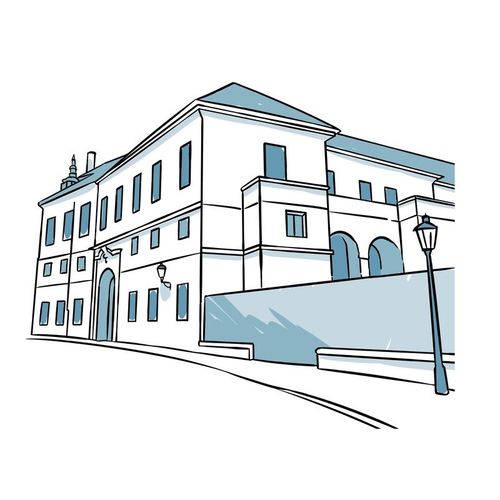
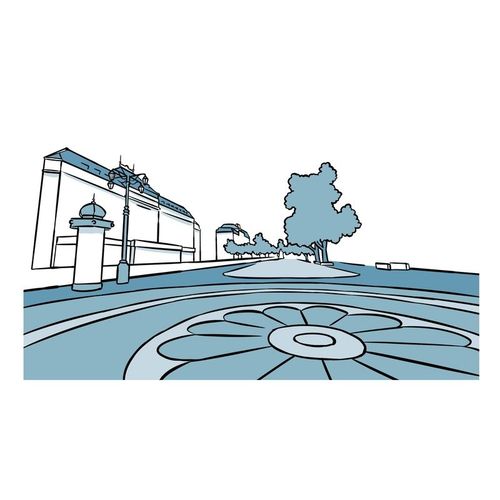
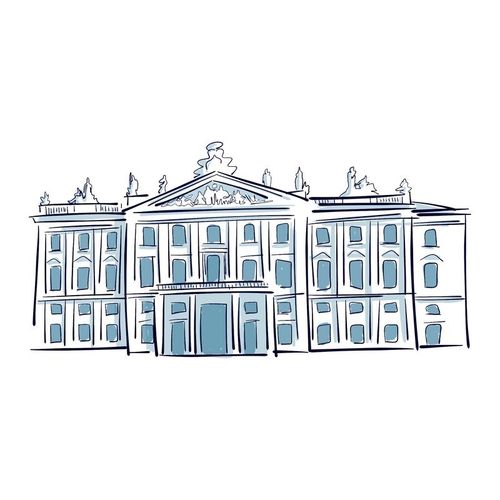
We design our tours in a loop so you can easily start your visit from the point closest to you, with the guidance adjusting automatically. If you’re nearby, we recommend an ideal starting point: in front of the Grassalkovich Palace.
Parking à proximité
Parking Tatracentrum : Bratislava I, Staré Mesto
When parking in downtown Bratislava, be careful: some spaces are reserved and cannot be used to park your vehicle. Make sure to check in advance to understand the signs and avoid having your car towed. Also, for on-street parking, you’ll need to purchase a parking ticket from a kiosk or a dedicated machine. The best option is to choose a paid car park if you want to be in the city centre. A few free parking areas can be found nearby, but they are often full.
Découvrez 20 lieux d'intérêt pour visiter Bratislava

Le plein d'inspirations
Explorez le monde en totale liberté, à pied au cœur des villes ou au fil des routes. Nos guides audios transforment chaque destination en une découverte culturelle immersive et unique.
FAQ for visiting Bratislava
When is the best time to visit Bratislava?
The ideal time to discover Bratislava runs from May to September, when the weather is at its most pleasant. July and August bring the warmest temperatures, generally between 16 and 27 degrees, perfect for wandering the cobbled lanes of the historic centre. Spring and early autumn are also very enjoyable, with mild temperatures and fewer tourists. If possible, avoid May and June, which are often the rainiest months. Winter can be harsh, with temperatures close to zero, but the city then takes on a special charm under the snow, particularly during the Christmas markets.
How many days do you need to visit Bratislava?
As a capital on a human scale, Bratislava can generally be explored in two to three days, enough to take in its main attractions. Over a long weekend, you will have time to explore the historic centre, climb up to the castle, stroll along the Danube and soak up the atmosphere of the local cafés. If you are after a more in-depth visit including the museums, the outlying districts or day trips to the surrounding area, allow four to five days instead. The advantage of this compact city is that it lets you see the essentials without rushing, taking the time to appreciate its laid-back atmosphere and varied architecture.
How do you get around Bratislava?
Bratislava's historic centre is best explored on foot, as the main attractions are concentrated within a small area. For longer journeys, the city has an efficient network of trams and buses serving every district. Tickets can be bought from ticket machines or via the public transport mobile app. Taxis and ride-hailing services are also available at reasonable rates. Many visitors also enjoy renting bikes to ride along the Danube or explore the residential neighbourhoods. If you are arriving from the airport, regular buses reach the city centre in around thirty minutes.
What are the must-sees in Bratislava?
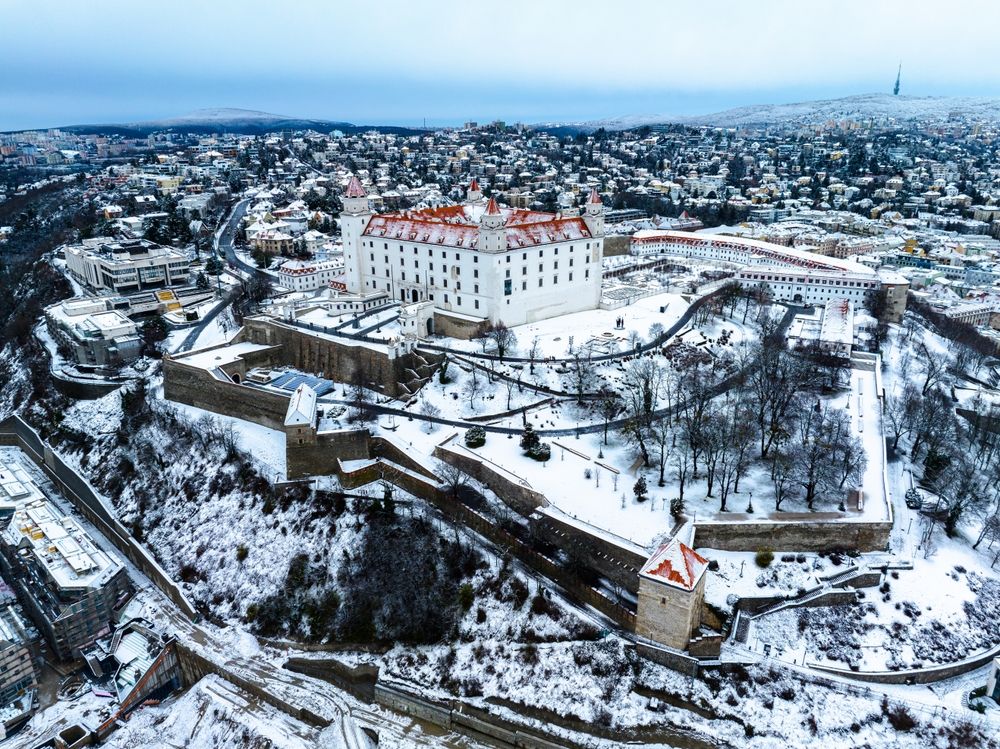
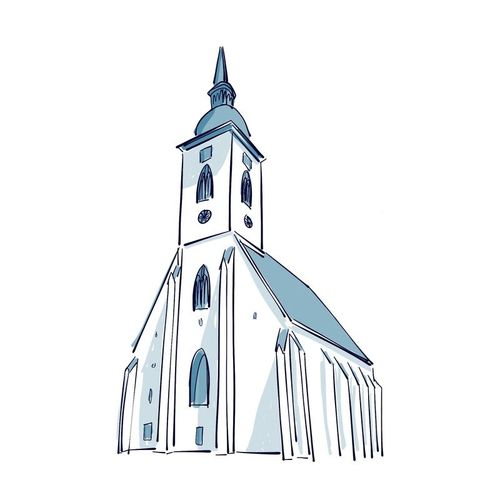
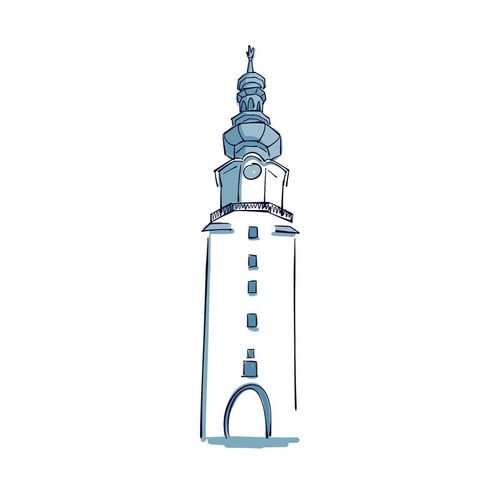
Bratislava's must-sees begin with its castle perched on the hill, offering a panoramic view over the Danube. The medieval old town is worth lingering in, with its cobbled lanes, St Martin's Cathedral where the kings of Hungary were crowned, and the many quirky statues dotting the streets. Don't miss the main square, Hlavné námestie, with its colourful façades and the old town hall. The Primate's Palace and its tapestries, along with Michael's Gate, are also essential visits. For an in-depth, narrated tour of these iconic sites, the Ryo audioguide offers a route specially designed to explore the historic heart of the city at your own pace.
Where should you stay in Bratislava?
The choice of where to stay in Bratislava will depend on your priorities. To be in the heart of the action, opt for the old town, where you will find charming hotels in historic buildings, though generally at higher prices. The area around Hviezdoslav Square offers a good compromise between proximity to the centre and more affordable prices. Travellers on a tight budget will appreciate the many modern, well-equipped hostels. For more peace and quiet, residential districts such as Ružinov or Petržalka offer rental apartments at attractive rates, well served by public transport. The city also has several business hotels near the Danube, often cheaper at the weekend.
How much does a trip to Bratislava cost?
Bratislava remains an affordable destination compared with other European capitals. Your daily budget will obviously depend on your travel style, but expect somewhere between moderate and budget-friendly for a comfortable stay. Meals in traditional restaurants are affordable, especially if you go for the set menu of the day. Public transport and admission to museums and monuments also remain very reasonable. Accommodation will probably be your biggest expense, with significant variations depending on the season and location. To save money, favour places outside the immediate historic centre and avoid periods with major events. Local supermarkets are also a good way to cut food costs if you have access to a kitchen.
Why is the Blue Church a must-see in Bratislava?
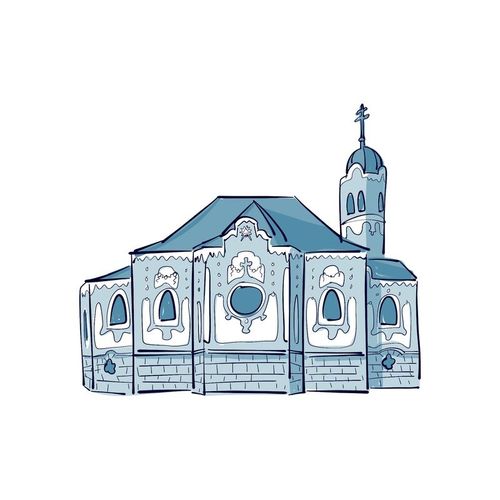
The Church of Saint Elizabeth, which everyone calls the Blue Church, owes its fame to a façade painted entirely in shades of pastel blue, right down to the glazed tiles and the small mosaics that trace its curves. Built in the early twentieth century in an unmistakable Hungarian Art Nouveau style, it looks more like a piece of confectionery than a place of worship, which largely explains its popularity.
It stands slightly away from the pedestrian core, in the Staré Mesto district, a few minutes' walk from the old town: a chance to cross more ordinary streets, far from the tourist terraces. The interior, also tinted blue, opens only intermittently, often around services; if the door is shut, the façade and its small garden are well worth the walk on their own.
Where can you enjoy the best views over Bratislava?
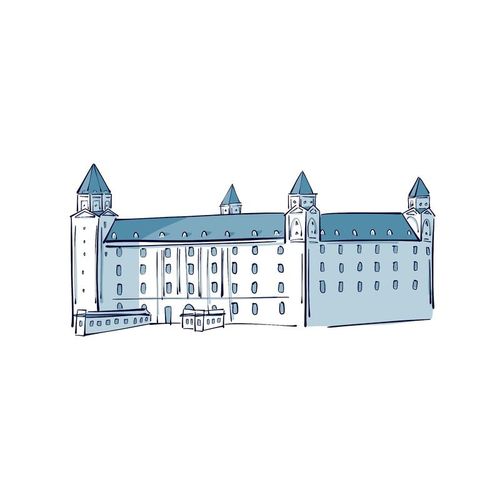
The first vantage point is Bratislava Castle, set on a rise above the Danube: its terrace takes in the old town, the river and, on a clear day, the Austrian and Hungarian hills close by. Down below, the embankments give the finest perspective on the white silhouette of the fortress, especially at the end of the day when the stone warms up with light.
On the other bank, the UFO tower, that flying saucer perched on top of the SNP bridge, holds a panoramic deck overlooking the housing blocks of Petržalka as much as the historic centre. Further north, the Slavín memorial offers a quieter panorama among the trees, and west of the city the ruins of Devín Castle watch over the meeting of the Danube and the Morava.
Which unusual statues can you spot in the streets of Bratislava?
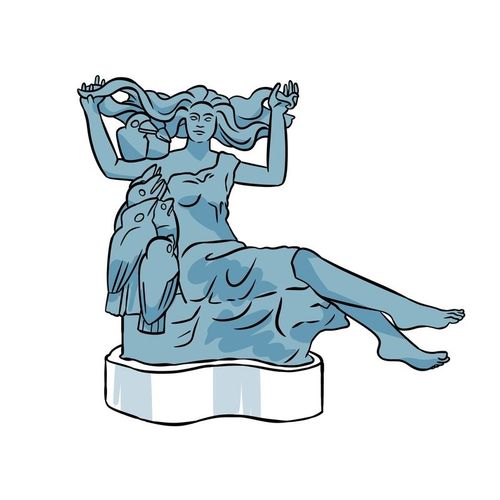
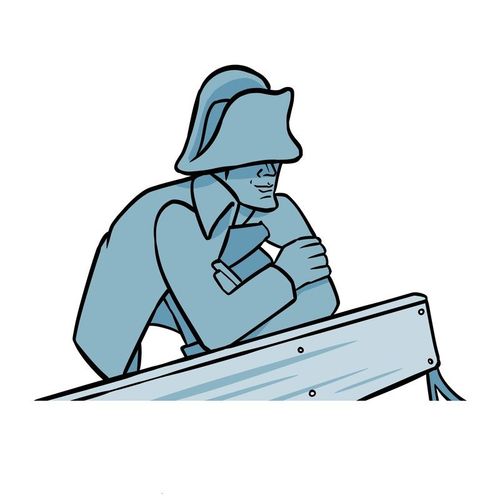
Bratislava enjoys slipping bronze sculptures in at pedestrian level. The most famous, Čumil, is a workman leaning out of a manhole with his head resting on his arms, watching walkers go by with a sly grin; he is photographed so often that his helmet gleams. Nearby, Schöne Náci, a dandy with his hat in hand, greets passers-by, while a Napoleonic soldier leans on a bench in the main square.
These figures punctuate the pedestrian centre and make an ideal thread for a first walk, between Saint Michael's Gate, Hlavné námestie square and the cobbled lanes of Staré Mesto. They recall real characters or local episodes, and hunting them down feels almost like a treasure trail. The Ryo audio guide offers a dedicated Bratislava route that links these statues to the highlights of the centre.
What should you eat and drink in Bratislava?
Slovak cooking is hearty and rustic. The signature dish is bryndzové halušky, small potato dumplings coated in bryndza, a soft sheep's cheese, and scattered with bacon. You will also come across kapustnica, a sauerkraut soup with mushrooms and smoked sausage, lokše, potato pancakes served savoury or sweet, and generous breaded schnitzels.
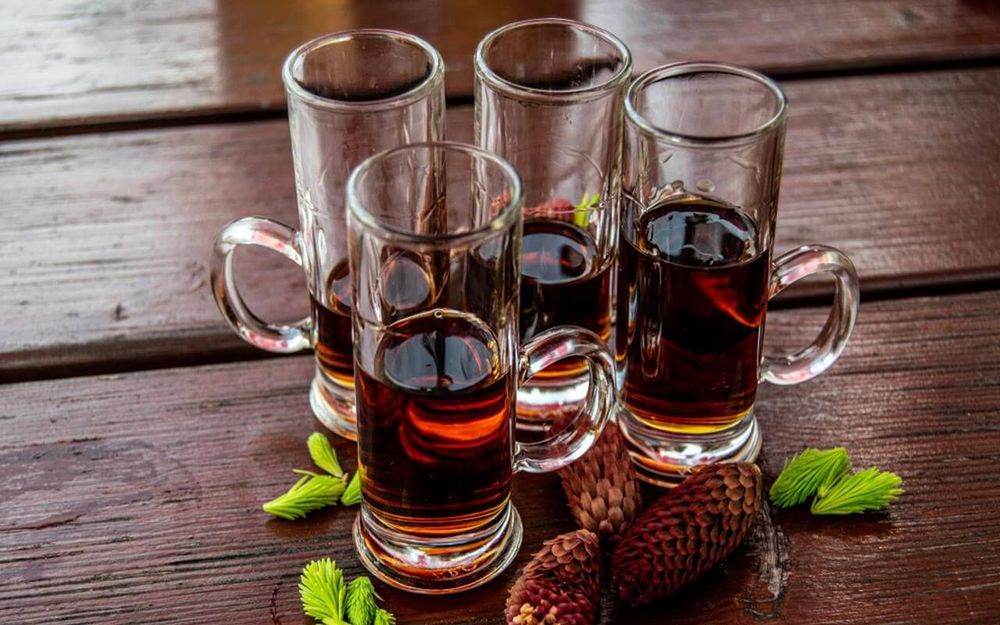
As for drinks, the Little Carpathians bordering the city produce dry white wines that you can taste in the cellars nearby and in a few wine bars in the centre. Pubs pour Czech and Slovak beers, and Kofola, the local soft drink inherited from the socialist era, remains a classic. Restaurants in the pedestrian centre are convenient but often touristy; walking a few streets away is usually enough to eat better.
Vos commentaires, idées et suggestions
Aucun avis pour le moment