© Shutterstock
 Votre guide Ryo
Visiting Bratislava with Family: Old Town, Castle, Zoo and 2026 Itineraries
An hour by train from Vienna, Bratislava remains the European capital that many French travelers fly past without stopping, a mistake once you know how simple it is to visit Bratislava with family: the old town fits almost entirely in the palm of your hand and can be explored at kid height, with no transport to organize and no long walk to negotiate with tired legs. St. Michael's Gate, the main square and the castle overlooking the Danube can all be reached on foot in a little under an hour, which changes everything when you are traveling with a stroller or a six-year-old. To get the measure of the historic center without getting lost in the cobbled lanes, the Ryo audio-guided tour of Bratislava serves as a common thread, with an anecdote at every stop to keep the youngest entertained between two museums.
The rest of the stay comes together just as easily: a zoo with a real life-size dinopark, an urban lake where you can swim a quarter of an hour by tram from the center, and a fortress perched on a rocky spur at the Austrian border, Devín. Add a Saturday market under a 1910 market hall, a Bratislava Card that can include transport for the whole tribe, and enough indoor museums to turn a rainy day into a fun afternoon. Enough to build a one-, two- or three-day stay without ever repeating the same itinerary, or wearing yourselves out on travel.
Old Bratislava on Foot with Family
Bratislava's historic center closes in on itself like a shell: a few blocks, cobblestones clacking under sneakers and, within ten minutes on foot from any point, you've been all the way around. It is precisely this compact format that makes it an ideal playground for a first half-day, with no tram ticket to buy.
St. Michael's Gate and the Old Town
The St. Michael's Gate (Michalská brána) is the only surviving fortified gate of the four that once protected the medieval city, with its green tower 51 meters high, topped by a statue of the archangel slaying the dragon.
Little ones love climbing its narrow staircase to the weapons museum that occupies the upper floors, then the outdoor gallery overlooking the rooftops. On the way down, look under the archway for the plaque set into the pavement: it marks kilometer zero, with distances to other capitals of the world, a ready-made reading game. Past the gate, Michalská and then Ventúrska streets run together in a single cobbled line lined with Baroque façades, antique bookshops and terraces where you can sit down without a reservation. The whole rest of the old town can be reached from this axis in a few minutes.
The Main Square and Its Bronze Statue Hunt
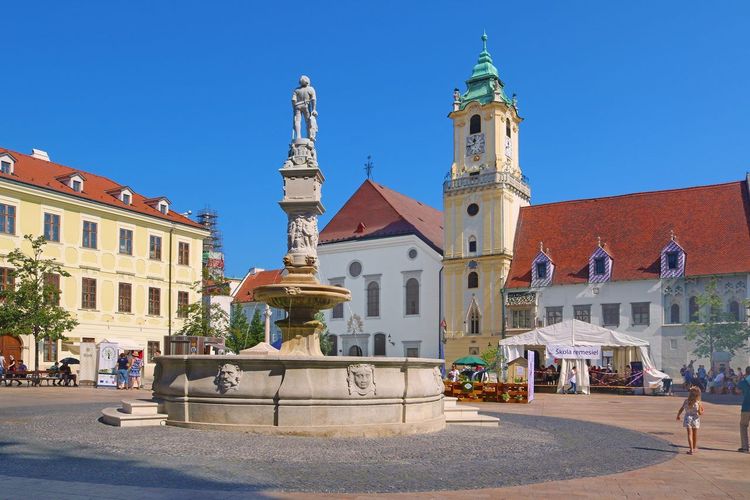
At the end of Ventúrska, the main square) opens up suddenly, with the Roland Fountain (1572) in the center and the Old Town Hall (Hlavné námestie 1, 811 01 Bratislava, rated 4.6/5 on Google from 1,253 reviews) closing off one side. Look up at its tower: a cannonball fired during the Napoleonic siege of 1809 is still embedded in the façade.
This is where the stroll turns into a game: Bratislava has scattered several life-size bronze statues through its pedestrian streets, placed at ground level rather than on a pedestal. The most famous, Čumil, a workman poking his head out of a manhole at the corner of Panská and Rybárska brána, has attracted photographers since 1997; a Napoleonic soldier leaning on a bench hides on the square itself, and the paparazzo lurks around the corner of a neighboring street. Give your children the mission of spotting the statues of the center before the snack break: it easily fills half an hour, with nothing to print in advance.
St. Martin's Cathedral and the Blue Church
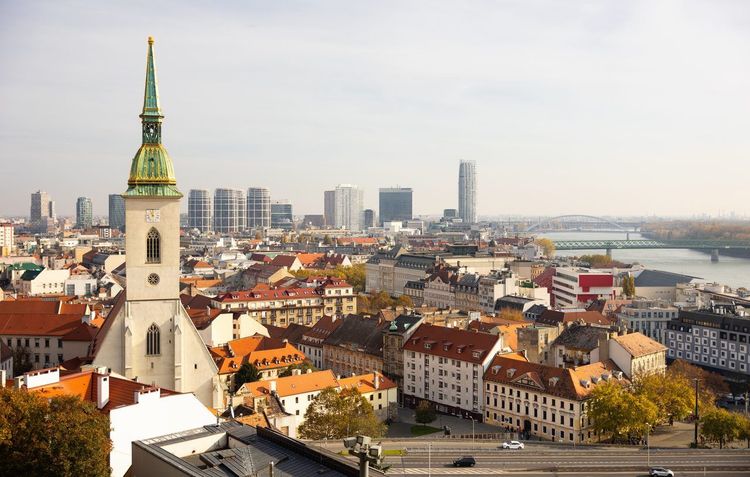
Two religious buildings are worth a stop, for opposite reasons. St. Martin's Cathedral (Dóm sv. Martina), Gothic and a little austere, saw nineteen kings and queens of Hungary crowned between 1563 and 1830. Its spire carries at its top a golden replica of the Crown of St. Stephen, a detail the most observant spot from the square in front.
Fifteen minutes' walk to the east, the Blue Church of St. Elizabeth (Modrý kostolík) has the opposite effect: an Art Nouveau façade entirely in pastel blue, walls and roof included, that looks more like a fairy-tale set than a place of worship.
If time is short, prioritize the Blue Church with young travelers: it can be visited in five minutes, versus a good half hour for the cathedral.
To miss nothing of this maze without spending the whole day on it, the Ryo audio-guided tour of Bratislava's old town goes through St. Michael's Gate, the main square and its quirky statues, with an audio anecdote at each stop lasting under two minutes, exactly the attention span of a seven-year-old schoolchild.
Bratislava Castle and the Presidential Palace
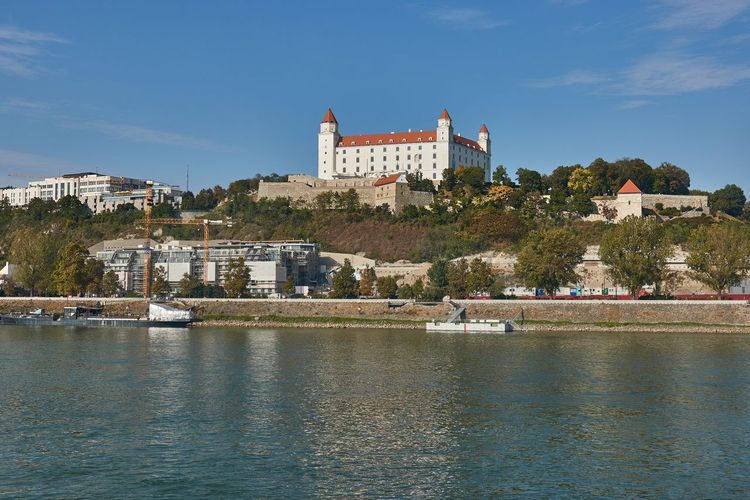
From the old town, just climb the stairs that start behind the cathedral to reach the plateau overlooking the whole city: ten minutes' walk, no more, to completely change your point of view.
The Castle and Its Museum
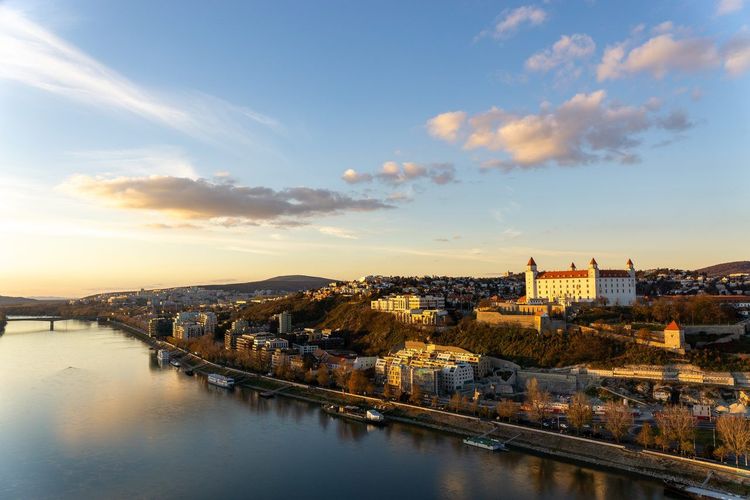
The Bratislava Castle (Bratislavský hrad) looks from afar like an upturned table, with its four corner towers and its large esplanade where little ones can finally run after an hour of cobbled lanes.
Ravaged by fire in 1811 and left in ruins for over a century, it was rebuilt starting in the 1950s and then extensively restored during the 2010s. It houses part of the Slovak National Museum, with rooms devoted to the country's history and an archaeological section on the Celts and Romans who occupied the site. Allow a good hour with curious visitors, less than thirty minutes if the main goal is the esplanade and the reconstructed Baroque gardens on the north side, free to enter.
Panorama over the Old Town and the Danube
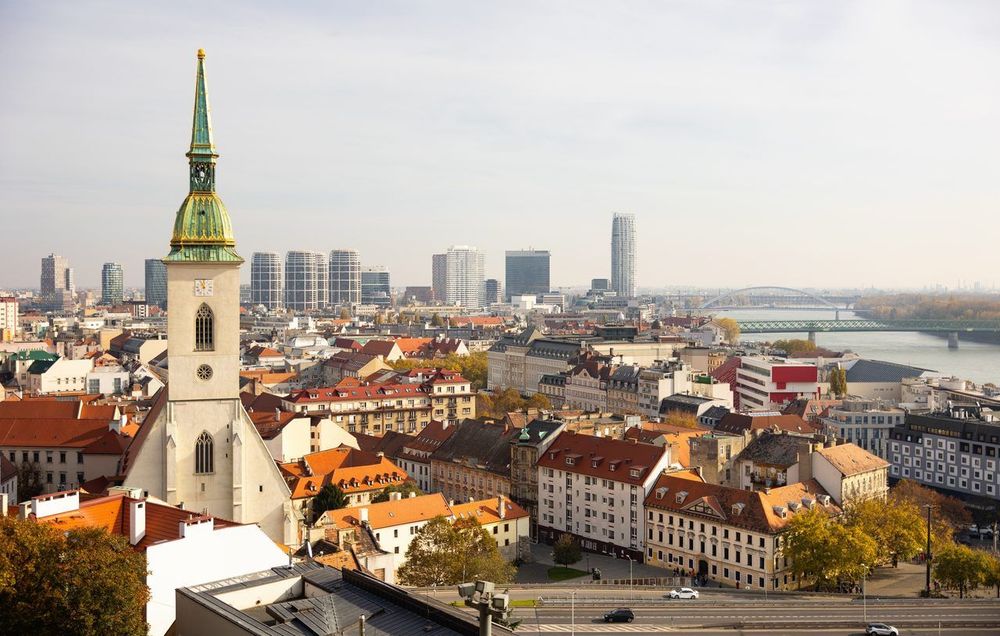
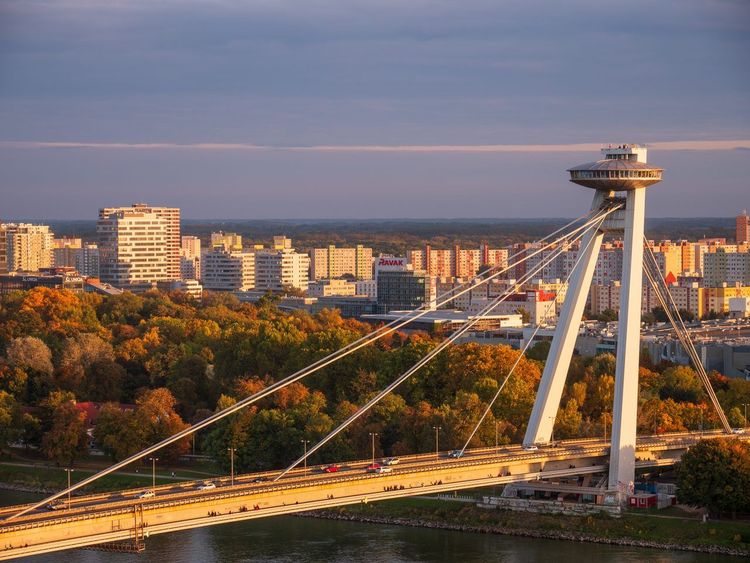
The real appeal of the castle is not so much the interior as the view: from the south rampart, the Danube unfolds across its full width, with the SNP Bridge and its flying saucer perched about 85 meters high on one side, and the sea of red roofs of the old town on the other.
It is the ideal spot for an open-air snack break; you can count together the cruise boats heading up the river toward Vienna. Avoid midday in high season: tour buses drop off their groups between 11 a.m. and 2 p.m., and the esplanade then loses its quiet charm. If the SNP Bridge saucer intrigues the little ones, its observation deck can also be visited, with a fast elevator and an even wider view over the city.
Grassalkovich Palace and Primate's Palace
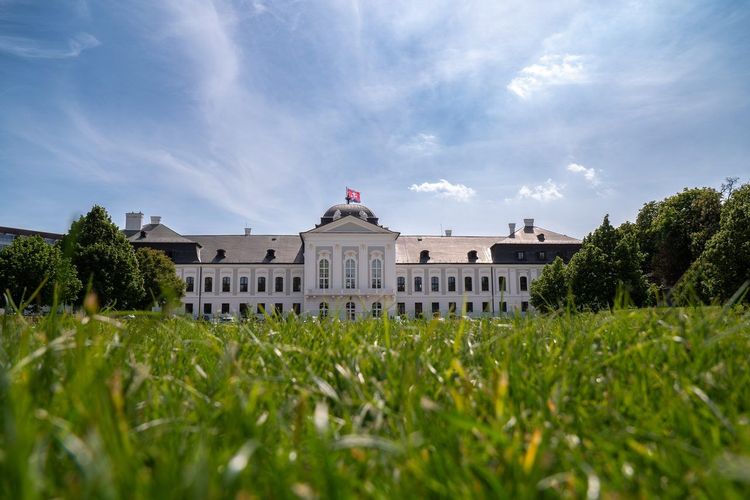
On the way back down to the center, two palaces deserve a detour, even a brief one. The Grassalkovich Palace, the official residence of the President of the Slovak Republic, is best seen from the outside, but its French-style garden open to the public makes a welcome shaded stop, and the changing of the guard in front of the gate always amuses.
The Primate's Palace (Primaciálne námestie 3, 811 01 Bratislava, rated 4.5/5 on Google from 4,241 reviews) (Primaciálny palác), on the other hand, can be visited: its Hall of Mirrors impresses with its neoclassical gilding, and the palace keeps six 17th-century English tapestries found in 1903 behind a wall during a renovation, a hidden-treasure story that appeals to adventure lovers.
The same Ryo audio-guided tour also tells the story of the castle, from military fortress to royal residence: enough to keep everyone busy during the climb, headphones on, without feeling like you're walking for nothing.
Zoo, Dinopark and Big Green Spaces for Kids
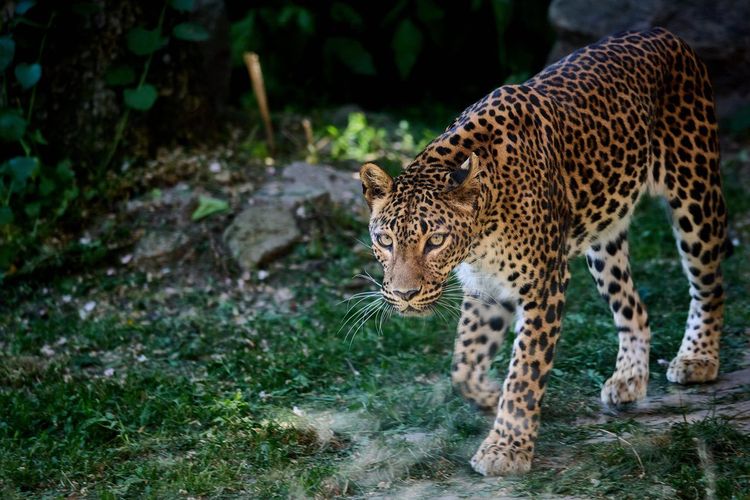
Bratislava is nothing like a stony capital: beyond the historic center, the city quickly turns green again, with several large spaces that easily fill a half day.
Bratislava Zoo and the Dinopark
The Bratislava Zoo, set in the wooded valley of Mlynská dolina, covers about 96 hectares and is home to some 150 species, from rhinos to giraffes and big cats.
Its most requested section remains the Dinopark, an outdoor trail populated by life-size dinosaurs, some animated and with sound, complemented by a playground and excavation workshops. The terrain is hilly: plan for good shoes, an all-terrain stroller rather than a lightweight umbrella model, and three hours to see both parts without rushing. Also check the feeding times posted at the entrance; they pleasantly pace the visit for the youngest.
Parks and Playgrounds (Sad Janka Kráľa, Horský Park, Železná Studienka)
For a shorter break, three parks stand out. The Sad Janka Kráľa, on the Petržalka bank just after the SNP Bridge, is considered the oldest public park in Central Europe (laid out from 1774) and offers shaded playgrounds a quarter of an hour's walk from the center. The Horský park (811 02 Bratislava, rated 4.7/5 on Google from 2,400 reviews), hillier, suits an all-terrain stroller walk well.
The Železná studienka forest park appeals more to those seeking fresh air: ponds, trails in the Little Carpathian hills and a seasonal chairlift that goes up toward Kamzík, where the TV tower offers a spectacular viewpoint and a summer toboggan run much loved by 6-to-12-year-olds. Bus 43 connects the site in a few minutes from the Patrónka stop.
These spaces lend themselves to last-minute improvisation, with no reservation or schedule to follow. For a broader overview, the article Ryo: What Are the Best Activities to Do in Bratislava details a dozen more options.
Museums and Activities for Rainy Days
Bratislava makes up for a sometimes fickle climate with a dense museum offering, often more playful than you might imagine, with workshops on weekends.
Transport Museum and Natural History Museum
The Transport Museum (Múzeum dopravy), located near the main station on the site of the city's very first railway station, lines up steam locomotives, vintage cars and period motorcycles, enough to hold engine enthusiasts longer than planned.
The Natural History Museum of the Slovak National Museum, on the Danube embankment, rounds out the visit well with its minerals, fossils and stuffed animals presented by habitat, from Slovak forests to savannas.
BIBIANA and the Slovak National Gallery
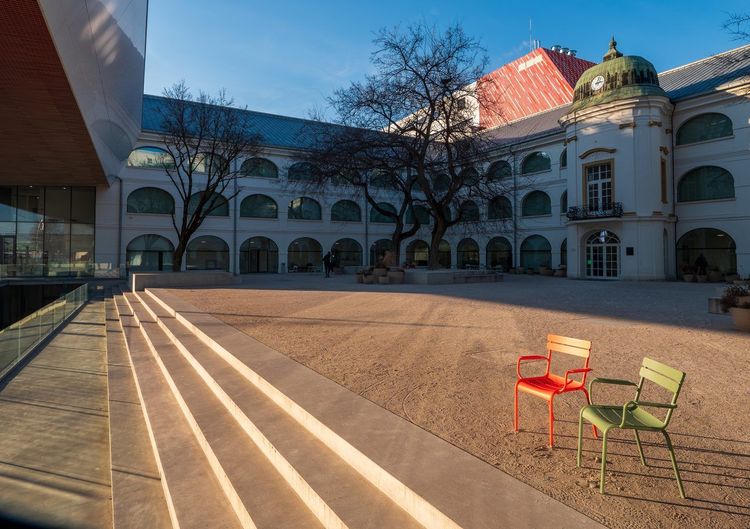
BIBIANA, the International House of Art for Children, deserves a mention of its own: its temporary exhibitions, devoted to illustration and children's books, are designed to be touched, explored or activated, not just looked at. It also hosts the Biennial of Illustrations Bratislava every two years.
The Slovak National Gallery, reopened after a long renovation, offers creative workshops on weekends built around its collections. Check the program online before heading out: places go quickly during the Slovak school holidays.
Cinema City at Eurovea
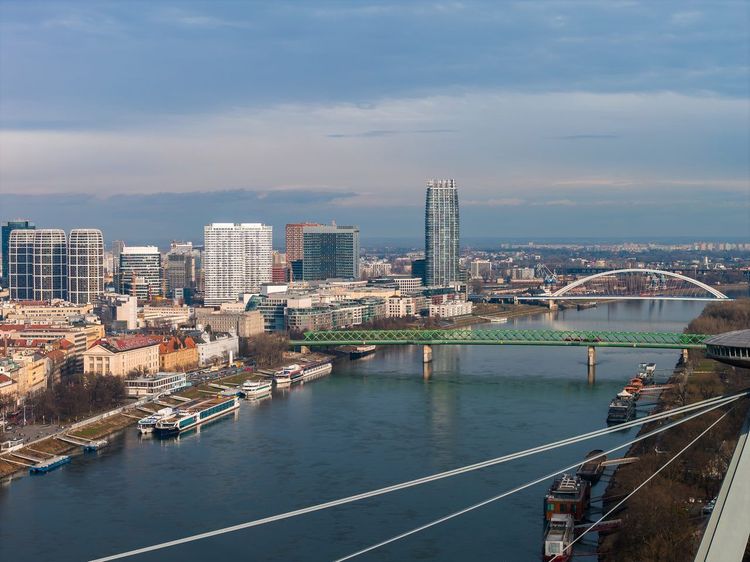
If the rain really sets in, head to the Eurovea district (Pribinova 8, 811 09 Bratislava, rated 4.5/5 on Google from 27,056 reviews), on the Danube, where the Cinema City multiplex shows animated films and a few films in original version with subtitles, handy if nobody speaks Slovak. The center also has a good dozen restaurants under the same roof, useful on a day when nobody feels like going back outside.
Two lesser-known options complete the list: the City History Museum, housed in the Old Town Hall, whose medieval dungeons amuse thrill seekers, and the children's concerts of the Slovak Philharmonic Orchestra, scheduled on certain Sundays at the Reduta, to be booked several days in advance.
Swimming and Active Adventures on the Danube
Once the cultural visits are wrapped up, Bratislava offers several water options accessible without a car, which is not so common for a capital.
Zlaté Piesky and Lake Kuchajda
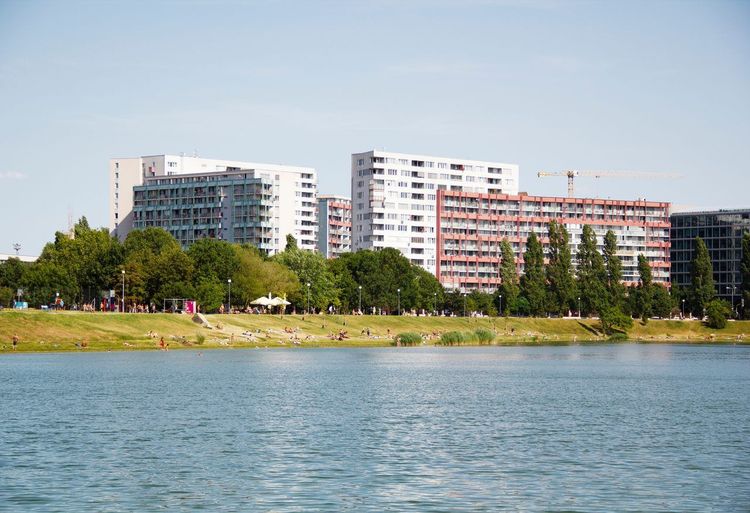
Lake Zlaté piesky, a quarter of an hour by tram from the center, is the most spontaneous option: sandy beaches, supervised swimming in summer, water slides and pedal boat rentals for a break with no reservation. The Kuchajda lake (831 06 Bratislava, rated 4.3/5 on Google from 2K reviews), even closer, suits a late afternoon, with its pedestrian lakeside loop, playgrounds and a few waterside snack bars.
Neither offers the clarity of a Mediterranean cove, but to cool everyone off in the summer heat without leaving the city, either one is more than enough.
Čunovo and Cycling along the Danube to Devín
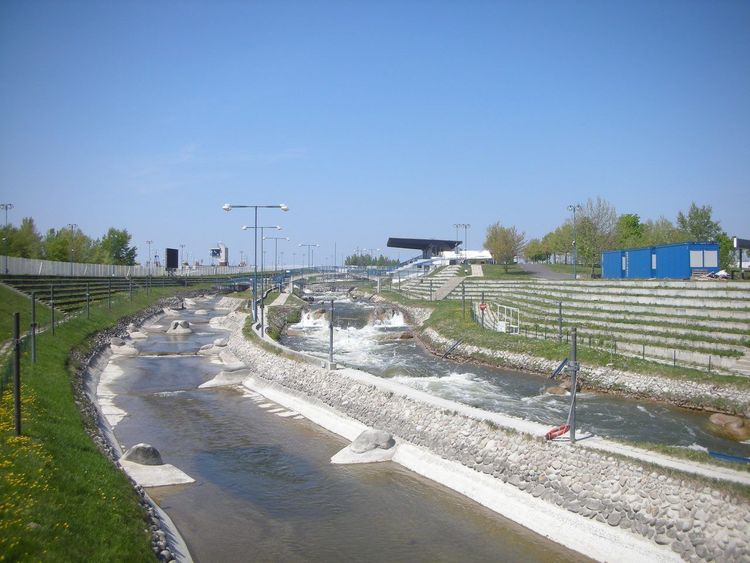
For teenagers looking for thrills, the whitewater center at Čunovo, about twenty minutes by road from the center, offers rafting and canoeing on an artificial Olympic course, with guided descents available from age 12 or 13 depending on the operator. It is not suitable for toddlers: the current is real, even in beginner configuration.
Another active option: the cycle path that runs along the Danube and then the Morava, flat and paved for most of its length, connects the center to Devín Castle in about ten kilometers. From eight or nine years old, the one-way ride is easy; for the return, bus 29 brings everyone back to the SNP Bridge, which saves retracing the route on tired calves.
Family Excursions around Bratislava
Bratislava has this particularity that it touches two borders, Austrian and Hungarian, which opens up outings from half a day to a full day without long journeys.
Devín Castle, Roman Gerulata and Červený Kameň Castle
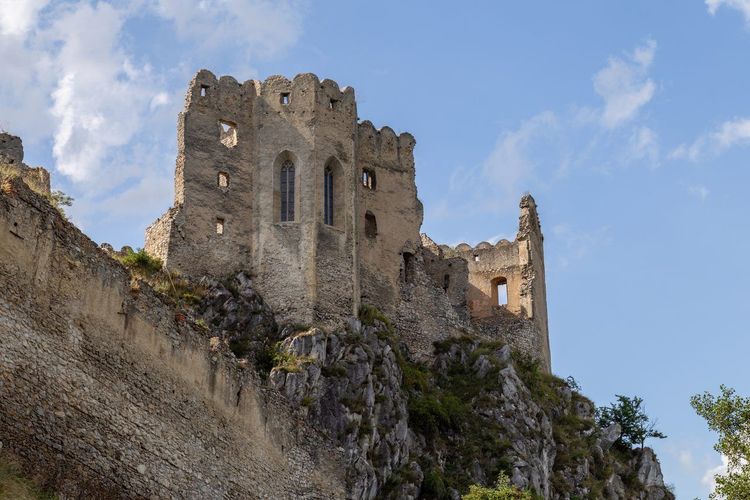
The Devín Castle, perched on a rocky spur at the confluence of the Danube and the Morava, can be visited in half a day from the center, bus included. Its ruins, largely open-air, lend themselves to free exploration from seven or eight years old, with a real sense of adventure at the foot of the Maiden Tower, standing alone on its rock above the water.
On the opposite side of the city, the archaeological site of Gerulata, in Rusovce, preserves the remains of a 2nd-century Roman military camp that guarded the border of the Danube Limes, a UNESCO World Heritage Site since 2021. Less spectacular than Devín, it can be visited in an hour and its small museum displays coins, pottery and everyday tools of the legionaries. Farther away, about forty minutes by road, the Červený Kameň Castle (Červený Kameň 1, 900 89 Častá, rated 4.7/5 on Google from 7,970 reviews) offers guided tours of its immense vaulted cellars and its arsenal, a format that appeals to ages 10 and up.
Vienna and Schloss Hof, a Day in Austria
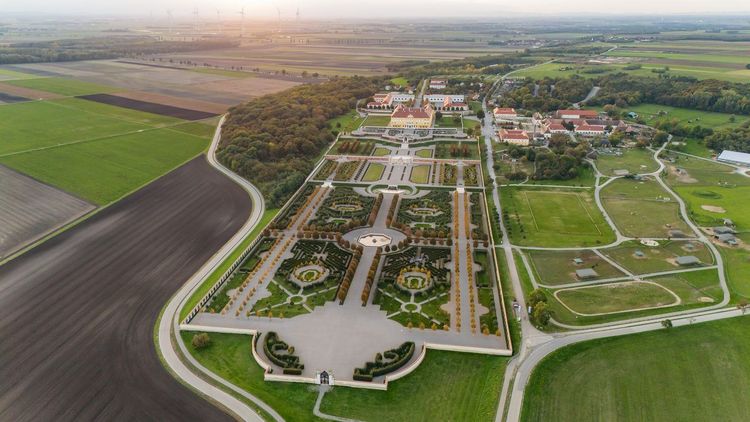
Vienna is only an hour away by train, making it the most obvious getaway for a full day: the Prater and its giant Ferris wheel, the Natural History Museum and its dinosaurs, or a simple stroll along the Ring are enough to fill a day. Less well known, the estate of Schloss Hof, a Baroque palace surrounded by a farm with goats, donkeys and heritage breeds, charms toddlers who prefer running in a garden to going from one museum room to the next. You can even reach it by bike from Devín via the Freedom Cycle Bridge, which crosses the Morava.
In both cases, it is better to plan a single excursion per day rather than combining Vienna and a Slovak castle: the fatigue is costly by late afternoon.
Tasting Slovak Cuisine as a Family
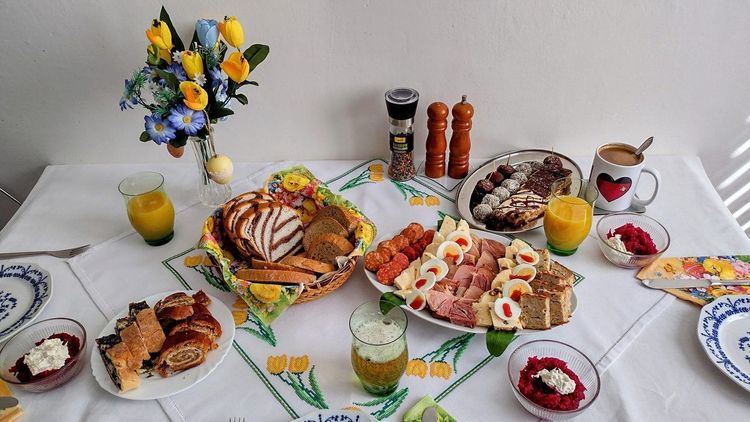
Eating Slovak with children is no challenge: the local cuisine, hearty and mildly spiced, goes down well even with the fussiest palates.
The Saturday Market at the Stará Tržnica and Ice Cream (Zmrzlina)
Every Saturday from 9 a.m. to 3 p.m., the Stará tržnica (Námestie SNP 25, 811 01 Bratislava, rated 4.6/5 on Google from 3,174 reviews), the city's first covered market hall, built in 1910 on SNP Square, hosts a market of producers and small craftsmen: it is probably the best introduction. You can taste sheep's cheeses, pastries and dishes prepared on site, to be supplemented in town with palačinky (filled crepes) or bryndzové halušky, those potato gnocchi with sheep's cheese that count as the national dish.
For dessert, local zmrzlina, an artisanal ice cream sold at many kiosks in the center, becomes almost an end-of-stroll ritual, as the traditional flavors (tvaroh fresh cheese, poppy seeds) pleasantly surprise. For a more complete selection of restaurants and food spots, the article Ryo: Top 10 Culinary Specialties in Bratislava lists the must-tries, from kapustnica to trdelník.
Building Your Family Itinerary: 1, 2 or 3 Days
It all depends on the time available, but Bratislava lends itself to three distinct formats, depending on whether you are just passing through between two trains or really settling in.
One Day in Bratislava with Family
With a single day, focus on the historic center and the castle: St. Michael's Gate in the morning, the statue hunt and main square mid-morning, the climb to the castle before lunch to avoid the crowds. The afternoon suits the Blue Church and then, depending on the energy left, an hour at the zoo or a break by Lake Kuchajda. This format takes six to seven hours, breaks included, and covers the essentials.
A 2-Day Weekend
Two days allow you to add some real breathing room. The first remains devoted to the old town and the castle; the second combines the zoo and its Dinopark in the morning, then Devín Castle in the afternoon, reachable by bus from the SNP Bridge. It is also the format ### Three Days with an Excursion
Over three days, the third day is freed up for a full excursion: Vienna by train, or Gerulata then Červený Kameň by rental car. It is also the format that leaves the most room to improvise, return to a place that was particularly enjoyed, or slow the pace after two dense days.
Whatever length you choose, the Ryo audio-guided tour of Bratislava adapts to this modular logic: its audio stops are easily split up to fit a half day, a full day, or to spread the visit over two or three days depending on everyone's stamina.
Where to Stay in Bratislava with Family
The historic center remains the most practical choice if you want to do everything on foot: most major sites are within ten minutes' walk of accommodation inside the old town, which limits end-of-day fatigue. Apartments with kitchens are plentiful there and often more spacious than a hotel room for four.
For a longer stay or with very young children, the Eurovea district, on the Danube, is an interesting alternative: a flat promenade along the river, restaurants and supermarkets nearby, and access to the historic center in fifteen minutes on foot.
On the other hand, avoid staying too far out to save a few euros: transport is efficient, but every extra journey weighs more heavily than expected on group morale at the end of the day.
Stroller Accessibility
The cobblestones of the old town remain uncomfortable with a lightweight umbrella stroller: prefer a large-wheeled model, or a baby carrier for the climb to the castle, where some access routes are via stairs. The Eurovea district, the Danube promenade and the Sad Janka Kráľa, on the other hand, are flat and wide, and most recent trams are low-floor.
Getting Around and Saving Money in Bratislava with Family
Getting There and Getting Around the City
Bratislava is easy to reach by plane (airport about twenty minutes from the center, or Vienna's airport an hour away by bus), by train from Vienna or Budapest, or by fast boat in summer from Vienna, an arrival by river that often leaves a lasting impression. Once there, the city is mostly explored on foot: the historic center is pedestrian, and the zoo, the lakes and Devín remain accessible by tram or bus.
The Bratislava Card and Tips to Cut Your Budget
The Bratislava Card, valid for 24, 48 or 72 hours, gives free or discounted entry to many sites, museums and restaurants. Choose the option with transport: it includes unlimited trams, buses and regional trains, and a young person under 18 accompanying the cardholder travels free. For four people planning two or three paid visits per day, it generally pays for itself quickly.
Other ideas: several museums offer reduced rates for parent-child groups, the parks, the castle gardens and the statue hunt cost nothing, and walking rather than systematically taking the tram remains the best saving, the center being compact enough for it.
Another budget argument: the Ryo audio-guided tour is used fully independently from a smartphone, with no guide to book and no imposed schedule, making it an economical option for discovering the old town at your own pace.
When to Go and How Many Days to Plan
Spring (April to June) and early autumn (September) offer the best compromise for visiting Bratislava with children: mild temperatures, open terraces and still reasonable crowds compared with the July-August peak. Summer remains nonetheless practical with young travelers thanks to the swimming options (Zlaté piesky, Kuchajda) that complement visits during the hottest hours.
In terms of duration, two full days are enough to cover the essentials; allow three days if you want to add an excursion to Vienna or the Slovak countryside without rushing. The itinerary section above details how to spread out the visits.
Bratislava in Winter with Children
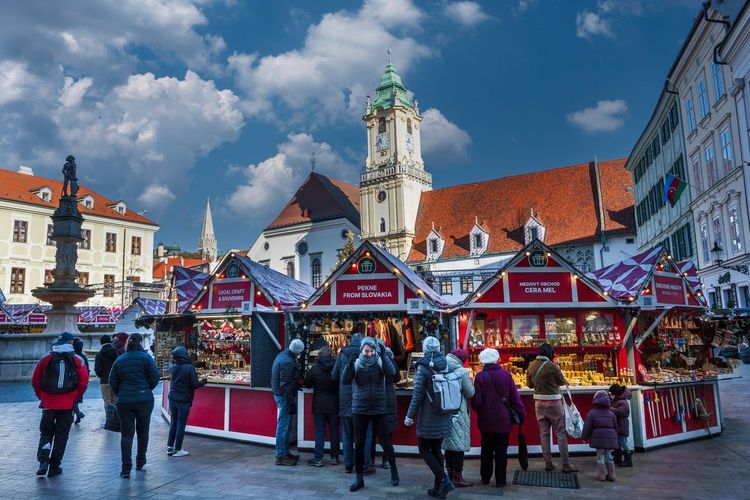
Contrary to popular belief, winter is no off-season in Bratislava. The Christmas market, set up from late November until Christmas on the main square, Františkánske Square and Hviezdoslav Square, offers non-alcoholic punch, craft stalls and hot specialties like lokše, filled potato flatbreads. On Hviezdoslav Square, an open-air ice rink lets you rent skates between stalls.
The sub-zero temperatures of December and January also make the indoor activities mentioned above (BIBIANA, the Transport Museum, Cinema City) particularly welcome. To prepare a winter stay in detail, the article Ryo: Experience a Unique Winter in Slovakia lists the seasonal events.
FAQ
Is Bratislava a good destination for families with young children?
Yes: the compact historic center can be covered entirely on foot, and the city combines short cultural sites (St. Michael's Gate, the castle) with places where kids can burn off energy, such as the zoo or the city parks. It is a forgiving destination when plans change, a real plus when a little one suddenly decides they don't want to walk anymore.
How many days do you need for a good family trip to Bratislava?
Two full days cover the essentials: the old town and castle on the first day, the zoo or a park and a museum on the second. Three days allow you to add an excursion, to Vienna or the Slovak countryside. With only one day, it's best to focus on the historic center.
Is Bratislava Zoo worth a visit?
Yes, mainly thanks to the Dinopark, which delights children under ten. The zoo itself is decent without rivaling the big European zoos; allow two to three hours and favor the morning to see the most active animals.
Is it easy to visit Bratislava with family without a car?
Very easy: the historic center is pedestrian, the zoo, the lakes and Devín Castle are reachable by tram or bus, and the Bratislava Card with transport covers the entire network. Only excursions to Červený Kameň or Schloss Hof are more comfortable with a rental car.
What are the best indoor activities on a rainy day?
BIBIANA, the Transport Museum and the Natural History Museum suit children from three to twelve well. For teenagers, Cinema City at Eurovea, the workshops at the Slovak National Gallery or the dungeons of the City History Museum offer a bigger alternative.
What is the best day trip for families near Bratislava?
Vienna, an hour away by train, is the easiest to organize and the richest in options for all ages. For a more rural outing, Devín Castle, Schloss Hof or the Gerulata and Červený Kameň duo suit children from seven, with far fewer crowds.
Are there Slovak food experiences suited to children?
Yes, starting with the Saturday market at the Stará tržnica and palačinky, filled crepes found everywhere. Local zmrzlina, with poppy seed or fresh cheese flavors, completes a treat break suited to every palate, with nothing spicy or off-putting.
Bratislava, a Human-Sized Capital
Bratislava is no mere stopover between Vienna and Budapest: it is a destination in its own right, where two or three days are enough to fit in the old town, castle, zoo, swimming and a cross-border excursion, without ever wearing yourselves out on travel. Its modest size, often seen as a flaw for a capital, becomes a decisive asset here when your travel companions would rather run across an esplanade than wait in a crowded metro.
To enjoy this compact format without hunting for your way between two cobbled lanes, the Ryo audio-guided tour of Bratislava links the essentials of the historic center at your own pace, headphones on and little explorers leading the procession.