
Créé par Romane, le 4 oct. 2026
Votre guide Ryo
Salzburg, Austria
Meeting Mozart
Parcours audioguidé pour visiter Salzburg en 1 jour
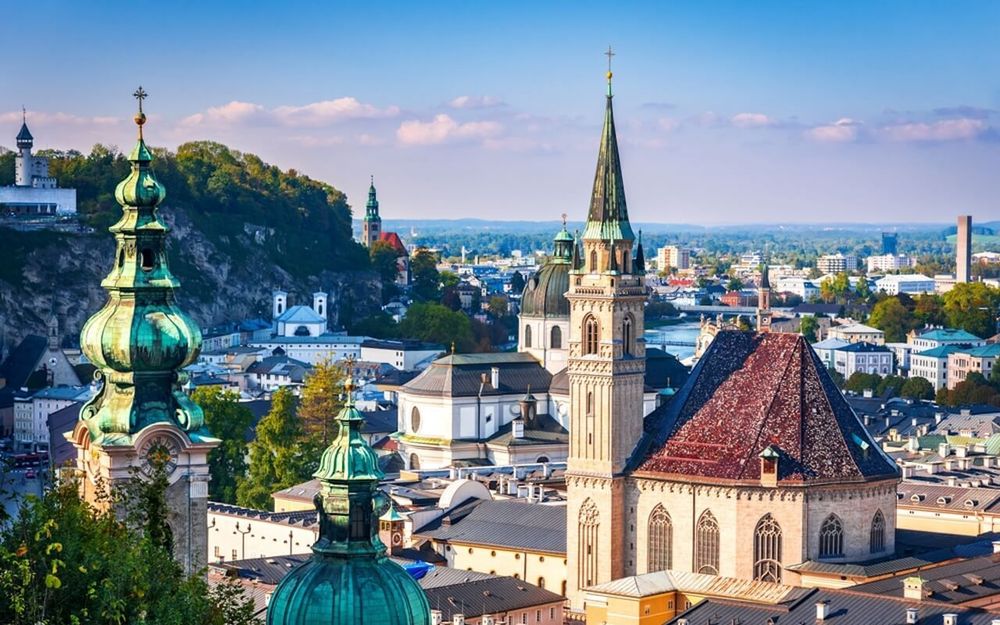
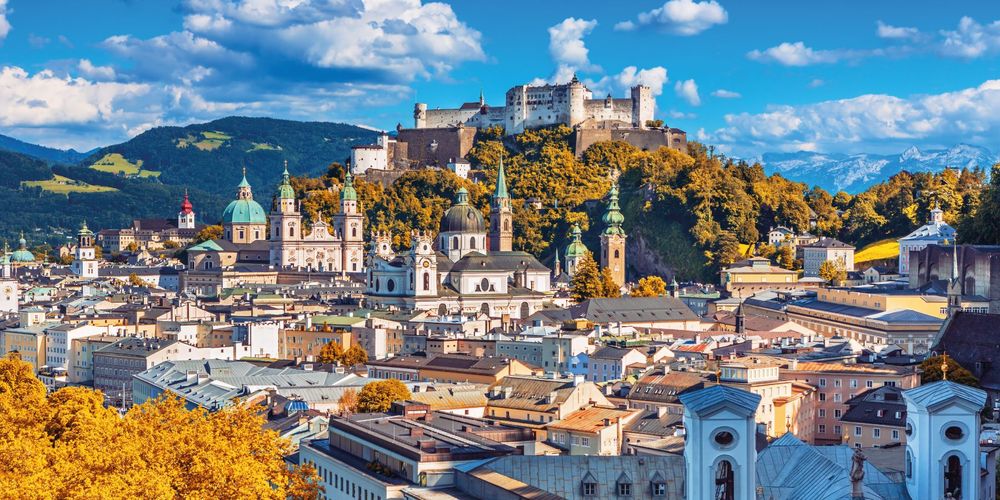
In the heart of the Alps, Salzburg reveals exceptional UNESCO-listed heritage and a rich musical legacy linked to Wolfgang Amadeus Mozart. With its Baroque architecture, Alpine landscapes, and vibrant culture, the city offers an atmosphere that is both elegant and inspiring.
Quand partir à Salzburg ?
Jan.
-1°
10
Feb.
1°
9
March
6°
10
April
10°
12
May
15°
14
June
19°
15
July
22°
16
Aug.
22°
15
Sept.
18°
12
Oct.
12°
10
Nov.
6°
11
Dec.
1°
10
Over the year, Salzburg has an average temperature of 14°C, ranging from 3°C in January to 24°C in August. The best time to visit is in summer, with July and August bringing the warmest weather – though be aware that May to August is also the city’s rainiest period. For those who don’t mind the cold, Salzburg is truly magical in winter. January and February are the chilliest months, with temperatures often dropping below 0°C, but the sight of the city blanketed in snow is well worth it.
Départ conseillé
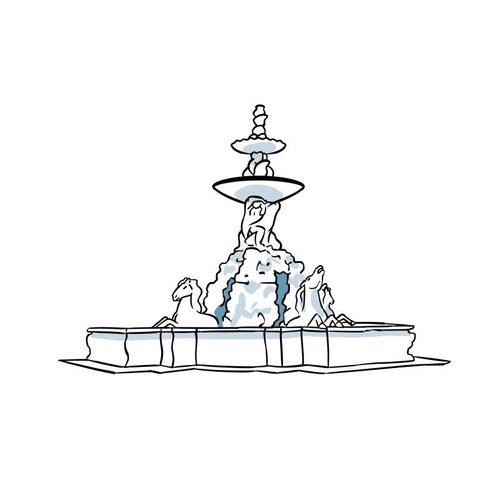
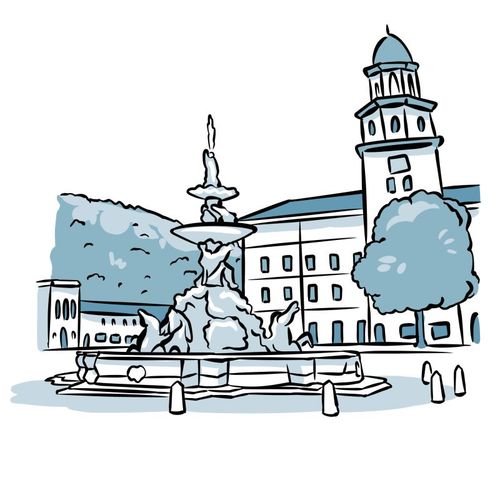
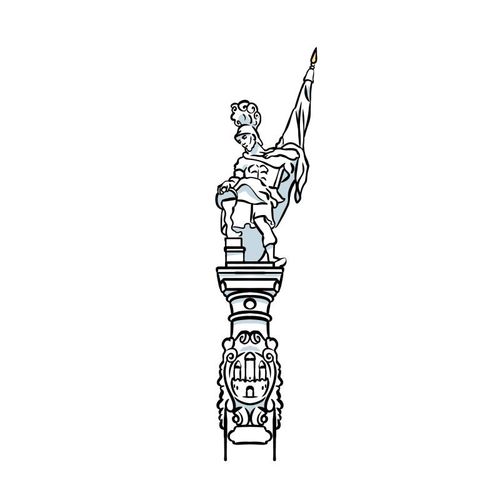
We design our tours as loops, so you can easily start at the point closest to you, the guide will adapt automatically. If you’re nearby, we recommend starting at the Petersbrunnen Square.
Parking à proximité
Parking Entrance to Underground Garage: Sankt-Peter-Bezirk 8
Salzburg is a small city, and you can easily explore all its main sights on foot. Public transport is efficient and well connected. If you’re arriving by car and want to park for free, it’s best to leave your vehicle in a park-and-ride facility on the outskirts and take public transport into the centre. Alternatively, you can choose a paid underground car park, though these tend to be quite expensive.
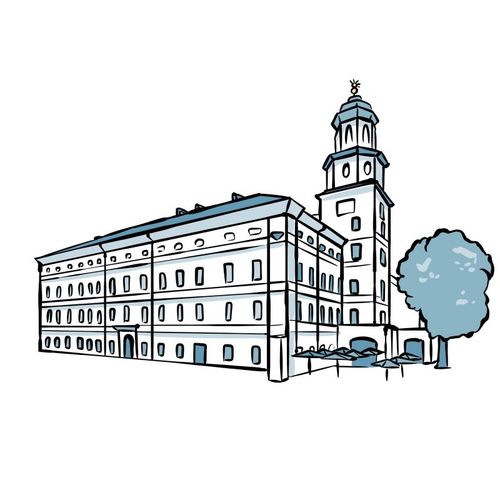
Découvrez 27 lieux d'intérêt pour visiter Salzburg









Le plein d'inspirations
Explorez le monde en totale liberté, à pied au cœur des villes ou au fil des routes. Nos guides audios transforment chaque destination en une découverte culturelle immersive et unique.
FAQ for visiting Salzburg
When is the best time to visit Salzburg?
The best time to visit Salzburg really depends on your preferences. Summer, particularly July and August, offers the most pleasant temperatures with an average of 24°C, ideal for strolling through the old town and enjoying the café terraces. However, it's also the busiest and rainiest period. Spring and autumn offer a good compromise, with fewer people and mild temperatures. Winter turns Salzburg into a fairy tale under the snow, but be prepared to face often sub-zero temperatures in January and February. This season remains magical for discovering the city in a hushed, authentic atmosphere.
How many days do you need to visit Salzburg?
Two to three days is the ideal length of time to discover Salzburg without rushing. In two days, you can explore the UNESCO-listed old town, visit the main sites linked to Mozart, climb up to Hohensalzburg Fortress and wander through the Mirabell Gardens. With an extra day, you'll have time to delve deeper into the museums, take a trip to the surrounding area or enjoy more of the city's unique atmosphere. If you have more time, the surrounding Alpine landscapes and the region's lakes are truly worth the detour. The Ryo audioguide accompanies you to make the most of your discovery of the city according to your available time.
How do you get around the city?
Salzburg's historic centre is perfectly suited to walking, which is indeed the best way to soak up its atmosphere. The old town is largely pedestrianised, making the stroll all the more pleasant. For longer distances, the bus network is efficient and serves all the neighbourhoods well. Self-service bikes are a handy alternative, particularly for riding alongside the Salzach river. Taxis are available but generally more expensive. If you're staying on the outskirts, public transport will easily take you into the centre. As the city is relatively compact, you'll be surprised to be able to reach most of the main attractions on foot.
What is the Salzburg Card and is it worth it?
The Salzburg Card is a tourist pass that gives free access to most of the city's museums and attractions, as well as to public transport. It comes in 24, 48 or 72-hour versions. Its value really depends on your itinerary: if you plan to visit several paid museums and monuments such as the fortress, Mozart's house or Hellbrunn Palace, it quickly pays for itself. It also saves you from queuing at the ticket offices. On the other hand, if you'd rather simply wander the city and soak up the atmosphere, it isn't necessarily needed, as many of Salzburg's pleasures are free, such as admiring the baroque architecture or strolling through the gardens.
What can you do in Salzburg with children?
Salzburg turns out to be surprisingly family-friendly. Hellbrunn Palace, with its surprising trick fountains, delights children, especially in summer. Salzburg Zoo, set in a magnificent natural setting, offers a wonderful variety of animals. Hohensalzburg Fortress fascinates young adventurers with its funicular and ramparts to explore. The museums often offer fun activities, and even Mozart's house can become interesting with the child-friendly audioguides. The many parks and gardens provide play areas, and a horse-drawn carriage ride through the old town remains a magical moment. In winter, the Christmas markets create an enchanting atmosphere that delights young and old alike.
Where should you stay in Salzburg?
Your choice of accommodation depends on your priorities and your budget. The old town remains the most convenient option for being in the heart of the action, but prices there are generally higher. The Neustadt district, just across the Salzach, offers a good compromise with more affordable rates while remaining within walking distance of the centre. The area around the central station is well suited if you prioritise transport connections. For a more authentic stay, some residential neighbourhoods offer charming family-run guesthouses. In summer, be sure to book well in advance, as the city hosts many festivals. The range is varied, from youth hostels to luxury hotels.
Which culinary specialities are a must-try?
Salzburg cuisine holds delicious discoveries in store. Mozartkugeln, those chocolates filled with marzipan and pistachio, are a must even if very touristy. The Salzburger Nockerl, a sweet soufflé shaped like snow-capped mountains, deserves to be tasted at least once. On the savoury side, don't miss the Kasnocken, typically Austrian cheese-topped gnocchi. Schnitzel remains a much-loved classic, as does goulash on cooler days. Traditional breweries serve excellent local beers alongside giant pretzels. For coffee, settle into one of the many historic cafés to enjoy a Melange with a slice of Sachertorte. The markets also offer tasty local produce.
Can you visit Salzburg without a car?
Absolutely, and it's even recommended! Salzburg lends itself perfectly to being explored without a car. The historic centre is largely pedestrianised and all the main attractions are within walking distance of one another. Public transport works very well for reaching the more distant sites such as Hellbrunn or the zoo. The central station is well connected to other Austrian and European cities, making access by train easy. A car can even become a hindrance, with the pedestrian zones and parking that's often difficult and costly in the city centre. For trips to the Lake District, tourist buses or organised tours leave regularly from the centre. You'll fully enjoy your stay without worrying about parking.
What are the must-sees in Salzburg's old town?
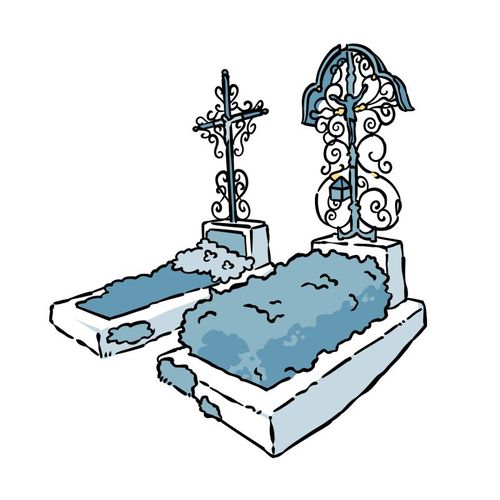
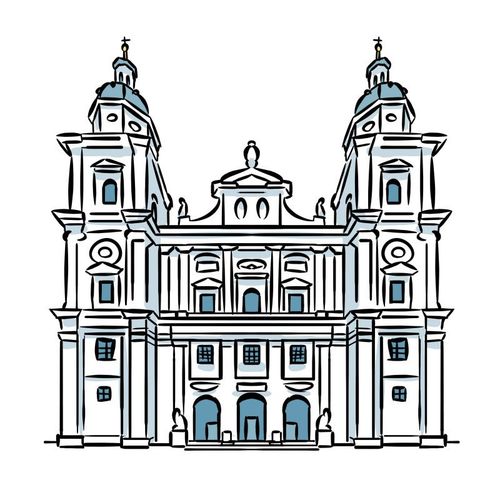
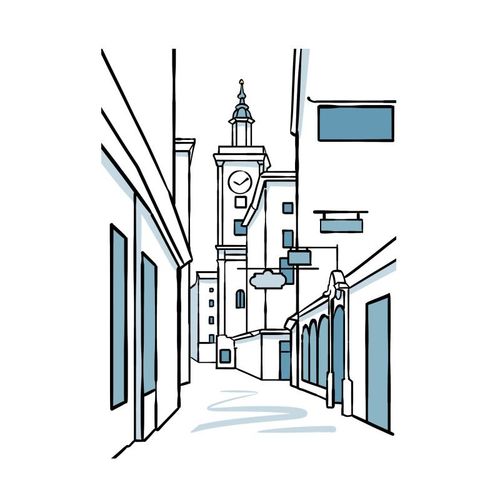
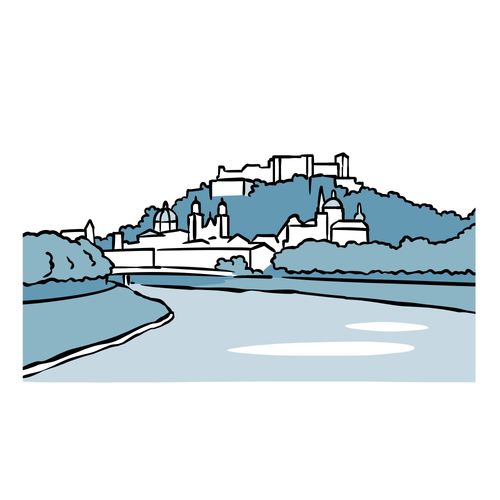
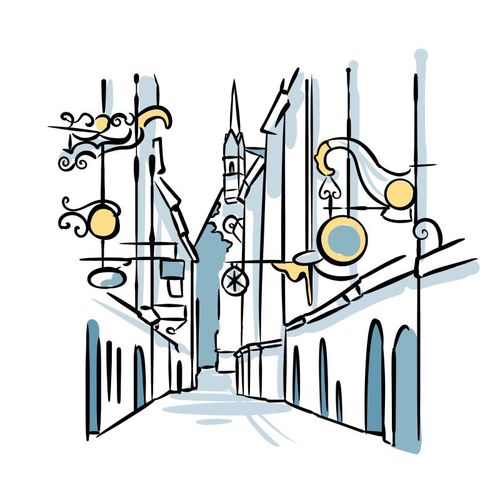
A World Heritage site, the old town is remarkably compact, wedged between the Salzach and the cliff of the Mönchsberg. Hohensalzburg fortress towers above it and is reached on foot or by funicular; below follow the baroque cathedral, the Residence squares, St Peter's Abbey with its cemetery set against the rock and its catacombs, then the Getreidegasse with its wrought-iron shop signs.
On the other bank, Mirabell Palace and its gardens offer the finest view back towards the fortress. The Ryo audio guide offers a dedicated Salzburg route that links these places in a logical order, which saves a good deal of backtracking through the lanes and covered passageways.
Where can you follow Mozart's legacy in Salzburg?
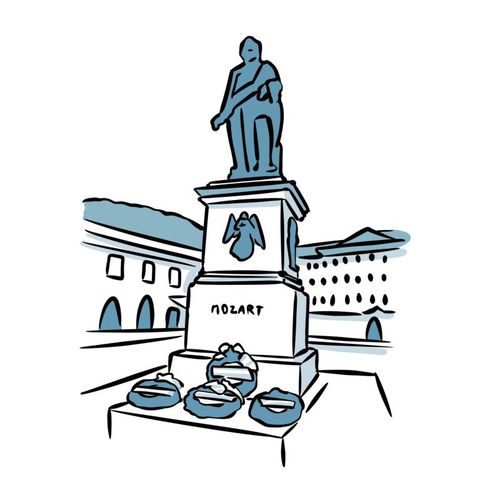
The composer was born on the Getreidegasse, in a yellow house now turned into a museum, where childhood instruments, portraits and family belongings are on display. Across the river, the Residence house retraces the years when the Mozarts occupied a larger apartment, and Mozartplatz bears his statue in the heart of the old town.
The legacy is not confined to buildings: concerts are held all year in the halls of the fortress, Mirabell Palace or the Residence, and the great summer festival makes Salzburg one of the major dates in the classical music calendar. Right down to the chocolate and marzipan sweets sold almost everywhere, which carry his name.
Vos commentaires, idées et suggestions
Aucun avis pour le moment