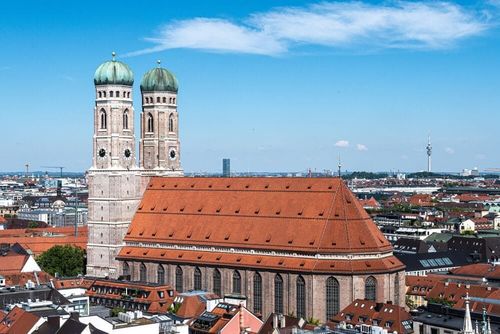
Frauenkirche Cathedral
1/22

Créé par Romane, le 20 août 2026
Votre guide Ryo
Munich, Germany
The capital of Bavaria, Munich reveals a rich heritage shaped by Baroque architecture, royal history, and a vibrant culture. With its brewing traditions, convivial atmosphere, and major events such as Oktoberfest, the city offers a truly Bavarian experience.
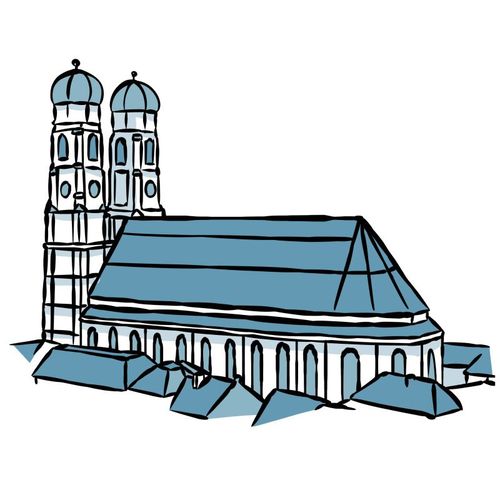
Frauenkirche Cathedral
1/22
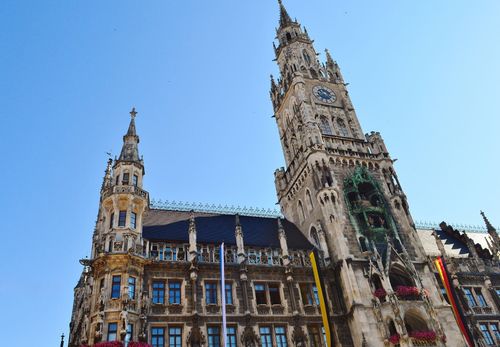
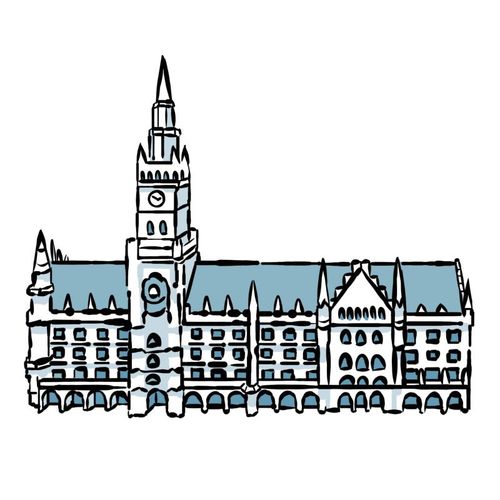
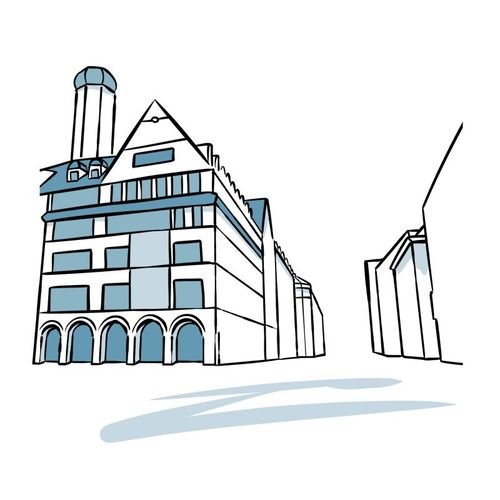
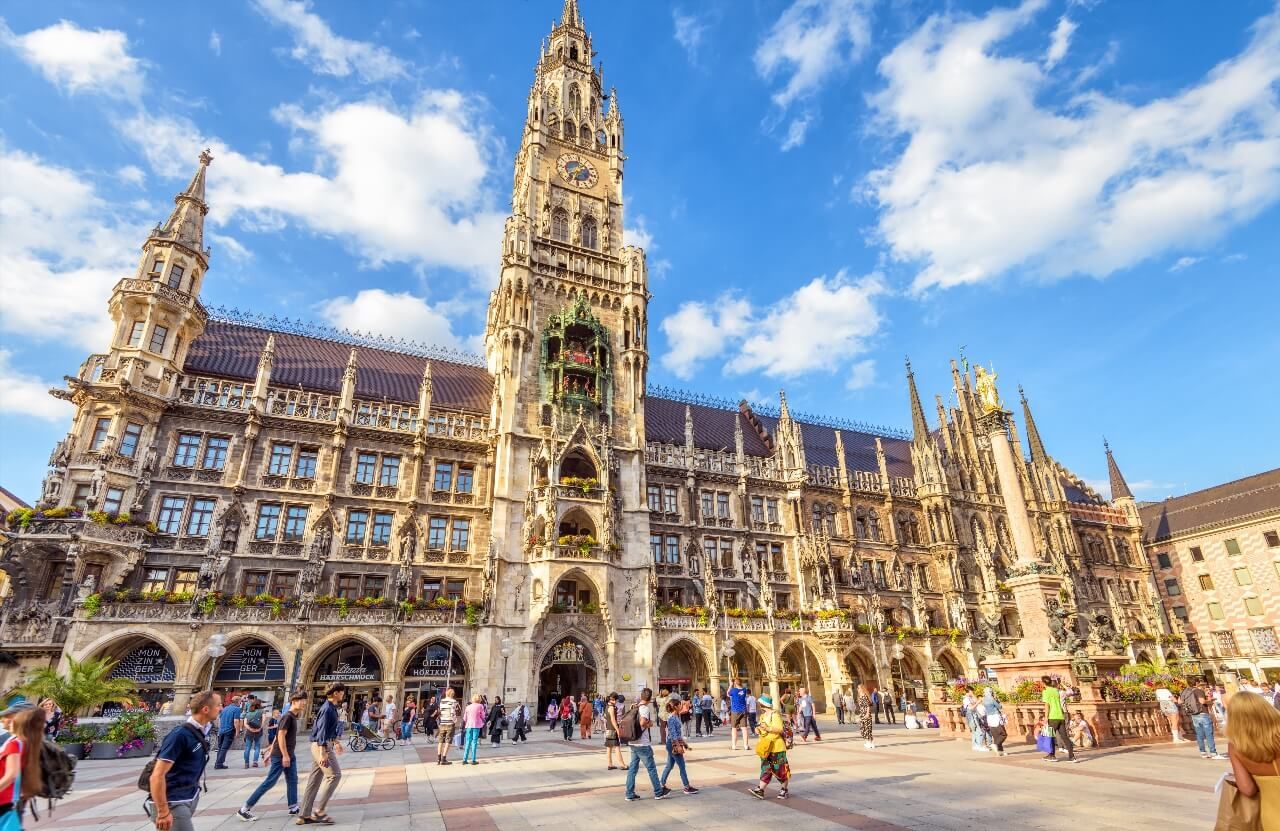
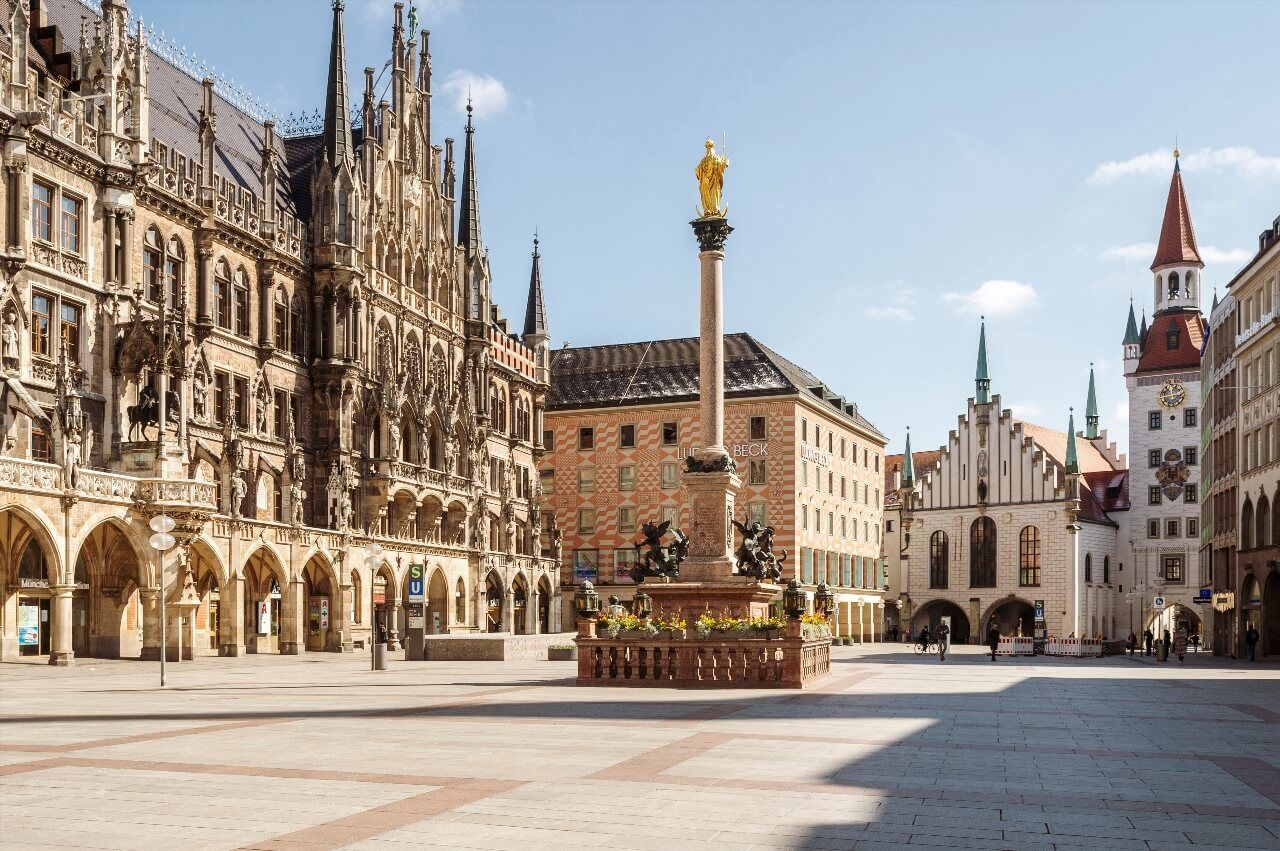
The New Town Hall
2/22
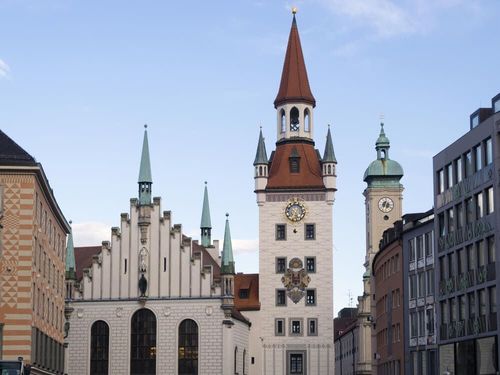
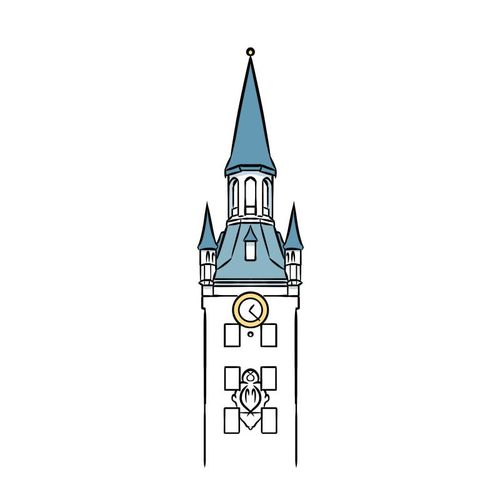
The Old Town Hall
3/22
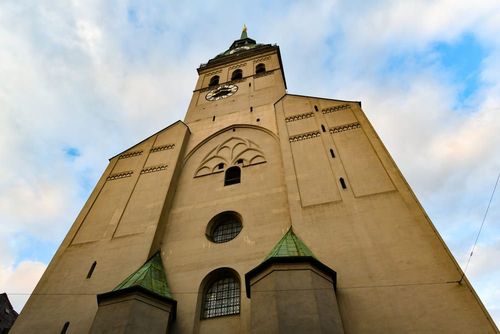
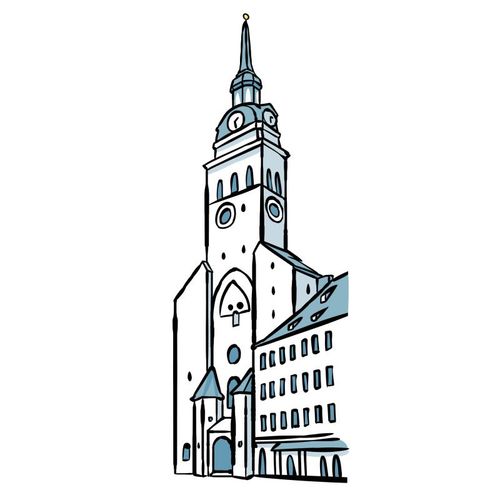
St. Peter’s Church
4/22
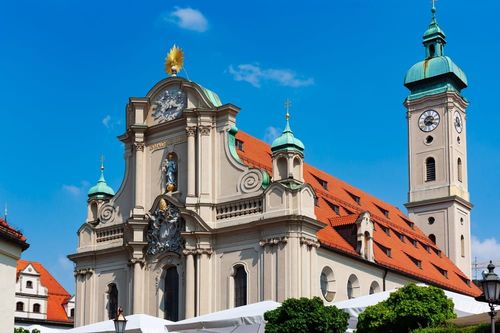
Church of the Holy Spirit
5/22
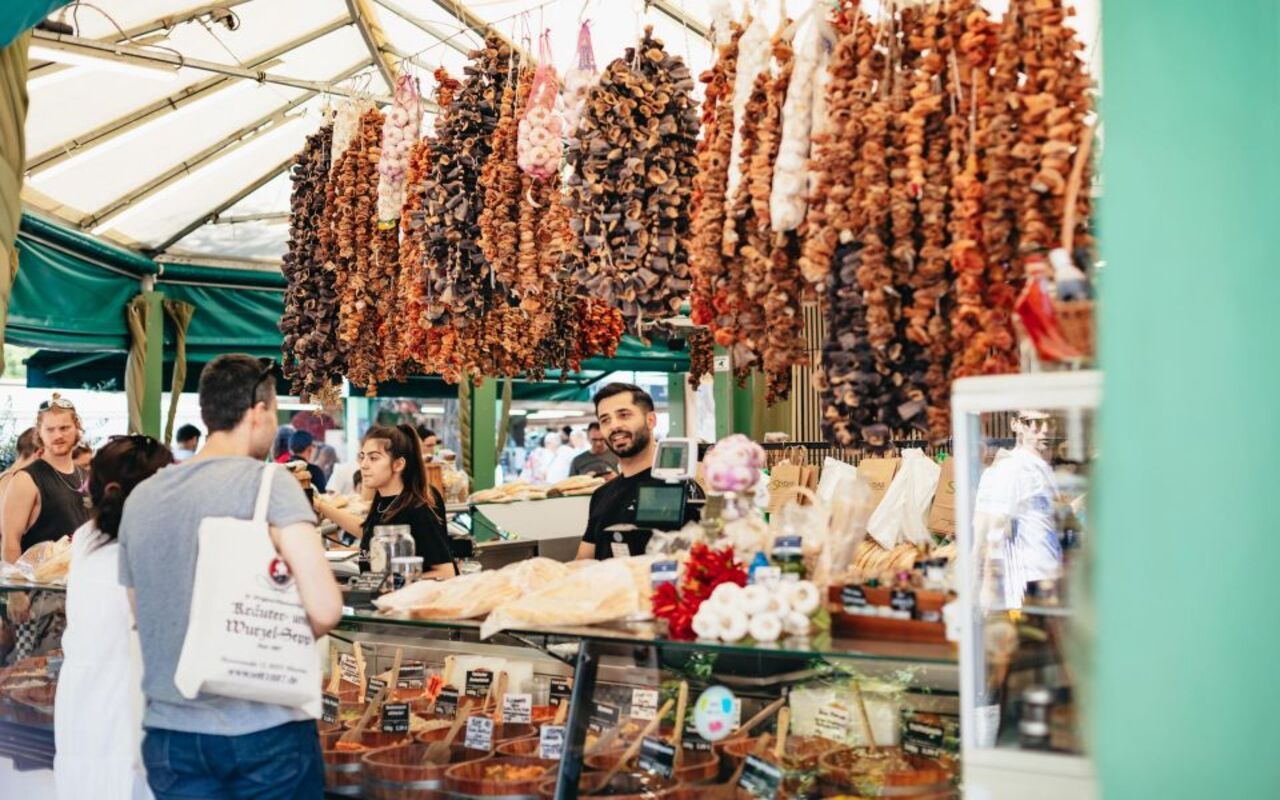
Viktualienmarkt
6/22
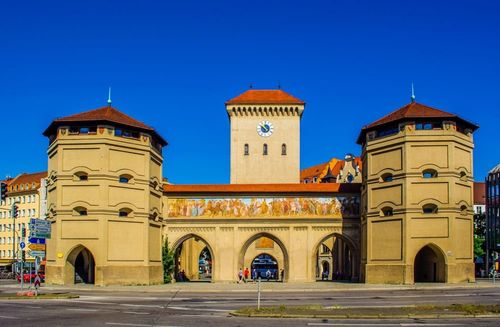
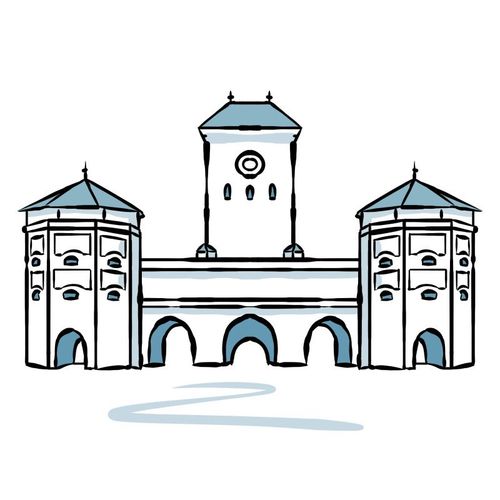
Isartor Gate
7/22
Hofbräuhaus Brewery
8/22
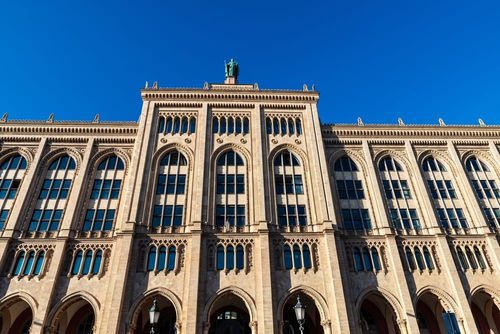
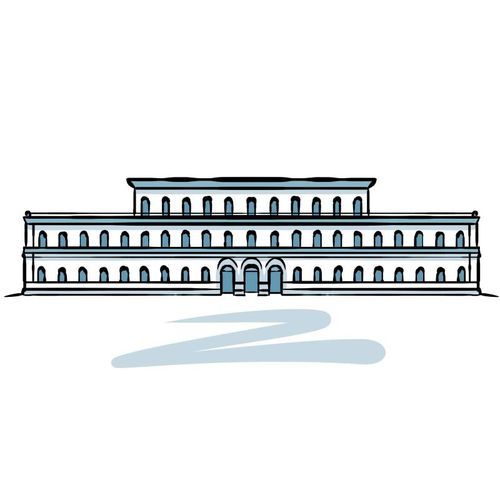
Government of Upper Bavaria
9/22

Lehel District
10/22
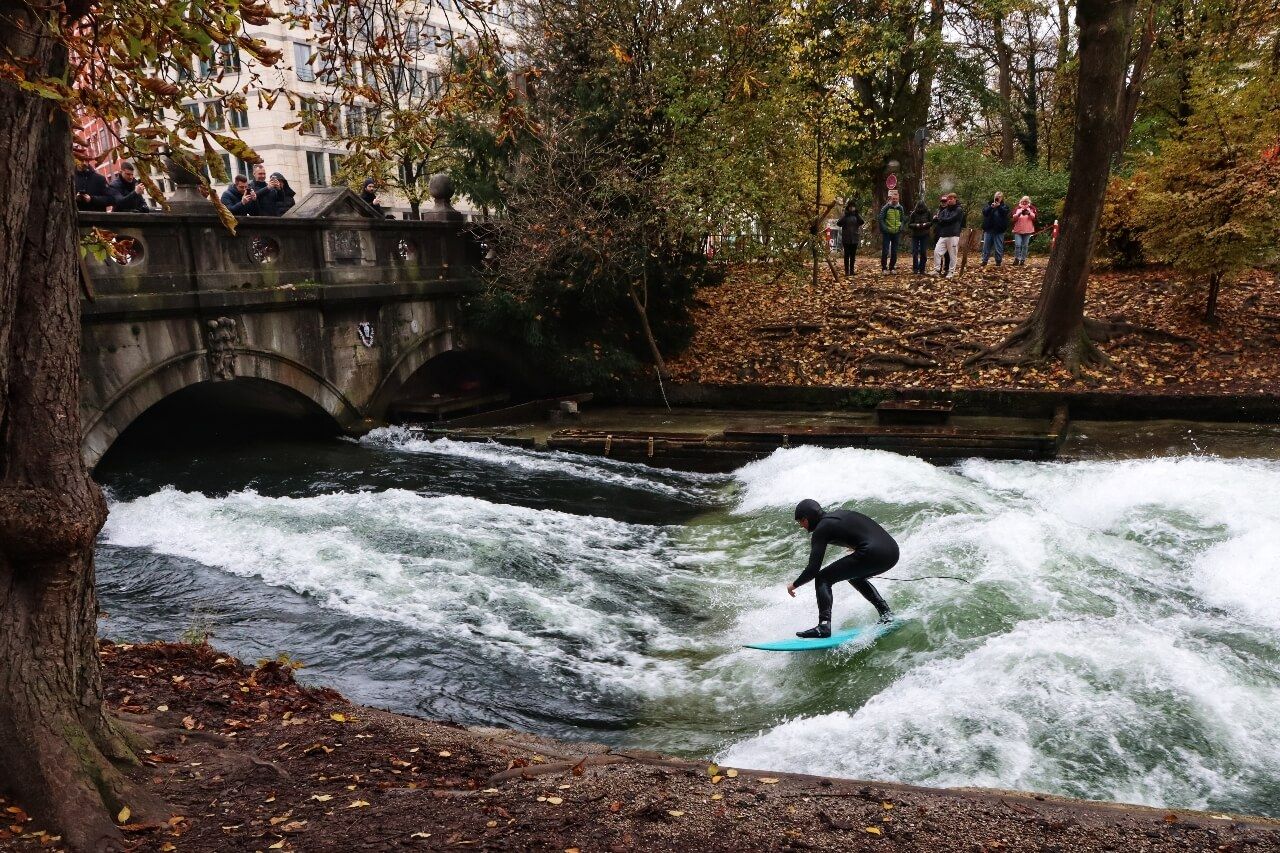
Eisbachwelle
11/22
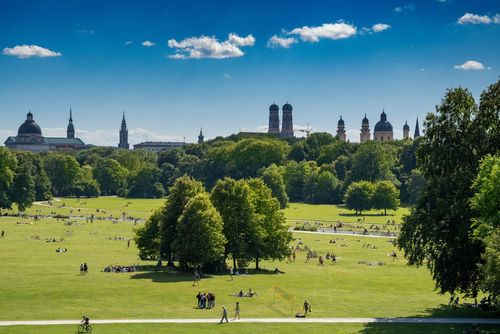
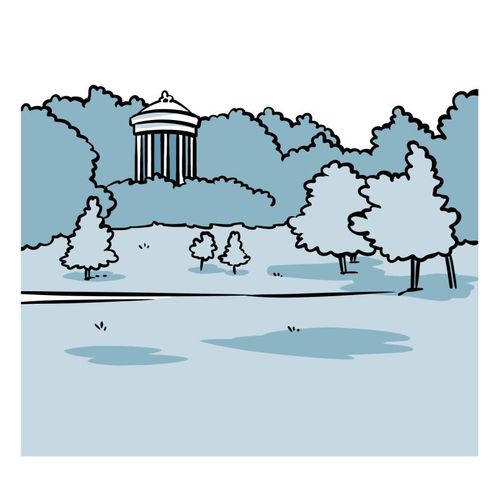
English Garden
12/22
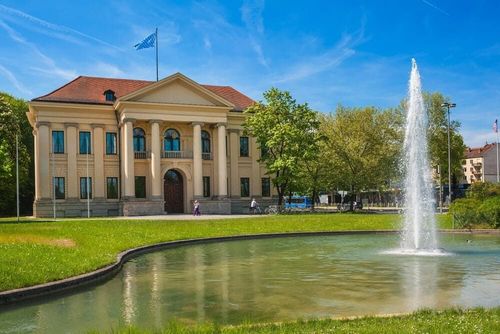
Prinz-Carl Palace
13/22
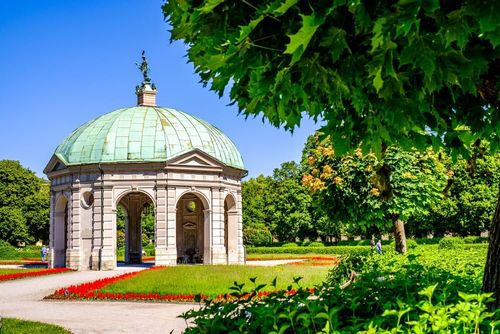
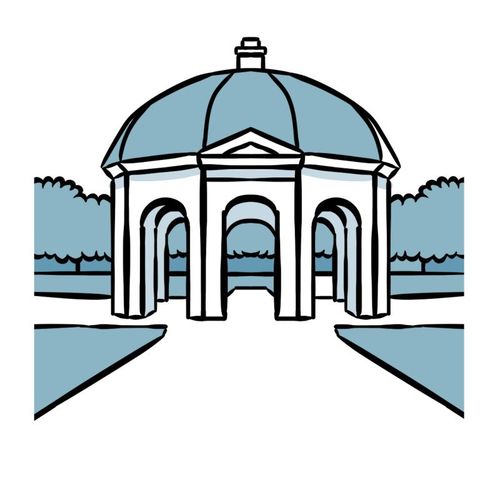
Hofgarten
14/22
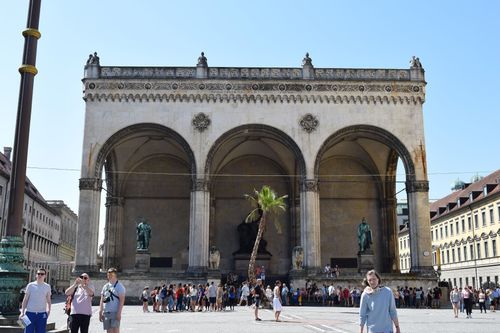
Odeonsplatz
15/22
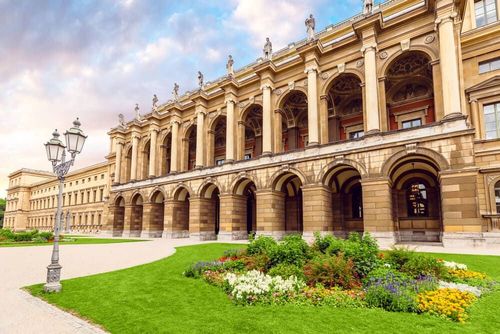
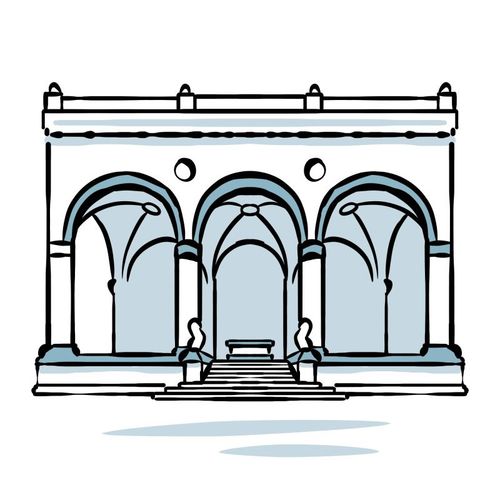
The Residenz
16/22
Promenade Square
17/22
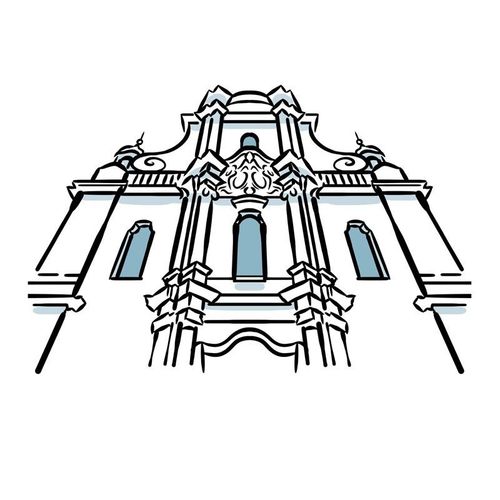
Theatine Church
18/22
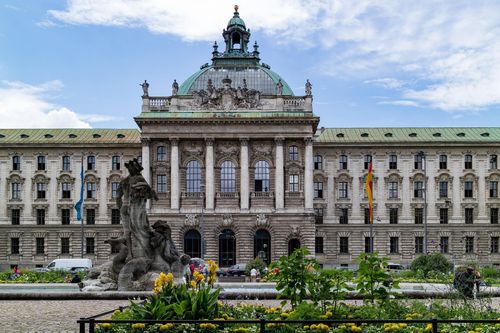
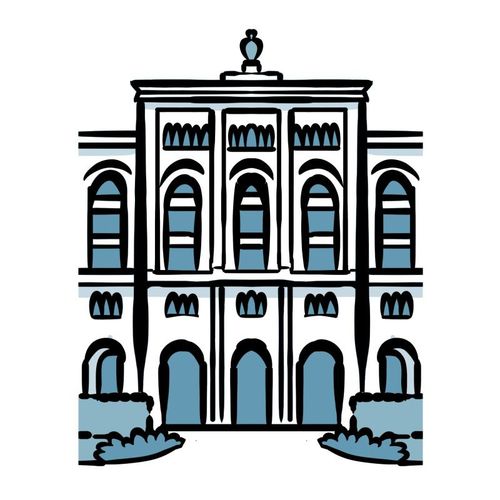
Palace of Justice
19/22
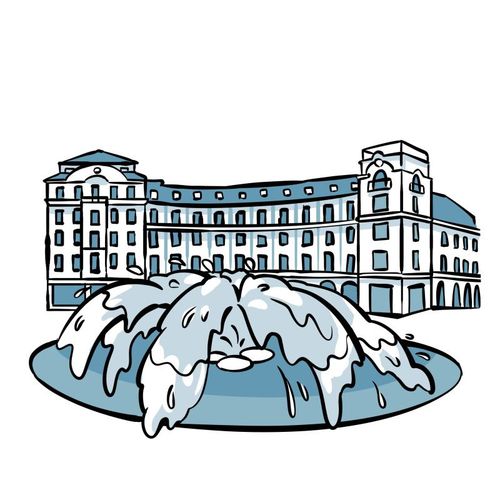
Karlsplatz
20/22
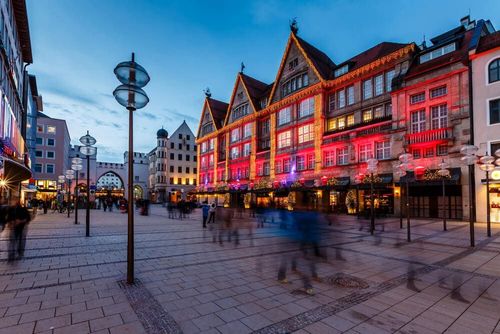
Neuhauser Street
21/22

Advice
22/22
Jan.
0°
Feb.
2°
March
7°
April
11°
May
16°
June
19°
July
22°
Aug.
22°
Sept.
18°
Oct.
12°
Nov.
6°
Dec.
2°
Winters in Munich are quite chilly, with temperatures dropping as low as -3°C between December and February. In summer, July and August are the warmest months, with average highs around 24°C. If you’re planning your trip around the weather, keep in mind that May, June, and July are usually the rainiest months of the year.
No need to worry about where to begin! Our tours are designed as a loop, so you can jump in wherever you are. The navigation system and audioguide will automatically adjust to your location. However, if you happen to be nearby, we do have a preferred starting point: Frauenkirche Cathedral
Covered parking City Parkhaus : Färbergraben 5 Driving into Munich? The city has introduced a number of restrictions to protect its historic centre from traffic. To drive within the city, your car must display a special emissions sticker showing that it meets low CO2 emission standards. When it comes to parking, be extra cautious—many spaces are reserved for residents or specific types of vehicles. Street parking can be tricky and expensive, with fees applying until 11 p.m. The best option is to use a private parking spot at your accommodation or to park in a paid car park. Alternatively, you can use one of the park-and-ride facilities on the outskirts of the city and hop on public transport—which is very efficient and well-connected in Munich.
Explorez le monde en totale liberté, à pied au cœur des villes ou au fil des routes. Nos guides audios transforment chaque destination en une découverte culturelle immersive et unique.
The ideal time to discover Munich runs from May to September, when temperatures are pleasant and the days are long. Spring offers blooming parks and a gentle atmosphere, while summer lets you make the most of the beer gardens. If you are coming for Oktoberfest, plan your stay for late September. Winter remains magical with its Christmas markets, even if temperatures can drop below zero. If possible, avoid the rainy months from May to July, or simply pack an umbrella. Each season reveals a different facet of the Bavarian capital.
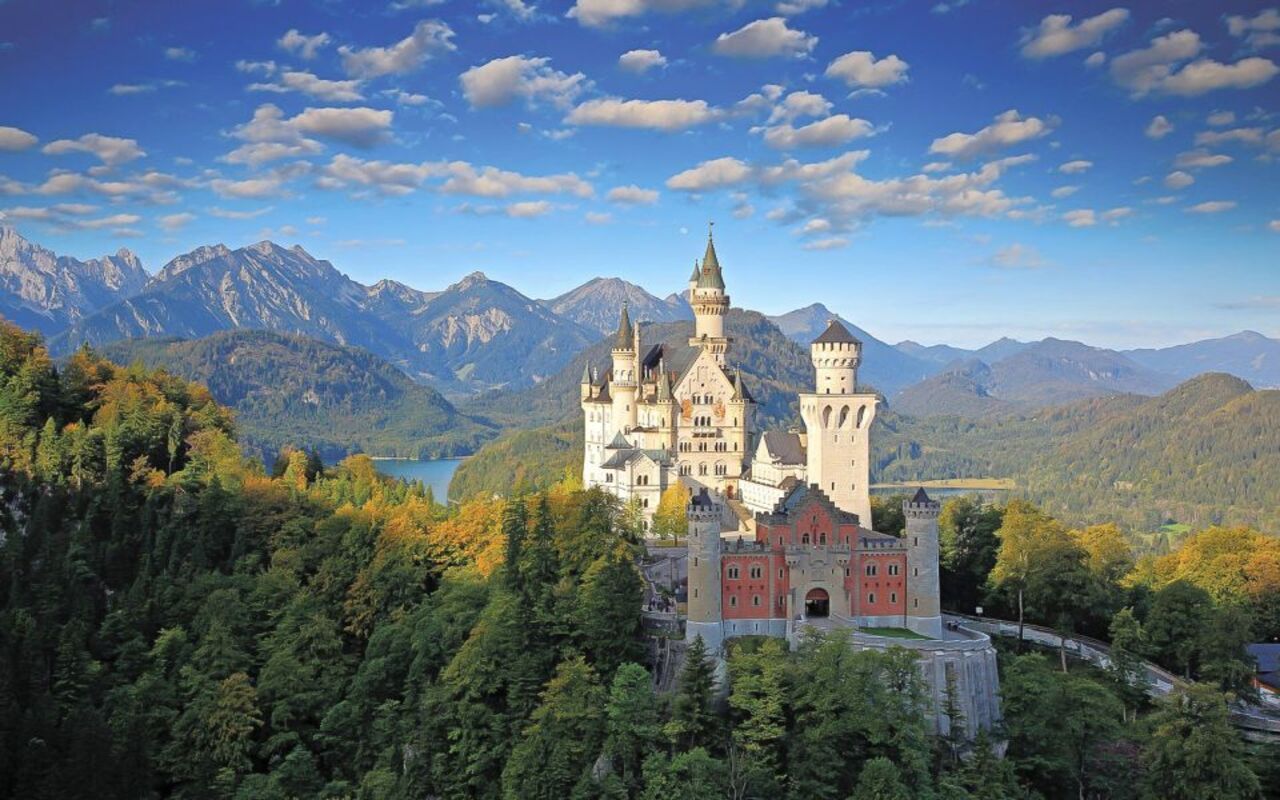
Generally count on three to four days to explore Munich comfortably. Two days are enough to discover the historic centre, Marienplatz and a few major museums. With three days, you can add a visit to Nymphenburg Palace and enjoy the atmosphere of the beer gardens. Four days let you delve deeper into your discovery with the less touristy neighbourhoods and perhaps an excursion to Neuschwanstein. The Ryo audioguide helps you optimise your time with themed tours suited to the length of your stay. A full week offers the possibility of also exploring the Bavarian surroundings.
Munich has an excellent public transport network with metro, trams and buses that efficiently serve the whole city. The historic centre is easy to explore on foot, and many tourist sites are accessible within a few metro stops. Daily or weekly tickets are often the best option for visitors. The bike also remains very popular thanks to the many secure cycle paths. Taxis and ride-hailing services round out the options for late-night journeys. From the airport, the S-Bahn takes you directly to the city centre in about forty minutes.
The historic centre around Marienplatz offers the most convenient location for discovering Munich on foot, but rates there are generally higher. The Schwabing district charms with its bohemian atmosphere and its more moderate prices. Maxvorstadt is perfect for museum lovers with its proximity to the pinakotheks. For a more authentic stay, Haidhausen offers a local atmosphere while remaining well connected. The neighbourhoods near the central station make getting around easier but can be less charming. Book in advance, especially during Oktoberfest or trade fairs.
Munich offers many free activities to discover its Bavarian charm. Parks such as the Englischer Garten invite you to relax, with its surfers on the Eisbach river offering a unique spectacle. Marienplatz and its glockenspiel draw crowds several times a day. Historic churches such as the Frauenkirche or Sankt Peter can be visited freely. On Sundays, some museums offer a symbolic entry fee. The traditional markets, notably the Viktualienmarkt, let you soak up the local atmosphere without spending. The Ryo audioguide enriches these free discoveries with fascinating historical commentary.
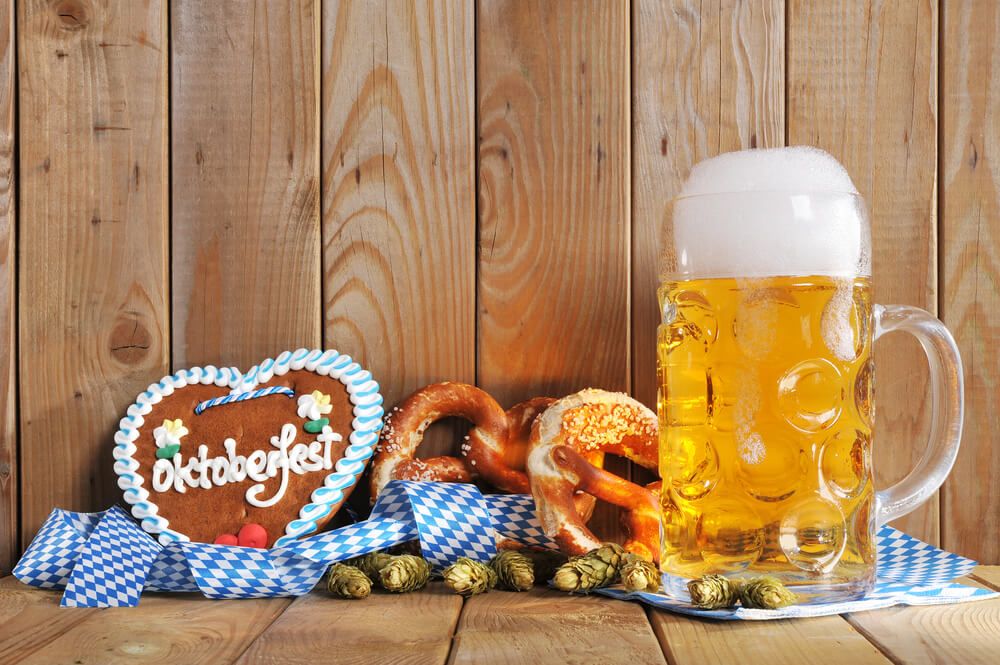
Munich cuisine celebrates Bavarian traditions with generosity. The Weisswurst, white sausages served with sweet mustard and pretzels, make up the typical breakfast. The Schweinshaxe, grilled pork knuckle, and the Leberkäse, a meatloaf, are among the emblematic dishes. The beer gardens also offer Obatzda, a spiced cheese spread, and Steckerlfisch, fish grilled on a stick. On the sweet side, taste the Apfelstrudel and the Dampfnudel, steamed buns served with a vanilla sauce. Beer remains, of course, a must, with its many local breweries offering different styles depending on the seasons.
Booking your tickets online remains the best strategy for avoiding long waits, particularly for the royal castles and the pinakotheks. Opt for visits early in the morning or late in the afternoon when the crowds thin out. Weekdays are generally less busy than weekends. Some museums offer reserved time slots or skip-the-line entries for a reasonable supplement. Avoid German school holiday periods and major events such as Oktoberfest that draw large crowds. Flexible planning will allow you to adapt your programme according to the crowds you observe.
Munich is among the most expensive cities in Germany, with prices comparable to the major European metropolises. Accommodation often represents the main expense, especially in the city centre. The traditional restaurants nevertheless offer generous portions that justify their prices. To save money, opt for supermarkets for some meals and lunchtime set menus in restaurants. Public transport remains affordable with tourist passes. Many free activities let you enjoy the city without spending too much. Plan a comfortable daily budget to fully appreciate your stay without constraint.
Yes, and for quite a range of reasons. Munich combines a compact, carefully restored historic centre, museums of international standing, a still living brewing tradition and a way of life that surprises visitors in a hurry. It is also one of the greenest cities in Germany, with an immense park in the very centre where people swim in a river and surfers ride a permanent standing wave.
The city is moreover the gateway to Bavaria and the Alps, within train reach for a day trip. Add a relaxed atmosphere, busy markets, beer gardens shaded by chestnut trees and a well-filled calendar of festivities, and you have a destination that stands on its own for a long weekend.
The heart of the city is Marienplatz, dominated by the neo-Gothic new town hall whose glockenspiel brings the façade to life at set times. Around it stand the Frauenkirche with its two onion-domed towers, emblems of the Munich skyline, St Peter's church whose tower can be climbed for the view, the tiny and exuberant Asamkirche and the Viktualienmarkt, a food market doubling as a beer garden.
A little further out, the Residenz unfolds the splendour of the dukes and kings of Bavaria, the English Garden provides its green breathing space and the Pinakotheken hold an outstanding painting collection. On the edge of town, Nymphenburg Palace and its park deserve half a day. The Ryo audio guide offers a dedicated Munich route linking these points in the centre.
Aucun avis pour le moment