Walk
On the other side of the wall
Berlin, Germany
Walk
On the other side of the wall
Berlin, Germany
6.5 km
Distance
2h40
Durée
31
Audios
Loop
Parcours
Visiting Germany means accepting to be surprised at every turn: between deep forests and reimagined skylines, between medieval squares frozen in amber and neighbourhoods pulsing with the rhythm of the present. This land of contrasts reveals itself slowly, through cobbled lanes and wide avenues, to the ears as much as to the eyes. With its audio-guided tours available in several German cities, Ryo invites you to step into the soul of Germany at your own pace, without rushing, letting the stories come to you.
Ryo currently offers audio-guided tours in four German cities, each carrying a singular identity that words alone cannot fully convey.
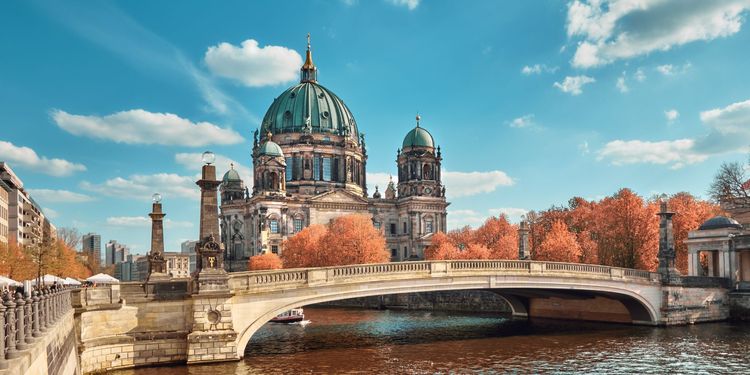
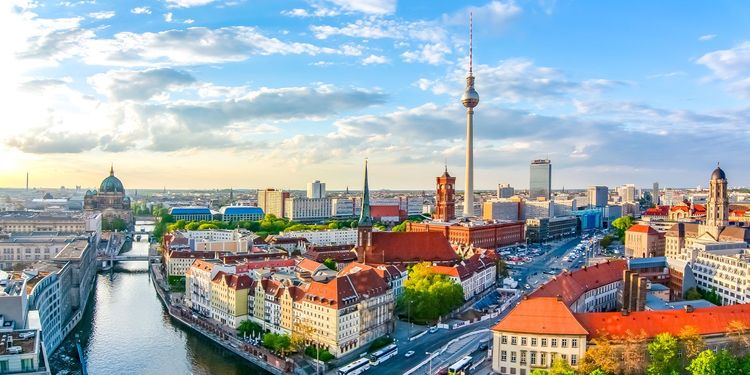
Berlin is a city that wears its scars with a moving frankness. At the heart of its boulevards and repurposed wastelands, two Ryo audio-guided tours take you in the footsteps of a history that reshaped the world. Beyond the Wall, you walk where an invisible border once separated neighbours, families, and lives. The German capital tells its story like a novel you cannot walk away from unchanged.
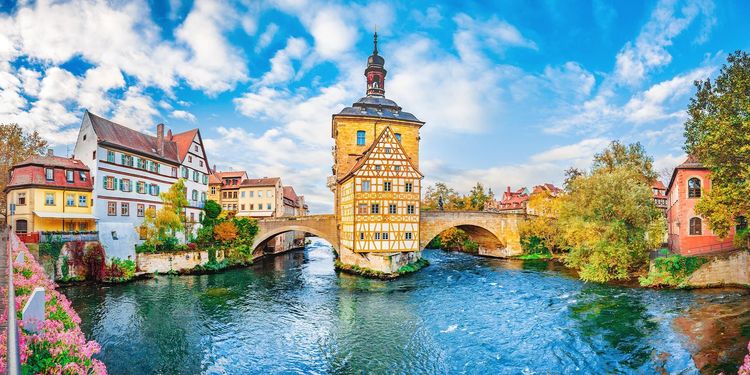
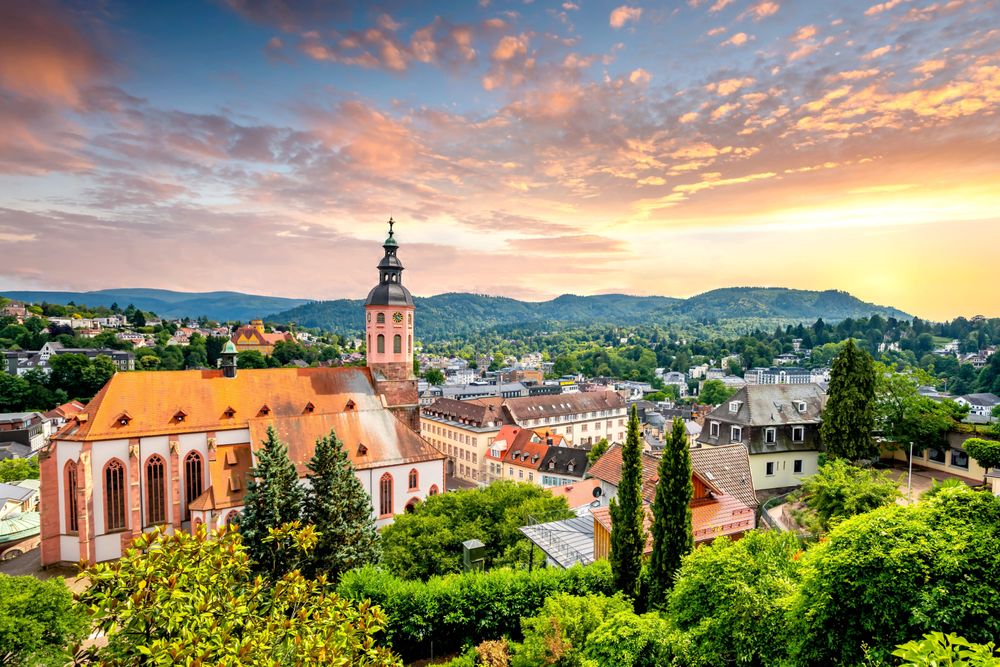
Nestled between its hills and river arms, Bamberg awakens gently, far from the crowds that rush elsewhere. Its nickname, the Rome of Franconia, is no coincidence: seven hills, a thousand-year-old cathedral, and half-timbered houses reflected in the Regnitz. The Ryo audio-guided tour lets you wander through this postcard setting in search of what lies hidden behind the façade.
Munich fascinates as much as it bewilders. Behind the image of the Oktoberfest and centuries-old breweries lies a city of world-class museums, vast parks, and neighbourhoods of a thousand faces. The Ryo audio-guided tour titled The Secret Capital takes you precisely to where the city rarely lets itself be photographed, as close as possible to its deep and often unsuspected character.
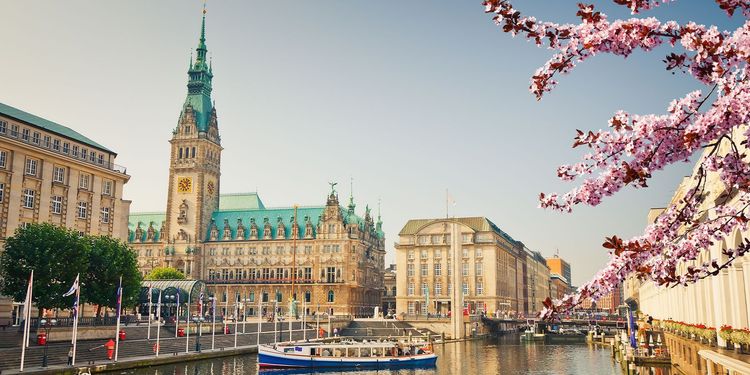
Facing the Elbe and its maritime horizons, Hamburg has always looked outward. A port of legends, a city of merchants and musicians, it carries in its restored warehouses and canals the echo of centuries of cultural exchange. With Ryo, the tour The Gateway to the World guides you through this living history, from the bustling quays to the alleyways of the Speicherstadt.
Germany is far more than its major cities. In the south, Bavaria unfolds its alpine lakes, flower-adorned villages, and hilltop castles that seem straight out of a fairy tale. Further east, Saxony offers the curious traveller spectacular scenery such as Saxon Switzerland, with its sandstone cliffs sculpted by erosion, and the baroque elegance of Dresden. The Rhine Valley, in the centre-west, invites a journey along terraced vineyards and medieval fortresses overlooking the river. To the north, the Baltic Sea coast stretches its sandy beaches and timeless seaside resorts. Not to be forgotten are Thuringia and its forested landscapes, or medieval towns such as Rothenburg ob der Tauber, preserved in an almost surreal state.
Spring and summer remain the most popular seasons, when gardens open up, terraces come alive, and daylight hours stretch on. Autumn offers an exceptional palette of colours across the forests and vineyards, with a more peaceful atmosphere. Winter, finally, transforms cities into Christmas markets whose warm ambiance is unique in Europe. Each season gives Germany a different face; the right time is often the one that matches what you feel like at that moment.
Germany's rail network efficiently connects major cities, making travel comfortable and frequent. For exploring more rural regions, the road offers greater freedom, especially along scenic routes such as the Romantic Road in Bavaria. Within cities, public transport — often dense and punctual — makes it easy to do without a car. Cycling is also a natural option in many urban areas, where bike lanes are part of everyday life.
There is no universal answer: it all depends on what you are looking for. Spring charms with its sense of renewal and local festivities. Summer draws outdoor enthusiasts and festival-goers. Autumn enchants travellers drawn to golden atmospheres and wine harvest markets. Winter, far from being one to avoid, is the season of some of the most beautiful Christmas markets in Europe, most notably in Nuremberg, Cologne, and Dresden.
One week allows you to immerse yourself in two or three cities with enough depth. To take in several regions, from alpine escapes to the maritime north, two weeks is a more fitting timeframe. A short stay focused on a single city is equally valid, as long as you are prepared to come back.
The train remains the most practical option for connecting major cities, with frequent and comfortable services. The car comes into its own when exploring the countryside, river valleys, or themed routes. Within cities themselves, public transport is generally sufficient to cover all areas of interest.
Berlin stands out for its history and creative energy. Munich seduces with its art de vivre and cultural riches. Hamburg captivates with its maritime and cosmopolitan soul. Bamberg charms with its preserved authenticity. Beyond these, Cologne with its Gothic cathedral, Dresden and its resurrected baroque, or Heidelberg and its romantically ruined castle are among the destinations that travellers tend to remember fondly.
German gastronomy goes far beyond the clichés. Depending on the region, you will discover artisan breads of remarkable variety, fine charcuterie, hearty soups, and delicate pastries. Brewery culture remains vibrant, particularly in Bavaria, but the wine regions of the Rhine and Moselle offer whites of great finesse. Each Land brings its own culinary signature, making the table an excellent gateway into local identities.
Yes, and that is one of its great strengths. Transport infrastructure is reliable, English is widely understood in tourist areas, and practical information is generally easy to find. Travelling independently in Germany also means choosing your own pace, stopping wherever a façade catches your eye or the smell of fresh bread draws you in, and letting curiosity guide the itinerary.