
Créé par Emilie, le 4 oct. 2026
Votre guide Ryo
Hamburg, Germany
Open to the World
Parcours audioguidé pour visiter Hamburg en 1 jour
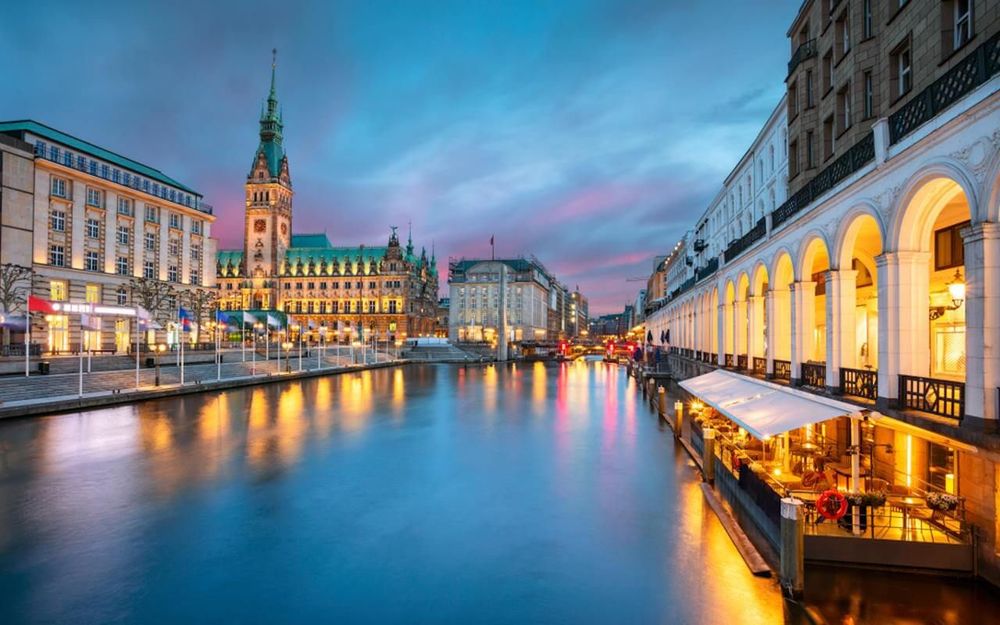
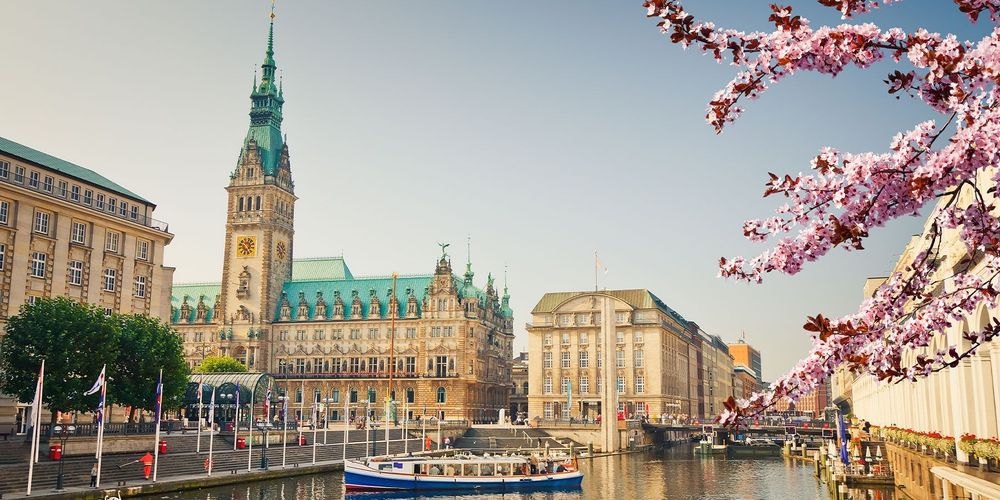
This tour of Hamburg’s heart invites you to discover the power of a legendary port city, featuring the historic red-brick warehouses of the Speicherstadt and the bold modern design of the Elbphilharmonie. Throughout the route, stroll along the canals, admire the majestic City Hall, and soak up the energy of a city where Northern elegance meets the free spirit of great explorers. A simple and immersive way to explore the maritime soul of Hamburg at your own pace.
Quand partir à Hamburg ?
Jan.
2°
12
Feb.
2°
10
March
5°
11
April
9°
10
May
13°
10
June
16°
11
July
18°
12
Aug.
18°
11
Sept.
14°
11
Oct.
10°
11
Nov.
6°
12
Dec.
3°
13
Temperatures in Hamburg range from around 5°C at their coldest in January to about 25°C in July. The best time to visit is during the broader summer season, from May to September.
Départ conseillé
No need to worry about where to begin! Our tours are designed as a loop, so you can jump in wherever you are. The navigation system and audioguide will automatically adjust to your location. However, if you happen to be nearby, we do have a preferred starting point: Town Hall square
Parking à proximité
CONTIPARK Tiefgarage Am Sandtorkai / Singapurstraße 2
It’s fairly easy to find a parking spot on the street in Hamburg, but beware of the fees and time limits. In the city centre, spaces are expensive and limited to a maximum of two hours. It’s often a better idea to go for an underground car park, where you can get a full-day rate.
À savoir
This tour of Hamburg invites you to step inside the Elbphilharmonie. Access to the Tube — the building’s famous escalator — is open from 10 a.m. to 11:30 p.m. You’ll need to book a time slot online in advance and pay a €3 fee. However, if you come during the final time slot before closing, entry is free and no reservation is required. If you want to attend a concert or book a guided tour of the venue, make sure to plan ahead.
Découvrez 25 lieux d'intérêt pour visiter Hamburg










Le plein d'inspirations
Explorez le monde en totale liberté, à pied au cœur des villes ou au fil des routes. Nos guides audios transforment chaque destination en une découverte culturelle immersive et unique.



FAQ for visiting Hamburg
When is the best season to visit Hamburg?
The ideal time to discover Hamburg runs from May to September, when temperatures hover pleasantly between 15 and 25°C. Summer lets you make the most of the waterside terraces, the walks in the parks and the harbour cruises. Spring and early autumn also remain very pleasant, with fewer tourists. Winter can be cold and damp, with temperatures around 5°C, but the city keeps its charm with its Christmas markets and the warm atmosphere of its cafés. Always pack a raincoat, as the weather stays changeable all year round in this port city.
How many days do you need to visit Hamburg?
For a first discovery of Hamburg, ideally allow three to four days. This will give you time to explore the emblematic districts, visit the historic port and soak up the city's unique atmosphere. In two days, you can see the essential major sites, but at a rushed pace. With five days or more, you'll have the leisure to discover the less touristy districts, take an excursion into the surroundings and truly appreciate the Hamburg way of life. The city lends itself perfectly to walks on foot, and taking your time remains the best way to enjoy its many facets.
What are Hamburg's must-see districts?
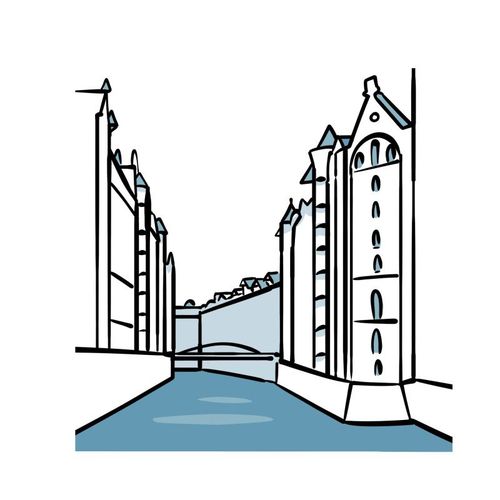
Hamburg reveals itself through its districts, each with a strong personality. The historic Speicherstadt, with its red-brick warehouses, forms the largest warehouse complex in the world. Right next door, the modern HafenCity embodies urban renewal with the impressive Elbphilharmonie. The district of St. Pauli, famous for the Reeperbahn, pulses with a unique nightlife energy. Elegant Blankenese, with its captains' houses perched on the hills, offers spectacular views over the Elbe. Bohemian Schanzenviertel draws visitors with its alternative shops and trendy cafés. Finally, the shopping district around Jungfernstieg reveals bourgeois Hamburg and its refined covered arcades.
How do you get around Hamburg?
Hamburg has an excellent public transport network that efficiently serves the entire metropolis. The metro (U-Bahn), the urban train (S-Bahn), the buses and the ferries take you everywhere quickly. A day ticket gives you access to all these means of transport, including the boats that cross the Elbe. The city centre remains very pleasant to explore on foot, and many tourist sites are within walking distance of one another. Cycling is also an excellent option, with well-designed bike paths everywhere. Taxis and ride-hailing services round out the offer for late-night or more direct journeys.
What should you absolutely see in Hamburg on a first trip?
For a first visit, certain sites are simply not to be missed. The Speicherstadt and its canals lined with historic warehouses offer a plunge into the city's commercial past. The Elbphilharmonie, with its spectacular architecture, symbolises modern Hamburg. The historic port with its lively quays remains essential for understanding the city's maritime soul. St. Michael's Church and its panoramic tower let you admire the city from above. The Sunday morning fish market is an authentic experience. The Ryo audioguide accompanies you as you discover these emblematic places with narrated routes that reveal the history and anecdotes of each site.
How do you visit the Port of Hamburg?
The Port of Hamburg can be discovered in many ways, each offering a unique perspective. A cruise around the harbour remains the classic option for grasping the immensity of the port facilities and seeing the gigantic container ships up close. The Landungsbrücken serve as an ideal starting point for these boat excursions. On foot, you can walk along the quays, visit the international maritime museum in the Speicherstadt, or climb aboard the Rickmer Rickmers, a historic sailing ship turned museum. The Old Elbe Tunnel, accessible to pedestrians, offers an unusual experience as you pass beneath the river. The public ferries make an economical alternative to the tourist cruises while still offering fine views over the harbour.
What is there to see around the Alster in Hamburg?
The Alster, a river turned into a lake in the middle of the city, is split into two basins. The smaller Binnenalster is ringed by the grand hotels and shops of the Jungfernstieg, a short walk from the neo-Renaissance city hall and its arcades. The far larger Außenalster opens northwards onto tree-lined banks where Hamburgers run, picnic and take to their sailing boats as soon as the weather turns.
A full loop of the big basin takes half a day on foot or by bike, passing the handsome villas of the Rotherbaum and Uhlenhorst districts. On the way, the Planten un Blomen park carries the walk on towards the centre. The Ryo audio guide offers a dedicated Hamburg route that links these lakeside stretches with the rest of the historic centre.
How do you visit the Elbphilharmonie?
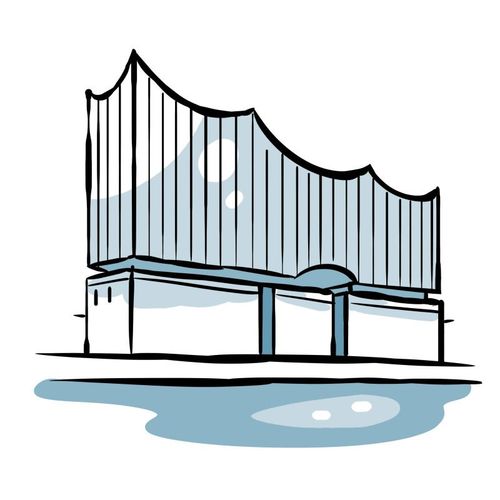
The concert hall perched on a former brick warehouse has become the symbol of the city. Even without attending a concert, you can go up to the Plaza, the panoramic terrace set where the old building meets the glass shell. A long curved escalator takes you there from the entrance, and the view takes in the harbour, the Elbe and the roofs of the Speicherstadt.
Access to the terrace requires a timed ticket, picked up on site or booked ahead depending on how busy it is. Try to come early in the morning or in the evening, when the light over the harbour is at its best. To see the auditoriums themselves you need to join a guided tour or attend a concert, with programming that ranges from the classical repertoire to contemporary music.
What is there to do in Hamburg with children?
Miniatur Wunderland, housed in the Speicherstadt, is the first name that comes to mind. The largest model railway in the world recreates entire landscapes there, with a day and night cycle and a working airport. Allow several hours and expect crowds, especially on rainy days and during the school holidays.
A boat trip around the harbour complements the visit nicely, as does Hagenbeck zoo, a pioneer of enclosures without bars, or the international maritime museum with its ship models. In fine weather, the playgrounds and water features of Planten un Blomen and the sandy beaches along the Elbe near Övelgönne let children run around without leaving the city.
What are the culinary specialities of Hamburg?
Hamburg's food is that of a great northern port, built around fish. The Fischbrötchen, a bread roll filled with pickled herring, smoked salmon or North Sea shrimp, is eaten standing up, especially around the Landungsbrücken and at the Sunday morning fish market. Eel soup and Labskaus, a mash of salt beef and beetroot served with a fried egg, belong to the traditional repertoire.
On the sweet side, the Franzbrötchen, a rolled cinnamon pastry, goes with morning coffee in every bakery. The city also has plenty of tables from further afield, a legacy of its trading history, and the streets of the Schanzenviertel or Ottensen are full of more contemporary addresses, often lively until late.
Vos commentaires, idées et suggestions
Aucun avis pour le moment