



Créé par Romane, le 4 oct. 2026
Votre guide Ryo
Bamberg, Germany
The Rome of Franconia
Parcours audioguidé pour visiter Bamberg en 1 jour
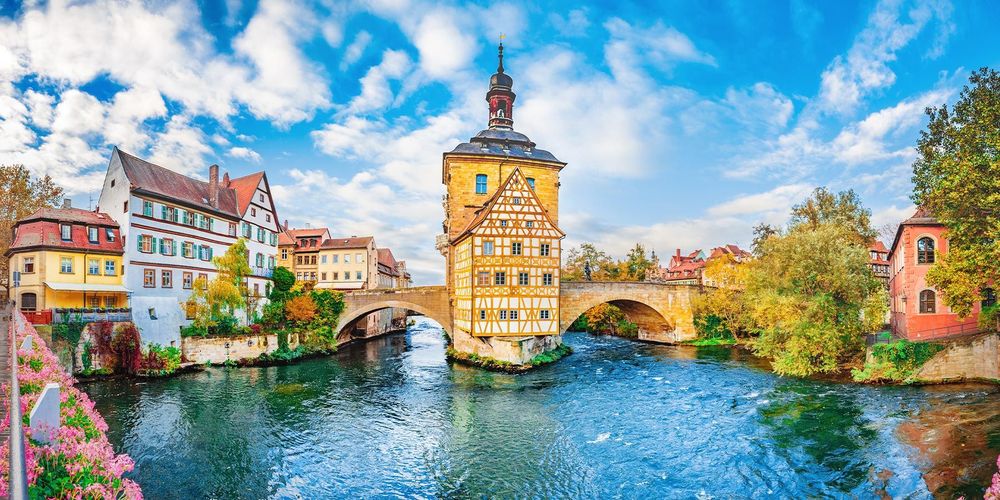
Listed as a UNESCO World Heritage Site, Bamberg charms with its remarkably well-preserved medieval center. With its hills, cobbled streets, and intact architecture, the city offers a rich blend of historic charm and Franconian traditions.
Quand partir à Bamberg ?
Jan.
1°
10
Feb.
2°
9
March
6°
10
April
10°
11
May
14°
12
June
18°
11
July
20°
11
Aug.
20°
10
Sept.
16°
9
Oct.
11°
9
Nov.
6°
10
Dec.
2°
10
Throughout the year, the average temperature usually hovers around 9°C, thanks to a humid continental climate with cold, windy winters and comfortable but partly cloudy summers. January and February bring the lowest temperatures, with lows around 0°C. On the other hand, the warmest months are June, July, and August, with highs around 23°C. The wettest months are December, January, and from May to August. To make the most of your visit, April to October is a good choice, but the weather is especially pleasant from May to September, despite occasional showers.
Départ conseillé
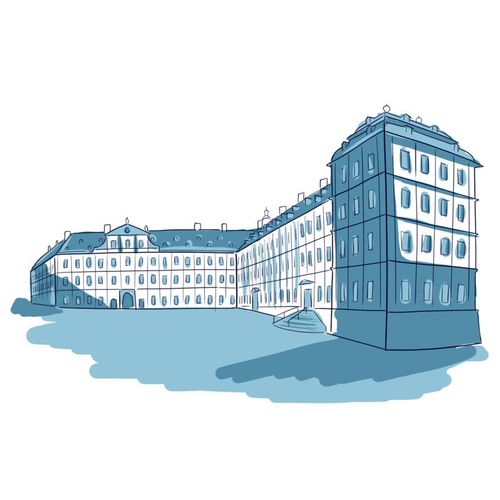
No need to worry about where to begin! Our tours are designed as a loop, so you can jump in wherever you are. The navigation system and audio-guide will automatically adjust to your location. However, if you happen to be nearby, we do have a preferred starting point: on Domplatz, in front of the New Residence
Parking à proximité
Schranne Parking Lot: Schranne, 96049 Bamberg, Germany
À savoir
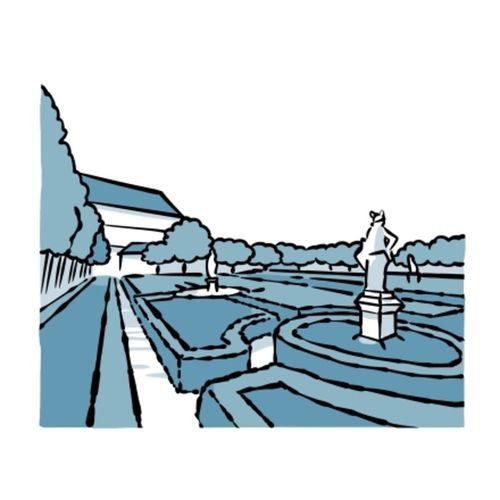
During our visit, you’ll be heading to the Rose Garden. To avoid any last-minute surprises, please note that this site has specific opening and closing hours. Make sure to check them before getting started.
Like many tourist destinations, Bamberg offers a package of benefits and discounts on transportation and activities through the BAMBERGcard. It’s a great way to explore the city at your own pace while taking advantage of special offers.
If you feel like visiting Bamberg’s History Museum, keep in mind that it’s only open from November to March, Tuesday through Sunday during the week. Now all that’s left is to check your availability!
Découvrez 21 lieux d'intérêt pour visiter Bamberg












Le plein d'inspirations
Explorez le monde en totale liberté, à pied au cœur des villes ou au fil des routes. Nos guides audios transforment chaque destination en une découverte culturelle immersive et unique.


FAQ for visiting Bamberg
When is the best time to visit Bamberg?
The ideal time to visit Bamberg runs from May to September, when temperatures pleasantly hover around 20-23°C. During these months, you'll enjoy longer days and mild weather for exploring the cobbled alleys and the riverside terraces. Spring and autumn also have their charm with fewer visitors, but pack warmer clothing. Winter transforms the city into a fairy-tale setting, particularly during the Christmas markets, even if temperatures approach zero degrees. Whatever season you choose, Bamberg always reveals its unique character and its preserved medieval atmosphere.
How long do you need to visit Bamberg?
For a first discovery of Bamberg, ideally allow two full days. This length of time will let you calmly explore the UNESCO-listed historic centre, visit the imperial cathedral and the old town hall on its islet, and stroll through the picturesque Little Venice district. A busy day is enough to see the main monuments, but two days will give you time to savour the city's unique atmosphere, sample the local specialities and soak up the atmosphere of the different neighbourhoods. If you have three days, you can even explore the surrounding hills and their remarkable viewpoints over the city.
What is an absolute must-see in Bamberg?
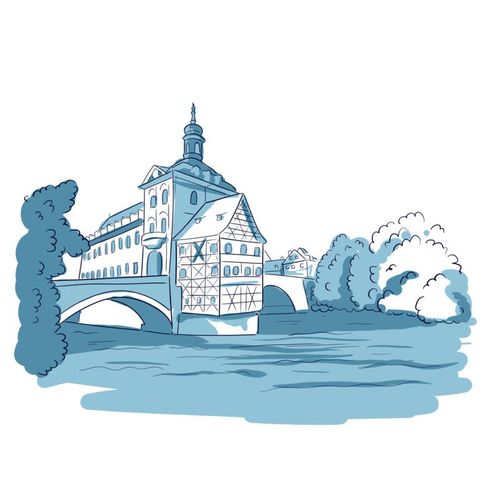
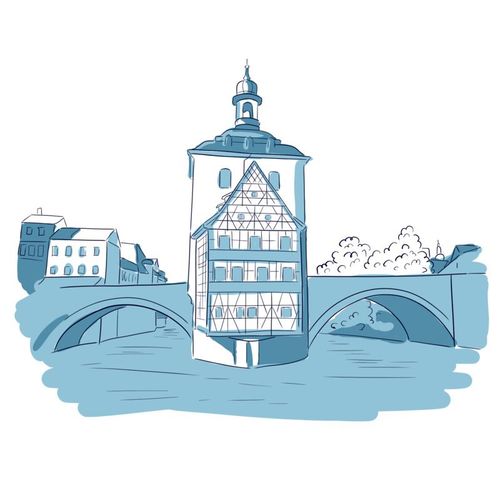
Bamberg is full of architectural treasures not to be missed. The imperial cathedral majestically dominates the city with its four towers, home to the famous Bamberg Horseman. The old town hall, built on an artificial island in the middle of the Regnitz river, is one of the most photographed buildings. The Little Venice district enchants with its colourful fishermen's houses along the water. Don't miss the former episcopal court with its Baroque rose garden and the new residence with its sumptuous state rooms. To discover these wonders in depth, the Ryo audioguide accompanies you with captivating commentary that reveals the fascinating history of each monument.
How do you get around Bamberg?
Bamberg's historic centre is ideally explored on foot, its modest size and cobbled streets inviting you to wander. Most of the major attractions are just a few minutes' walk from one another. For the more distant neighbourhoods or if you want to save your energy, the city bus network efficiently serves the whole city. Cyclists will appreciate the numerous cycle paths and the possibility of renting bikes at several points in the city. Taxis remain available but are rarely necessary in the centre. For people with reduced mobility, be aware that some cobbled areas can present difficulties, but the main tourist sites generally remain accessible.
Where can you taste Bamberg's smoked beer?
Rauchbier, Bamberg's emblematic smoked beer, can be sampled in several of the city's historic breweries. The Schlenkerla brewery, housed for centuries in a half-timbered building, remains the essential reference for discovering this speciality with its unique smoked-bacon taste. The Spezial brewery also offers its own version in an authentically Franconian atmosphere. For a more varied experience, head to Fässla or Greifenklau, which serve different styles of local beers in their traditional halls. The ideal approach is to order a small beer to start, as the smoky taste can surprise the uninitiated palate. Accompany your tasting with local specialities such as Schäuferla, roasted pork shoulder typical of the region.
Where can you park in Bamberg?
Parking in Bamberg's historic centre remains limited and often reserved for residents. Opt for the public car parks located on the outskirts of the city centre, generally well signposted from your arrival. The Zentrum Süd and Georgendamm car parks offer numerous spaces at reasonable rates and are just a few minutes' walk from the main attractions. The Schützenstraße car park is particularly convenient for quick access to the cathedral. During weekends and public holidays, some car parks offer reduced rates. If you're staying in a hotel in the centre, ask about their parking arrangements, as many offer agreements with nearby car parks. Avoid venturing by car into the narrow alleys of the medieval centre.
How do you get to Bamberg from the nearest airports?
Nuremberg airport, located about an hour's drive away, is the most convenient option for reaching Bamberg. Regional trains connect the airport directly to Bamberg with a change at Nuremberg central station, the journey generally taking under two hours. From Munich airport, allow about two and a half hours by train with a connection. Frankfurt airport offers direct rail links to Bamberg in about two hours via ICE trains. For more flexibility, car rental remains possible at all these airports, with well-maintained motorways leading to Bamberg. Private shuttle services also exist but require advance booking and generally represent the most expensive option.
What exactly is Bamberg's Little Venice?
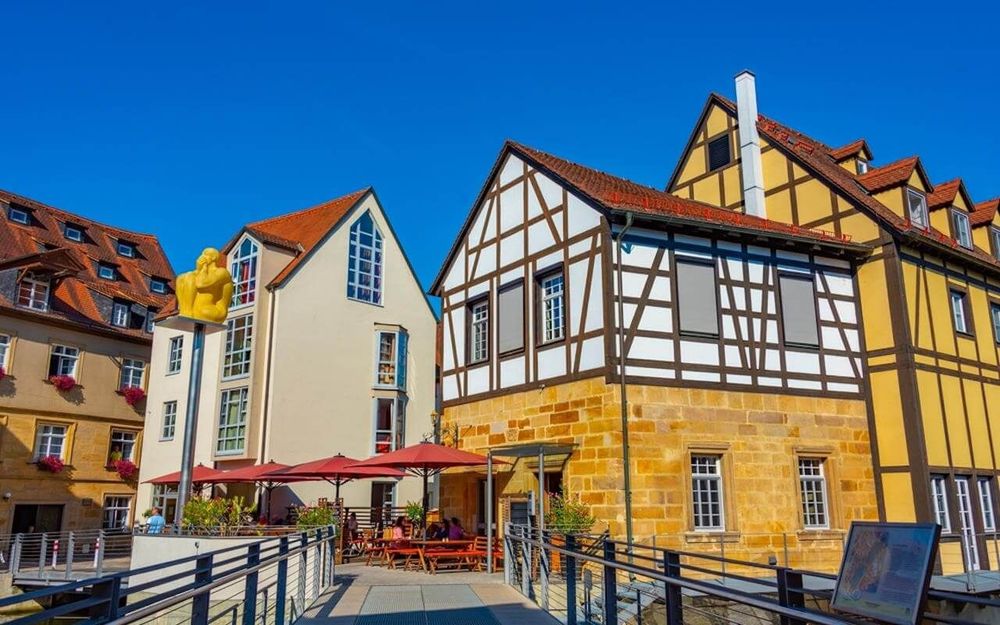
Little Venice, or Klein Venedig, is the old fishermen's quarter, lined up along the Regnitz just below the old town. The half-timbered houses stand tightly packed together, with wooden balconies, drying nets and tiny gardens sloping down to the water. Nothing here has been rebuilt as a replica: this is the quarter as it lived when the river fed the town.
The finest view is from the opposite bank, following the old towpath, or from the bridge leading to the former town hall planted in the middle of the current. In summer, small boats take visitors along the river and the Sandkerwa festival fills the neighbouring lanes, with its water jousting inherited from the fishermen.
What is there to see inside Bamberg Cathedral?
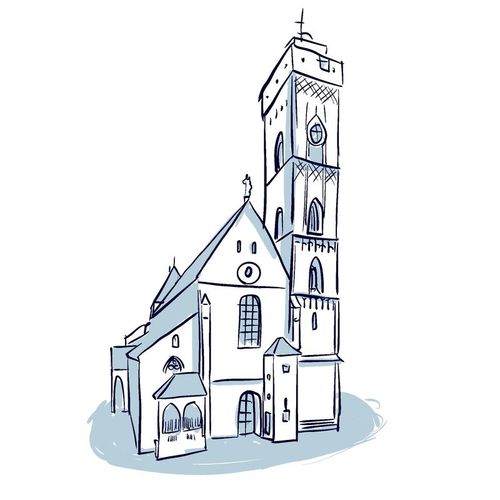
Recognisable by its four towers, the imperial cathedral blends late Romanesque with early Gothic, and its two facing choirs give it a highly unusual silhouette. Inside, the Bamberg Horseman, an equestrian statue set against a pillar, has puzzled visitors for centuries: nobody knows for certain which ruler he represents, and his calm smile has become the emblem of the town.
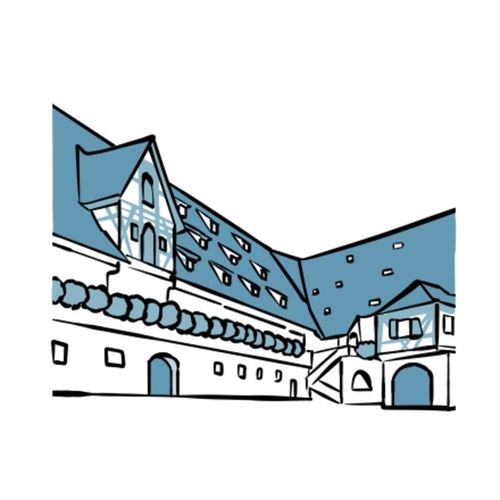
You will also find the tomb of Emperor Henry II and his wife Cunigunde, carved by Tilman Riemenschneider, along with the only papal grave preserved north of the Alps, that of Clement II. Take the time to step back outside: the square brings together the Alte Hofhaltung and the New Residence, whose rose garden opens onto a wide view over the rooftops.
Why is Bamberg a UNESCO World Heritage site?
Because its centre has come through the centuries almost untouched. Spared the destruction of the Second World War, the town has kept a complete medieval fabric, enriched with baroque palaces and churches designed by the Dientzenhofer family, to the point of serving as a model for town planning across central Europe.
The listed area brings together three complementary districts: the episcopal town on the hills, around the cathedral and the prince-bishops' residences, the burghers' town set on the island between the two arms of the Regnitz, and the market gardeners' quarter, where plots are still cultivated between the houses. The whole area can be covered on foot, and the Ryo audio guide offers a dedicated Bamberg route linking these three parts.
Vos commentaires, idées et suggestions
Aucun avis pour le moment