
Créé par Emilie, le 4 oct. 2026
Votre guide Ryo
Berlin, Germany
Short tour - On the other side of the wall
Parcours audioguidé pour visiter Berlin en 1 jour
This is the short version of the tour, perfect for discovering the city's highlights in no time. If you'd like to explore further, the full tour is also available, allowing you to immerse yourself in the city in much greater depth.
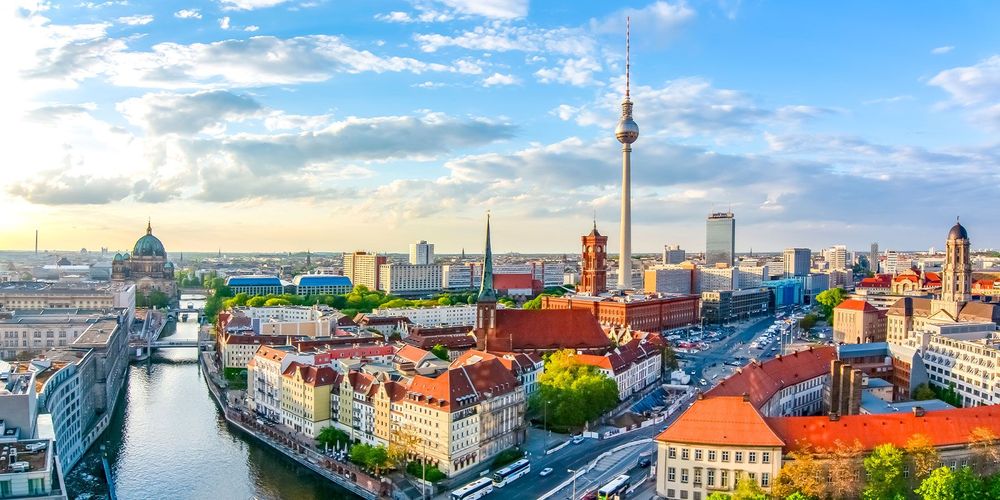
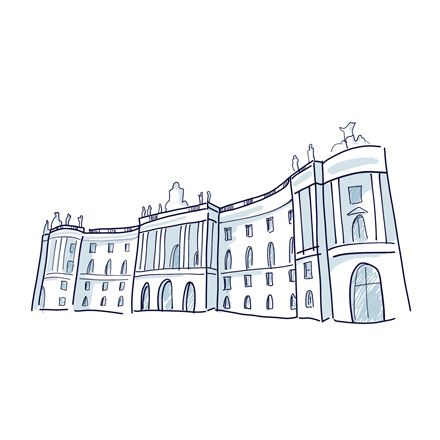
Berlin unfolds like an open book, where every cobblestone and façade carries both the weight of a turbulent past and the strength of remarkable resilience. This route leads you through the lifeblood of a city that has reinvented itself without ever erasing its scars, from the imperial grandeur of Unter den Linden to the deeply moving memorials dedicated to the darkest chapters of the twentieth century. As you wander, the quiet dignity of the Brandenburg Gate meets the intellectual energy of Humboldt University of Berlin and the classical elegance of Gendarmenmarkt, revealing a capital that continues to balance memory, culture, and renewal.
Quand partir à Berlin ?
Jan.
1°
10
Feb.
1°
9
March
6°
10
April
10°
11
May
16°
12
June
19°
12
July
22°
12
Aug.
22°
11
Sept.
18°
10
Oct.
12°
10
Nov.
6°
10
Dec.
2°
10
The best time to visit Berlin is between May and September. July and August are the warmest months, though temperatures rarely exceed 25°C. Winter is cold, with shorter days. The coldest months are January and February, with minimum temperatures around -2°C and frequent snowfall. That said, December is still a great time to visit Berlin, as the city is filled with the magical atmosphere of its many Christmas markets.
Départ conseillé
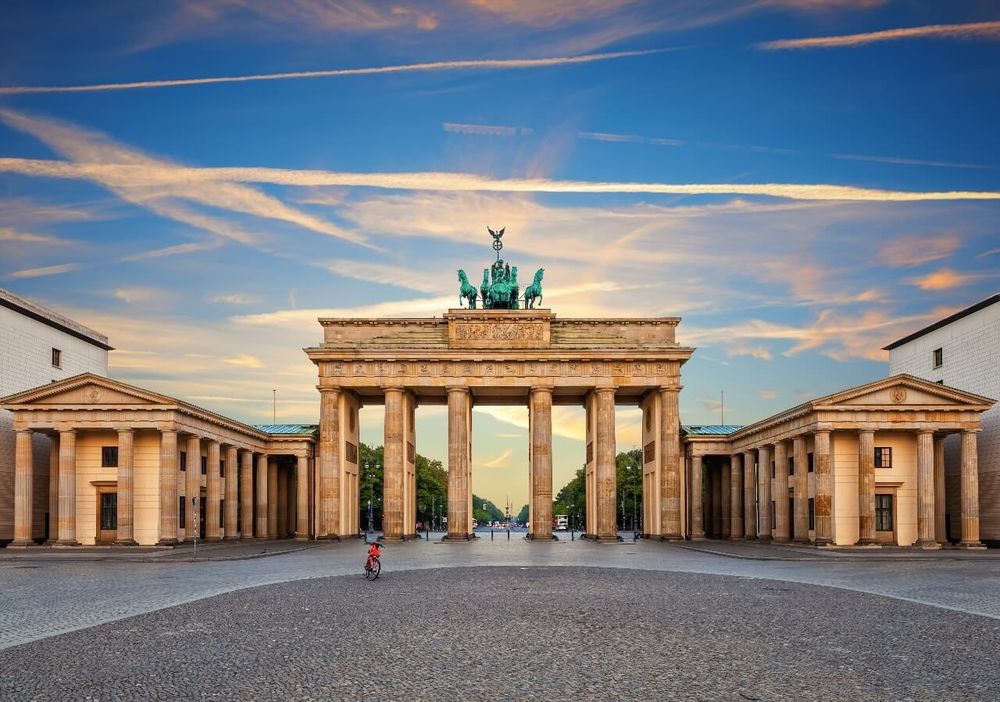
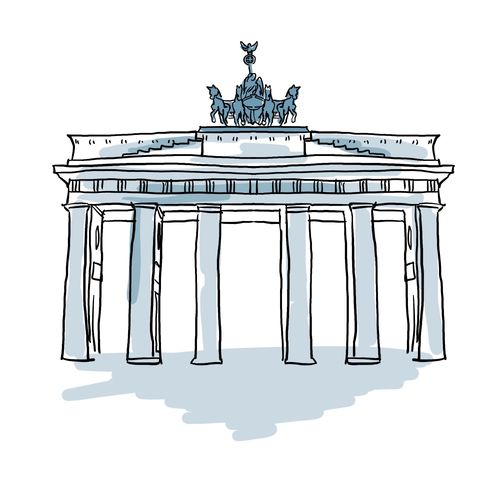
No need to worry about where to begin! Our tours are designed as a loop, so you can jump in wherever you are. The navigation system and audioguide will automatically adjust to your location. However, if you happen to be nearby, we do have a preferred starting point : the Brandenburg Gate
Parking à proximité
Parkhaus Sony Center APCOA : Bellevuestraße 3
Potsdamer platz : Alte Potsdamer Str. 7
À savoir
If you plan to visit several monuments and museums, check out the Berlin Pass, which offers discounted rates, skip-the-line tickets, and unlimited public transport.
This tour advises you to check out the permanent exhibition in the Palace of Tears. Admission is free, but it is closed on Mondays.
This tour takes you through the Holocaust Memorial, which is open 24 hours a day. Please note, however, that the information center, which is free to enter, has specific opening hours.
Découvrez 19 lieux d'intérêt pour visiter Berlin
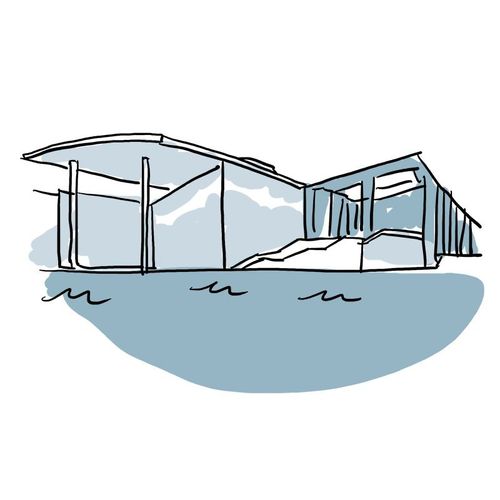

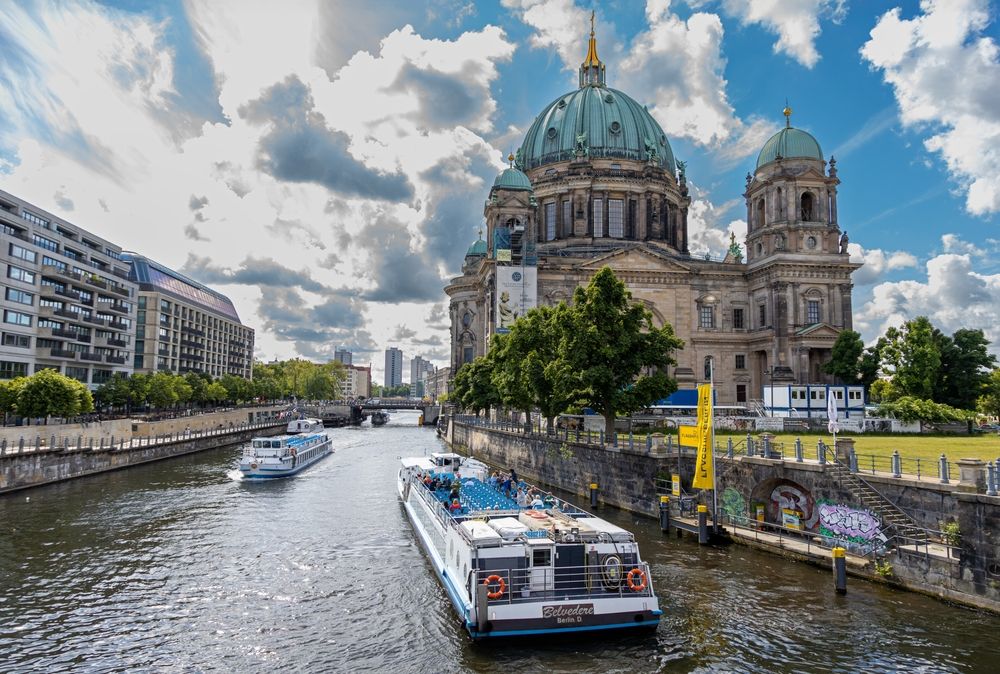
5. The Spree







Le plein d'inspirations
Explorez le monde en totale liberté, à pied au cœur des villes ou au fil des routes. Nos guides audios transforment chaque destination en une découverte culturelle immersive et unique.




When is the best time to visit Berlin?
The ideal time to explore Berlin runs from May to September, when the city comes alive under pleasant weather. Summer temperatures stay mild, rarely exceeding 25°C in July and August, perfect for exploring comfortably on foot. Berlin's winter is harsh, with short days and temperatures that can drop as low as -2°C in January and February, accompanied by frequent snowfall. December, however, reveals a magical atmosphere thanks to the Christmas markets that light up the city. Spring and autumn offer an appealing compromise, with fewer tourists and moderate temperatures to make the most of your stay.
How many days do you need to visit Berlin?
For a first visit to Berlin, ideally set aside three to four full days. This will let you explore the major sights without rushing and soak up the unique atmosphere of the German capital. Two days are enough to see the must-sees of the historic centre, but you risk missing fascinating neighbourhoods such as Kreuzberg or Prenzlauer Berg. With five days or more, you can truly delve deeper into your visit, discover the museums on Museum Island, explore the flea markets and venture into the alternative districts. Berlin is a city that reveals itself gradually, rewarding those who take the time to wander through it.
How do you get around Berlin?
Berlin has an excellent public transport network that makes getting around very easy. The metro (U-Bahn), the urban train (S-Bahn), the trams and the buses efficiently cover the entire city. A daily or weekly ticket lets you move freely between these different modes of transport. Cycling is also very popular thanks to the many safe bike lanes. For short distances, walking remains the best way to discover the soul of each neighbourhood. Taxis and ride-hailing services are available but more expensive. A private car is generally not recommended in the city centre because of traffic and parking difficulties.
Which neighbourhoods should you choose or avoid for staying in Berlin?
For your accommodation, the Mitte district remains the top choice for visitors thanks to its central location and its proximity to the major sights. Prenzlauer Berg charms with its bohemian vibe and trendy cafés, ideal for families. Kreuzberg draws a younger crowd with its lively nightlife and multicultural atmosphere. Charlottenburg is perfect for those seeking a quieter, more upmarket setting. Outlying districts such as Marzahn or certain areas of Wedding are generally less touristy and can feel less welcoming in the evening. Berlin remains a safe city overall, but favour neighbourhoods well served by public transport to make getting around easier.
What are the must-sees on a first visit to Berlin?
Your first visit to Berlin should absolutely include the Brandenburg Gate, symbol of reunification, and the remains of the Wall at the East Side Gallery. The Reichstag with its glass dome offers an exceptional panoramic view over the city. Museum Island brings together unmissable cultural treasures, while the Holocaust Memorial calls for necessary reflection on history. Don't miss Checkpoint Charlie and the vibrant Potsdamer Platz. The Ryo audioguide accompanies you on this discovery with a narrated tour that links these iconic sites while revealing the capital's hidden stories. Take the time, too, to wander through the courtyards of the Hackescher Markt district.
How do you get to the city centre from Berlin airport?
Berlin Brandenburg Airport (BER) is well connected to the city centre by several transport options. The regional train and the S-Bahn are the most affordable and efficient means, with frequent departures to Berlin's main stations. The journey usually takes between thirty and forty-five minutes depending on your final destination. Express buses also link the airport to the centre, offering a convenient alternative. Taxis are available but come at a higher cost, especially during rush hour. For groups or families with a lot of luggage, private shuttle services can be booked in advance. Always check the current timetables, as they can vary by season.
Which tourist pass should you choose to visit Berlin?
Berlin offers several tourist cards suited to different visitor profiles. The Berlin Welcome Card combines unlimited transport with discounts at many sites, ideal for a short stay. The Museum Pass Berlin gives access to around thirty museums over three consecutive days, perfect for art and history lovers. The Berlin City Tour Card offers similar benefits with additional discounts on certain attractions. The choice essentially depends on your interests and the length of your stay. Visitors who favour museums will opt for the Museum Pass, while those wishing to explore the city widely will appreciate the flexibility of the Welcome Card. Compare the options according to your itinerary to maximise your savings.
Where can you eat Berlin specialities like currywurst?
Currywurst, a culinary emblem of Berlin, can be enjoyed at many street stands and restaurants across the city. The traditional kiosks near Alexanderplatz or in the Kreuzberg district have been serving this curry sausage for decades. For an authentic experience, look for the spots frequented by locals rather than the tourist establishments. Beyond currywurst, try the Berlin döner kebab, reputed to be the best in Germany, or the meatballs known as Buletten. Covered markets such as Markthalle Neun offer a variety of local specialities in a convivial setting. Don't hesitate to pair your meal with a Berlin beer for a complete tasting experience.
Vos commentaires, idées et suggestions
Aucun avis pour le moment