© Shutterstock
 Votre guide Ryo
Visiting Berlin Solo: Complete Itinerary, Safety and Budget in 2026
In Berlin, nobody bats an eye if you eat a currywurst alone on a bench at midnight: in a city where more than one household in two is made up of a single person, anonymity becomes almost a gift. Visiting Berlin solo is less about taking on a megacity than slipping into a rhythm tailor-made for solo travelers: with a subway that runs all night on weekends and parks open until dawn, the city happily slows down for those who prefer to move at their own pace. The Ryo audio-guided tour of Berlin lets you do just that: move at your own pace, headphones on, without depending on a group or following a human guide through the crowd.
In the pages that follow: a 3-day itinerary between Museum Island and the East Side Gallery, the neighborhoods where you can sleep without leaving the reassuring perimeter, a detour through the underground tunnels of the Berliner Unterwelten, and a daily budget that ranges from simple to triple depending on whether you sleep in a shared hostel or a solo apartment. Welcome to a capital rebuilt twice in a century, made for those who prefer to decide for themselves when to go to the next museum.
Why Berlin Is a Perfect Destination for Solo Travel
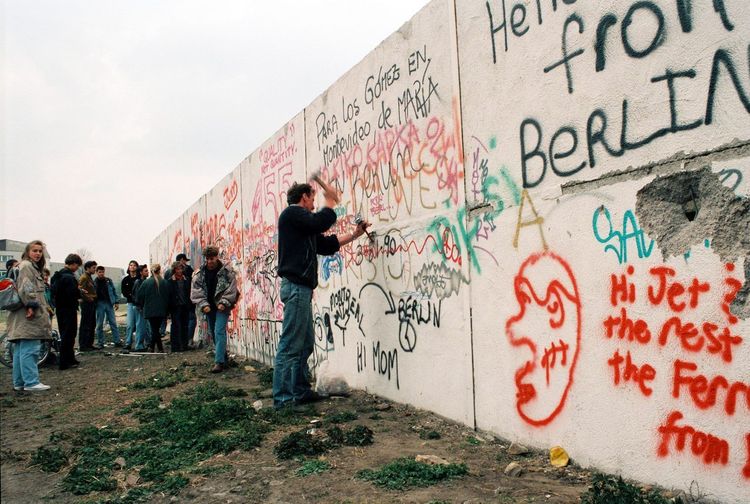
Berlin solo is not a diminished version of group travel: it is often the best way to discover it. The city was built on rupture and reconstruction, from the Wall to reunification, and this history is best experienced at the slow pace of one person who stops whenever they like in front of a commemorative plaque or a stretch of graffitied concrete.
In practical terms, traveling alone in Berlin opens doors that group travel closes. You can wander for three hours in a museum without negotiating with anyone, or change your route on a whim because a café in Kreuzberg looks nice: these small freedoms are what turn a simple city trip into a more personal experience. Sitting alone by the Spree without waiting for everyone to be ready is part of the same pleasure. The city itself makes this independence easy: signage is often bilingual and English is very widely spoken among people under 40. Its tourist offering, designed for self-guided exploration rather than organized groups, does the rest.
If you're still hesitating, one figure is often enough to decide: Berlin has around 175 museums and hundreds of parks and gardens, enough to put together an entirely tailor-made program, without ever running out of options on a rainy day.
Is Berlin a Safe City for Solo Travelers?
Yes, overall, and the experience of women travelers confirms it more than the clichés that still circulate about the former East Berlin. The German capital is regularly cited among the major European cities where it is most relaxing to get around alone. That doesn't mean you should switch off your vigilance, simply that you can explore without flinching at every street corner.
Everyday Safety Tips
Night transport remains generally reliable: the U-Bahn and S-Bahn run all night from Friday to Saturday and from Saturday to Sunday, and trains are rarely empty before 2 a.m. Just avoid the rear cars, which are deserted after midnight on weeknights, and prefer the front cars, close to the driver.
Most solo women travelers say they feel comfortable on public transport, including in the evening. The BVG app, Berlin's transport app, shows real-time schedules, which saves you from waiting alone on a poorly lit platform longer than necessary.
Keep a digital copy of your documents, share your real-time location with a loved one for nights out, and beware of pickpockets around Alexanderplatz and on very touristy lines such as bus 100. Nothing alarming, just the same reflexes you'd adopt in any big city.
Neighborhoods to Favor and Neighborhoods to Avoid at Night
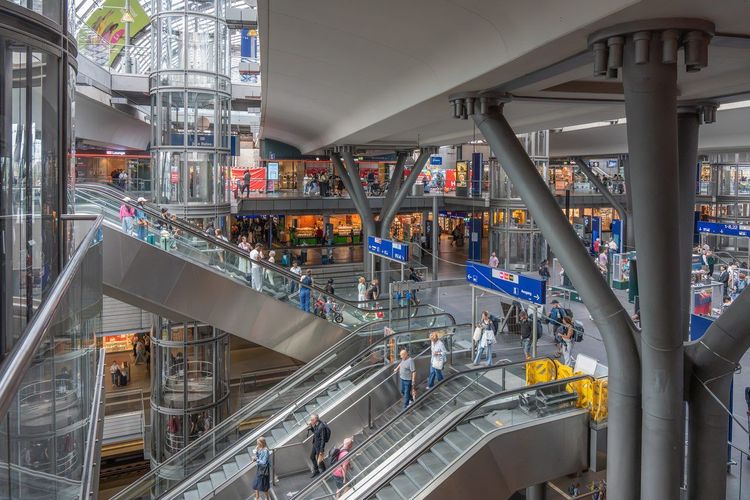
Mitte, Prenzlauer Berg, Charlottenburg and northern Schöneberg remain safe at all hours, well lit and busy until late. The surroundings of Görlitzer Park and Kottbusser Tor, certain pockets of Neukölln and the immediate area around Berlin Hauptbahnhof (Europaplatz 1, 10557 Berlin, rated 4.2/5 on Google from 15,536 reviews) deserve more caution after 11 p.m., often less because of crime than because of sparse foot traffic.
A simple rule of thumb: if a street is lined with open bars and restaurants, it generally stays lively and safe until closing time. As soon as it empties of businesses, it's better to hail a taxi rather than keep walking.
Where to Stay in Berlin Solo: The Best Neighborhoods
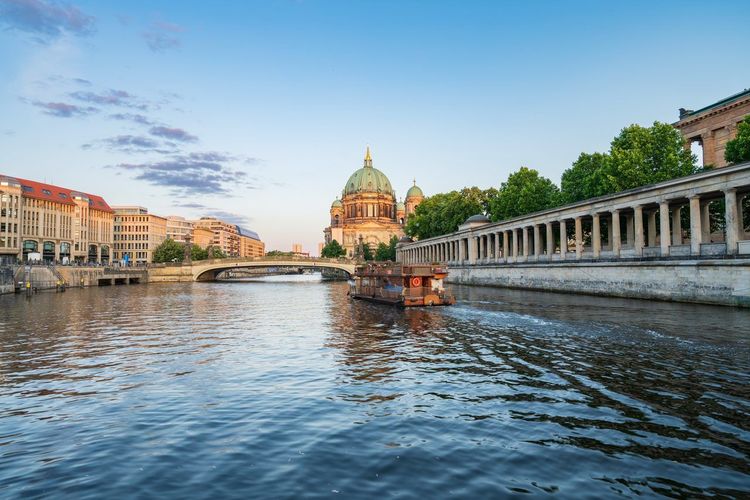
Choosing a neighborhood counts double when you travel alone: it is both your base camp and the first safety filter of your stay. Three options clearly stand out for a successful solo trip, each with a radically different atmosphere.
Mitte and Prenzlauer Berg: Central, Quiet and Well Connected
Mitte concentrates most of the landmarks within 30 minutes on foot or a few subway stops: the Brandenburg Gate, Museum Island, Alexanderplatz and the Reichstag district. It's the most practical choice if you don't want to lose time in transit the first few days, at the cost of a more touristy atmosphere and higher hotel rates.
Prenzlauer Berg, just to the north, offers a compromise appreciated by solo women travelers: tree-lined residential streets, cafés open late, and a reputation as a family neighborhood that is reassuring for evening strolls. The Kollwitzplatz (Kollwitzplatz, 10405 Berlin, rated 4.4/5 on Google from 3,516 reviews) and its Thursday (organic) and Saturday markets are worth the detour even if you aren't staying there.
To get your bearings between these two neighborhoods before choosing where to drop your bags, the Ryo audio-guided tour dedicated to Berlin, a symbolic and dynamic capital crosses Mitte in 27 commented stops (2h15, 5.7 km), handy for linking your accommodation to the must-sees on foot once you're there.
Friedrichshain-Kreuzberg: Alternative and Nocturnal Berlin
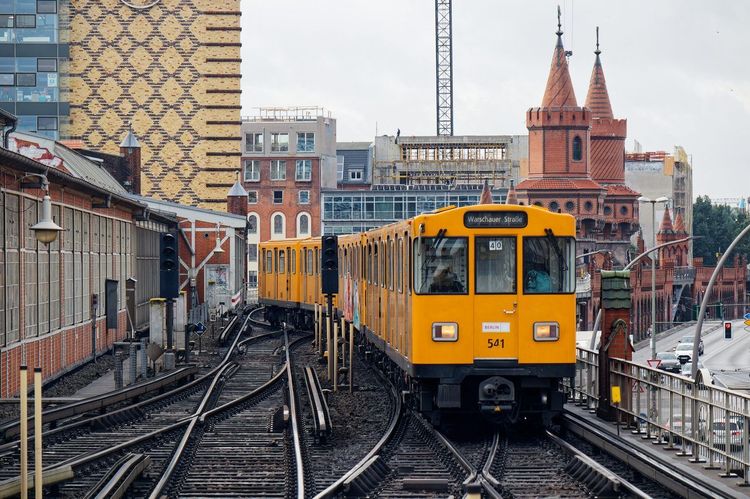
Looking for a younger, artsier and slightly cheaper atmosphere? Friedrichshain-Kreuzberg remains the benchmark. You'll find studios and private rooms at gentler prices than in Mitte, surrounded by wastelands converted into bars and the highest density of street art in the city.
Be warned, though: it's also the noisiest neighborhood on weekends, particularly around Warschauer Straße where clubs close in the early morning. If you value your sleep, stay a few streets away from this particular axis.
Hostels and Accommodation Designed for Solo Travelers
Berlin's hostels are among the best organized in Europe for solo travelers: mixed or female-only dorms to choose from, individual lockers, and shared kitchens that quickly become places for spontaneous encounters. Expect on average €20 to €35 a night in a dorm versus €70 to €110 for a private room in a 3-star hotel, more during major trade fairs and in summer.
A simple tip before booking: read the reviews written by solo travelers rather than the overall rating. Some establishments cultivate a real community of solo travelers, with shared evenings organized several times a week.
Day 1: Alexanderplatz, Museum Island and the Historic Center
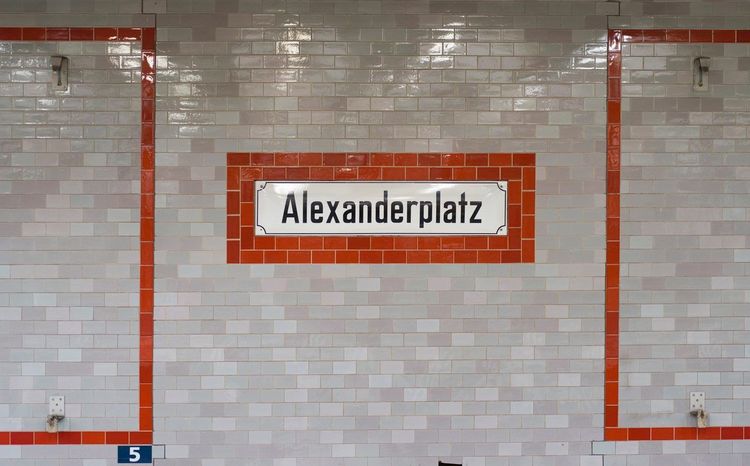
The first day traces a logical east-west axis, from the East German foundations of Alexanderplatz to the symbol of reunification that is the Brandenburg Gate. Allow a full day, meals included, walking at your own pace.
Alexanderplatz and the TV Tower
Alexanderplatz remains the natural starting point: the commercial heart of former East Berlin, dominated by the silhouette of the Fernsehturm (Panoramastraße 1A, 10178 Berlin, rated 4.4/5 on Google from 53,739 reviews) (television tower), 368 meters tall, inaugurated by the GDR in 1969 and now one of the most photographed symbols of the city.
Go up early, right at opening (9 a.m. from March to October, 10 a.m. in winter), to avoid the line and enjoy a clear 360° view. On a clear day, your gaze carries far beyond the city limits. Allow 1 hour on site; a timed-entry ticket is recommended in high season.
Museum Island and Berlin Cathedral
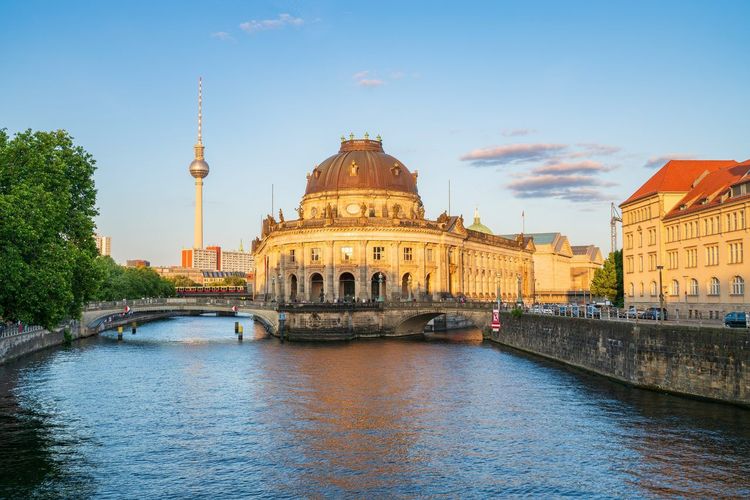
A 10-minute walk along the Spree, Museum Island concentrates five museums on a single river islet, listed as a UNESCO World Heritage Site since 1999. One thing to know before you go: the famous Pergamonmuseum is closed for renovation and will not reopen until June 4, 2027. For a relaxed solo morning, the Neues Museum and its bust of Nefertiti are currently the most memorable visit on the island.
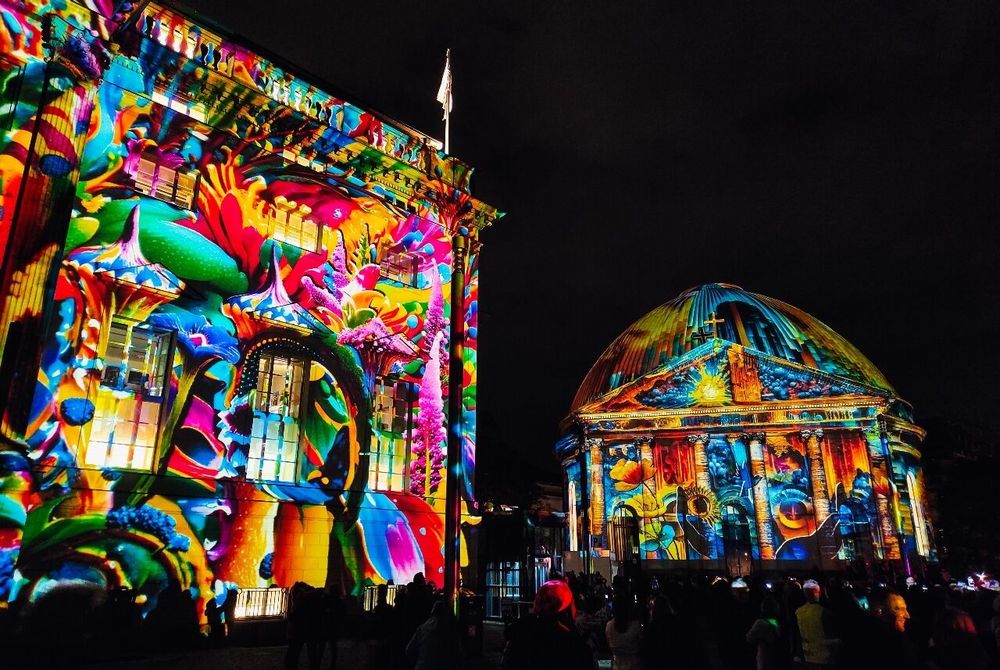
Right next door, Berlin Cathedral) impresses with its dome and its Hohenzollern crypt. Admission, between €10 and €15 depending on the option, includes the climb to the cupola: 270 steps, no elevator, for a view that rivals the TV tower's, only quieter.
The Brandenburg Gate and the Holocaust Memorial
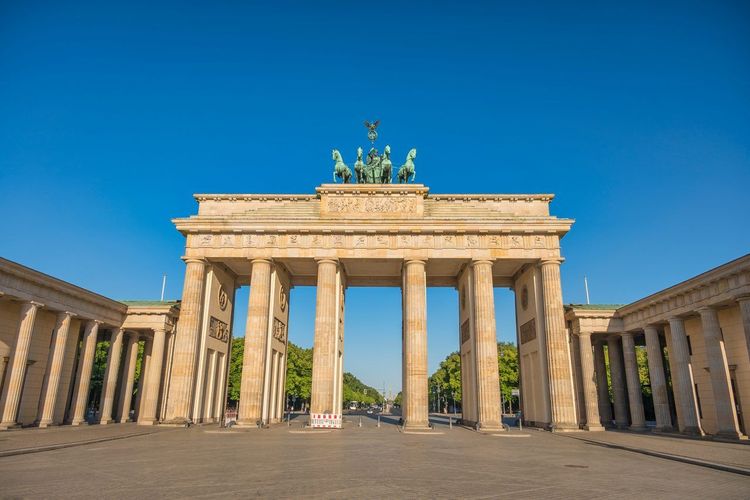
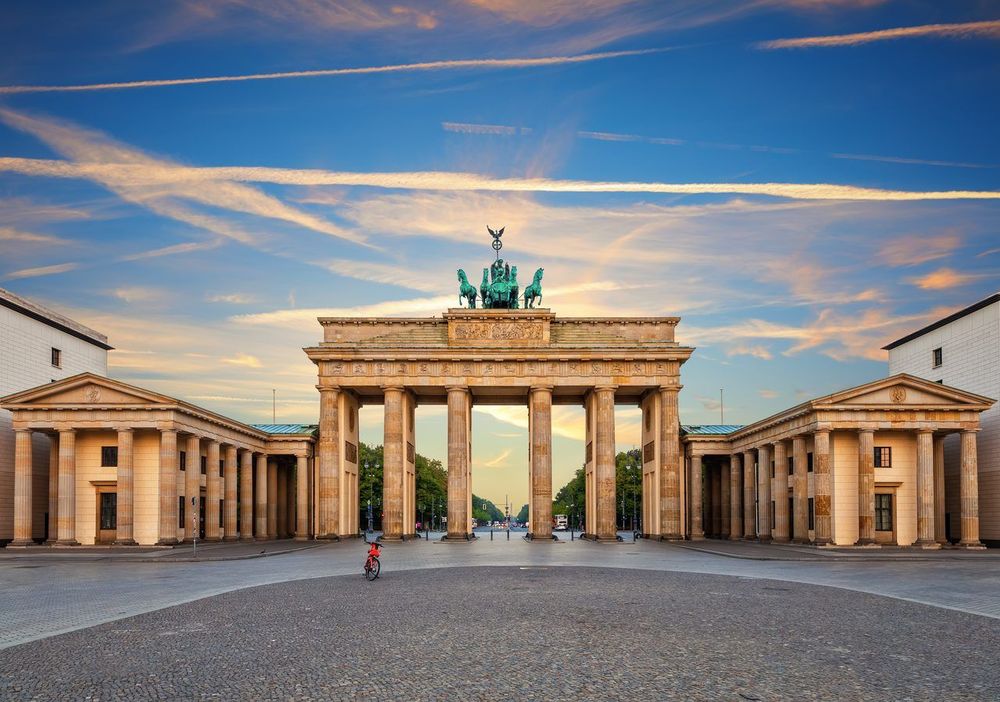
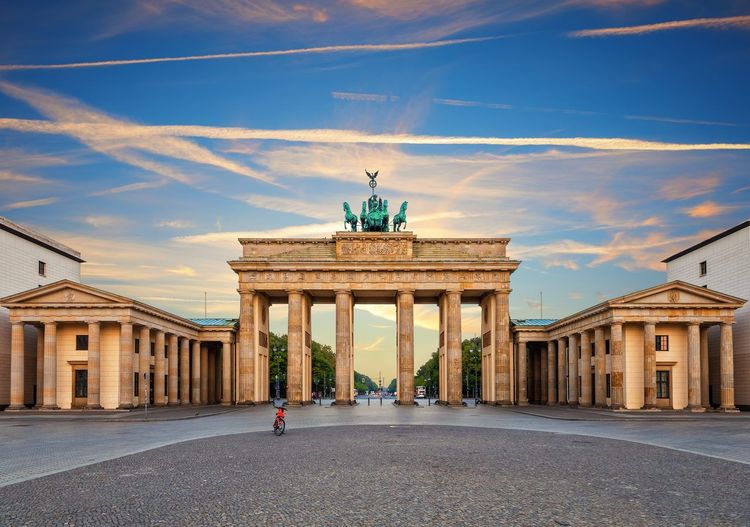
Continuing west along Unter den Linden, you arrive at the Brandenburg Gate, long enclosed within the border zone and now a symbol of reunification. It is also one of the most beautiful photo spots in the historic center at sunset.
A few minutes' walk away, the Memorial to the Murdered Jews of Europe spreads 2,711 concrete slabs over undulating ground: the visit, free and accessible day and night, is particularly well experienced alone, in the silence the place imposes.
Just behind it, the Reichstag and its glass dome can only be visited by online registration, free but mandatory, often fully booked several weeks in advance in summer. Reserve this slot even before setting foot in Berlin if you want that view over the plenary chamber.
This Alexanderplatz, Museum Island, Brandenburg Gate thread largely overlaps with the route of the Ryo audio-guided tour "Symbolic and Dynamic Capital": 27 audio clips that let you move forward without rushing and without booking a guide for the day.
Day 2: Berlin Wall, Street Art and Alternative Neighborhoods
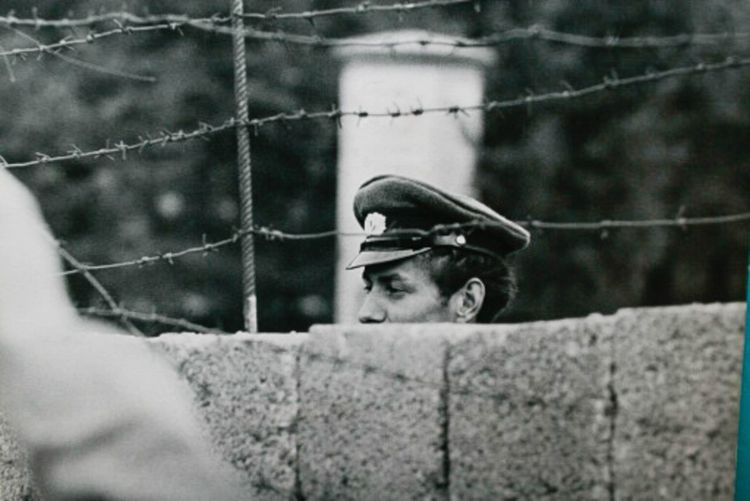
The second day leaves the historic center to dive into Cold War Berlin and its creative legacy, in the east of the city.
The East Side Gallery and the Memory of the Wall
Stretching 1.3 km, the East Side Gallery remains the longest surviving section of the Berlin Wall still standing, painted in 1990 by more than 100 artists from some twenty countries, making it one of the largest open-air galleries in the world. The Trabant crashing through the wall and the fraternal kiss between Brezhnev and Honecker are among the most photographed murals.
Allow 45 minutes to 1 hour of slow walking along the Spree, ideally in the morning to avoid the afternoon crowds. At the end, the Oberbaumbrücke (Oberbaumbrücke, 10243 Berlin), a two-level neo-Gothic brick bridge, spans the river: in the days of the Wall, it served as a border crossing reserved for pedestrians between West Berlin and East Berlin.
To delve deeper into the history behind each section of concrete, the Ryo article on the history of the Berlin Wall details the timeline from its construction to its fall.
Street Art and Creative Wastelands in Friedrichshain-Kreuzberg
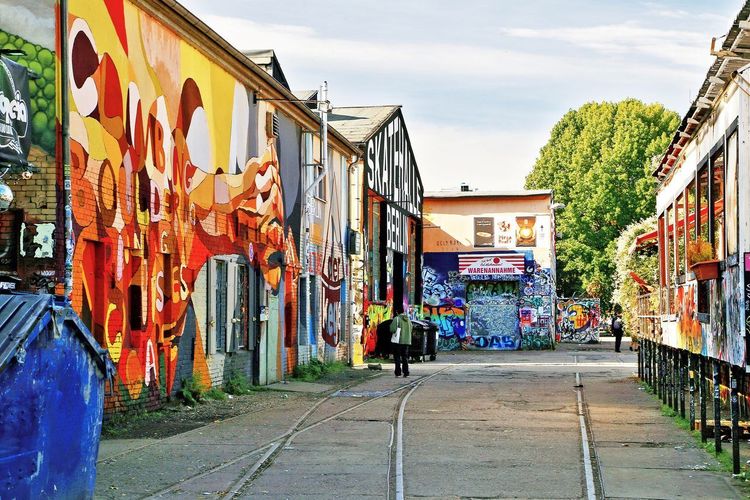
Heading up toward Warschauer Straße, you enter the so-called alternative district: former industrial warehouses converted into bars, with the RAW-Gelände at the forefront, a former railway wasteland that has become the nightlife landmark of underground Berlin.
Off the beaten track in Friedrichshain, the streets around Boxhagener Platz hold a density of murals that changes with the seasons, with some artists repainting the same wall several times a year. This is precisely the kind of exploration best savored alone, without a fixed itinerary.
On Tuesdays and Fridays, across the canal on the Neukölln side, the Turkish market at Maybachufer (Maybachufer, 12047 Berlin) adds a much livelier touch to the picture: vegetable stalls, colorful fabrics and the smell of flatbread.
Berliner Unterwelten: Diving Beneath the City
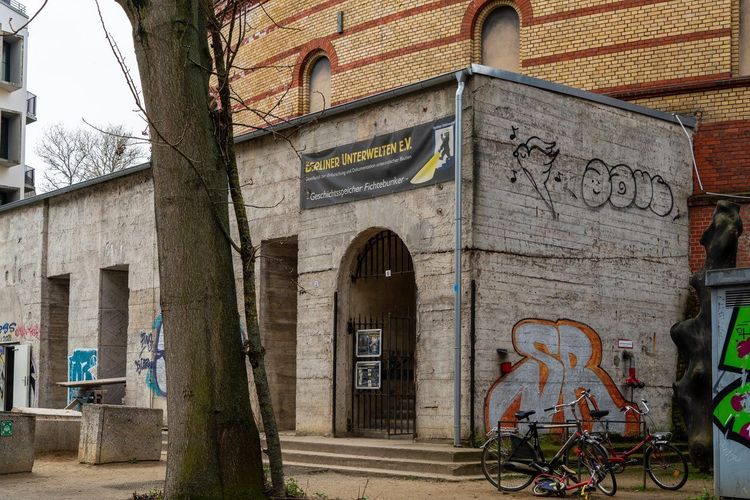
Lesser known to hurried visitors, the Berliner Unterwelten (Brunnenstraße 105, 13355 Berlin, rated 4.8/5 on Google from 13,239 reviews) offer, departing from Gesundbrunnen, guided tours of the bunkers and tunnels used during the Second World War and then the Cold War. Online booking is strongly recommended: English-language slots go fast in high season.
Expect €18 (€13 reduced rate) for about 90 minutes underground, at a cool temperature even in midsummer: bring a jacket, even in July.
This second day, centered on the memory of the German division, follows the spirit of the Ryo audio-guided tour of Berlin, The Other Side of the Wall: 30 audio clips and 2h40 of commented walking (6.5 km), designed for a stroll at your own pace, with no group schedule constraints.
Day 3: Museums, Downtime and an Excursion to Potsdam
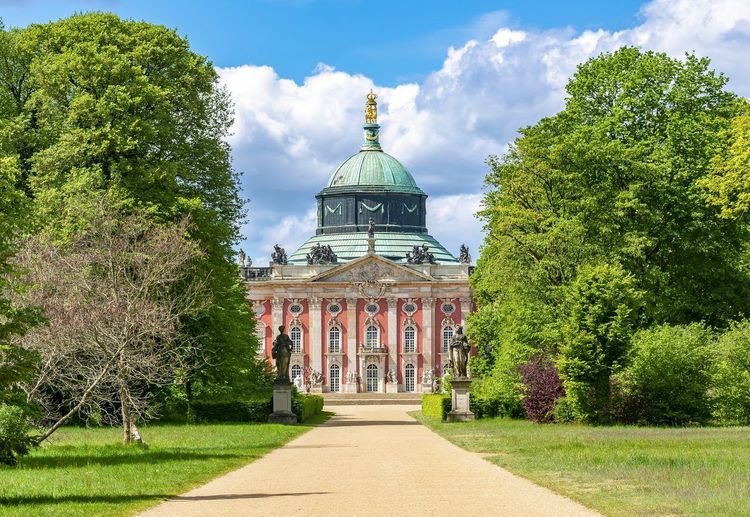
The third day deliberately slows the pace: a morning with no constraints, an afternoon outdoors, and the option of an excursion if you still have the energy.
A Museum or a Free Morning, as You Please
After two intense days, this morning is built to suit you. Contemporary art fan? Head to the Hamburger Bahnhof, a former train station turned modern art museum. Passionate about recent history? The Topography of Terror, a free documentation center set on the former Gestapo headquarters, can be visited in about 1.5 hours without a reservation, every day from 10 a.m. to 8 p.m.
Nothing obliges you to tick a specific box that morning: sleeping an hour longer, wandering aimlessly through Prenzlauer Berg or writing a few postcards in a café is an equally legitimate choice when traveling solo.
Picnic and Relaxation in the Tiergarten
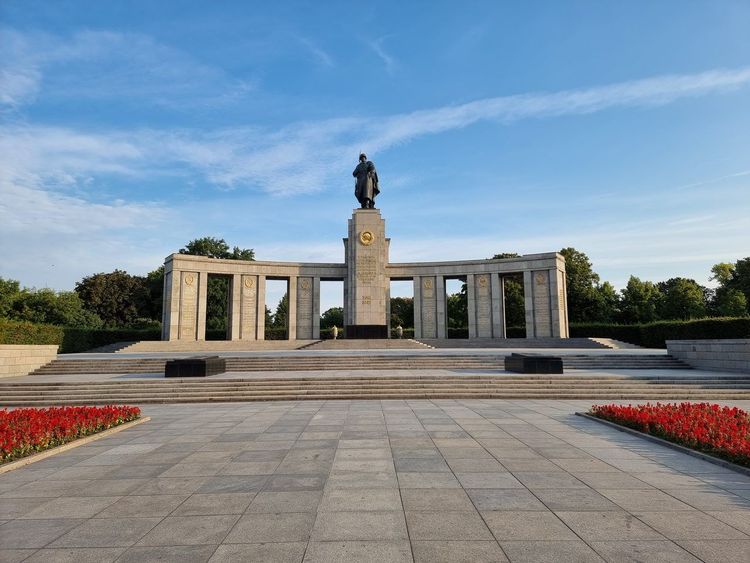
The afternoon lends itself perfectly to a picnic in the Tiergarten (Straße des 17. Juni, 10785 Berlin, rated 4.6/5 on Google from 24,921 reviews), a 210-hectare green lung in the heart of the city. It's a very Berliner habit: as soon as the first rays of sun appear, the lawns fill with blankets and impromptu volleyball games.
Buy something to snack on at a Turkish grocery or a supermarket, much cheaper than a restaurant, and settle in not far from the Victory Column: it's the ideal spot to observe weekend local life without ever feeling watched in return.
Potsdam, the Day Trip from Berlin
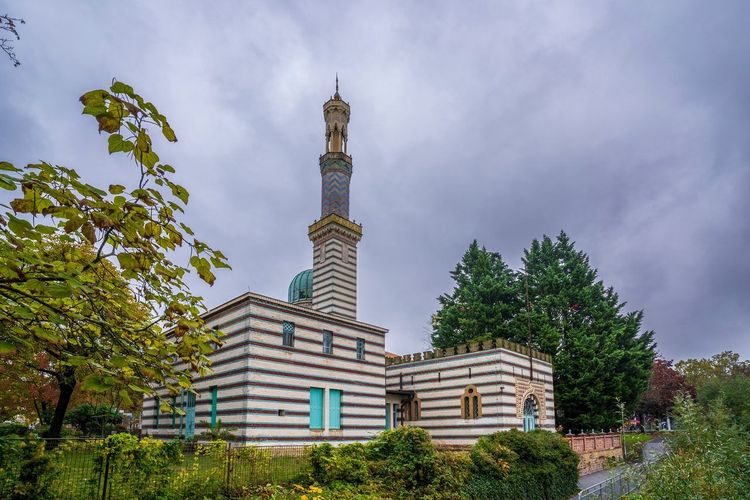
If you're staying exactly 3 days, Potsdam is only an option, not an obligation: it's better to save it for a 4th day or a future trip rather than sacrifice the relaxed pace of this third day.
If the weather allows it anyway, the palace of Sanssouci, summer residence of Frederick the Great, is about 25 minutes by regional train (RE1) from the central station. The gardens, which are free, can easily be visited without booking.
The most curious travelers will add the Cecilienhof palace, site of the 1945 Potsdam Conference that redrew the map of Europe, located in the New Garden, about fifteen minutes by bus from Sanssouci Park.
Allow half a day for the gardens alone, or a full day with a palace visit (€14) or the sanssouci+ ticket at €22, valid in all open palaces in Potsdam on the same day. Easily doable solo, since the interior visit is done with an audio guide provided on site.
Getting Around Berlin Solo: Transport, Walking and Cycling
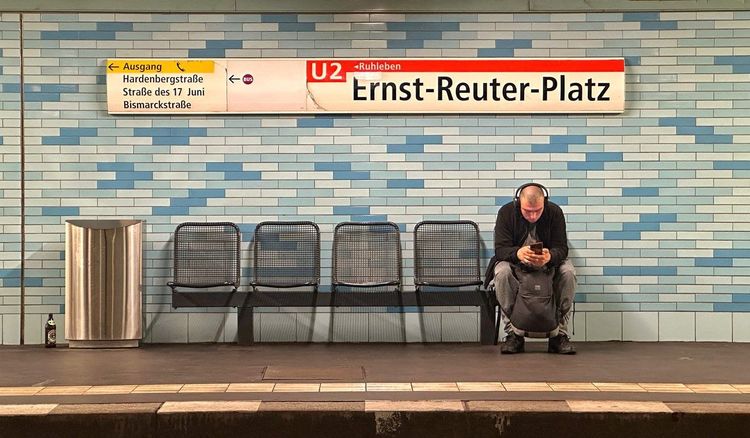
Berlin spreads over nearly 892 km², far too large to do everything on foot, but its network of S-Bahn, U-Bahn, trams and buses covers the essentials with only a few minutes' wait.
The 24-hour ticket (24-Stunden-Karte) for zones AB, at €11.20 since January 2026, remains the simplest choice if you move around a lot: valid for 24 hours from validation, on buses, trams, S-Bahn and U-Bahn alike. For a 3-day stay, the Berlin WelcomeCard combines transport and discounts on many attractions, to be compared based on your exact itinerary.
Yes, you can visit a good part of Berlin on foot, especially on the first day between Alexanderplatz and the Brandenburg Gate: about 2.5 km, a short half-hour of direct walking. Kreuzberg and Prenzlauer Berg are also very pleasant to discover on foot, as Berlin's terrain is almost completely flat.
For longer trips, bike sharing (Nextbike, a partner of the Berlin network) complements the network perfectly: unlocking via app, per-minute or half-hour pricing, and plenty of stations in the center. It's also one of the most pleasant ways to reach the East Side Gallery alone along the Spree.
At night, ride-hailing and taxis remain a reasonable option: expect €12 to €18 for an average ride from Friedrichshain to Mitte, a good compromise when the last train has gone on a weeknight. Download the BVG app before you arrive: it calculates the fastest route between two points in real time and sells digital tickets.
Meeting People in Berlin Without Feeling Alone
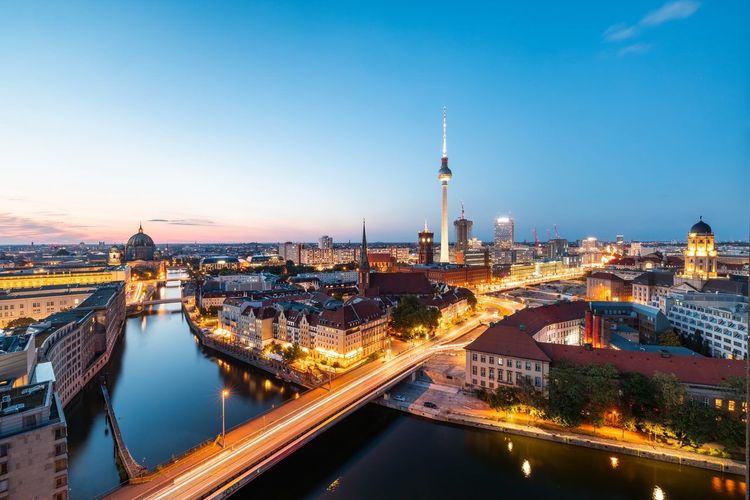
Traveling alone doesn't mean staying isolated for the whole trip, quite the opposite: Berlin is full of opportunities to meet people that look nothing like an imposed guided tour.
Social hostels almost all organize a pub crawl or a shared happy hour during the week, with no obligation to take part but the certainty of crossing paths with other solo travelers in the common areas. Some establishments in Kreuzberg and Friedrichshain even cultivate a reputation as headquarters for solo women travelers, with a kitchen open late where conversations start over a pot of pasta.
Prefer a calmer setting than a club? Board game bars, plentiful in the center, let you chat without forcing it: you sit at a shared table, ask your neighbors for a rule, and the conversation follows. For a day of reading or remote work, the cafés of Prenzlauer Berg and Neukölln are perfectly fine with you settling in alone for several hours.
What few guides mention: one-off outings organized through Meetup or Facebook groups (market, cooking, photo walk, beer tasting) often gather fewer than ten people and cost less than a standard tourist activity, with real conversations as a bonus. WhatsApp groups of solo travelers also let you organize a dinner or an outing in a few messages, with no commitment beyond one evening.
What Budget to Plan for Visiting Berlin Solo
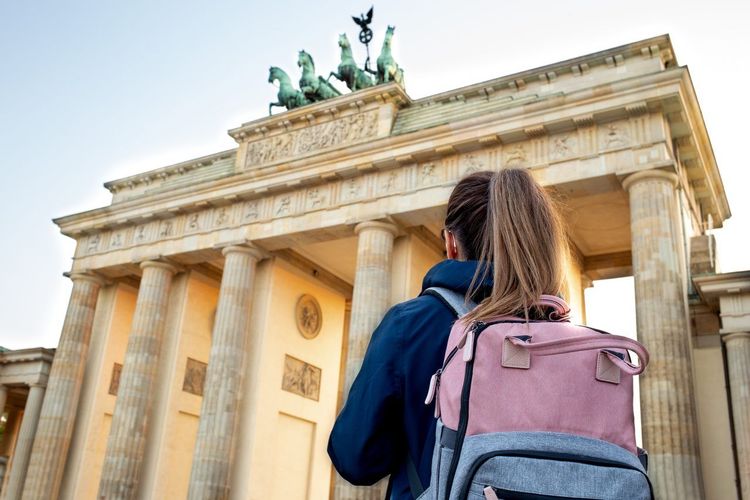
The daily budget varies greatly depending on the level of comfort you're looking for, and Berlin remains significantly more affordable than Paris or London for the same standard.
For a budget version, expect €45 to €60 per day: a dorm bed (€22-28), street food or supermarket meals (€12-15), a 24-hour ticket (€11.20), and one or two museum entries spread over the stay. For a mid-range version, €80 to €120 per day covers a private room, one restaurant meal a day and more paid activities.
For a comfort stay, beyond €150 per day, a 4-star hotel single room absorbs most of the budget. Over 3 full days, this gives a total range of €135 to €450 excluding flights or train tickets, depending on the version chosen.
A good habit to lighten the bill: several major memorial sites (Holocaust Memorial, East Side Gallery, Topography of Terror, Reichstag dome) are free all year round, and the museums on Museum Island stay open later on Thursdays, handy for fitting in a visit after a day of walking. Note, however, that the free museum Sunday (Museumssonntag) was discontinued at the end of 2024. For other ideas that cost nothing, our selection of free things to do in Berlin rounds out the list. Finally, keep a daily margin of €10 to €15 for the unexpected: a downpour that pushes you to take a taxi, or an impromptu concert in a Biergarten.
Language, Formalities and Final Practical Tips
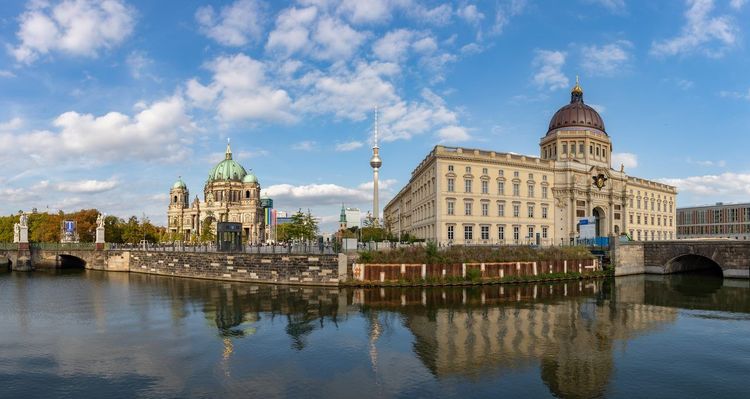
No need to worry about language: English is more than enough to travel alone in Berlin, much more so than in the rest of Germany. In tourist areas, on public transport and in most restaurants in the center, you'll be understood from your first words in English, and a few German phrases (Danke, Bitte, Entschuldigung) will always be appreciated.
As for documents, a valid ID card or passport is enough for European Union citizens, with no visa required. Outside the EU, check the entry conditions for the Schengen area before leaving.
A few practical tips: download an offline map before you arrive, keep a copy of your accommodation booking and always carry a bit of cash, as some bars and small restaurants still refuse cards. A standard European adapter completes the list if you're coming from outside Europe.



FAQ
Is it possible to visit Berlin on foot?
Yes, for the most part. The historic center between Alexanderplatz and the Brandenburg Gate can be covered in half an hour's walk, and the city is generally flat. Beyond 2-3 km between two points, though, it's better to supplement with the S-Bahn or U-Bahn so you don't lose half a day to getting around.
Is it worth visiting Berlin solo?
Absolutely. The city makes independence easy, with widely spoken English and reliable transport even late at night, and its history is best experienced at the slow pace of a solo traveler, with no itinerary to negotiate with anyone.
What is the ideal length of stay to visit Berlin?
3 full days cover the essentials: the historic center, the Wall and alternative neighborhoods, plus a half-day of downtime. To add Potsdam without rushing or to explore more museums, plan on 4 to 5 days.
What are the absolute must-sees in Berlin?
Museum Island, the Brandenburg Gate, the Holocaust Memorial and the Reichstag for the historic center, the East Side Gallery for the memory of the Wall, and at least one visit to the Berliner Unterwelten to get off the beaten path.
Is Berlin a safe city for women traveling alone?
Yes, Berlin is among the European capitals where traveling alone feels most relaxed, with a reliable night transport network on weekends and central neighborhoods that stay busy until late. The usual precautions, such as avoiding deserted streets after midnight or keeping an eye on your bag, still apply, with no more reason to worry than anywhere else.
What budget should I plan for a 3-day solo trip to Berlin?
Between €135 for a budget version (hostel, simple meals, public transport) and €450 for a comfort version (hotel, restaurants, paid activities), excluding flights or train tickets. The mid-range version comes to around €240 to €360 for 3 days.
Visiting Berlin solo ultimately reveals a city that seems designed for those who like to set their own pace: reliable transport, clearly identified safe neighborhoods, and a history that is better savored in silence than amid the hubbub of a group.
Between Museum Island, the East Side Gallery and an optional excursion to Potsdam, 3 days are enough to grasp the essentials without ever feeling rushed or dependent on anyone. To string together the monuments effortlessly, the Ryo audio-guided tour of Berlin remains the simplest option: 30 commented stops, headphones on, to follow in whatever order suits you, with no booking or schedule to respect.
À lire également