



Walk
The City in the Sky
La Paz, Bolivie
Walk
The City in the Sky
La Paz, Bolivie
Distance
2.7 kmDurée
1h15Audios
16Parcours
Loop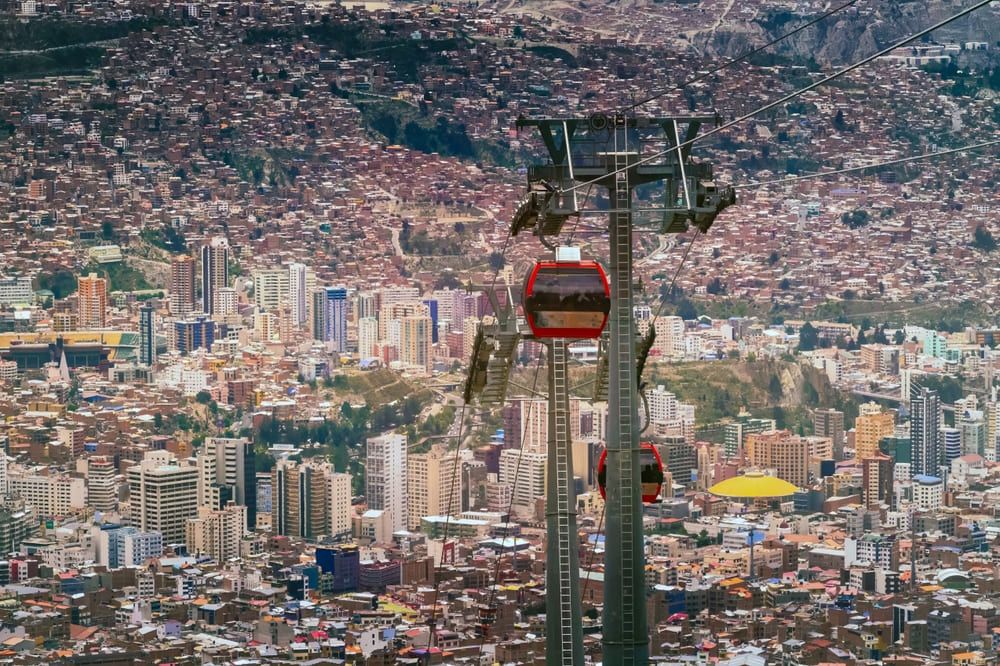
Shutterstock
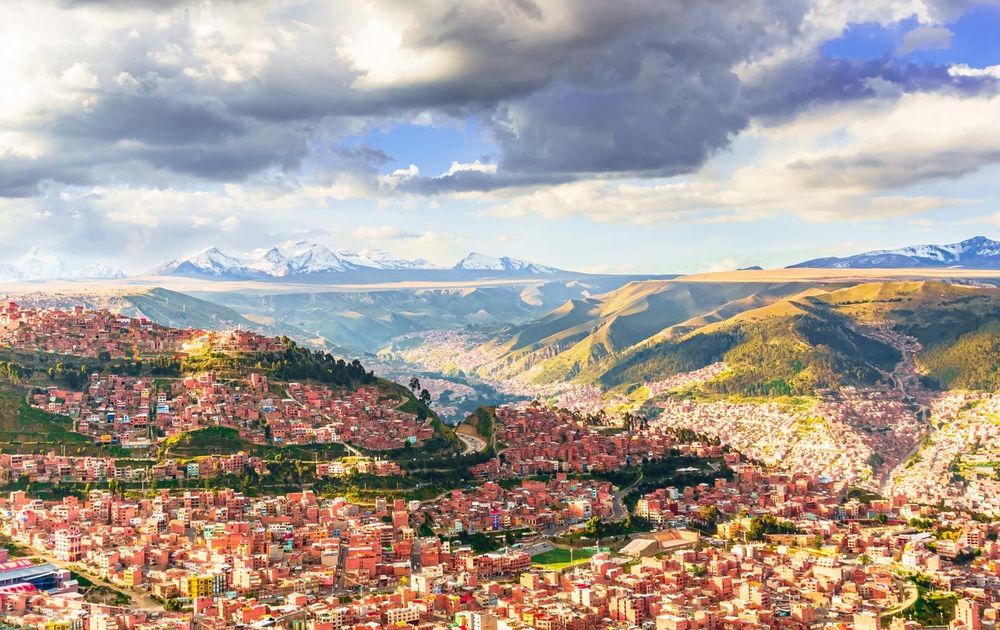
If Parisians take the subway, people in La Paz take the cable cars. And with more than 400 meters (1,300 feet) of elevation separating the bottom of La Paz from its high-altitude twin, El Alto, you can see why! For decades, getting between “down below” and “up above” meant navigating a maze of winding, traffic-clogged roads in packed minibuses. So in 2014, the city decided to solve the problem from the air. Today, La Paz is home to the world’s largest urban cable car network, with 10 brightly colored lines, around 40 stations, and more than 1,400 cabins gliding silently above the traffic. The system has already carried more than 700 million passengers. Step into one of the cabins, and the city’s social geography unfolds before your eyes. Down below, you’ll find the historic center, government palaces, and residential neighborhoods, while up above, the views are extraordinary and the atmosphere becomes more working-class, commercial, and lively. Take a look at the station signs, too. They proudly display their names in both Spanish and Aymara, the Indigenous language that remains very much a part of life here. If you only have time for one ride, head straight for the Red Line. It connects the central station, built on the site of the former railway station, with the 16 de Julio station, where you’ll have an unbeatable view over the basin and Mount Illimani. As you rise into the sky, you’ll pass above the Central Cemetery, which is practically a city in itself, and the Chualluma neighborhood, with its colorful rooftops and street art visible from above. So rise above the clouds and get a whole new perspective on La Paz!
Aucun avis pour le moment
